Global Medical Consumables Trends in 2026: Cost Shifts and Supply Risk
Global medical consumables trends in 2026 are being reshaped by tighter budgets, shifting procurement rules, and rising supply-chain uncertainty. For purchasing professionals, understanding how cost pressures affect orthopedic implants, cardiovascular devices, MIS consumables, catheters, and advanced wound care is essential to balancing compliance, continuity, and value. This overview highlights the forces driving price changes and supply risk across high-value medical consumables worldwide.
For procurement teams, 2026 is not simply about negotiating lower unit prices. It is about securing clinically critical products across 5 high-impact categories while navigating reimbursement pressure, regional tender rules, longer validation cycles, and supplier concentration risk.
In this environment, the most effective buyers are building category-specific sourcing strategies. They are comparing total landed cost, regulatory resilience, lead-time variability, and substitution pathways rather than relying on price-per-piece alone.
Why 2026 Will Be a Turning Point for Medical Consumables Procurement
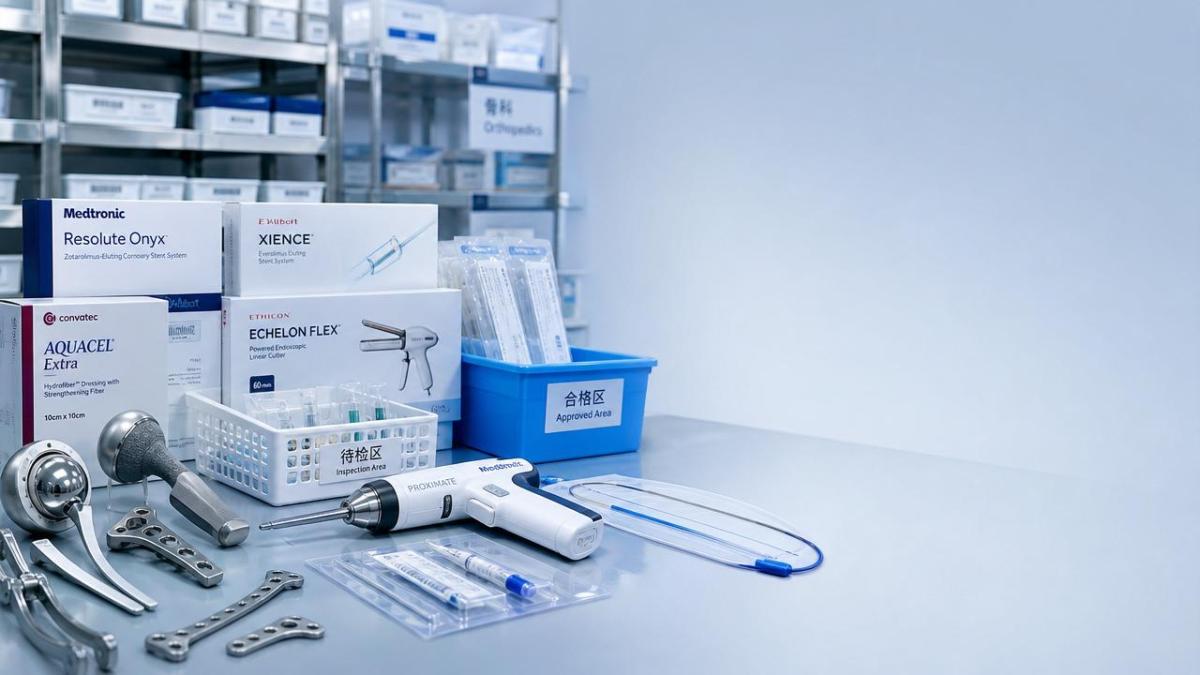
The biggest shift in global medical consumables trends is the collision between cost control and clinical complexity. Hospitals and group purchasing organizations are being asked to reduce spend in categories where product failure, incompatibility, or delayed delivery can directly affect procedural outcomes.
Across many markets, annual budgeting cycles are tightening to 6–12 month review windows. At the same time, approval, validation, and supplier onboarding can still take 8–20 weeks for higher-risk consumables, especially Class III or procedure-dependent devices.
Four structural forces behind price and supply movement
- Raw material volatility in titanium alloys, medical polymers, silicone components, and specialty coatings
- Regulatory cost expansion under CE MDR, post-market surveillance, and biocompatibility documentation updates
- Volume-based procurement and centralized tendering that compress gross margin by 15%–50% in some subcategories
- Supply concentration, where 2–4 key component makers can influence lead times for global OEMs
These forces are not hitting all products equally. A standard wound dressing and a drug-eluting stent may both be called consumables, but their supply chains, test requirements, and pricing logic are fundamentally different. That difference matters during tender design and supplier evaluation.
Why purchasers need a category lens
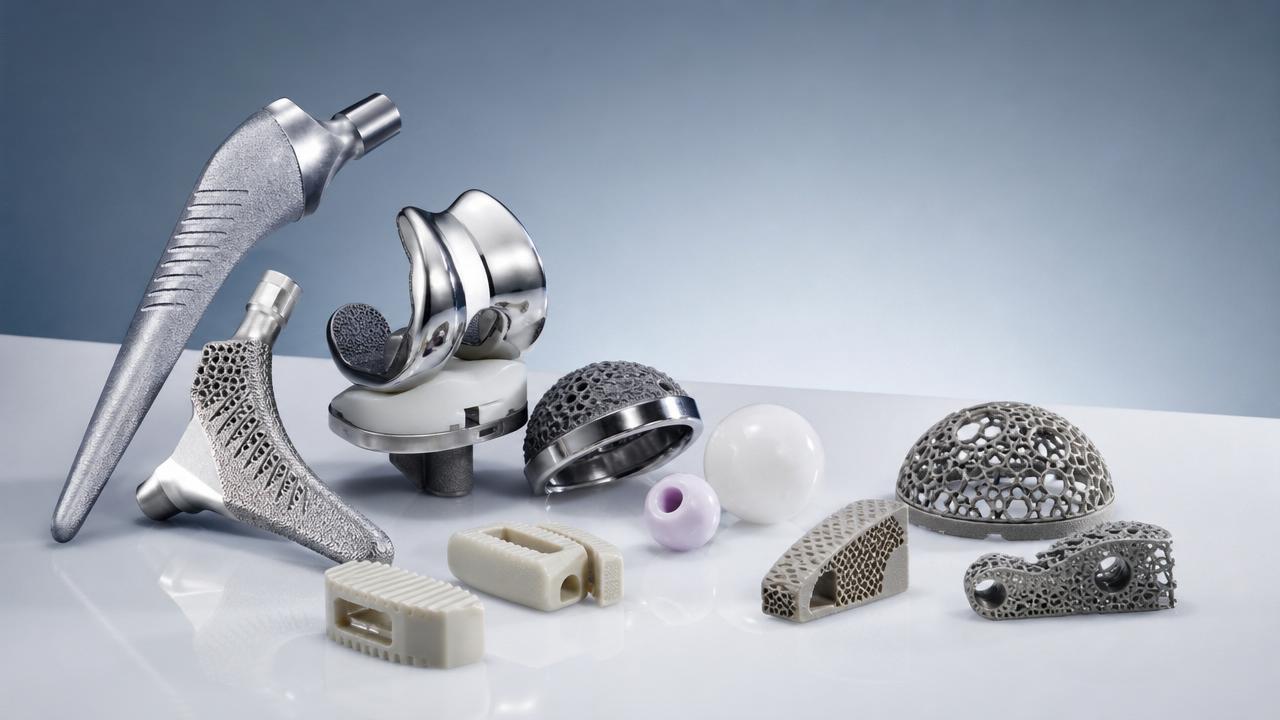
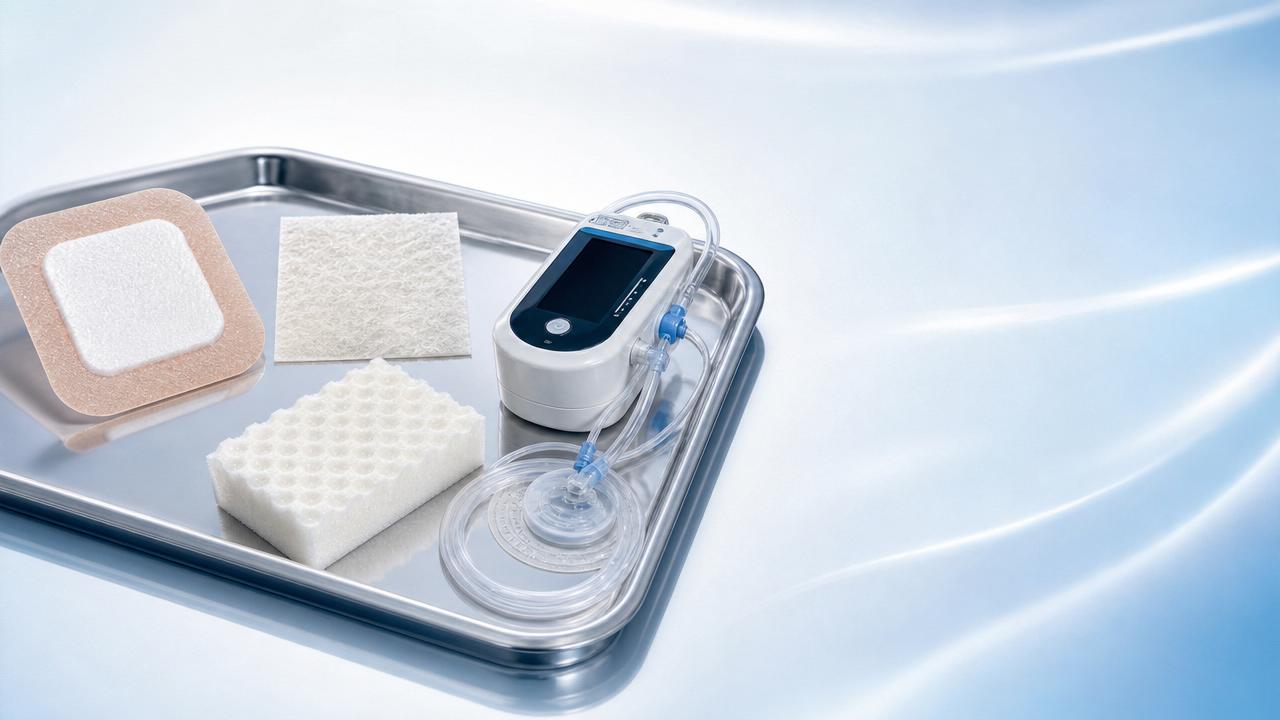
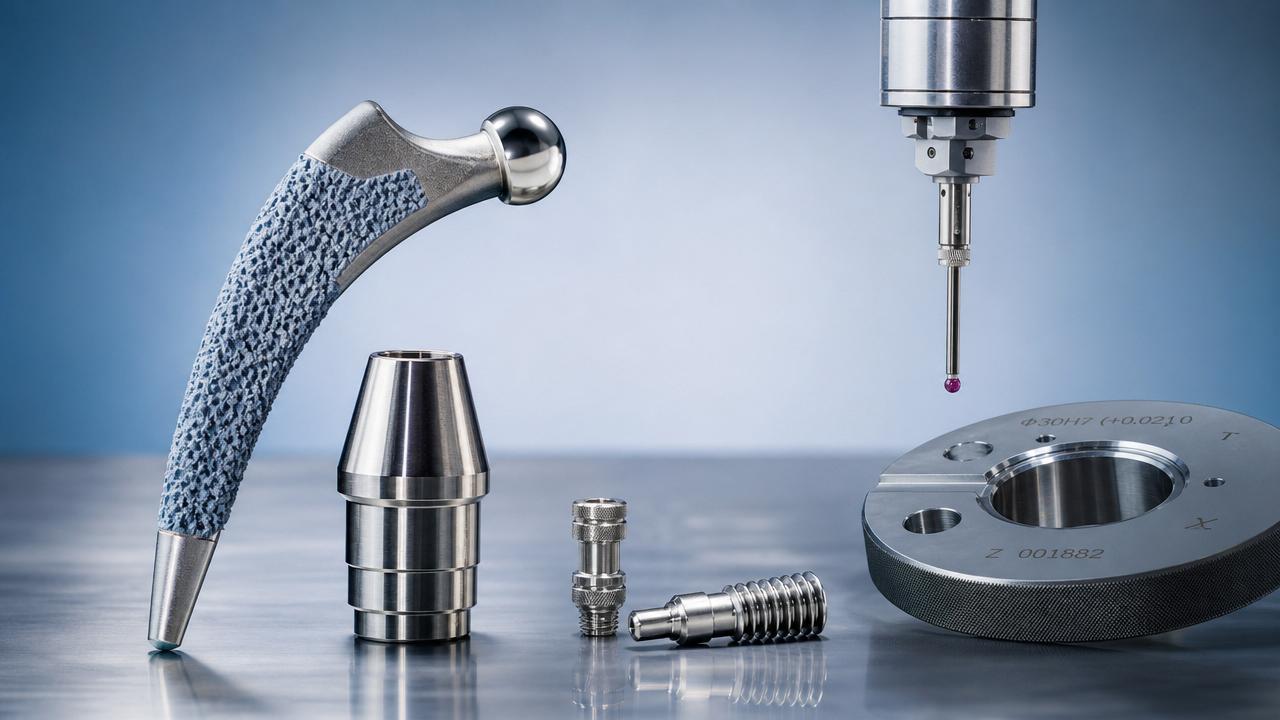
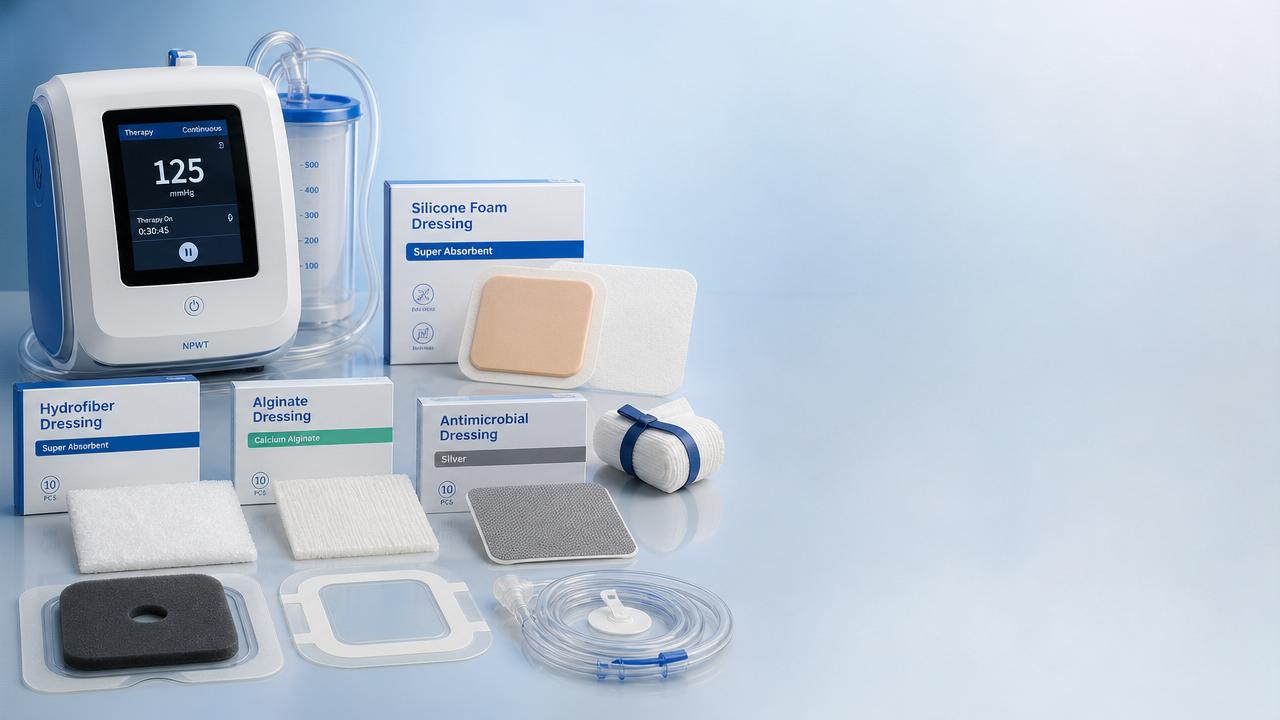
Orthopedic implants depend on material integrity, machining precision, sterilization control, and procedural fit. Cardiovascular devices add extreme regulatory and clinical evidence requirements. MIS staplers require consistent firing reliability. Catheters depend on polymer science and coating performance. Advanced wound care adds inventory rotation and indication-specific usage complexity.
A single sourcing policy rarely works across all 5 pillars. Procurement leaders should segment products into at least 3 decision groups: clinically non-substitutable, technically substitutable with validation, and commodity-adjacent consumables with broader supplier pools.
Cost Shifts by Product Category: Where Buyers Will Feel Pressure First
The next table maps common 2026 cost drivers across major categories covered by IMCS. It is designed for buyers who need to identify whether inflation risk comes from materials, regulation, process complexity, or tender policy.
The key takeaway is that global medical consumables trends are not defined by one universal inflation curve. Buyers should expect different negotiation levers in each category, with some products driven by material input cost and others by regulatory or clinical access constraints.
Orthopedic implants: pricing pressure with limited clinical flexibility
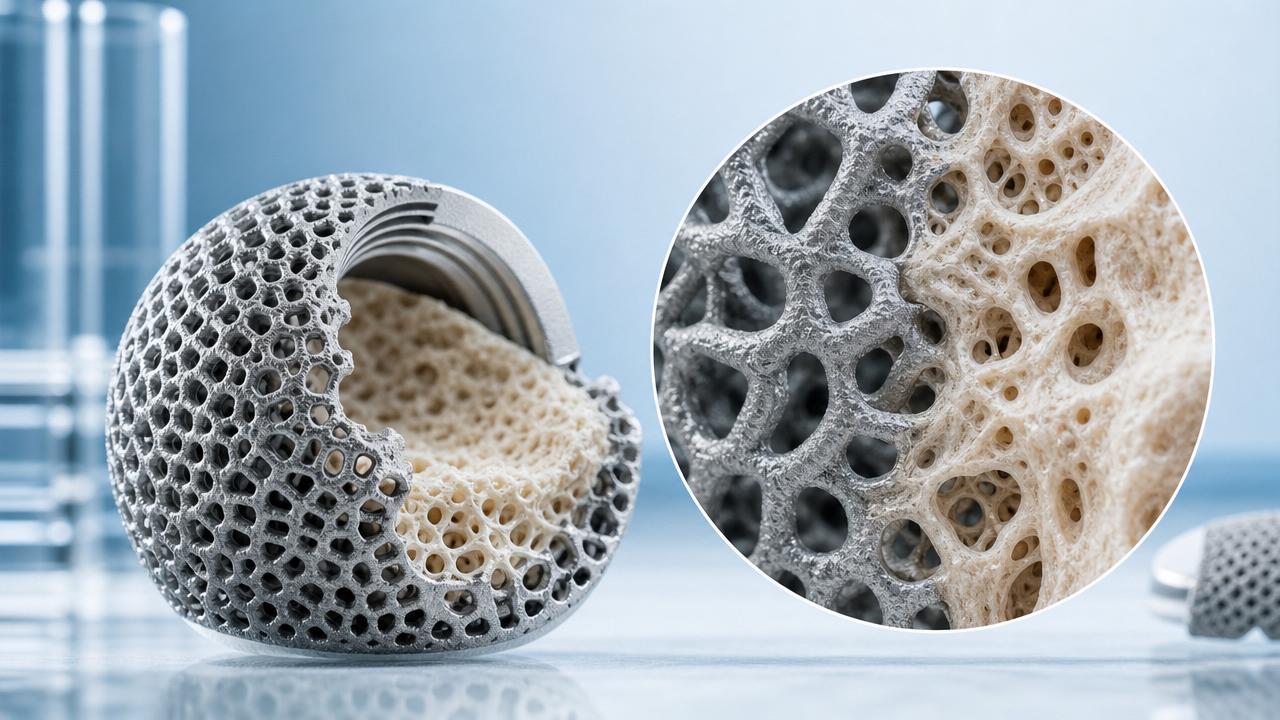
Joint systems, trauma components, and spinal implants remain exposed to tender-led price compression. In some markets, bid rounds can reduce average selling prices in double-digit percentages within 1 procurement cycle. However, switching suppliers can require surgeon retraining, instrument changes, and 4–12 weeks of operational adaptation.
What buyers should check
- Instrument set availability and turnaround time between surgeries
- Material documentation for titanium alloy, cobalt-chrome, or PEEK components
- Packaging integrity and sterile barrier validation
- Emergency replenishment promise, often needed within 24–72 hours
Cardiovascular devices: fewer substitutes, higher disruption cost
Drug-eluting stents, TAVR-related components, and high-performance guide or delivery systems have a narrower substitution window. A 3%–5% price change can matter financially, but a delayed or non-approved substitute can affect procedure scheduling, inventory confidence, and physician preference much more severely.
For these products, buyers should track not only quoted price but also approval region, post-market update status, and shelf-life remaining at delivery. A lower-priced lot with shorter remaining shelf life can increase hidden replacement frequency.
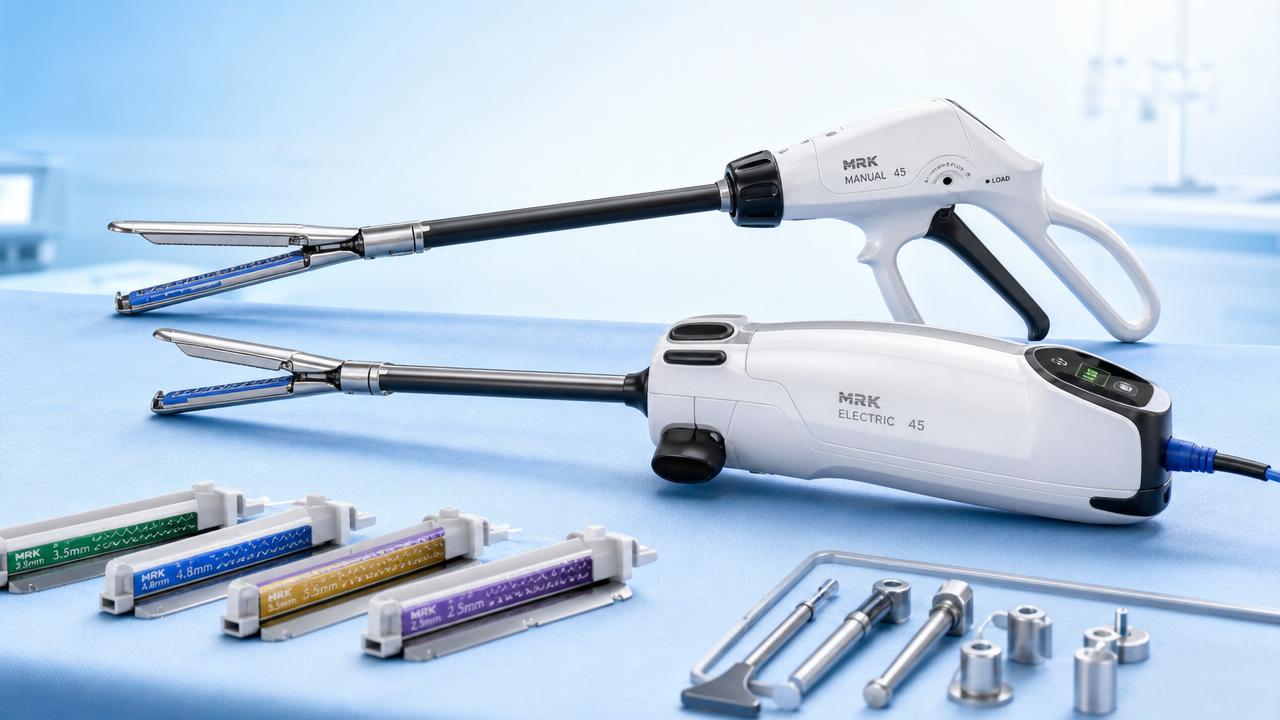
MIS staplers and reloads: operational reliability matters as much as price
Staplers are among the clearest examples in global medical consumables trends where procurement savings can be erased by intraoperative disruption. A cheaper reload that increases misfire checks, compatibility confusion, or waste by even 1–2 units per case may weaken total value.
Procurement should request 3 kinds of evidence: device compatibility lists, training support for OR staff, and complaint-response timelines. In high-volume departments, even a 5-minute delay per case creates measurable scheduling cost over a month.
Supply Risk in 2026: From Regional Disruption to Qualification Bottlenecks
Cost pressure gets most of the attention, but supply risk is often the more expensive problem. In medical consumables, shortages do not just delay delivery; they can trigger clinical rescheduling, urgent spot buys, and non-standard substitutions that increase compliance burden.
The most common 2026 risk pattern is not full factory shutdown. It is intermittent instability: 2-week resin delays, 10-day sterilization queue extensions, slower customs release, or missing documentation that pauses receiving and lot release.
Where supply risk is building
- Single-source components for coatings, valves, balloons, or specialty polymers
- Regionalized sterilization or packaging capacity with limited redundancy
- Regulatory file changes that slow product release after design or supplier modifications
- High tender volume awarded to one supplier without aligned capacity expansion
This means buyers should measure risk across at least 4 layers: raw materials, component manufacturing, final assembly and sterilization, and cross-border distribution. A supplier may appear stable at the finished-goods level while remaining exposed upstream.
The following framework helps procurement teams compare supply continuity risk before contract award and during supplier reviews.
The practical lesson is simple: in global medical consumables trends, the cheapest awarded bid is not always the lowest-risk supply option. A balanced sourcing structure often delivers better continuity over 12 months than aggressive single-award concentration.
Inventory strategy for high-value consumables
Not every product should be buffered in the same way. For high-cost implants, 2–4 weeks of strategic safety stock may be more realistic than broad inventory expansion. For fast-moving wound care items or standard catheters, 4–8 weeks can be justified if expiration management is strong.
A practical 3-tier stocking model
- Tier 1: life-critical or clinically hard-to-substitute items, with predefined emergency stock
- Tier 2: validated alternates available, with split awards across 2 suppliers where possible
- Tier 3: routine consumables, managed through forecast discipline and expiration control
How Purchasing Teams Should Respond in 2026
The best response to global medical consumables trends is not reactive buying. It is structured procurement governance that combines category intelligence, supplier qualification, clinical input, and contract design. Buyers who act early can reduce both cost shocks and supply interruptions.
Build a sourcing scorecard beyond unit price
A strong scorecard usually contains 6 core fields: unit price, total landed cost, lead time, remaining shelf life, regulatory continuity, and substitution readiness. For procedural products, adding clinician acceptance and in-service support creates a more realistic award decision.
This is where intelligence-led platforms such as IMCS add value. Procurement teams often need stitched analysis across materials, regulatory dynamics, and tender economics rather than isolated product sheets. That is especially true for orthopedic, cardiovascular, MIS, and advanced wound care categories where risk is multi-layered.
Use contract clauses to control volatility
Contracts in 2026 should include more than annual price schedules. Buyers should consider clauses for change notification, agreed emergency allocation, documentation update timelines, complaint response windows, and service support for conversion periods lasting 30–90 days.
Five clauses worth reviewing
- Advance notice for material, plant, or labeling changes
- Defined maximum lead time deviation threshold
- Lot traceability and recall communication protocol
- Clinical training support during product switchovers
- Minimum shelf-life requirement at delivery, often 70%–80% remaining
Align finance, clinical teams, and procurement earlier
Many sourcing failures happen because clinical validation starts too late. For categories like DES, TAVR-related systems, implants, or powered stapling platforms, alignment should start 1–2 quarters before a contract expires. That gives enough time to review alternates, usage patterns, and operational impact.
Finance may focus on immediate savings, while clinicians focus on procedural confidence. Procurement’s role is to convert both views into measurable award criteria. In 2026, that balancing act will define successful purchasing more than pure price negotiation.
What Buyers Should Watch in the Next 12 Months
Over the next 12 months, purchasers should monitor 3 signals closely: whether tender policy continues to compress margins, whether upstream component supply stabilizes, and whether regulatory maintenance costs reduce the number of active suppliers in high-risk categories.
If supplier exits increase, global medical consumables trends may shift from price competition to access competition in certain niches. That is most likely in products requiring complex evidence, specialized materials, or strict manufacturing precision.
For buyers in hospitals, distributors, and procurement groups, the priority is clear: map critical categories now, identify at-risk SKUs, and set review triggers before disruption appears at the loading dock. Early intelligence is usually cheaper than emergency replacement.
IMCS supports this process by connecting market movement, regulatory interpretation, and category-specific sourcing logic across orthopedic implants, cardiovascular interventional consumables, MIS staplers, medical polymer catheters, and advanced wound care. If you need a clearer sourcing view for 2026, contact us to get a tailored procurement intelligence framework, discuss product details, or explore more solutions for high-value medical consumables.
Get weekly intelligence in your inbox.
No noise. No sponsored content. Pure intelligence.
News Recommendations
 Jun 02, 2026Medical Material Science: Biocompatibility Red FlagsMedical Material Science: Biocompatibility Red Flags
 Jun 02, 2026Minimally Invasive Surgery Equipment Selection ChecklistMinimally Invasive Surgery Equipment Selection Checklist
 Jun 02, 2026Smart Minimally Invasive Technology: Workflow GainsSmart Minimally Invasive Technology: Workflow Gains
 Jun 02, 2026Surgical Consumables Innovation Under VBPSurgical Consumables Innovation Under VBP
 Jun 02, 20263D Printed Porous Implants: Bone Ingrowth Benchmarks3D Printed Porous Implants: Bone Ingrowth Benchmarks
 Jun 01, 2026Drug Eluting Stents: Cost, Outcomes, and VBP RiskDrug Eluting Stents: Cost, Outcomes, and VBP Risk
 Jun 01, 2026Choosing Minimally Invasive Surgical ConsumablesChoosing Minimally Invasive Surgical Consumables
 Jun 01, 2026Medical Material Science Trends for Safer ImplantsMedical Material Science Trends for Safer Implants
 Jun 01, 2026ISO 10993 Testing: Key Risks Before Market AccessISO 10993 Testing: Key Risks Before Market Access
 Jun 01, 2026NPWT Systems: When Negative Pressure Improves HealingNPWT Systems: When Negative Pressure Improves Healing
 May 31, 2026Biodegradable Implants: Safety and Degradation RisksBiodegradable Implants: Safety and Degradation Risks
 May 31, 2026Medical Device Regulations: 2026 Access RisksMedical Device Regulations: 2026 Access Risks
 May 31, 2026Osseointegration Technology in 3D Printed Ti ImplantsOsseointegration Technology in 3D Printed Ti Implants
 May 31, 2026Surgical Consumables Innovation and Real Cost ControlSurgical Consumables Innovation and Real Cost Control
 May 31, 2026Medical Material Science: Key Biocompatibility TestsMedical Material Science: Key Biocompatibility Tests
 May 30, 2026Surgical Staplers: Choosing Manual or Powered SystemsSurgical Staplers: Choosing Manual or Powered Systems
 May 30, 2026Global Medical Consumables Trends Shaping 2026 CostsGlobal Medical Consumables Trends Shaping 2026 Costs
 May 30, 2026Medical Regulatory Intelligence for Faster Clinical AccessMedical Regulatory Intelligence for Faster Clinical Access
 May 30, 2026TAVR Valves: Key Risks Before Market AccessTAVR Valves: Key Risks Before Market Access
 May 30, 2026Osseointegration Technology in 3D Printed Ti ImplantsOsseointegration Technology in 3D Printed Ti Implants
 May 29, 2026Biodegradable Implants: Clinical Benefits, Degradation Risks, and AccessBiodegradable Implants: Clinical Benefits, Degradation Risks, and Access
 May 29, 2026Orthopedic Implant Materials: Comparing Strength, Wear, and CostOrthopedic Implant Materials: Comparing Strength, Wear, and Cost
 May 29, 2026Wound Healing Technologies: When Foam, Collagen, or NPWT Fits BestWound Healing Technologies: When Foam, Collagen, or NPWT Fits Best
 May 29, 2026Precision Medical Machining: Tolerance Choices That Affect Implant FitPrecision Medical Machining: Tolerance Choices That Affect Implant Fit
 May 29, 2026ISO 10993 Testing: Key Biocompatibility Risks to Check EarlyISO 10993 Testing: Key Biocompatibility Risks to Check Early
 May 28, 2026Wound Healing Technologies: Which Options Show Real Clinical Value?Wound Healing Technologies: Which Options Show Real Clinical Value?
 May 28, 2026Global Medical Consumables Trends in 2026: Cost Shifts and Supply RiskGlobal Medical Consumables Trends in 2026: Cost Shifts and Supply Risk