Surgical Consumables Innovation and Real Cost Control
For healthcare systems, surgical consumables innovation is no longer only a clinical upgrade. It is a direct lever for sustainable cost control, risk reduction, and procurement resilience.
From minimally invasive staplers and polymer catheters to advanced wound care and Class III implant ecosystems, every product decision must balance outcomes, regulation, and lifecycle value.
IMCS examines how smarter materials, precision manufacturing, and evidence-based procurement can control real costs without compromising surgical safety or long-term performance.
Why Surgical Consumables Innovation Needs a Cost-Control Checklist
Cost pressure in medical consumables is often misunderstood. The purchase price is visible, but revision surgery, infection, wastage, training gaps, and regulatory failure are hidden.
Surgical consumables innovation should therefore be reviewed through total cost of care, not unit price alone.
A low-price stapler that increases misfire risk is not economical. A catheter that kinks during intervention consumes operating time and raises procedural uncertainty.
Likewise, a dressing that delays granulation can extend hospitalization. Real savings come from fewer complications, faster procedures, and reliable healing pathways.
Checklist-based evaluation makes surgical consumables innovation measurable. It links product engineering, clinical evidence, regulatory readiness, and procurement policy into one decision framework.
Core Checklist for Surgical Consumables Innovation and Real Cost Control
Use the following checklist before introducing new surgical consumables, renewing supply agreements, or preparing for volume-based procurement scenarios.
- Map the full clinical pathway, including preparation, implantation, closure, recovery, complications, reoperation risk, and consumable disposal costs.
- Verify material biocompatibility against ISO 10993 data, especially cytotoxicity, sensitization, irritation, hemocompatibility, and long-term implantation exposure.
- Compare device performance through objective endpoints, including firing stability, tensile strength, kink resistance, coating durability, and leak prevention.
- Quantify operating-room time impact, because faster deployment and fewer device failures often create savings beyond purchase-price reductions.
- Assess sterility assurance, packaging integrity, shelf-life validation, and transportation robustness before counting inventory as economically secure.
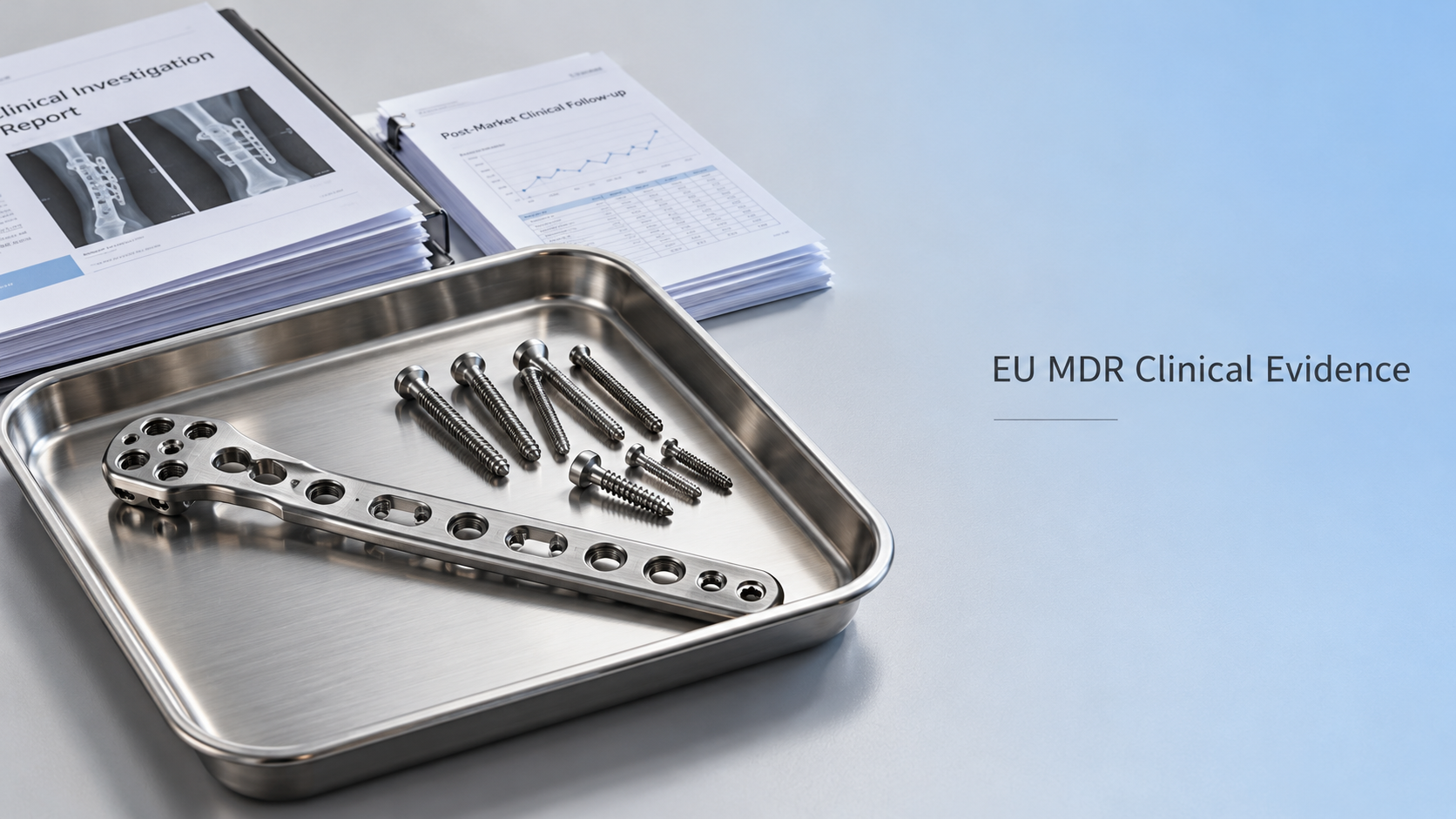
- Review clinical evidence depth, including CER logic under CE MDR, post-market surveillance data, and high-risk Class III documentation consistency.
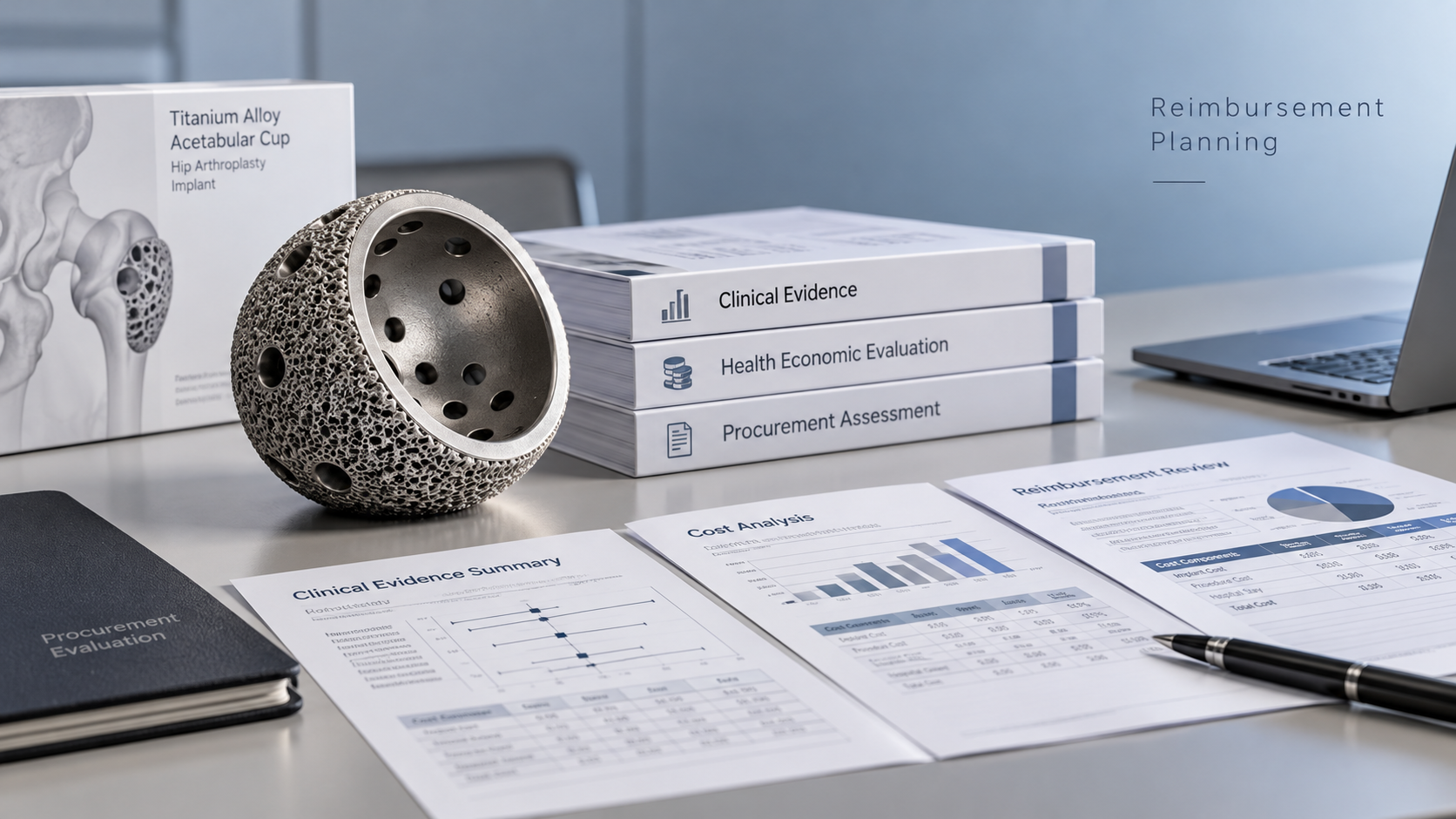
- Model reimbursement and VBP exposure, including price cliffs, tender volume commitments, supply continuity, and capacity pressure after award.
- Calculate training requirements for surgeons, nurses, and sterile processing teams to prevent misuse, delay, avoidable wastage, and incident reporting gaps.
- Check supplier resilience through dual-site manufacturing, critical raw material security, recall history, and batch traceability speed.
- Link innovation claims to measurable value, such as fewer infections, less bleeding, improved osseointegration, faster closure, or reduced dressing changes.
This structure keeps surgical consumables innovation grounded in evidence. It also prevents overpaying for features that do not improve safety or efficiency.
Material and Manufacturing Review
Advanced consumables increasingly depend on surfaces, coatings, and micron-level machining. Small design differences can strongly affect tissue response and procedural reliability.
- Confirm alloy, polymer, or bioactive material selection against the intended contact duration, mechanical load, and anatomical environment.
- Validate precision manufacturing tolerances for staples, stent struts, valve frames, catheter tips, and porous orthopedic structures.
- Test coatings under simulated use, including friction, hydration, blood exposure, repeated bending, and sterilization-related degradation.
- Request batch-level quality indicators, not only marketing specifications, to detect variation before clinical performance becomes unstable.
In high-value devices, surgical consumables innovation must convert material science into repeatable manufacturing control.
Clinical Evidence and Regulatory Certainty
Regulatory approval is not the same as comparative value. A device may be legal, yet still lack evidence for cost-effective adoption.
- Request endpoint definitions that match real practice, including complication rates, conversion rates, closure success, and healing speed.
- Examine whether evidence covers the exact model, size range, indication, and patient population under consideration.
- Review post-market signals for adverse events, field safety notices, complaint trends, and corrective action timelines.
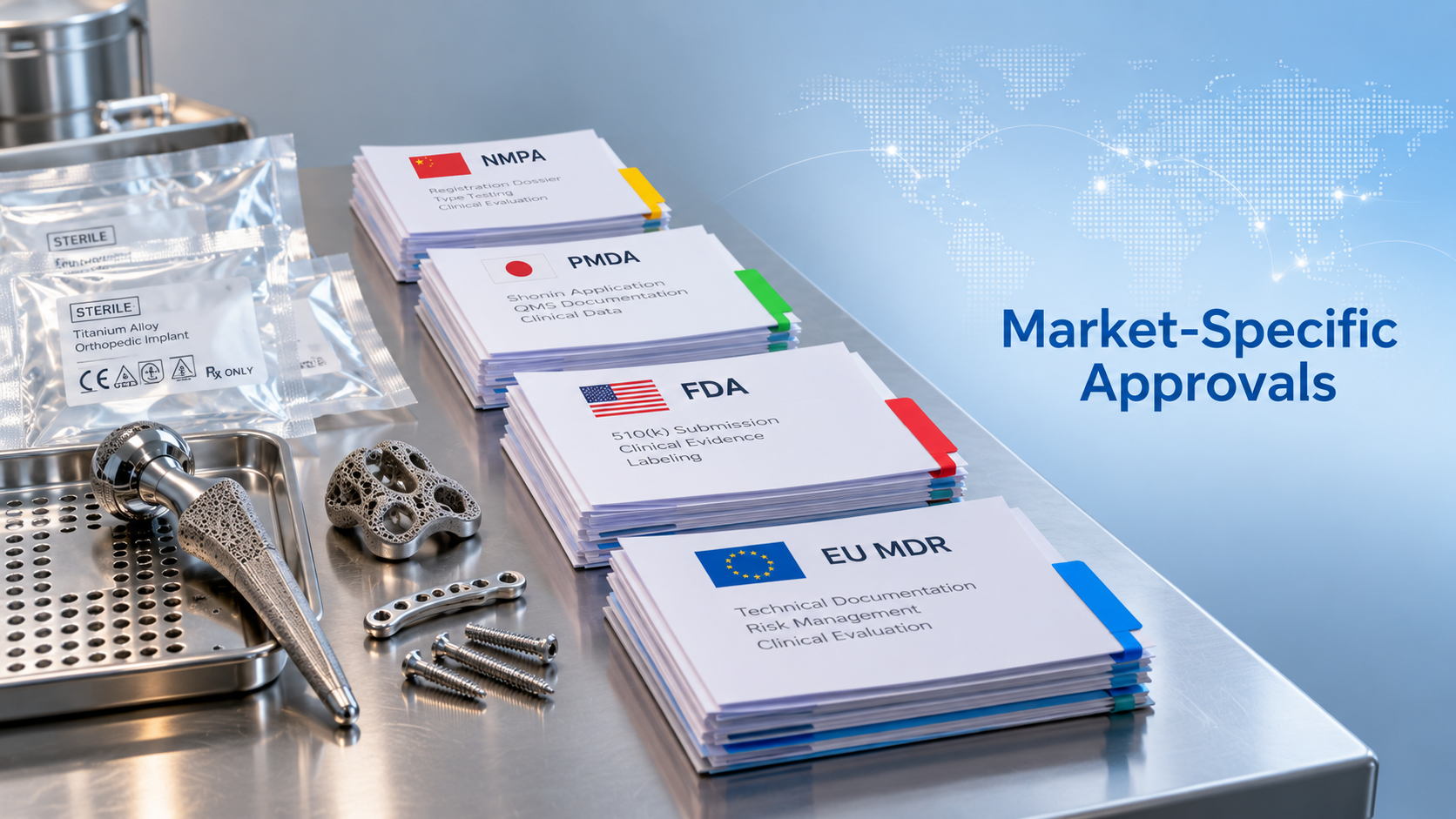
- Align documentation with CE MDR, FDA expectations, local registration rules, and hospital-level technology assessment requirements.
This evidence discipline supports surgical consumables innovation that survives audits, tenders, and long-term outcome review.
Application Notes Across Key Consumable Categories
Minimally Invasive Surgical Staplers
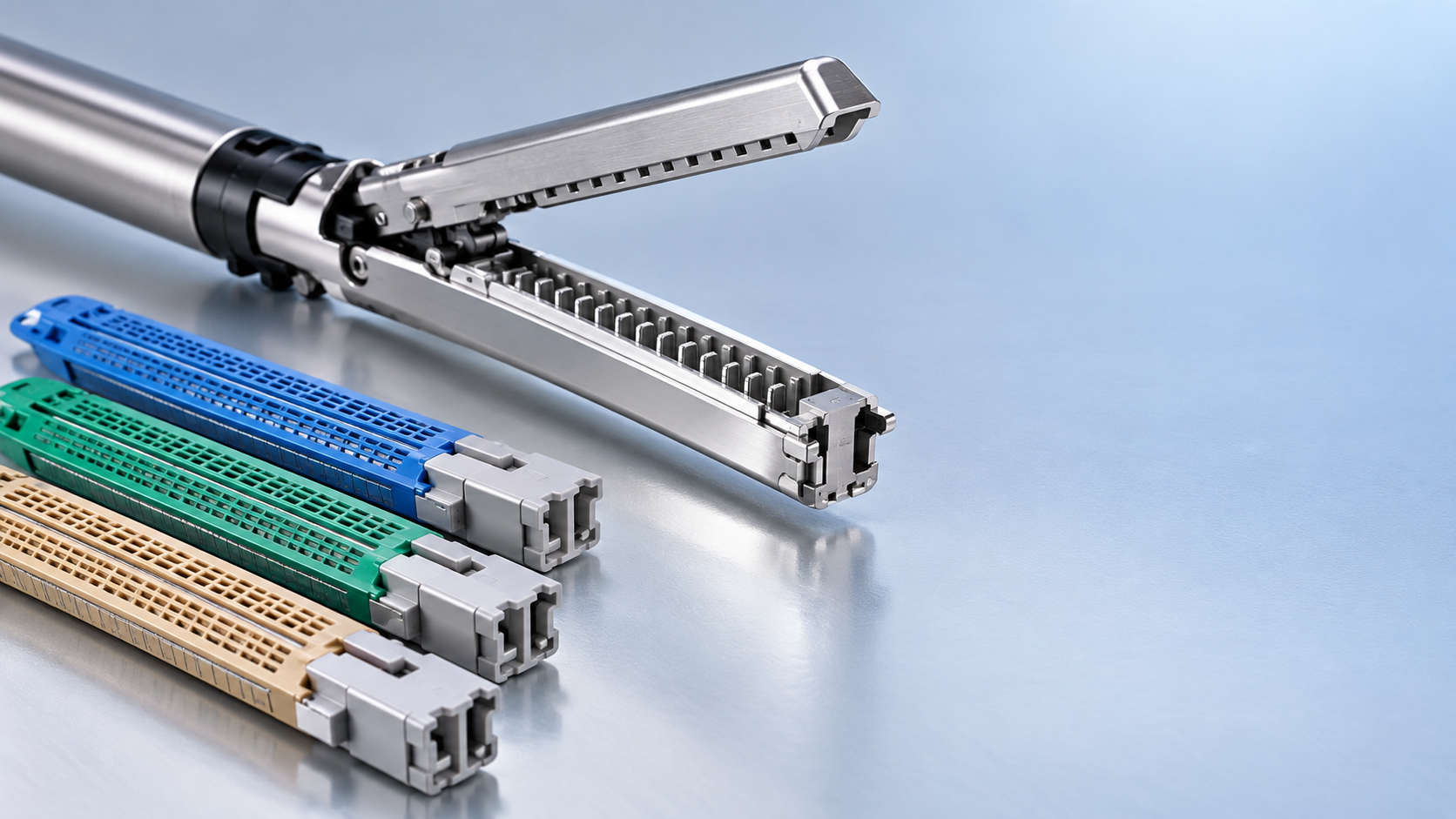
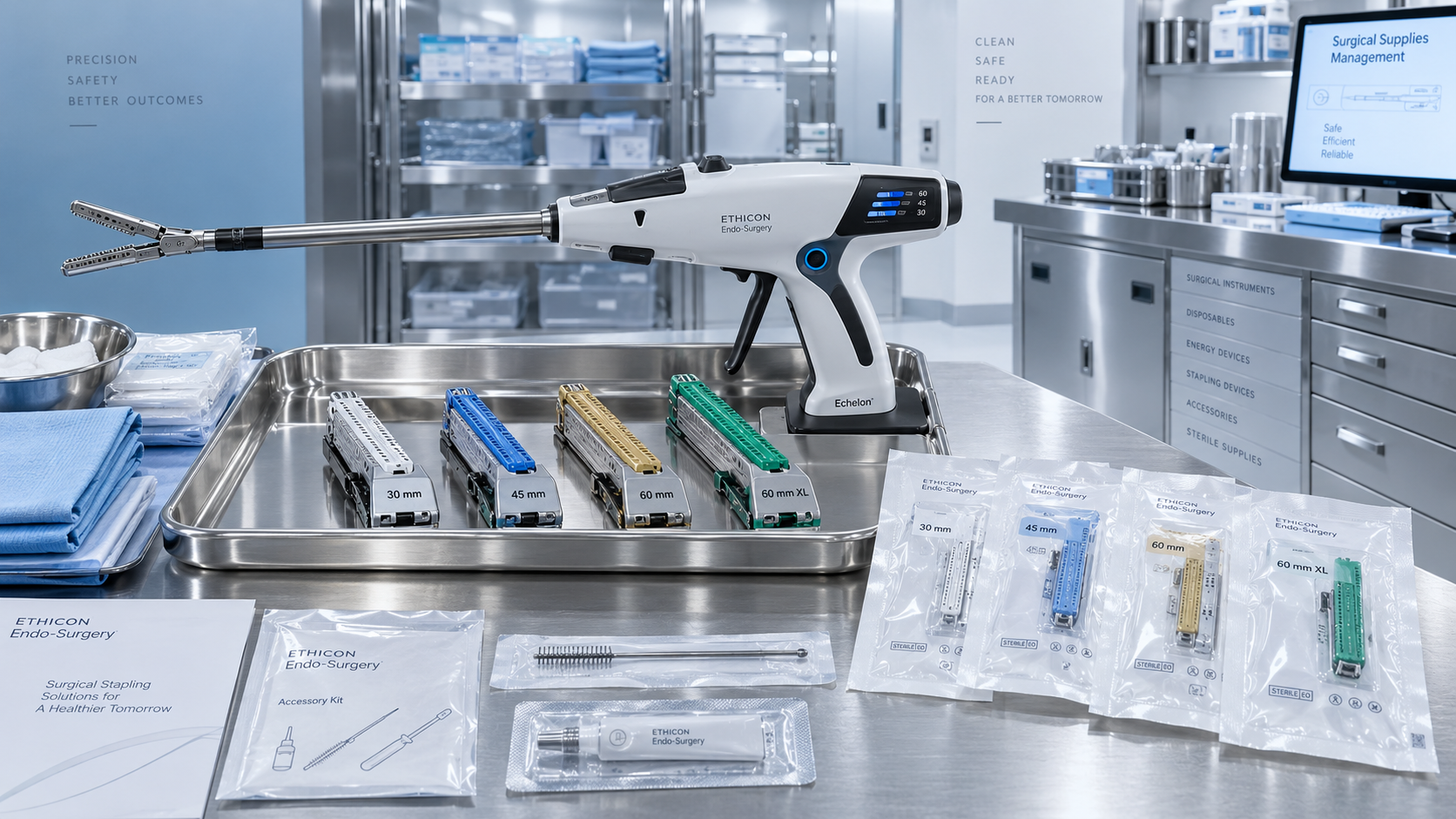
Staplers look simple, but their economics depend on firing reliability, tissue compression, staple formation, and reload compatibility.
The best value often comes from fewer bleeding events, reduced leakage, and predictable closure under laparoscopy.
When reviewing surgical consumables innovation in stapling, compare total reload use per procedure and the cost of failed firing events.
Cardiovascular Interventional Consumables
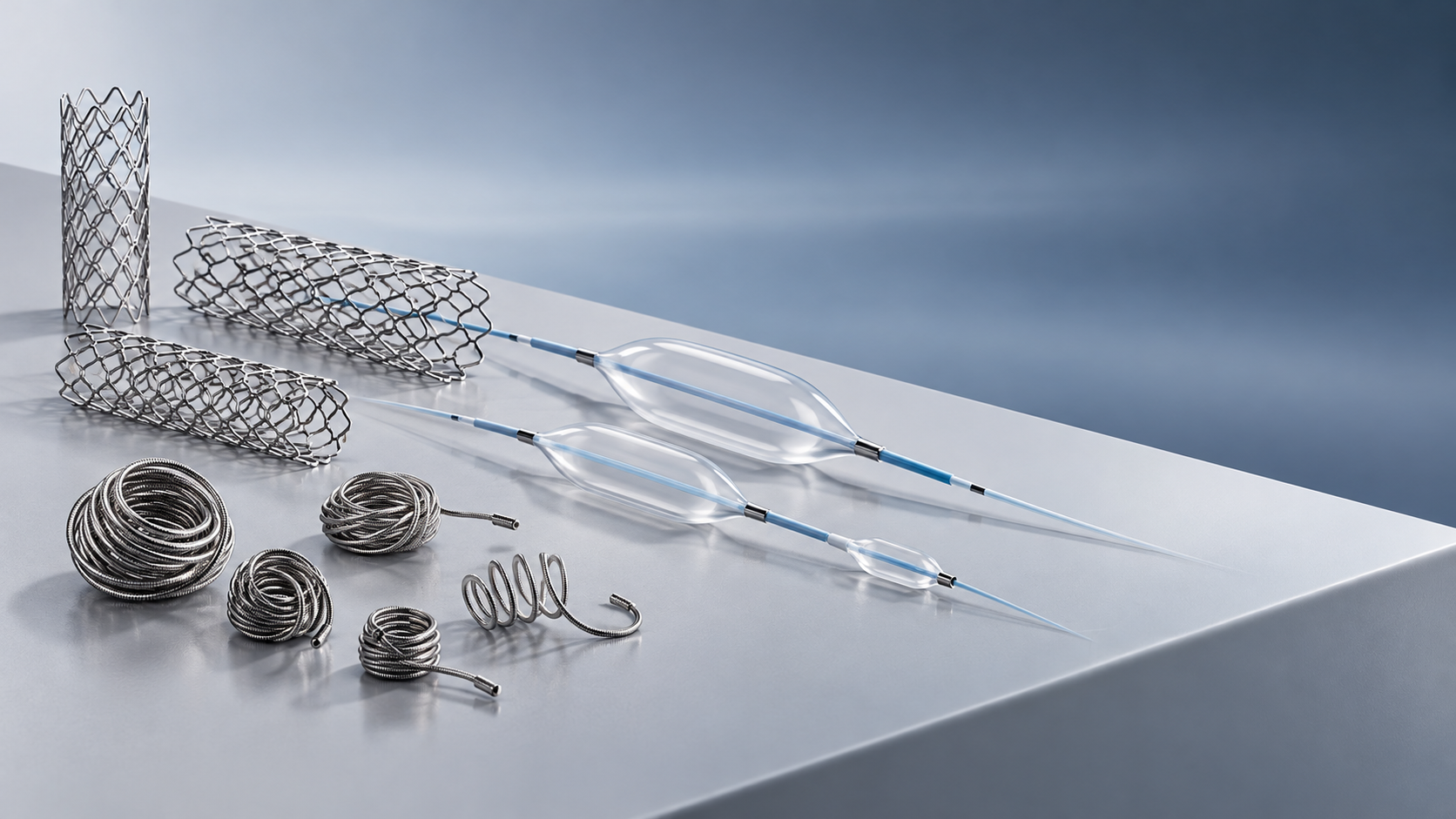
Drug-eluting stents, TAVR systems, guidewires, and microcatheters require an evidence standard beyond basic mechanical claims.
Track restenosis, thrombosis, deliverability, radial strength, coating integrity, and procedural conversion risk.
Here, surgical consumables innovation protects both life-channel performance and reimbursement credibility in cost-controlled environments.
Medical Polymer Catheters
Catheters influence daily procedural efficiency. Flexibility without collapse, lubricity without coating loss, and antimicrobial protection without toxicity are essential.
Procurement comparisons should include kink resistance, hydrophilic coating durability, radiopacity, flow rate, and thrombosis-related safety data.
Surgical consumables innovation in catheters should reduce insertion difficulty, replacement frequency, and infection-linked expenditure.
Advanced Wound Care and Regeneration Materials
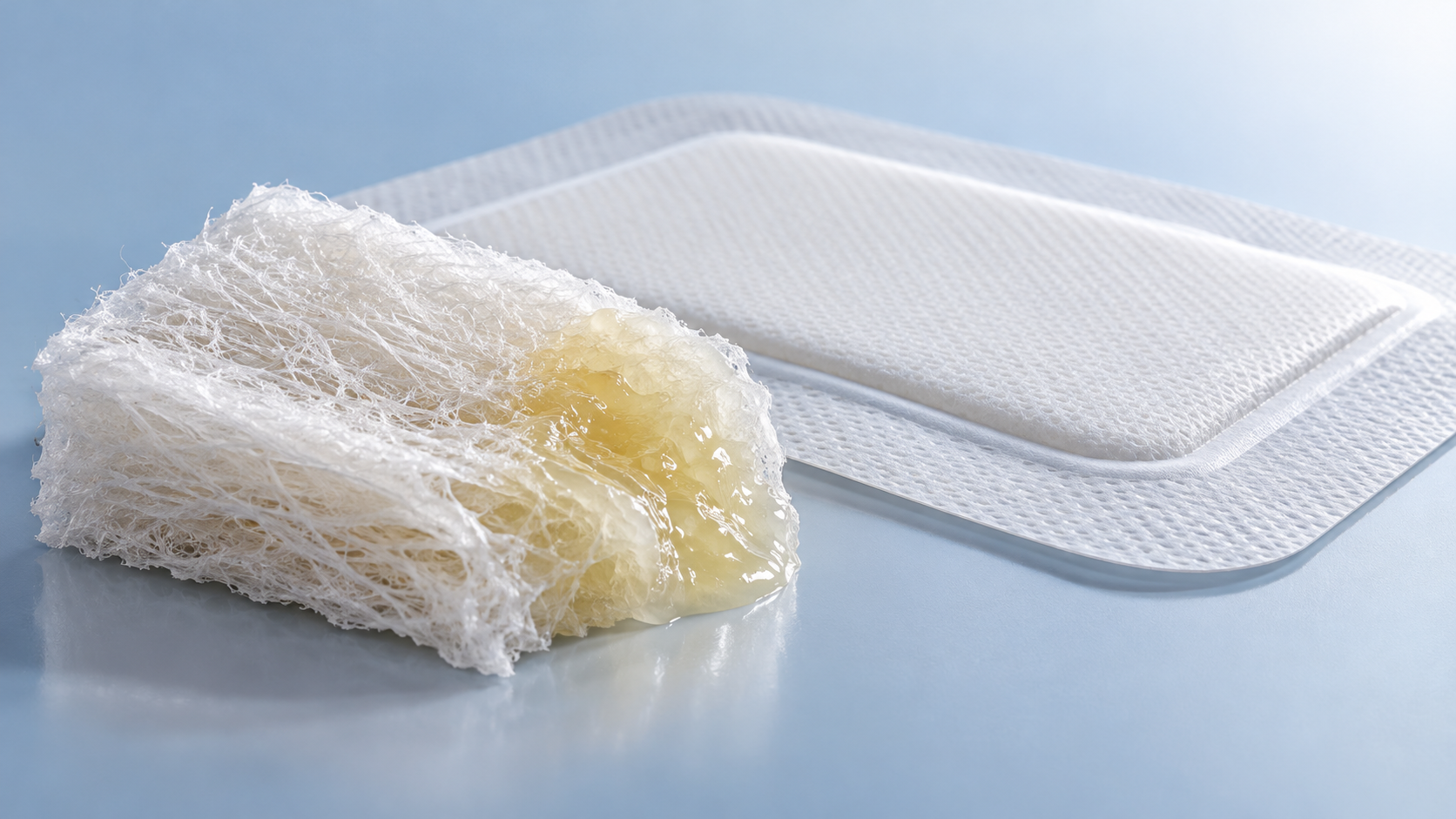
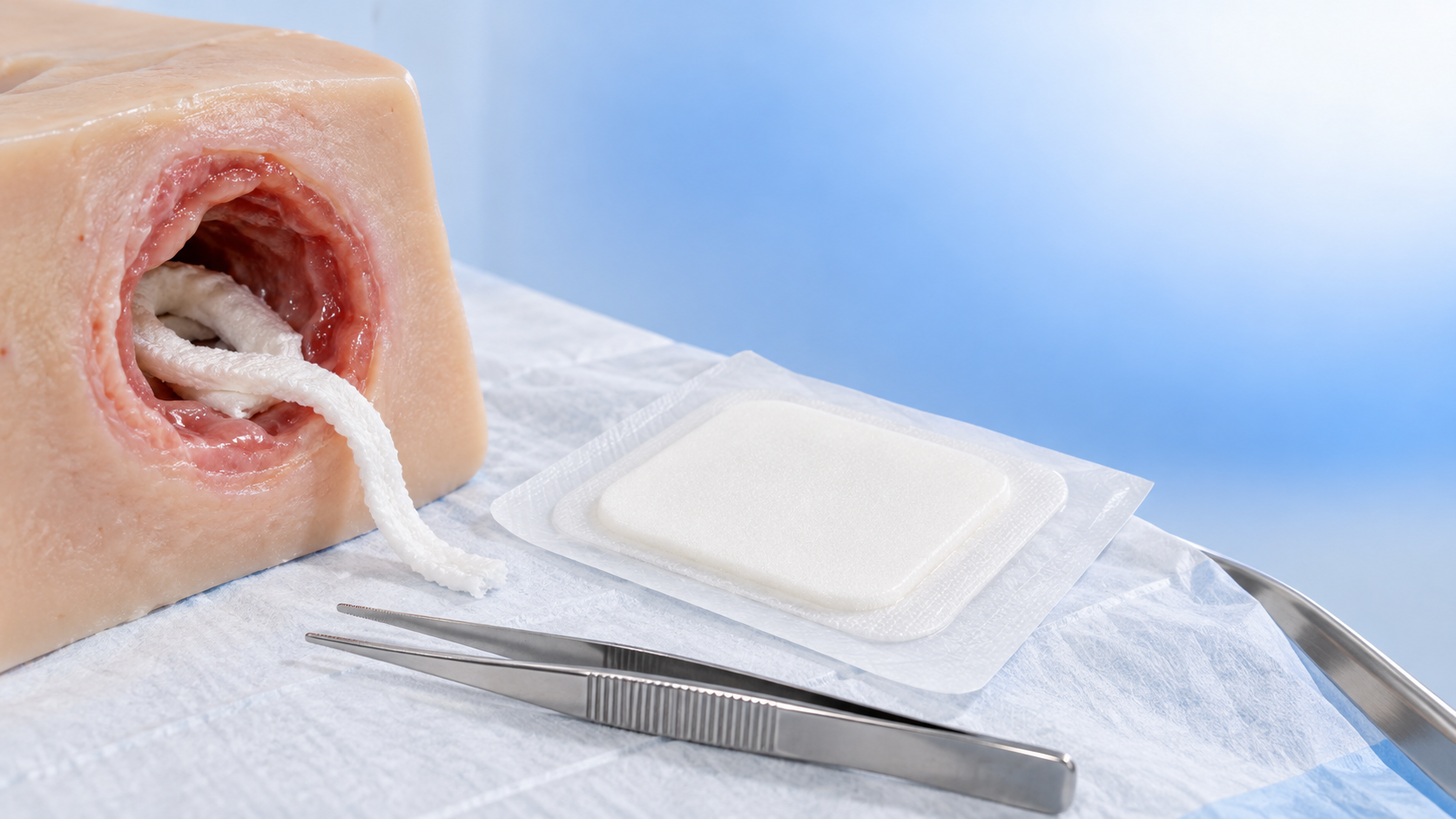
Modern dressings are not passive covers. Silver foams, alginates, silicone interfaces, and NPWT systems actively shape the healing environment.
Cost control should include dressing-change frequency, exudate handling, pain reduction, infection prevention, and time to granulation.
In chronic wounds, surgical consumables innovation can reduce repeated admissions and accelerate tissue reconstruction.
Orthopedic Implants and Instrument Ecosystems
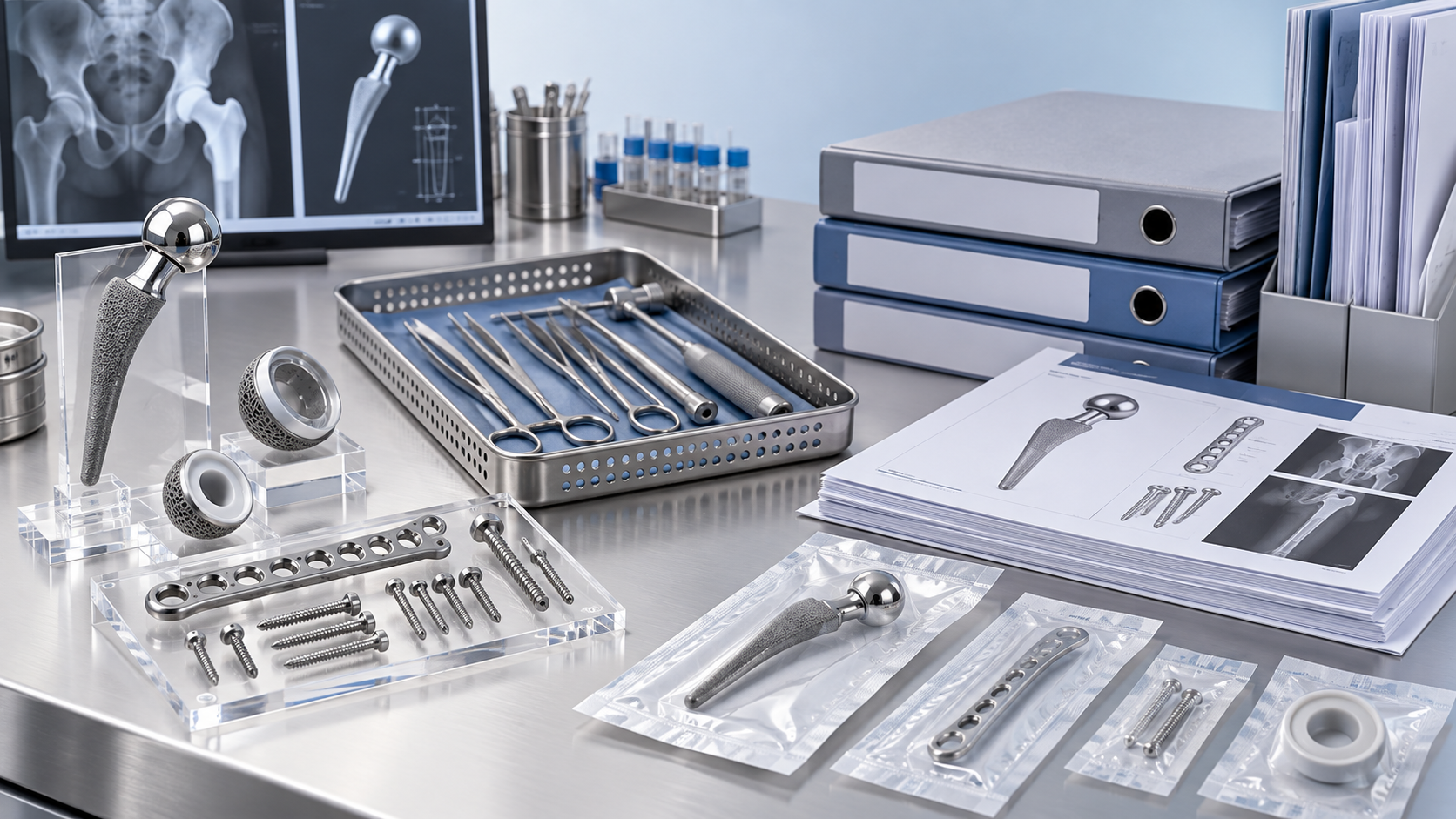
Orthopedic replacement depends on implant design, instrument accuracy, material fatigue strength, and osseointegration potential.
Porous titanium, PEEK components, and patient-matched instruments can improve alignment and biological fixation.
However, surgical consumables innovation must still prove lower revision risk and practical inventory efficiency.
Commonly Overlooked Risks That Distort Real Cost
Ignoring usability risk. A technically advanced device may fail economically if teams need excessive setup time or repeated guidance during procedures.
Underestimating inventory complexity. Too many sizes, reloads, or specialty kits can increase expiry losses and storage burden.
Accepting weak equivalence claims. Similar appearance does not prove comparable biocompatibility, mechanical endurance, or clinical performance.
Separating procurement from post-market data. Complaint trends, recalls, and user feedback should directly affect contract renewal decisions.
Overlooking sterilization and packaging. Damaged barriers, unclear labeling, or poor shelf-life validation can create hidden waste and compliance exposure.
Chasing price without capacity proof. In VBP environments, a winning low price can become dangerous if supply continuity collapses.
Practical Execution Plan for Evidence-Based Adoption
A disciplined pathway turns surgical consumables innovation into controlled implementation rather than uncontrolled product switching.
- Build a product dossier covering indication, materials, sterilization, evidence, regulatory status, supplier capacity, and cost model.
- Run a limited clinical evaluation with predefined endpoints, including failure events, procedure time, training burden, and waste rate.
- Compare total cost per successful outcome, not only unit price, to capture complications, rework, and recovery effects.
- Create a risk register for biocompatibility, supply interruption, usability, reimbursement, inventory expiry, and regulatory documentation gaps.
- Negotiate contracts with performance triggers, supply guarantees, recall responsibilities, training support, and post-market reporting obligations.
- Review data quarterly, then adjust formulary status according to outcomes, complaints, utilization, and budget impact.
This plan helps separate durable value from short-lived novelty. It also protects clinical teams from poorly validated substitutions.
How IMCS Frames Innovation, Regulation, and Procurement Value
IMCS views medical consumables through material science, clinical logic, and financial pressure at the same time.
Toxicology validation clarifies biological safety red lines. Clinical evaluation examines whether evidence withstands Class III scrutiny and real-world use.
VBP analysis tests whether pricing, capacity, and supply resilience remain stable after aggressive tender compression.
This integrated view supports surgical consumables innovation that is safe, defensible, and economically rational.
Summary and Action Guide
The real value of surgical consumables innovation is measured after use, not at quotation stage.
The strongest products reduce complications, shorten procedures, simplify inventory, support regulation, and withstand procurement pressure.
Start with one high-impact category. Build a checklist, collect clinical and financial data, and compare total cost per successful outcome.
Then extend the same discipline to staplers, catheters, dressings, cardiovascular devices, and implant ecosystems.
When innovation is verified through evidence, lifecycle cost, and supply resilience, surgical consumables become a strategic tool for safer care and controlled expenditure.
Get weekly intelligence in your inbox.
No noise. No sponsored content. Pure intelligence.
News Recommendations
 Oct 26, 2026Can a single approval cover life science product sales worldwide?Can a single approval cover life science product sales worldwide?
 Oct 25, 2026When is sensitization testing needed for medical device biocompatibility?When is sensitization testing needed for medical device biocompatibility?
 Oct 24, 2026How is biocompatibility tested for implantable polymer biomaterials?How is biocompatibility tested for implantable polymer biomaterials?
 Oct 23, 2026How to build reimbursement into an implant commercialization strategyHow to build reimbursement into an implant commercialization strategy
 Oct 22, 2026What clinical evidence do implants need for CE marking under EU MDR?What clinical evidence do implants need for CE marking under EU MDR?
 Oct 21, 2026How to choose disposable laparoscopic stapler reloads for thick tissueHow to choose disposable laparoscopic stapler reloads for thick tissue
 Oct 20, 2026How to assess medical polymer biocompatibility under ISO 10993How to assess medical polymer biocompatibility under ISO 10993
 Oct 19, 2026How do interventional device categories differ in clinical use?How do interventional device categories differ in clinical use?
 Oct 18, 2026When to choose alginate dressings for heavily exuding chronic woundsWhen to choose alginate dressings for heavily exuding chronic wounds
 Oct 17, 2026How is biocompatibility tested for custom medical-grade PEEK implants?How is biocompatibility tested for custom medical-grade PEEK implants?
 Oct 16, 2026How to check a wound healing materials supplier’s biocompatibility dataHow to check a wound healing materials supplier’s biocompatibility data
 Oct 15, 2026How to verify the FDA clearance status of silver wound dressingsHow to verify the FDA clearance status of silver wound dressings
 Oct 14, 2026How to register orthopedic implants and instruments in Latin AmericaHow to register orthopedic implants and instruments in Latin America
 Oct 13, 2026How to use a device market intelligence database to benchmark VBP pricesHow to use a device market intelligence database to benchmark VBP prices
 Oct 12, 2026When should stainless steel orthopedic instruments be replaced?When should stainless steel orthopedic instruments be replaced?
 Oct 11, 2026When are alginate dressings rope the right choice for cavity wounds?When are alginate dressings rope the right choice for cavity wounds?
 Oct 10, 2026When smart minimally invasive technology improves catheter accessWhen smart minimally invasive technology improves catheter access
 Oct 08, 2026Clinical evaluation requirements for cardiovascular implant devices in EuropeClinical evaluation requirements for cardiovascular implant devices in Europe
 Oct 07, 2026What to verify before appointing an artificial joint implants distributorWhat to verify before appointing an artificial joint implants distributor
 Oct 06, 2026How ISO 10993 guides biocompatibility testing for medical materialsHow ISO 10993 guides biocompatibility testing for medical materials
 Oct 05, 2026How to verify an orthopedic implants and instruments exporterHow to verify an orthopedic implants and instruments exporter
 Oct 04, 2026What drives surgical stapling devices price differences in hospital tenders?What drives surgical stapling devices price differences in hospital tenders?
 Oct 03, 2026How to assess a central venous catheter manufacturer's infection-control evidenceHow to assess a central venous catheter manufacturer's infection-control evidence
 Oct 02, 2026How to assess an advanced wound care factory’s quality systemHow to assess an advanced wound care factory’s quality system
 Oct 01, 2026What is driving global medical consumables demand in emerging markets?What is driving global medical consumables demand in emerging markets?
 Sep 30, 2026Implant Material Compliance Testing: Evidence Needed for Regulatory SubmissionImplant Material Compliance Testing: Evidence Needed for Regulatory Submission
 Sep 30, 2026From Corrosion to Fatigue: What Implant Materials Testing Should MeasureFrom Corrosion to Fatigue: What Implant Materials Testing Should Measure