Cardiovascular Device Access Pricing: Cost Drivers to Watch
Cardiovascular device access pricing has become a moving target rather than a fixed market entry number. Pricing now reflects procurement policy shifts, higher evidence thresholds, manufacturing complexity, and regional reimbursement pressure. In cardiovascular intervention, where product performance and patient risk are tightly linked, access pricing decisions shape not only revenue expectations, but also whether a device can secure sustainable adoption.
Why pricing pressure is intensifying

The cardiovascular segment sits at the intersection of advanced materials, precision engineering, and strict Class III regulation. That combination raises the baseline cost of market access long before a product reaches routine hospital use.
At the same time, payers and health systems are asking harder questions. They want proof of clinical differentiation, procedural efficiency, and budget predictability, especially for high-volume categories such as DES, balloons, catheters, and structural heart devices.
This is where cardiovascular device access pricing becomes commercially sensitive. A device may be technically excellent, yet still fail to scale if its pricing logic does not match procurement rules or reimbursement pathways.
From an intelligence perspective, IMCS tracks this tension closely. Its focus on cardiovascular interventional consumables, polymer catheter systems, regulatory evidence, and VBP dynamics reflects the practical forces behind current pricing behavior.
What cardiovascular device access pricing really includes
Access pricing is broader than the invoice price quoted to a distributor or hospital. It covers the economic structure required to bring a cardiovascular device into a reimbursable, purchasable, and clinically accepted position.
That structure often includes regulatory filing costs, local registration fees, clinical evidence generation, tender participation, channel margins, physician training, service support, and post-market compliance obligations.
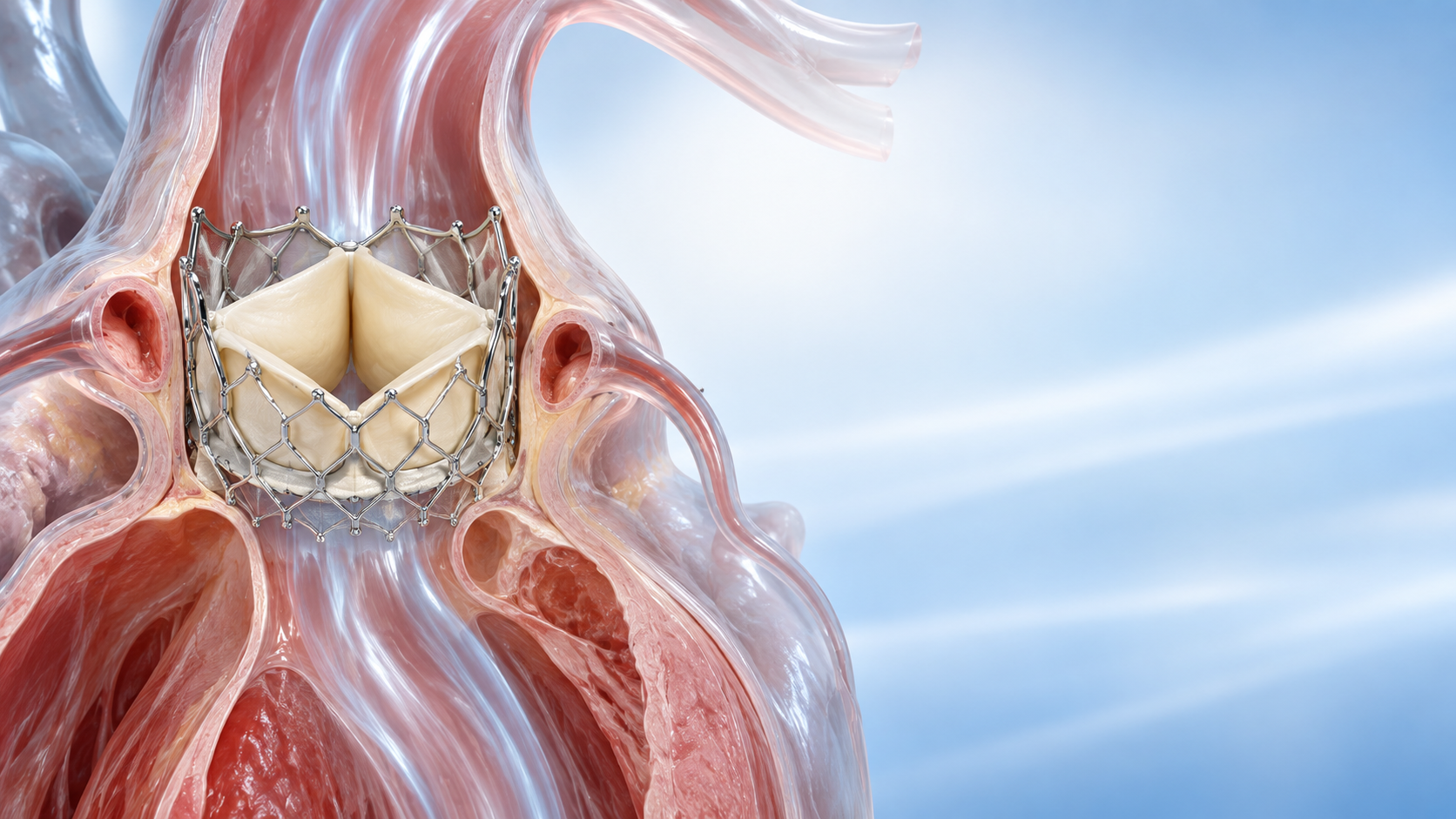
In cardiovascular intervention, these layers are rarely optional. Coronary stents, guidewires, microcatheters, TAVR systems, and electrophysiology tools each carry different access burdens, even when they compete within the same hospital system.
That is why cardiovascular device access pricing should be viewed as a full commercialization equation. A narrow cost-per-unit view usually misses the real margin exposure.
The main cost drivers to watch
Several drivers repeatedly reshape cardiovascular device access pricing across regions. Some are visible in tenders. Others are embedded in development and compliance decisions made much earlier.
Regulatory depth and evidence burden
Class III devices face the heaviest scrutiny. CE MDR expectations, local registration pathways, ISO 10993 biocompatibility work, and post-market surveillance all add cost and delay.
For products with implantable or blood-contacting components, evidence demands can quickly change pricing assumptions. A device positioned as premium needs stronger clinical support to defend that premium.
Procurement reform and VBP impact
Volume-based procurement can compress price bands very fast. Categories once protected by technical complexity may still face steep bidding pressure if supply becomes standardized or local alternatives mature.
This matters especially in stents and related interventional consumables. Cardiovascular device access pricing must account for potential price cliffs, not only current list levels.
Manufacturing precision and material selection
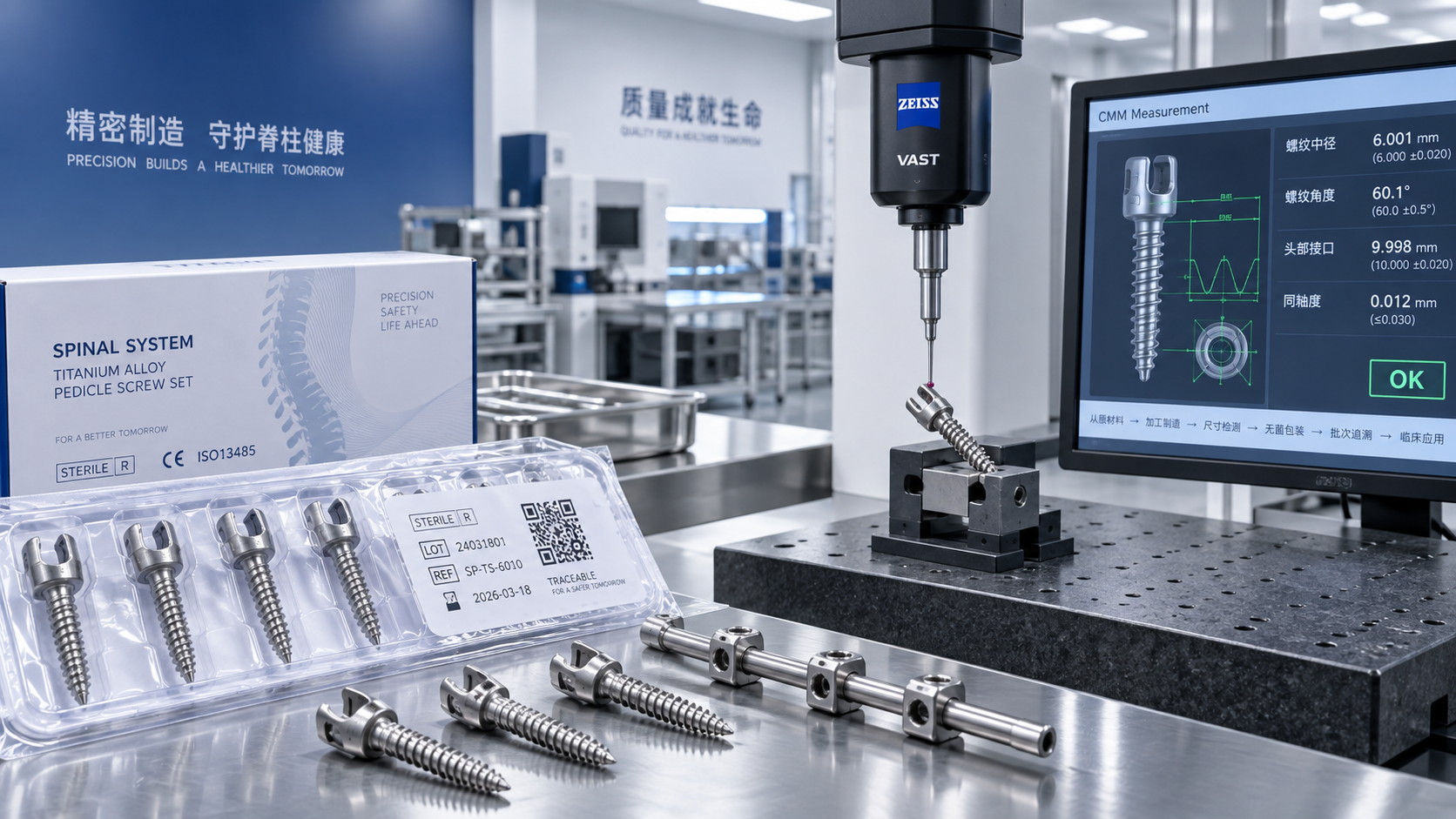
Micron-level tolerances, coating uniformity, delivery system reliability, and sterilization consistency all influence cost. So do nitinol structures, polymer chemistry, drug coating systems, and catheter shaft performance.
In practical terms, higher manufacturing sophistication can justify pricing only when linked to measurable procedural or clinical value.
Supply chain resilience
Single-source components, specialized cleanroom capacity, and cross-border logistics increase access risk. When a supply chain is fragile, pricing may need to absorb safety stock, dual sourcing, or localized assembly.
Commercial education and procedure support
Devices that require physician learning, proctoring, or capital-linked service support often carry hidden access costs. Structural heart platforms are the clearest example, but complex coronary and neurovascular tools can show similar patterns.
How these drivers vary by product type
Not every cardiovascular product absorbs cost in the same way. The mix of evidence, procurement exposure, and technical differentiation changes the pricing logic.
This variation explains why a single benchmark for cardiovascular device access pricing can mislead a portfolio review. Product-specific economics matter.
Signals that usually matter more than list price
In business evaluation, the headline price is often the least stable variable. The stronger indicators are the conditions that determine whether that price can survive after launch.
- Reimbursement coding clarity and expected payment level
- Strength of comparative clinical evidence
- Exposure to centralized tenders or VBP rounds
- Local manufacturing or localization expectations
- Dependency on imported materials or critical subcomponents
- Need for physician training, case support, or inventory depth
More importantly, these signals interact. Strong evidence may support premium pricing, but only if procurement frameworks still allow meaningful differentiation.
A practical way to assess access pricing risk
A useful assessment starts with three linked questions. What must be paid to enter, what must be proven to stay, and what can force price erosion after adoption begins?
That framing keeps cardiovascular device access pricing grounded in real operating conditions rather than forecast optimism.
Map the cost stack
Separate direct manufacturing cost from access cost. Include registration, trials, distributor structure, tender deposits, training, compliance maintenance, and post-market obligations.
Stress-test the price corridor
Model different scenarios for reimbursement cuts, tender repricing, and local competition. The realistic question is not the best possible price. It is the defensible range over time.
Check differentiation quality
Technical novelty is not enough. Differentiation needs commercial translation, such as lower restenosis, shorter procedures, easier deliverability, fewer complications, or reduced inventory waste.
Why cross-category intelligence is useful
Cardiovascular access pricing does not evolve in isolation. Procurement rules affecting orthopedic implants, MIS consumables, or advanced dressings often signal how broader cost-control logic is moving.
That is one reason platforms such as IMCS matter in evaluation work. They connect cardiovascular device access pricing with adjacent evidence standards, biomaterial risk, policy timing, and tender behavior.
In practice, that wider lens helps identify whether price pressure is category-specific or part of a larger purchasing trend across high-value consumables.
What to do next
A sound review of cardiovascular device access pricing starts with disciplined comparison, not broad assumptions. Build a market-by-market pricing map, test it against reimbursement and tender pathways, then challenge every premium claim with evidence and supply reality.
It is also worth tracking policy signals early, especially where VBP expansion, local registration changes, or new clinical evidence rules can reset margins quickly. The most reliable pricing view is the one that combines technical value, regulatory depth, and procurement behavior in the same model.
Get weekly intelligence in your inbox.
No noise. No sponsored content. Pure intelligence.
News Recommendations
 Oct 08, 2026Clinical evaluation requirements for cardiovascular implant devices in EuropeClinical evaluation requirements for cardiovascular implant devices in Europe
 Oct 07, 2026What to verify before appointing an artificial joint implants distributorWhat to verify before appointing an artificial joint implants distributor
 Oct 06, 2026How ISO 10993 guides biocompatibility testing for medical materialsHow ISO 10993 guides biocompatibility testing for medical materials
 Oct 05, 2026How to verify an orthopedic implants and instruments exporterHow to verify an orthopedic implants and instruments exporter
 Oct 04, 2026What drives surgical stapling devices price differences in hospital tenders?What drives surgical stapling devices price differences in hospital tenders?
 Oct 03, 2026How to assess a central venous catheter manufacturer's infection-control evidenceHow to assess a central venous catheter manufacturer's infection-control evidence
 Oct 02, 2026How to assess an advanced wound care factory’s quality systemHow to assess an advanced wound care factory’s quality system
 Oct 01, 2026What is driving global medical consumables demand in emerging markets?What is driving global medical consumables demand in emerging markets?
 Sep 30, 2026Does Moist Wound Healing Reduce Dressing Change Frequency?Does Moist Wound Healing Reduce Dressing Change Frequency?
 Sep 30, 2026Are Foam Wound Dressings Worth the Higher Procurement Cost?Are Foam Wound Dressings Worth the Higher Procurement Cost?
 Sep 30, 2026When Should Silver Wound Dressings Be Avoided?When Should Silver Wound Dressings Be Avoided?
 Sep 30, 2026Is Silicone Foam Dressing Suitable for Heavily Exuding Wounds?Is Silicone Foam Dressing Suitable for Heavily Exuding Wounds?
 Sep 30, 2026How Should Manufacturers Respond to a Biocompatibility Test Failure?How Should Manufacturers Respond to a Biocompatibility Test Failure?
 Sep 30, 2026What Is the Typical CE MDR Review Timeline for High-Risk Devices?What Is the Typical CE MDR Review Timeline for High-Risk Devices?
 Sep 30, 2026How Do FDA and CE MDR Requirements Differ for Implantable Devices?How Do FDA and CE MDR Requirements Differ for Implantable Devices?
 Sep 30, 2026What Are the Main Compliance Risks for Central Venous Access Catheters?What Are the Main Compliance Risks for Central Venous Access Catheters?
 Sep 30, 2026How Should a Surgical Stapler Manufacturer Prepare for a Compliance Audit?How Should a Surgical Stapler Manufacturer Prepare for a Compliance Audit?
 Sep 30, 2026How to assess an orthopedic implant solutions distributor’s traceability systemHow to assess an orthopedic implant solutions distributor’s traceability system
 Sep 29, 2026How a medical device registration strategy can reduce approval delaysHow a medical device registration strategy can reduce approval delays
 Sep 28, 2026How to verify a medical device specification database before useHow to verify a medical device specification database before use
 Sep 27, 2026What to verify before selecting a microcatheters manufacturerWhat to verify before selecting a microcatheters manufacturer
 Sep 26, 2026How to verify FDA compliance for medical device materialsHow to verify FDA compliance for medical device materials
 Sep 25, 2026When does a porous 3D-printed cranial implant improve fixation?When does a porous 3D-printed cranial implant improve fixation?
 Sep 24, 2026When are bovine pericardial valves suitable for transcatheter aortic valve replacement?When are bovine pericardial valves suitable for transcatheter aortic valve replacement?
 Sep 23, 2026How to verify the sterility assurance of surgical devicesHow to verify the sterility assurance of surgical devices
 Sep 22, 2026How to assess a spinal implants manufacturer’s quality systemHow to assess a spinal implants manufacturer’s quality system
 Sep 21, 2026How to assess an osseointegration technology manufacturer’s quality systemHow to assess an osseointegration technology manufacturer’s quality system