Class III Device Testing: When Full Validation Is Really Required
Class III device testing becomes difficult when validation scope is treated as a fixed checklist instead of a risk-based decision. For implants and critical consumables, full validation is not simply a regulatory reflex. It is a technical judgment about patient exposure, design novelty, process sensitivity, and the strength of available evidence.
That distinction matters more now because Class III products sit at the intersection of stricter global review, tighter clinical scrutiny, and cost pressure. In fields followed closely by IMCS, from orthopedic implants to drug-eluting stents and polymer catheters, unnecessary testing can slow development. Insufficient validation can do far worse.
Why validation scope is under pressure

A Class III device usually combines prolonged contact, critical function, and limited tolerance for failure. That alone raises the bar. But the current market adds another layer. Regulatory authorities expect tighter justification, while procurement systems increasingly reward products that prove value without carrying avoidable compliance cost.
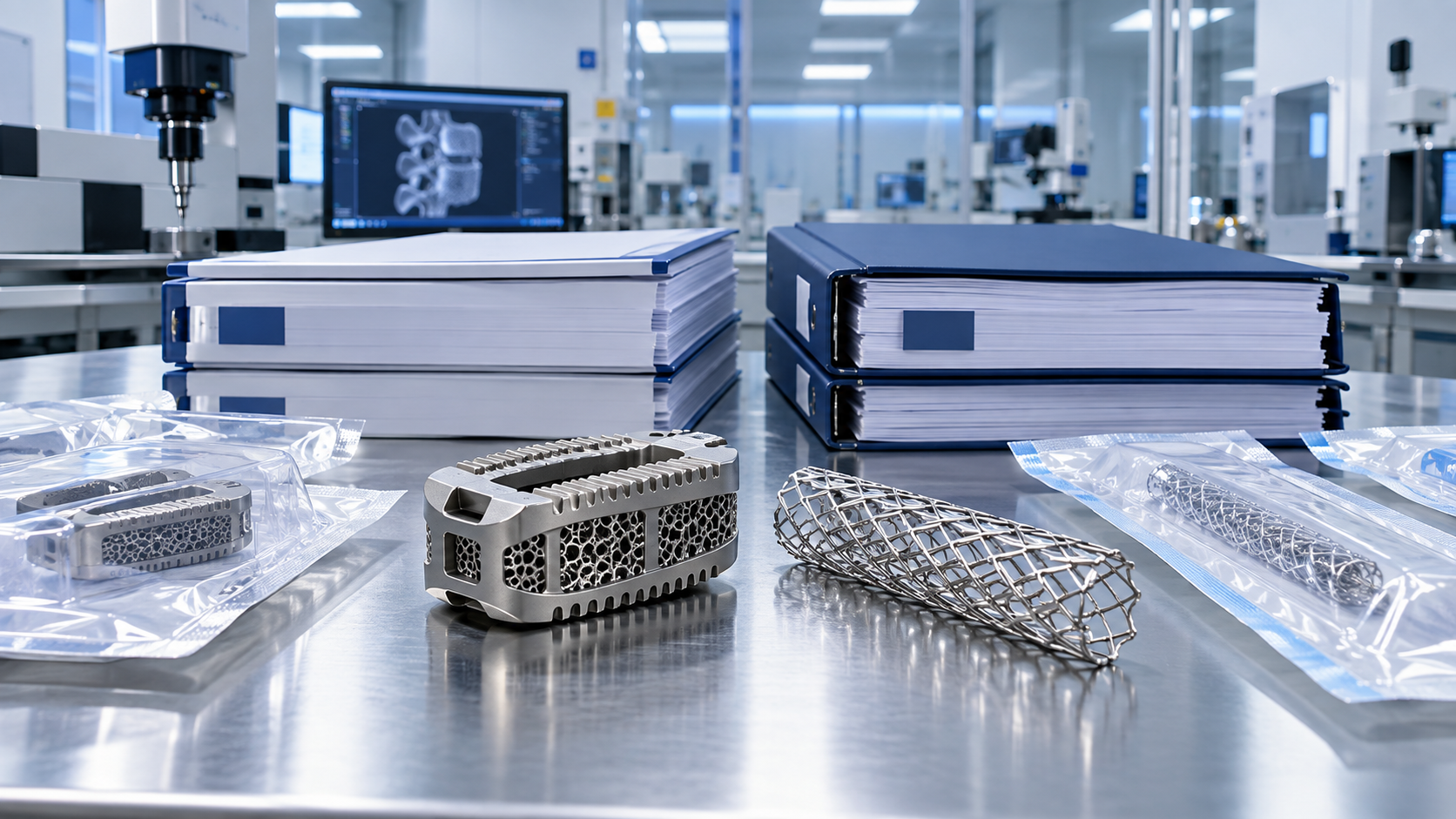
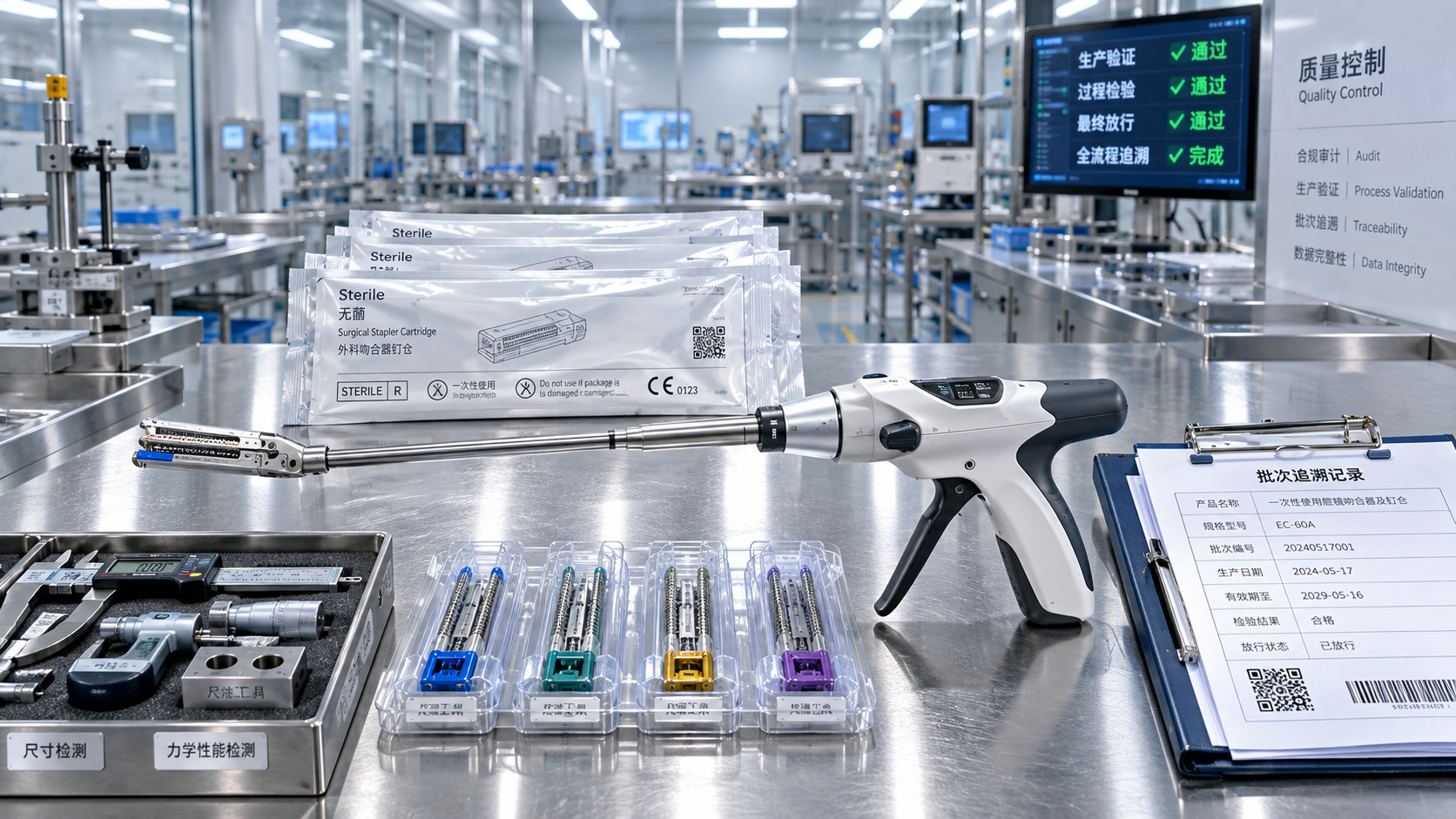
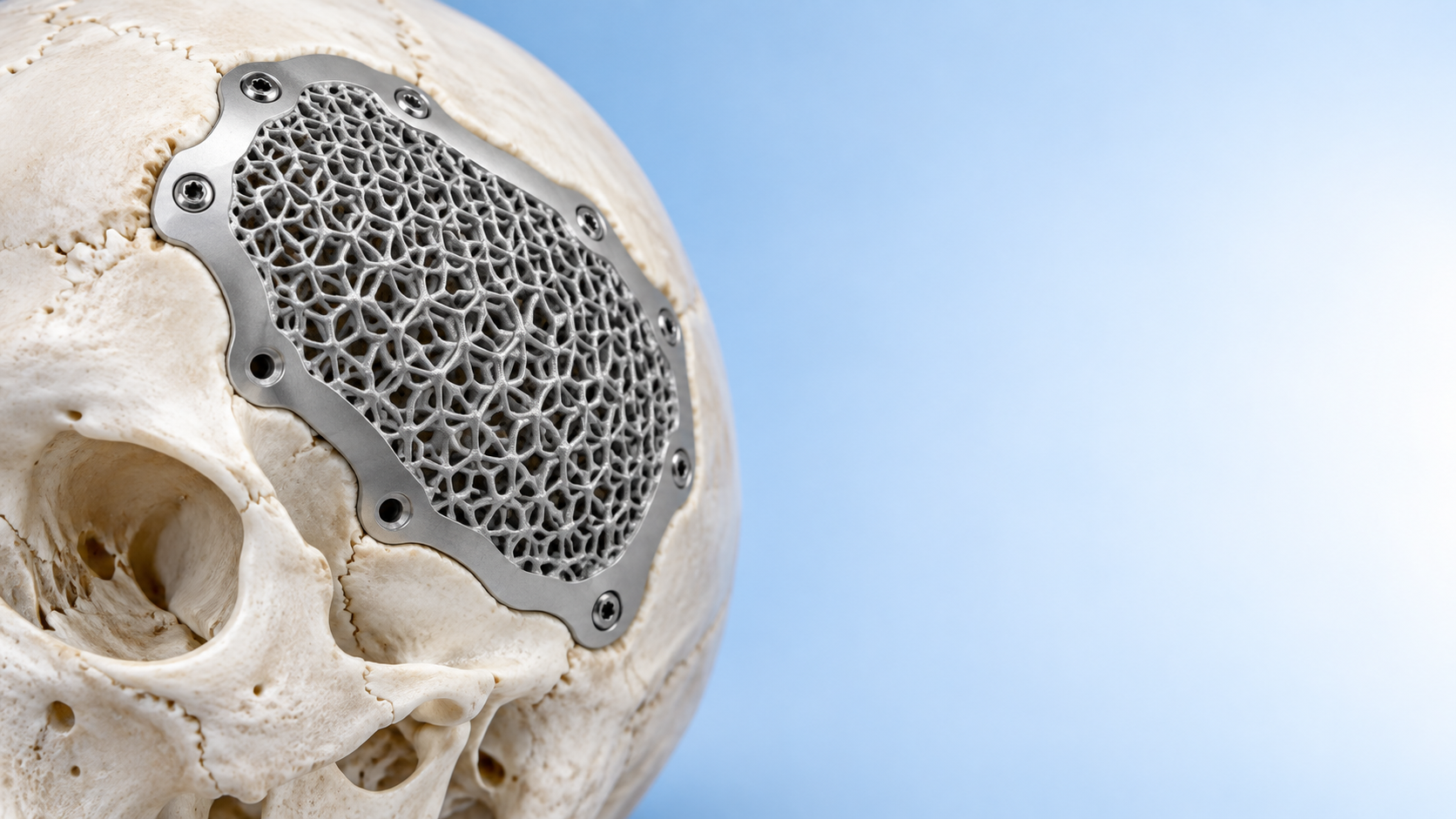
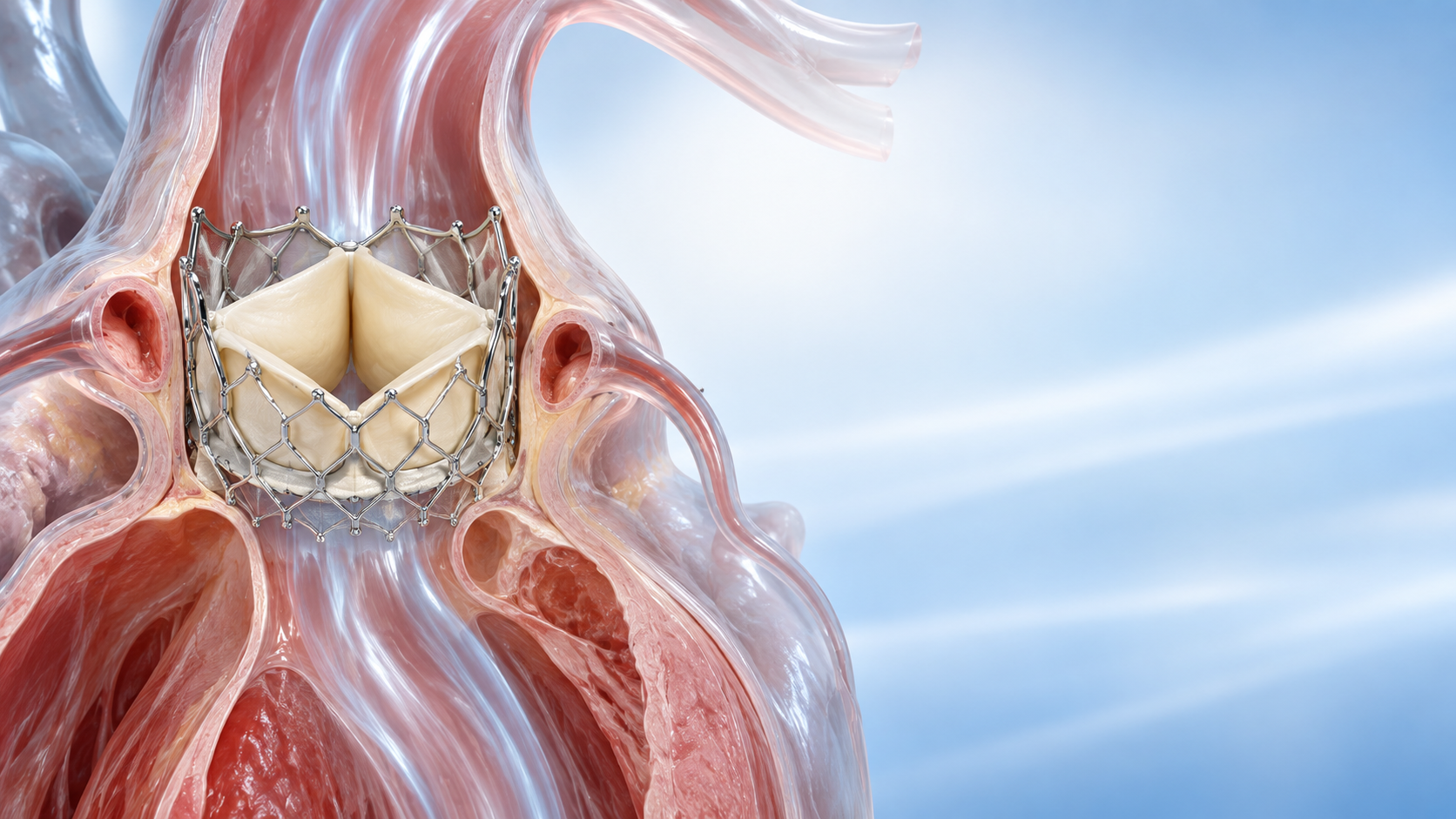
This is visible across the IMCS focus areas. A porous spinal implant, a TAVR valve, a laparoscopic stapler reload, or a coated neurovascular catheter each brings a different testing burden. The common issue is not whether evidence is needed. It is how much evidence must be newly generated, and when legacy data is no longer enough.
What full validation really means in Class III device testing
In practice, full validation means demonstrating that the finished device, made by the intended process, consistently meets its safety and performance claims. It is broader than one laboratory test series. It can include design verification, biocompatibility, sterilization validation, packaging integrity, shelf life, software validation, process qualification, and clinical or preclinical support.
For Class III device testing, the key question is whether the available evidence still represents the marketed product. If the answer is uncertain, partial data packages rarely remain persuasive for long.
Validation is not the same as testing volume
More tests do not automatically create better validation. A focused package built on sound equivalence, strong material characterization, and justified worst-case selection can be more credible than a broad but disconnected data set.
The standard is not abundance. It is relevance, traceability, and the ability to explain why the evidence covers the actual device risk profile.
When full validation is usually required
Some triggers are straightforward. Others look minor on paper but materially change the evidence expectation. In Class III device testing, full validation is commonly required under the following conditions.
- A new implant design changes load transfer, fatigue behavior, fixation method, or tissue contact duration.
- A new material, additive, coating, drug component, or surface treatment is introduced.
- Manufacturing changes affect porosity, extractables, residue profile, particulate generation, or dimensional precision.
- Sterilization method, packaging system, or shelf-life claim changes the product state at use.
- Clinical equivalence becomes difficult to defend under current regulatory standards, especially under CE MDR.
- Complaint signals, CAPA history, or post-market findings suggest prior assumptions are no longer reliable.
These triggers appear often in high-value consumables. A hydrophilic catheter coating may look like an incremental update, yet it can change biocompatibility, lubricity durability, particle shedding, and thrombogenic response. That is not a narrow retest issue. It may reopen the full validation discussion.
Where partial validation may still be defensible
Not every change requires a complete reset. Class III device testing can remain proportionate when the change is well bounded and supported by prior knowledge.
The burden is always on the justification. If the rationale depends on too many assumptions, full validation often becomes the cleaner route.
The evidence areas that most often drive the decision
Several technical domains usually determine whether Class III device testing stays limited or expands.
Biocompatibility and toxicological risk
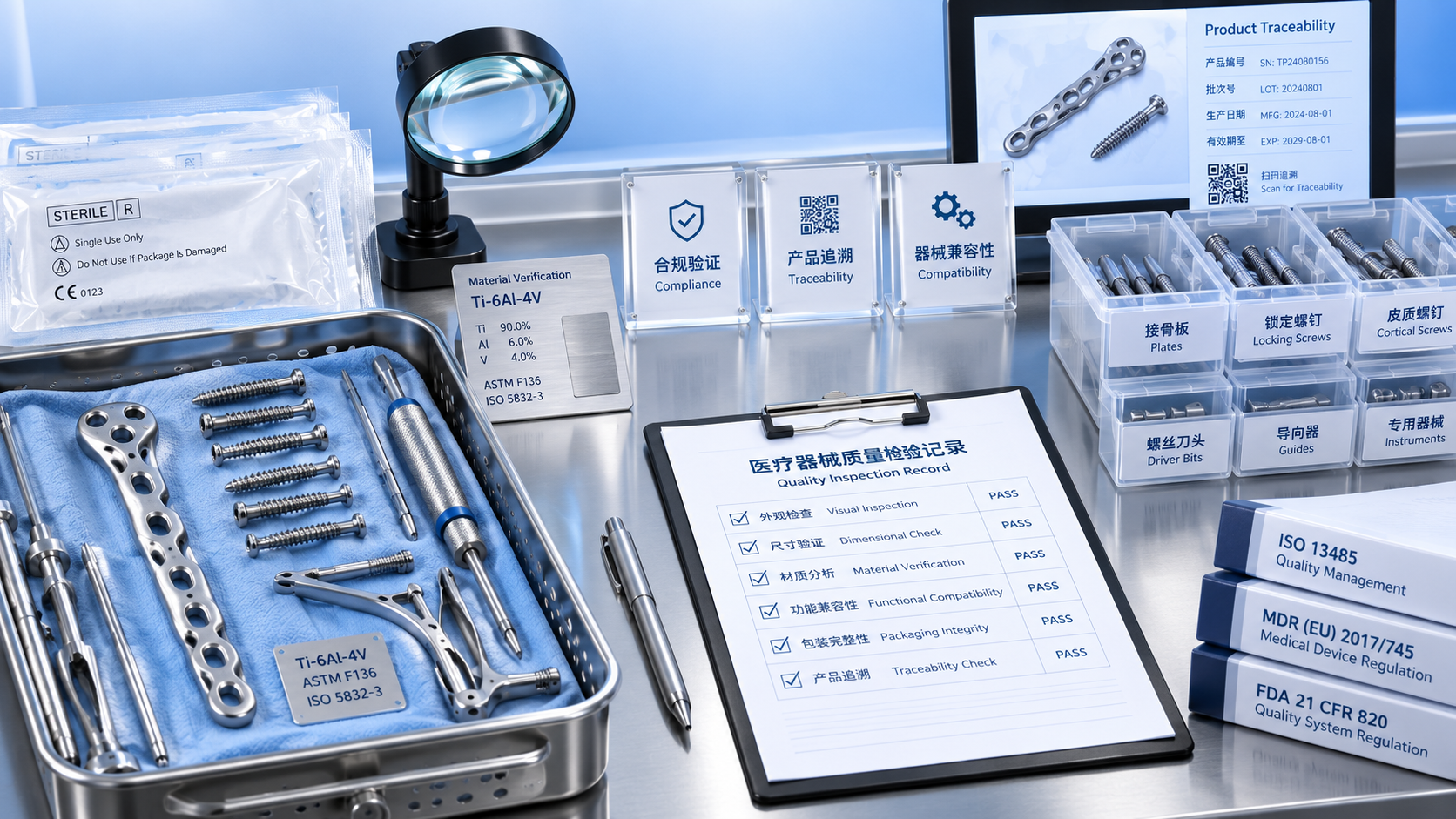
ISO 10993 planning is rarely just a table lookup for high-risk devices. Material composition, contact duration, leachables, degradation products, and manufacturing residues all matter. For tissue-contacting implants, the toxicological rationale must match the finished state, not an idealized material specification.
Mechanical and functional performance
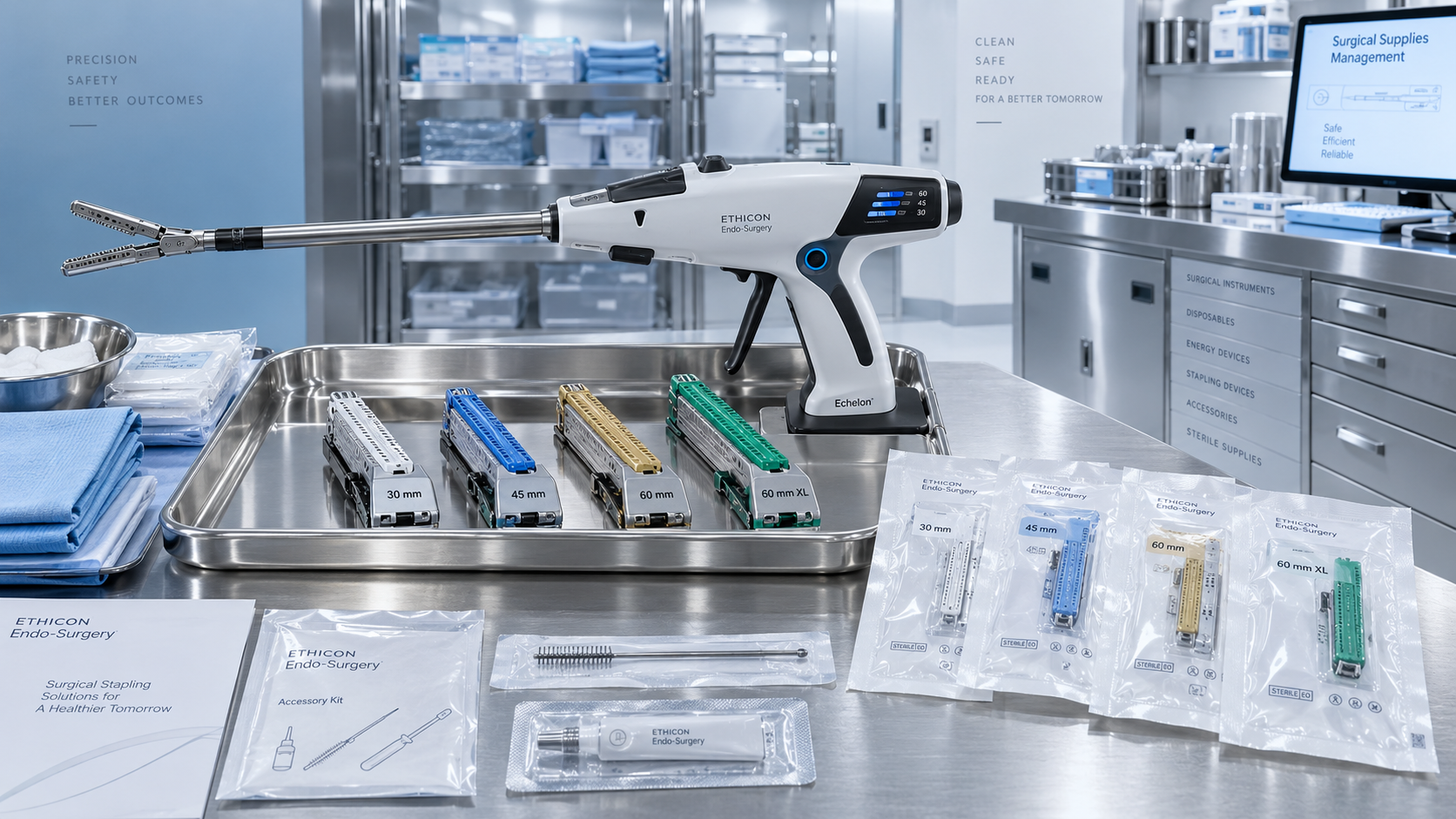
Orthopedic and cardiovascular products often fail validation logic through performance drift rather than obvious design collapse. Porous architecture, radial force, staple formation, burst resistance, kink recovery, and fatigue endurance can all shift after process or supplier changes.
Sterility, packaging, and shelf life
A validated sterile barrier only stays valid when packaging materials, sealing windows, transportation assumptions, and aging models remain applicable. Full validation is commonly triggered when these controls are altered together, even if the implant itself is unchanged.
Clinical evidence and equivalence limits
This area is becoming more demanding. For many Class III products, especially in Europe, equivalence claims now face tighter expectations on access to technical data, biological comparability, and clinical relevance. When equivalence weakens, full validation often expands into preclinical and clinical evidence generation.
A practical decision path for real projects
A useful approach starts with four linked questions, not with a test menu.
- Has anything changed in patient exposure, tissue interface, or clinical use conditions?
- Has anything changed in the process that could alter the finished product, even subtly?
- Do existing reports directly represent the marketed configuration and accepted worst case?
- Would an external reviewer accept the bridge without needing unstated assumptions?
If two or more answers are uncertain, the project usually moves closer to full validation. This is where intelligence-led review adds value. IMCS tracks how material science, CER expectations, toxicology interpretation, and VBP pressure influence validation decisions across device categories. That perspective helps teams judge not only what is permissible, but what is defensible.
What to watch next
Class III device testing will keep moving toward deeper integration of material characterization, process evidence, and clinical logic. Devices with hybrid materials, drug-device combinations, patient-specific geometry, and smart minimally invasive functions will make narrow validation arguments harder to sustain.
The practical next step is to map every proposed change against exposure, function, process, and evidence continuity before assigning a validation scope. That exercise usually reveals whether the plan is genuinely risk based or merely optimistic. In Class III device testing, that difference shapes timelines, submission quality, and ultimately patient safety.
Get weekly intelligence in your inbox.
No noise. No sponsored content. Pure intelligence.
News Recommendations
 Oct 07, 2026What to verify before appointing an artificial joint implants distributorWhat to verify before appointing an artificial joint implants distributor
 Oct 06, 2026How ISO 10993 guides biocompatibility testing for medical materialsHow ISO 10993 guides biocompatibility testing for medical materials
 Oct 05, 2026How to verify an orthopedic implants and instruments exporterHow to verify an orthopedic implants and instruments exporter
 Oct 04, 2026What drives surgical stapling devices price differences in hospital tenders?What drives surgical stapling devices price differences in hospital tenders?
 Oct 03, 2026How to assess a central venous catheter manufacturer's infection-control evidenceHow to assess a central venous catheter manufacturer's infection-control evidence
 Oct 02, 2026How to assess an advanced wound care factory’s quality systemHow to assess an advanced wound care factory’s quality system
 Oct 01, 2026What is driving global medical consumables demand in emerging markets?What is driving global medical consumables demand in emerging markets?
 Sep 30, 2026When Should Silver Wound Dressings Be Avoided?When Should Silver Wound Dressings Be Avoided?
 Sep 30, 2026Is Silicone Foam Dressing Suitable for Heavily Exuding Wounds?Is Silicone Foam Dressing Suitable for Heavily Exuding Wounds?
 Sep 30, 2026How Should Manufacturers Respond to a Biocompatibility Test Failure?How Should Manufacturers Respond to a Biocompatibility Test Failure?
 Sep 30, 2026What Is the Typical CE MDR Review Timeline for High-Risk Devices?What Is the Typical CE MDR Review Timeline for High-Risk Devices?
 Sep 30, 2026How Do FDA and CE MDR Requirements Differ for Implantable Devices?How Do FDA and CE MDR Requirements Differ for Implantable Devices?
 Sep 30, 2026What Are the Main Compliance Risks for Central Venous Access Catheters?What Are the Main Compliance Risks for Central Venous Access Catheters?
 Sep 30, 2026How Should a Surgical Stapler Manufacturer Prepare for a Compliance Audit?How Should a Surgical Stapler Manufacturer Prepare for a Compliance Audit?
 Sep 30, 2026How to assess an orthopedic implant solutions distributor’s traceability systemHow to assess an orthopedic implant solutions distributor’s traceability system
 Sep 29, 2026How a medical device registration strategy can reduce approval delaysHow a medical device registration strategy can reduce approval delays
 Sep 28, 2026How to verify a medical device specification database before useHow to verify a medical device specification database before use
 Sep 27, 2026What to verify before selecting a microcatheters manufacturerWhat to verify before selecting a microcatheters manufacturer
 Sep 26, 2026How to verify FDA compliance for medical device materialsHow to verify FDA compliance for medical device materials
 Sep 25, 2026When does a porous 3D-printed cranial implant improve fixation?When does a porous 3D-printed cranial implant improve fixation?
 Sep 24, 2026When are bovine pericardial valves suitable for transcatheter aortic valve replacement?When are bovine pericardial valves suitable for transcatheter aortic valve replacement?
 Sep 23, 2026How to verify the sterility assurance of surgical devicesHow to verify the sterility assurance of surgical devices
 Sep 22, 2026How to assess a spinal implants manufacturer’s quality systemHow to assess a spinal implants manufacturer’s quality system
 Sep 21, 2026How to assess an osseointegration technology manufacturer’s quality systemHow to assess an osseointegration technology manufacturer’s quality system
 Sep 20, 2026Medical material science trends reshaping biocompatibility testingMedical material science trends reshaping biocompatibility testing
 Sep 19, 2026What North American regulators expect in implant clinical evaluationsWhat North American regulators expect in implant clinical evaluations
 Sep 18, 2026When should plate and screw systems be selected for fracture fixation?When should plate and screw systems be selected for fracture fixation?