Hemocompatibility in Implant Biocompatibility Testing: What Failure Signals Mean
When Hemocompatibility Failure Becomes a Design Signal

In implant biocompatibility testing hemocompatibility is rarely a narrow lab issue. It often reveals whether a device can live safely inside a blood-facing environment over time.
A failed result may point to thrombosis risk, red blood cell damage, platelet activation, or complement-driven inflammation. Each signal suggests a different biological pathway and a different engineering problem.
That is why implant biocompatibility testing hemocompatibility matters across the wider medical consumables sector, not only for classic cardiovascular implants.
IMCS follows this closely because blood-contact performance now sits at the intersection of materials science, precision machining, ISO 10993 evidence, and increasingly strict Class III regulatory review.
In practice, the same failure pattern does not mean the same thing for every device. A coated catheter, a drug-eluting stent, and a porous orthopedic component create very different blood interactions.
Actual Use Conditions Change the Meaning of the Same Result
The first judgment is exposure context. Is the device circulating continuously in blood, touching blood briefly during placement, or contacting blood only at a healing interface?
That distinction shapes how implant biocompatibility testing hemocompatibility should be interpreted. A borderline marker may be manageable in short exposure use, yet unacceptable in chronic blood contact.
Surface chemistry also changes the story. Hydrophilic coatings, heparin-like layers, metallic oxides, polymer blends, and additive residues can all trigger different failure signatures.
More subtle variables matter too. Edge burrs, laser-cut recast layers, porosity, extractables, sterilization residues, and packaging interactions can shift hemocompatibility outcomes without obvious visual defects.
This is where scenario-based interpretation becomes useful. The question is not only whether the test failed, but what blood-facing condition the failure is simulating.
Blood-Flow Devices Need a Different Reading Standard
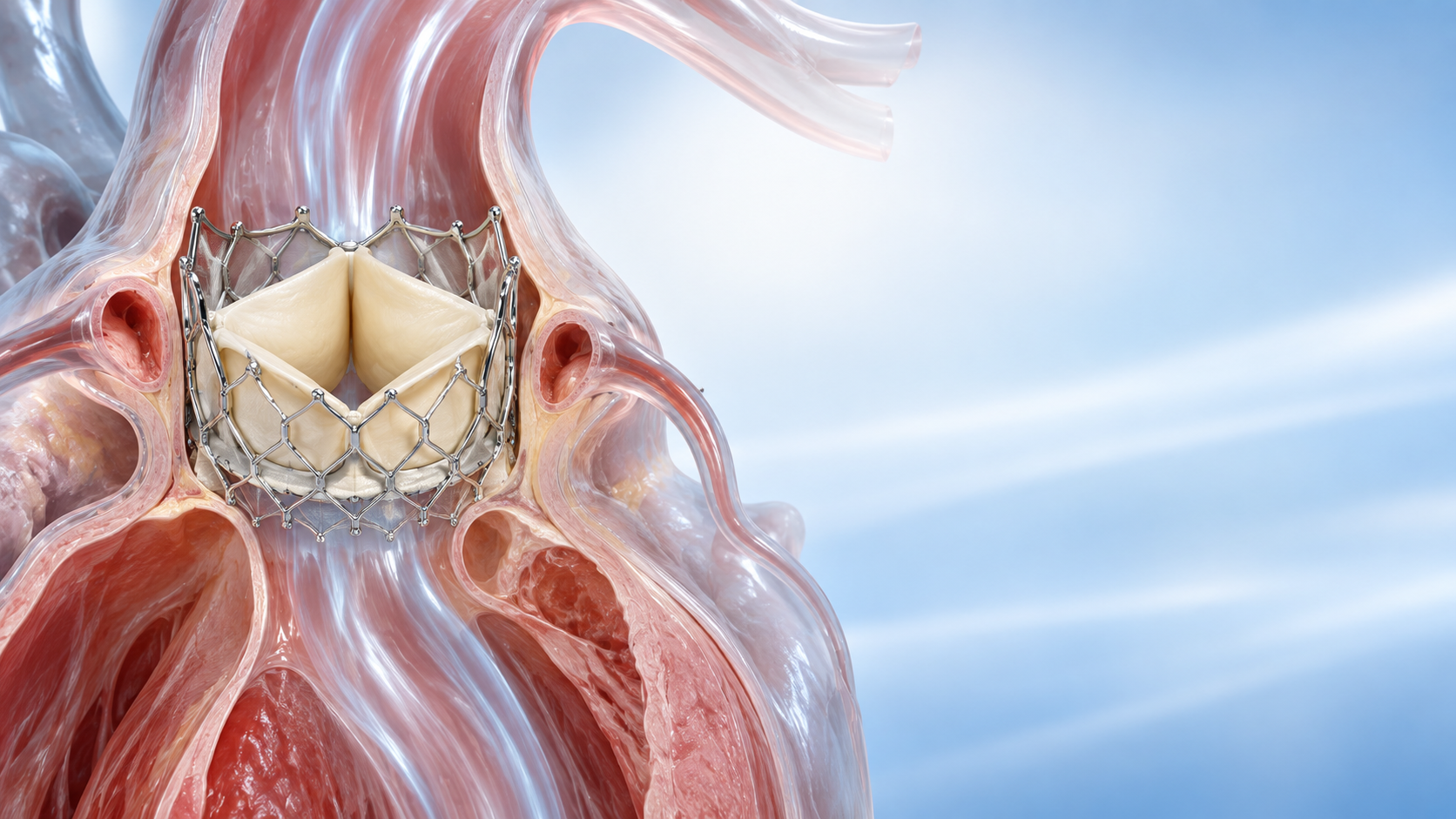
In cardiovascular interventional devices, hemocompatibility failures usually demand the fastest escalation. Stents, guide catheters, introducers, valve systems, and similar devices operate in highly dynamic blood flow.
Here, platelet activation is often the earliest practical warning. It may indicate an overly reactive surface, inadequate coating integrity, or micro-topography that disturbs flow at the blood-material boundary.
Hemolysis results deserve a separate reading. They can reflect mechanical shear amplification, rough transitions, lumen friction, or particulate release rather than a purely chemical incompatibility issue.
Complement activation is especially important for devices with polymers, biologically active coatings, or complex multi-material assemblies. A low-level signal may still become clinically meaningful during prolonged exposure.
For this category, implant biocompatibility testing hemocompatibility should be reviewed together with flow path geometry, coating durability, and post-processing consistency, not as an isolated biological endpoint.
Short-Term Blood Contact Often Hides Long-Term Risk
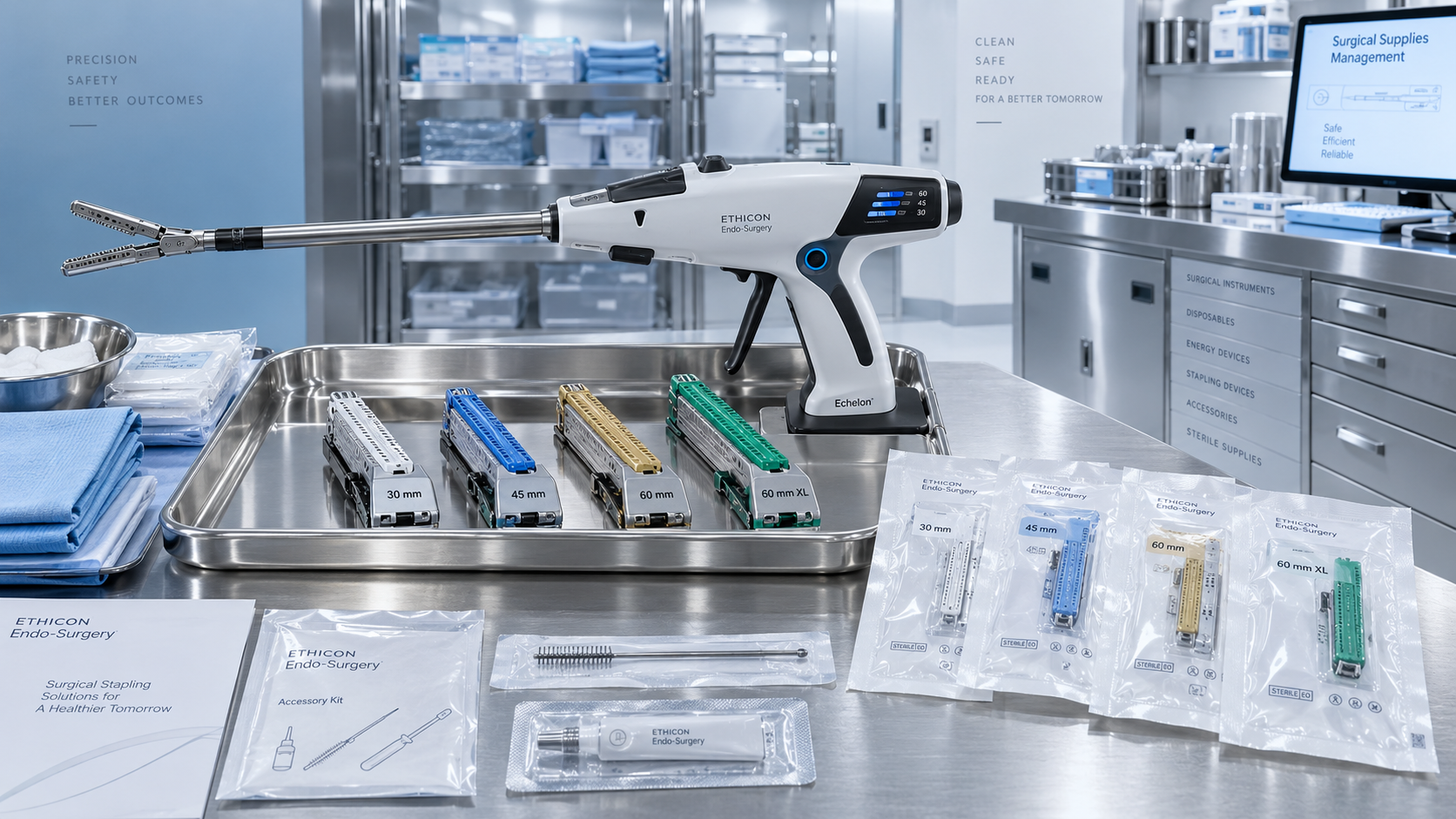
Minimally invasive surgical consumables create a different challenge. Staplers, clips, trocars, and temporary access tools may only contact blood briefly, yet failure signals should not be dismissed.
A common misread is assuming short exposure means low consequence. In reality, localized hemolysis or platelet adhesion may amplify inflammation around a fresh wound or vascular injury site.
Titanium staples, for example, usually have strong clinical familiarity. But coating residue, surface contamination, or manufacturing variation can still alter blood compatibility at the exact moment of tissue closure.
In these settings, the judgment focus shifts from chronic circulation to acute tissue response, immediate clot interaction, and whether the device leaves behind a blood-reactive surface during healing.
Polymer Catheters Often Fail for Reasons That Look Small at First
Medical polymer catheters sit in a middle zone between transient tools and long-term implants. They often combine flexibility, coatings, additives, and complex internal surfaces, which makes failure analysis more layered.
When implant biocompatibility testing hemocompatibility shows thrombogenicity concerns, the root cause may involve lubricious coating instability, plasticizer migration, or surface energy shifts after sterilization.
Kink resistance and trackability can unintentionally compete with blood compatibility. A formulation tuned for handling performance may expose chemistry that increases protein adsorption or platelet response.
This is especially relevant for neuro-interventional and central venous applications, where narrow lumens, long dwell periods, and anti-thrombotic expectations leave little room for marginal results.
Where scenario differences become obvious
This is why cross-category intelligence matters. IMCS tracks how similar laboratory findings can lead to different design decisions depending on blood path, implant duration, and regulatory expectation.
Orthopedic and Regenerative Systems Still Need Blood-Facing Discipline
Orthopedic implants are not usually framed as classic hemocompatibility products. Yet porous structures, revision tools, and implantation trauma all create moments where blood-material interaction influences healing quality.
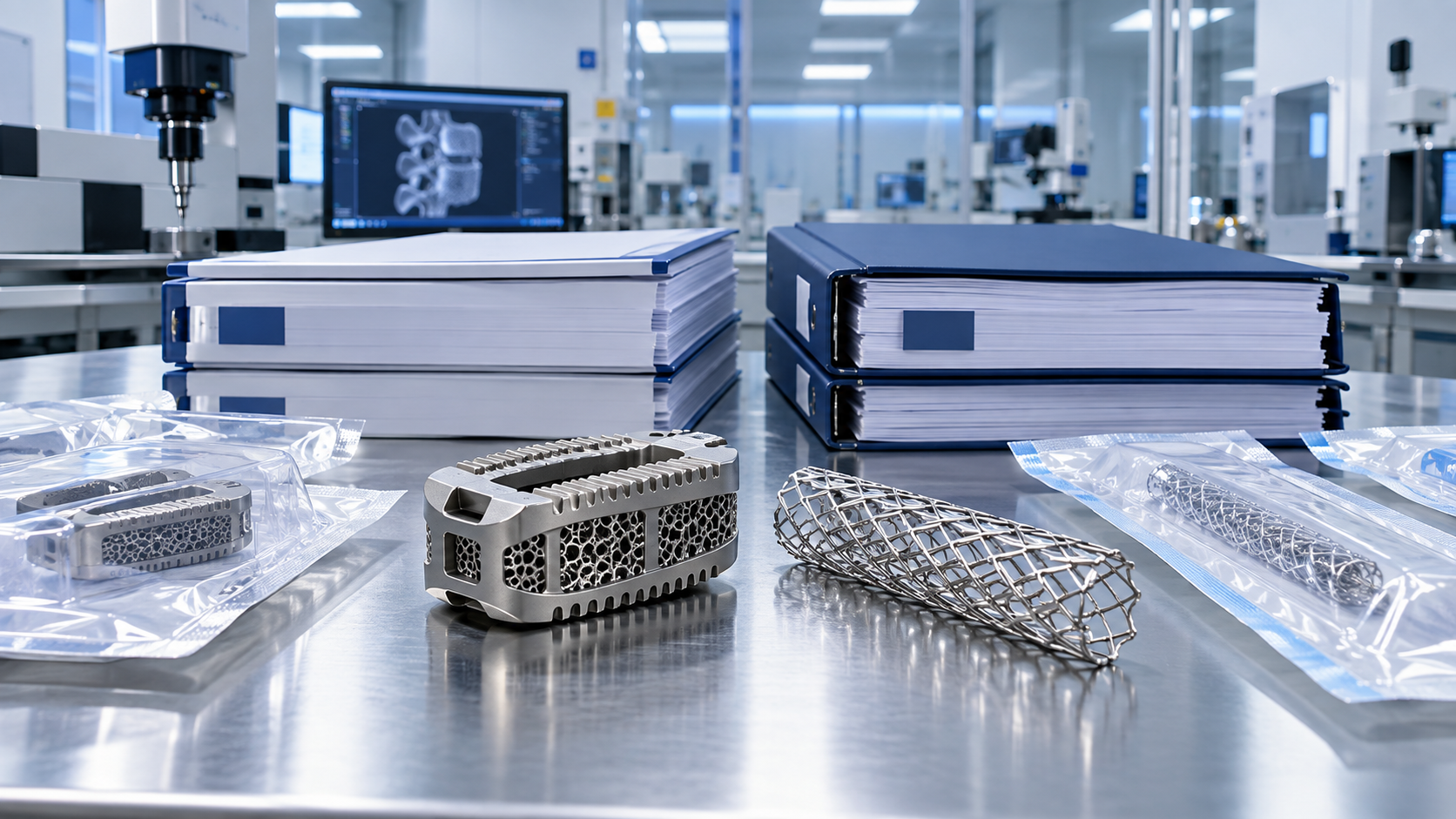
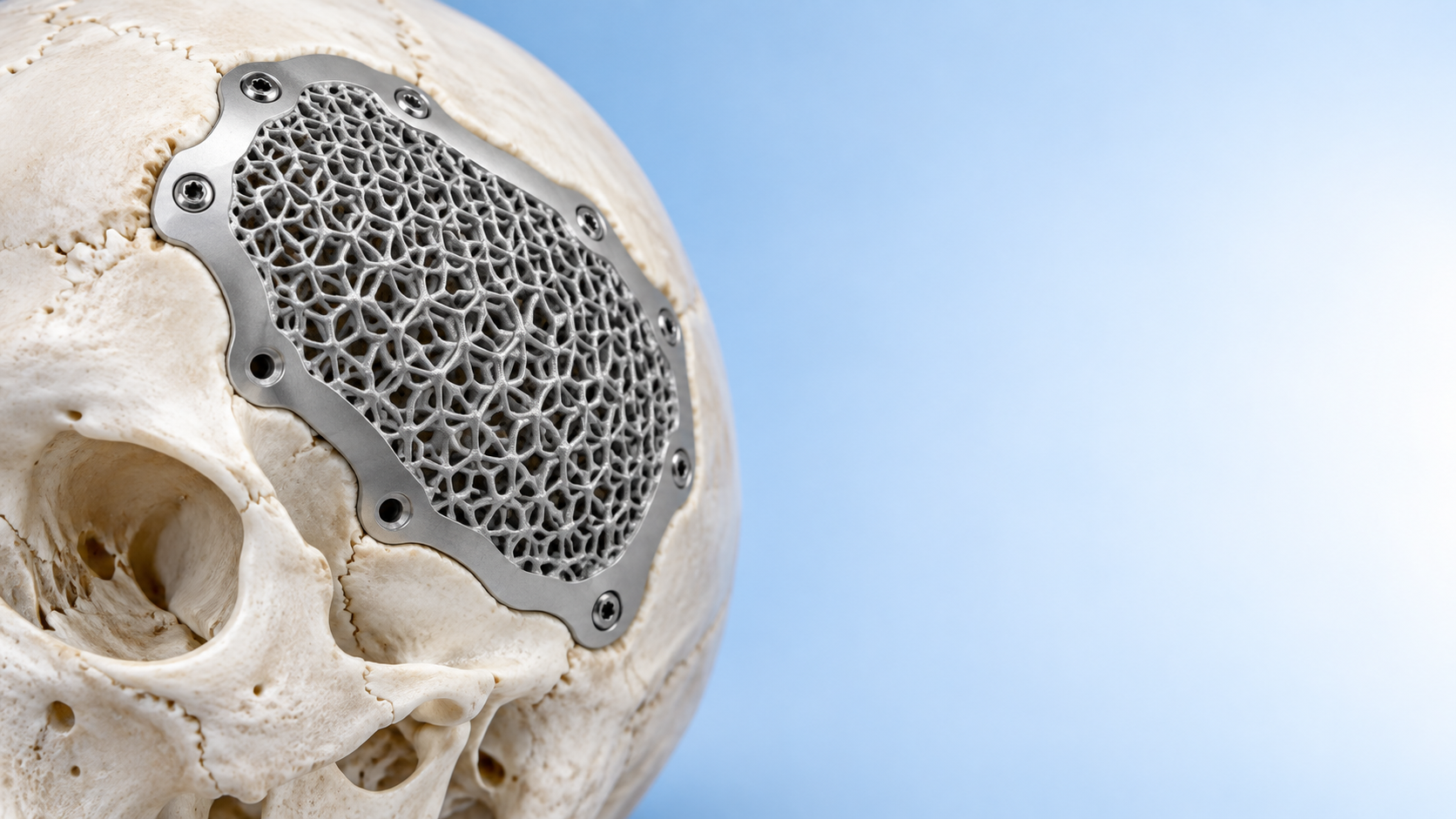
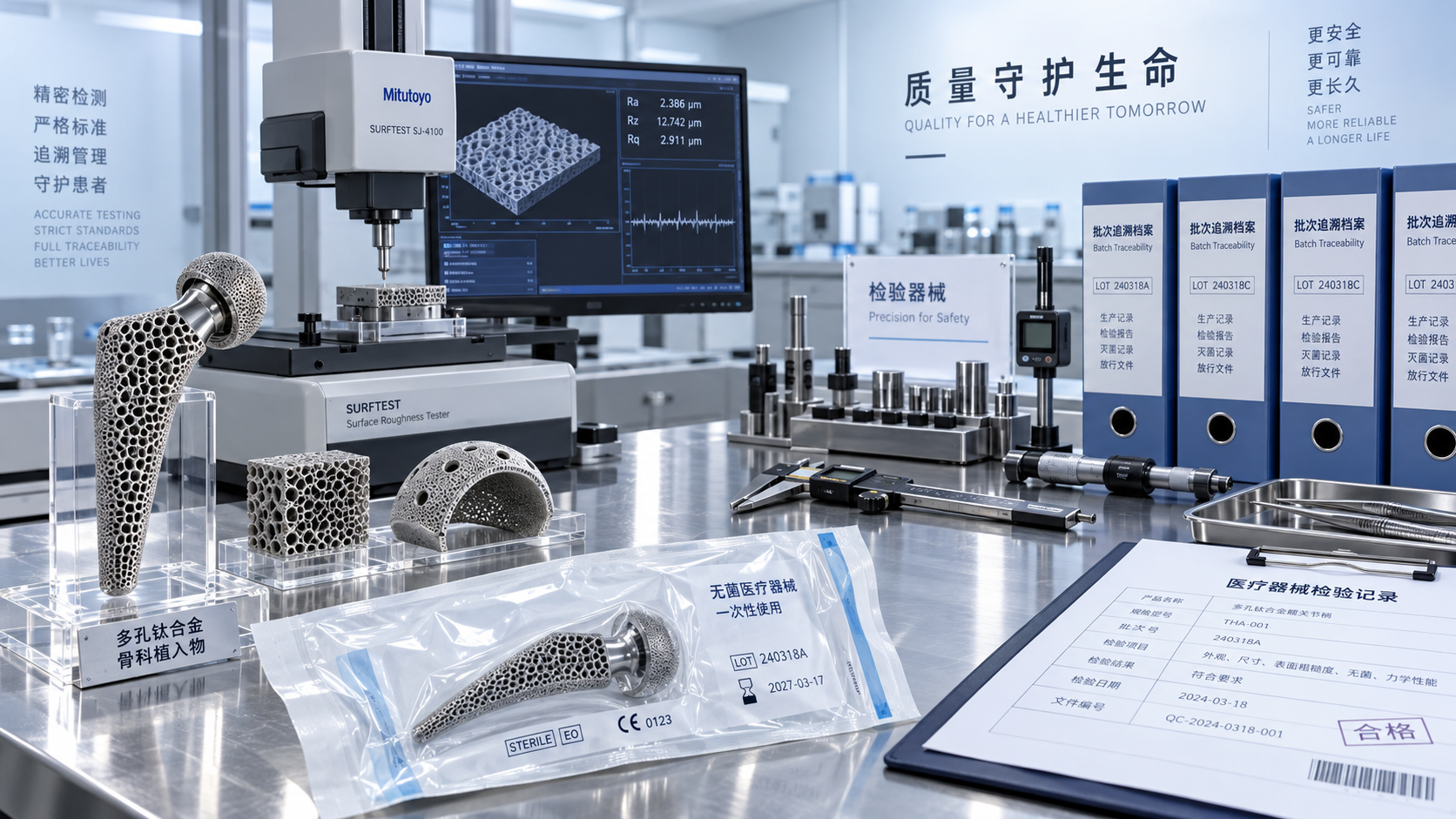
A 3D-printed porous implant may pass broad biocompatibility screens, then show concerning blood response because trapped process residues remain inside the architecture.
Tissue regeneration materials add another layer. They often aim to support integration, moisture balance, or scaffold function, but early blood contact can shape the downstream inflammatory environment.
In these cases, implant biocompatibility testing hemocompatibility helps explain why apparently acceptable materials still produce inconsistent early healing or unexpected inflammatory findings.
What Teams Commonly Misjudge Before Root Cause Work Starts
One frequent mistake is treating hemocompatibility as a checkbox under ISO 10993 rather than a mechanism map. A pass or fail alone does not identify the true design weakness.
Another is blaming base material too early. Many failures come from finishing steps, cleaning chemistry, sterilization shifts, aging effects, or packaging-derived contamination.
It is also risky to compare look-alike devices too casually. Two catheters with similar dimensions may behave differently because coating thickness, extraction profile, and surface energy are not equivalent.
- Do not read thrombogenicity results without reviewing flow path and roughness data.
- Do not read hemolysis data without considering mechanical shear sources.
- Do not clear coating systems until post-sterilization and shelf-life samples are included.
- Do not assume brief blood contact removes the need for detailed failure interpretation.
A Practical Way to Match Testing Insight With Device Reality
The most useful next step is to build a scenario map before repeating tests. Start with contact duration, blood flow conditions, and whether the device is implanted, transient, or hybrid in use.
Then connect each failure signal to a probable source. Platelet activation often points toward surface reactivity. Hemolysis may suggest friction or geometry. Complement response may highlight chemistry or coating behavior.
After that, compare manufacturing stages instead of only final lots. Surface preparation, passivation, additive control, extractables, and sterilization validation often explain shifts more clearly than material certificates do.
For organizations moving across orthopedic, cardiovascular, catheter, and regenerative categories, this structured reading of implant biocompatibility testing hemocompatibility creates stronger regulatory narratives and better design prioritization.
The practical path is straightforward: define the real blood-contact scenario, compare exposure conditions, isolate likely process variables, and verify whether the failure reflects chemistry, mechanics, or both.
That approach turns a failed endpoint from a compliance setback into a decision tool for safer implants, more stable submissions, and more credible long-term clinical performance.
Get weekly intelligence in your inbox.
No noise. No sponsored content. Pure intelligence.
News Recommendations
 Oct 05, 2026How to verify an orthopedic implants and instruments exporterHow to verify an orthopedic implants and instruments exporter
 Oct 04, 2026What drives surgical stapling devices price differences in hospital tenders?What drives surgical stapling devices price differences in hospital tenders?
 Oct 03, 2026How to assess a central venous catheter manufacturer's infection-control evidenceHow to assess a central venous catheter manufacturer's infection-control evidence
 Oct 02, 2026How to assess an advanced wound care factory’s quality systemHow to assess an advanced wound care factory’s quality system
 Oct 01, 2026What is driving global medical consumables demand in emerging markets?What is driving global medical consumables demand in emerging markets?
 Sep 30, 2026How Should Manufacturers Respond to a Biocompatibility Test Failure?How Should Manufacturers Respond to a Biocompatibility Test Failure?
 Sep 30, 2026What Is the Typical CE MDR Review Timeline for High-Risk Devices?What Is the Typical CE MDR Review Timeline for High-Risk Devices?
 Sep 30, 2026How Do FDA and CE MDR Requirements Differ for Implantable Devices?How Do FDA and CE MDR Requirements Differ for Implantable Devices?
 Sep 30, 2026What Are the Main Compliance Risks for Central Venous Access Catheters?What Are the Main Compliance Risks for Central Venous Access Catheters?
 Sep 30, 2026How Should a Surgical Stapler Manufacturer Prepare for a Compliance Audit?How Should a Surgical Stapler Manufacturer Prepare for a Compliance Audit?
 Sep 30, 2026How to assess an orthopedic implant solutions distributor’s traceability systemHow to assess an orthopedic implant solutions distributor’s traceability system
 Sep 29, 2026How a medical device registration strategy can reduce approval delaysHow a medical device registration strategy can reduce approval delays
 Sep 28, 2026How to verify a medical device specification database before useHow to verify a medical device specification database before use
 Sep 27, 2026What to verify before selecting a microcatheters manufacturerWhat to verify before selecting a microcatheters manufacturer
 Sep 26, 2026How to verify FDA compliance for medical device materialsHow to verify FDA compliance for medical device materials
 Sep 25, 2026When does a porous 3D-printed cranial implant improve fixation?When does a porous 3D-printed cranial implant improve fixation?
 Sep 24, 2026When are bovine pericardial valves suitable for transcatheter aortic valve replacement?When are bovine pericardial valves suitable for transcatheter aortic valve replacement?
 Sep 23, 2026How to verify the sterility assurance of surgical devicesHow to verify the sterility assurance of surgical devices
 Sep 22, 2026How to assess a spinal implants manufacturer’s quality systemHow to assess a spinal implants manufacturer’s quality system
 Sep 21, 2026How to assess an osseointegration technology manufacturer’s quality systemHow to assess an osseointegration technology manufacturer’s quality system
 Sep 20, 2026Medical material science trends reshaping biocompatibility testingMedical material science trends reshaping biocompatibility testing
 Sep 19, 2026What North American regulators expect in implant clinical evaluationsWhat North American regulators expect in implant clinical evaluations
 Sep 18, 2026When should plate and screw systems be selected for fracture fixation?When should plate and screw systems be selected for fracture fixation?
 Sep 17, 2026How a medical device sourcing strategy can reduce total acquisition costHow a medical device sourcing strategy can reduce total acquisition cost
 Sep 16, 2026When are silver foam burn care dressings appropriate for exuding burns?When are silver foam burn care dressings appropriate for exuding burns?
 Sep 15, 2026What drives medical device category pricing in value-based purchasing?What drives medical device category pricing in value-based purchasing?
 Sep 14, 2026High value consumables insights for evaluating total cost of careHigh value consumables insights for evaluating total cost of care