How Bioactive Osseointegration Materials Improve Early Implant Stability
How Bioactive Osseointegration Materials Improve Early Implant Stability
For technical evaluators, early stability is rarely a narrow mechanical question.
It sits at the intersection of surface chemistry, implant geometry, bone quality, and healing biology.
That is why bioactive osseointegration materials now receive much closer scrutiny during technical assessment.
These materials do more than fill a specification sheet.
They can actively influence protein adsorption, cell attachment, bone apposition, and the speed of early fixation.
In practical terms, that means less micromotion risk and a better chance of predictable functional integration.
The key issue is not whether a surface is labeled bioactive, but how that bioactivity translates into measurable early implant stability.
Why Early Stability Depends on Material Response
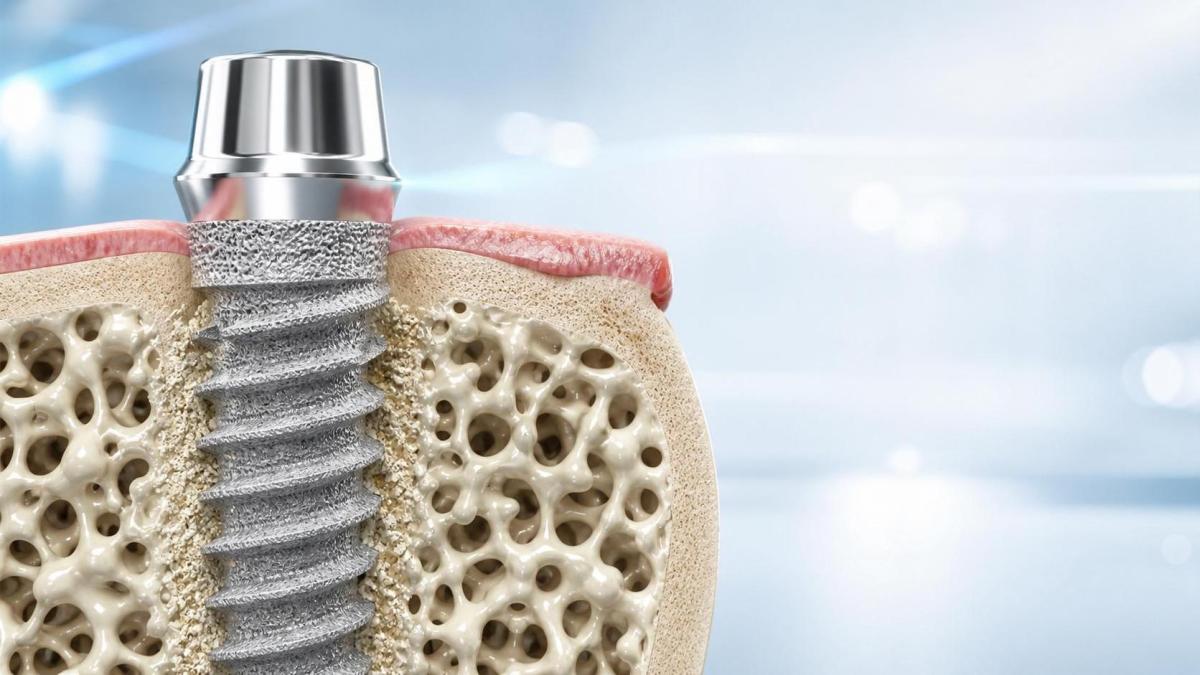
Primary stability starts with surgical placement and macro design.
Still, secondary stability emerges from biological fixation during the first weeks after implantation.
This is where bioactive osseointegration materials matter most.
If the interface remains biologically passive, the implant depends mainly on mechanical interlock.
If the interface is bioactive, it can stimulate earlier bone deposition and stronger bone-to-implant contact.
That difference is especially important in compromised bone, revision cases, and demanding loading profiles.
From a technical standpoint, early implant stability improves when three conditions align:
- The surface attracts and organizes proteins linked to osteoblast activity.
- The topography supports cell spreading and matrix anchorage.
- The chemistry drives mineralization without triggering harmful local reactions.
When these mechanisms work together, bioactive osseointegration materials can shorten the transition from mechanical fixation to biological fixation.
What Makes a Material Truly Bioactive
The term bioactive is often used too loosely.
For implant evaluation, the definition should stay functional and evidence based.
A bioactive surface does not merely tolerate tissue contact.
It actively promotes biological events that support osseointegration.
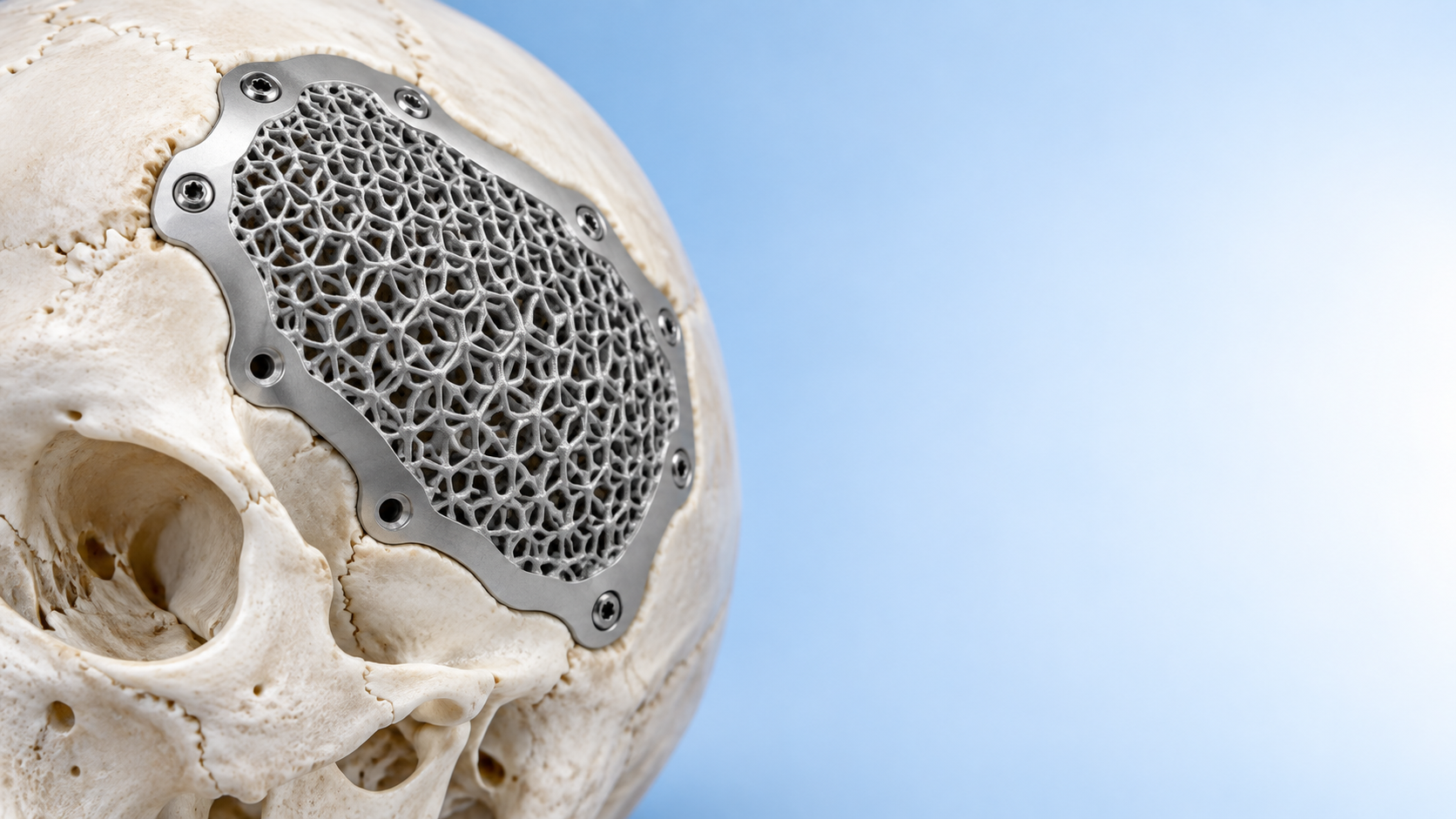
Common bioactive osseointegration materials include hydroxyapatite coatings, calcium phosphate layers, bioactive glass, porous titanium with biofunctional treatment, and hybrid ceramic-polymer interfaces.
Some newer systems also combine nanostructuring with ionic modification.
Examples include magnesium, strontium, zinc, or silicon incorporation to influence osteogenic signaling.
The stronger signal in recent evaluations is this:
- Bioactivity is no longer assessed by composition alone.
- Surface energy, roughness scale, porosity continuity, and coating adhesion now carry equal weight.
- Manufacturing consistency has become central to judging real-world performance.
This also means bioactive osseointegration materials should be evaluated as engineered systems, not as isolated material names.
How Bioactive Osseointegration Materials Improve Early Implant Stability
The improvement pathway is usually sequential rather than instantaneous.
Right after implantation, blood proteins adsorb onto the surface.
Their orientation and density shape the first cellular response.
Bioactive osseointegration materials can improve this first stage by presenting a more favorable chemical and topographic environment.
Next, osteogenic cells attach, spread, and begin matrix secretion.
A well-designed bioactive interface encourages faster differentiation and earlier mineral deposition.
Finally, woven bone forms and matures into a stronger interfacial structure.
That process reduces the window in which micromotion can disrupt healing.
Key engineering effects
- Higher early bone-to-implant contact percentages.
- Better interfacial shear resistance during early healing.
- More reliable fixation in low-density cancellous bone.
- Reduced dependence on aggressive macro features alone.
- Potential support for earlier functional loading protocols.
In short, bioactive osseointegration materials improve early implant stability by making the biological phase arrive sooner and progress more predictably.
Metrics That Matter in Technical Evaluation
Claims about early fixation need evidence that connects material design with performance.
Not every favorable laboratory result predicts clinical stability.
A balanced technical review usually tracks several layers of data.
This layered approach helps separate real bioactive benefit from marketing language.
It also supports cleaner comparison across competing implant platforms.
Standards, Risks, and Common Review Gaps
Bioactive osseointegration materials are promising, but they add scrutiny points.
Technical files should address biological safety, process control, and long-term interface durability together.
Relevant frameworks often include ISO 10993 for biocompatibility and ISO 13485 for quality management.
Depending on the product class and market, CE MDR and FDA expectations may require stronger clinical justification.
Frequent risk points
- Coating dissolution that changes too quickly or too slowly.
- Weak coating adhesion under insertion stress.
- Inconsistent pore architecture between batches.
- Unclear correlation between in vitro markers and fixation outcomes.
- Particle release and local inflammatory response.
Common evaluation gaps
- Surface data is presented without batch variability analysis.
- Preclinical models do not reflect low-quality bone conditions.
- Clinical evidence discusses survival, but not early migration behavior.
- Bioactive osseointegration materials are compared against weak legacy controls.
In actual review work, these gaps often delay clear judgment more than the material concept itself.
A Practical Framework for Comparing Options
When multiple implant systems claim better fixation, a simple framework helps.
The goal is to compare design intent, evidence quality, and manufacturing reliability in one view.
- Start with the material mechanism: ionic release, apatite formation, porous ingrowth, or hybrid action.
- Check whether the claimed mechanism matches the measured surface properties.
- Look for direct evidence of early implant stability, not only late survival.
- Review process validation and lot consistency for the bioactive layer.
- Assess whether the benefit remains credible under VBP pressure and scale-up manufacturing.
That last point is becoming more important.
A technically elegant surface loses value if process drift erodes reproducibility at commercial volumes.
For that reason, the best bioactive osseointegration materials combine measurable biological advantage with stable industrial execution.
Closing View
Bioactive osseointegration materials improve early implant stability by changing the interface from passive support to active healing participation.
That benefit can be real, measurable, and clinically useful.
But it should be judged through mechanism, fixation evidence, safety data, and manufacturing discipline together.
The most reliable decisions come from asking a direct question at every stage:
Does this material design create earlier, stronger, and more reproducible bone integration under realistic conditions?
If the answer is supported across chemistry, mechanics, biology, and standards, the case for adoption becomes much stronger.
Get weekly intelligence in your inbox.
No noise. No sponsored content. Pure intelligence.
News Recommendations
 Oct 05, 2026How to verify an orthopedic implants and instruments exporterHow to verify an orthopedic implants and instruments exporter
 Oct 04, 2026What drives surgical stapling devices price differences in hospital tenders?What drives surgical stapling devices price differences in hospital tenders?
 Oct 03, 2026How to assess a central venous catheter manufacturer's infection-control evidenceHow to assess a central venous catheter manufacturer's infection-control evidence
 Oct 02, 2026How to assess an advanced wound care factory’s quality systemHow to assess an advanced wound care factory’s quality system
 Oct 01, 2026What is driving global medical consumables demand in emerging markets?What is driving global medical consumables demand in emerging markets?
 Sep 30, 2026How Should Manufacturers Respond to a Biocompatibility Test Failure?How Should Manufacturers Respond to a Biocompatibility Test Failure?
 Sep 30, 2026What Is the Typical CE MDR Review Timeline for High-Risk Devices?What Is the Typical CE MDR Review Timeline for High-Risk Devices?
 Sep 30, 2026How Do FDA and CE MDR Requirements Differ for Implantable Devices?How Do FDA and CE MDR Requirements Differ for Implantable Devices?
 Sep 30, 2026What Are the Main Compliance Risks for Central Venous Access Catheters?What Are the Main Compliance Risks for Central Venous Access Catheters?
 Sep 30, 2026How Should a Surgical Stapler Manufacturer Prepare for a Compliance Audit?How Should a Surgical Stapler Manufacturer Prepare for a Compliance Audit?
 Sep 30, 2026How to assess an orthopedic implant solutions distributor’s traceability systemHow to assess an orthopedic implant solutions distributor’s traceability system
 Sep 29, 2026How a medical device registration strategy can reduce approval delaysHow a medical device registration strategy can reduce approval delays
 Sep 28, 2026How to verify a medical device specification database before useHow to verify a medical device specification database before use
 Sep 27, 2026What to verify before selecting a microcatheters manufacturerWhat to verify before selecting a microcatheters manufacturer
 Sep 26, 2026How to verify FDA compliance for medical device materialsHow to verify FDA compliance for medical device materials
 Sep 25, 2026When does a porous 3D-printed cranial implant improve fixation?When does a porous 3D-printed cranial implant improve fixation?
 Sep 24, 2026When are bovine pericardial valves suitable for transcatheter aortic valve replacement?When are bovine pericardial valves suitable for transcatheter aortic valve replacement?
 Sep 23, 2026How to verify the sterility assurance of surgical devicesHow to verify the sterility assurance of surgical devices
 Sep 22, 2026How to assess a spinal implants manufacturer’s quality systemHow to assess a spinal implants manufacturer’s quality system
 Sep 21, 2026How to assess an osseointegration technology manufacturer’s quality systemHow to assess an osseointegration technology manufacturer’s quality system
 Sep 20, 2026Medical material science trends reshaping biocompatibility testingMedical material science trends reshaping biocompatibility testing
 Sep 19, 2026What North American regulators expect in implant clinical evaluationsWhat North American regulators expect in implant clinical evaluations
 Sep 18, 2026When should plate and screw systems be selected for fracture fixation?When should plate and screw systems be selected for fracture fixation?
 Sep 17, 2026How a medical device sourcing strategy can reduce total acquisition costHow a medical device sourcing strategy can reduce total acquisition cost
 Sep 16, 2026When are silver foam burn care dressings appropriate for exuding burns?When are silver foam burn care dressings appropriate for exuding burns?
 Sep 15, 2026What drives medical device category pricing in value-based purchasing?What drives medical device category pricing in value-based purchasing?
 Sep 14, 2026High value consumables insights for evaluating total cost of careHigh value consumables insights for evaluating total cost of care