Implant Material Selection Cost: What Drives Total Spend?
Implant Material Selection Cost: What Drives Total Spend?
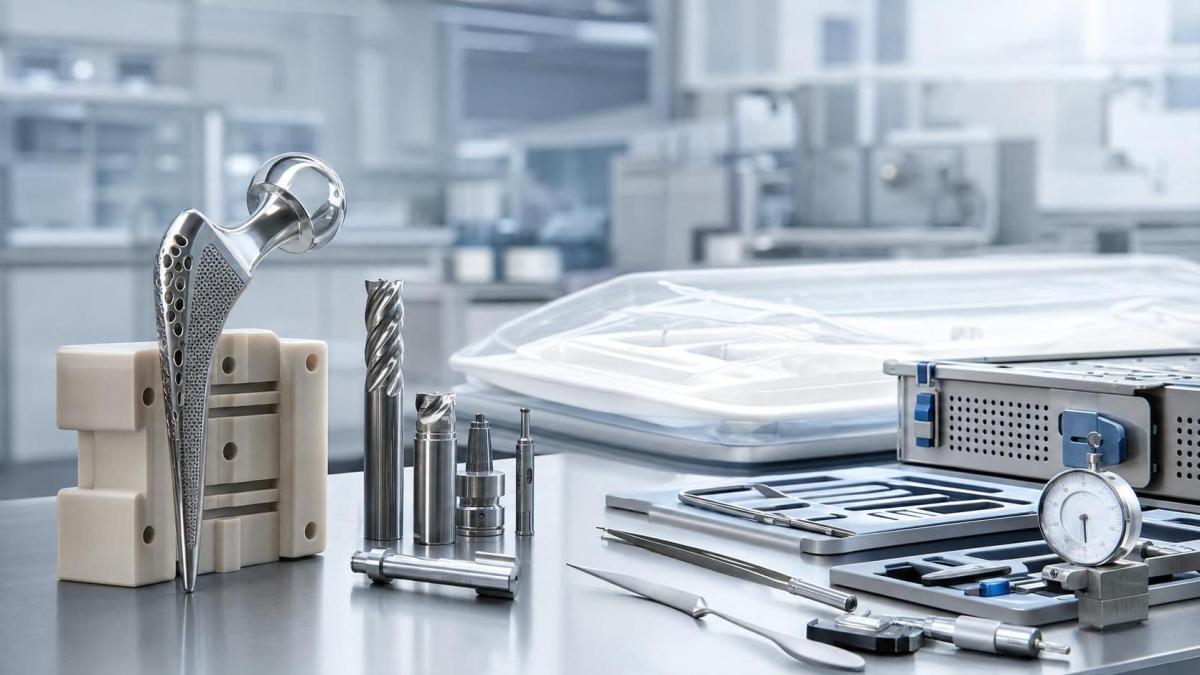
Implant material selection cost is rarely a simple price-per-kilogram question.
In real purchasing decisions, raw material is only one layer of total spend.
What matters more is how the chosen material behaves across design, validation, production, and post-market use.
That is why titanium, cobalt-chromium, PEEK, nitinol, silicone, and advanced polymers cannot be compared on invoice price alone.
A lower entry price can still create a higher implant material selection cost over the contract cycle.
The bigger drivers usually include evidence burden, precision machining, sterilization compatibility, supply continuity, and clinical durability.
From a cost-control perspective, the goal is not to buy the cheapest material.
The goal is to buy the material profile that protects margin, compliance, and patient outcomes at the same time.
Why Raw Material Price Tells Only Part of the Story
Many sourcing reviews start with unit cost.
That is necessary, but it is not enough for implant categories.
A premium alloy may reduce machining scrap, revision exposure, or regulatory delay.
In that case, a higher line-item price can lower overall implant material selection cost.
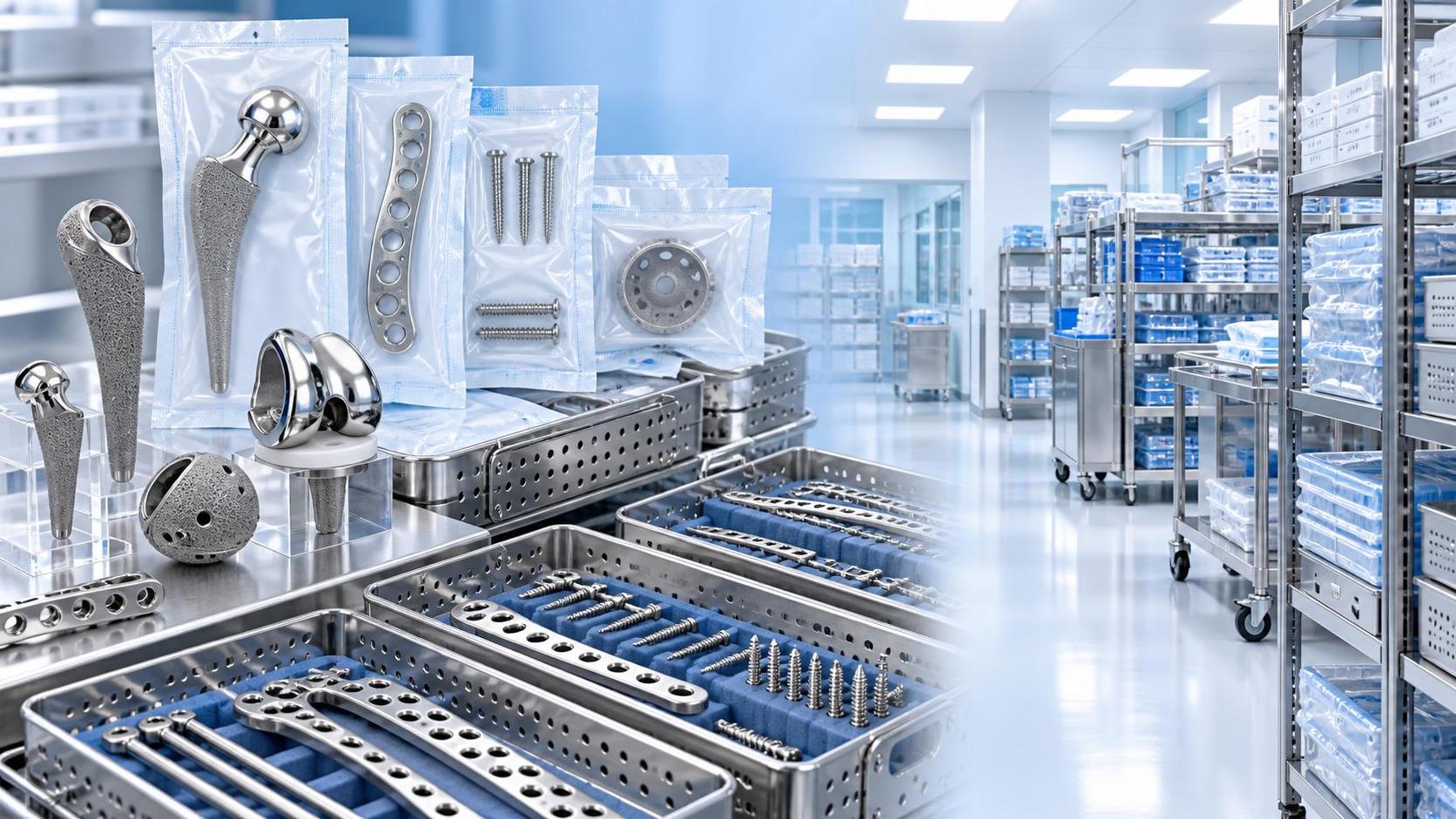
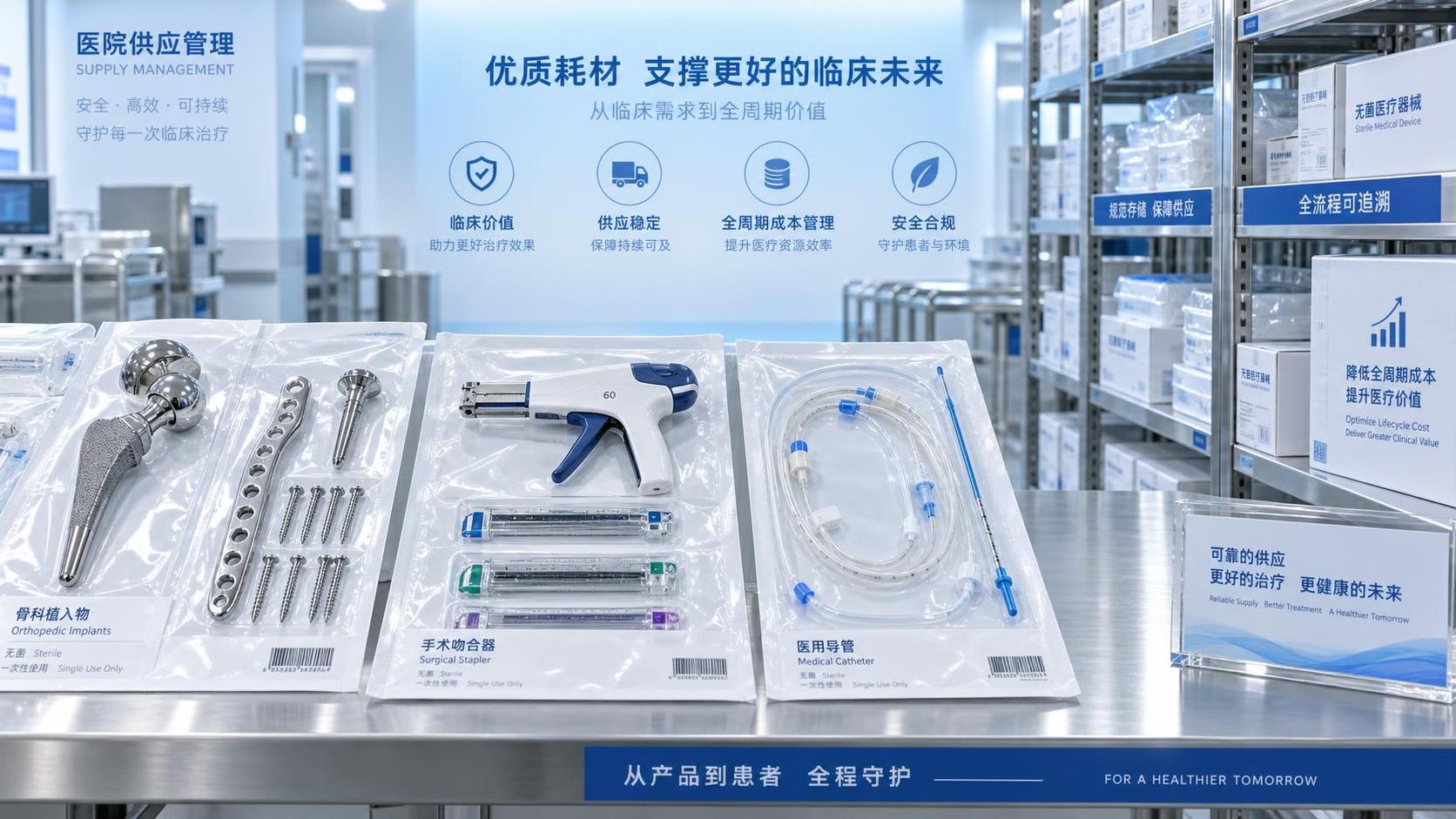
This is especially visible in orthopedic implants, cardiovascular devices, and high-performance surgical consumables.
Each product family carries different stress, wear, and biological interaction requirements.
A material that works in one indication may trigger rework or extra testing in another.
- Metals may raise costs through coating, polishing, or fatigue validation.
- Polymers may raise costs through aging studies and sterilization sensitivity.
- Bioactive surfaces may improve healing, but expand documentation and quality control needs.
So when teams ask what drives implant material selection cost, they should expand the lens beyond purchasing price.
The Five Biggest Cost Drivers
1. Biocompatibility and Clinical Risk
Biocompatibility is often the first hidden multiplier.
Materials must pass cytotoxicity, sensitization, irritation, and sometimes long-term implantation studies under ISO 10993.
If the material history is weak, evidence costs rise fast.
That directly increases implant material selection cost before commercial launch even starts.
2. Precision Machining and Yield Loss
Some implant materials are difficult to cut, shape, print, or polish.
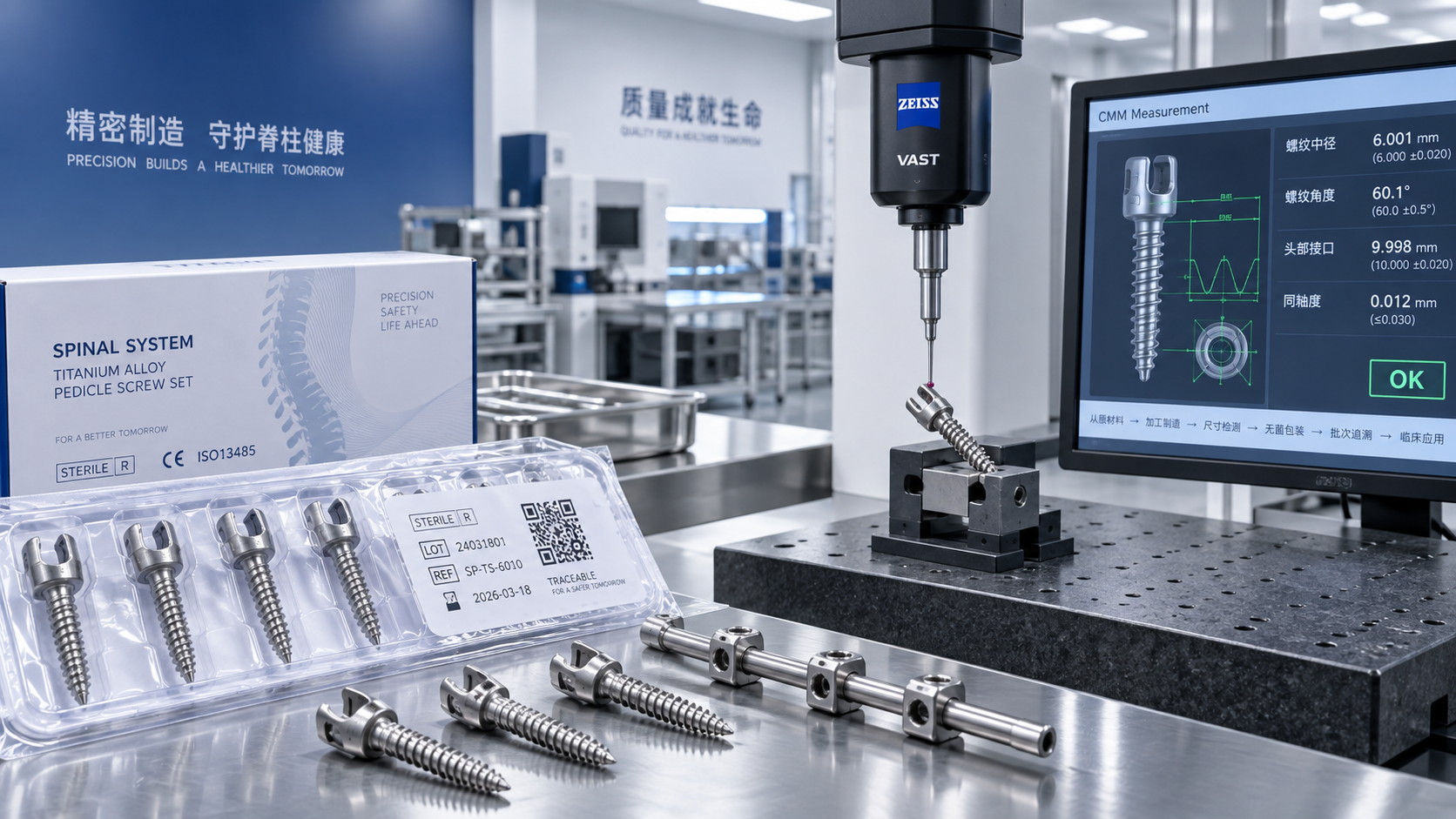
Titanium and cobalt-chromium may demand tighter tooling control and slower processing windows.
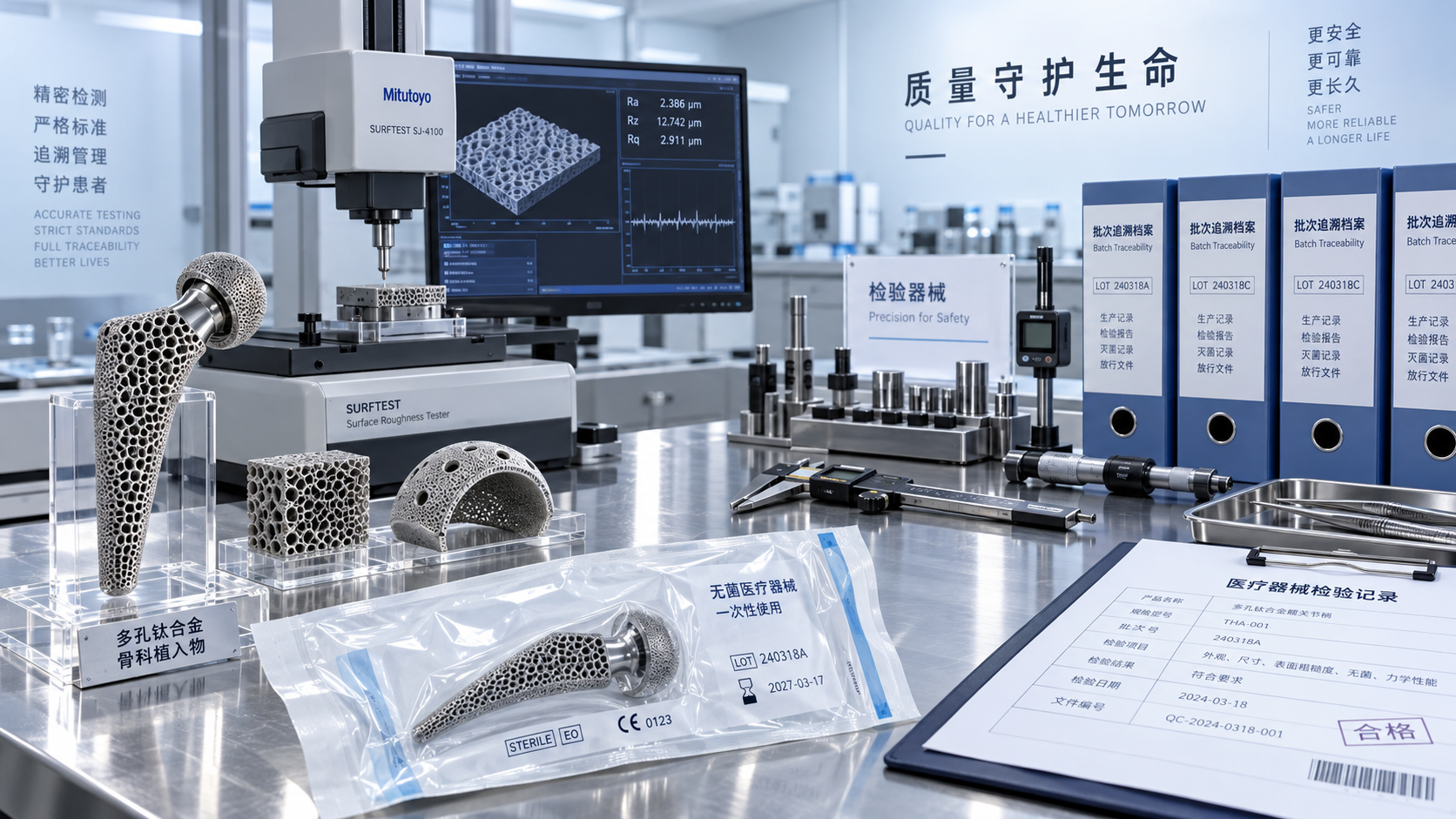
Micron-level tolerances increase inspection intensity and scrap risk.
This is one of the most underestimated contributors to implant material selection cost.
3. Regulatory Documentation Burden
Class III devices carry a heavy evidence burden.
Material changes can trigger new technical files, risk assessments, and clinical evaluation updates.
Under CE MDR and comparable frameworks, even a seemingly small material switch may delay approval.
Delayed time to market is a real part of implant material selection cost.
4. Sterilization and Packaging Compatibility
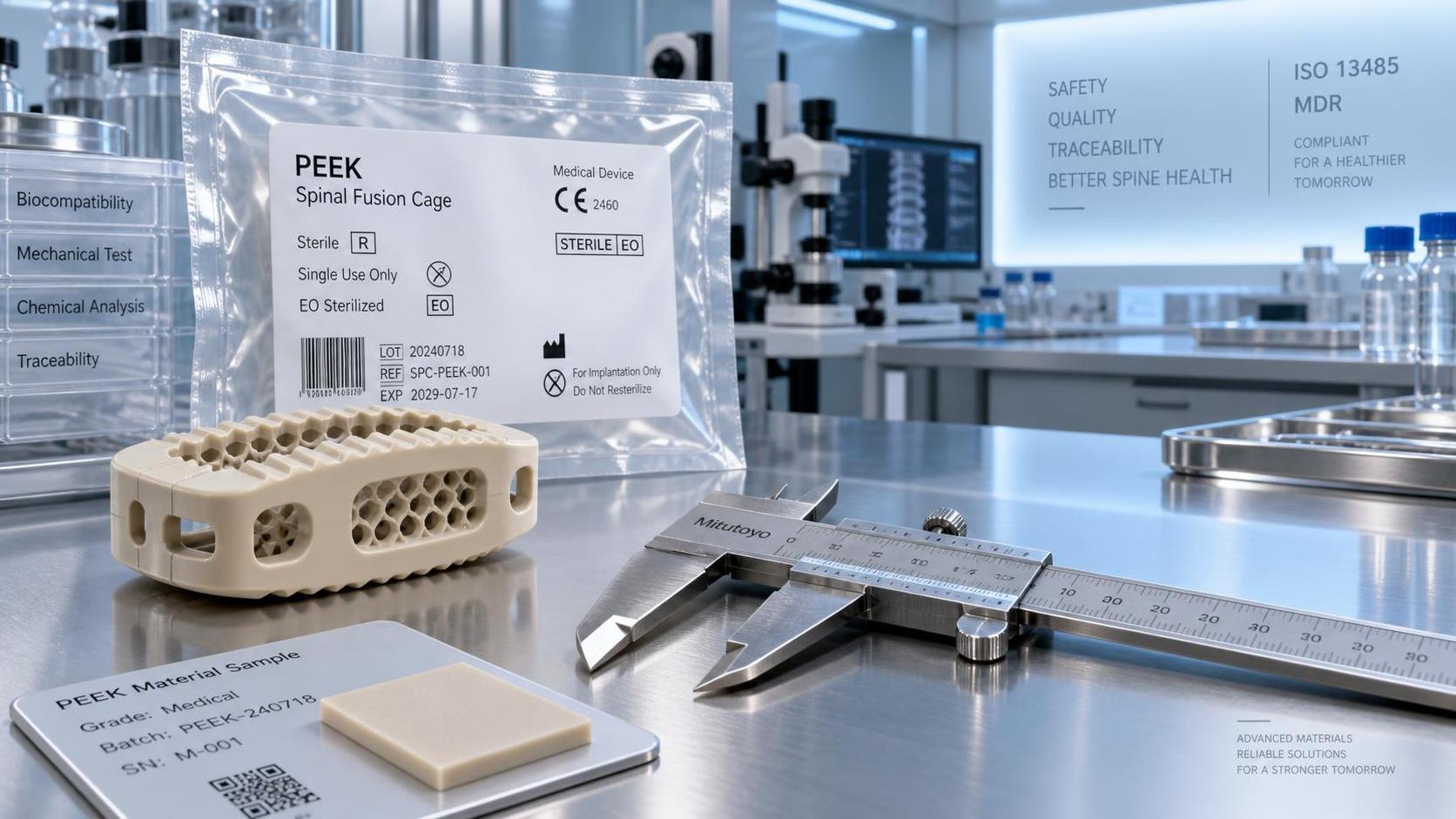
Not every material handles EtO, gamma, or e-beam the same way.
Some polymers discolor, embrittle, or shift performance after sterilization.
That can force packaging redesign, added stability testing, or shorter shelf life.
Again, implant material selection cost moves beyond the base resin or alloy price.
5. Supply Stability and Procurement Exposure
A technically excellent material still creates risk if supply is fragile.
Single-source alloys, specialty coatings, or niche polymer grades can create shortages and contract volatility.
During VBP pressure or reimbursement compression, that volatility becomes more painful.
Supply resilience is therefore a core factor in implant material selection cost.
How Cost Drivers Differ by Implant Category
The same cost logic does not apply equally across all devices.
That is where many budget models become too generic.
In practical terms, implant material selection cost must be modeled at the product-family level.
That approach produces more reliable approval decisions than broad category averages.
Where Financial Reviews Usually Miss Risk
The most common mistake is treating material choice as a one-time sourcing event.
In reality, it affects warranty exposure, complaint handling, inventory buffers, and tender competitiveness.
More importantly, it can affect downstream pricing power in regulated procurement markets.
A cheap material that weakens outcomes may become expensive under reimbursement scrutiny.
A stable material platform with strong evidence may protect contracts for years.
This is why implant material selection cost should be reviewed together with clinical, regulatory, and operations teams.
- Check whether the material has a proven regulatory history in the same indication.
- Measure scrap, rework, and tooling wear against expected volume.
- Review dual-source feasibility before approving aggressive cost targets.
- Estimate the financial impact of shelf-life limits and sterilization constraints.
A Practical Framework for Smarter Approval
A better approval model uses lifecycle economics, not purchase price in isolation.
That sounds obvious, but it is often skipped when deadlines are tight.
- Define the clinical and mechanical performance floor for the implant.
- Map material options against testing, tooling, sterilization, and documentation needs.
- Quantify direct and indirect implant material selection cost over the contract term.
- Stress-test supply continuity under tender pressure, shortages, and regulatory changes.
- Approve the option that gives the best risk-adjusted cost position.
This kind of framework is particularly useful when evaluating premium materials that seem expensive at first glance.
Once hidden cost drivers are visible, the better option often becomes easier to justify.
Final Takeaway
Implant material selection cost is shaped by much more than material price.
The real spend picture includes evidence requirements, manufacturing yield, sterilization fit, regulatory timing, and supply reliability.
When these factors are modeled together, approval decisions become sharper and more defensible.
In a market shaped by VBP pressure and tighter clinical scrutiny, that discipline matters.
The next review should ask one simple question: which material lowers total risk-adjusted spend over the full product life, not just at purchase?
Get weekly intelligence in your inbox.
No noise. No sponsored content. Pure intelligence.
News Recommendations
 Oct 03, 2026How to assess a central venous catheter manufacturer's infection-control evidenceHow to assess a central venous catheter manufacturer's infection-control evidence
 Oct 02, 2026How to assess an advanced wound care factory’s quality systemHow to assess an advanced wound care factory’s quality system
 Oct 01, 2026What is driving global medical consumables demand in emerging markets?What is driving global medical consumables demand in emerging markets?
 Sep 30, 2026What Are the Main Compliance Risks for Central Venous Access Catheters?What Are the Main Compliance Risks for Central Venous Access Catheters?
 Sep 30, 2026How Should a Surgical Stapler Manufacturer Prepare for a Compliance Audit?How Should a Surgical Stapler Manufacturer Prepare for a Compliance Audit?
 Sep 30, 2026How to assess an orthopedic implant solutions distributor’s traceability systemHow to assess an orthopedic implant solutions distributor’s traceability system
 Sep 29, 2026How a medical device registration strategy can reduce approval delaysHow a medical device registration strategy can reduce approval delays
 Sep 28, 2026How to verify a medical device specification database before useHow to verify a medical device specification database before use
 Sep 27, 2026What to verify before selecting a microcatheters manufacturerWhat to verify before selecting a microcatheters manufacturer
 Sep 26, 2026How to verify FDA compliance for medical device materialsHow to verify FDA compliance for medical device materials
 Sep 25, 2026When does a porous 3D-printed cranial implant improve fixation?When does a porous 3D-printed cranial implant improve fixation?
 Sep 24, 2026When are bovine pericardial valves suitable for transcatheter aortic valve replacement?When are bovine pericardial valves suitable for transcatheter aortic valve replacement?
 Sep 23, 2026How to verify the sterility assurance of surgical devicesHow to verify the sterility assurance of surgical devices
 Sep 22, 2026How to assess a spinal implants manufacturer’s quality systemHow to assess a spinal implants manufacturer’s quality system
 Sep 21, 2026How to assess an osseointegration technology manufacturer’s quality systemHow to assess an osseointegration technology manufacturer’s quality system
 Sep 20, 2026Medical material science trends reshaping biocompatibility testingMedical material science trends reshaping biocompatibility testing
 Sep 19, 2026What North American regulators expect in implant clinical evaluationsWhat North American regulators expect in implant clinical evaluations
 Sep 18, 2026When should plate and screw systems be selected for fracture fixation?When should plate and screw systems be selected for fracture fixation?
 Sep 17, 2026How a medical device sourcing strategy can reduce total acquisition costHow a medical device sourcing strategy can reduce total acquisition cost
 Sep 16, 2026When are silver foam burn care dressings appropriate for exuding burns?When are silver foam burn care dressings appropriate for exuding burns?
 Sep 15, 2026What drives medical device category pricing in value-based purchasing?What drives medical device category pricing in value-based purchasing?
 Sep 14, 2026High value consumables insights for evaluating total cost of careHigh value consumables insights for evaluating total cost of care
 Sep 13, 2026What a medical device market insights platform reveals about market accessWhat a medical device market insights platform reveals about market access
 Sep 12, 2026When are collagen-based tissue healing materials suitable for wound care?When are collagen-based tissue healing materials suitable for wound care?
 Sep 11, 2026How catheter material selection affects total cost of ownershipHow catheter material selection affects total cost of ownership
 Sep 10, 2026What FDA clearance means for medical grade PEEK implantsWhat FDA clearance means for medical grade PEEK implants
 Sep 09, 2026When do hydrogel wound healing technologies suit dry wounds?When do hydrogel wound healing technologies suit dry wounds?