What ISO 13485 means for medical precision machining suppliers
When a supplier says they are certified to ISO 13485, procurement should hear more than “we have a certificate.” For medical precision machining, it means the shop has a quality management system built for regulated medical parts: controlled processes, traceability, document discipline, risk handling, and a repeatable way to keep critical dimensions stable. If you buy orthopedic, cardiovascular, or minimally invasive components, that is the difference between a vendor that can machine parts and a supplier that can support a medical device program.
In practice, medical precision machining ISO 13485 is not just about passing an audit. It affects how a supplier quotes, records, inspects, handles nonconformities, manages subcontractors, and responds when something changes. That is why buyers use it as a first filter. It does not guarantee a perfect supplier, but it does tell you the supplier is operating inside a system that can survive medical-device scrutiny.
What ISO 13485 really means in a machining plant
ISO 13485 is the medical-device quality management standard most buyers expect to see from machining suppliers serving regulated markets. For a machining shop, it usually means the business has formal controls around process planning, equipment calibration, inspection records, training, supplier qualification, and corrective actions. The standard is not about making a nice-looking certificate frame on the wall. It is about proving the shop can keep manufacturing evidence clean and defensible.
That matters because medical precision parts rarely fail in a dramatic way at the quote stage. They fail later, when a drawing revision gets missed, a tool wear issue is not contained, or a special process is treated like an ordinary job. ISO 13485 pushes suppliers to control those weak points before they become a problem for the device maker.
For procurement, the practical value is simple: fewer surprises, clearer accountability, and a better chance that a supplier understands regulated work instead of learning on your program.
Why procurement teams care more than they used to
If you are sourcing implants, instruments, catheter components, stapler parts, or other high-risk medical components, your concern is not only whether the part meets print today. You also need confidence that the supplier can keep meeting it after a process change, a capacity shift, or a regulatory audit.
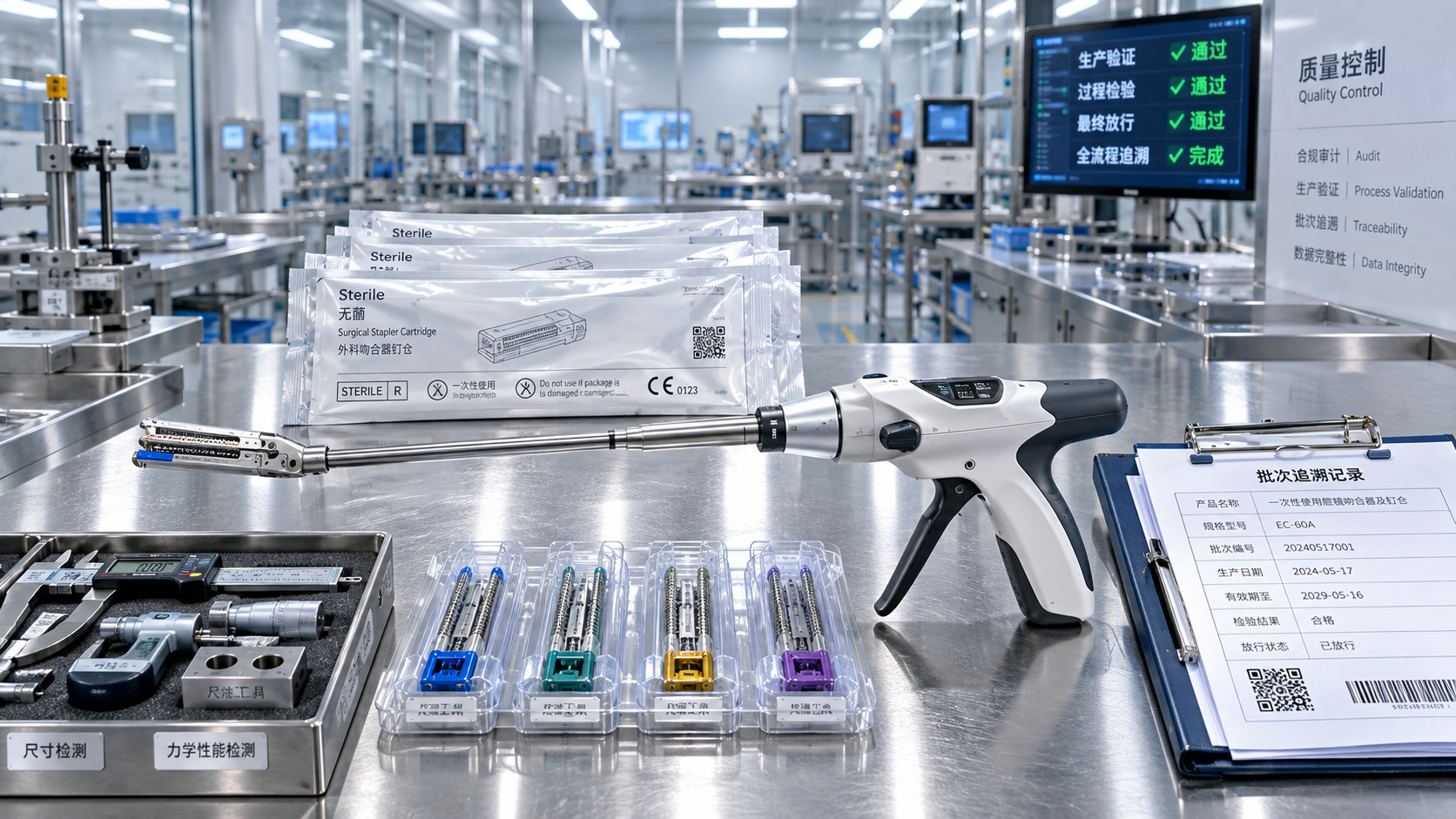
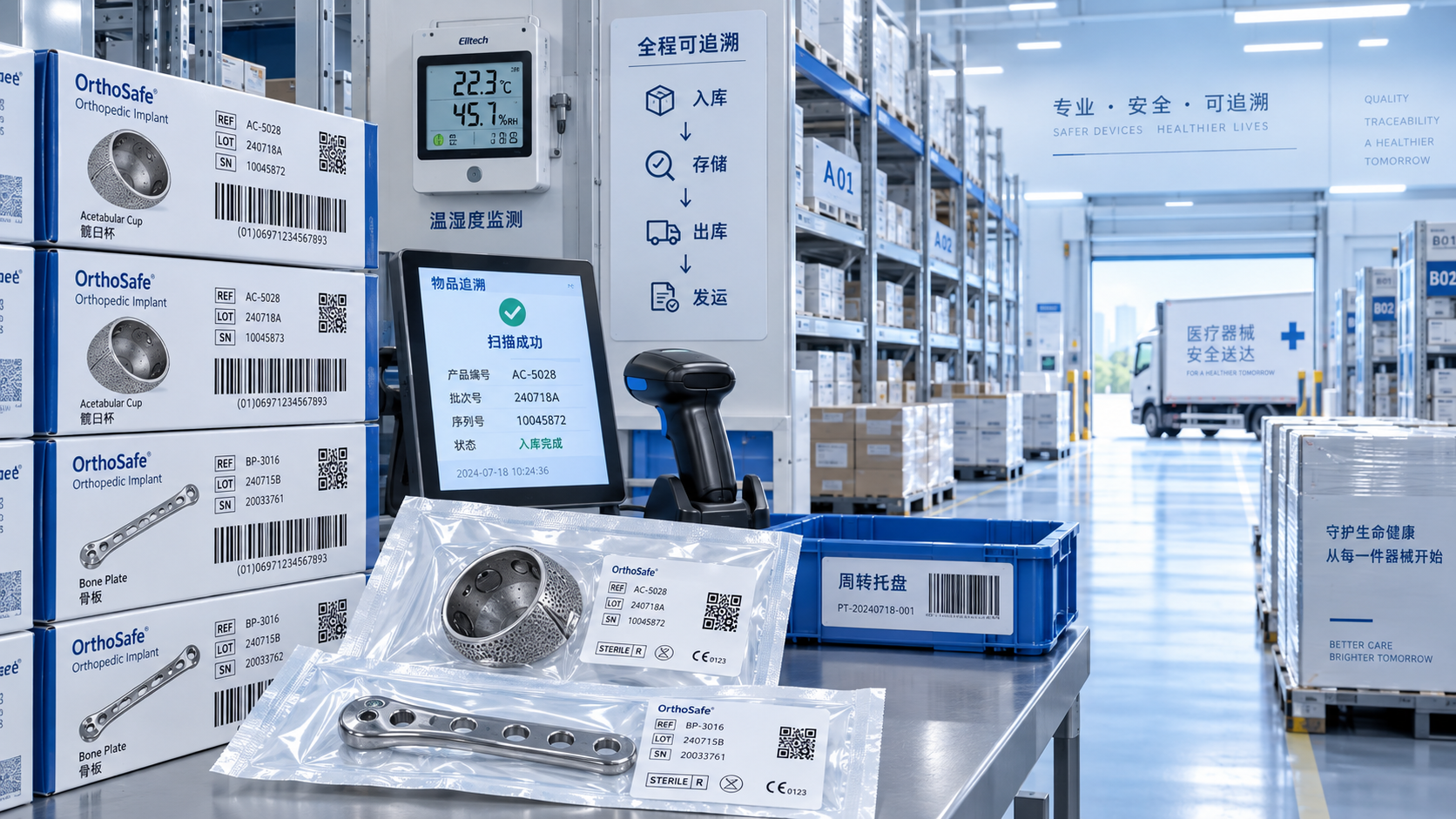
ISO 13485 helps with that because it creates a common language between purchasing, quality, and engineering. A supplier with a mature system is more likely to provide lot traceability, device history records where relevant, controlled rework rules, and disciplined handling of customer requirements. That makes your own supplier qualification work easier, especially when the downstream customer is asking hard questions about consistency and evidence.
It also helps with market access. Many OEMs and contract manufacturers need machining partners who can support global regulatory expectations. ISO 13485 does not replace product-specific compliance, but it is often the baseline that keeps a supplier in the conversation.
What to look for beyond the certificate
This is where procurement teams can save themselves trouble. A certificate alone does not tell you whether the supplier is strong in medical precision machining. Some shops are technically capable but weak on documentation. Others have a polished quality system but poor delivery discipline. You need both sides.
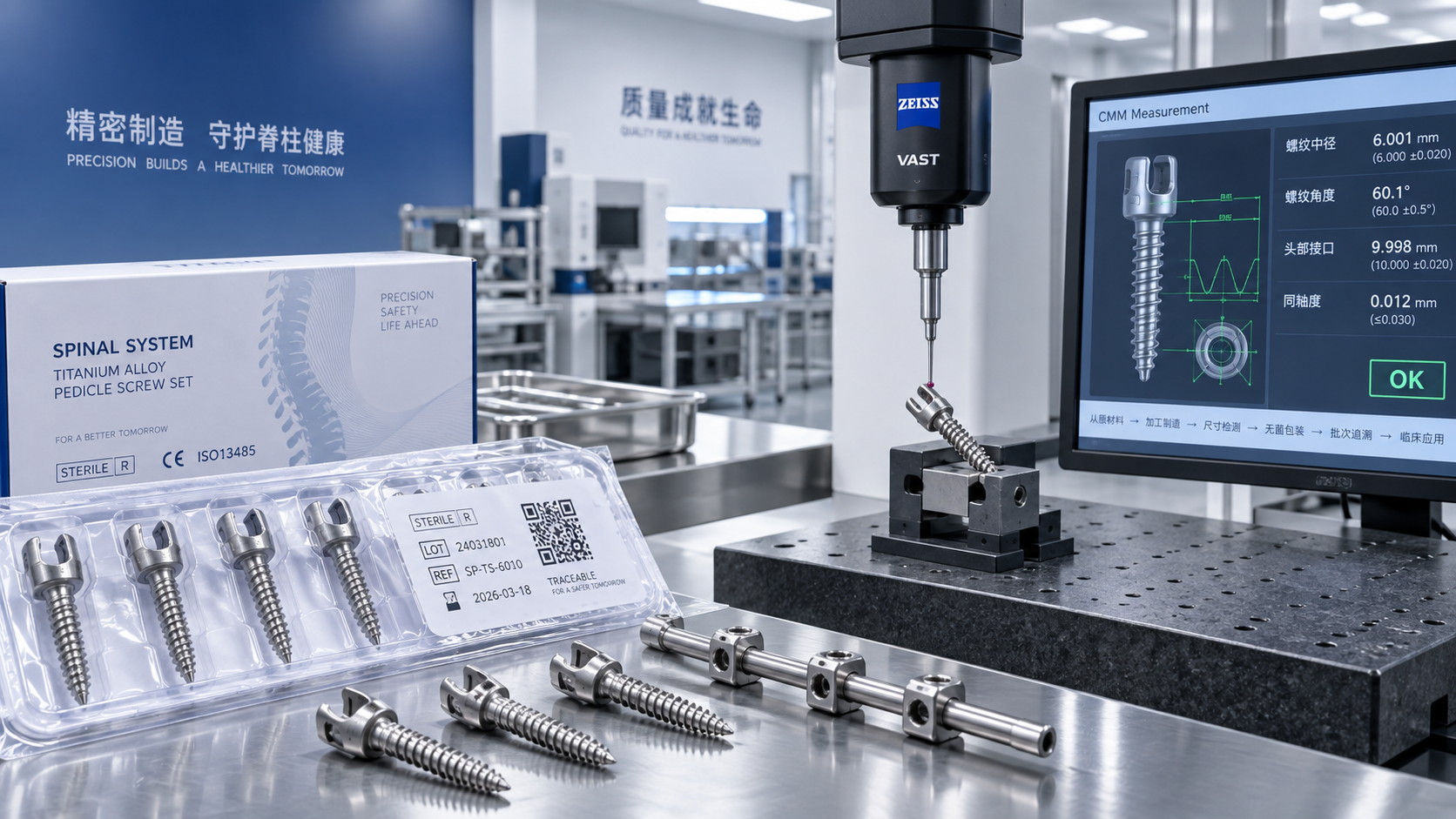
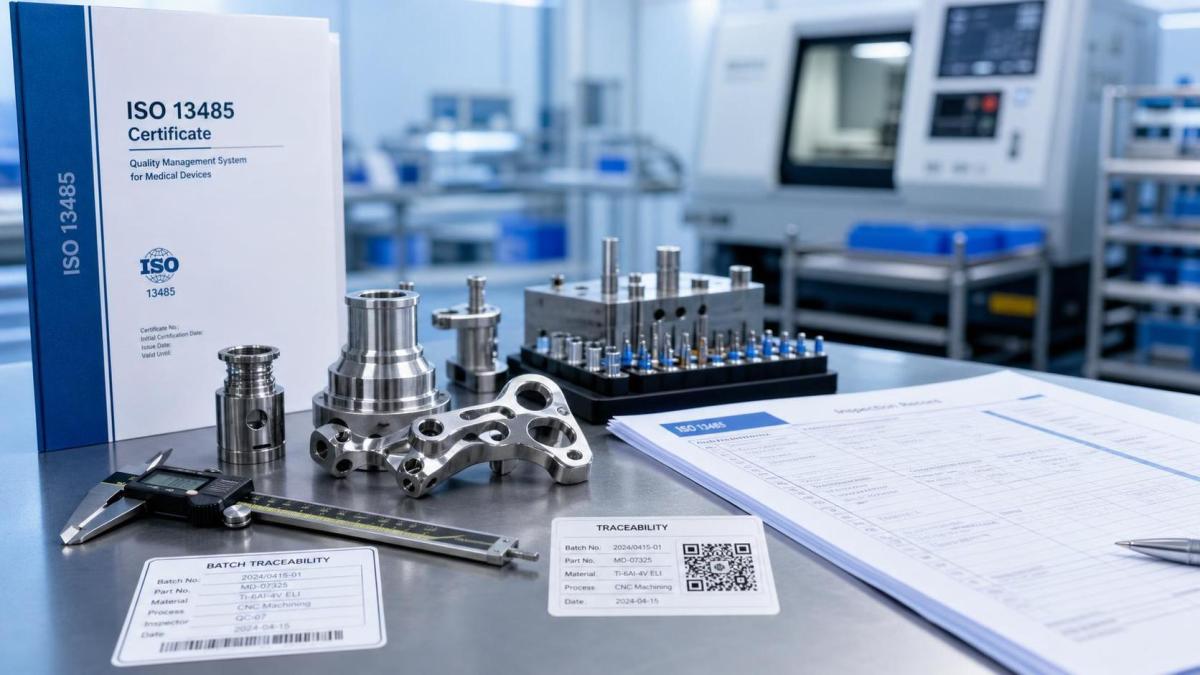
Start with scope. Make sure ISO 13485 actually covers the site and the activities you need: machining, finishing, inspection, packaging, or assembly, depending on the part. Then check whether the supplier can show practical evidence of control. For example, ask how they manage first article approval, how they link inspection records to lots, how they handle gauge calibration, and how they react when a critical feature trends out of tolerance.
Also pay attention to how they treat change. In medical machining, a seemingly minor shift in tooling, raw material source, fixture design, or inspection method can have downstream consequences. A serious supplier will treat changes as controlled events, not casual shop-floor decisions.
Questions that usually reveal the real level of maturity
How are customer requirements translated into route cards, inspection plans, and operator instructions? Which characteristics are treated as critical or special? How do they ensure revision control on drawings and inspection criteria? What is their escalation path for nonconforming product? Can they support full traceability for the parts you buy?
If the answers are vague, the supplier may still be workable for simple components, but that is a warning sign for tighter tolerance or higher-risk medical parts.
What ISO 13485 does not mean
It does not mean the supplier is automatically qualified for every medical program. A machining company can be ISO 13485 certified and still be a poor fit for your part because the tolerances are too tight, the geometry is too complex, the volume is too unstable, or the finishing capability is not mature enough.
It also does not replace product validation, biocompatibility work, sterilization compatibility, packaging verification, or regulatory review. Buyers sometimes overread the standard and assume it covers everything. It does not. It is one layer of the control stack, and an important one, but still only one layer.
For procurement, that distinction matters. Do not use ISO 13485 as a shortcut for supplier approval. Use it as a baseline gate, then test whether the shop can actually execute your part family.
How it connects to regulated programs like orthopedic, cardiovascular, and MIS components
In orthopedic machining, the risk often sits in dimensional consistency, surface condition, material traceability, and handling discipline. In cardiovascular work, the tolerances can be tighter, the inspection burden higher, and the documentation chain less forgiving. In minimally invasive surgical components, repeatability and cleanliness become just as important as the machined feature itself.
That is why the phrase medical precision machining ISO 13485 carries weight. It tells you the supplier is expected to run with medical-device discipline, not general job-shop habits. For buyers, that usually translates into better control of special characteristics, better recordkeeping, and fewer disputes over what was approved versus what was assumed.
For teams sourcing through platforms or intelligence portals such as IMCS, this standard is often one of the first filters used when comparing suppliers across orthopedic implants and instruments, cardiovascular interventional parts, minimally invasive consumables, catheter components, and advanced wound-care products. The reason is straightforward: these categories live or die on process control, not just machining talent.
Common procurement mistakes
The first mistake is assuming every ISO 13485 certificate has the same value. It does not. The scope, site, and actual process coverage matter. The second mistake is focusing only on price and lead time. In medical machining, a cheap quote can become expensive if the supplier cannot sustain control or documentation. The third mistake is skipping the audit trail because the first samples looked good. Prototype success is useful, but it is not proof of production stability.
Another frequent issue is buying from a supplier that understands machining but not regulated medical expectations. That gap shows up later in missing records, weak change control, or poor response to complaints. By then, the cost is already spread into your timeline, your quality workload, and sometimes your customer relationship.
A more practical approach is to treat ISO 13485 as a starting point and then test the supplier on the details that matter for your part: traceability, metrology, deviation handling, and consistency across repeat orders.
What good suppliers usually do differently
Strong medical machining suppliers do a few things consistently. They keep process documentation current. They know which parts of the work are high-risk and inspect them accordingly. They can explain how calibration, tool life, and operator training are tied to output quality. They also know when to say a job is not a fit.
That last point matters more than buyers sometimes expect. A supplier that admits a poor fit early is usually safer than one that takes every RFQ and improvises later. In the medical space, restraint is often a sign of maturity.
When evaluating candidates, ask not only whether they are certified, but whether they can show a stable way of working under pressure. That tells you more than the logo on the certificate.
If you are sourcing medical precision machining ISO 13485 suppliers, the real question is not whether they have the standard. It is whether the standard is alive in the way they run parts, records, and changes. That is the difference between a vendor that fills orders and a partner that can stay inside a regulated supply chain.
For procurement, that difference is usually what protects cost, quality, and delivery at the same time.
FAQ
Does ISO 13485 guarantee a supplier can make my part?
No. It shows the supplier has a medical-device quality system. You still need to verify technical capability, tolerances, surface requirements, capacity, and documentation fit.
Is ISO 13485 enough for supplier approval?
Usually not. It should be one major criterion, but you still need audits, sample approval, risk review, and part-specific validation.
Should I prefer ISO 13485 over general ISO 9001?
For medical components, yes. ISO 13485 is more relevant because it is built around regulated medical-device expectations.
What is the biggest red flag when a supplier claims ISO 13485?
Vague answers about scope, traceability, change control, or complaint handling. If they cannot explain those clearly, the certificate is not enough.
Can a non-certified shop still be a good fit?
Sometimes for early development or non-regulated work, but for production medical parts it is usually a harder sell and creates more risk for procurement.
Suggested internal links
ISO 13485 supplier audit checklist - supplier qualification and audit process page
Traceability requirements for medical components - quality control and recordkeeping page
How to evaluate precision machining for implants - technical sourcing guide
Medical device change control basics - regulatory and operations page
Choosing a machining partner for regulated medical programs - sourcing decision page
External source directions
ISO official documentation and standard overview pages
Medical-device regulator guidance from FDA, EU MDR-related bodies, or similar national authorities
Industry association or quality-system guidance for medical manufacturing and supplier qualification
Get weekly intelligence in your inbox.
No noise. No sponsored content. Pure intelligence.
News Recommendations
 Oct 01, 2026What is driving global medical consumables demand in emerging markets?What is driving global medical consumables demand in emerging markets?
 Sep 30, 2026How Should a Surgical Stapler Manufacturer Prepare for a Compliance Audit?How Should a Surgical Stapler Manufacturer Prepare for a Compliance Audit?
 Sep 30, 2026How to assess an orthopedic implant solutions distributor’s traceability systemHow to assess an orthopedic implant solutions distributor’s traceability system
 Sep 29, 2026How a medical device registration strategy can reduce approval delaysHow a medical device registration strategy can reduce approval delays
 Sep 28, 2026How to verify a medical device specification database before useHow to verify a medical device specification database before use
 Sep 27, 2026What to verify before selecting a microcatheters manufacturerWhat to verify before selecting a microcatheters manufacturer
 Sep 26, 2026How to verify FDA compliance for medical device materialsHow to verify FDA compliance for medical device materials
 Sep 25, 2026When does a porous 3D-printed cranial implant improve fixation?When does a porous 3D-printed cranial implant improve fixation?
 Sep 24, 2026When are bovine pericardial valves suitable for transcatheter aortic valve replacement?When are bovine pericardial valves suitable for transcatheter aortic valve replacement?
 Sep 23, 2026How to verify the sterility assurance of surgical devicesHow to verify the sterility assurance of surgical devices
 Sep 22, 2026How to assess a spinal implants manufacturer’s quality systemHow to assess a spinal implants manufacturer’s quality system
 Sep 21, 2026How to assess an osseointegration technology manufacturer’s quality systemHow to assess an osseointegration technology manufacturer’s quality system
 Sep 20, 2026Medical material science trends reshaping biocompatibility testingMedical material science trends reshaping biocompatibility testing
 Sep 19, 2026What North American regulators expect in implant clinical evaluationsWhat North American regulators expect in implant clinical evaluations
 Sep 18, 2026When should plate and screw systems be selected for fracture fixation?When should plate and screw systems be selected for fracture fixation?
 Sep 17, 2026How a medical device sourcing strategy can reduce total acquisition costHow a medical device sourcing strategy can reduce total acquisition cost
 Sep 16, 2026When are silver foam burn care dressings appropriate for exuding burns?When are silver foam burn care dressings appropriate for exuding burns?
 Sep 15, 2026What drives medical device category pricing in value-based purchasing?What drives medical device category pricing in value-based purchasing?
 Sep 14, 2026High value consumables insights for evaluating total cost of careHigh value consumables insights for evaluating total cost of care
 Sep 13, 2026What a medical device market insights platform reveals about market accessWhat a medical device market insights platform reveals about market access
 Sep 12, 2026When are collagen-based tissue healing materials suitable for wound care?When are collagen-based tissue healing materials suitable for wound care?
 Sep 11, 2026How catheter material selection affects total cost of ownershipHow catheter material selection affects total cost of ownership
 Sep 10, 2026What FDA clearance means for medical grade PEEK implantsWhat FDA clearance means for medical grade PEEK implants
 Sep 09, 2026When do hydrogel wound healing technologies suit dry wounds?When do hydrogel wound healing technologies suit dry wounds?
 Sep 07, 2026How to assess medical consumables for surgical useHow to assess medical consumables for surgical use
 Sep 07, 2026How to verify CE MDR compliance for single-use medical consumablesHow to verify CE MDR compliance for single-use medical consumables
 Sep 05, 2026How to evaluate an antithrombotic catheter factory for qualityHow to evaluate an antithrombotic catheter factory for quality