Medical material science trends reshaping biocompatibility testing
Medical Material Science Trends Reshaping Biocompatibility Testing
Medical material science trends are changing a basic assumption in device development: biocompatibility is no longer a final validation step performed after the design is largely fixed. For implants, catheters, surgical staplers, drug-eluting systems, and advanced dressings, biological safety now has to be considered as a property of the complete manufactured device, its intended clinical use, and its lifecycle.
That distinction matters. A titanium alloy, PEEK resin, silicone elastomer, polyurethane, or hydrogel may have an established history in medical applications, yet the finished product can behave differently after additive manufacturing, laser cutting, coating, sterilization, packaging, aging, or repeated mechanical loading. For technical evaluators, the question is increasingly less about whether a material is “biocompatible” in isolation and more about whether a specific material-process-device combination has a defensible biological safety profile.
The strongest shift across the medical consumables market is toward evidence that connects chemistry, surface condition, toxicology, clinical exposure, and post-market learning. This is especially relevant for high-risk and long-term devices, where a narrow test plan may fail to capture the real interactions between a device and the human body.
Material innovation is making the testing question more specific
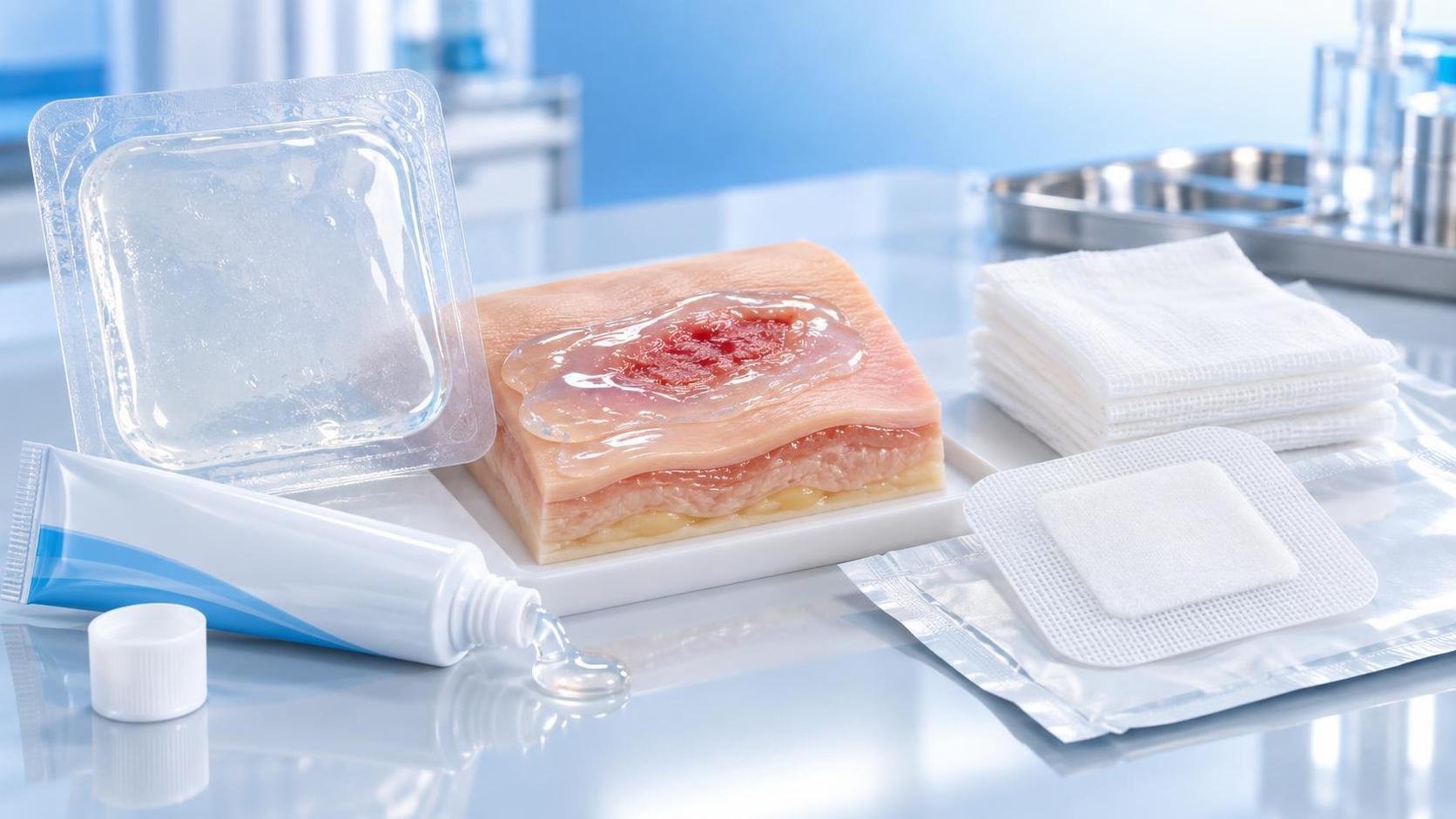
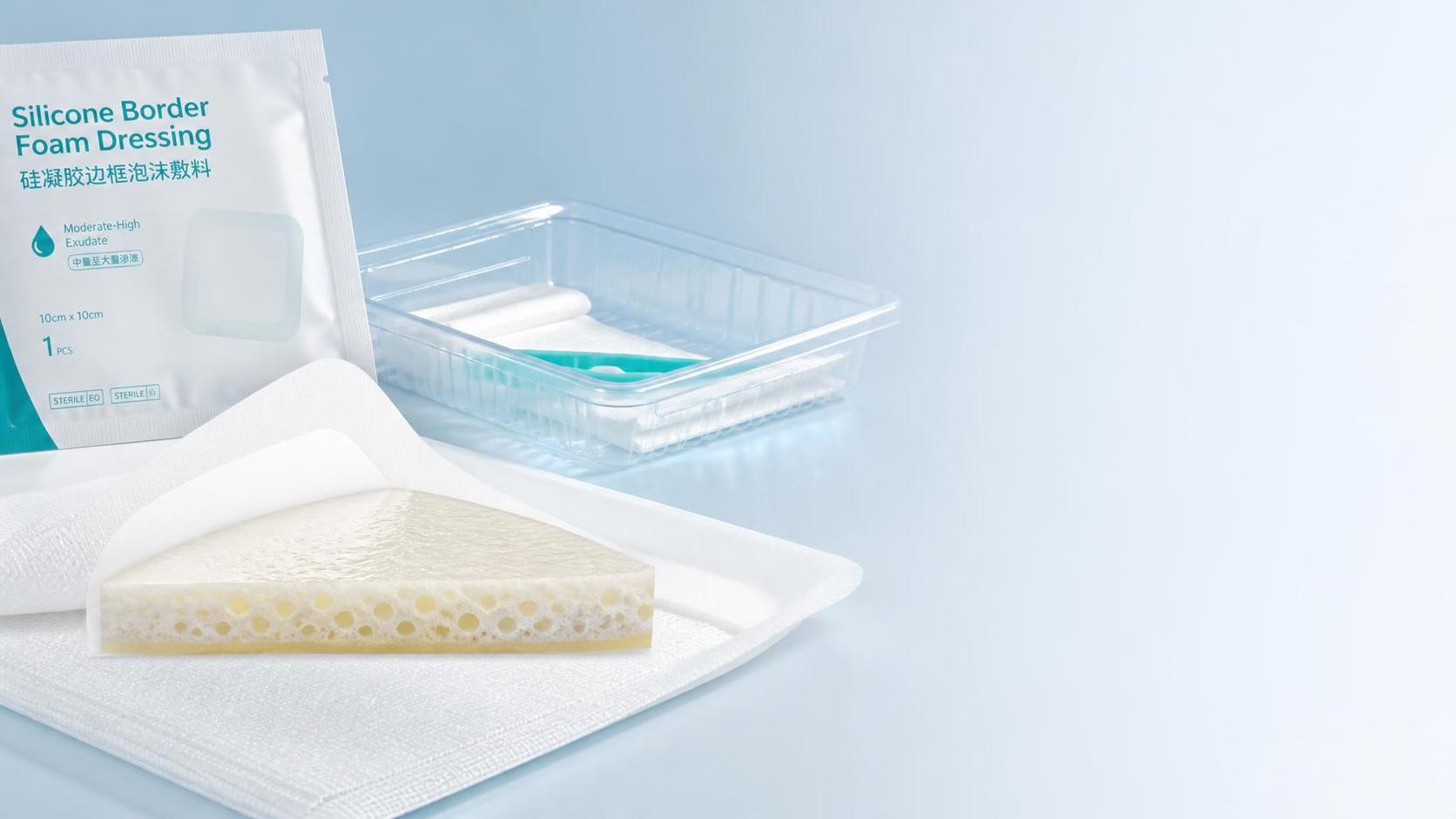
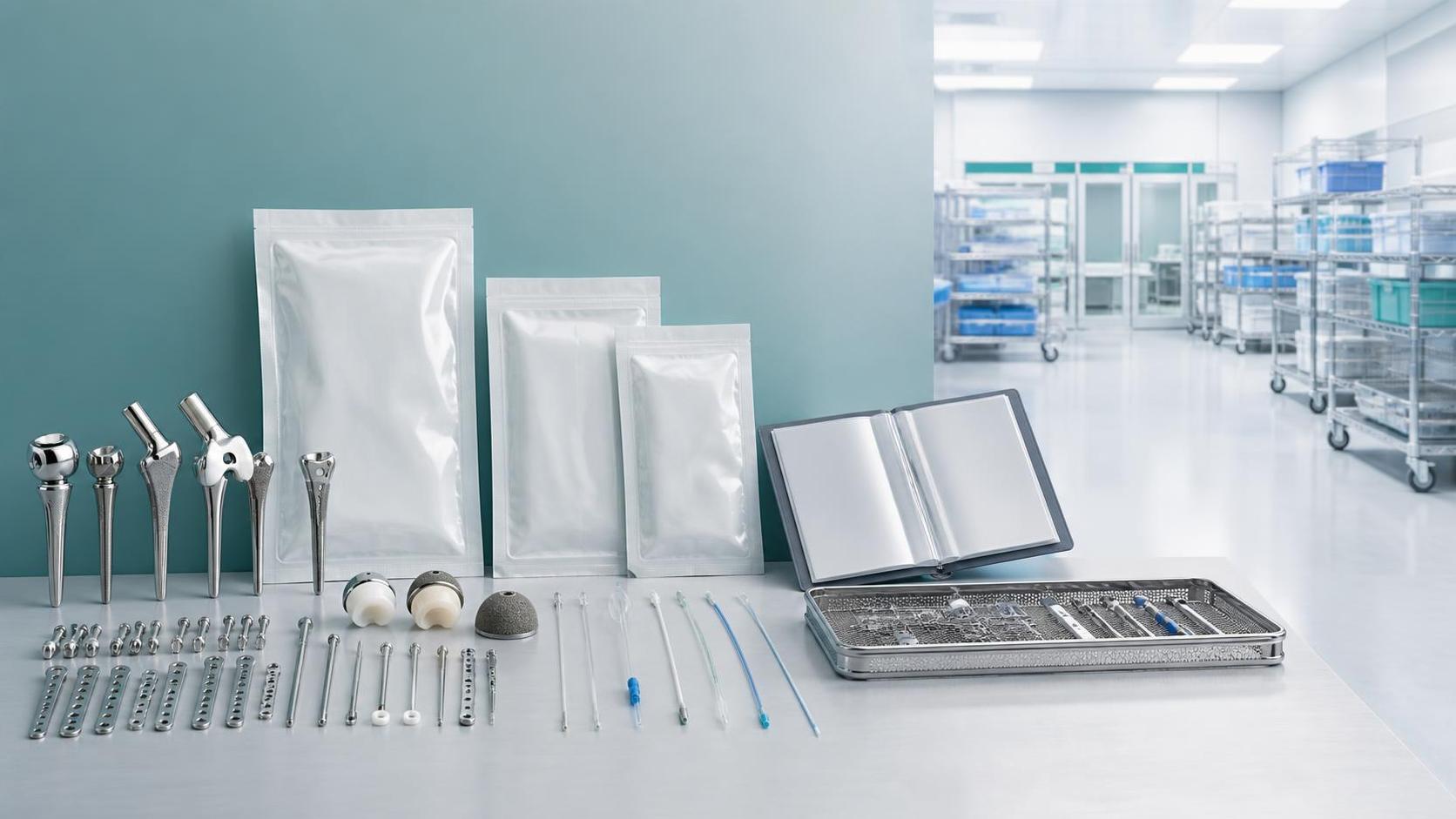
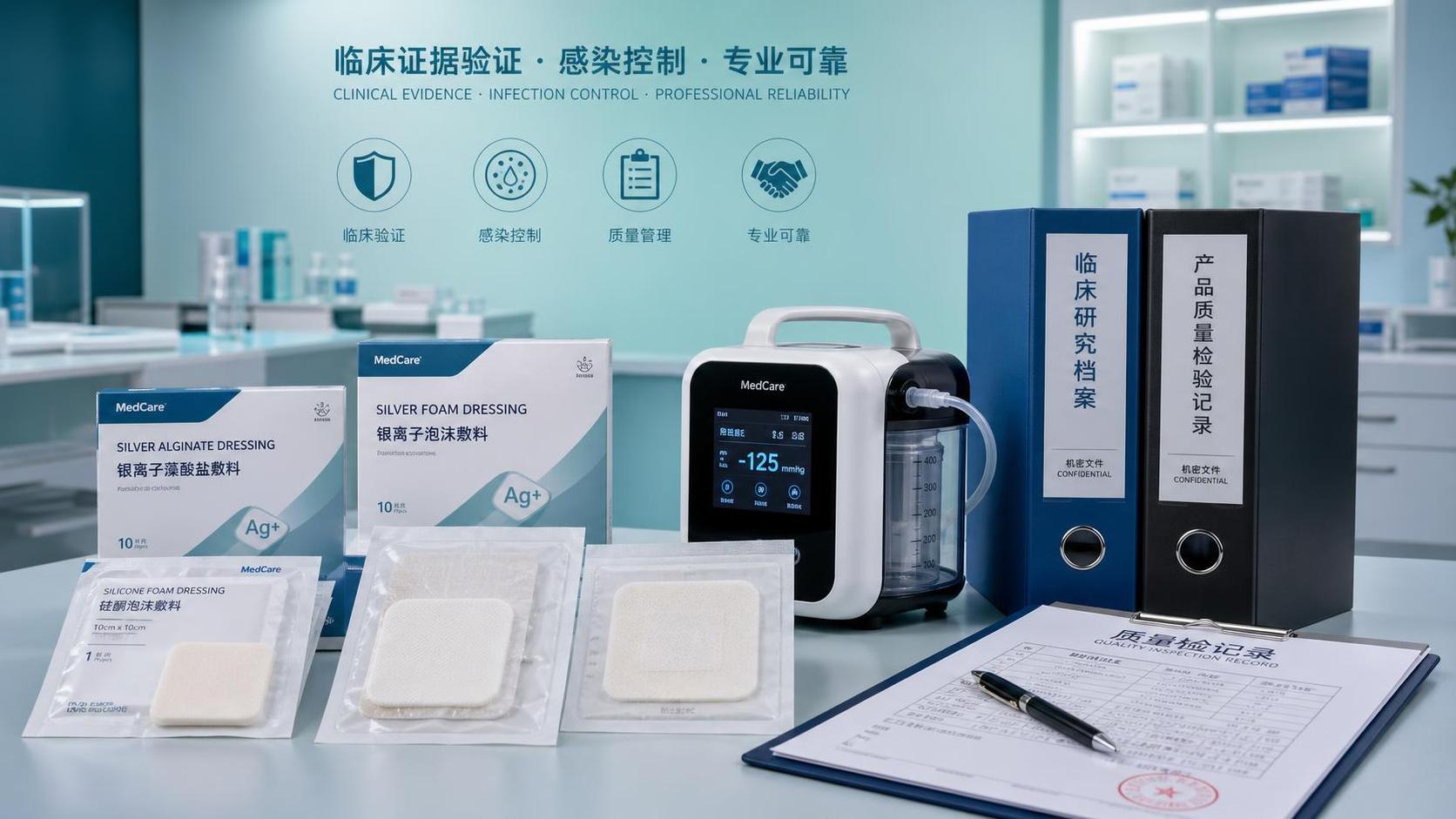
The new generation of medical materials is designed to do more than remain inert. Porous orthopedic structures seek to support bone in-growth. Drug-eluting stents combine metallic scaffolds, polymer matrices, and active pharmaceutical ingredients. Hydrophilic catheter coatings are expected to reduce friction while retaining integrity during navigation. Silver-containing foams, alginates, and other advanced wound-care materials influence the local healing environment rather than merely cover a wound.
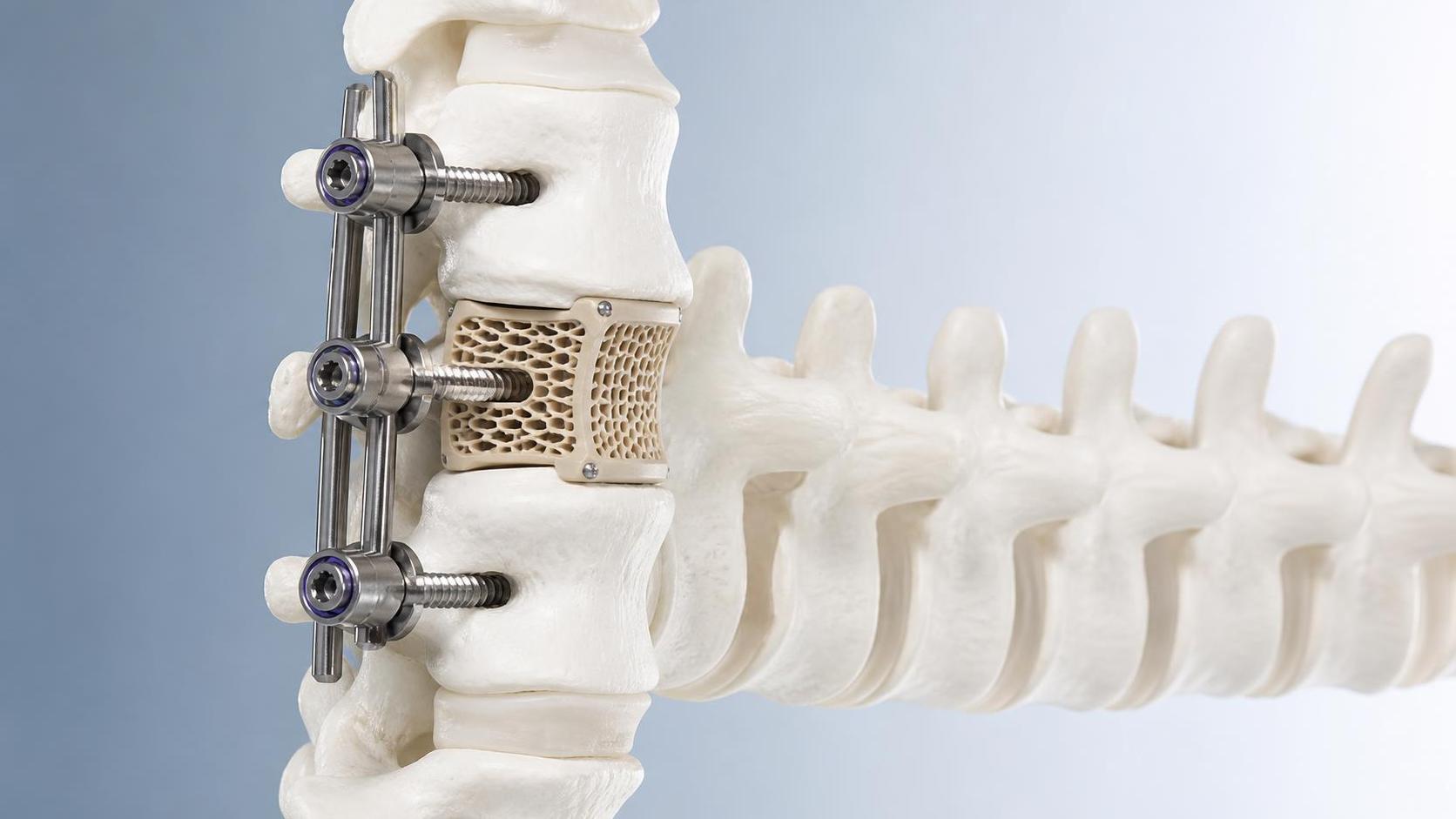
These functions create new evaluation boundaries. A conventional smooth metal implant and a 3D-printed porous titanium component may share a nominal alloy designation, but their surface area, trapped residues, cleaning challenge, corrosion behavior, and tissue interface can be materially different. Likewise, a polymer catheter cannot be assessed only by the base resin when it includes lubricious coatings, pigments, radiopaque fillers, bonding agents, and process aids.
This is why ISO 10993-based biological evaluation is increasingly paired with a disciplined material characterization strategy. Chemical characterization, extractables and leachables assessment, toxicological risk assessment, and a clear understanding of patient-contact duration help determine what testing is actually justified. The goal is not to run every available biological test. It is to build a scientifically coherent case that identifies meaningful hazards, quantifies exposure where possible, and addresses uncertainty honestly.
For technical teams, the practical implication is simple: the bill of materials is not enough. They need traceability from incoming material through processing, finishing, cleaning, sterilization, and packaging. A change in a lubricant, blasting medium, curing profile, adhesive, or contract manufacturing site can alter the biological evaluation rationale even when the device drawing has not changed.

Surface engineering has moved to the center of risk assessment
In many device categories, the surface is the biological interface that matters most. It influences protein adsorption, platelet activation, bacterial attachment, cell response, friction, corrosion, and release of particulate matter. As a result, medical material science trends are pushing evaluators to look beyond bulk material identity and examine what the patient actually encounters.
This is highly visible in cardiovascular intervention. A drug-eluting stent involves the interaction of the metallic platform, the surface preparation, the drug-polymer coating system, and mechanical deformation during deployment. Coating cracks, delamination, particulate generation, or changes after sterilization may create concerns that cannot be resolved by reviewing the metal substrate alone. The relevant evidence may involve chemical analysis, coating characterization, simulated-use work, particulate assessment, and biological endpoints selected according to the contact type and duration.
The same principle applies to hydrophilic neurovascular and peripheral catheters. A coating may improve navigation performance, but the evaluation must consider its durability under clinically relevant friction, bends, fluids, and dwell times. It is not enough to demonstrate a low-friction surface on a fresh sample. Teams should ask whether coating integrity remains acceptable after the intended use conditions and whether the evaluation addresses possible release from the finished, sterilized device.
For porous implants, roughened surfaces, and bioactive treatments, greater surface complexity can strengthen the clinical rationale for fixation or tissue integration while expanding manufacturing control requirements. Powder residues, processing contaminants, and cleaning effectiveness deserve attention early. A late discovery in this area can force extensive rework because it affects both design verification and the biological safety narrative.
Testing is becoming more risk-based, not less rigorous
A common misunderstanding is that a risk-based approach means replacing tests with paperwork. In a well-developed program, it does the opposite: it makes every test, literature source, and analytical result answer a defined safety question. The biological evaluation plan should be built around the nature of body contact, contact duration, anatomical site, materials, manufacturing residues, and known uncertainties.
ISO 10993 provides a framework for evaluating biological safety, but it does not remove the need for technical judgment. Cytotoxicity, sensitization, and irritation remain familiar parts of many programs. Yet implantable and circulating-blood devices may also require careful consideration of systemic toxicity, genotoxicity, implantation response, hemocompatibility, degradation, and chronic exposure-related endpoints. The appropriate evidence depends on the device and the quality of existing information; it cannot be selected responsibly through a generic checklist.
Analytical chemistry has consequently become more influential in deciding whether additional biological testing is needed. When a device is well characterized and toxicological assessment supports low risk, unnecessary animal testing may be avoidable. But analytical results are only useful when extraction conditions, methods, detection limits, identified compounds, and toxicological interpretation are aligned with the device’s intended exposure. A long chemical list without a reasoned safety conclusion is not a biological evaluation.
Combination products and degradable materials demand lifecycle thinking
The growth of bioresorbable, drug-device, and regenerative technologies is making time a central variable. A permanent implant can release ions, wear debris, or degradation products over years. A resorbable scaffold may change molecular weight, mechanical strength, surface morphology, and local chemistry as it breaks down. A drug-coated platform can produce an early exposure peak followed by a different long-term implant environment.
For these products, evaluators should avoid treating the “as manufactured” state as the whole product story. The assessment may need to account for degradation pathways, expected by-products, product aging, storage conditions, and clinically relevant mechanical stresses. Where a device is intended to remain in the body for a prolonged period, the clinical consequences of material change are often as important as initial cytotoxicity results.
Tissue-regeneration materials create another layer of complexity. Their value may lie precisely in their interaction with cells and healing processes, but that interaction must be characterized with appropriate restraint. Claims about regeneration, antimicrobial action, or local biological activity should be supported by evidence that matches the claim, the intended use, and the target market’s regulatory expectations. A persuasive mechanism-of-action narrative cannot substitute for safety data.
Regulatory readiness is now tied to manufacturing discipline
Class III regulatory reviews increasingly expose gaps between R&D assumptions and production reality. A biological evaluation may look sound during prototype development but become difficult to defend if commercial materials, suppliers, sterilization cycles, or packaging configurations are not adequately represented. Technical evaluators therefore need to confirm that test articles are traceable and that the tested configuration reflects the marketed device or a scientifically justified worst case.
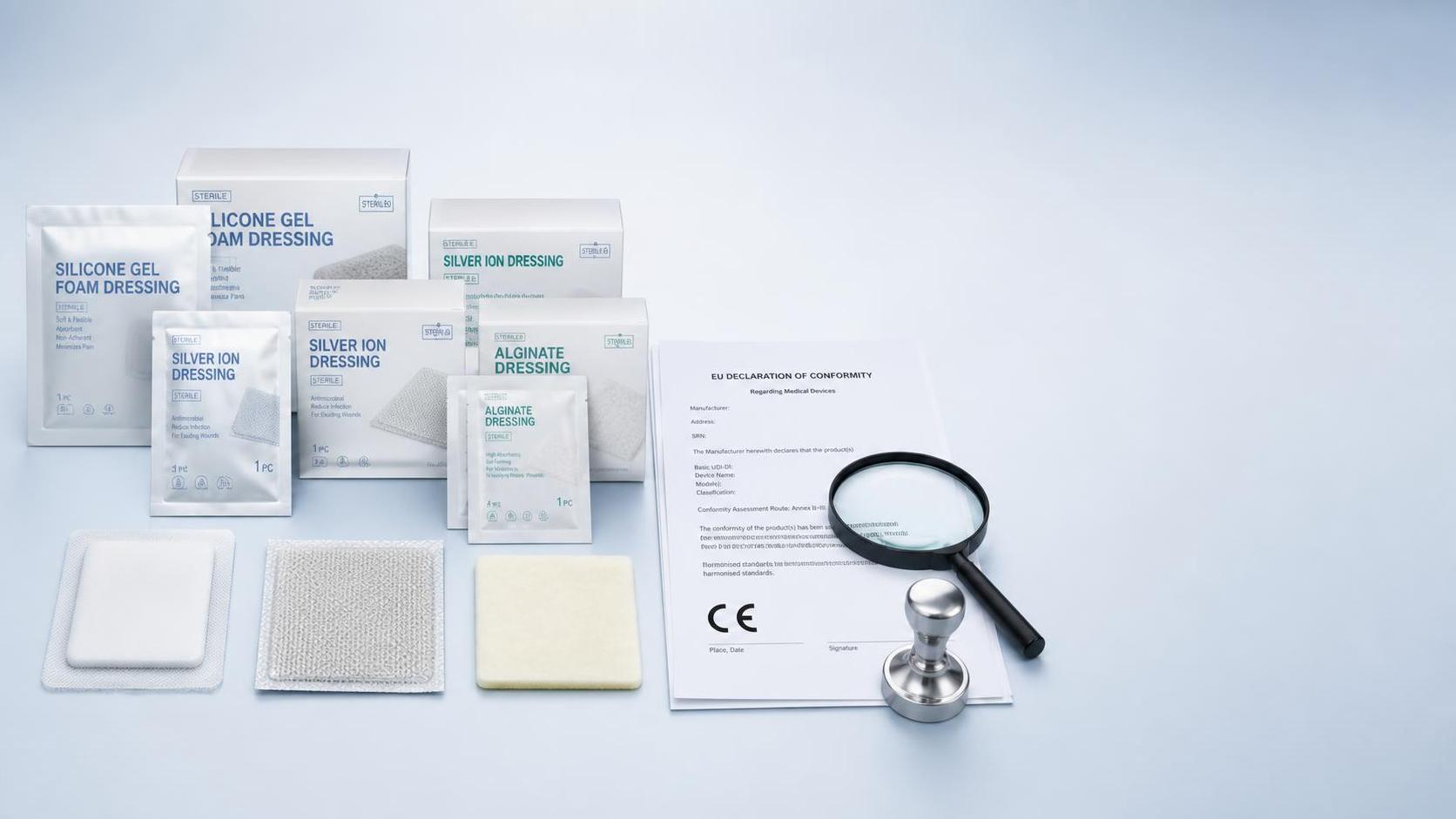
This is particularly important under CE MDR expectations, where clinical evaluation, risk management, technical documentation, and biological safety evidence must tell a consistent story. The same pressure exists in other regulated markets, although submission formats and review practices vary. Biological safety cannot sit in a separate report detached from clinical claims, usability conditions, sterilization validation, and post-market surveillance.
Commercial pressures add another complication. Volume-Based Procurement and broader cost-control policies can encourage design-to-cost decisions, supplier changes, and manufacturing consolidation. These decisions may be commercially rational, but a change that affects patient-contacting materials, processing aids, or surface finishing should trigger formal biological impact assessment. Treating it as a purchasing matter alone creates avoidable regulatory risk.
Where technical evaluators should focus next
The most useful review question is not “Have all standard tests been completed?” It is “What could the patient be exposed to, under what conditions, and how does the available evidence address that exposure?” That question links material science to clinical practice and often reveals issues earlier than a document-only review.
A practical evaluation should examine the complete contact chain: raw materials and additives; manufacturing and surface finishing; cleaning and sterilization; packaging and shelf-life effects; mechanical or simulated use; and the intended clinical environment. It should also distinguish between evidence that is directly applicable to the final device and evidence that merely provides background context.
For organizations working across orthopedic implants, cardiovascular consumables, minimally invasive staplers, polymer catheters, and wound-care technologies, this integrated view is becoming a market requirement rather than a technical luxury. IMCS follows these intersections between material behavior, micron-level manufacturing, Class III documentation, and cost-policy change because each can reshape the viability of a device program. The real work is intelligence stitching: connecting toxicology findings, clinical relevance, manufacturing controls, and market constraints before they become separate late-stage problems.
The direction of travel is clear. Medical material science trends will continue to produce more functional, personalized, degradable, and minimally invasive products. Biocompatibility testing will become more targeted, chemistry-led, and lifecycle-aware in response. Before selecting a test package or accepting a material substitution, teams should confirm the actual patient-contact configuration, the relevant exposure scenario, and the strength of the evidence supporting the finished device—not just the material name on its specification.
Get weekly intelligence in your inbox.
No noise. No sponsored content. Pure intelligence.
News Recommendations
 Sep 20, 2026Medical material science trends reshaping biocompatibility testingMedical material science trends reshaping biocompatibility testing
 Sep 19, 2026What North American regulators expect in implant clinical evaluationsWhat North American regulators expect in implant clinical evaluations
 Sep 18, 2026When should plate and screw systems be selected for fracture fixation?When should plate and screw systems be selected for fracture fixation?
 Sep 17, 2026How a medical device sourcing strategy can reduce total acquisition costHow a medical device sourcing strategy can reduce total acquisition cost
 Sep 16, 2026When are silver foam burn care dressings appropriate for exuding burns?When are silver foam burn care dressings appropriate for exuding burns?
 Sep 15, 2026What drives medical device category pricing in value-based purchasing?What drives medical device category pricing in value-based purchasing?
 Sep 14, 2026High value consumables insights for evaluating total cost of careHigh value consumables insights for evaluating total cost of care
 Sep 13, 2026What a medical device market insights platform reveals about market accessWhat a medical device market insights platform reveals about market access
 Sep 12, 2026When are collagen-based tissue healing materials suitable for wound care?When are collagen-based tissue healing materials suitable for wound care?
 Sep 11, 2026How catheter material selection affects total cost of ownershipHow catheter material selection affects total cost of ownership
 Sep 10, 2026What FDA clearance means for medical grade PEEK implantsWhat FDA clearance means for medical grade PEEK implants
 Sep 09, 2026When do hydrogel wound healing technologies suit dry wounds?When do hydrogel wound healing technologies suit dry wounds?
 Sep 07, 2026How to assess medical consumables for surgical useHow to assess medical consumables for surgical use
 Sep 07, 2026How to verify CE MDR compliance for single-use medical consumablesHow to verify CE MDR compliance for single-use medical consumables
 Sep 05, 2026How to evaluate an antithrombotic catheter factory for qualityHow to evaluate an antithrombotic catheter factory for quality
 Sep 04, 2026When do minimally invasive surgical staplers improve GI access?When do minimally invasive surgical staplers improve GI access?
 Sep 03, 2026When are foam moist wound healing dressings appropriate for exuding wounds?When are foam moist wound healing dressings appropriate for exuding wounds?
 Sep 02, 2026How implant pricing affects access to advanced medical careHow implant pricing affects access to advanced medical care
 Sep 01, 2026What is driving price pressure in the North American medical consumables market?What is driving price pressure in the North American medical consumables market?
 Aug 31, 2026Comparing medical devices in Southeast Asia when market access differsComparing medical devices in Southeast Asia when market access differs
 Aug 30, 2026When are 3D printed PEEK implants suitable for spinal reconstruction?When are 3D printed PEEK implants suitable for spinal reconstruction?
 Aug 29, 2026How global medical device regulations shape clinical evidence requirementsHow global medical device regulations shape clinical evidence requirements
 Aug 28, 2026How to verify a burn care dressings exporter meets EU MDR requirementsHow to verify a burn care dressings exporter meets EU MDR requirements
 Aug 27, 2026How to verify a diabetic foot wound care supplier’s clinical evidenceHow to verify a diabetic foot wound care supplier’s clinical evidence
 Aug 26, 2026What drives spinal implants price differences across implant typesWhat drives spinal implants price differences across implant types
 Aug 25, 2026What matters most in a medical consumables platform comparisonWhat matters most in a medical consumables platform comparison
 Aug 24, 2026What a medical device intelligence guide should cover before market accessWhat a medical device intelligence guide should cover before market access