How to assess medical consumables for surgical use
How to Assess Medical Consumables for Surgical Use
Assessing medical consumables for surgical use is not a specification-sheet exercise. A product may appear compliant on paper, fit the required dimensions, and arrive in a sterile pouch, yet still create avoidable risk in the operating room. A stapler can deliver inconsistent staple formation in thick tissue. A catheter can perform well on a benchtop but kink after navigating a tortuous anatomical route. A dressing may absorb exudate effectively while causing trauma during removal from fragile periwound skin.
For technical evaluators, the question is not simply whether a consumable “works.” It is whether it performs predictably in its intended surgical context, remains safe throughout its lifecycle, and can be supported by a defensible evidence package. This applies across high-value and high-risk categories: orthopedic implants and instruments, cardiovascular intervention devices, minimally invasive surgical staplers, polymer catheters, and advanced wound-care products.
The most reliable evaluations connect material science, mechanical performance, sterilization, clinical use, regulatory status, and supply continuity. If one of those layers is weak, the downstream cost is rarely limited to the unit price of the consumable.
Start with the Intended Use, Not the Product Category
A common evaluation mistake is to compare products that share a broad category but serve meaningfully different clinical purposes. “Surgical stapler,” for example, is not a sufficiently precise assessment category. Tissue thickness range, compression time, staple height, cutting mechanism, articulation angle, reload design, and the procedure type all affect whether the device is appropriate. A device selected for routine gastric transection should not automatically be treated as suitable for edematous bowel tissue or a difficult low-pelvic approach.
The same logic applies to catheters. A central venous catheter, a hydrophilic neuro-interventional microcatheter, and a drainage catheter may all be polymer-based, but they face very different demands for torque response, kink resistance, radiopacity, thrombus control, flow characteristics, and dwell time. Evaluators should define the real use scenario before reviewing supplier claims.
A practical assessment brief should state the anatomical site, duration of contact, patient population, operator technique, intended accessory devices, anticipated complications, and whether the product is implanted, invasive, externally communicating, or used for transient contact. These details later determine which test reports, risk controls, and clinical evidence are relevant.
Material Biocompatibility Is a Risk-Based Review
Biocompatibility is often reduced to a request for an ISO 10993 certificate. That is not enough. ISO 10993 is a family of standards used within a biological evaluation process; it does not replace an assessment of the finished device, its materials, processing residues, additives, coatings, pigments, and expected body contact.
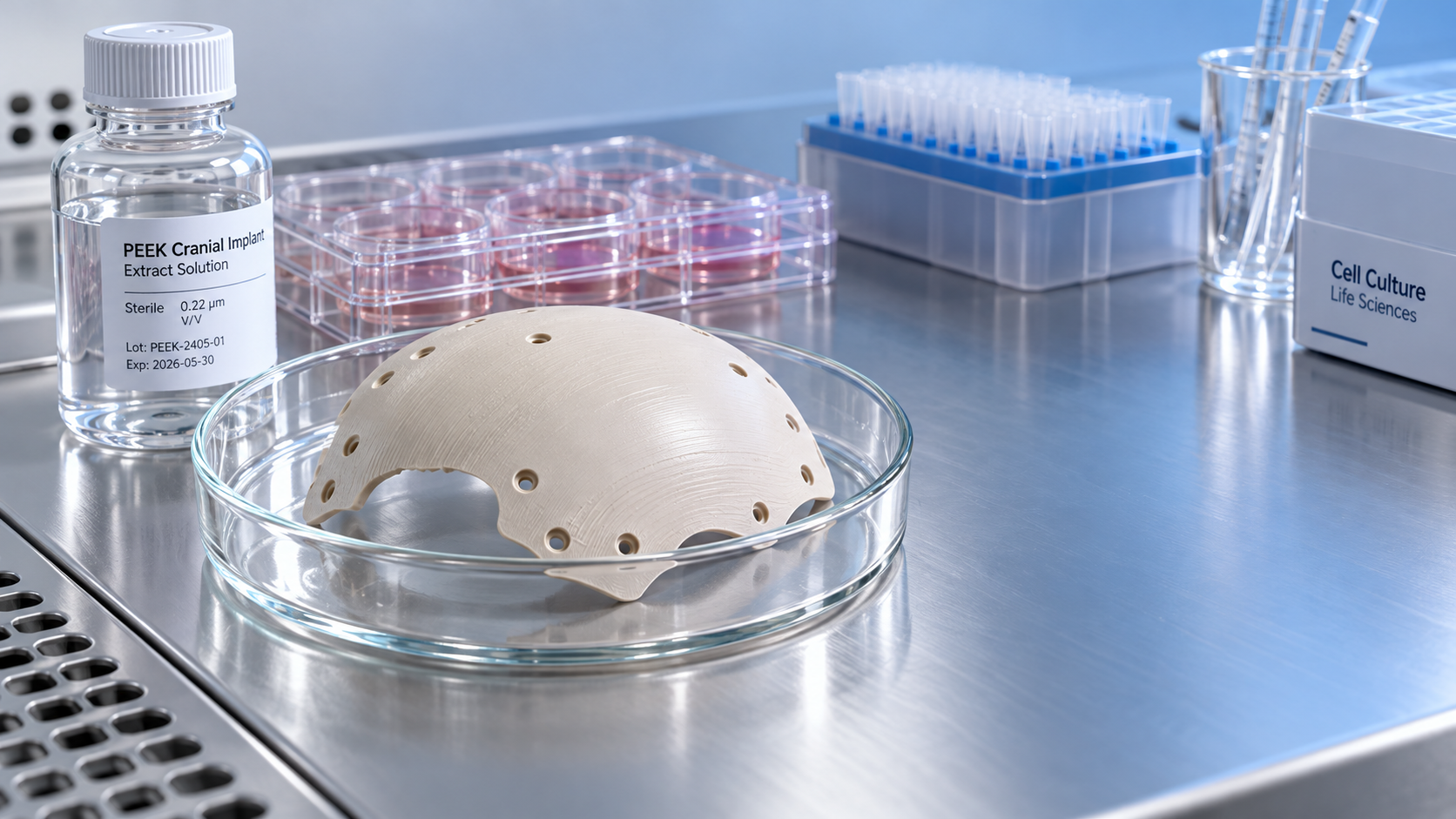
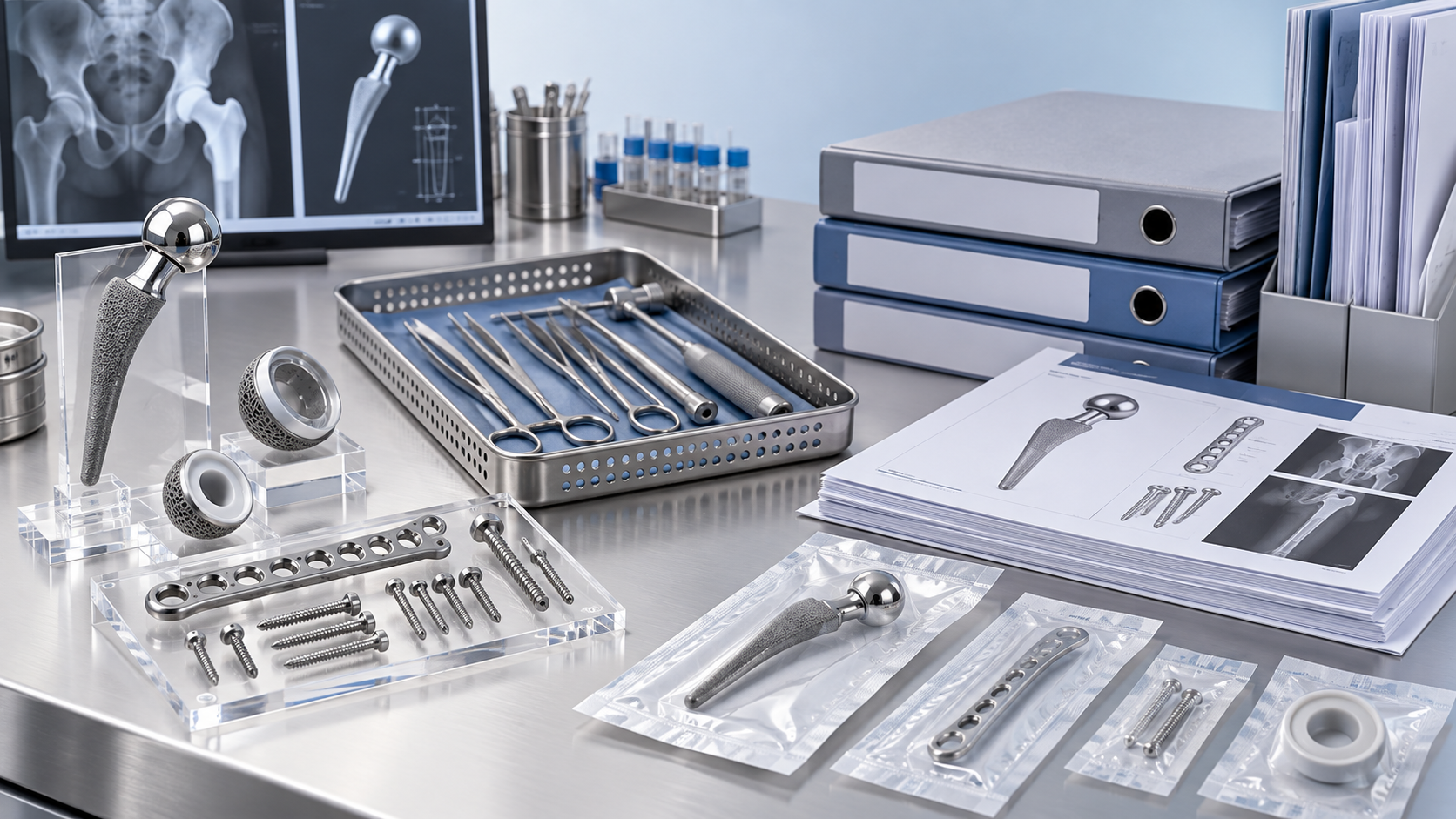
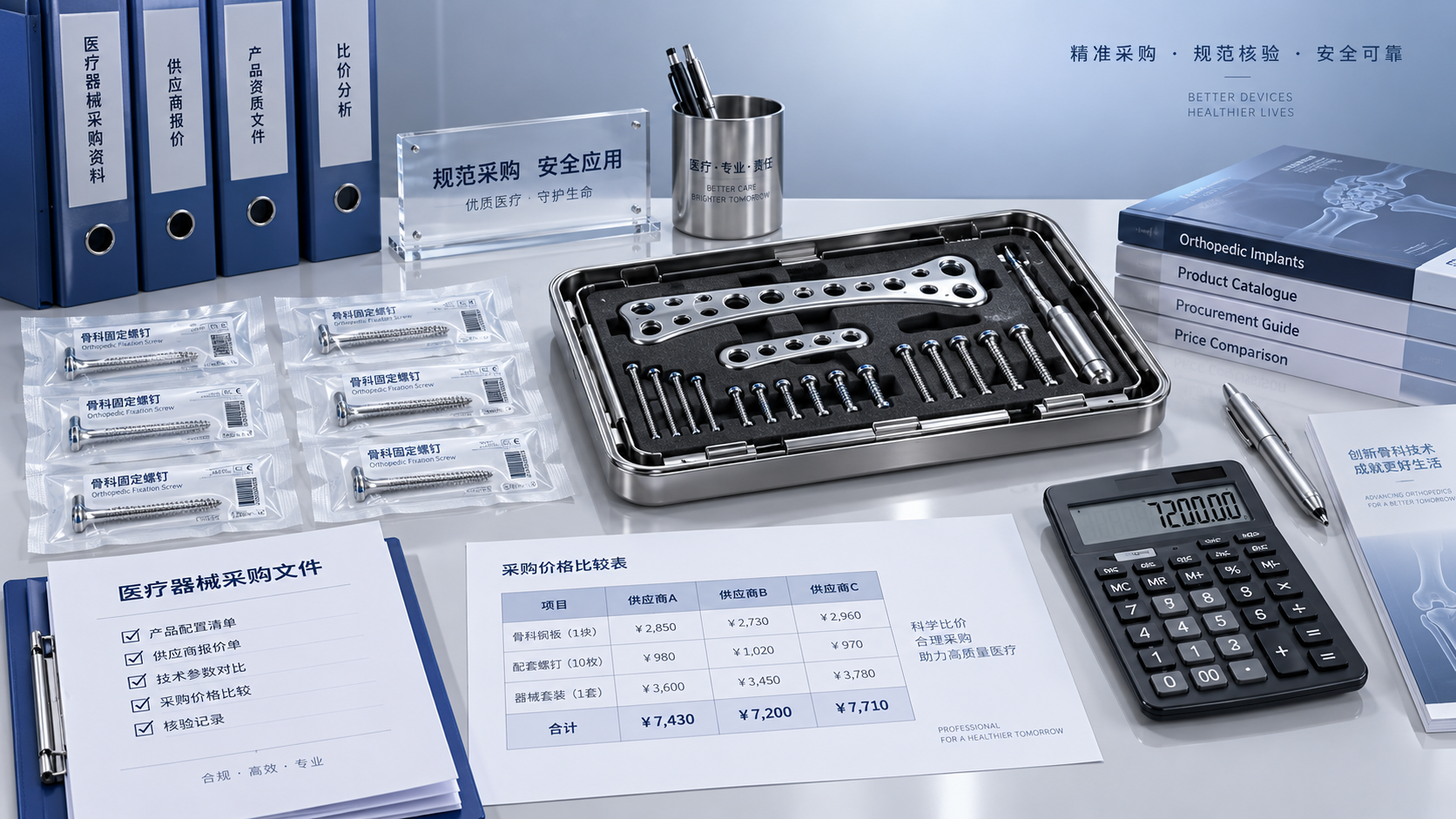
For a titanium orthopedic component, the evaluation may focus on alloy composition, surface treatment, particulate generation, corrosion behavior, and the implications of a porous or additively manufactured structure. For PEEK implants, questions can extend to fillers, radiolucency, surface modification, and whether the design supports the intended interaction with bone. For drug-eluting stents or coated catheters, the coating process and release profile are as important as the base substrate.
The evaluator should ask whether the biological evaluation addresses the device in its final finished form. If sterilization, bonding, lubricant application, hydrophilic coating, or printing occurs after a material is sourced, each step can change the biological risk profile. Cytotoxicity, sensitization, irritation, systemic toxicity, implantation, hemocompatibility, chemical characterization, and degradation assessment may be relevant depending on the nature and duration of contact. The appropriate endpoints should be justified, rather than assembled as a generic test bundle.
This is especially important where a consumable contacts circulating blood, cerebrospinal fluid, compromised tissue, or a wound bed. In such settings, a technically minor formulation change can have a disproportionate clinical consequence.
Check Functional Performance Under Real Surgical Conditions
Bench testing remains essential, but it should represent the conditions that clinicians actually encounter. A smooth, repeatable test result in an ideal fixture may say little about performance in friable tissue, a narrow laparoscopic field, or a vessel with challenging anatomy.
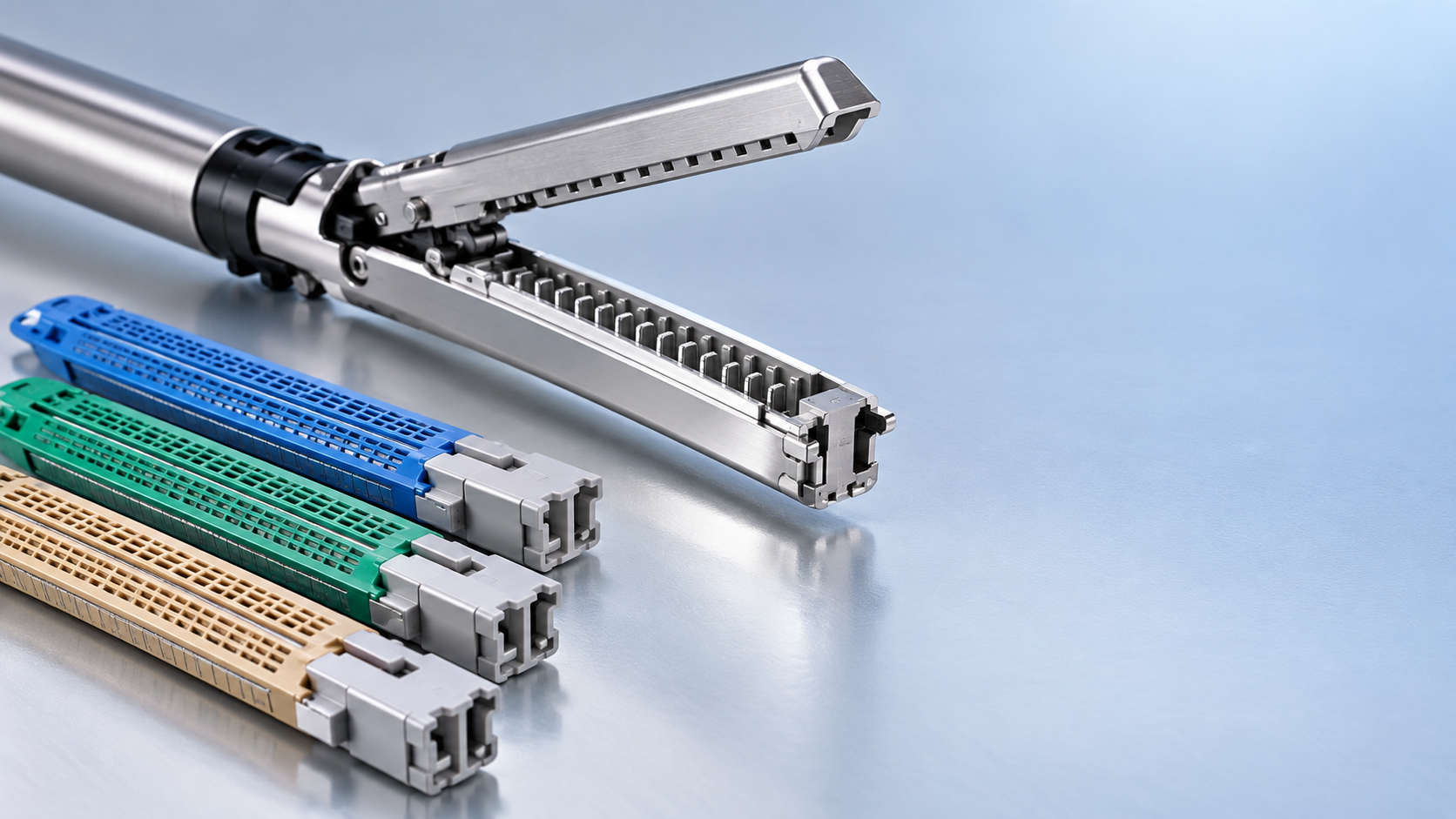
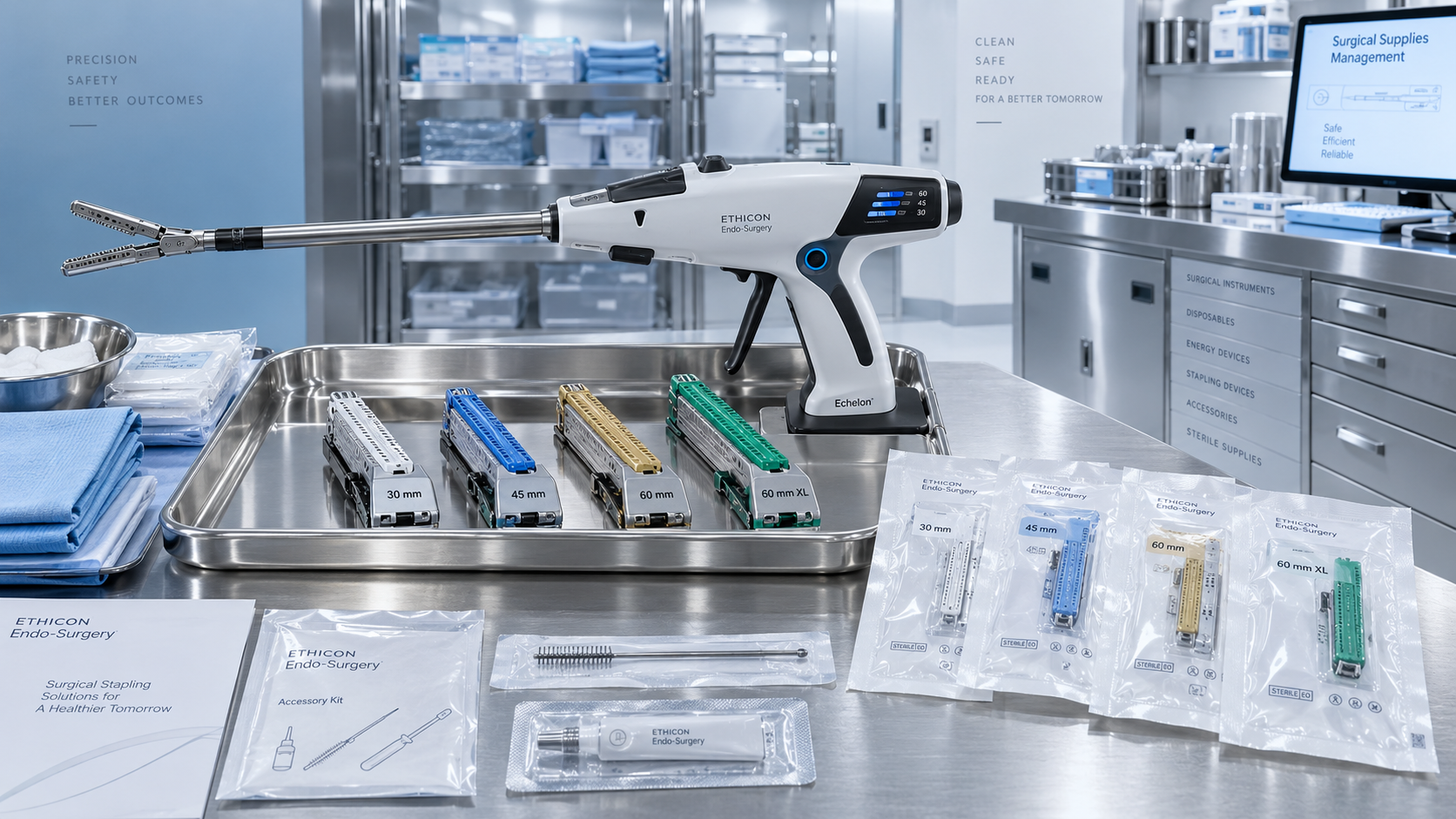
For minimally invasive staplers, the review should go beyond firing force. Technical teams usually need to understand staple formation consistency, cutting performance, tissue compression behavior, reload interchangeability, articulation durability, lockout function, and the conditions under which a device may misfire or produce an unacceptable staple line. The relationship between cartridge selection and tissue thickness deserves close scrutiny. Incorrect cartridge choice is a user issue, but a product design that makes selection unclear can amplify that risk.
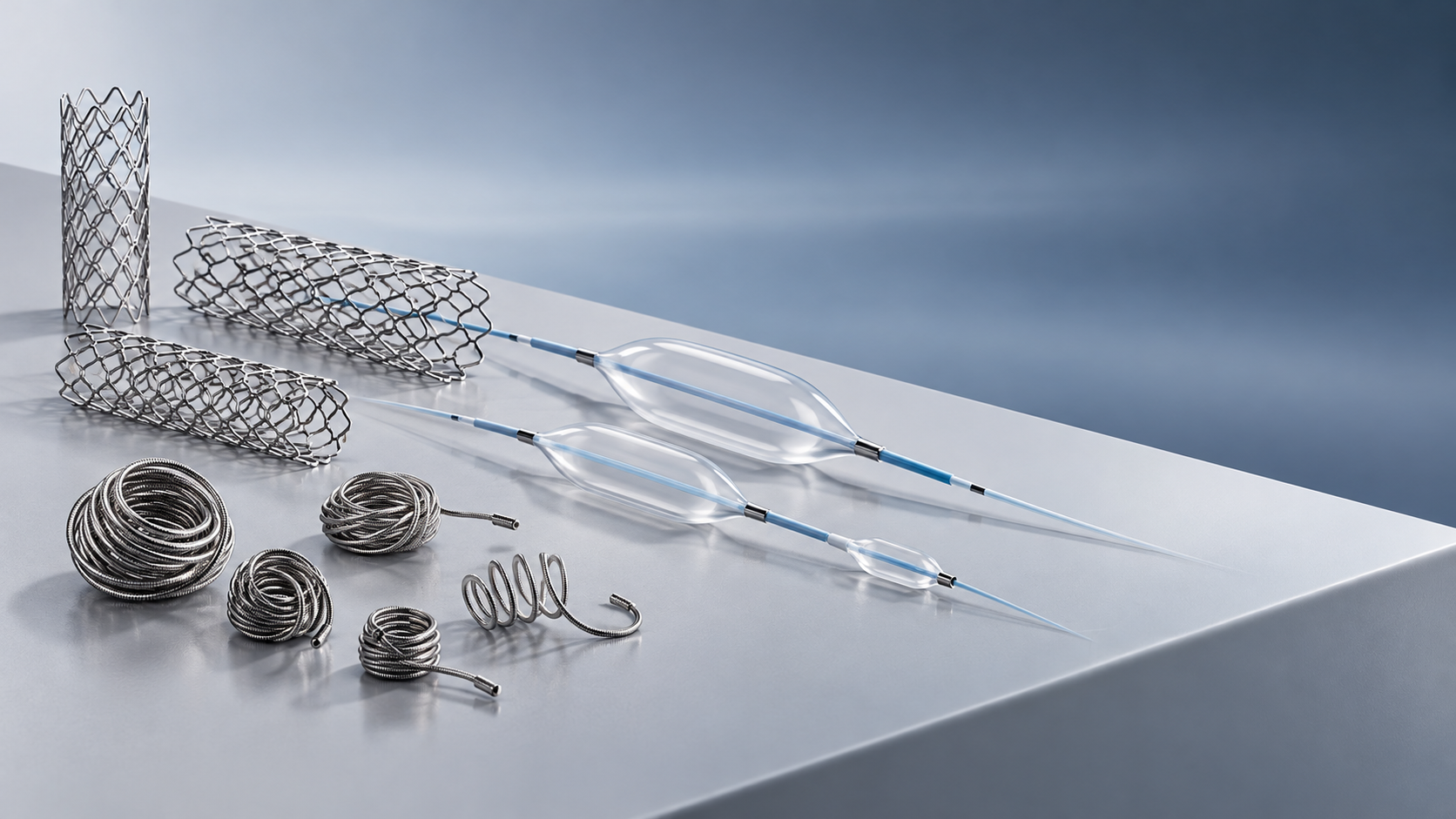
For vascular and interventional consumables, useful evidence may include trackability, pushability, torque transmission, burst resistance, tensile strength, radiopacity, coating durability, and compatibility with guidewires, introducers, or delivery systems. A catheter that feels flexible in isolation may lose practical value if it cannot maintain its profile or navigation behavior through a complex pathway.
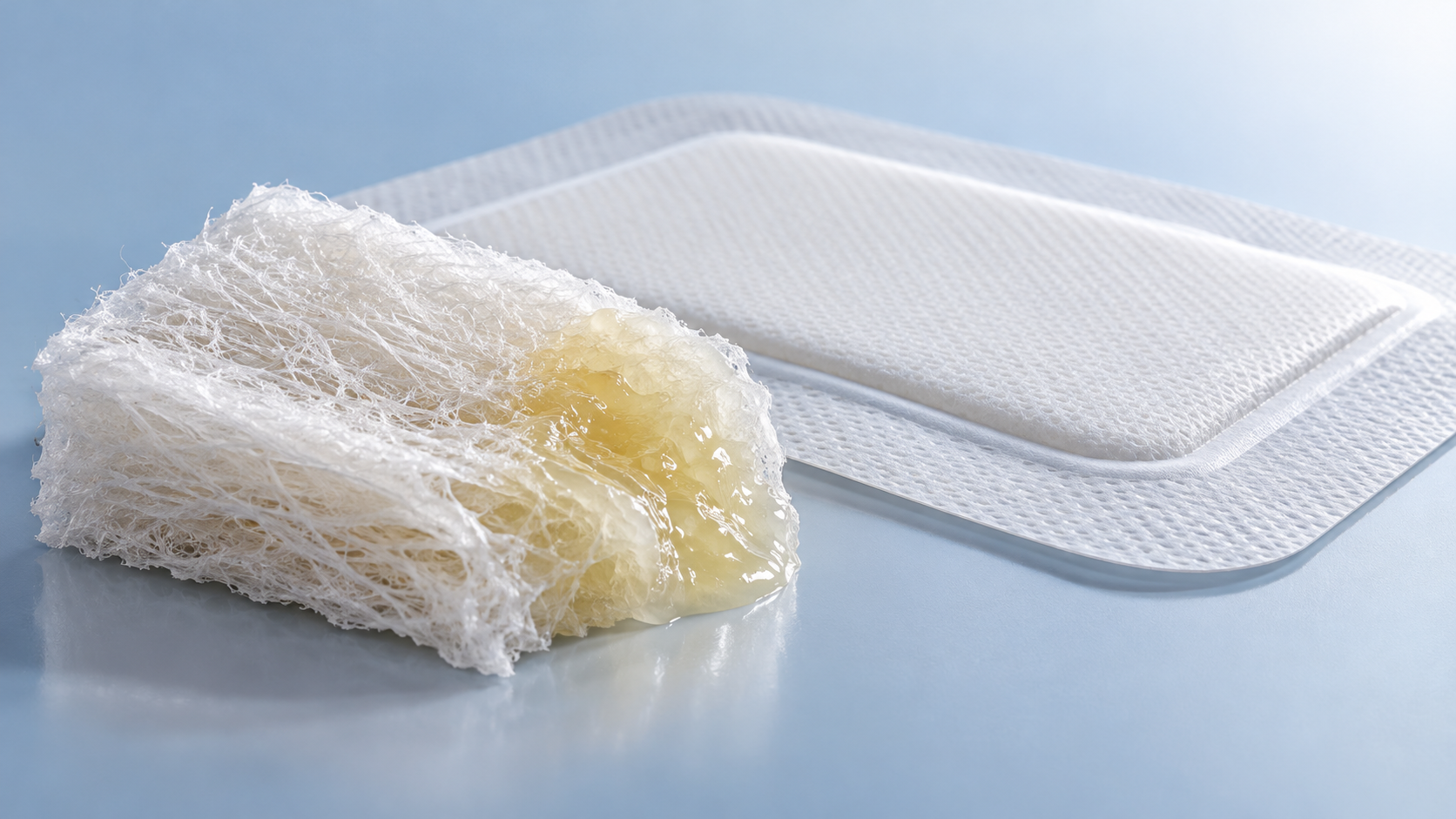
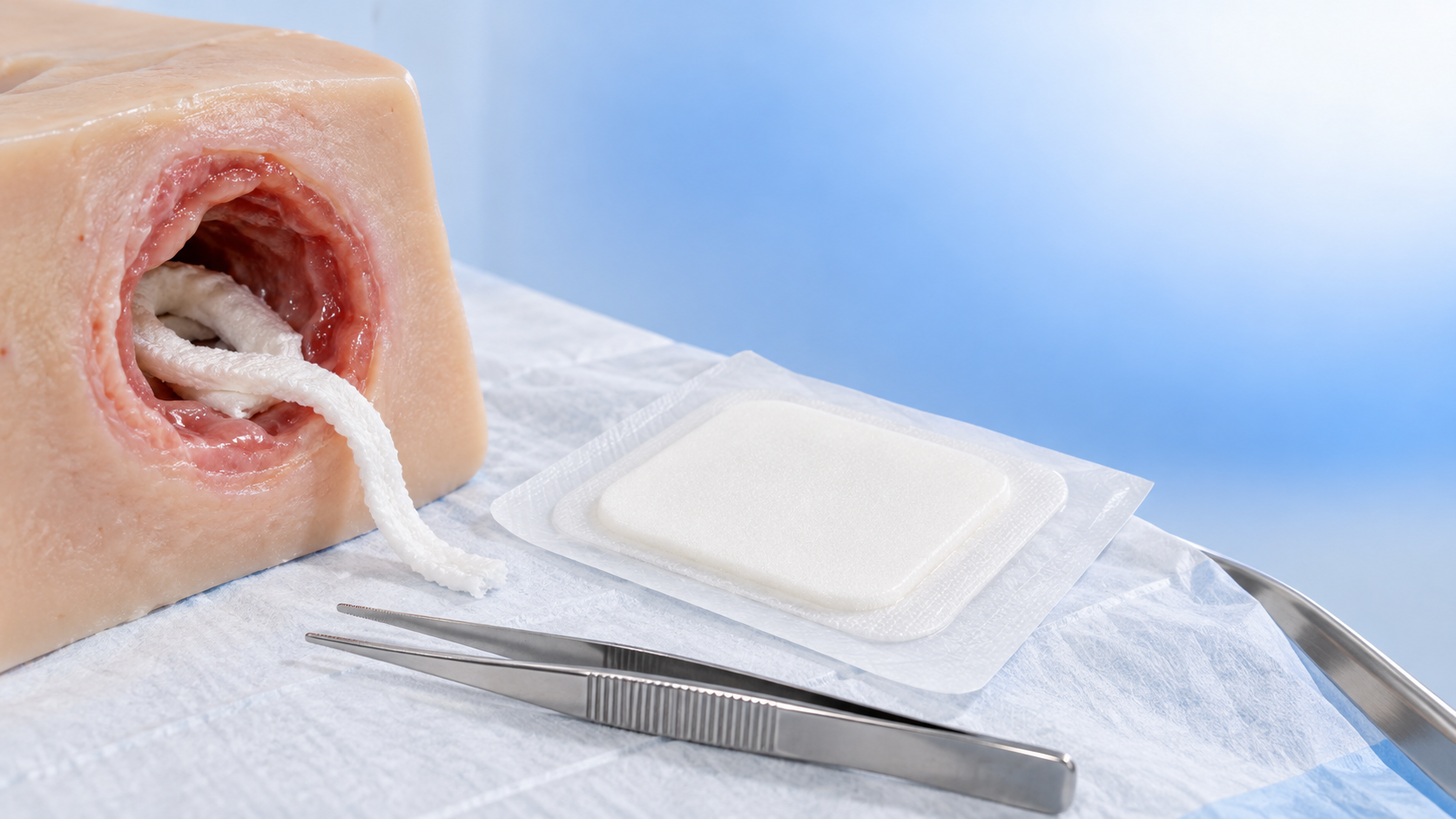
Advanced dressings need a similarly specific review. Absorption capacity alone does not determine suitability. Consider fluid-handling behavior under compression, conformability, moisture-vapor transmission, adhesion to intact skin, ease of removal, compatibility with negative-pressure wound therapy where applicable, and whether antimicrobial claims are supported for the stated use. A dressing designed for a heavily exuding wound may not be the best choice for a dry, painful, or highly fragile wound surface.
Sterilization and Packaging Are Part of Device Performance
Sterility is not a box to tick at the end of product development. The sterilization modality can affect polymers, coatings, adhesives, drug components, mechanical properties, and packaging integrity. Ethylene oxide, radiation, and moist heat sterilization each introduce different compatibility questions. The correct method depends on the device materials, geometry, packaging configuration, and validated process.
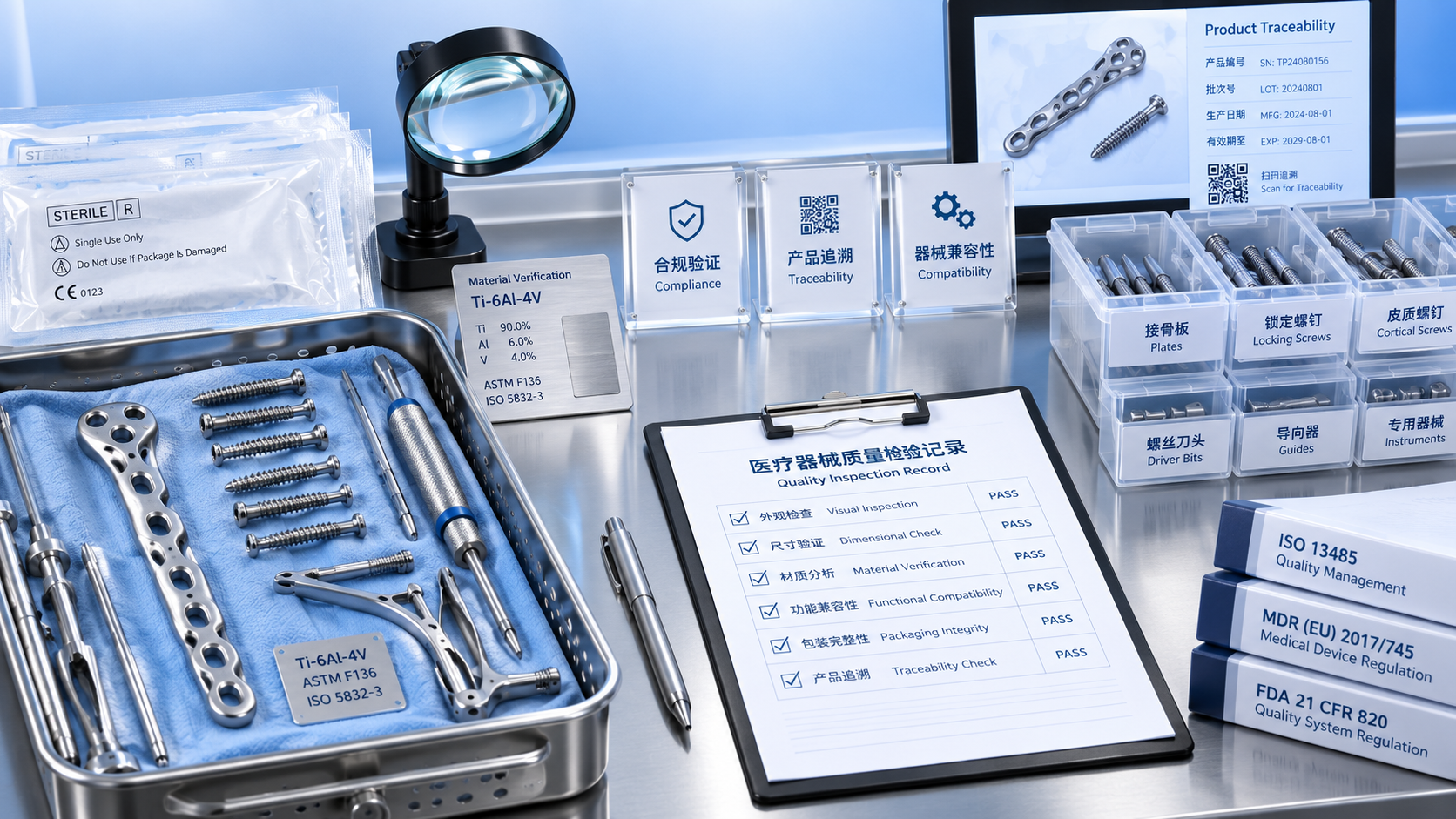
For sterile barrier systems, technical evaluators should review whether packaging validation aligns with the device’s distribution environment and intended shelf life. ISO 11607 is commonly relevant to packaging for terminally sterilized medical devices, while sterilization-process standards may include ISO 11135 for ethylene oxide, ISO 11137 for radiation, or ISO 17665 for moist heat, depending on the method used. The key point is not to collect standard numbers; it is to confirm that the validation package matches the actual device and commercial configuration.
Look closely at seal strength, package-opening usability, puncture resistance, transportation simulation, aging rationale, labeling legibility, and traceability. In practice, a sterile consumable can fail operationally before the procedure begins if the outer packaging is difficult to open aseptically, the label does not distinguish compatible sizes clearly, or the pouch is vulnerable to damage during handling.
Regulatory Evidence Must Match the Market and the Risk Profile
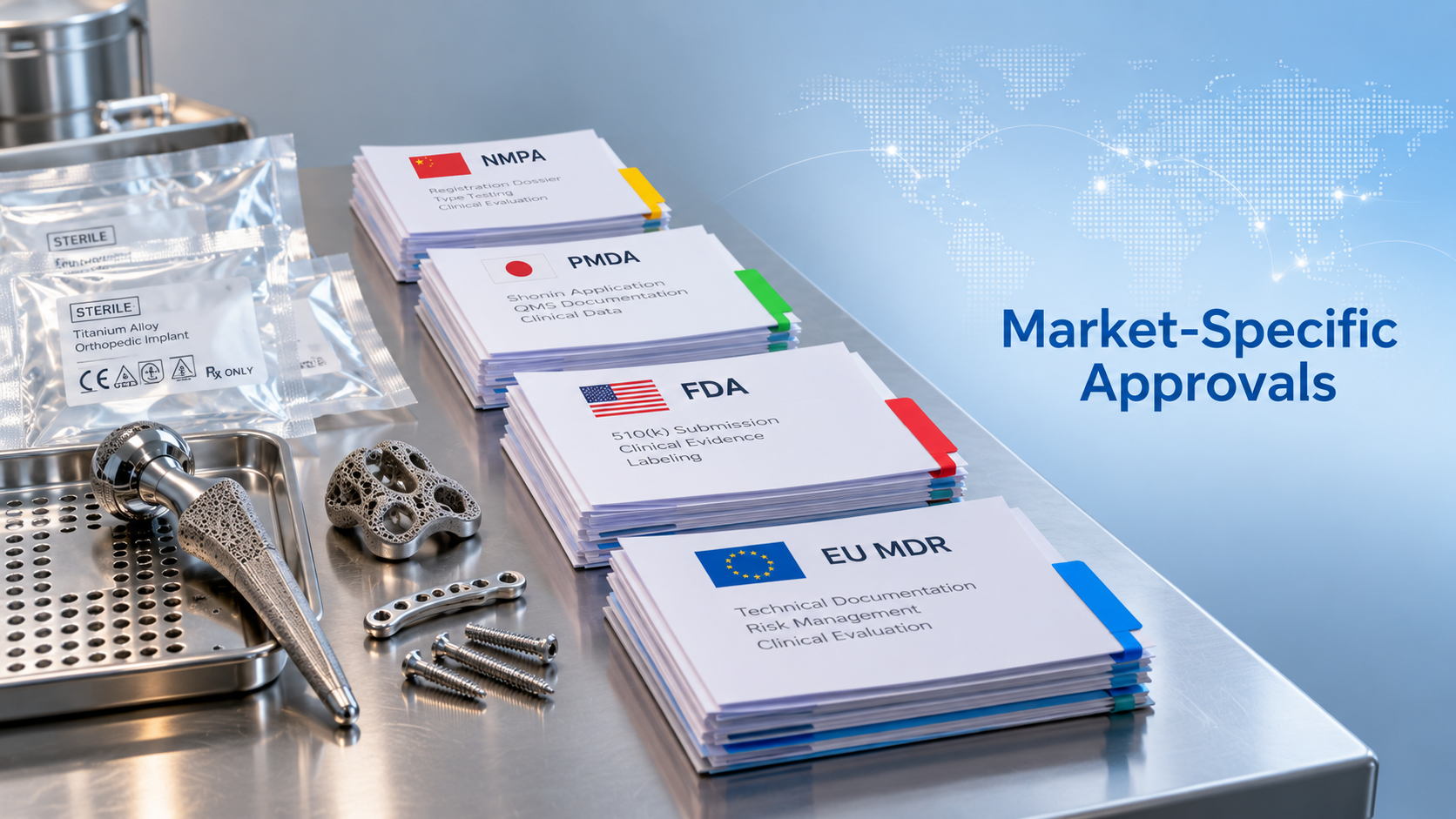
Regulatory status should never be treated as interchangeable across regions. Device classification, required technical documentation, clinical evidence expectations, labeling rules, and post-market responsibilities vary by jurisdiction. A product lawfully marketed in one country may require a different pathway, additional evidence, or a revised indication in another.
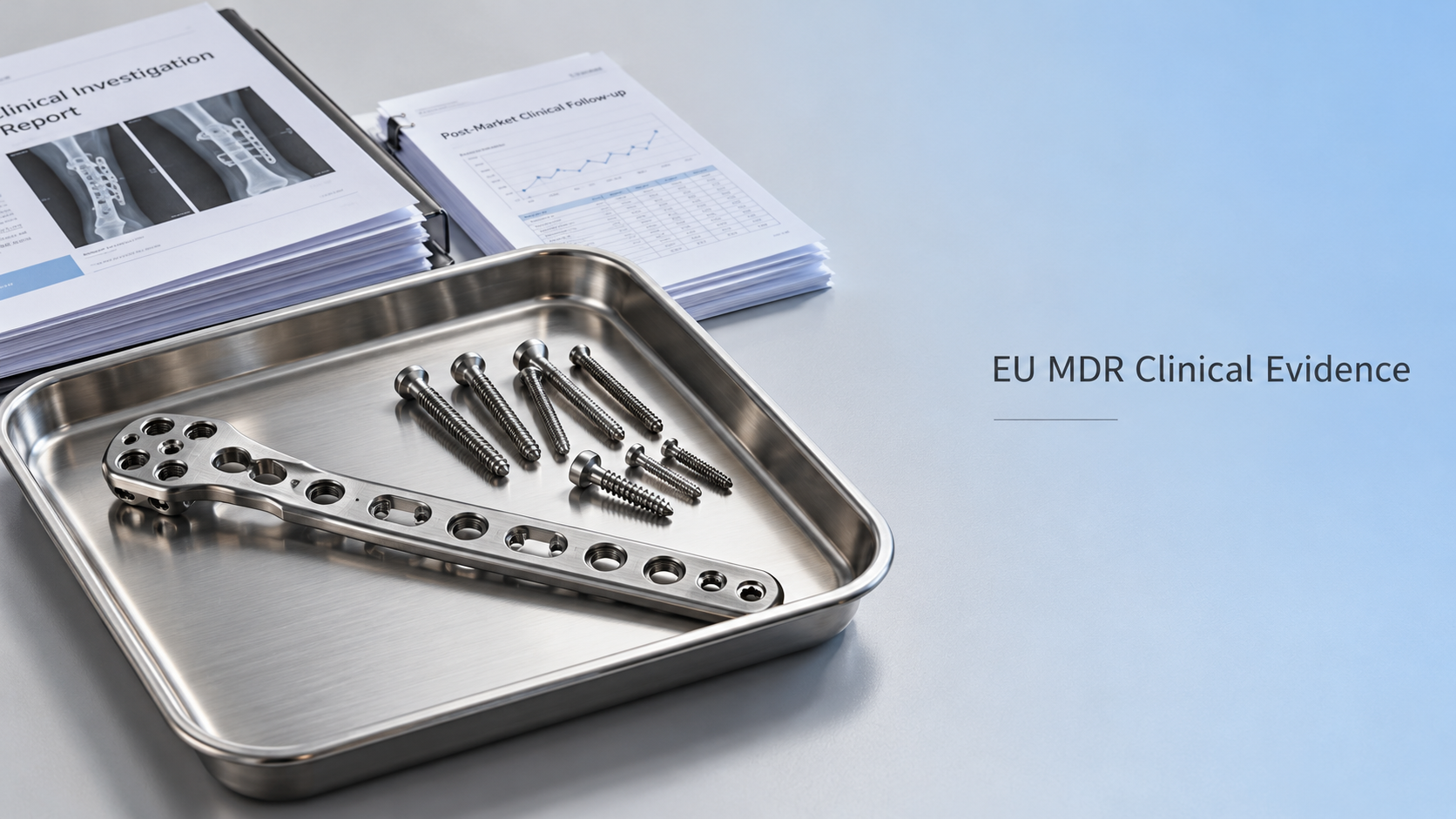
For higher-risk devices, particularly implantable or long-term invasive products, reviewers should expect more than a declaration of conformity or a marketing authorization statement. Under the EU Medical Device Regulation (MDR), clinical evaluation and post-market clinical follow-up are central elements of the evidence framework. A Clinical Evaluation Report should be examined for its relevance to the actual device, intended purpose, patient group, and claimed benefits. Equivalence arguments require careful analysis and should not be accepted merely because two products look similar.
Risk management documentation should also connect clearly to the evaluation. ISO 14971 provides a recognized framework for medical-device risk management, but the useful question is whether foreseeable hazards have been identified and controlled in the product design, instructions for use, training requirements, and post-market monitoring plan. Generic risk tables are easy to produce; coherent risk controls are harder.
Clinical Evidence Should Answer Practical Questions
A technical evaluator does not need to demand a large clinical study for every low-risk disposable item. However, the level of evidence should increase with the invasiveness, duration of use, novelty, and potential severity of harm. The clinical package should answer the questions that matter for the particular product.
For an orthopedic implant, relevant questions may concern fixation, migration, revision risk, wear, and performance in the intended anatomical indication. For a cardiovascular implant, the assessment may focus on delivery success, thrombosis-related concerns, device integrity, and longer-term outcomes appropriate to its use. For a wound-care product, evidence should be interpreted carefully: improved healing claims may depend heavily on wound type, debridement, infection management, offloading, perfusion, and adherence to treatment protocols.
Be wary of evidence borrowed from a neighboring indication. A positive result in one procedure, patient group, or anatomical location does not automatically transfer to another. Clinical relevance is often where an otherwise polished technical file becomes less convincing.
Evaluate the Supply System, Not Just the Sample
A retained sample can be excellent while commercial production is inconsistent. Surgical consumables depend on controlled raw materials, validated manufacturing processes, change management, sterilization capacity, packaging availability, and lot traceability. These operational factors are particularly sensitive for devices involving precision machining, polymer extrusion, coating, additive manufacturing, or complex assembly.
Technical assessment should therefore include supplier quality controls, process validation scope, complaint handling, nonconformance management, and the notification process for material or design changes. ISO 13485 certification can be a useful indicator of a medical-device quality management system, but it should not end the review. Teams still need to understand what happens when a critical supplier changes, a sterilization site becomes unavailable, or a component lot falls outside a narrow specification.
Price pressure and centralized procurement can make this discussion uncomfortable. Yet lower acquisition cost does not necessarily mean lower total procedural cost. A consumable that introduces training burden, compatibility uncertainty, interrupted supply, or higher rework risk may be expensive in ways that are not visible on a bid sheet.
A Practical Assessment File Should Make Decisions Traceable
The strongest assessment files do not simply archive certificates. They create a traceable line from intended use to evidence, identified risk, acceptance criteria, evaluation result, and follow-up action. This is particularly useful when comparing multiple suppliers or revisiting a product after a manufacturing change.
This discipline is central to the work of intelligence platforms such as Global Implant & Medical Consumables Systems (IMCS), where implant materials, precision manufacturing, clinical evidence, Class III regulatory expectations, and procurement realities need to be considered together rather than in isolated departments.
The final decision should be specific: suitable for which procedure, under which conditions, with what training, accessories, and monitoring requirements? That is a much stronger conclusion than declaring a surgical consumable “approved” in the abstract. In high-consequence care, the best assessment is the one that makes uncertainty visible early—before it reaches the operating room.
Get weekly intelligence in your inbox.
No noise. No sponsored content. Pure intelligence.
News Recommendations
 Oct 26, 2026Can a single approval cover life science product sales worldwide?Can a single approval cover life science product sales worldwide?
 Oct 25, 2026When is sensitization testing needed for medical device biocompatibility?When is sensitization testing needed for medical device biocompatibility?
 Oct 24, 2026How is biocompatibility tested for implantable polymer biomaterials?How is biocompatibility tested for implantable polymer biomaterials?
 Oct 23, 2026How to build reimbursement into an implant commercialization strategyHow to build reimbursement into an implant commercialization strategy
 Oct 22, 2026What clinical evidence do implants need for CE marking under EU MDR?What clinical evidence do implants need for CE marking under EU MDR?
 Oct 21, 2026How to choose disposable laparoscopic stapler reloads for thick tissueHow to choose disposable laparoscopic stapler reloads for thick tissue
 Oct 20, 2026How to assess medical polymer biocompatibility under ISO 10993How to assess medical polymer biocompatibility under ISO 10993
 Oct 19, 2026How do interventional device categories differ in clinical use?How do interventional device categories differ in clinical use?
 Oct 18, 2026When to choose alginate dressings for heavily exuding chronic woundsWhen to choose alginate dressings for heavily exuding chronic wounds
 Oct 17, 2026How is biocompatibility tested for custom medical-grade PEEK implants?How is biocompatibility tested for custom medical-grade PEEK implants?
 Oct 16, 2026How to check a wound healing materials supplier’s biocompatibility dataHow to check a wound healing materials supplier’s biocompatibility data
 Oct 15, 2026How to verify the FDA clearance status of silver wound dressingsHow to verify the FDA clearance status of silver wound dressings
 Oct 14, 2026How to register orthopedic implants and instruments in Latin AmericaHow to register orthopedic implants and instruments in Latin America
 Oct 13, 2026How to use a device market intelligence database to benchmark VBP pricesHow to use a device market intelligence database to benchmark VBP prices
 Oct 12, 2026When should stainless steel orthopedic instruments be replaced?When should stainless steel orthopedic instruments be replaced?
 Oct 11, 2026When are alginate dressings rope the right choice for cavity wounds?When are alginate dressings rope the right choice for cavity wounds?
 Oct 10, 2026When smart minimally invasive technology improves catheter accessWhen smart minimally invasive technology improves catheter access
 Oct 08, 2026Clinical evaluation requirements for cardiovascular implant devices in EuropeClinical evaluation requirements for cardiovascular implant devices in Europe
 Oct 07, 2026What to verify before appointing an artificial joint implants distributorWhat to verify before appointing an artificial joint implants distributor
 Oct 06, 2026How ISO 10993 guides biocompatibility testing for medical materialsHow ISO 10993 guides biocompatibility testing for medical materials
 Oct 05, 2026How to verify an orthopedic implants and instruments exporterHow to verify an orthopedic implants and instruments exporter
 Oct 04, 2026What drives surgical stapling devices price differences in hospital tenders?What drives surgical stapling devices price differences in hospital tenders?
 Oct 03, 2026How to assess a central venous catheter manufacturer's infection-control evidenceHow to assess a central venous catheter manufacturer's infection-control evidence
 Oct 02, 2026How to assess an advanced wound care factory’s quality systemHow to assess an advanced wound care factory’s quality system
 Oct 01, 2026What is driving global medical consumables demand in emerging markets?What is driving global medical consumables demand in emerging markets?
 Sep 30, 2026Implant Material Compliance Testing: Evidence Needed for Regulatory SubmissionImplant Material Compliance Testing: Evidence Needed for Regulatory Submission
 Sep 30, 2026From Corrosion to Fatigue: What Implant Materials Testing Should MeasureFrom Corrosion to Fatigue: What Implant Materials Testing Should Measure