How custom 3D printed medical implants meet biocompatibility requirements
How custom 3D printed medical implants meet biocompatibility requirements
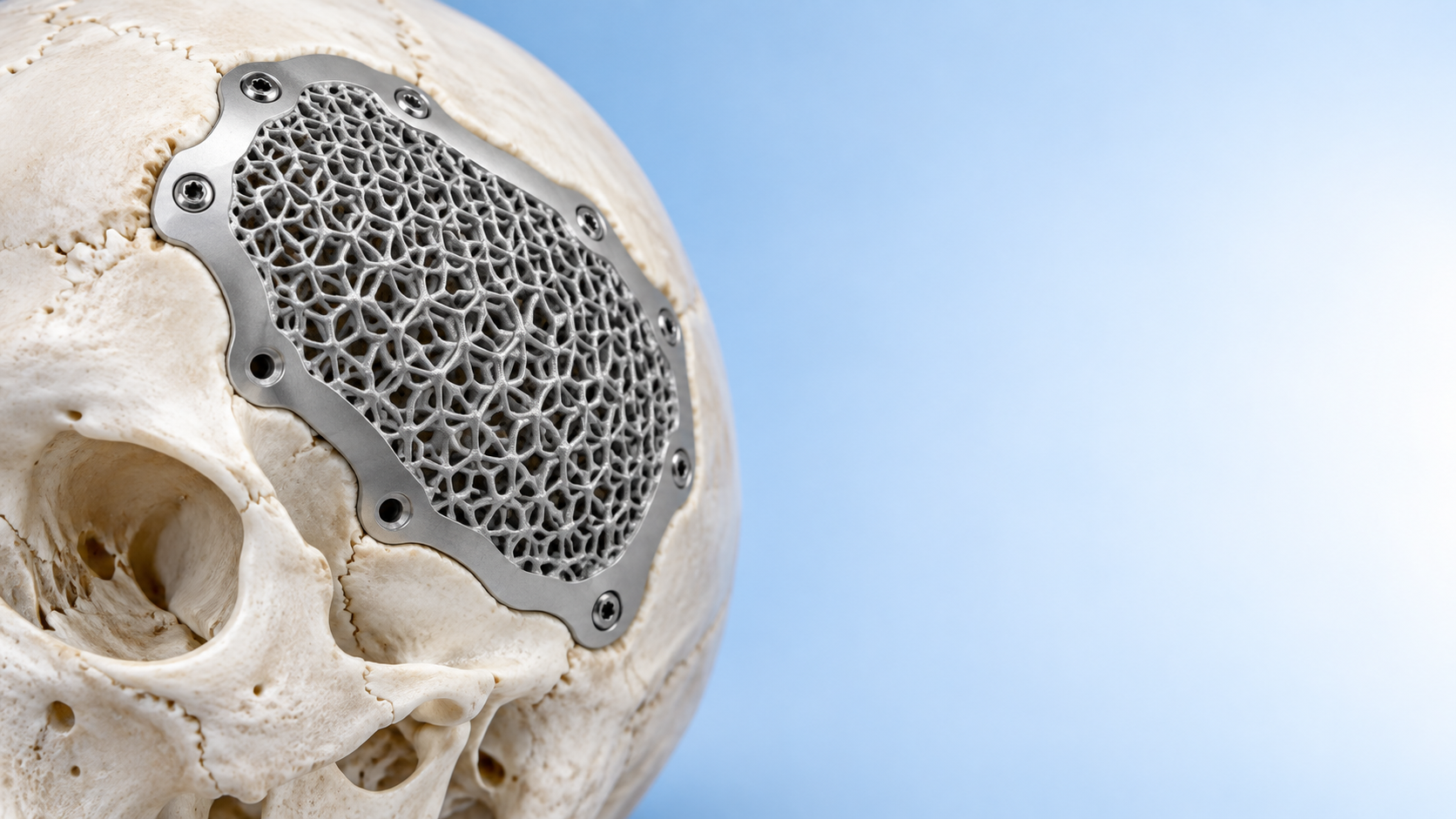
For technical evaluators, the real question around custom 3D printed medical implants is not whether personalization is attractive. It clearly is. A patient-specific cranial plate, spinal cage, or acetabular augment can solve geometry problems that standard sizes never fully address. The harder question is whether that implant remains biologically safe after the full chain of design, printing, post-processing, sterilization, and packaging. In practice, biocompatibility is rarely a single test result. It is an evidence package built from material knowledge, process control, surface characterization, and biological risk assessment.
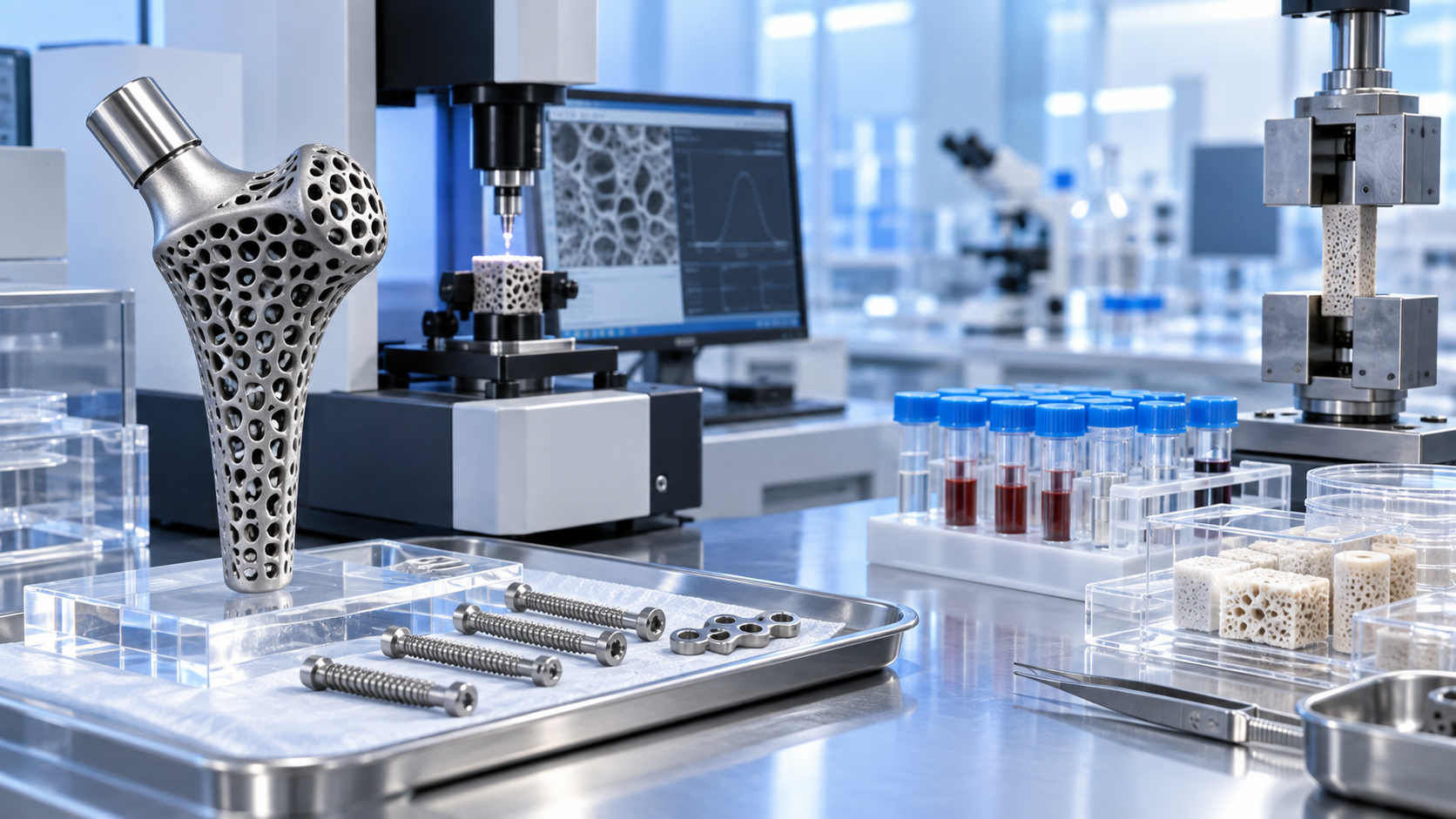
That distinction matters more in additive manufacturing than many teams expect. A forged titanium implant and a laser powder bed fused titanium implant may share the same alloy designation on paper, yet the patient does not interact with the material certificate alone. Tissue meets the final surface, residuals, porosity, entrapped powder risk, cleaning effectiveness, and any chemistry altered by thermal history or finishing steps. This is why evaluations under ISO 10993 are inseparable from manufacturing validation.
Biocompatibility starts before testing starts
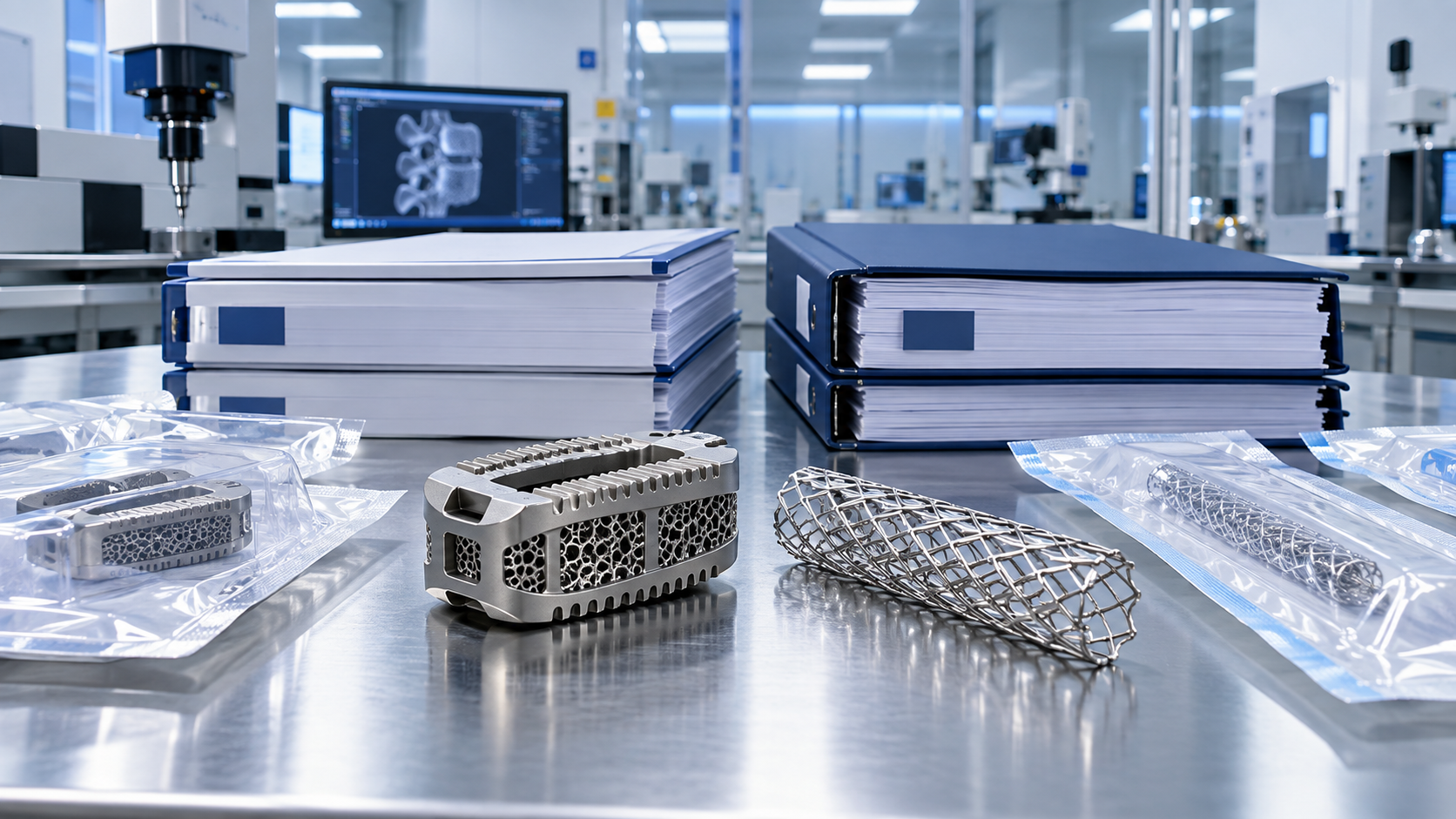
Teams sometimes talk about ISO 10993 as if it begins when samples are sent to the lab. That is already late. For custom 3D printed medical implants, the first biocompatibility decision is usually material-platform selection. Titanium alloys are common because they already have a long clinical history in orthopedic and maxillofacial applications, and porous trabecular-style structures can support osseointegration. PEEK appears in selected spinal and orthopedic indications for different mechanical and imaging reasons. But neither familiarity nor market adoption removes the need to assess the final device state.
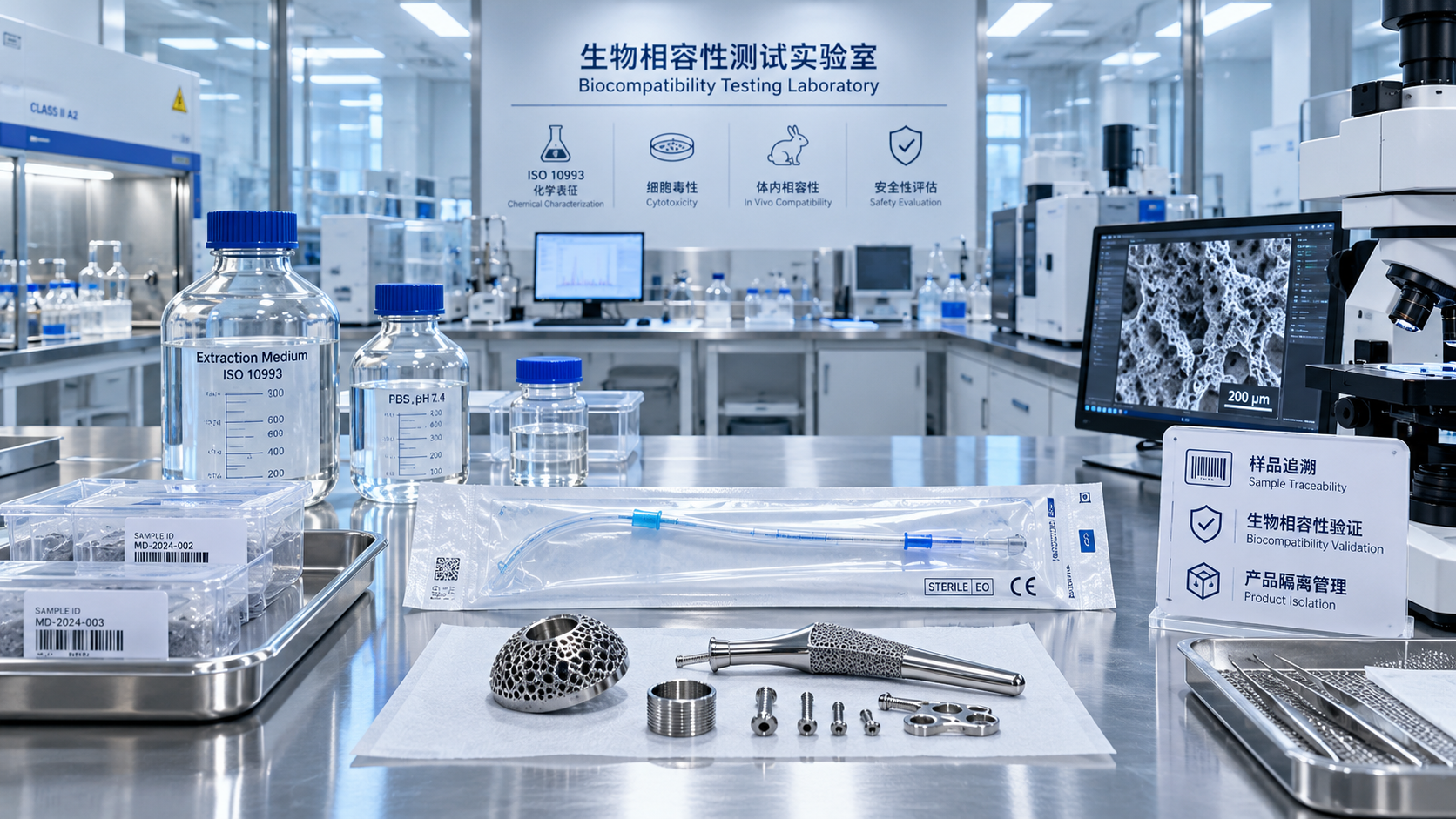
A technical reviewer will usually want to see whether the manufacturer has defined the device by nature and duration of body contact, then linked that classification to a biological evaluation plan. An implant intended for long-term bone contact does not trigger the same questions as a short-term surgical guide. The endpoints considered under ISO 10993 can include cytotoxicity, sensitization, irritation or intracutaneous reactivity, systemic toxicity, genotoxicity, implantation effects, and in some cases chemical characterization and toxicological risk assessment. Which endpoints are ultimately justified depends on the contact profile, material history, and available evidence.
Good files do not simply list tests. They explain why each endpoint was tested, waived, or supported by existing data. That is often where weaker submissions start to show strain.
The material is familiar; the process may not be
With additive manufacturing, a known alloy can still produce an unfamiliar risk profile if the process is not tightly bounded. Powder quality is one example. Particle size distribution, morphology, oxygen pickup, reuse strategy, and contamination control all influence the final part. Recycled powder is not automatically unacceptable, but it cannot be treated casually. A biologically acceptable implant depends on maintaining specifications not only for the starting feedstock, but also for how that feedstock behaves after repeated thermal exposure and handling cycles.
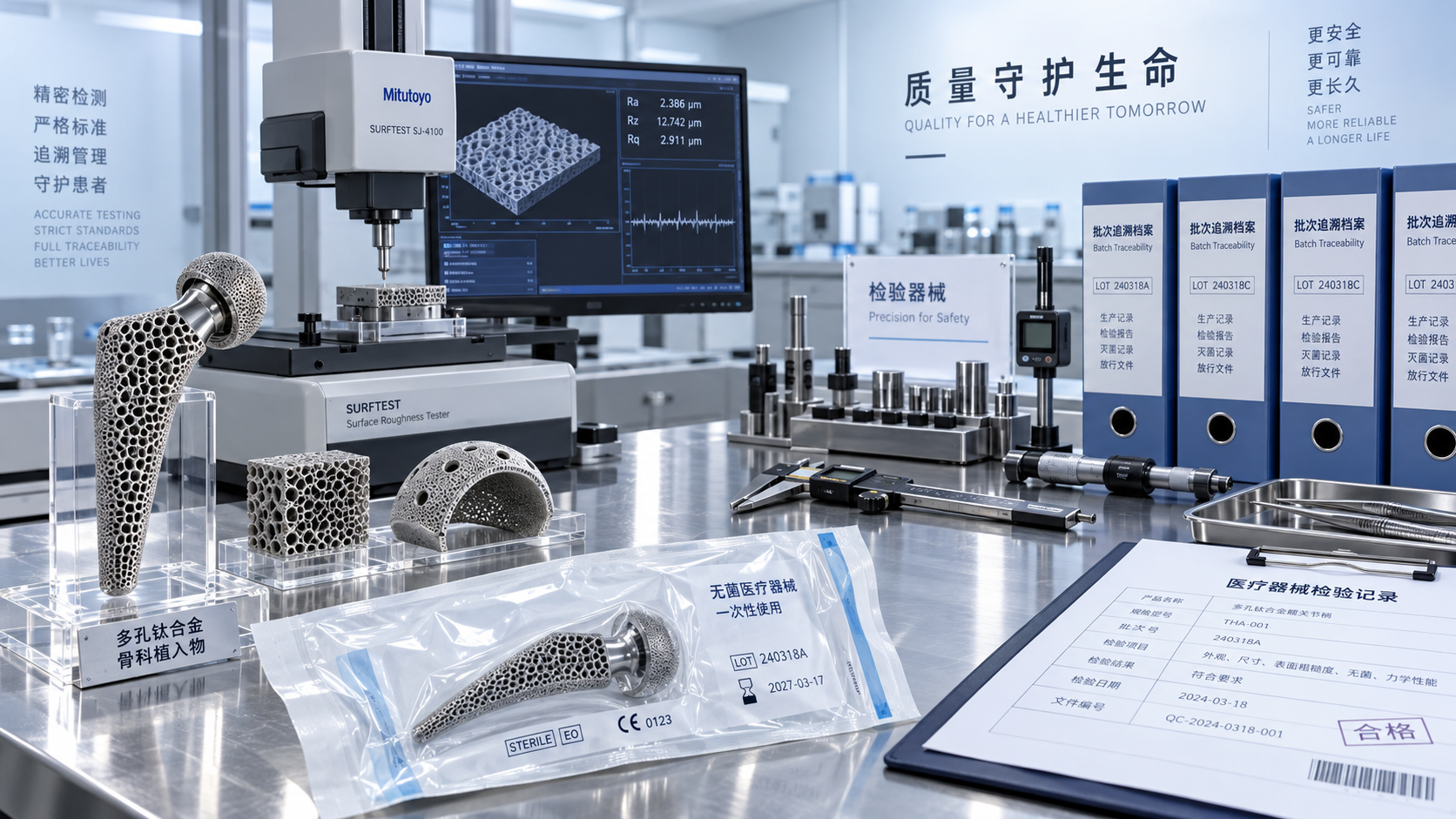
Then comes the build itself: laser parameters, chamber atmosphere, support design, build orientation, and heat treatment. These variables affect microstructure, unmelted particle retention, surface roughness, and internal cleanliness. In orthopedic implants, roughness and porosity may be intentionally used to encourage fixation. The trade-off is that complex porous lattices are harder to clean, harder to inspect, and easier to trap residues in. That is not a theoretical concern. It changes extractables, local tissue response, and the confidence level behind a biocompatibility conclusion.
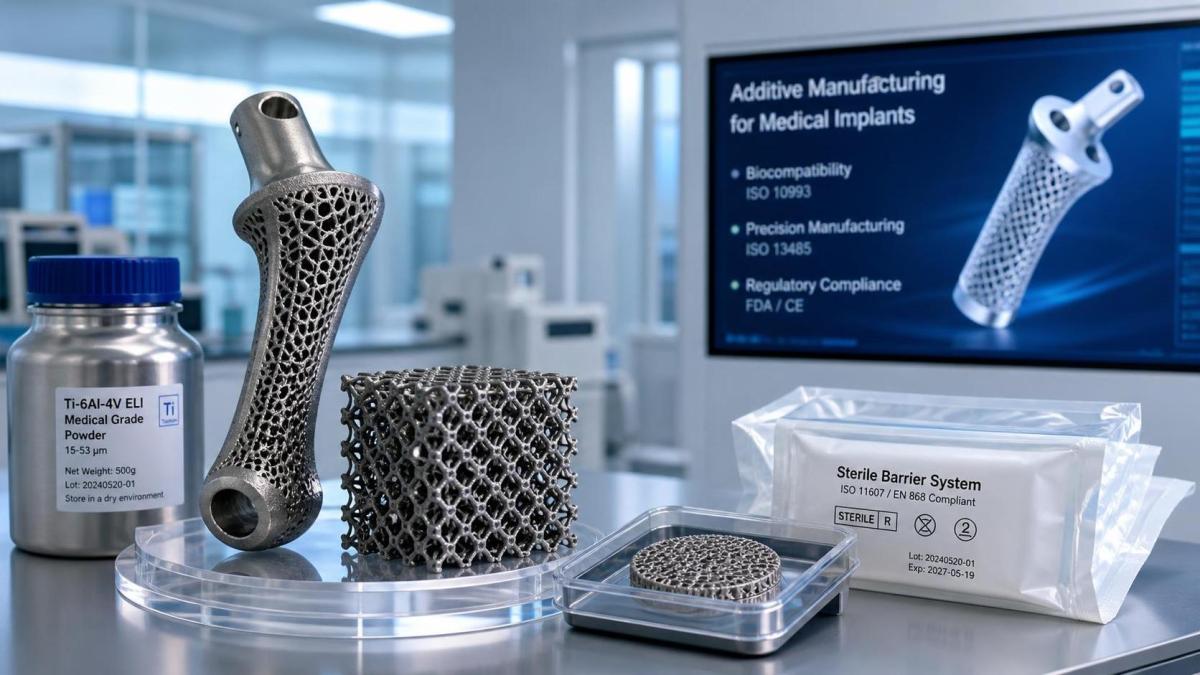
This is one reason intelligence-driven review platforms in the implant sector, such as IMCS, keep pulling biocompatibility, precision manufacturing, and Class III regulatory logic into the same conversation. In real projects, those topics are welded together. A biological evaluation that ignores print-process variability is incomplete, and a manufacturing dossier that never translates process residuals into patient risk is equally thin.
Surface condition is often where compliance is won or lost
For custom implants, surface condition is not just a quality attribute; it is the biological interface. Evaluators should look closely at what happens after printing. Are support structures removed consistently? Is blasting media controlled and validated? Does chemical etching leave residues? Is passivation part of the process? If the device includes dense and porous regions, are both represented in the evaluation samples?
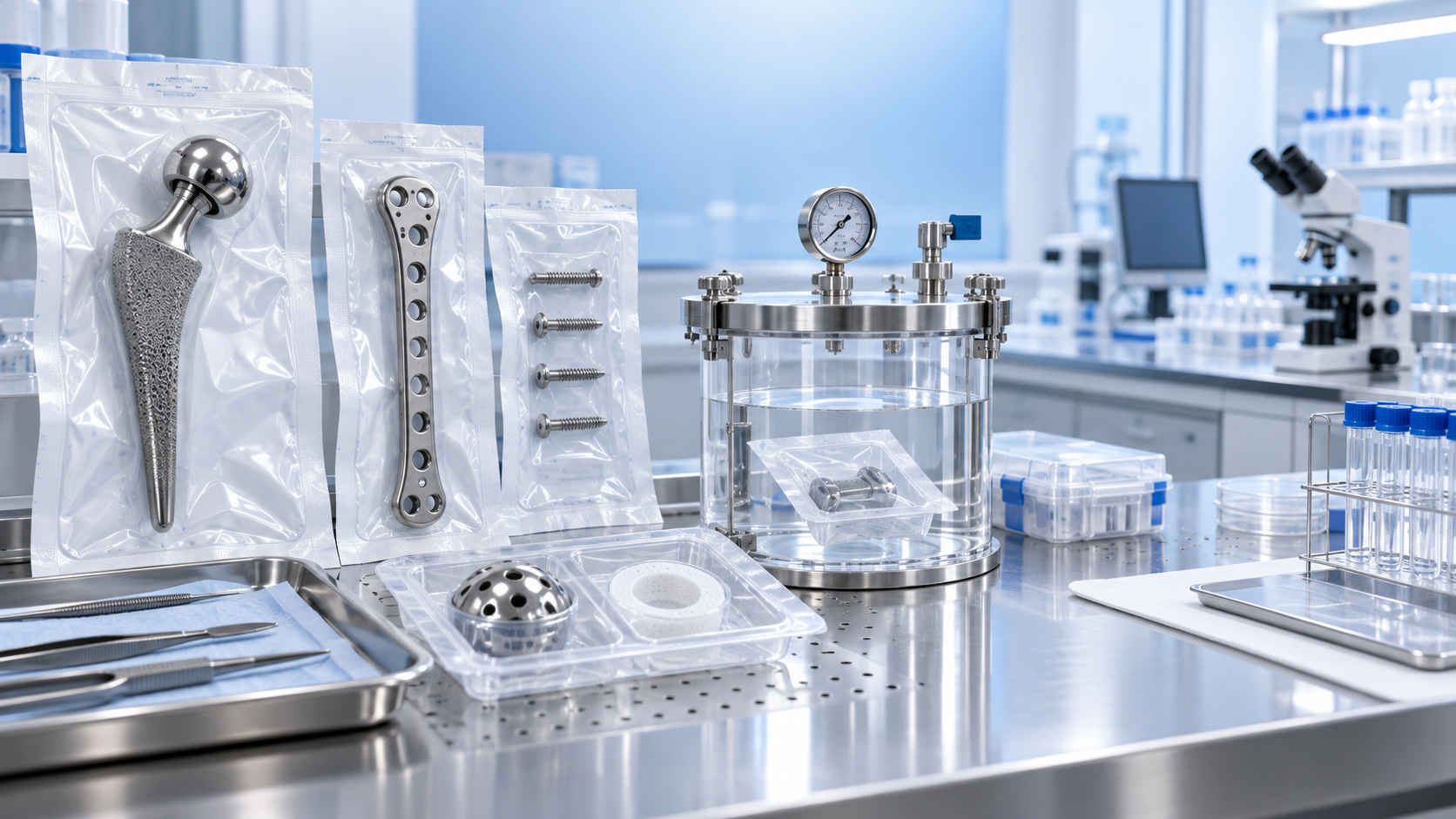
A common mistake is assuming that a polished coupon made from the same alloy can stand in for the finished implant. Sometimes it can support limited material-level claims, but not always device-level conclusions. A patient-specific implant with internal channels or porous architecture may retain residues differently from a simple coupon. The extraction profile can change. So can local tissue behavior after implantation. Technical reviewers tend to be more convinced when sample selection reflects worst-case geometry, worst-case surface area, and the most difficult-to-clean design state.
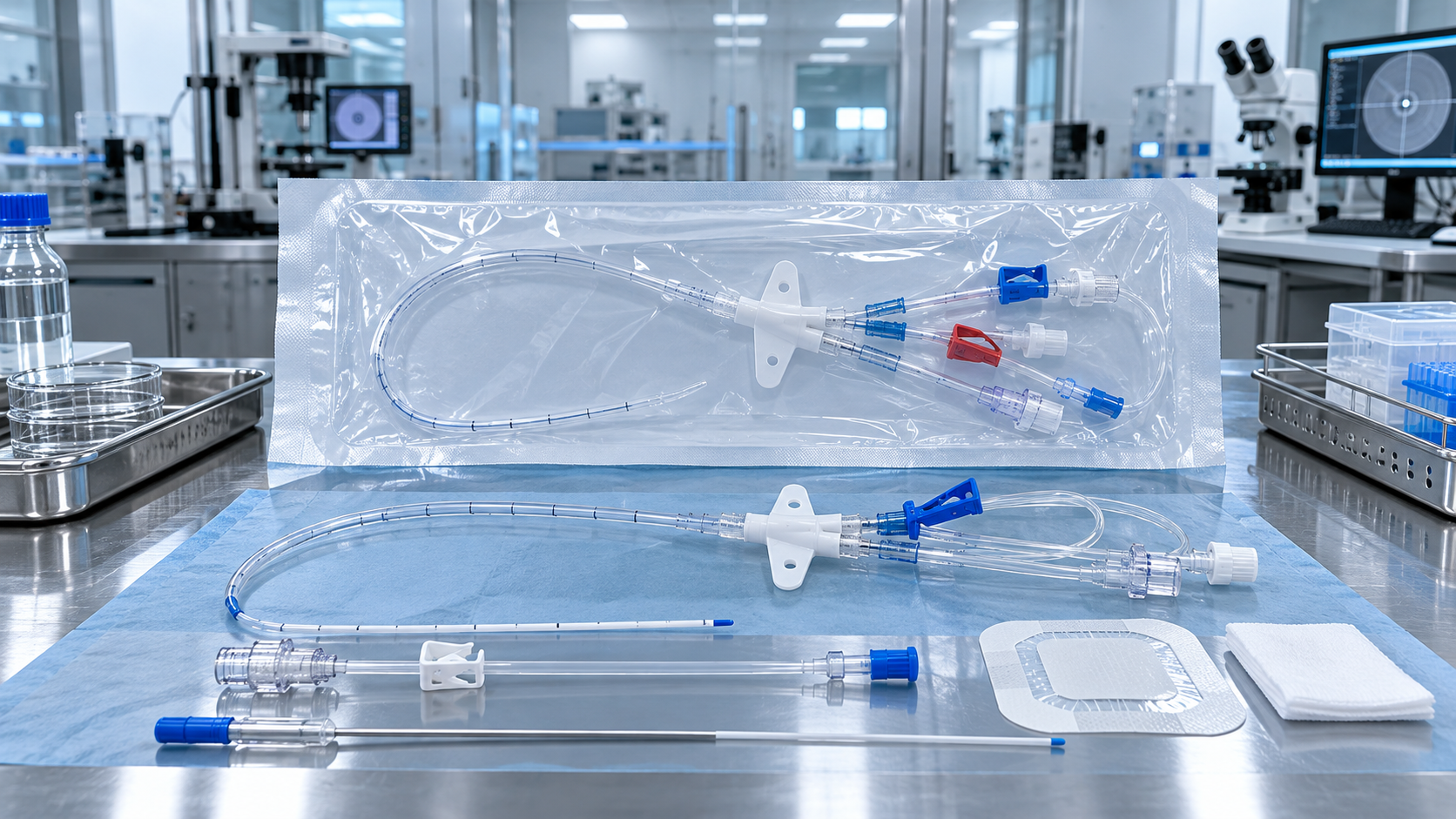
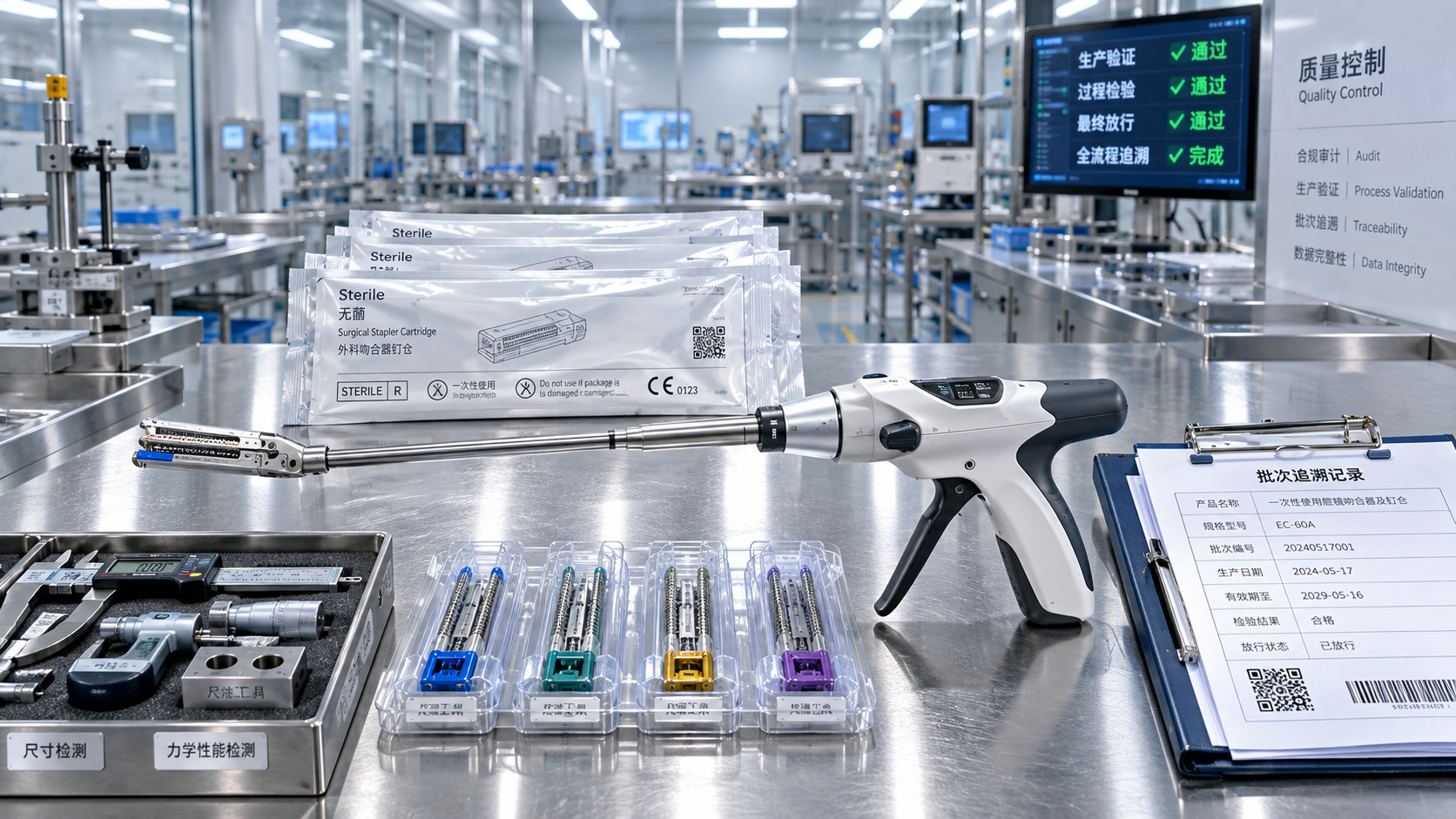
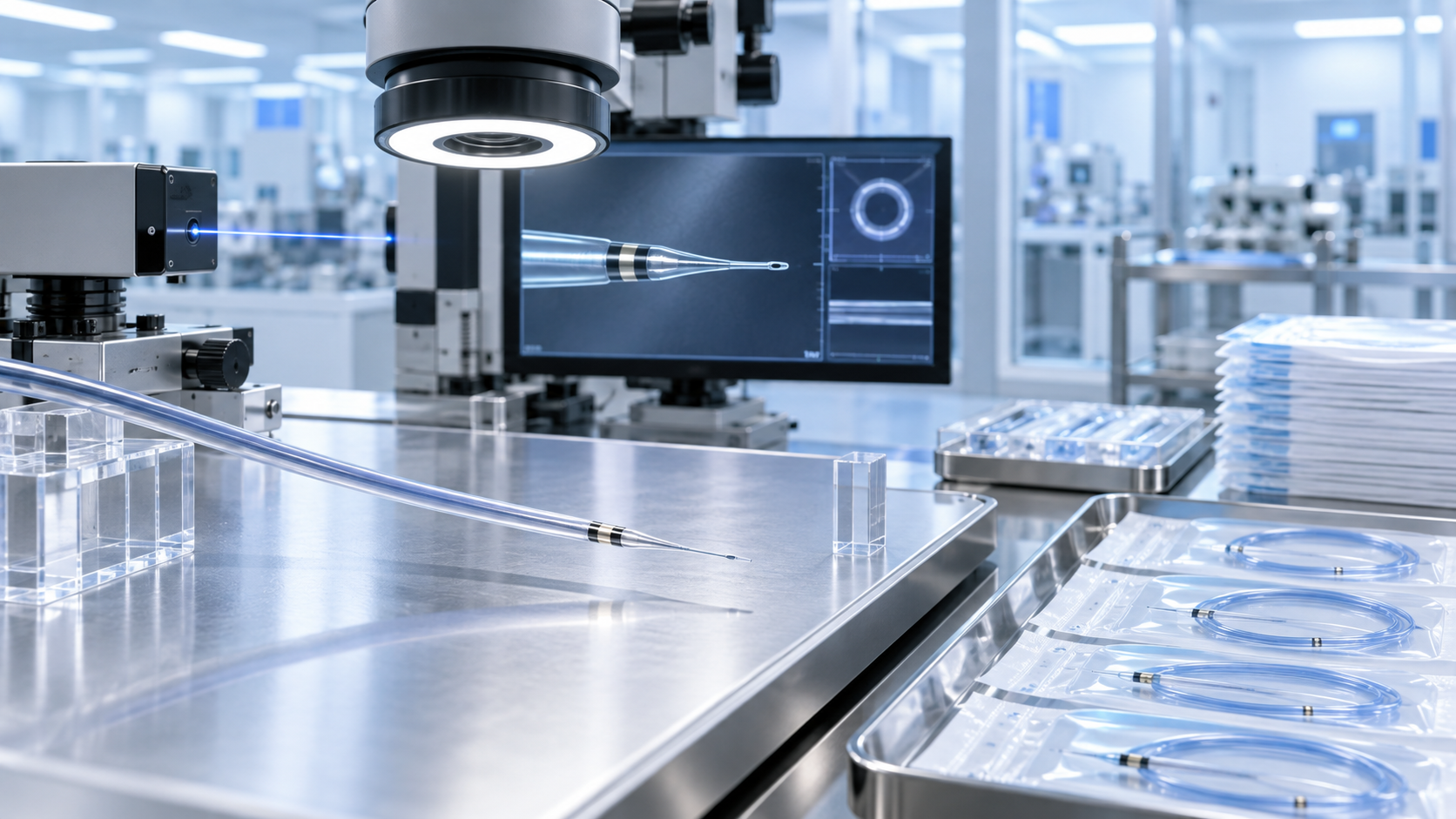
This point matters beyond orthopedics. Similar thinking appears across high-risk medical consumables. Whether one is reviewing a porous spinal cage, an interventional polymer catheter with a surface coating, or a minimally invasive stapling component that leaves metal in tissue, the final biological interaction depends on the finished and processed article, not the raw material brochure.
Chemical characterization is no longer optional in serious programs
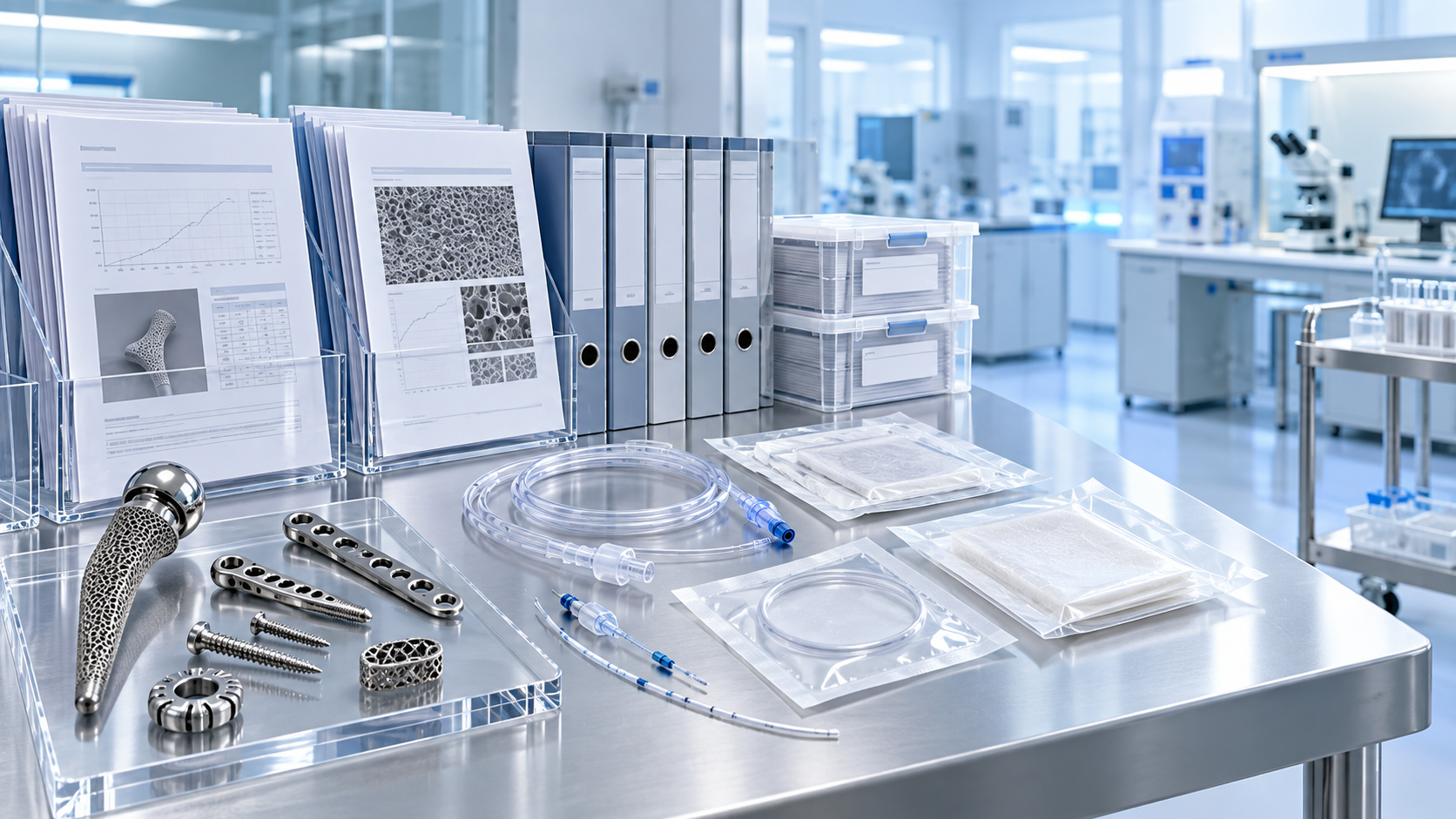
Many experienced teams now treat chemical characterization as one of the most practical anchors in a biological safety strategy. ISO 10993-18 and toxicological assessment principles under ISO 10993-17 help translate unknowns into measurable risk. This is especially valuable for custom 3D printed medical implants because process-related residuals may come from multiple sources: metal powder, machine environment, cleaning agents, machining fluids, blasting media, detergents, packaging interactions, or sterilization byproducts.
When the chemistry work is done well, it often prevents unnecessary testing and, just as importantly, exposes where extra testing is unavoidable. If extractables show a clean and explainable profile, the biological story becomes easier to defend. If unexpected organics or metallic species appear, the discussion shifts quickly from routine compliance to root cause and toxicological significance. There is no universal shortcut here; acceptable thresholds and risk conclusions depend on the identified compounds, exposure estimates, and intended clinical use.
Validation has to cover customization, not just one reference part
Customization creates a subtle regulatory tension. Every implant may be patient-matched, but the manufacturer still has to demonstrate that the manufacturing system remains under control across a defined design envelope. Technical evaluators should look for evidence that biological safety is supported for the range of dimensions, lattice densities, wall thicknesses, and post-processing conditions the platform allows.
That often means asking uncomfortable but necessary questions. What is the worst-case design for cleaning validation? Which geometry presents the highest surface area-to-mass ratio for extraction testing? Does the manufacturer bracket implant families scientifically, or simply pick a convenient sample? If process changes occur, such as a new powder supplier, altered heat treatment, or updated cleaning chemistry, has the biological risk assessment been reopened?
The strongest programs treat customization as a validated platform with controlled boundaries, not as an excuse to avoid comparability logic.
Sterilization and packaging can change the answer
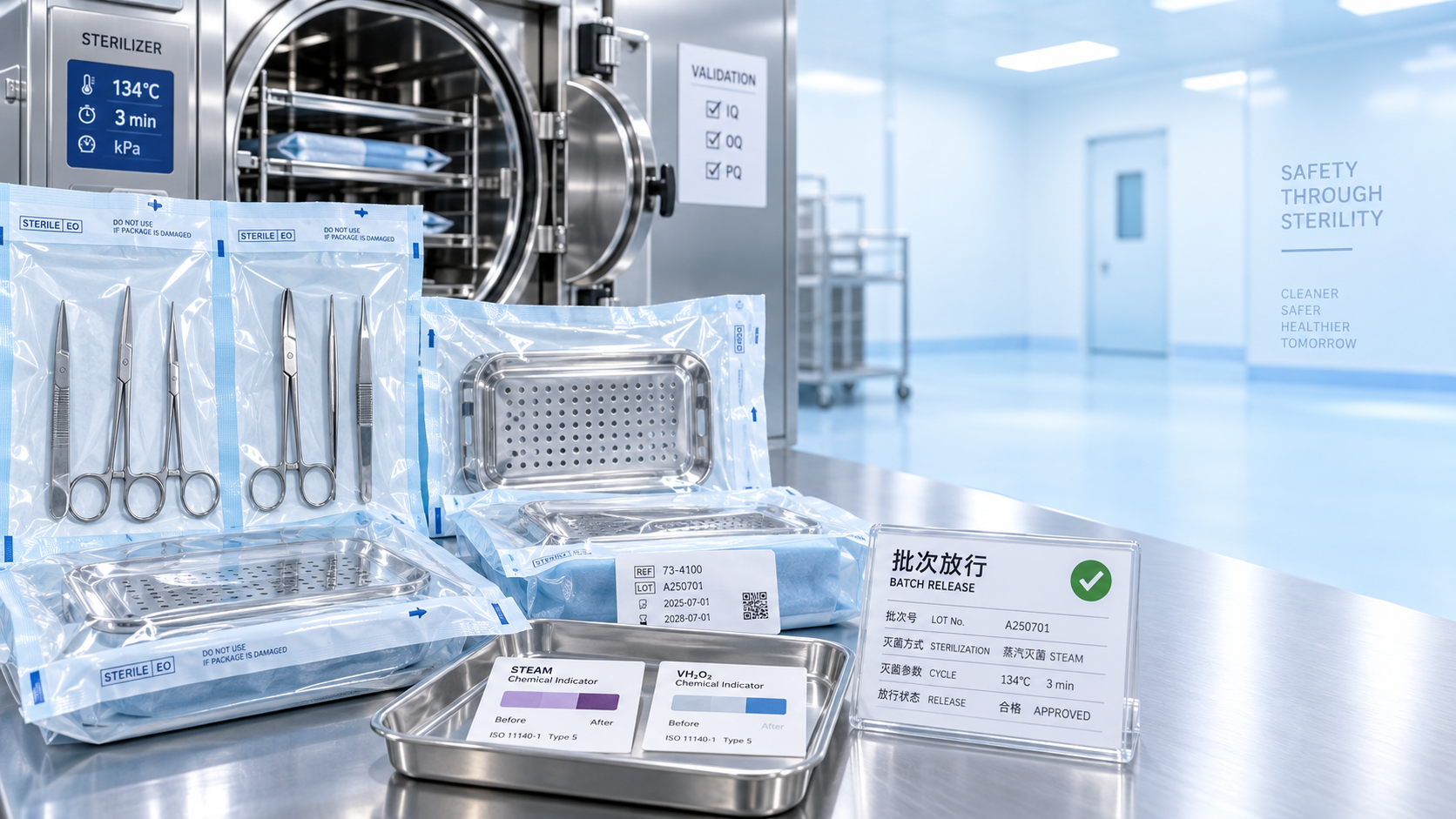
Another place where files become misleading is the gap between pre-sterile and final sterile product testing. Biocompatibility should support the product state that actually reaches the operating room. Sterilization methods can alter surface chemistry, leave residuals, or interact with packaging materials. Even robust metal implants are not exempt from this logic, especially when they include coatings, porous structures, or secondary materials.
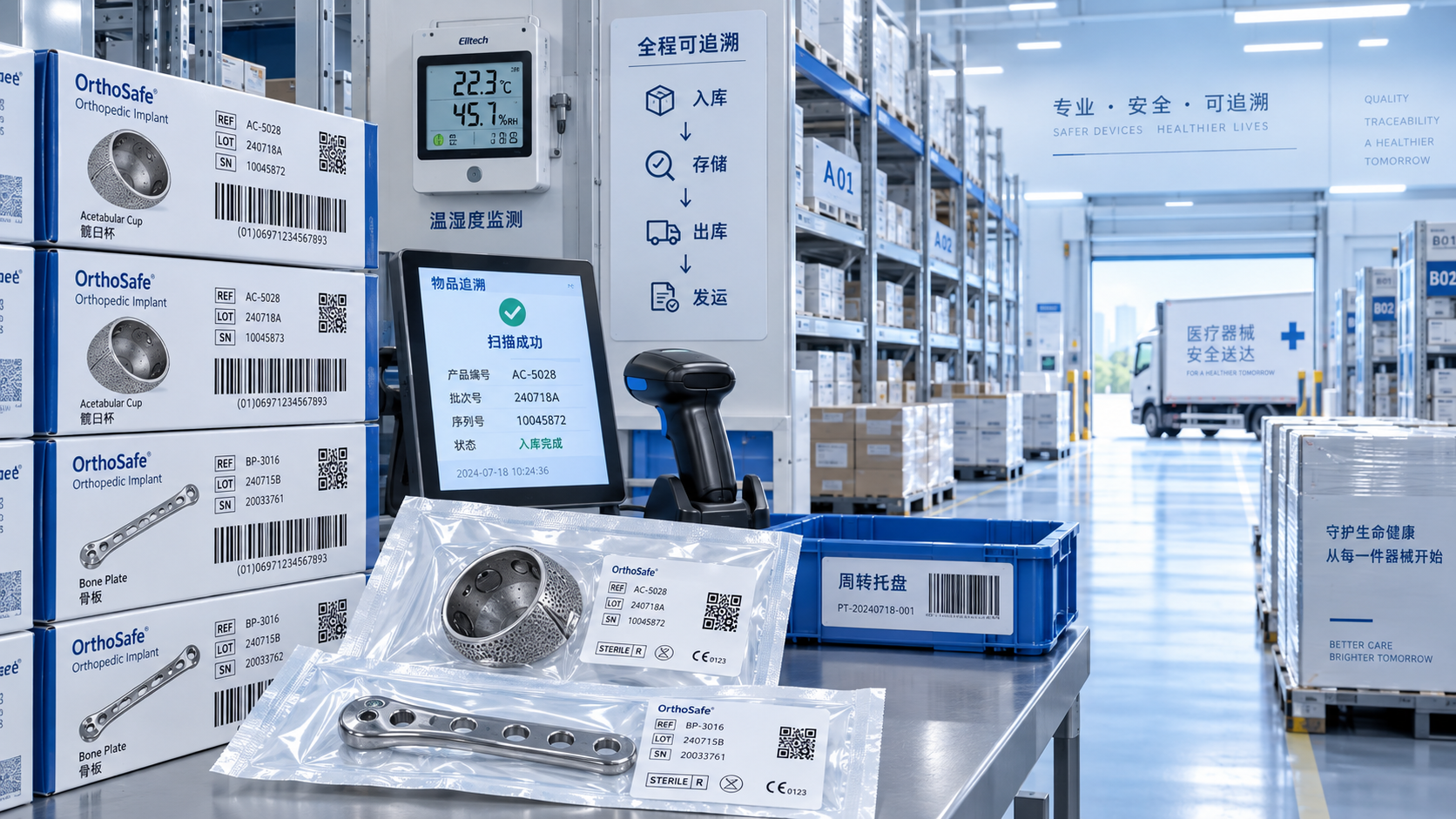
Packaging matters for a more practical reason as well: custom implants are often produced in lower volumes, under tighter scheduling, and with less room for rework. Any change in packaging materials, labels, or sterilization cycles can ripple back into the biological evaluation file. Experienced reviewers usually check whether these downstream controls are handled through change control rather than treated as a separate quality issue.
What technical evaluators usually watch for
In a solid submission, several things tend to line up clearly:
- device contact classification and intended duration are unambiguous;
- the biological evaluation plan is tied to ISO 10993 logic rather than copied from a different device family;
- test articles represent finished, worst-case, clinically relevant configurations;
- chemical characterization, cleaning validation, and manufacturing residual control support the test strategy;
- process validation shows that personalization stays inside a controlled manufacturing envelope;
- any reliance on literature or prior material history is used carefully, not as a blanket substitute for device-specific evidence.
By contrast, warning signs are usually familiar: polished witness coupons standing in for complex implants, no rationale for worst-case sample selection, vague powder reuse policies, or a biological test matrix that looks complete but has little connection to actual manufacturing risk.
Why this matters more under Class III scrutiny
For implantable devices, especially those falling into higher-risk regulatory pathways, biocompatibility is not reviewed in isolation. Under frameworks such as EU MDR and comparable Class III expectations elsewhere, it is read alongside clinical evaluation, risk management, materials data, and process validation. That is why specialist review functions in the market increasingly combine toxicology, clinical logic, and regulatory interpretation rather than treating them as separate checkboxes.
This broader view is also commercially relevant. In a procurement environment shaped by cost pressure and volume-based purchasing in some regions, the room for premium positioning often narrows to things that can be defended technically: better fit, stronger osseointegration logic, cleaner manufacturing controls, and a more reliable regulatory package. For custom 3D printed implants, biocompatibility evidence sits right in the middle of that defense.
A practical closing point
Custom 3D printed medical implants meet biocompatibility requirements when the manufacturer proves that the final, patient-facing device is biologically safe in its actual finished state, not merely in theory or by material association. If there is one useful habit for technical evaluation, it is to follow the chain from powder or polymer all the way to implanted article and ask, at each step, what new biological risk was introduced, changed, or controlled.
That approach tends to cut through marketing language very quickly. It also tends to identify the submissions that are genuinely ready for clinical and regulatory scrutiny.
Get weekly intelligence in your inbox.
No noise. No sponsored content. Pure intelligence.
News Recommendations
 Oct 06, 2026How ISO 10993 guides biocompatibility testing for medical materialsHow ISO 10993 guides biocompatibility testing for medical materials
 Oct 05, 2026How to verify an orthopedic implants and instruments exporterHow to verify an orthopedic implants and instruments exporter
 Oct 04, 2026What drives surgical stapling devices price differences in hospital tenders?What drives surgical stapling devices price differences in hospital tenders?
 Oct 03, 2026How to assess a central venous catheter manufacturer's infection-control evidenceHow to assess a central venous catheter manufacturer's infection-control evidence
 Oct 02, 2026How to assess an advanced wound care factory’s quality systemHow to assess an advanced wound care factory’s quality system
 Oct 01, 2026What is driving global medical consumables demand in emerging markets?What is driving global medical consumables demand in emerging markets?
 Sep 30, 2026Is Silicone Foam Dressing Suitable for Heavily Exuding Wounds?Is Silicone Foam Dressing Suitable for Heavily Exuding Wounds?
 Sep 30, 2026How Should Manufacturers Respond to a Biocompatibility Test Failure?How Should Manufacturers Respond to a Biocompatibility Test Failure?
 Sep 30, 2026What Is the Typical CE MDR Review Timeline for High-Risk Devices?What Is the Typical CE MDR Review Timeline for High-Risk Devices?
 Sep 30, 2026How Do FDA and CE MDR Requirements Differ for Implantable Devices?How Do FDA and CE MDR Requirements Differ for Implantable Devices?
 Sep 30, 2026What Are the Main Compliance Risks for Central Venous Access Catheters?What Are the Main Compliance Risks for Central Venous Access Catheters?
 Sep 30, 2026How Should a Surgical Stapler Manufacturer Prepare for a Compliance Audit?How Should a Surgical Stapler Manufacturer Prepare for a Compliance Audit?
 Sep 30, 2026How to assess an orthopedic implant solutions distributor’s traceability systemHow to assess an orthopedic implant solutions distributor’s traceability system
 Sep 29, 2026How a medical device registration strategy can reduce approval delaysHow a medical device registration strategy can reduce approval delays
 Sep 28, 2026How to verify a medical device specification database before useHow to verify a medical device specification database before use
 Sep 27, 2026What to verify before selecting a microcatheters manufacturerWhat to verify before selecting a microcatheters manufacturer
 Sep 26, 2026How to verify FDA compliance for medical device materialsHow to verify FDA compliance for medical device materials
 Sep 25, 2026When does a porous 3D-printed cranial implant improve fixation?When does a porous 3D-printed cranial implant improve fixation?
 Sep 24, 2026When are bovine pericardial valves suitable for transcatheter aortic valve replacement?When are bovine pericardial valves suitable for transcatheter aortic valve replacement?
 Sep 23, 2026How to verify the sterility assurance of surgical devicesHow to verify the sterility assurance of surgical devices
 Sep 22, 2026How to assess a spinal implants manufacturer’s quality systemHow to assess a spinal implants manufacturer’s quality system
 Sep 21, 2026How to assess an osseointegration technology manufacturer’s quality systemHow to assess an osseointegration technology manufacturer’s quality system
 Sep 20, 2026Medical material science trends reshaping biocompatibility testingMedical material science trends reshaping biocompatibility testing
 Sep 19, 2026What North American regulators expect in implant clinical evaluationsWhat North American regulators expect in implant clinical evaluations
 Sep 18, 2026When should plate and screw systems be selected for fracture fixation?When should plate and screw systems be selected for fracture fixation?
 Sep 17, 2026How a medical device sourcing strategy can reduce total acquisition costHow a medical device sourcing strategy can reduce total acquisition cost
 Sep 16, 2026When are silver foam burn care dressings appropriate for exuding burns?When are silver foam burn care dressings appropriate for exuding burns?