How Should Manufacturers Respond to a Biocompatibility Test Failure?
A Failed Result Is a Decision Point, Not a Retesting Task
A biocompatibility test failure should trigger immediate containment, a disciplined investigation, and a documented decision on whether the device remains safe to study, manufacture, ship, or submit. Repeating the same test on another sample may be appropriate later, but it is rarely an adequate first response. A failure can reflect a real patient-safety concern, an extraction or test-method issue, a change in manufacturing conditions, or a gap between the biological evaluation plan and the device’s actual clinical use.
For manufacturers of implants, cardiovascular devices, surgical consumables, catheters, and wound-care products, the first practical question is not simply “Did the test fail?” It is: what does this result say about the finished, clinically representative device and the patients who may be exposed to it? The answer determines whether the issue is a controlled laboratory anomaly, a correctable process deviation, or a design-level problem that can affect market access and patient risk.
That distinction matters especially for high-risk and long-contact devices. A cytotoxicity signal from a device extract, a sensitization concern linked to a coating, or an unexpected degradation-related response cannot be treated as a paperwork inconvenience. Conversely, an out-of-specification biological result does not automatically prove that the device is unsafe. Manufacturers need evidence strong enough to make that judgment defensible.
Contain the Affected Product Before Explaining the Failure
The response should begin with product and evidence control. Identify exactly which lots, components, materials, processes, sterilization cycles, packaging configurations, and suppliers are represented by the tested sample. Put potentially affected inventory under quality hold where the scope is uncertain. If the device has already been distributed, the company should escalate through its established post-market surveillance, complaint, vigilance, and recall assessment processes rather than waiting for an investigation to conclude.
Containment is often complicated because the tested article may not map cleanly to the commercial product. A laboratory may have received engineering samples, a non-final package configuration, a device made before a supplier change, or a sample exposed to atypical handling. That does not make the result irrelevant. It means traceability must be established before anyone decides that the failure is isolated.
- Preserve tested samples, retained samples, extraction records, raw laboratory data, photographs, and shipping records.
- Freeze the configuration baseline: bill of materials, drawings, specifications, batch records, sterilization parameters, cleaning steps, packaging records, and release results.
- Compare the test article against the currently marketed or intended submission configuration.
- Determine whether the same material or process family appears in other device lines.
- Open a formal nonconformance and assign cross-functional ownership across quality, regulatory, toxicology, engineering, manufacturing, and supplier quality.
A common mistake is allowing the failed sample to be replaced before its condition is fully documented. That can erase the best evidence of what happened, particularly when residues, particulate matter, packaging interactions, or coating defects are involved.
First Confirm What Actually Failed
Biocompatibility is not a single property and a “failed biocompatibility test” is not a single type of event. The meaning of the result depends on the endpoint, contact category, contact duration, extraction conditions, test system, controls, acceptance criteria, and relationship between the test article and final device.
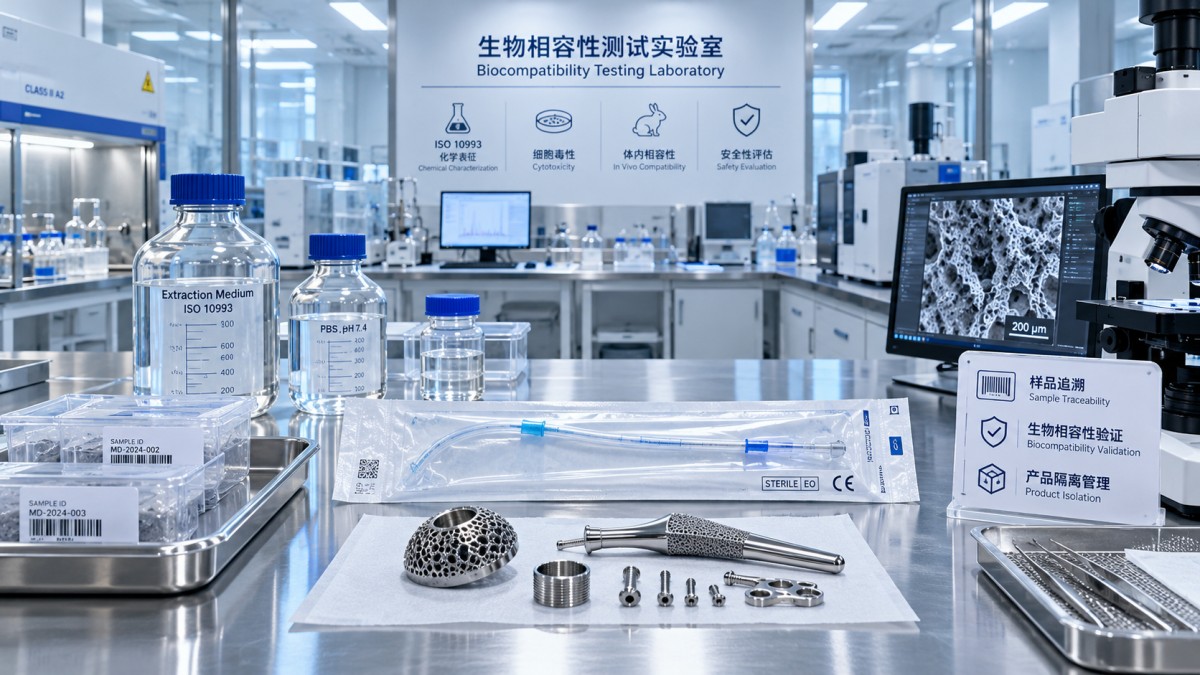
Under the ISO 10993 framework, biological evaluation is intended to be risk-based and endpoint-specific. A biological test result must therefore be interpreted within the broader evaluation of the finished device, its constituent materials, its manufacturing residues, and the nature of body contact. A positive cytotoxicity result from an aggressive extract, for example, calls for investigation but does not by itself establish a clinical harm profile. It may point to residual processing chemicals, sterilant-related compounds, ink, adhesive, lubricant, cleaning agent, degraded polymer, or an extraction condition that is not representative of use. The result still needs a scientifically supported explanation.
Start by reviewing the laboratory execution and the protocol against the intended test objective. Were the test article, extraction ratio, extraction medium, extraction temperature, extraction time, controls, and observation criteria appropriate? Was there an unexpected deviation in sample preparation, transport, storage, or laboratory handling? Were the negative and positive controls valid? Did the laboratory report an observation that crossed a threshold narrowly, or a severe response with a clear dose relationship?
Independence is important here. The testing laboratory should be asked for technical clarification and raw data review, but the manufacturer should avoid treating the laboratory as the sole owner of interpretation. The legal manufacturer remains responsible for the biological evaluation and for explaining why the evidence supports continued device safety.
Investigate the Device as It Is Actually Made
Once the test validity and sample identity are understood, the investigation should move upstream through the product lifecycle. In many cases, the material specified on a drawing is not the exposure source. The relevant source is the finished device after machining, molding, additive manufacturing, surface treatment, cleaning, assembly, packaging, aging, and sterilization.
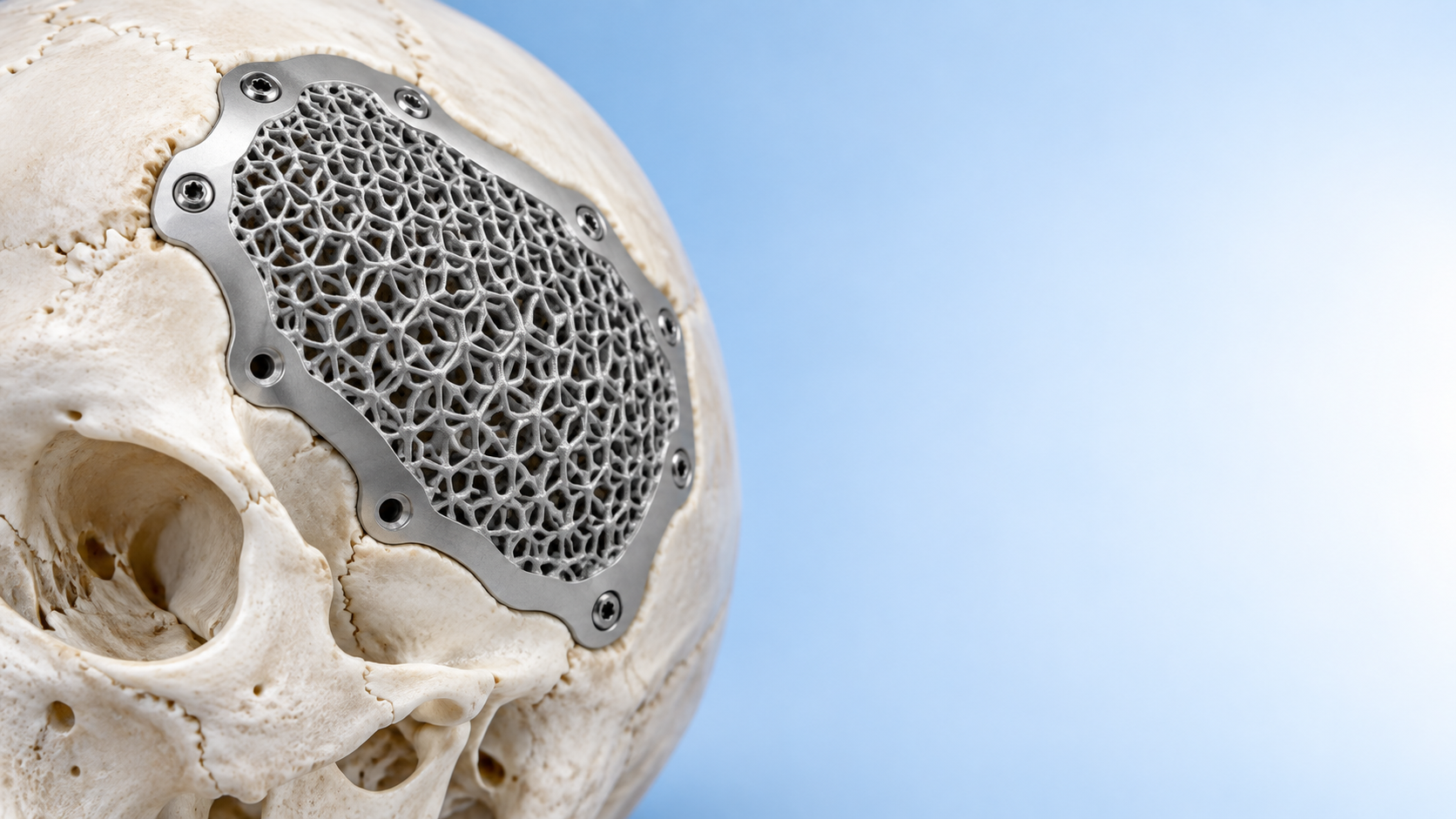
For metallic implants and surgical instruments, look beyond the nominal alloy. Surface treatments, blasting media, passivation chemistry, machining fluids, detergents, laser-marking residues, and particles generated during finishing can alter the biological profile. For 3D-printed or porous structures, powder removal and post-processing deserve particular attention because complex geometries can retain residues that are not present on simple coupon samples.
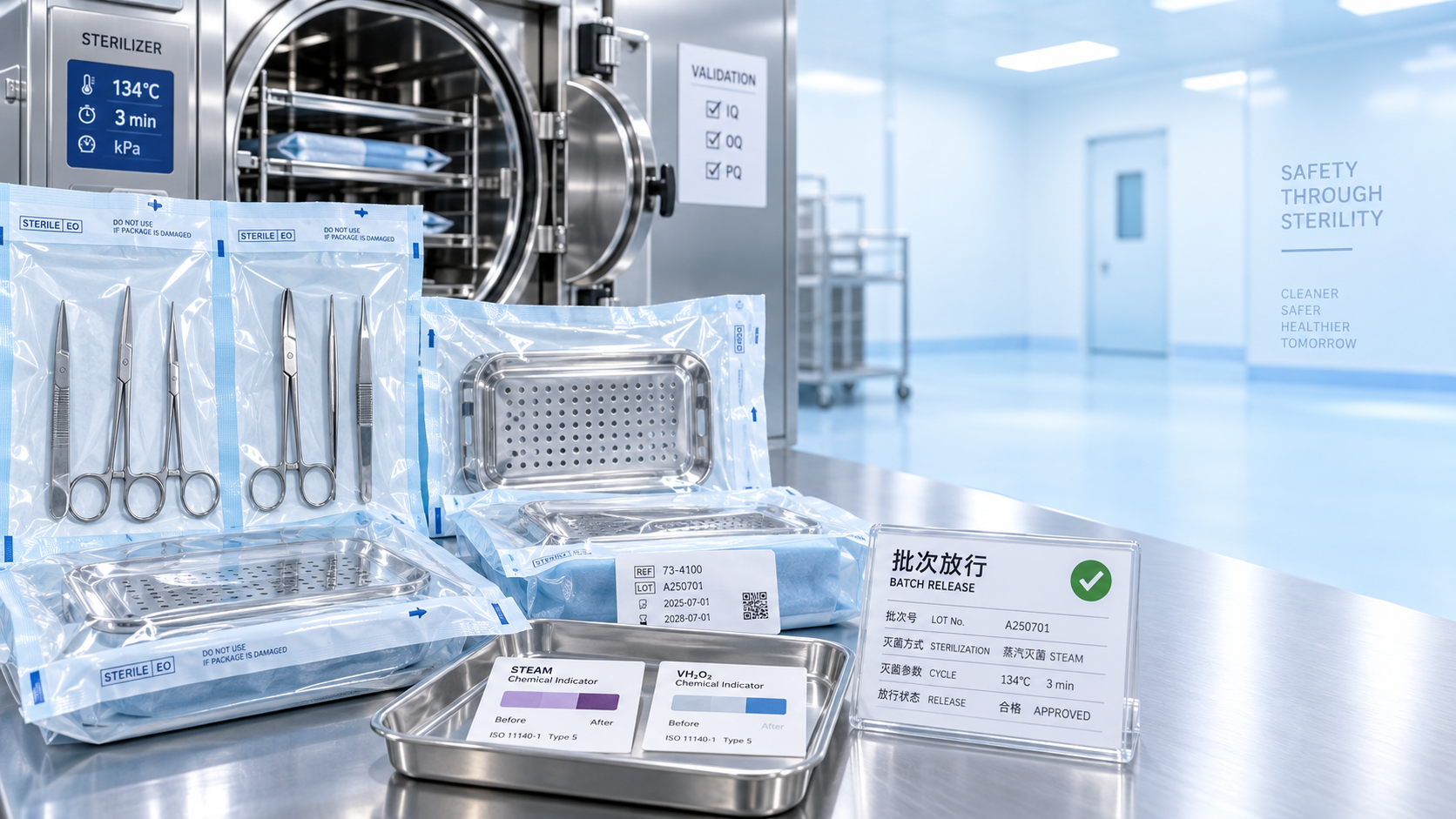
For polymer catheters, hydrophilic-coated devices, seals, and tubing assemblies, the investigation often needs to examine additives, colorants, plasticizers, residual monomers, curing agents, adhesives, and extractables from manufacturing aids. A coating can meet its functional requirements while still creating a biological risk if process control does not consistently remove or limit residuals. Sterilization can also change a polymer’s chemical profile, especially where radiation, heat, or reactive sterilants affect molecular structure or generate degradation products.
Packaging should not be excluded. Devices can acquire contaminants from packaging materials, printing inks, labels, pouches, trays, or shipping conditions. For a long-term implant or a cardiovascular device, even a small unanticipated chemical contributor may justify deeper chemical characterization and toxicological assessment because patient exposure can be prolonged or clinically consequential.
Use Change History to Narrow the Search
The most efficient investigations compare the failed article with a previously acceptable and clinically representative baseline. Ask what changed between them, including changes that were treated as operational rather than design changes. Supplier substitutions, revised cleaning chemistry, new equipment, altered cure times, modified drying conditions, transferred production lines, revised packaging, and sterilization requalification can all affect biocompatibility.
This review should also examine what did not formally change. A supplier may retain the same material designation while changing a catalyst, processing aid, or manufacturing site. A process may stay within its validated operating window yet drift toward conditions that increase residues. Incoming inspection based only on dimensional or mechanical criteria may not detect that shift.
Do Not Let Retesting Become a Search for a Passing Result
Retesting is justified when there is a documented reason to believe that the original result may not represent the device or that a specific assignable cause has been corrected. It is weak practice to keep submitting samples until one passes. Regulators and notified bodies can reasonably ask why the initial result occurred, what changed before retesting, and why the new result represents the marketed device better than the failed one.
A retest plan should state the purpose of the new work. It may be designed to confirm an identified laboratory or sample-preparation issue, compare affected and unaffected lots, verify the effectiveness of a manufacturing correction, or generate data for a revised biological risk assessment. The samples should be selected using a documented rationale, including worst-case materials, manufacturing conditions, sterilization state, aging condition, and patient-contact configuration.
In some situations, chemical characterization and toxicological risk assessment provide more useful evidence than repeating a broad biological test without a hypothesis. If testing points to a potential residual compound, the manufacturer may need to identify and quantify that compound, estimate patient exposure under intended use, and assess the toxicological significance of that exposure. This work should be led by appropriately qualified toxicology expertise and integrated with the device’s risk management file.
That approach does not reduce the standard of evidence. It improves relevance. For products with complex material systems, a well-supported assessment can distinguish a detectable chemical from a toxicologically meaningful exposure. It can also reveal when the only credible path is process redesign or material replacement.
Choose the Corrective Action at the Right Level
The corrective action should match the root cause. A cleaning validation issue requires a different response from a fundamentally unsuitable material, and a packaging contaminant requires a different response from a coating formulation that generates biologically concerning leachables after sterilization.
Where the root cause is process-related, manufacturers may need to revise process parameters, improve rinsing or drying, set tighter residue limits, add analytical release controls, qualify new cleaning agents, or strengthen supplier specifications. Where the issue is linked to a material or additive, the change may affect mechanical performance, shelf life, sterilization compatibility, manufacturability, and clinical performance. A material substitution should never be treated as a narrow biocompatibility fix without reassessing those connected risks.
For coated catheters, drug-device combinations, porous implants, and absorbable or tissue-regeneration materials, design remediation can trigger substantial re-evaluation because the biological profile is tied to function. Reducing a coating residue may affect lubricity. Changing a polymer grade may affect flexibility or burst resistance. Altering a porous implant surface may affect fixation behavior or particulate generation. Quality and engineering teams should define success criteria that protect both biological safety and intended performance.
Corrective action also needs effectiveness verification. A revised work instruction or supplier corrective action is not proof that the biological concern is resolved. The verification strategy should show that the source has been controlled consistently and that the finished device remains representative of the product that will be released.
Build a Regulatory Narrative Before the Submission Reviewer Does
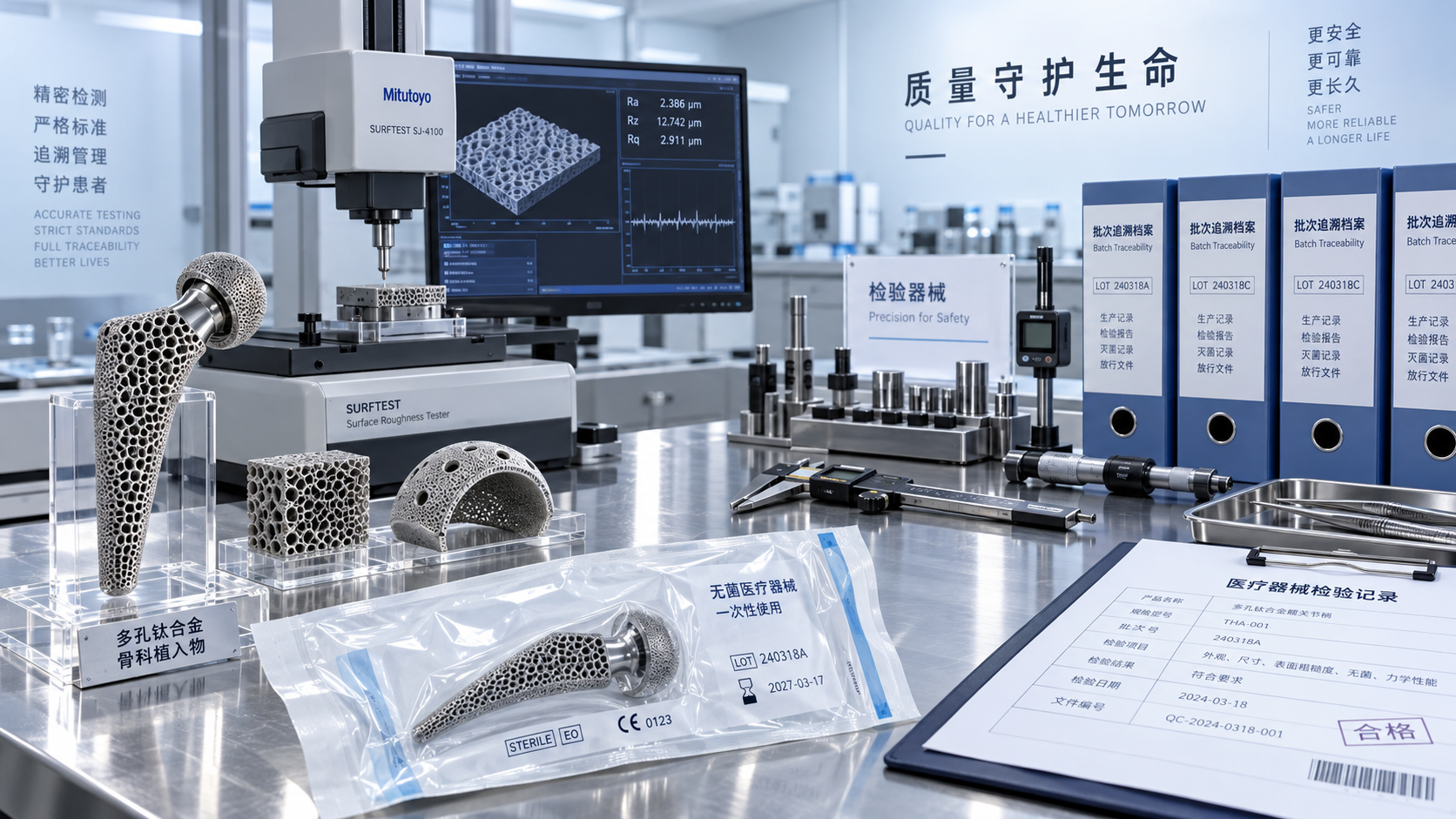
A failed result will be easier to defend when the file tells a coherent chronological story: what was observed, how product scope was contained, how the test was evaluated, what root cause was established or reasonably excluded, what changes were made, and why the final biological evaluation supports an acceptable benefit-risk profile.
The documentation should connect the test report to the biological evaluation plan, risk management records, chemical characterization where relevant, verification evidence, design and process change controls, supplier controls, and clinical evaluation materials for higher-risk devices. It should also address whether the event affects products already placed on the market and whether additional post-market review is needed.
Gaps between these documents create avoidable regulatory risk. For example, a corrective action may be described in a manufacturing record but never reflected in the biological evaluation. Or a toxicological assessment may assume a finished-device configuration that differs from the actual sterilized, aged product. Reviewers tend to focus on these disconnects because they call the representativeness of the safety evidence into question.
Manufacturers should be candid about the failed result while keeping the explanation evidence-based. Omitting unfavorable data, relabeling it as “non-representative” without proof, or treating a passing retest as sufficient closure can undermine confidence in the entire submission. A transparent record of the failure and its resolution is usually more credible than an artificially clean test history.
Prevent the Next Failure Through Better Biological Evaluation Control
The durable lesson from a biocompatibility test failure is usually found before the next test is scheduled. Biological evaluation should be connected to design controls and change management from the beginning, particularly where material suppliers, coatings, sterilization, cleaning, or packaging can introduce chemical variability.
Before a material or process change reaches verification, teams should ask whether it alters patient contact, chemical composition, degradation behavior, residue profile, or the validity of existing biological evidence. That assessment needs input from engineering and manufacturing, not only regulatory affairs. It is far less costly to identify a new adhesive, detergent, additive, or sterilization condition as biologically relevant during change review than after a formal test failure delays a submission or product release.
A failed result therefore deserves urgency, but not panic. Preserve the evidence, protect the product population, determine whether the test reflects a real exposure, correct the source at the appropriate level, and document the scientific logic from failure through closure. That sequence gives manufacturers the strongest basis for restoring compliance without treating patient safety or device performance as negotiable.
Get weekly intelligence in your inbox.
No noise. No sponsored content. Pure intelligence.
News Recommendations
 Oct 05, 2026How to verify an orthopedic implants and instruments exporterHow to verify an orthopedic implants and instruments exporter
 Oct 04, 2026What drives surgical stapling devices price differences in hospital tenders?What drives surgical stapling devices price differences in hospital tenders?
 Oct 03, 2026How to assess a central venous catheter manufacturer's infection-control evidenceHow to assess a central venous catheter manufacturer's infection-control evidence
 Oct 02, 2026How to assess an advanced wound care factory’s quality systemHow to assess an advanced wound care factory’s quality system
 Oct 01, 2026What is driving global medical consumables demand in emerging markets?What is driving global medical consumables demand in emerging markets?
 Sep 30, 2026How Should Manufacturers Respond to a Biocompatibility Test Failure?How Should Manufacturers Respond to a Biocompatibility Test Failure?
 Sep 30, 2026What Is the Typical CE MDR Review Timeline for High-Risk Devices?What Is the Typical CE MDR Review Timeline for High-Risk Devices?
 Sep 30, 2026How Do FDA and CE MDR Requirements Differ for Implantable Devices?How Do FDA and CE MDR Requirements Differ for Implantable Devices?
 Sep 30, 2026What Are the Main Compliance Risks for Central Venous Access Catheters?What Are the Main Compliance Risks for Central Venous Access Catheters?
 Sep 30, 2026How Should a Surgical Stapler Manufacturer Prepare for a Compliance Audit?How Should a Surgical Stapler Manufacturer Prepare for a Compliance Audit?
 Sep 30, 2026How to assess an orthopedic implant solutions distributor’s traceability systemHow to assess an orthopedic implant solutions distributor’s traceability system
 Sep 29, 2026How a medical device registration strategy can reduce approval delaysHow a medical device registration strategy can reduce approval delays
 Sep 28, 2026How to verify a medical device specification database before useHow to verify a medical device specification database before use
 Sep 27, 2026What to verify before selecting a microcatheters manufacturerWhat to verify before selecting a microcatheters manufacturer
 Sep 26, 2026How to verify FDA compliance for medical device materialsHow to verify FDA compliance for medical device materials
 Sep 25, 2026When does a porous 3D-printed cranial implant improve fixation?When does a porous 3D-printed cranial implant improve fixation?
 Sep 24, 2026When are bovine pericardial valves suitable for transcatheter aortic valve replacement?When are bovine pericardial valves suitable for transcatheter aortic valve replacement?
 Sep 23, 2026How to verify the sterility assurance of surgical devicesHow to verify the sterility assurance of surgical devices
 Sep 22, 2026How to assess a spinal implants manufacturer’s quality systemHow to assess a spinal implants manufacturer’s quality system
 Sep 21, 2026How to assess an osseointegration technology manufacturer’s quality systemHow to assess an osseointegration technology manufacturer’s quality system
 Sep 20, 2026Medical material science trends reshaping biocompatibility testingMedical material science trends reshaping biocompatibility testing
 Sep 19, 2026What North American regulators expect in implant clinical evaluationsWhat North American regulators expect in implant clinical evaluations
 Sep 18, 2026When should plate and screw systems be selected for fracture fixation?When should plate and screw systems be selected for fracture fixation?
 Sep 17, 2026How a medical device sourcing strategy can reduce total acquisition costHow a medical device sourcing strategy can reduce total acquisition cost
 Sep 16, 2026When are silver foam burn care dressings appropriate for exuding burns?When are silver foam burn care dressings appropriate for exuding burns?
 Sep 15, 2026What drives medical device category pricing in value-based purchasing?What drives medical device category pricing in value-based purchasing?
 Sep 14, 2026High value consumables insights for evaluating total cost of careHigh value consumables insights for evaluating total cost of care