How to verify the sterility assurance of surgical devices
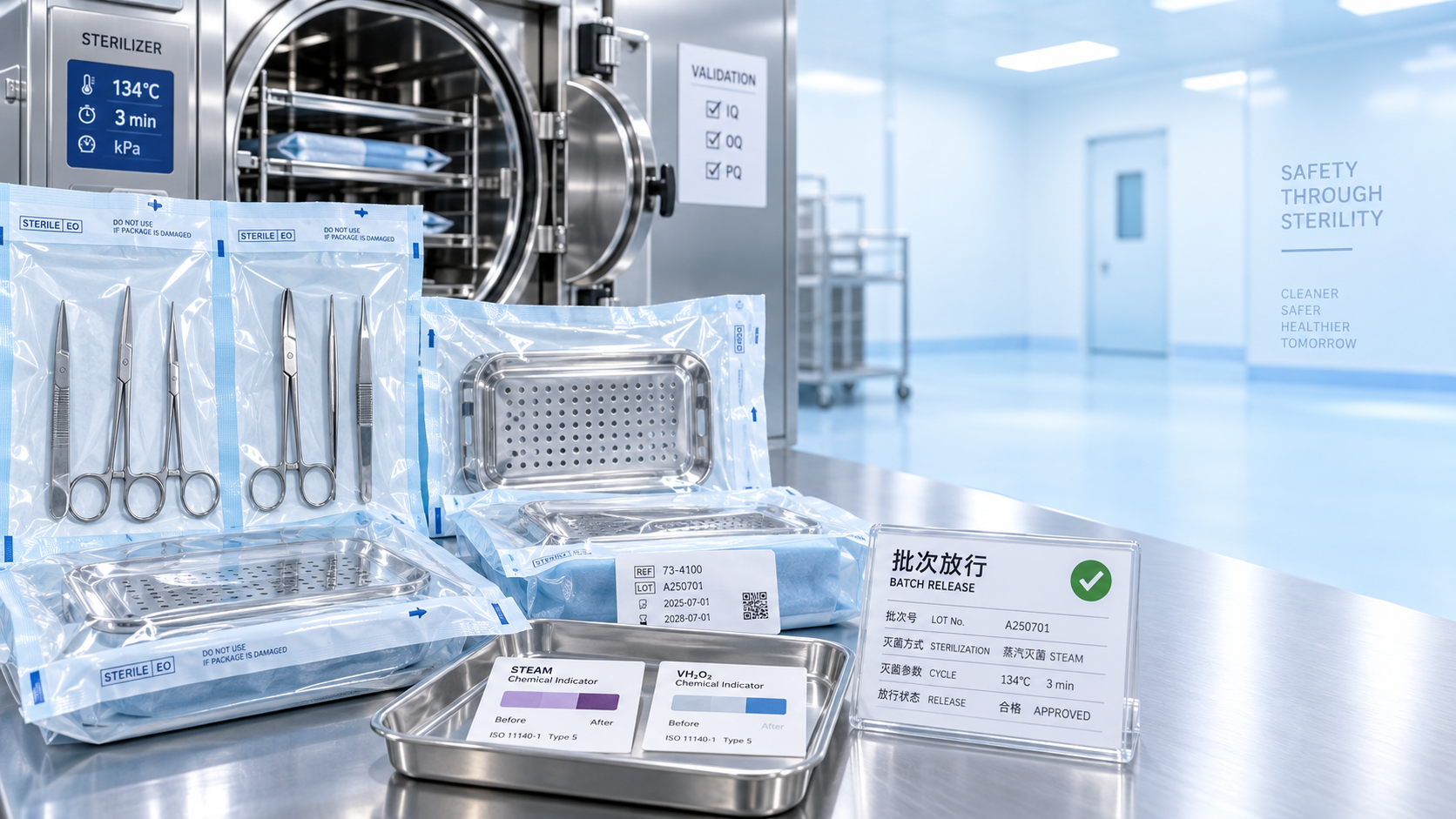
A sterile barrier label and a passing sterility test do not, by themselves, verify sterility assurance. The defensible conclusion is built from evidence that the device was manufactured under control, exposed to a validated sterilization process, protected by an intact packaging system, and released through documented quality-system decisions. When any link is weak—such as a damaged seal, an unapproved load configuration, an unexplained bioburden increase, or a missing cycle record—the sterility claim may no longer be supportable.
This becomes especially important when a quality or safety team is reviewing a release batch, investigating a packaging complaint, qualifying a contract sterilizer, or assessing a device after a process change. To verify sterile surgical devices, start with the sterilization process and trace forward through packaging, handling, release records, and distribution conditions. Sterility assurance is evidence of sustained process control, not a property that can be fully proven by testing a few finished units.
Start with the intended sterile claim
Before reviewing test reports, establish exactly what the manufacturer claims and how the device reaches its sterile state. A reusable surgical instrument sterilized by the healthcare facility requires different evidence from a single-use device supplied sterile by the manufacturer. This article focuses mainly on terminally sterilized, prepackaged devices, but the same discipline applies to reusable products: the validated instructions, cleaning conditions, packaging configuration, and sterilizer parameters must match the intended use.
The quality record should clearly identify:
- the device family, materials, dimensions, and most difficult-to-sterilize configuration;
- the sterilization modality, such as ethylene oxide, radiation, moist heat, or another justified method;
- the intended sterility assurance level (SAL), where applicable;
- the approved packaging system and load arrangement;
- the lot or batch identity, sterilization cycle, and release status; and
- any limits on shelf life, storage, transport, or reprocessing.
A common review error is accepting evidence from a similar product without confirming equivalence. A longer lumen, denser implant tray, absorbent dressing component, higher polymer mass, different pouch material, or altered carton pattern can change how a sterilant or radiation dose reaches the product. “Same device family” is not enough unless the validation rationale shows why the reviewed product represents an equal or lower challenge.
Confirm that the sterilization process was validated for the actual device
Validation demonstrates that a defined process consistently achieves its intended microbial lethality without making the device or its packaging unacceptable for use. The applicable method depends on the modality. Commonly referenced frameworks include ISO 11135 for ethylene oxide, ISO 11137 for radiation, ISO 17665 for moist heat, ISO 11737 for bioburden and sterility testing, and ISO 11607 for packaging of terminally sterilized medical devices. Local regulatory requirements and the device’s market authorization may add further obligations.
For a release review, do not treat a validation report as a historical formality. Check whether it remains applicable to the current manufacturing state. The most useful questions are practical:
- Was the validated cycle run with the approved device configuration and maximum validated load?
- Are the sterilizer, chamber, dose range, aeration conditions, or contract sterilization site unchanged?
- Have materials, suppliers, assembly methods, lubricants, coatings, adhesives, or packaging dimensions changed?
- Was the current cycle within all approved process limits?
- Were deviations evaluated before release rather than closed administratively after the fact?
Ethylene oxide processes require attention beyond exposure time and temperature. Humidity conditioning, gas concentration, pressure transitions, product temperature, and aeration all affect the cycle. A completed printout alone does not demonstrate conformity unless the records show that the validated parameters and load conditions were met. Residual sterilant controls also matter because a device can be microbiologically treated yet still be unsuitable for patient use if residual limits are not adequately addressed.
For radiation sterilization, verification commonly depends on an approved dose specification, dose mapping, dosimeter placement, routine dose measurement, and established audit practices. A change in product density, pallet geometry, source arrangement, or irradiation facility can affect the delivered minimum and maximum dose. For moist heat, the review should focus on temperature, time, pressure, steam quality where relevant, air removal, load pattern, and evidence that the most difficult locations attained the validated conditions.
Do not confuse sterility testing with sterility assurance
Finished-product sterility tests can be useful as part of a validation or investigation strategy, but they have inherent sampling limits. A negative result means the tested units showed no growth under the test conditions; it does not prove every unit in a large batch is sterile. Conversely, a positive result requires careful investigation because it may result from laboratory contamination, poor aseptic technique, damaged packaging, or a genuine process failure.
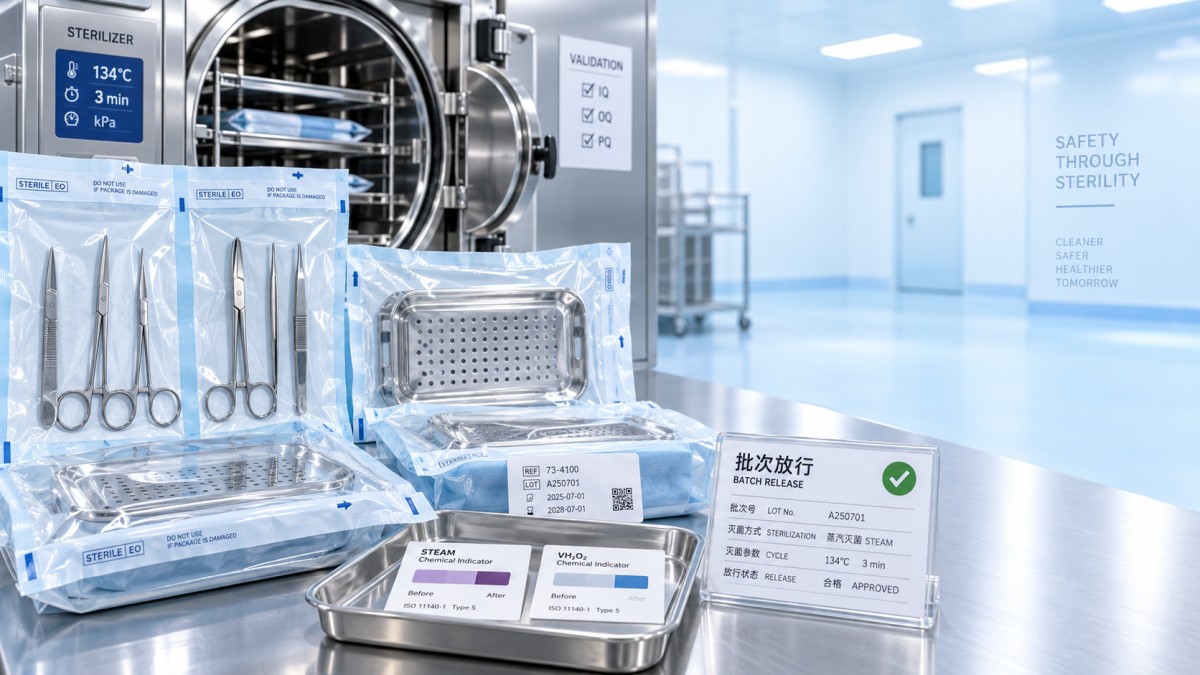
For routine assurance, process controls are generally more informative than relying on end-product sterility testing. These controls can include validated cycle parameters, biological indicators when used within the approved approach, chemical indicators where appropriate, dosimetry for radiation, physical monitoring, bioburden trending, and load-release review. The exact combination should be justified by the validated method and the organization’s procedures.
When a sterility test is performed, reviewers should verify the test method, sample traceability, incubation conditions, growth-promotion controls, laboratory controls, and investigation path for any unexpected result. Retesting until a desired result appears is not a valid resolution. The original observation must remain part of the quality record, and the investigation must distinguish between an assignable laboratory issue and a possible manufacturing or sterilization problem.
Assess bioburden as an early warning signal
Bioburden is the population of viable microorganisms present on a product before sterilization. It does not directly equal sterility risk, because microbial resistance, recovery method, device geometry, and sterilization modality also matter. Still, a stable and appropriately controlled bioburden program is a central piece of sterility assurance.
Review trends rather than isolated values. An increase may arise from a change in raw-material handling, cleaning effectiveness, assembly environment, operator practices, water quality, extended work-in-process hold time, or a supplier’s packaging condition. A value within an alert or action framework can still deserve review when it represents an abrupt departure from the normal manufacturing pattern.
The method also needs scrutiny. Devices with intricate serrations, lumens, porous surfaces, textile components, or absorbent wound-care layers may make microbial recovery difficult. The selected extraction, agitation, flushing, or sonication method should be suitable for the product and supported by recovery-efficiency work. If recovery is poor, a low reported bioburden may only show that the method is failing to remove organisms from the device.
Examine the sterile barrier system, not merely the outer carton
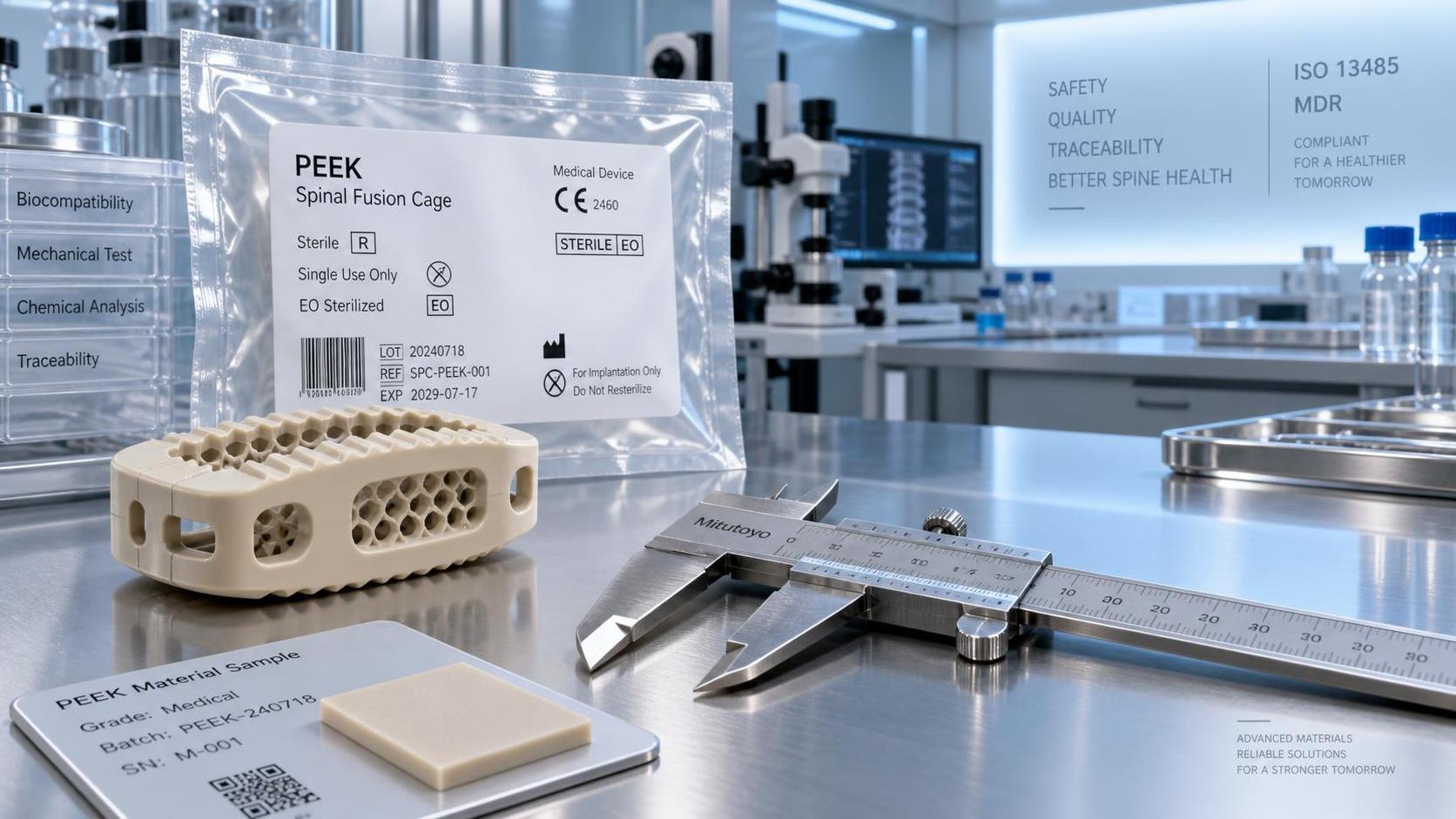
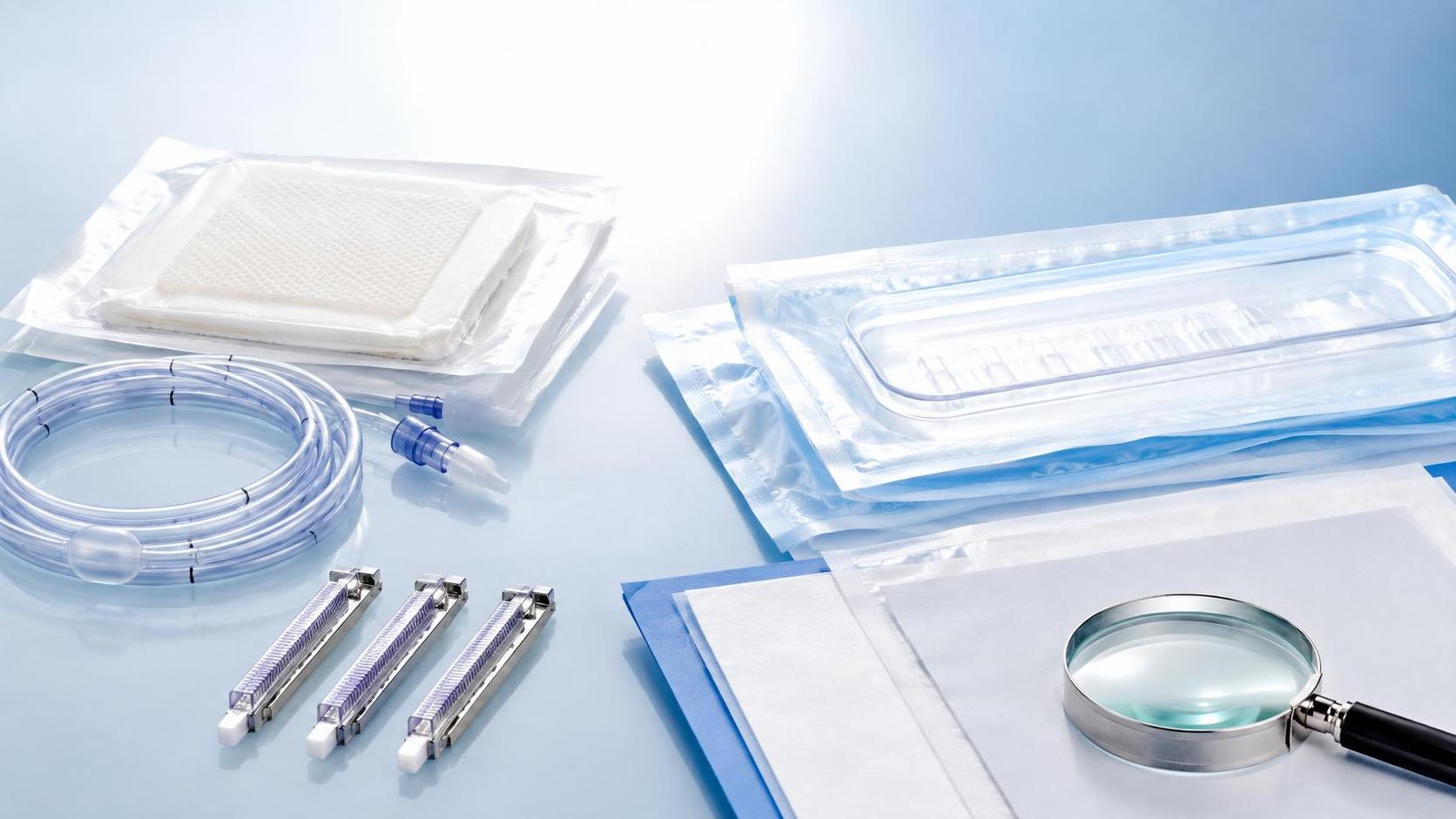
A correctly sterilized device can lose its sterile state after processing if the sterile barrier system is compromised. The critical package may be a pouch, tray-and-lid configuration, rigid container, wrap, or another validated system. Shipping cartons provide protection, but they are not normally the primary sterile barrier.
During incoming, in-process, and final inspection, look for channel leaks, incomplete seals, wrinkles crossing seal areas, punctures, pinholes, delamination, seal contamination, excessive seal width variation, and tray damage. Visual inspection can identify obvious defects, but it cannot detect every leak mechanism. Packaging validation and routine monitoring should establish suitable methods for seal strength, integrity, and process control based on the package design and risk profile.
Shelf-life evidence is also part of the packaging assessment. A labeled expiry date should be supported by a documented rationale and package performance data appropriate to the claimed storage period. Distribution simulation or transport evaluation is relevant because compression, vibration, temperature cycling, and handling damage can affect package integrity even where the original manufacturing seals were acceptable.
Follow the batch record from assembly to release
A traceable device history record is where separate controls become a release decision. The reviewer should be able to connect the finished lot to incoming materials, assembly or cleaning records, environmental controls, packaging operations, sterilization load records, test data, deviations, and final approval. Gaps in traceability do not automatically prove contamination, but they prevent a confident conclusion that the product was controlled as intended.
Useful batch review questions include:
- Was the product made under the currently approved manufacturing instructions and specifications?
- Were cleaning, drying, and handling steps completed before packaging, particularly for devices with joints, lumens, or residual-process-fluid risk?
- Did line clearance and label reconciliation prevent mix-ups between sterile and nonsterile product?
- Were all sterilization records linked to the correct product lot and load configuration?
- Were environmental-monitoring excursions, equipment alarms, or maintenance events evaluated for their potential product impact?
- Did an authorized person review open deviations, nonconformances, and change controls before disposition?
Environmental monitoring is often misread as a substitute for product assurance. Cleanroom or controlled-area data provide evidence about the manufacturing environment, but acceptable counts do not override a failed sterilization parameter or damaged package. Their value is in trend detection and investigation: recurring microbial recovery near an assembly station, for example, may point to cleaning, airflow, personnel practice, or material-transfer issues that could elevate pre-sterilization risk.
Handle changes as potential sterilization changes
Changes that seem minor on an engineering drawing can have a meaningful effect on sterile surgical devices. A new adhesive can change ethylene oxide absorption and aeration behavior. A thicker tray can alter radiation attenuation. A revised instrument holder can create a harder-to-reach location for steam or gas. A new cleaning chemistry may leave residues or alter the starting bioburden.
Change control should require a documented impact assessment across sterilization, packaging, biocompatibility, functional performance, labeling, and shelf life. The conclusion may be that no revalidation is required, that targeted verification is sufficient, or that partial or full requalification is needed. What matters is that the decision is technically justified, approved before implementation where possible, and supported by objective evidence rather than assumptions about similarity.
When a sterility concern is found after release
Complaints involving a broken seal, wet package, missing sterilization indicator where one is expected, suspected wrong labeling, or post-market contamination concern should trigger controlled containment. Identify the affected lot, distribution status, related loads, and potentially similar configurations. Preserve samples and records before destructive examination. The investigation should consider whether the issue is isolated to handling, linked to packaging manufacture, associated with a sterilization deviation, or indicative of a broader system failure.
Do not declare a package sterile again based solely on appearance after a barrier breach. Likewise, do not assume that a complaint is harmless because another retained sample looks acceptable. The appropriate disposition depends on the device’s validated packaging system, the nature and extent of the defect, traceability, and documented risk assessment. Where evidence cannot support the original sterile claim, the product should remain segregated pending the organization’s formal quality and regulatory decision process.
Questions that arise during release review
Does an intact package guarantee sterility?
No. An intact package supports maintenance of sterility, but it cannot compensate for an unvalidated or nonconforming sterilization cycle. Both the process evidence and package evidence are required.
Can a device be released when one routine monitoring record is missing?
A missing record is a quality-system deviation, not a paperwork detail. Release should depend on whether the missing evidence can be reconstructed through controlled records and whether the validated release requirements were still demonstrably met. If they cannot be demonstrated, the sterile claim should not be assumed.
When should packaging integrity be re-evaluated?
Re-evaluation is appropriate after changes to materials, sealing equipment, seal settings, package dimensions, sterilization conditions, distribution configuration, or shelf-life claims, and when complaint or trend data suggest a loss of barrier performance.
Get weekly intelligence in your inbox.
No noise. No sponsored content. Pure intelligence.
News Recommendations
 Sep 23, 2026How to verify the sterility assurance of surgical devicesHow to verify the sterility assurance of surgical devices
 Sep 22, 2026How to assess a spinal implants manufacturer’s quality systemHow to assess a spinal implants manufacturer’s quality system
 Sep 21, 2026How to assess an osseointegration technology manufacturer’s quality systemHow to assess an osseointegration technology manufacturer’s quality system
 Sep 20, 2026Medical material science trends reshaping biocompatibility testingMedical material science trends reshaping biocompatibility testing
 Sep 19, 2026What North American regulators expect in implant clinical evaluationsWhat North American regulators expect in implant clinical evaluations
 Sep 18, 2026When should plate and screw systems be selected for fracture fixation?When should plate and screw systems be selected for fracture fixation?
 Sep 17, 2026How a medical device sourcing strategy can reduce total acquisition costHow a medical device sourcing strategy can reduce total acquisition cost
 Sep 16, 2026When are silver foam burn care dressings appropriate for exuding burns?When are silver foam burn care dressings appropriate for exuding burns?
 Sep 15, 2026What drives medical device category pricing in value-based purchasing?What drives medical device category pricing in value-based purchasing?
 Sep 14, 2026High value consumables insights for evaluating total cost of careHigh value consumables insights for evaluating total cost of care
 Sep 13, 2026What a medical device market insights platform reveals about market accessWhat a medical device market insights platform reveals about market access
 Sep 12, 2026When are collagen-based tissue healing materials suitable for wound care?When are collagen-based tissue healing materials suitable for wound care?
 Sep 11, 2026How catheter material selection affects total cost of ownershipHow catheter material selection affects total cost of ownership
 Sep 10, 2026What FDA clearance means for medical grade PEEK implantsWhat FDA clearance means for medical grade PEEK implants
 Sep 09, 2026When do hydrogel wound healing technologies suit dry wounds?When do hydrogel wound healing technologies suit dry wounds?
 Sep 07, 2026How to assess medical consumables for surgical useHow to assess medical consumables for surgical use
 Sep 07, 2026How to verify CE MDR compliance for single-use medical consumablesHow to verify CE MDR compliance for single-use medical consumables
 Sep 05, 2026How to evaluate an antithrombotic catheter factory for qualityHow to evaluate an antithrombotic catheter factory for quality
 Sep 04, 2026When do minimally invasive surgical staplers improve GI access?When do minimally invasive surgical staplers improve GI access?
 Sep 03, 2026When are foam moist wound healing dressings appropriate for exuding wounds?When are foam moist wound healing dressings appropriate for exuding wounds?
 Sep 02, 2026How implant pricing affects access to advanced medical careHow implant pricing affects access to advanced medical care
 Sep 01, 2026What is driving price pressure in the North American medical consumables market?What is driving price pressure in the North American medical consumables market?
 Aug 31, 2026Comparing medical devices in Southeast Asia when market access differsComparing medical devices in Southeast Asia when market access differs
 Aug 30, 2026When are 3D printed PEEK implants suitable for spinal reconstruction?When are 3D printed PEEK implants suitable for spinal reconstruction?
 Aug 29, 2026How global medical device regulations shape clinical evidence requirementsHow global medical device regulations shape clinical evidence requirements
 Aug 28, 2026How to verify a burn care dressings exporter meets EU MDR requirementsHow to verify a burn care dressings exporter meets EU MDR requirements
 Aug 27, 2026How to verify a diabetic foot wound care supplier’s clinical evidenceHow to verify a diabetic foot wound care supplier’s clinical evidence