How global medical device regulations shape clinical evidence requirements
Global medical device regulations decide what counts as convincing clinical evidence before a device reaches patients. They influence study design, the acceptability of literature, the depth of biological safety testing, post-market follow-up, and even the wording of performance claims. For high-risk implants, cardiovascular interventions, surgical consumables, and advanced wound-care products, a technically sound device can still face regulatory delay if its evidence package does not answer the right clinical questions.
The practical point is simple: evidence is not a document produced at the end of development. It is a traceable argument built from the first design inputs through risk management, verification, validation, clinical evaluation, and post-market surveillance. The argument must fit the device, its intended use, its level of invasiveness, the duration of contact with the body, and the market where it will be placed.
How Global Medical Device Regulations Define “Enough” Evidence
There is no universal evidence threshold that applies to every medical device. Global medical device regulations share a common objective, protecting patients through demonstrated safety and performance, but they differ in how they expect manufacturers to prove that case.
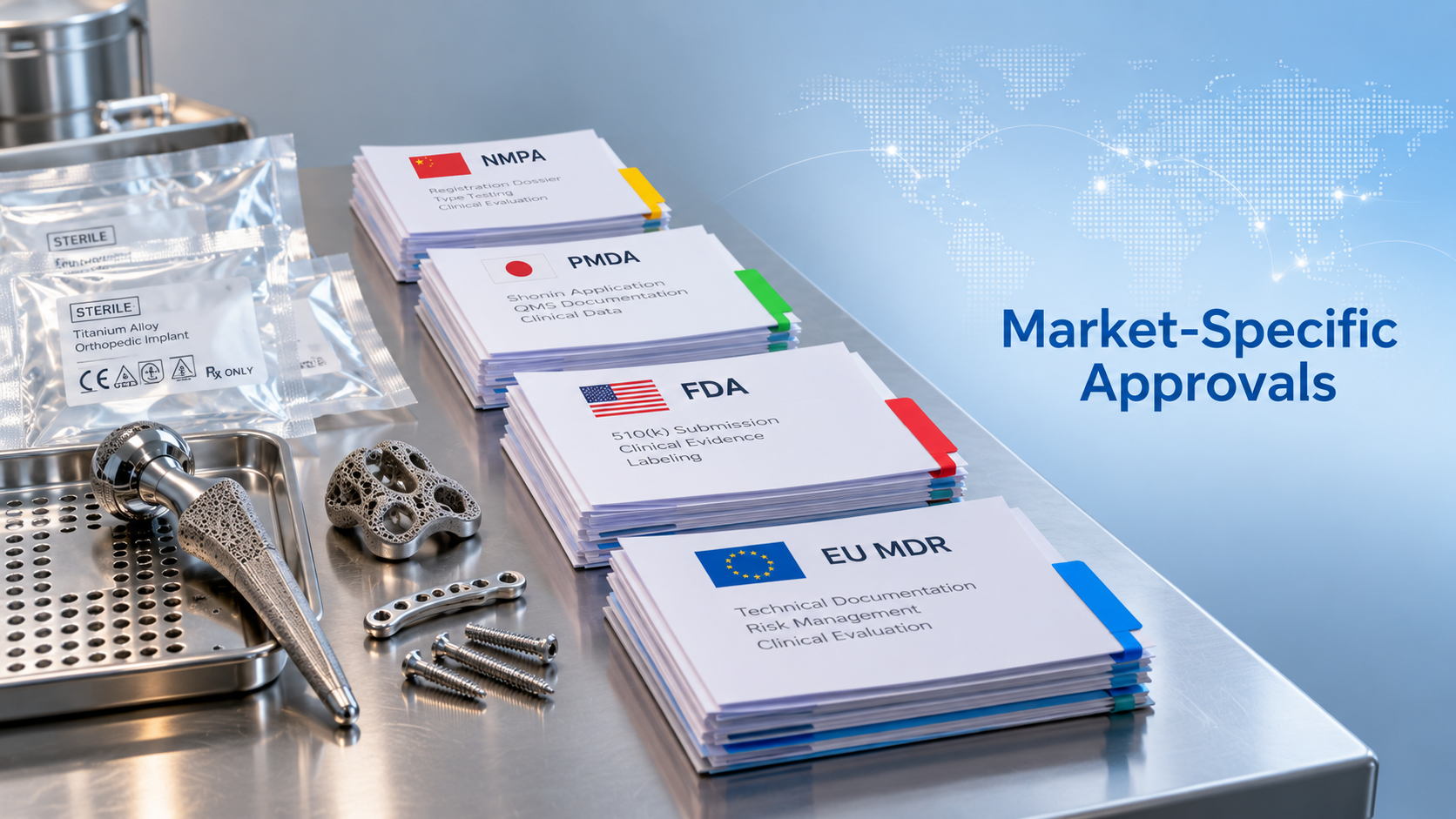
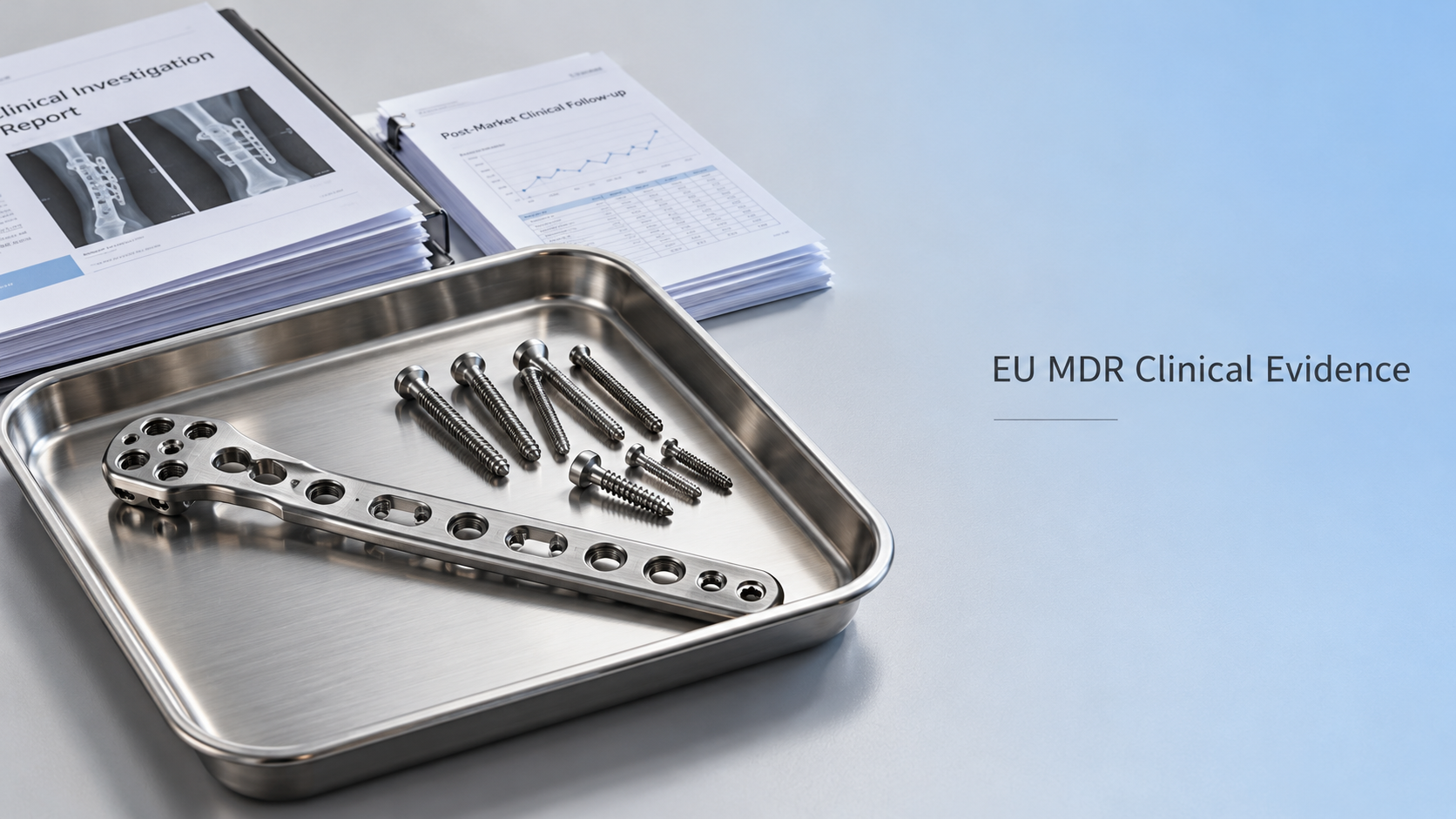
In the European Union, the Medical Device Regulation (EU MDR) requires a clinical evaluation supported by sufficient clinical evidence. For many higher-risk products, particularly implantable and Class III devices, notified bodies expect a robust demonstration of clinical safety, clinical performance, and a favorable benefit-risk profile throughout the device lifecycle. A Clinical Evaluation Report is not merely a literature summary. It must connect the device’s intended purpose, state of the art, risk controls, clinical data, and post-market information into one coherent justification.
In the United States, FDA pathways can lead to different evidence expectations. A device cleared through the 510(k) process must demonstrate substantial equivalence to a legally marketed predicate, while Premarket Approval applications generally require a more independent demonstration of reasonable assurance of safety and effectiveness. The terminology differs from EU MDR, but the underlying question remains familiar: does the available evidence support the proposed indication and the claimed performance under realistic conditions of use?
Other jurisdictions may recognize elements of these systems, adopt International Medical Device Regulators Forum principles, or impose local registration requirements. This does not mean a dossier can be copied unchanged from one region to another. The same test report may be useful in several submissions; the clinical rationale, labeling claims, and regulatory framing often cannot be transferred without review.
A useful working rule is this: the higher the uncertainty, invasiveness, novelty, and consequence of failure, the more direct and device-specific the clinical evidence usually needs to be.
Start With the Device’s Real Risk Profile, Not Its Commercial Category
Teams often begin with a broad label such as “orthopedic implant” or “vascular catheter.” That is too general to define an evidence strategy. The clinical evidence requirement changes when the intended use changes by even a small amount.
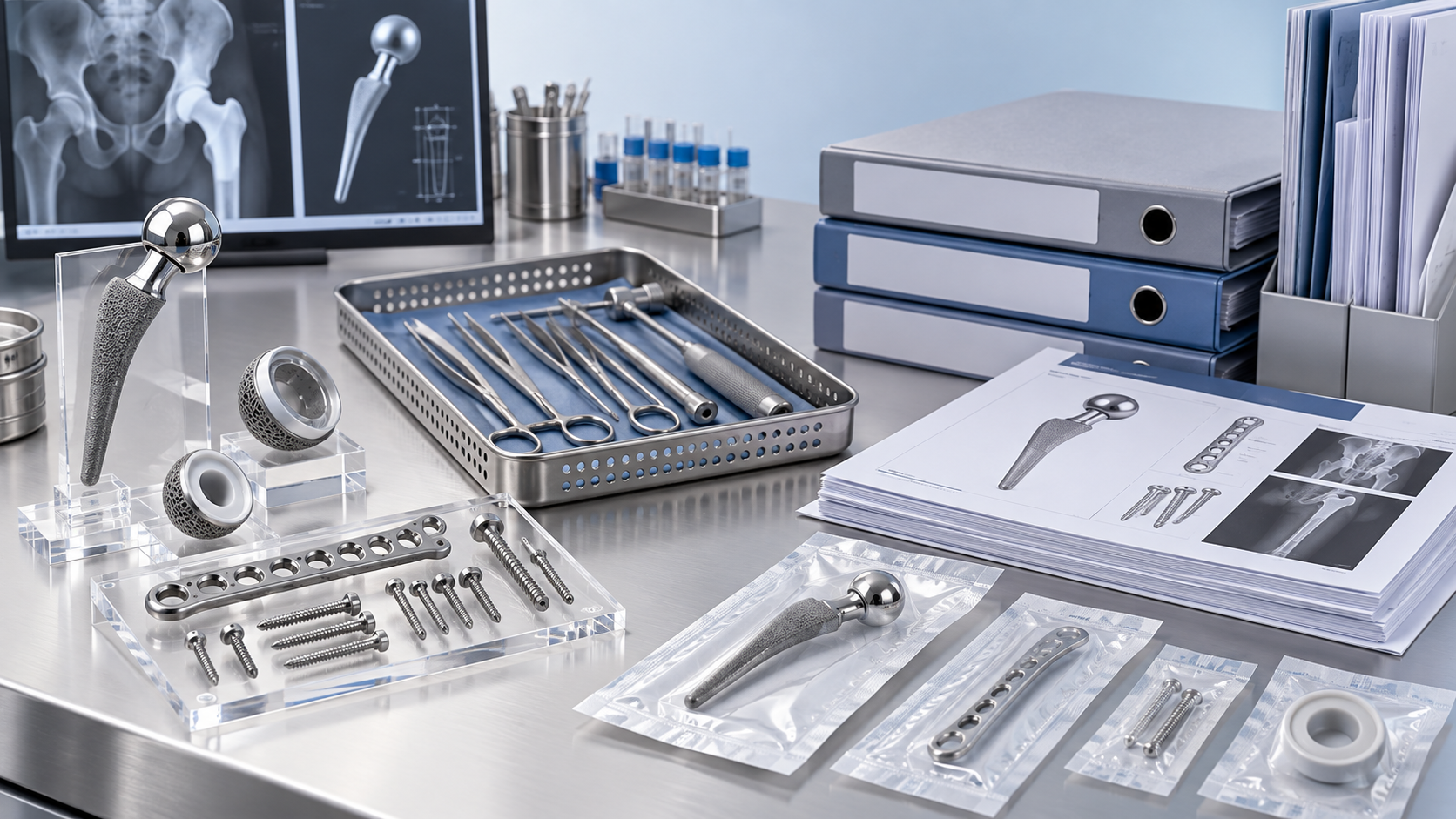
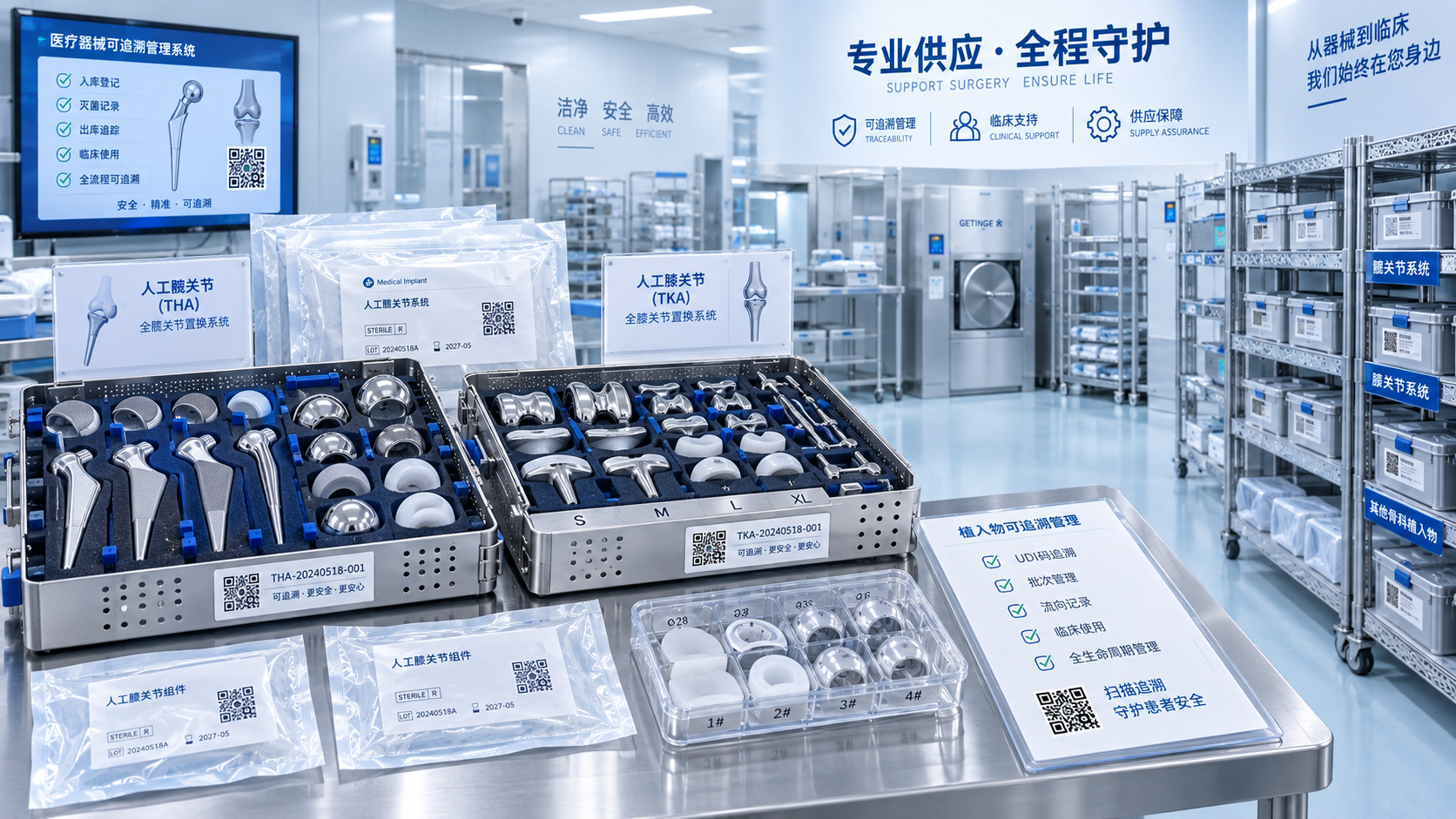
A titanium spinal implant with a conventional geometry, established material, and well-understood fixation principle may support part of its clinical case through carefully justified equivalence, literature, bench testing, and post-market data. A 3D-printed porous implant with a new lattice architecture, a modified surface treatment, or a novel patient population creates additional questions. Does the surface alter tissue response? Does the manufacturing process affect consistency? Does the new design change subsidence, migration, fatigue behavior, or osseointegration expectations? Each unanswered question increases the need for targeted evidence.
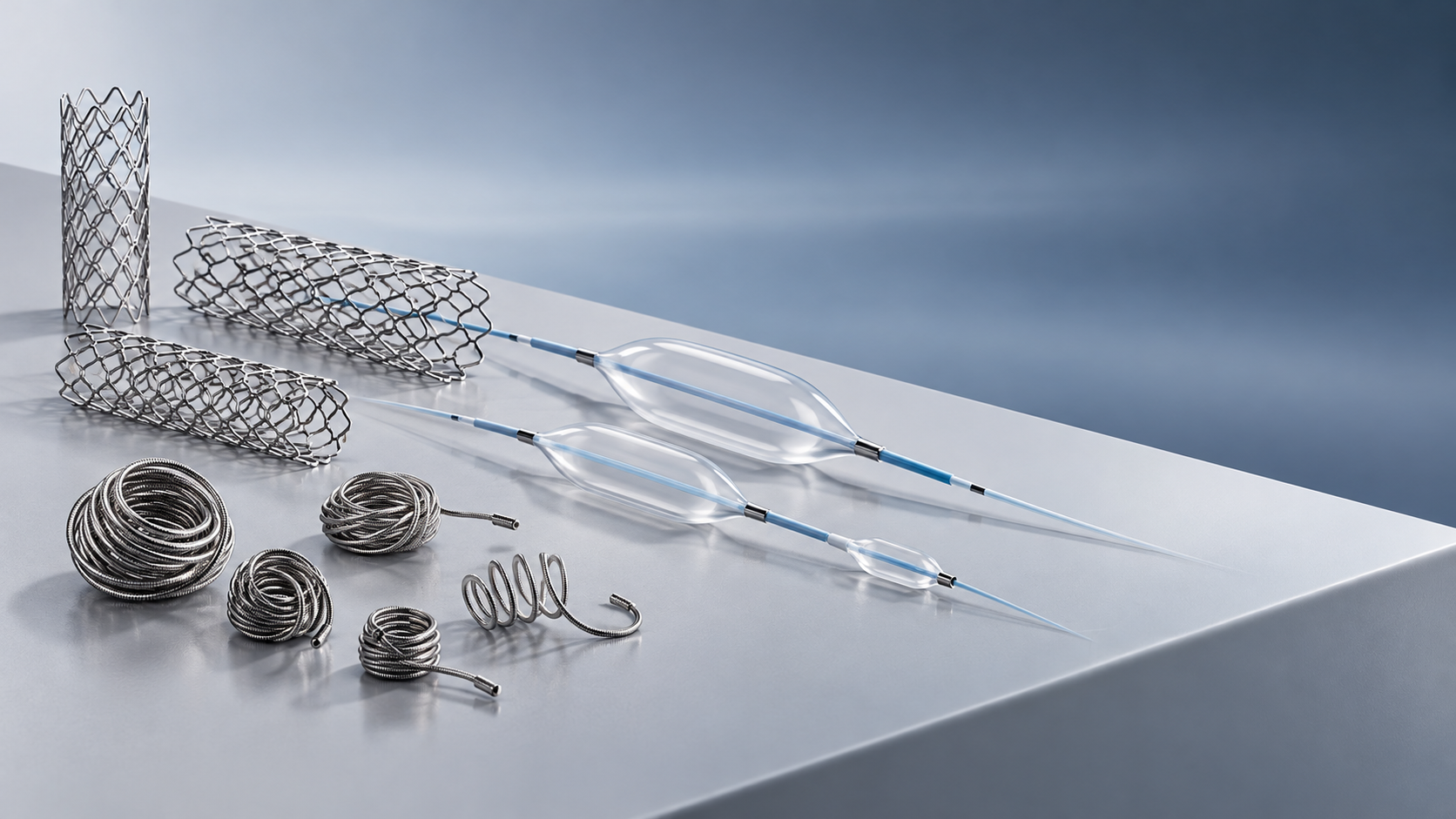
The same pattern appears in cardiovascular devices. A drug-eluting stent is not assessed only as a mechanical scaffold. Drug dose, coating integrity, polymer degradation, deliverability, thrombogenicity, lesion type, and antiplatelet therapy assumptions can all affect the clinical argument. A TAVR system adds concerns around durability, paravalvular leak, conduction disturbances, access-site complications, and patient selection. Bench evidence remains essential, but it cannot answer every question that arises after a device interacts with anatomy, blood flow, clinician technique, and long-term healing.
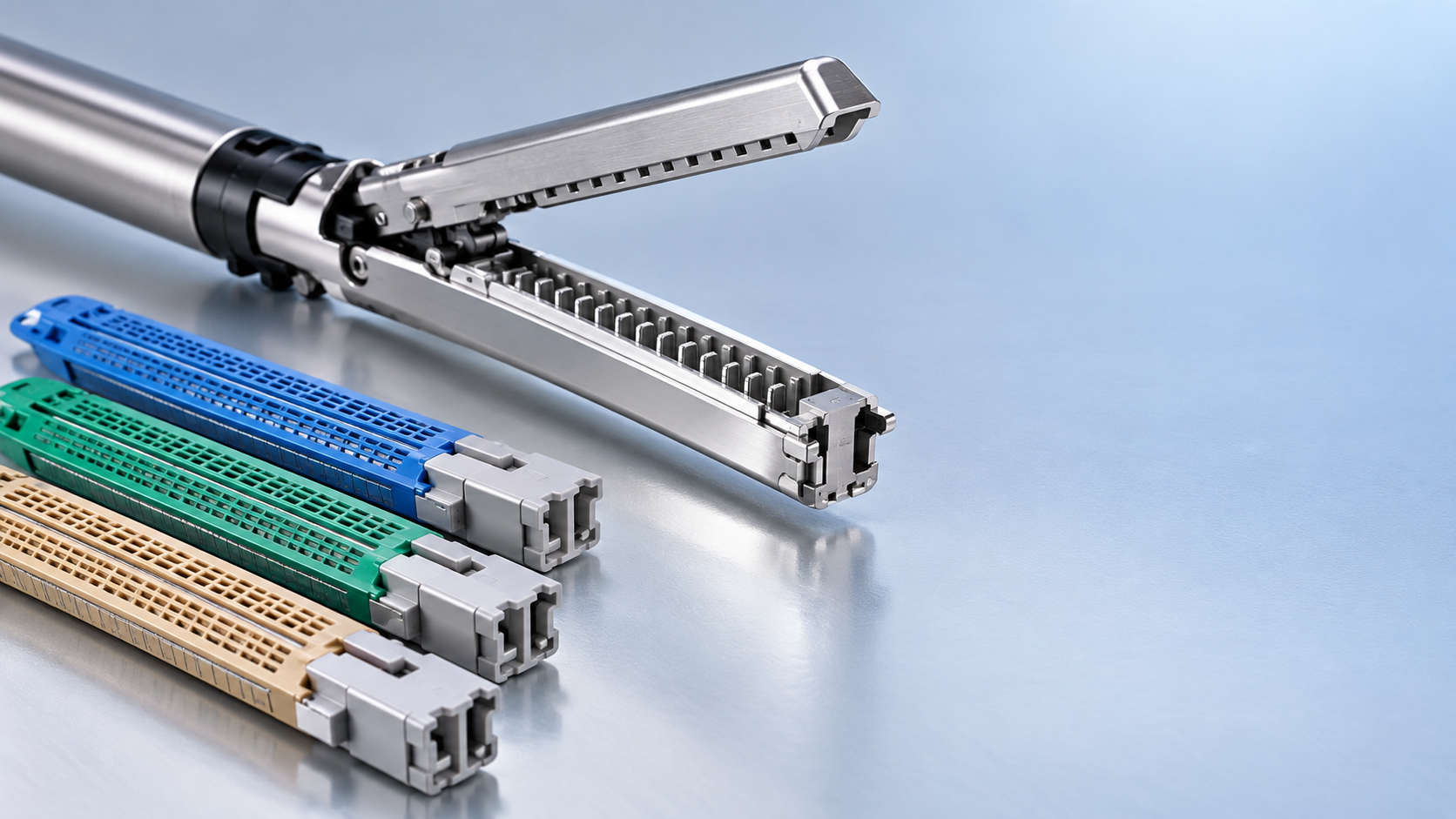
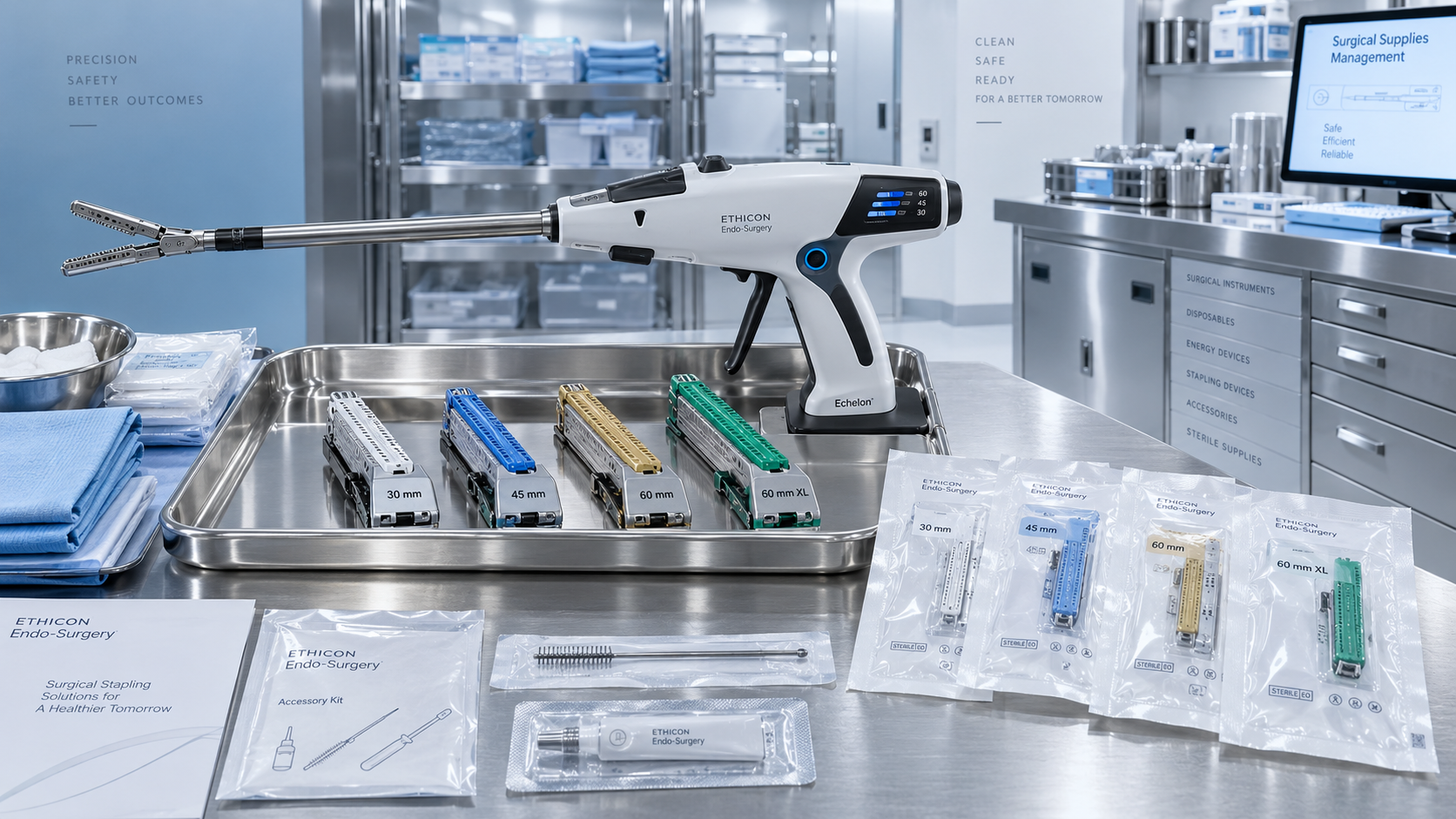
For minimally invasive staplers, the evidence focus should include the full tissue-management system: staple formation, tissue thickness range, reload compatibility, firing reliability, hemostasis, leakage risk, and use error. A device that performs consistently on a bench fixture may still require clinical support where tissue variability and surgical workflow materially affect outcomes.

Biological Safety Is a Decision Process, Not a Checklist
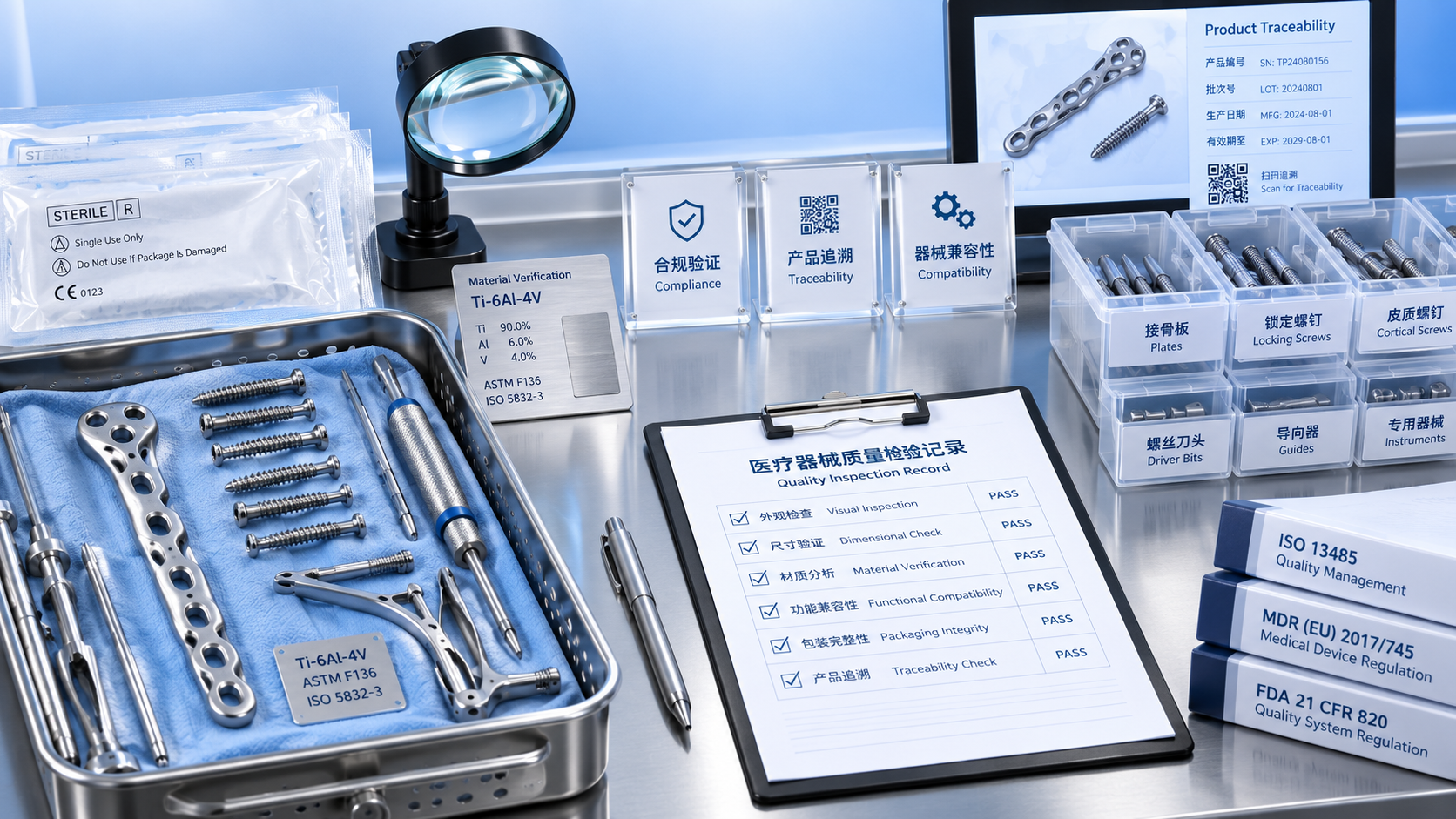
ISO 10993 is frequently treated as a list of tests to purchase. That approach is expensive and sometimes creates unnecessary data without improving the safety argument. The ISO 10993 series is intended to support a biological evaluation within a risk-management framework. The first task is to understand what actually contacts the patient, for how long, and under what conditions.
For a permanent implant, material characterization and chemical information can be as important as the final biological tests. A change in raw material supplier, pigment, lubricant, sterilization method, adhesive, cleaning residue, or packaging interaction may alter the assessment. In a polymer catheter, for example, the relevant concern is not simply whether the base resin has a history of use. Hydrophilic coating chemistry, extractables, leachables, particulate generation, and the final sterilized configuration can be decisive.
Cytotoxicity, sensitization, irritation, systemic toxicity, implantation, hemocompatibility, genotoxicity, and chemical characterization are not automatically required in every combination. The endpoint selection should follow the nature and duration of contact, existing knowledge, and identified risks. Skipping a study needs a scientific rationale. Ordering every study without a rationale is not a sign of rigor either.
A common mistake is relying on a material datasheet or a previous device generation as if it proves final-product biocompatibility. It may be relevant supporting information, but regulators will look at the finished device and its manufacturing state. The biological evaluation should explain why the tested article represents commercial production, including processing, additives, surface condition, cleaning, packaging, and sterilization.
Clinical Evaluation Must Test the Claim, Not Just the Device
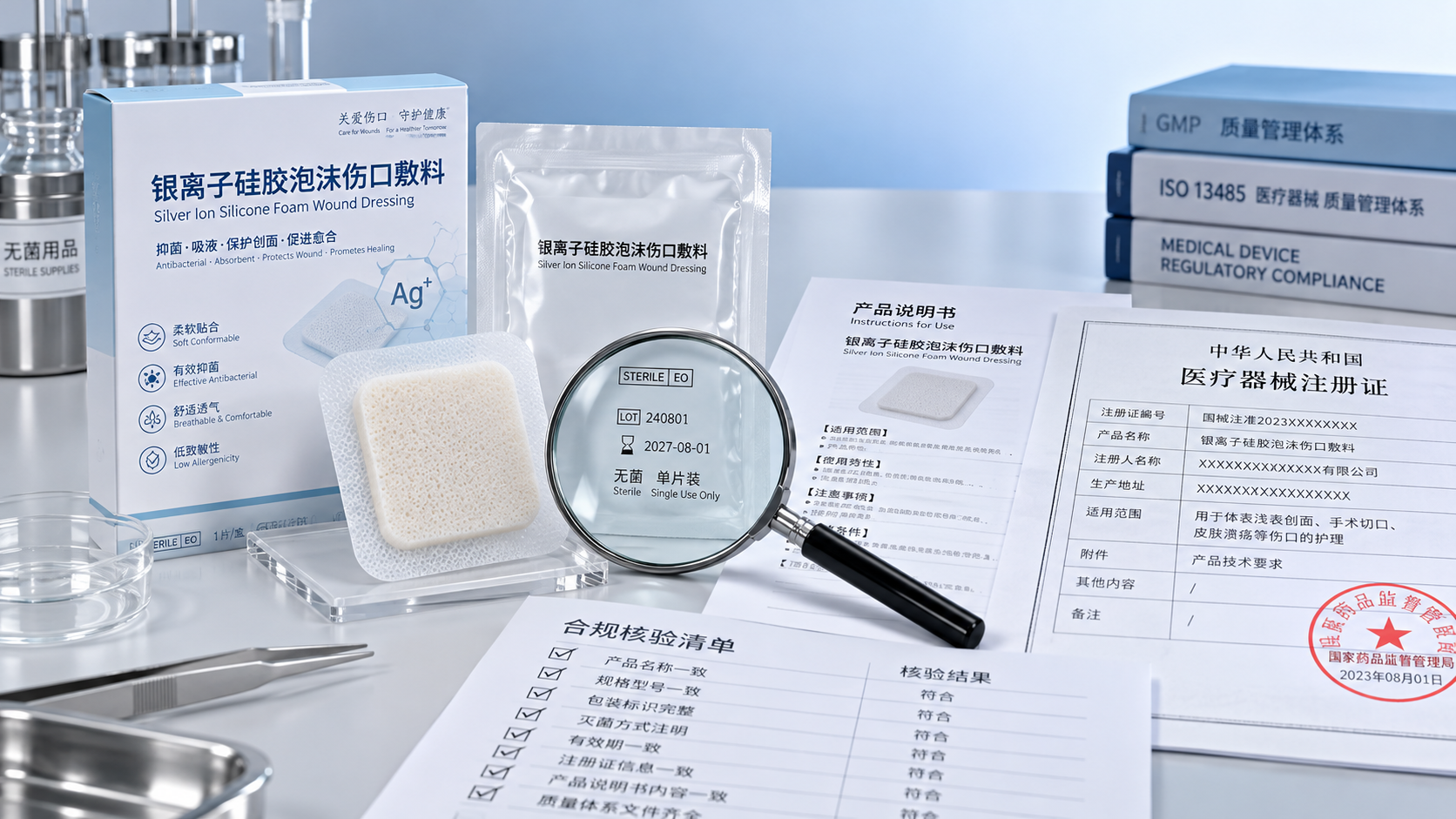
Clinical evidence becomes weak when the device description and the claim set drift apart. A manufacturer may have data showing that a dressing maintains a moist wound environment, yet promote faster healing across broad wound types. Those are not the same claim. A catheter may have acceptable tensile strength and kink resistance, yet lack support for a claim related to lower thrombosis risk. The evidence must match the language used in labeling, instructions for use, promotional material, and clinical evaluation.
For EU MDR submissions, the clinical evaluation should usually make four relationships visible:
- The intended purpose and target patient population.
- The device’s clinical benefits and measurable performance expectations.
- Known and foreseeable risks, including residual risks after design controls.
- The evidence that supports a favorable benefit-risk conclusion.
That structure sounds obvious, yet many files fail because the links are implicit. Reviewers should not have to infer how a bench fatigue test supports long-term implant performance, why published evidence applies to the current design, or how complaint trends inform the residual-risk assessment.
Equivalence deserves particular care. It is not enough to find a competitor product with a similar indication and matching broad materials. A meaningful equivalence assessment considers technical, biological, and clinical characteristics. Differences in design, raw materials, surface treatment, energy source, drug coating, contact duration, or intended user can invalidate an otherwise attractive literature bridge. Under EU MDR, access to data from an equivalent device may also be a practical limitation. A literature-based strategy is strongest when it is built around a truly comparable device and transparent access to relevant evidence, not around a marketing comparison table.
When new clinical investigation becomes difficult to avoid
A prospective clinical investigation is not automatically necessary for every device. It becomes much harder to avoid where there is a new technology, a high-risk implant, a novel material-body interaction, limited applicable clinical experience, a significant change to an established design, or uncertainty that bench and non-clinical testing cannot resolve.
This is especially relevant for products designed to remain in the body for years. Short-term technical success may be insufficient when the material or mechanical risk develops later. A long-term orthopedic implant, for instance, may need an evidence plan that considers loosening, wear, fracture, migration, revision, and functional outcomes over an appropriate period. The required follow-up duration should be justified by the device’s failure modes and clinical context, not selected because it is convenient.
Post-Market Data Is Part of Pre-Market Credibility
One of the most persistent misunderstandings is that post-market surveillance begins after approval and therefore cannot solve a pre-market evidence gap. In reality, regulators expect a lifecycle approach. Existing complaint data, vigilance information, registry findings, published follow-up, trend reports, and periodic safety reporting can materially strengthen or weaken the clinical case for a mature device family.
For a new product, the Post-Market Clinical Follow-up plan should not be generic language promising to “collect real-world data.” It should identify the remaining uncertainties and explain how the plan will address them. For example, a new porous orthopedic implant may need focused follow-up on early fixation and revision patterns. A new wound-care material may need data related to tolerability, handling, exudate management, and performance in the intended wound population.
Post-market plans are less persuasive when they simply repeat the pre-market endpoints without explaining what is still unknown. A credible plan names the signal, the data source, the trigger for review, and the action that would follow an unfavorable trend.
Evidence Planning Across Markets: Reuse the Science, Rebuild the Argument
Global development teams should seek efficient reuse, but they should not force a single regulatory narrative onto every jurisdiction. The underlying scientific package can often be shared: design verification, usability engineering, biocompatibility assessment, sterilization validation, shelf-life evidence, software validation where applicable, and clinical data. The submission logic must still be localized.
For example, an FDA predicate comparison may be central to a 510(k) strategy but does not replace an EU MDR clinical evaluation. A CER may provide useful clinical synthesis, but it does not by itself answer every FDA submission requirement. Confusing “same data” with “same regulatory argument” causes avoidable rework.
Early alignment between regulatory, clinical, quality, toxicology, engineering, and manufacturing teams is more valuable than a late-stage document repair exercise. The evidence plan should be reviewed after meaningful design changes, supplier changes, material changes, sterilization changes, and changes in intended use. Waiting until technical documentation assembly often reveals that a critical test article was not representative of final production, or that the chosen endpoints do not support the intended claim.
Practical Questions Before You Accept an Evidence Package
When reviewing a file, start with the points that expose weak connections quickly:
- Is the intended use precise enough to determine the relevant clinical risks?
- Does every key claim have direct, traceable supporting evidence?
- Are test samples representative of the final, sterilized commercial device?
- Has the biological evaluation considered the finished device and manufacturing residues?
- Is equivalence supported by technical, biological, and clinical comparison rather than broad similarity?
- Do risk-management conclusions, clinical evaluation conclusions, and post-market plans use consistent assumptions?
These questions matter more than the page count of the dossier. A long file with disconnected reports is less defensible than a shorter file with a clear chain from patient need to design control, evidence, residual risk, and follow-up.
Where Specialist Intelligence Helps
High-value consumables often sit at the intersection of materials science, precision manufacturing, clinical practice, and market access. That is why evidence planning cannot be isolated from product strategy. A design intended for a price-sensitive procurement environment may still need a strong long-term evidence position if it is implantable, drug-eluting, blood-contacting, or used in a clinically consequential procedure.
IMCS focuses on this intersection across orthopedic replacement implants, cardiovascular interventional devices, minimally invasive surgical consumables, polymer catheters, and advanced wound-care materials. For teams working with Class III products, the useful question is not simply whether a standard applies. It is how material choices, manufacturing controls, clinical claims, and post-market obligations combine into a defensible regulatory position.
FAQ
Can bench testing replace clinical data for a high-risk device?
Sometimes it can support part of the case, especially for established technology with limited changes. It rarely replaces clinical evidence when the device introduces meaningful uncertainty about long-term safety, clinical performance, or patient outcomes.
Does ISO 10993 certification exist for a medical device?
ISO 10993 is not a single product certification. It is a family of standards used to support biological evaluation. The appropriate work depends on device contact, duration, materials, manufacturing, and risk assessment.
Can published literature support a new implant?
Yes, when the literature is relevant, current, critically appraised, and applicable to the device under review. It is weaker when significant differences exist in design, materials, surface treatment, intended use, or clinical population.
What is the most common reason a clinical evaluation feels incomplete?
The evidence may exist, but the links are missing. Reviewers need to see how each clinical claim, risk, test result, and post-market activity supports the overall benefit-risk conclusion.
Global medical device regulations should be treated as an evidence-design discipline, not a final compliance hurdle. The strongest submissions begin by identifying the device-specific uncertainties, then build proportionate evidence to address them. That approach produces clearer clinical evaluations, more credible biological safety arguments, and fewer late-stage surprises when the file is reviewed.
Get weekly intelligence in your inbox.
No noise. No sponsored content. Pure intelligence.
News Recommendations
 Oct 26, 2026Can a single approval cover life science product sales worldwide?Can a single approval cover life science product sales worldwide?
 Oct 25, 2026When is sensitization testing needed for medical device biocompatibility?When is sensitization testing needed for medical device biocompatibility?
 Oct 24, 2026How is biocompatibility tested for implantable polymer biomaterials?How is biocompatibility tested for implantable polymer biomaterials?
 Oct 23, 2026How to build reimbursement into an implant commercialization strategyHow to build reimbursement into an implant commercialization strategy
 Oct 22, 2026What clinical evidence do implants need for CE marking under EU MDR?What clinical evidence do implants need for CE marking under EU MDR?
 Oct 21, 2026How to choose disposable laparoscopic stapler reloads for thick tissueHow to choose disposable laparoscopic stapler reloads for thick tissue
 Oct 20, 2026How to assess medical polymer biocompatibility under ISO 10993How to assess medical polymer biocompatibility under ISO 10993
 Oct 19, 2026How do interventional device categories differ in clinical use?How do interventional device categories differ in clinical use?
 Oct 18, 2026When to choose alginate dressings for heavily exuding chronic woundsWhen to choose alginate dressings for heavily exuding chronic wounds
 Oct 17, 2026How is biocompatibility tested for custom medical-grade PEEK implants?How is biocompatibility tested for custom medical-grade PEEK implants?
 Oct 16, 2026How to check a wound healing materials supplier’s biocompatibility dataHow to check a wound healing materials supplier’s biocompatibility data
 Oct 15, 2026How to verify the FDA clearance status of silver wound dressingsHow to verify the FDA clearance status of silver wound dressings
 Oct 14, 2026How to register orthopedic implants and instruments in Latin AmericaHow to register orthopedic implants and instruments in Latin America
 Oct 13, 2026How to use a device market intelligence database to benchmark VBP pricesHow to use a device market intelligence database to benchmark VBP prices
 Oct 12, 2026When should stainless steel orthopedic instruments be replaced?When should stainless steel orthopedic instruments be replaced?
 Oct 11, 2026When are alginate dressings rope the right choice for cavity wounds?When are alginate dressings rope the right choice for cavity wounds?
 Oct 10, 2026When smart minimally invasive technology improves catheter accessWhen smart minimally invasive technology improves catheter access
 Oct 08, 2026Clinical evaluation requirements for cardiovascular implant devices in EuropeClinical evaluation requirements for cardiovascular implant devices in Europe
 Oct 07, 2026What to verify before appointing an artificial joint implants distributorWhat to verify before appointing an artificial joint implants distributor
 Oct 06, 2026How ISO 10993 guides biocompatibility testing for medical materialsHow ISO 10993 guides biocompatibility testing for medical materials
 Oct 05, 2026How to verify an orthopedic implants and instruments exporterHow to verify an orthopedic implants and instruments exporter
 Oct 04, 2026What drives surgical stapling devices price differences in hospital tenders?What drives surgical stapling devices price differences in hospital tenders?
 Oct 03, 2026How to assess a central venous catheter manufacturer's infection-control evidenceHow to assess a central venous catheter manufacturer's infection-control evidence
 Oct 02, 2026How to assess an advanced wound care factory’s quality systemHow to assess an advanced wound care factory’s quality system
 Oct 01, 2026What is driving global medical consumables demand in emerging markets?What is driving global medical consumables demand in emerging markets?
 Sep 30, 2026Implant Material Compliance Testing: Evidence Needed for Regulatory SubmissionImplant Material Compliance Testing: Evidence Needed for Regulatory Submission
 Sep 30, 2026From Corrosion to Fatigue: What Implant Materials Testing Should MeasureFrom Corrosion to Fatigue: What Implant Materials Testing Should Measure