How to Evaluate Medical Device Biocompatibility Under ISO 10993
Evaluating medical device biocompatibility under ISO 10993 is rarely a matter of ordering a preset test package and waiting for pass or fail results. For technical assessment work, the harder part is deciding what actually needs to be assessed, why a given endpoint matters, and whether the available evidence is strong enough for the device’s intended clinical use. That is especially true for implants, intravascular devices, surgical consumables, polymer catheters, and advanced wound care materials, where material science, processing residues, patient-contact duration, and local tissue response interact in ways that are not always obvious at the start of development.
ISO 10993 gives a framework, not a shortcut. If a team treats it like a checklist, two things usually happen: unnecessary testing gets commissioned, and genuinely important risks are discovered too late. A more reliable approach starts with biological evaluation planning under ISO 10993-1, then builds outward into chemistry, toxicology, and endpoint-specific testing only where the risk profile supports it.
Start with intended use, not with the test menu
The first question is not “Which ISO 10993 tests apply?” It is “What exactly will contact the body, for how long, and in what clinical context?” ISO 10993-1 organizes biological evaluation around the nature and duration of contact. That sounds basic, but in practice this is where many assessment gaps begin.
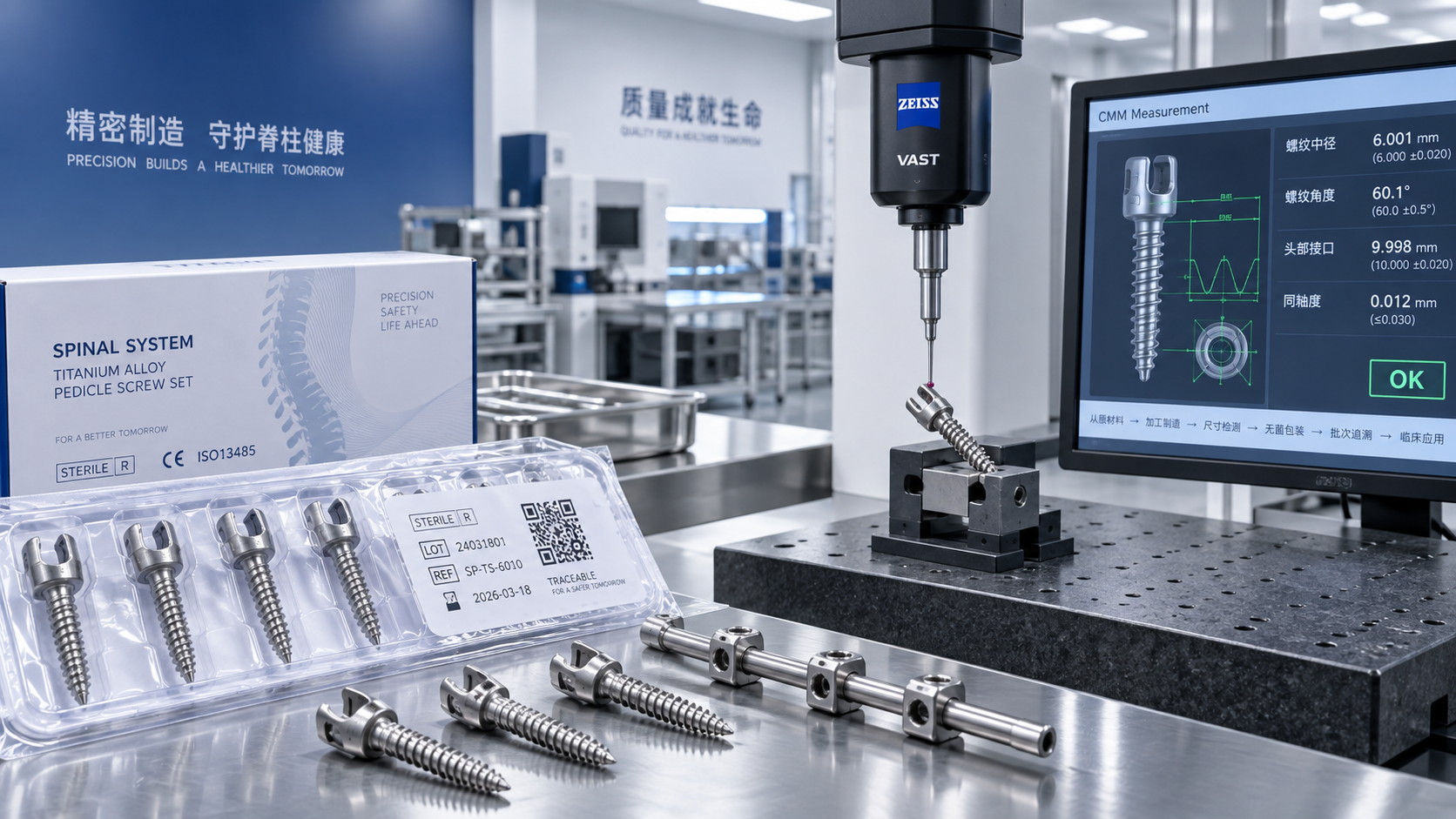
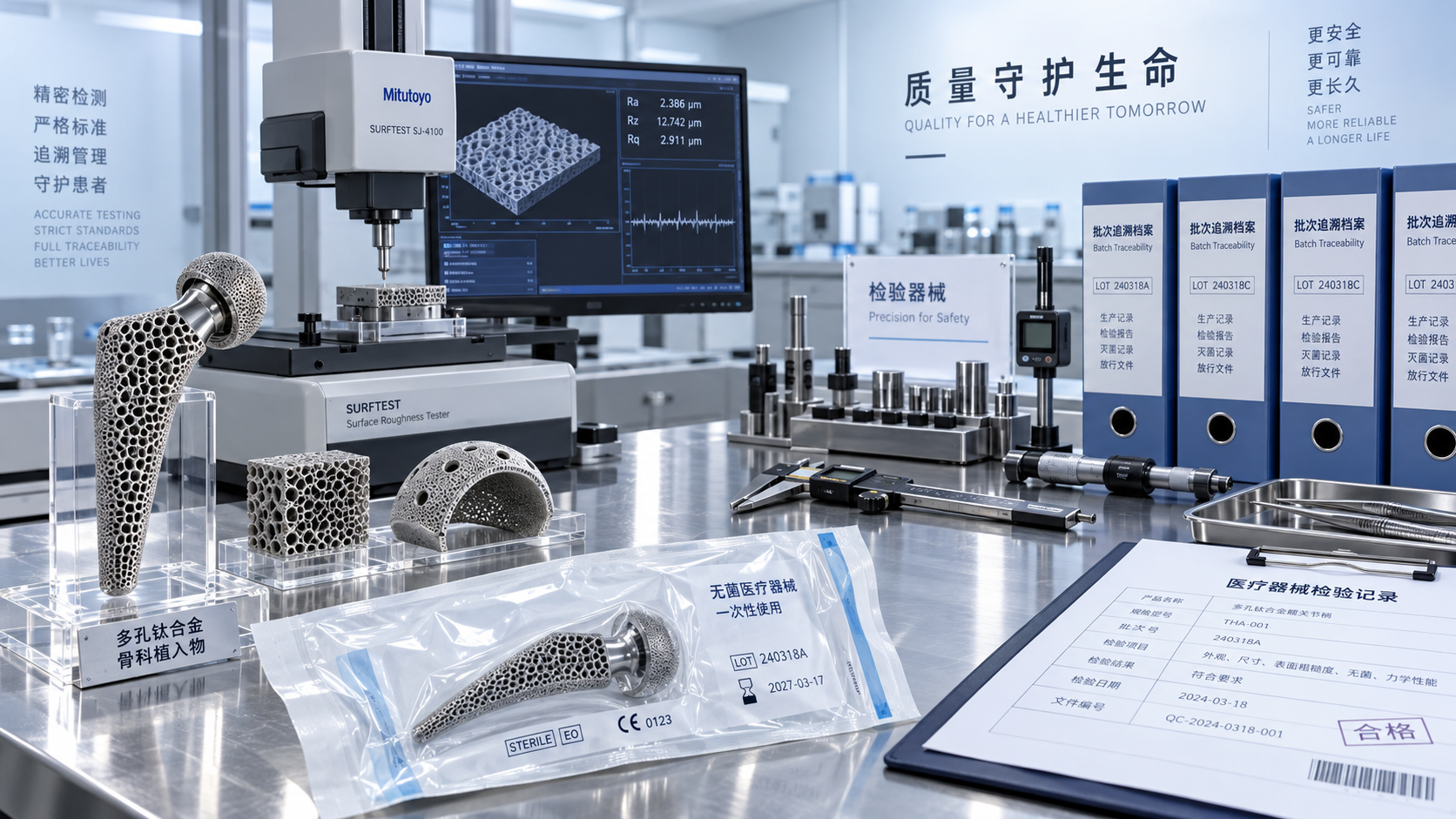
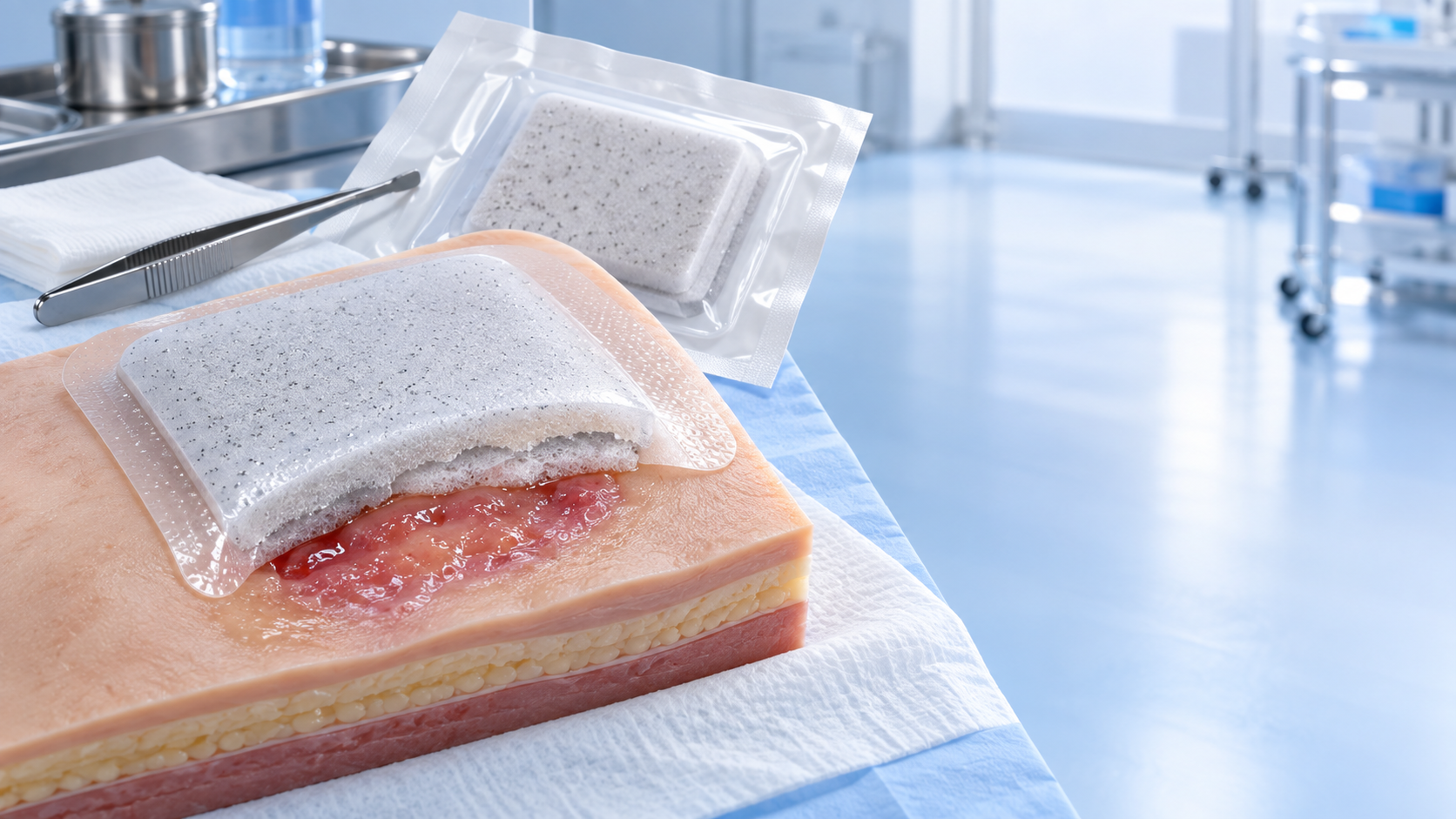
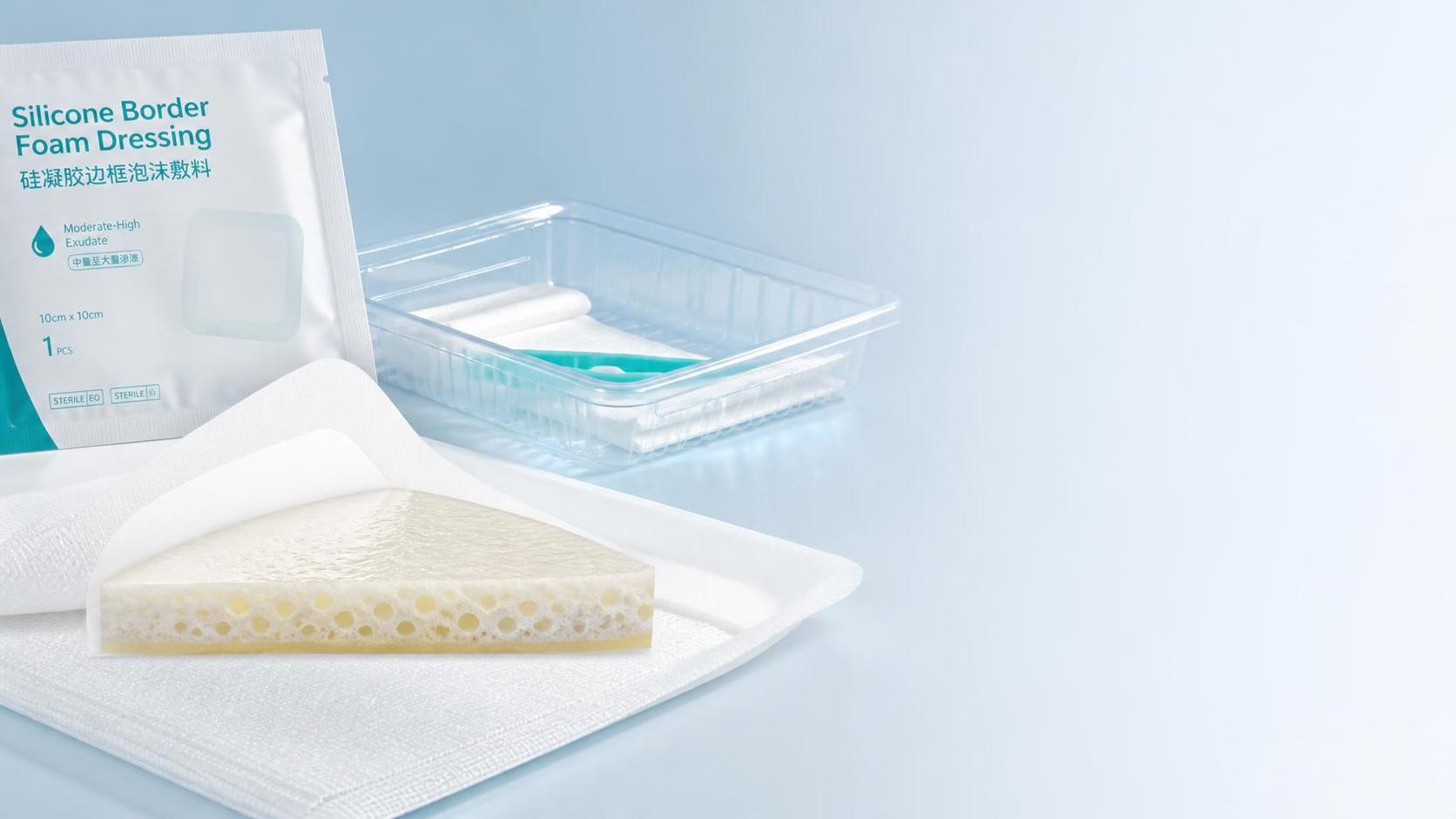
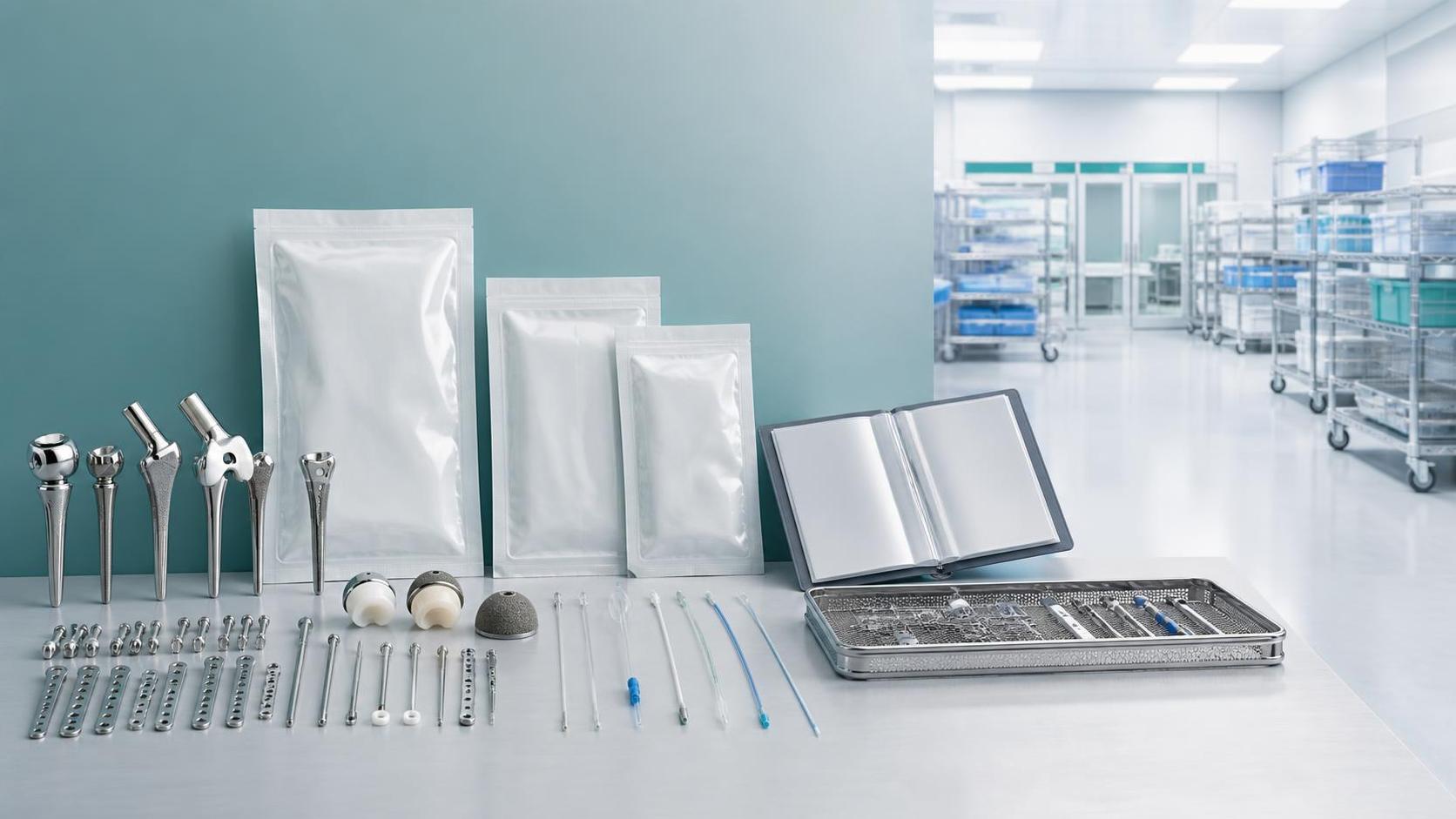
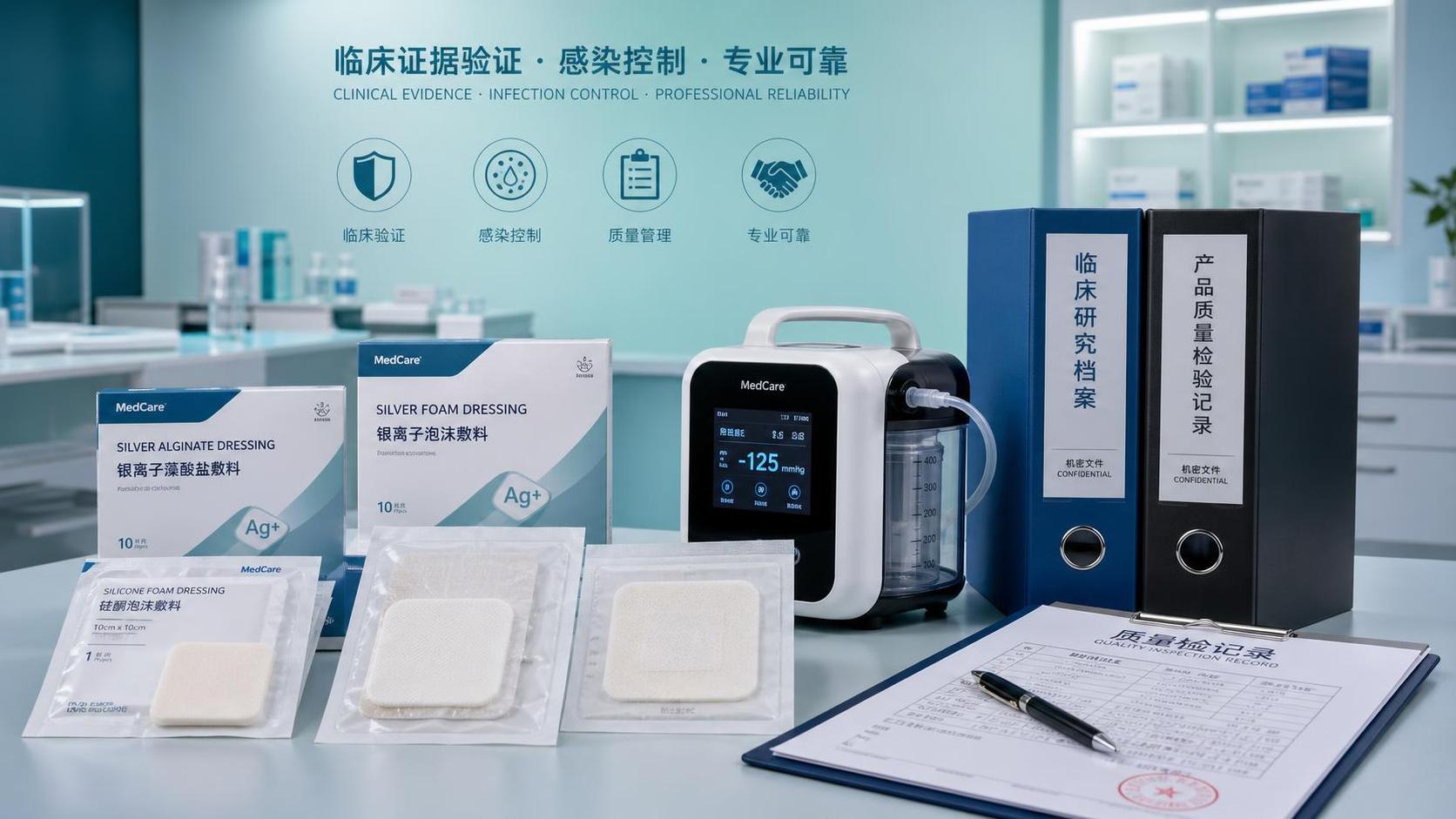
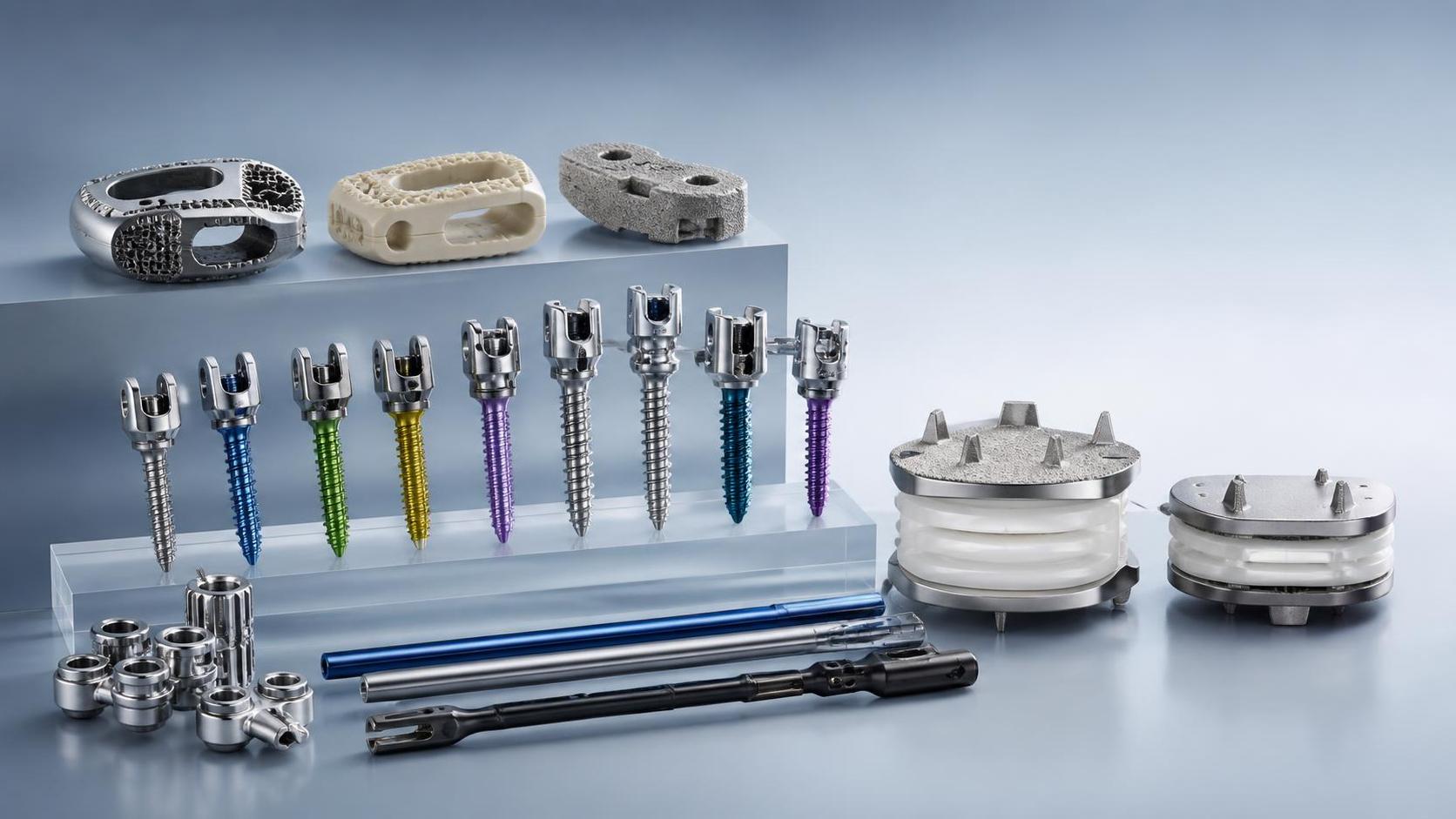
A titanium orthopedic implant, a drug-eluting stent delivery system, a hydrophilic neurovascular microcatheter, and a silver-containing foam dressing may all fall under the broad label of medical device biocompatibility, yet their biological concerns are very different. An implant intended for long-term tissue or bone contact raises questions around chronic local effects, material degradation, wear debris, and sometimes genotoxic or carcinogenic considerations depending on the material profile and exposure assumptions. A blood-contacting catheter brings hemocompatibility to the foreground. A short-term stapler component may have a narrower endpoint set, but lubricants, cleaning agents, or processing residues can still become decisive.
This is one reason intelligence platforms such as IMCS tend to look at biocompatibility in connection with actual device architecture and regulatory positioning, not as an isolated lab topic. In high-value consumables, especially Class III pathways, biology, manufacturing precision, clinical claims, and regulatory evidence rarely stay in separate boxes for long.
Build the biological evaluation around material and process knowledge
Before selecting endpoints, assemble a defensible device profile. That generally includes:
- constituent materials, additives, colorants, coatings, and reinforcements;
- manufacturing aids such as mold-release agents, solvents, sterilant residuals, cleaning chemistry, and packaging interactions;
- surface condition, especially for porous structures, coatings, and blood-contacting interfaces;
- sterilization method and its potential impact on chemistry over shelf life;
- any prior use history of the same material in the same contact scenario.
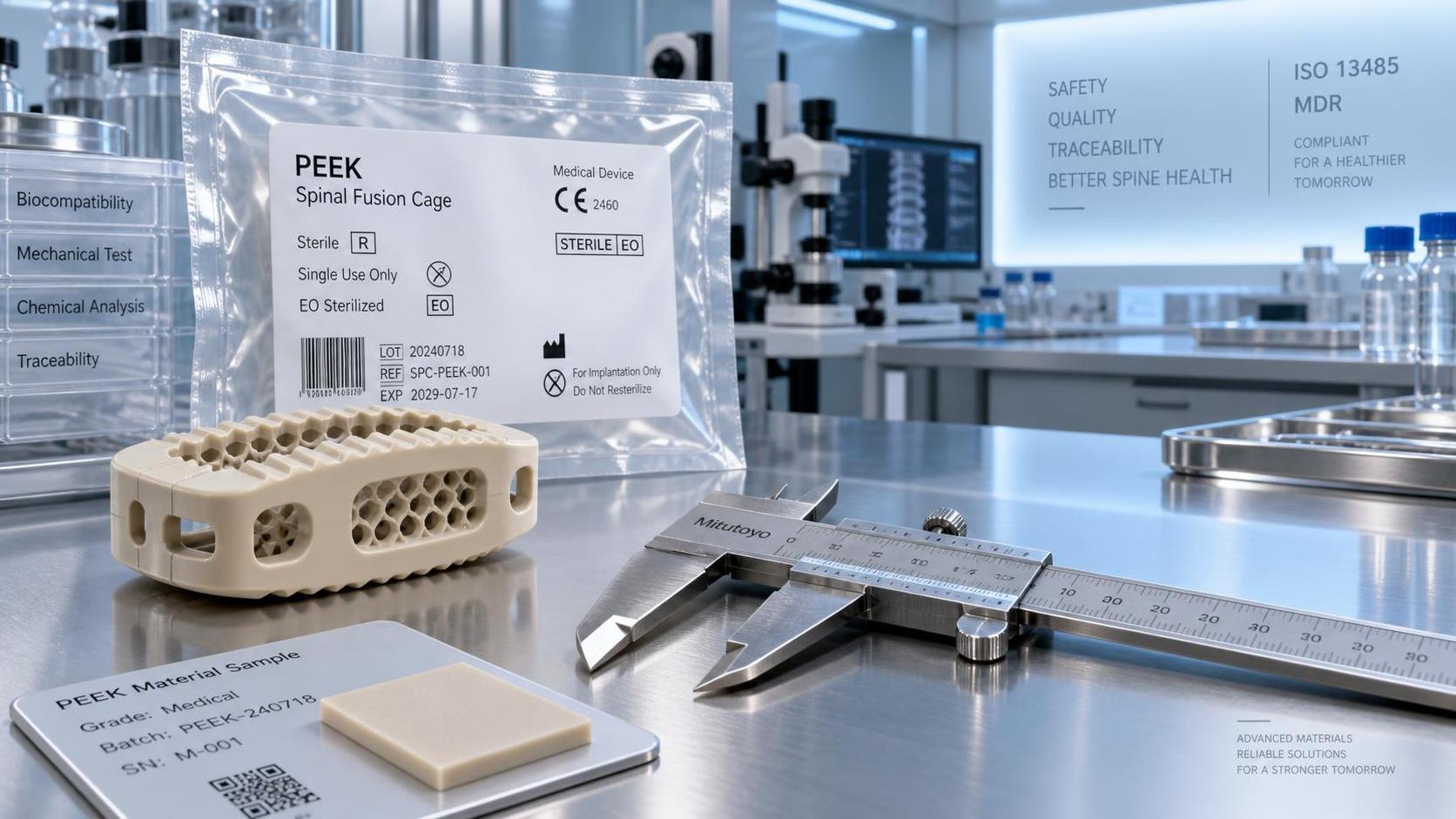
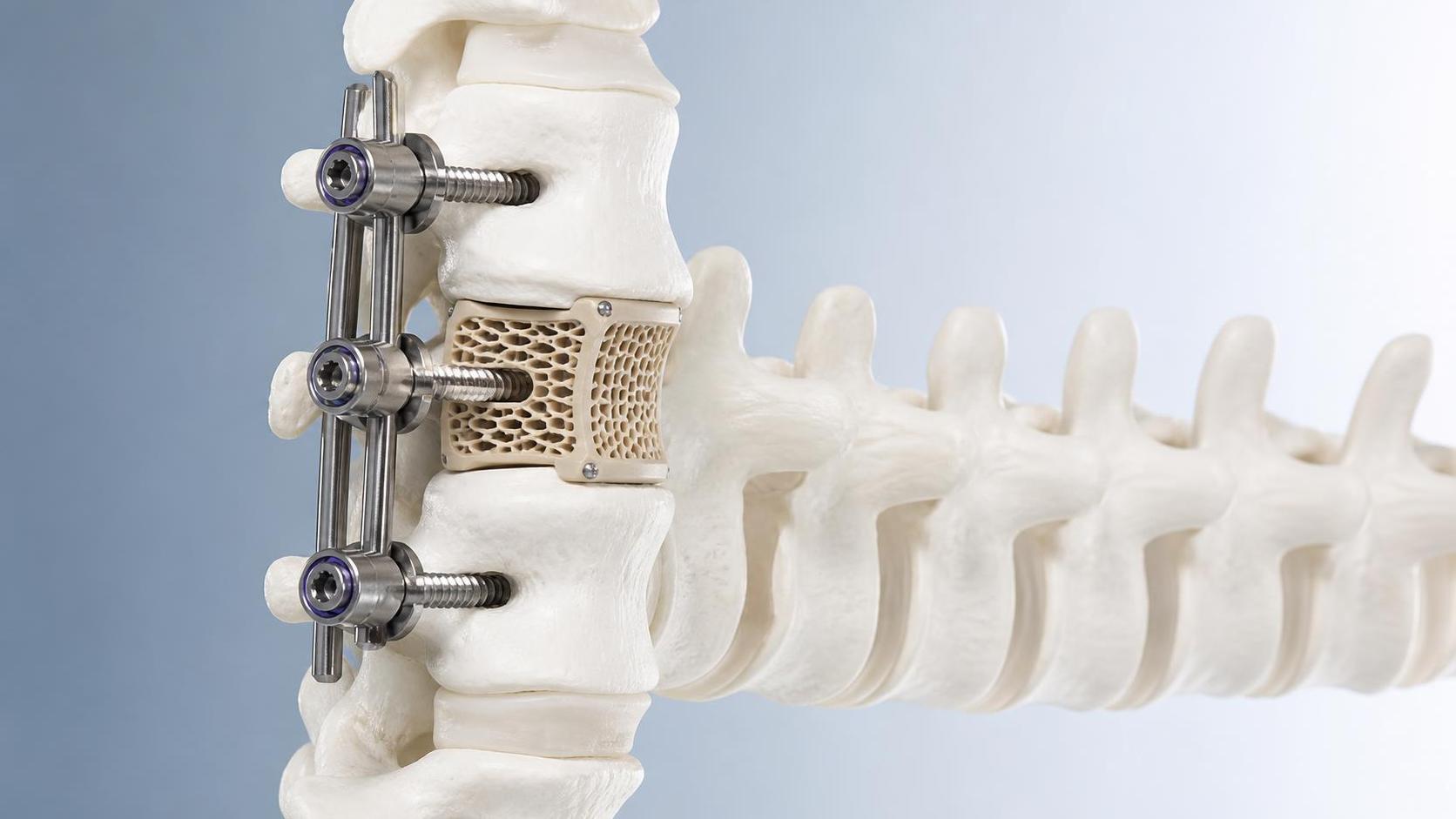
That last point matters. “Material has been used before” is not a free pass unless the formulation, supplier controls, processing route, and exposure route are genuinely comparable. PEEK used in a spinal implant is not automatically equivalent to PEEK in another application if pigmentation, fillers, surface treatment, or sterilization have changed. The same logic applies to polymer catheters with hydrophilic coatings or anti-thrombotic surface treatments: a small chemistry change can alter extractables and biological behavior enough to invalidate assumptions based only on the base polymer.

Why ISO 10993-18 and toxicological assessment now carry more weight
For many devices, chemical characterization under ISO 10993-18 and toxicological risk assessment under ISO 10993-17 or related toxicological principles have become central to the evaluation strategy. Regulators increasingly expect manufacturers to understand what can migrate from the finished device, not just whether a panel of biological tests was completed.
This shift is practical. Traditional animal or in vitro testing can identify hazards, but chemistry tells you where those hazards may come from and whether they are plausible under clinical exposure conditions. If a device has complex polymers, coatings, adhesives, metallic ion release potential, or residual processing chemicals, extractables and leachables data may shape the entire biological evaluation plan.
For technical reviewers, a useful question is whether the chemical characterization is representative of the marketed device. Extraction conditions, analytical sensitivity, sample preparation, and consideration of worst-case patient exposure all affect whether the resulting toxicological assessment is meaningful. If the chemistry package is weak, adding more endpoint testing does not always solve the problem.
Choose endpoints by risk, not by habit
ISO 10993-1 provides endpoint categories that may need consideration, but “consideration” is not the same as “automatic testing.” Cytotoxicity, sensitization, and irritation or intracutaneous reactivity are commonly discussed because they apply broadly, especially when there is direct or indirect patient contact. Yet beyond those baseline concerns, the assessment quickly becomes device-specific.
Blood-contacting devices may need close attention to hemolysis, thrombosis-related responses, complement activation, coagulation effects, or platelet interactions, depending on the nature and duration of contact. Long-term implants may require a deeper look at subacute, subchronic, or chronic toxicity endpoints, implantation effects, and in some cases degradation products covered elsewhere in the ISO 10993 series. Wound dressings and tissue-contact materials raise different concerns again, especially when they intentionally manage moisture, ion release, or tissue regeneration at the surface.
One recurring mistake is treating device family categories as if they determine the endpoint set by themselves. They do not. A cardiovascular interventional product, for example, may include an implant, a delivery catheter, coating layers, radiopaque markers, and packaging-derived residues. The endpoint rationale may need to separate these elements rather than collapse them into one broad statement.
A practical way to frame endpoint selection
Where evaluations often go wrong
Problems usually appear in the gray zones between disciplines.
One common issue is relying on raw material certificates without confirming finished-device effects. Machining fluids, laser marking, passivation steps, adhesives, and sterilization can all change the biological picture. This is particularly relevant for orthopedic implants with complex porous geometry, cardiovascular devices with multifunctional coatings, and minimally invasive consumables where very small surface-area components may still create clinically relevant exposure.
Another is overclaiming equivalence. If a manufacturer argues that a new device is biologically comparable to an existing one, the assessment should examine not just the nominal material name but formulation, contact route, dose potential, surface properties, and processing history. Without that, the equivalence argument is fragile.
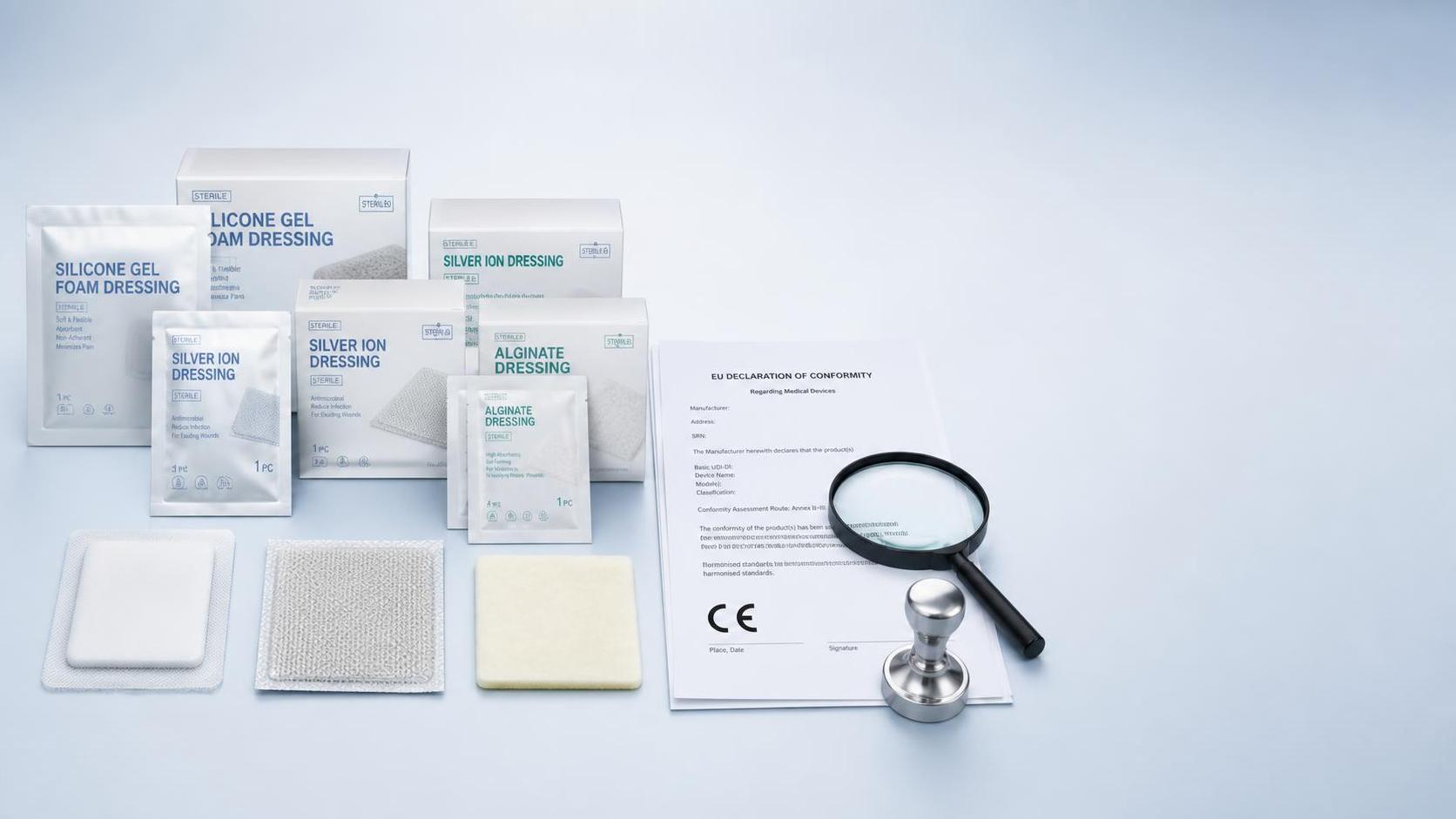
A third is poor integration between biological evaluation and clinical or regulatory strategy. Under CE MDR, for example, biological safety conclusions do not sit apart from the broader technical documentation and clinical evaluation logic. For higher-risk products, inconsistencies between risk management, test rationale, CER positioning, and residual risk statements can become more visible than any single lab result. That broader view is one reason specialized intelligence teams, including those working across toxicology, clinical evidence, and regulatory access, can be useful when programs become complex.
How to judge whether the evidence is sufficient
A sound biological evaluation report is not simply a folder of test reports. It should show a clear chain of reasoning:
- the device and all body-contacting constituents are fully described;
- the contact category and duration are correctly assigned;
- relevant endpoints are identified and justified;
- available chemistry, literature, prior data, and testing are weighed together;
- residual uncertainties are acknowledged rather than ignored;
- conclusions align with risk management documentation.
If one of those links is missing, the evaluation may still look complete on paper while remaining weak under regulatory review. This matters even more for devices that combine advanced materials and precise processing, the kind of products IMCS tracks closely across orthopedic reconstruction, cardiovascular intervention, MIS consumables, polymer catheter systems, and tissue-healing platforms. In these segments, commercial pressure and procurement realities may push teams to accelerate development, but biological evidence that is thin or poorly reasoned tends to cost more time later, not less.
What technical assessment teams should do next
If you are reviewing a device under ISO 10993, begin by testing the logic before testing the product. Ask whether the biological evaluation plan reflects actual patient exposure, whether chemistry data are representative of the final sterile device, and whether each endpoint decision is justified by risk rather than habit. When a gap appears, the right response is not always more testing; sometimes it is better material traceability, cleaner process documentation, or a tighter toxicological rationale.
For straightforward devices, that discipline can keep the program efficient. For more complex systems—long-term implants, blood-contacting products, coated catheters, regeneration materials, or devices moving through strict Class III pathways—it usually becomes the difference between a biological evaluation that is merely assembled and one that is actually defensible.
That is where the real value of medical device biocompatibility work lies: not in completing a matrix, but in making evidence-based decisions early enough to reduce regulatory uncertainty and avoid preventable patient risk. When the device, the materials, and the clinical context are all taken seriously, ISO 10993 becomes less of a hurdle and more of a working map.
Get weekly intelligence in your inbox.
No noise. No sponsored content. Pure intelligence.
News Recommendations
 Sep 22, 2026How to assess a spinal implants manufacturer’s quality systemHow to assess a spinal implants manufacturer’s quality system
 Sep 21, 2026How to assess an osseointegration technology manufacturer’s quality systemHow to assess an osseointegration technology manufacturer’s quality system
 Sep 20, 2026Medical material science trends reshaping biocompatibility testingMedical material science trends reshaping biocompatibility testing
 Sep 19, 2026What North American regulators expect in implant clinical evaluationsWhat North American regulators expect in implant clinical evaluations
 Sep 18, 2026When should plate and screw systems be selected for fracture fixation?When should plate and screw systems be selected for fracture fixation?
 Sep 17, 2026How a medical device sourcing strategy can reduce total acquisition costHow a medical device sourcing strategy can reduce total acquisition cost
 Sep 16, 2026When are silver foam burn care dressings appropriate for exuding burns?When are silver foam burn care dressings appropriate for exuding burns?
 Sep 15, 2026What drives medical device category pricing in value-based purchasing?What drives medical device category pricing in value-based purchasing?
 Sep 14, 2026High value consumables insights for evaluating total cost of careHigh value consumables insights for evaluating total cost of care
 Sep 13, 2026What a medical device market insights platform reveals about market accessWhat a medical device market insights platform reveals about market access
 Sep 12, 2026When are collagen-based tissue healing materials suitable for wound care?When are collagen-based tissue healing materials suitable for wound care?
 Sep 11, 2026How catheter material selection affects total cost of ownershipHow catheter material selection affects total cost of ownership
 Sep 10, 2026What FDA clearance means for medical grade PEEK implantsWhat FDA clearance means for medical grade PEEK implants
 Sep 09, 2026When do hydrogel wound healing technologies suit dry wounds?When do hydrogel wound healing technologies suit dry wounds?
 Sep 07, 2026How to assess medical consumables for surgical useHow to assess medical consumables for surgical use
 Sep 07, 2026How to verify CE MDR compliance for single-use medical consumablesHow to verify CE MDR compliance for single-use medical consumables
 Sep 05, 2026How to evaluate an antithrombotic catheter factory for qualityHow to evaluate an antithrombotic catheter factory for quality
 Sep 04, 2026When do minimally invasive surgical staplers improve GI access?When do minimally invasive surgical staplers improve GI access?
 Sep 03, 2026When are foam moist wound healing dressings appropriate for exuding wounds?When are foam moist wound healing dressings appropriate for exuding wounds?
 Sep 02, 2026How implant pricing affects access to advanced medical careHow implant pricing affects access to advanced medical care
 Sep 01, 2026What is driving price pressure in the North American medical consumables market?What is driving price pressure in the North American medical consumables market?
 Aug 31, 2026Comparing medical devices in Southeast Asia when market access differsComparing medical devices in Southeast Asia when market access differs
 Aug 30, 2026When are 3D printed PEEK implants suitable for spinal reconstruction?When are 3D printed PEEK implants suitable for spinal reconstruction?
 Aug 29, 2026How global medical device regulations shape clinical evidence requirementsHow global medical device regulations shape clinical evidence requirements
 Aug 28, 2026How to verify a burn care dressings exporter meets EU MDR requirementsHow to verify a burn care dressings exporter meets EU MDR requirements
 Aug 27, 2026How to verify a diabetic foot wound care supplier’s clinical evidenceHow to verify a diabetic foot wound care supplier’s clinical evidence
 Aug 26, 2026What drives spinal implants price differences across implant typesWhat drives spinal implants price differences across implant types