For quality and safety professionals, confirming that medical device materials FDA compliant is not a box-ticking exercise. It protects patients, supports market access, and strengthens regulatory resilience.
Implantable metals, polymers, coatings, adhesives, and wound-care components require traceable evidence across biological safety, manufacturing controls, risk management, and technical documentation.
The central conclusion is straightforward: a material is not FDA compliant merely because it is widely used, medically marketed, or accompanied by a supplier certificate.
Instead, compliance must be verified in the context of the finished device, its intended use, patient-contact duration, manufacturing process, sterilization method, and clinical risk profile.
Start With the Correct FDA Compliance Question

Quality teams often ask whether a resin, alloy, or coating is “FDA approved.” In most cases, that phrasing creates confusion and weakens supplier assessments.
FDA generally clears or approves finished medical devices, not raw materials in isolation. A material can have a strong regulatory history without being universally suitable.
The practical question is whether the material, in its final processed form, supports a device that meets applicable FDA requirements for safety and effectiveness.
This distinction matters because identical base materials can create very different risks after machining, coloring, compounding, printing, coating, bonding, sterilization, or repeated clinical use.
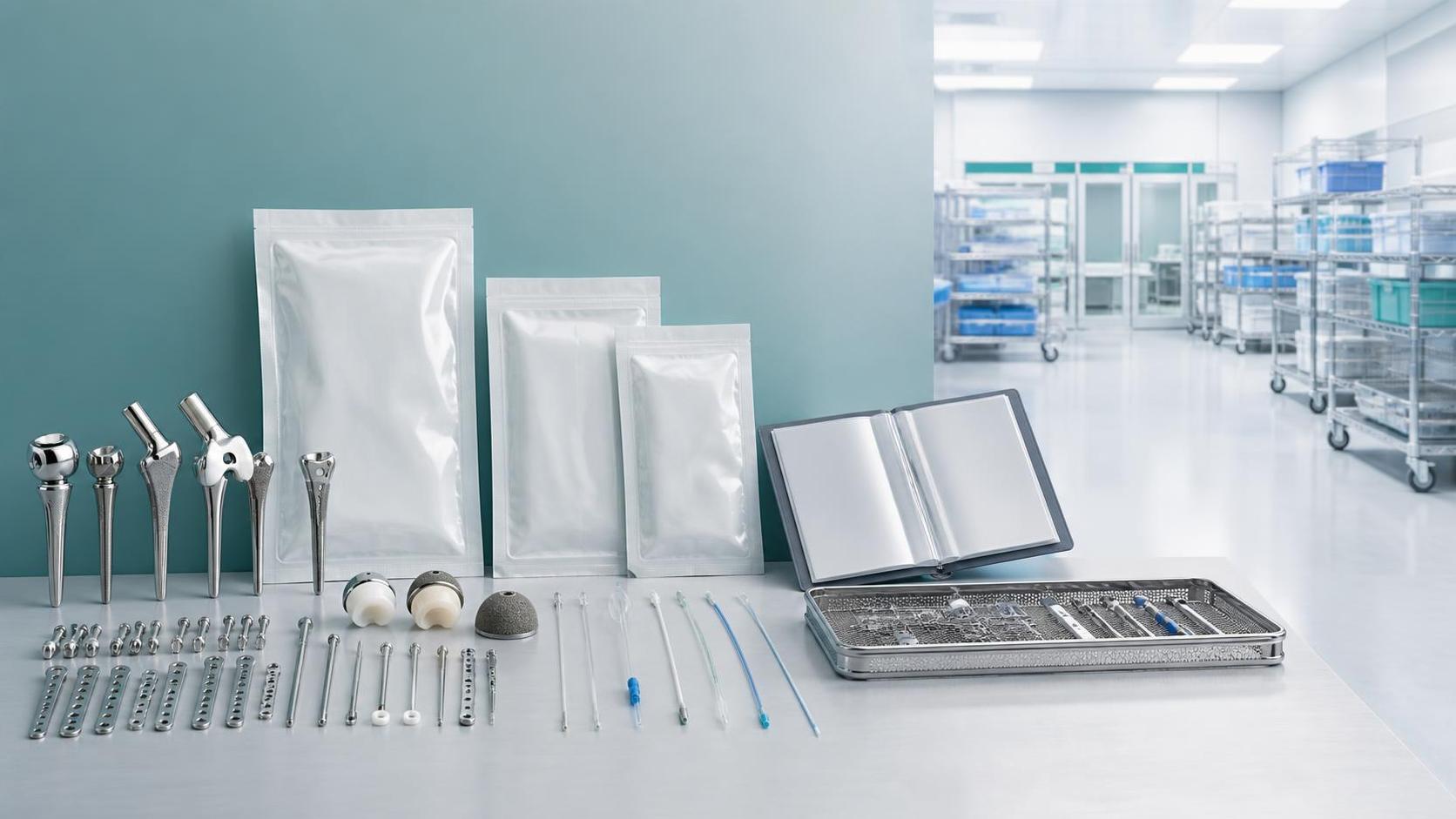
A titanium alloy used in an orthopedic implant, for example, must be assessed differently from titanium staples, surgical instruments, or particles generated during implant manufacturing.
Likewise, a medical-grade polymer catheter may become unsuitable when combined with a lubricant, radiopaque additive, solvent residue, or sterilization process that changes extractables.
For quality professionals, the verification objective is evidence-based suitability. The file should demonstrate why the specific material configuration is appropriate for the specific device.
That evidence should be traceable, current, scientifically justified, and connected to the device’s design inputs, risk controls, supplier controls, and regulatory submission strategy.
Define the Material in Its Final Device Configuration
Do not begin with a generic material name. Begin with a precise material identity that reflects the actual formulation, grade, processing history, and functional condition.
For metals, record the applicable standard, alloy designation, heat treatment, surface finish, passivation condition, cleaning process, and any laser marking or coating.
For polymers, document the resin manufacturer, grade, additives, colorants, plasticizers, stabilizers, fillers, masterbatch source, regrind policy, and processing temperature range.
For absorbable materials, identify polymer composition, molecular weight range, degradation profile, residual monomers, catalysts, and packaging conditions that could affect performance over time.
For coatings and adhesives, include all layers, primers, solvents, curing mechanisms, thickness specifications, cross-linking conditions, and potential degradation or particulate-generation mechanisms.
A useful discipline is creating a material characterization table. It should link each patient-contacting material to a unique internal identifier and approved supplier specification.
The table should distinguish direct-contact materials from indirect-contact materials, including processing aids, cleaning agents, packaging components, and residues that may migrate into the device.
This prevents a common review failure: biological evaluation addresses the primary polymer or metal, while overlooked additives or manufacturing residues create the actual patient risk.
Classify Patient Contact Before Reviewing Test Reports
Material verification should follow the device’s biological evaluation framework, commonly aligned with ISO 10993-1 and FDA’s current biocompatibility evaluation expectations.
First, identify whether the device contacts intact skin, breached skin, circulating blood, tissue, bone, dentin, mucosal membranes, or another clinically relevant body environment.
Next, establish contact duration. FDA evaluations commonly distinguish limited exposure, prolonged exposure, and permanent contact, because biological risk changes substantially with exposure time.
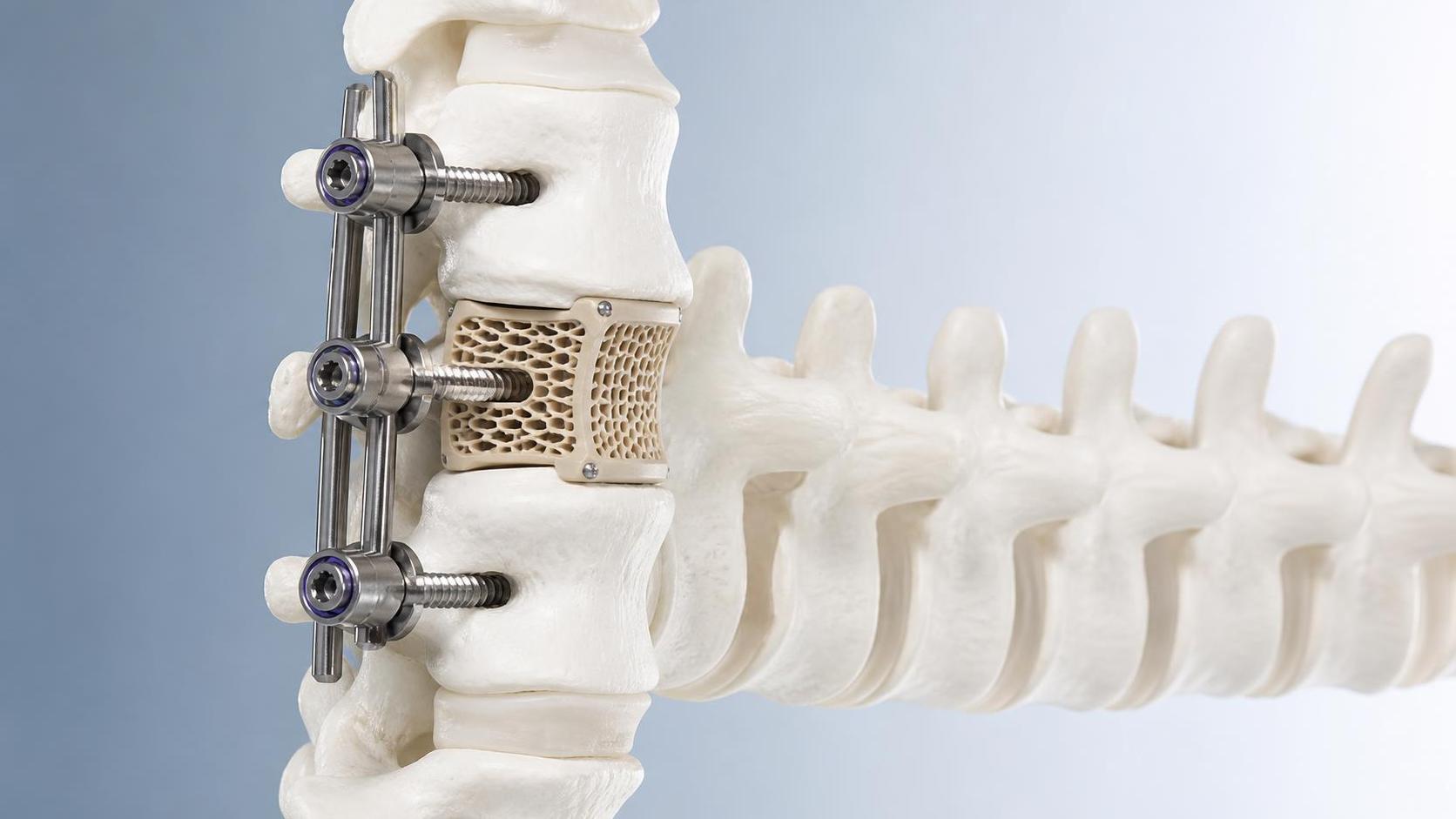
An implantable spinal cage, coronary stent, central venous catheter, and advanced wound dressing may all use compliant-looking materials yet require fundamentally different biological assessments.
Contact classification also determines whether specific endpoints deserve increased attention, such as hemocompatibility, implantation response, chronic toxicity, genotoxicity, or chemical characterization.
Quality teams should challenge simplified claims such as “the material passed ISO 10993.” Passing one endpoint does not establish suitability across all endpoints.
Ask whether the available evidence matches the final device category, actual contact route, maximum exposure duration, and credible worst-case manufacturing condition.
Where a device has multiple material interfaces, evaluate each relevant configuration. A catheter shaft, balloon, marker band, hydrophilic coating, and adhesive bond may present separate hazards.
Verify Biological Safety Using a Risk-Based Evidence Package
A defensible biological safety assessment combines material knowledge, chemical characterization, toxicological risk assessment, literature review, manufacturing information, and targeted testing where necessary.
Testing is important, but testing alone is not the objective. FDA expects a scientifically justified evaluation that explains why residual risks are acceptable.
Start by reviewing existing biological data for the same material and processing condition. Confirm that the supplier’s evidence actually applies to your intended device configuration.
Supplier reports may cover a virgin resin plaque or uncoated sample, while your device uses pigments, irradiation sterilization, extraction-sensitive processing, or prolonged blood contact.
Chemical characterization is often the critical bridge between material selection and toxicological assessment. It identifies substances that can leach from the finished device.
Use extraction conditions that are justified for the device and intended clinical exposure. Inadequate extraction can underestimate risks from additives, degradation products, or residues.
For each identified chemical, a qualified toxicological assessment should consider patient exposure, toxicological thresholds, route of exposure, duration, uncertainty, and cumulative exposure where relevant.
Pay particular attention to known high-risk concerns: residual solvents, heavy metals, catalyst residues, nitrosamines, endocrine-active additives, sensitizing agents, and particulate matter.
Where literature or predicate-device history is used, document equivalence carefully. Material similarity is insufficient when surface chemistry, formulation, sterilization, or clinical exposure differs.
Confirm Supplier Controls and Material Traceability
Even a well-characterized material can become nonconforming when supplier controls are weak. FDA compliance depends on sustained control, not a one-time qualification exercise.
Under FDA Quality System Regulation requirements and the evolving Quality Management System Regulation framework, manufacturers remain responsible for purchased material quality and supplier oversight.
Supplier qualification should evaluate technical capability, quality-system maturity, change-notification practices, lot traceability, testing methods, deviation handling, and regulatory communication responsiveness.
Obtain material specifications, certificates of analysis, certificates of conformance, safety data sheets, relevant standards, and statements describing formulation-control or change-control commitments.
However, do not treat a certificate of analysis as biological evidence. It confirms selected lot attributes, while biocompatibility suitability depends on broader chemical and process controls.
Quality agreements should define notification requirements for changes to raw materials, manufacturing locations, sub-tier suppliers, analytical methods, packaging, and quality-system status.
For high-risk implantable or blood-contacting devices, audit evidence should demonstrate that critical parameters are controlled throughout material production, storage, handling, and shipment.
Traceability should allow an investigator to connect a finished device lot back to the incoming material lot, supplier batch, receiving inspection result, and applicable release documentation.
Assess Manufacturing and Sterilization Effects
A material may be acceptable at incoming inspection but change significantly during manufacturing. FDA compliance verification must therefore include the complete manufacturing pathway.
Review machining lubricants, mold-release agents, cleaning chemistry, heat exposure, welding, additive-manufacturing parameters, annealing, surface treatment, and packaging operations.
For 3D-printed orthopedic implants, powder reuse, particle size distribution, oxygen pickup, post-processing, and cleaning validation can affect both mechanical and biological performance.
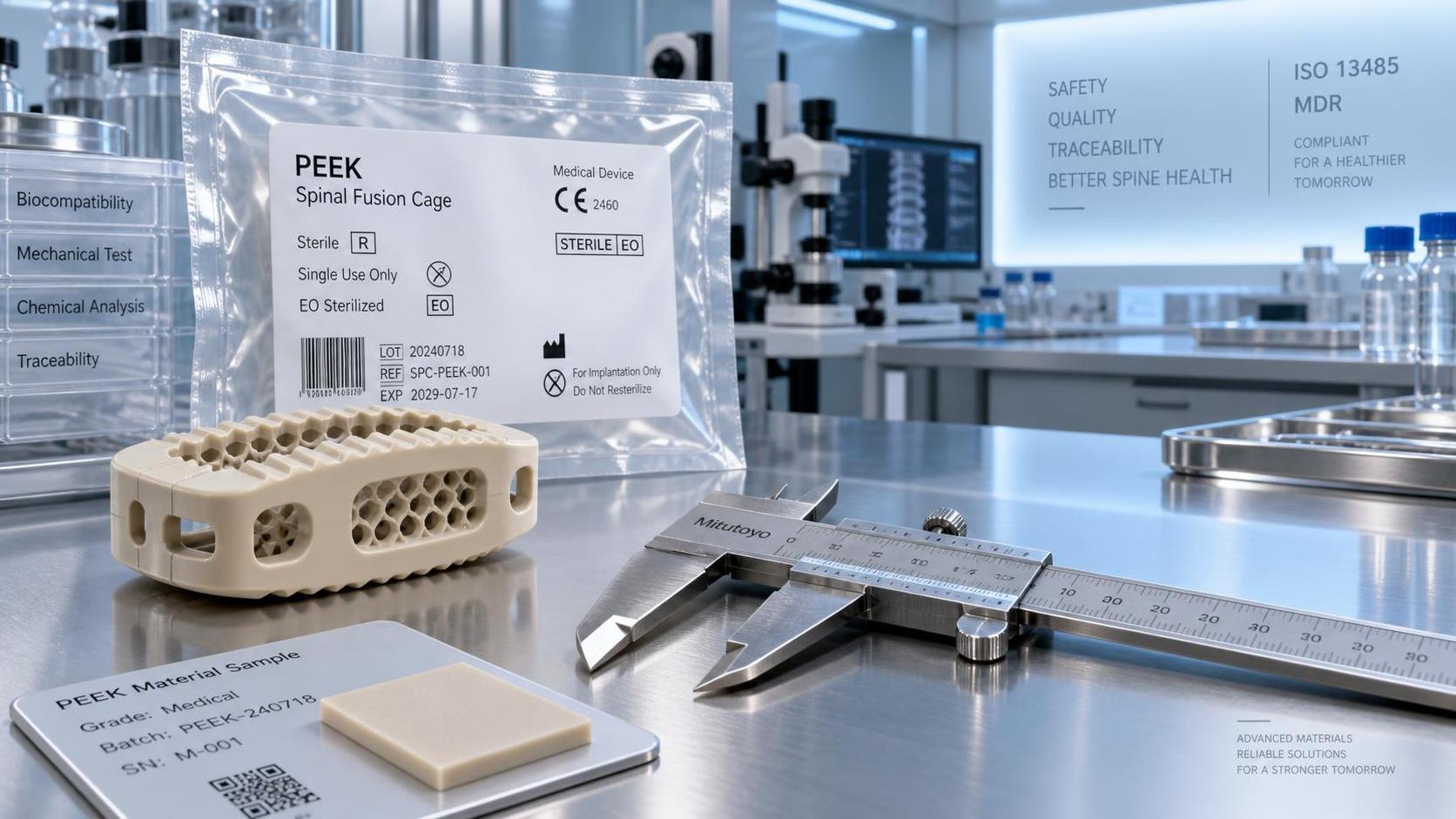
For PEEK implants and polymer catheters, thermal history may influence crystallinity, mechanical behavior, extractables, radiopacity, or stress cracking under sterilization and shelf-life conditions.
Sterilization requires particular scrutiny. Ethylene oxide can leave residuals, gamma irradiation can alter polymer chemistry, and steam can damage heat-sensitive formulations or coatings.
Validate that sterilization represents the worst-case commercial condition. Then confirm whether post-sterilization chemical characterization and biocompatibility evidence remain applicable.
Packaging materials deserve review as well. A sterile barrier, tray, pouch ink, or adhesive can contribute volatile or extractable substances during storage.
Accelerated and real-time aging studies should support claims that material characteristics remain controlled through labeled shelf life, transport stress, and expected storage conditions.
Connect Material Evidence to Risk Management Files
A medical device materials FDA compliant assessment should never sit separately from risk management. It must connect directly with the device hazard analysis and risk-control strategy.
Use ISO 14971 principles to identify material-related hazards, including toxicity, sensitization, thrombosis, corrosion, wear debris, mechanical fracture, leachables, and loss of barrier integrity.
For every material-related hazard, identify the risk control. Controls may include supplier specifications, incoming inspection, validated cleaning, coating inspection, sterilization limits, or design constraints.
Then verify that each control is supported by objective evidence. A risk-control statement without acceptance criteria, validation evidence, or production monitoring is not sufficient.
For cardiovascular devices, consider particulate generation, corrosion, drug-polymer interactions, and blood-contacting performance. These hazards may not be addressed by generic material certificates.
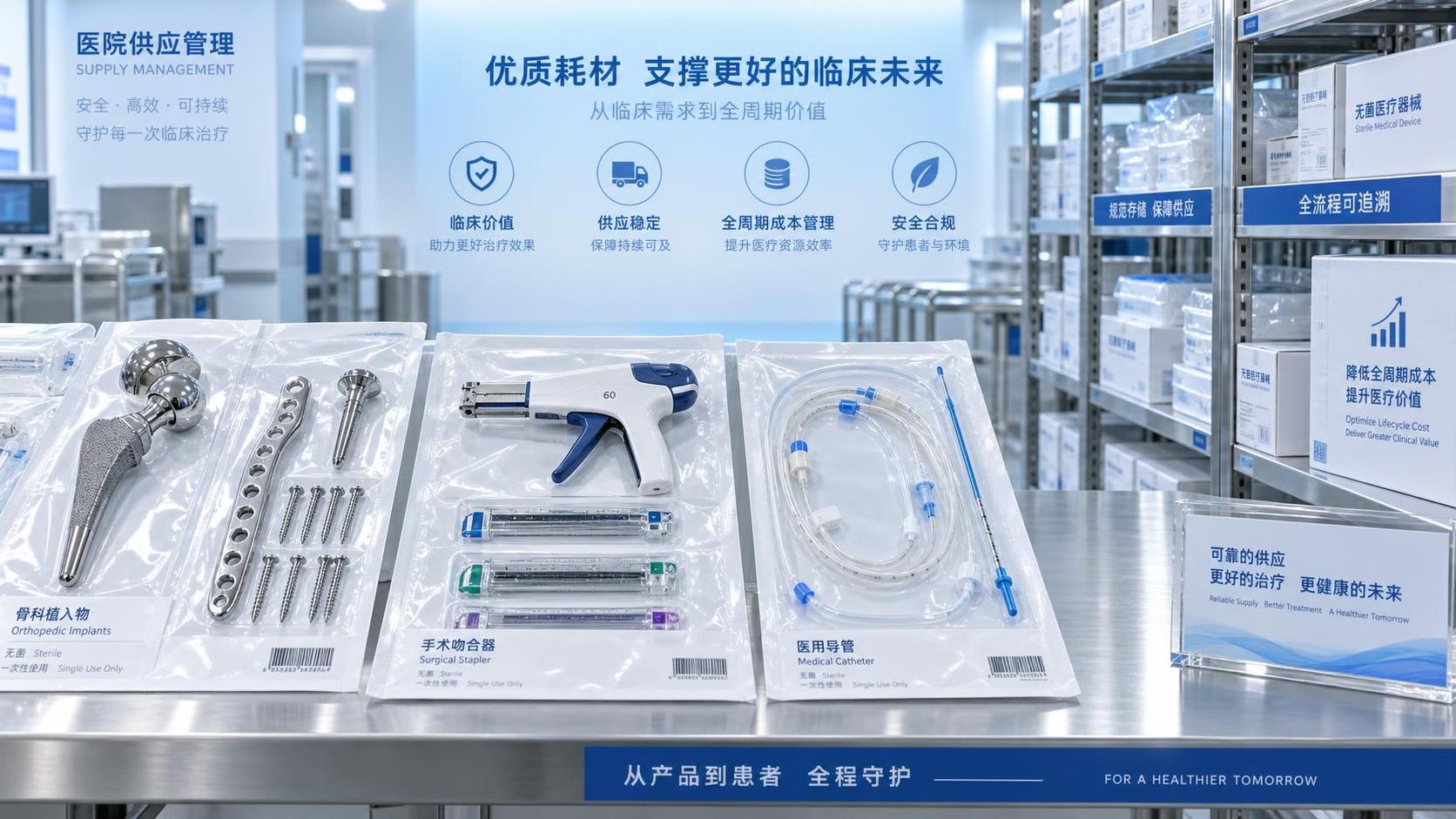
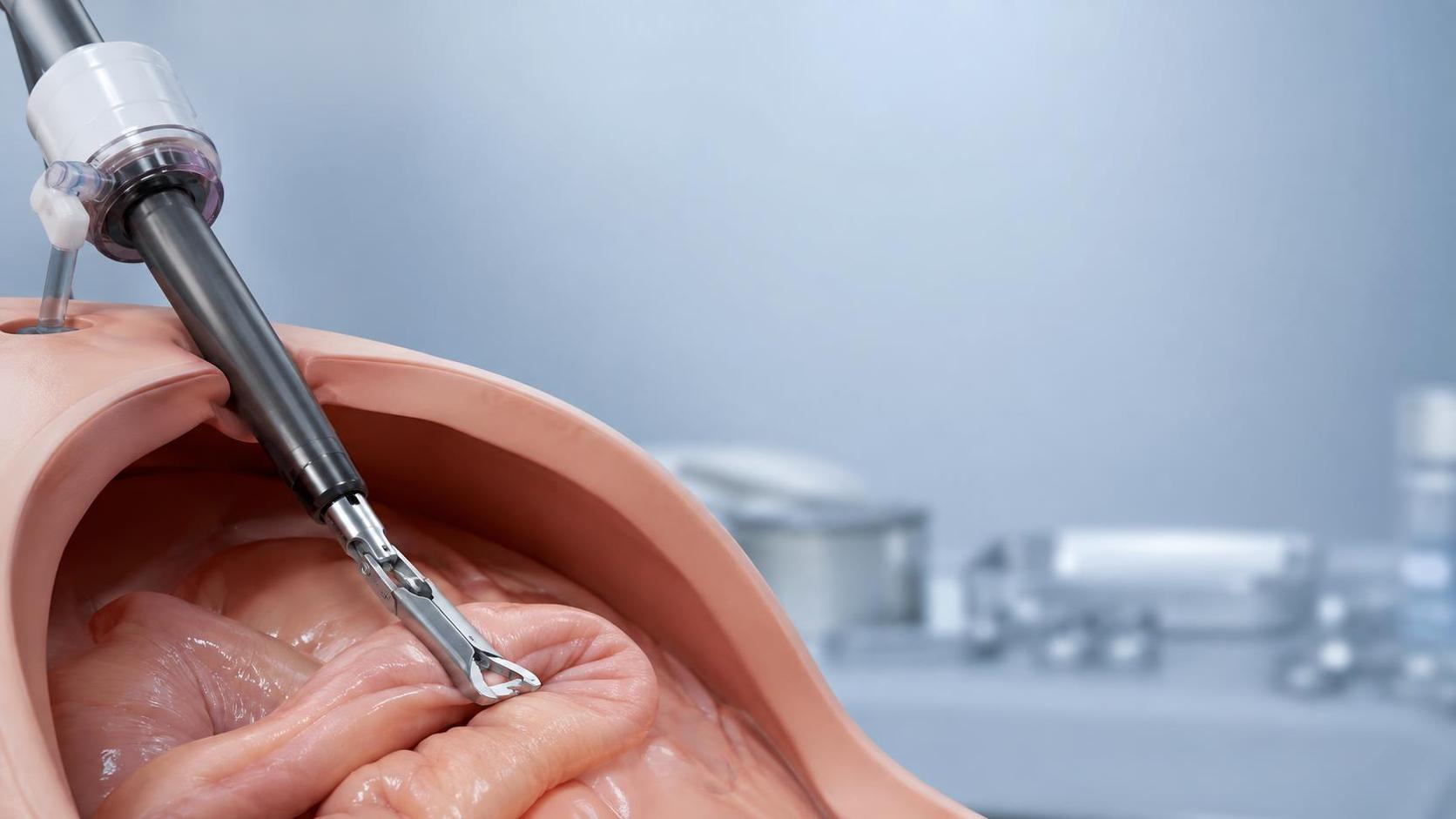
For surgical staplers, material assessment should include staple formation, surface defects, corrosion resistance, mechanical integrity, and compatibility with tissue-contact and implantation scenarios.
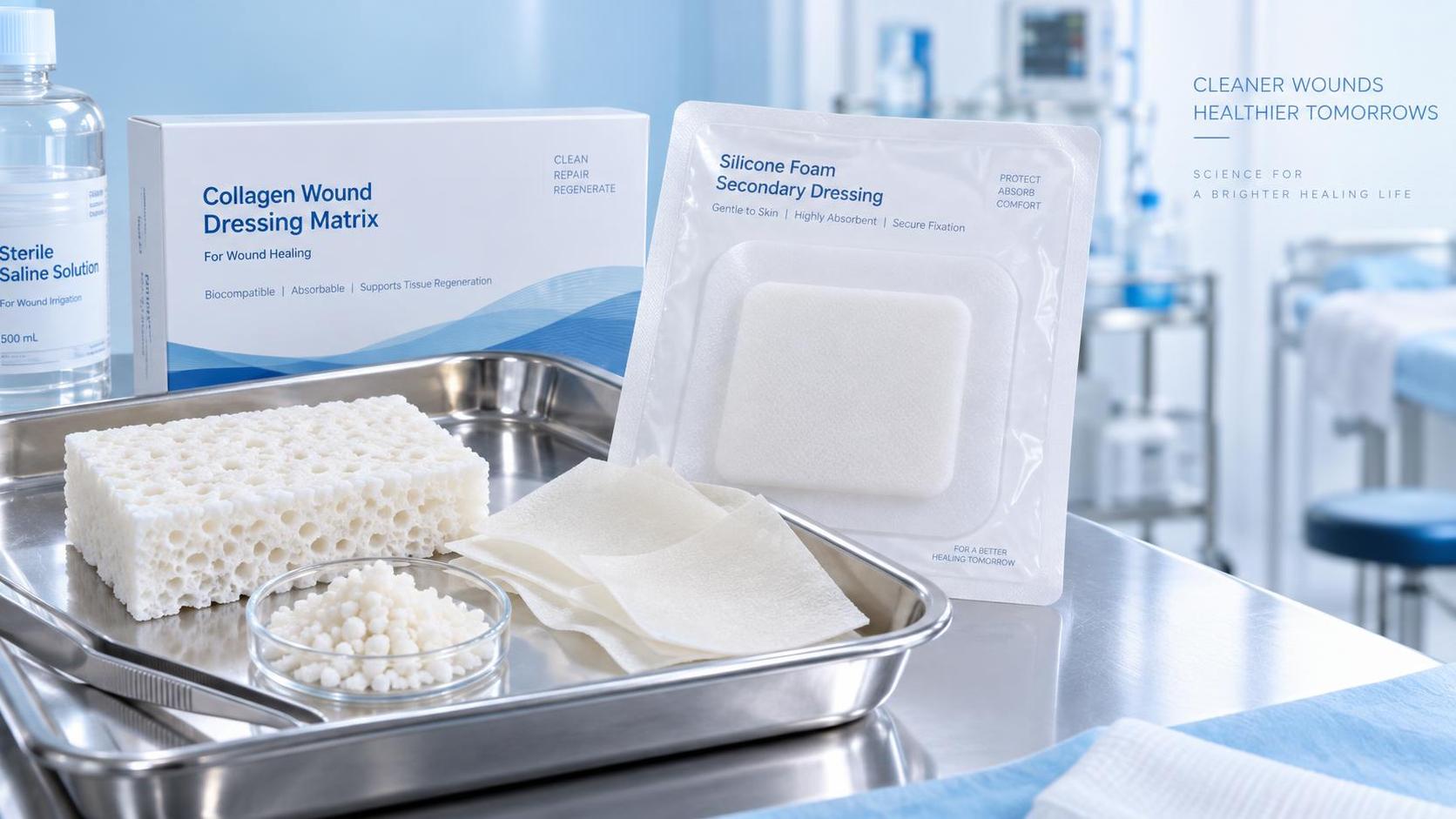
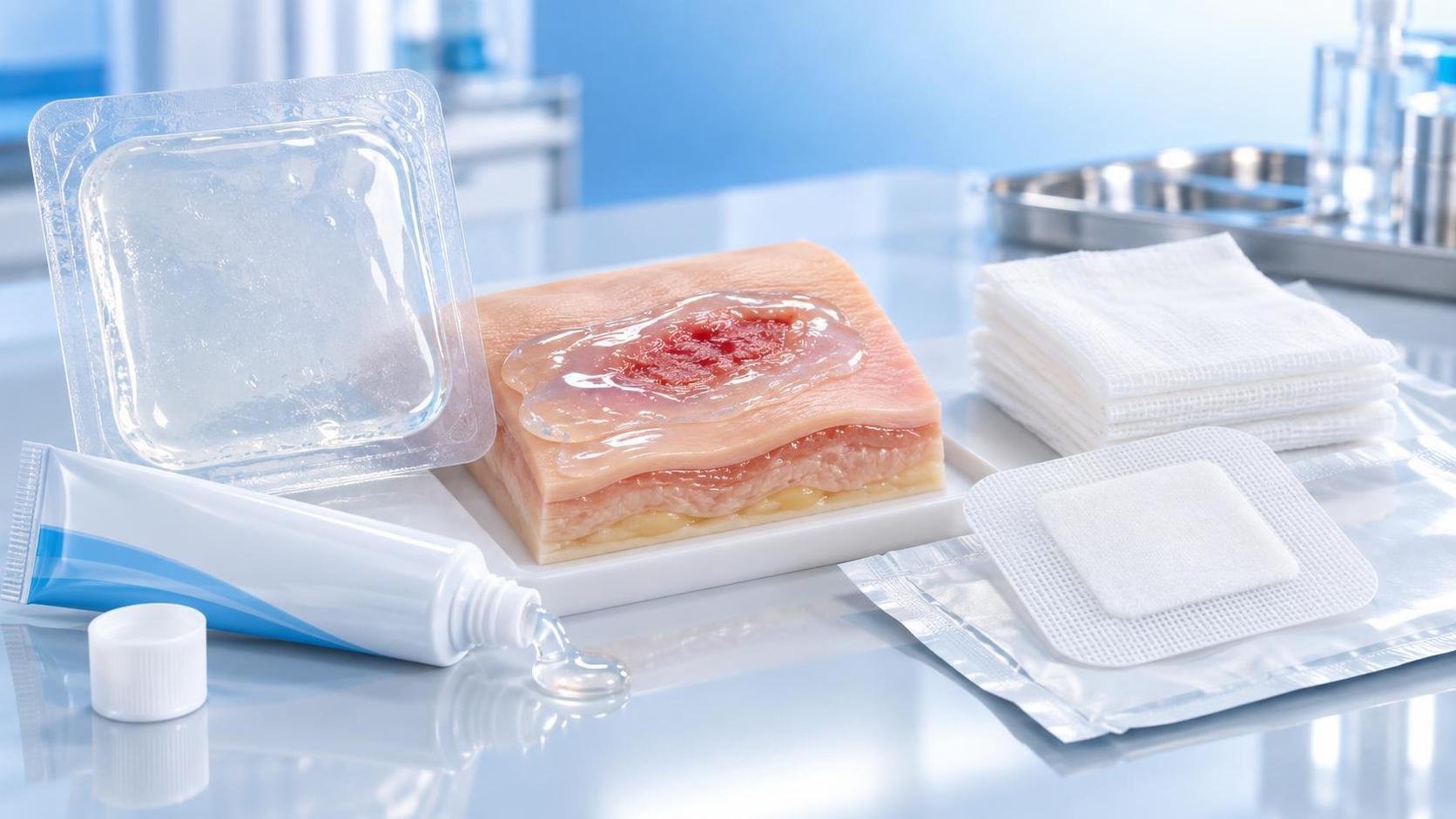
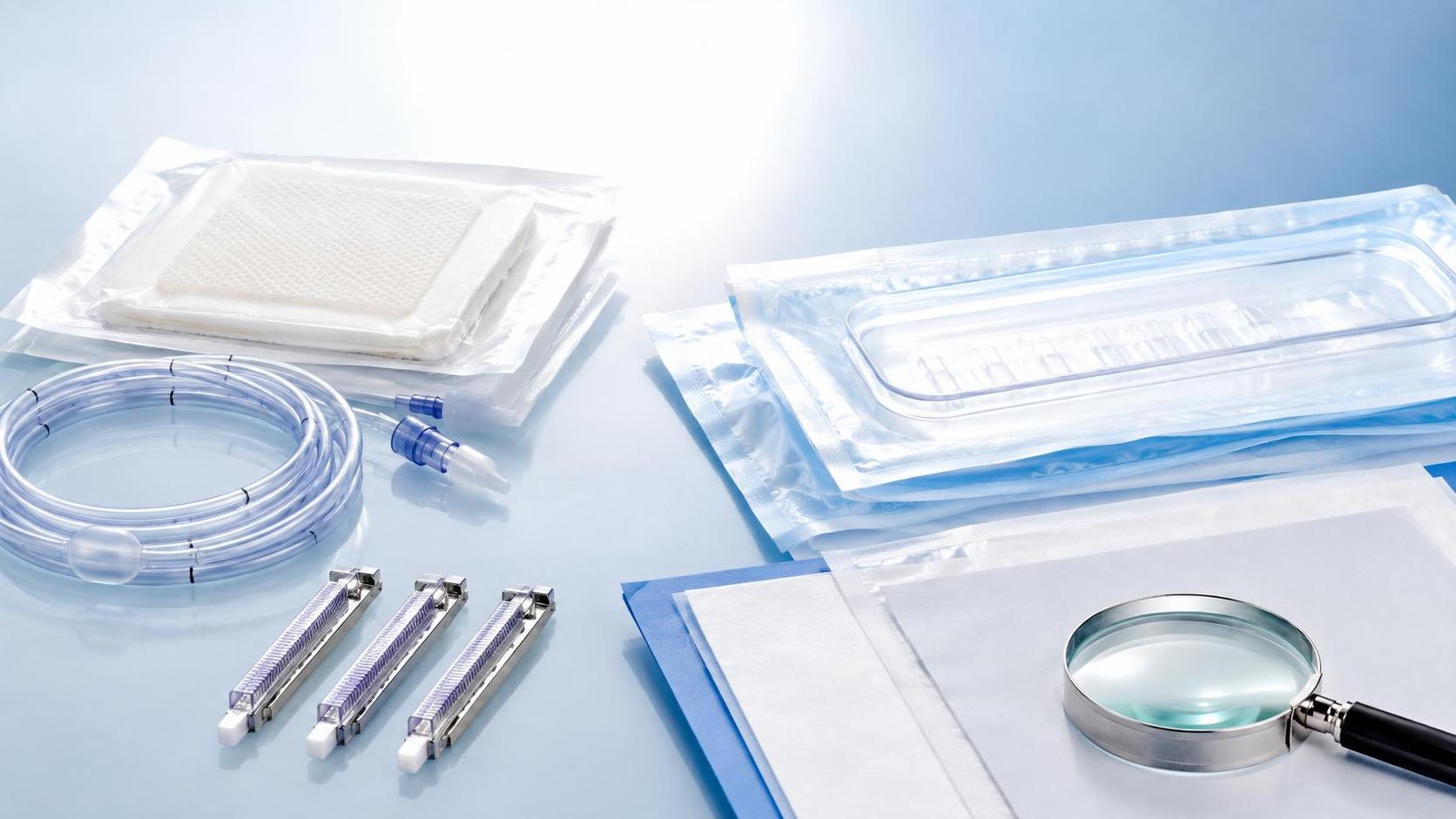
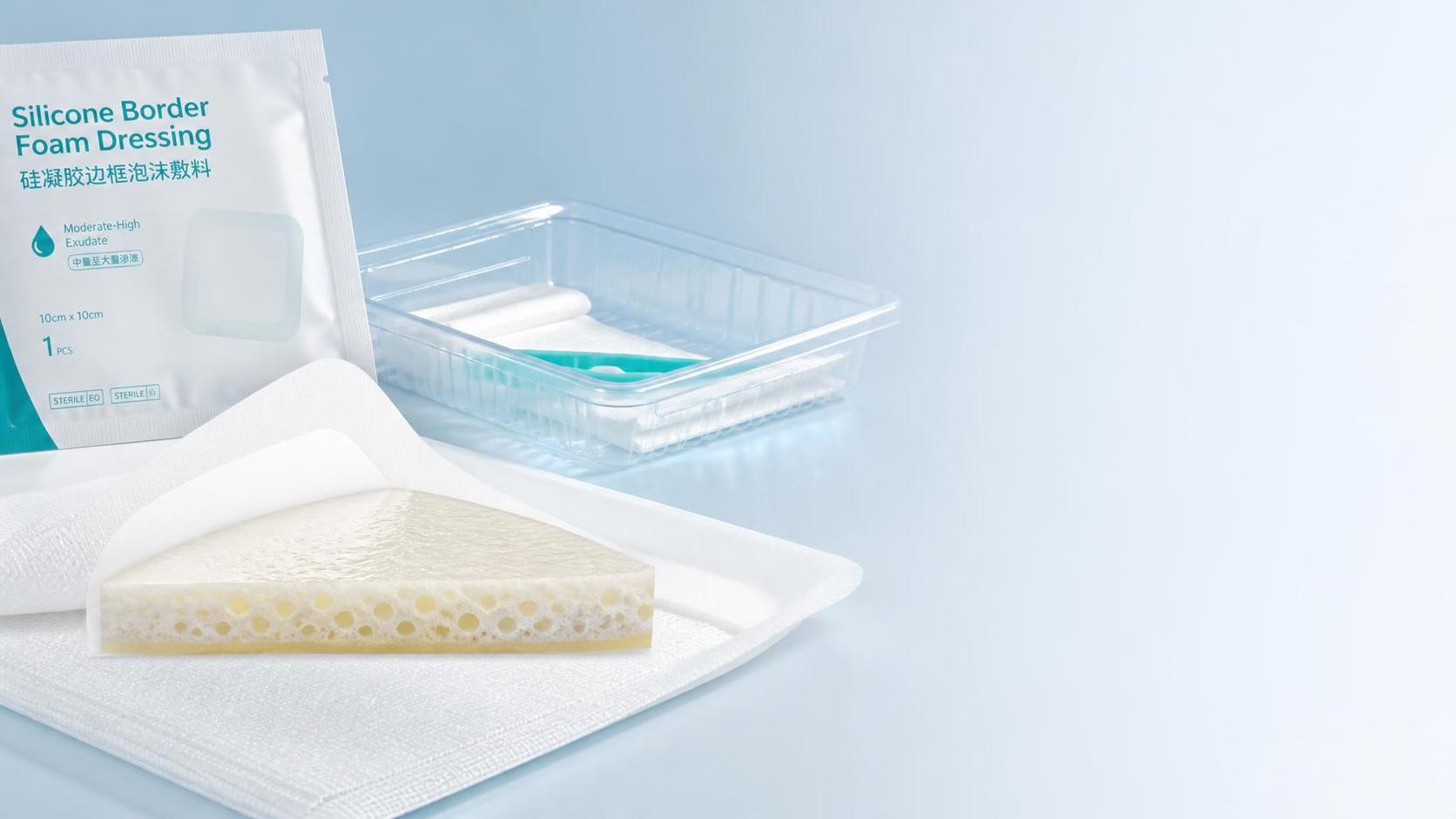
For advanced wound care, evaluate sensitization, cytotoxicity, moisture handling, antimicrobial-agent release, and the implications of prolonged contact with compromised skin or chronic wounds.
A well-maintained risk file creates a clear regulatory narrative: the company understood the material hazards, applied appropriate controls, and verified that residual risks remain acceptable.
Build a Reviewable Documentation Package
FDA readiness depends heavily on documentation quality. Reviewers must be able to understand what material was used, why it was selected, and how safety was demonstrated.
Maintain a controlled material dossier for every critical patient-contacting material. It should be accessible to design, quality, regulatory, purchasing, manufacturing, and postmarket teams.
The dossier should include specifications, supplier qualifications, certificates, composition information, processing records, chemical characterization, biological evaluation rationale, test reports, and toxicological assessments.
It should also reference design verification, process validation, sterilization validation, packaging validation, shelf-life evidence, risk management records, and applicable complaint or vigilance data.
Document gaps openly. When evidence is incomplete, define the rationale, risk level, interim controls, ownership, target completion date, and impact on product release or submission timing.
Version control is essential. Material dossiers frequently become outdated after supplier changes, reformulations, new sterilization sites, revised specifications, or expanded clinical indications.
Establish periodic review triggers rather than relying solely on annual review. Significant supplier, process, regulatory, complaint, or scientific developments should prompt reassessment.
This discipline reduces expensive late-stage surprises, especially when a 510(k), De Novo request, PMA supplement, inspection response, or global registration requires rapid evidence retrieval.
Recognize the Warning Signs Before They Become Findings
Several warning signs indicate that a material compliance claim may be weak. The first is reliance on marketing language such as “medical grade” without technical substantiation.
Another warning sign is an old biocompatibility report that does not identify the tested article clearly. Ambiguous samples cannot reliably support a current device.
Be cautious when suppliers refuse to disclose composition changes, sub-tier sourcing information, or sufficient data for chemical characterization and toxicological assessment.
Unexplained differences between development materials and commercial materials also require investigation. A change in pigment, additive, coating supplier, or processing aid can be consequential.
Complaint trends may reveal material issues before laboratory tests do. Monitor reports involving allergic reactions, corrosion, fractures, coating delamination, thrombosis, or unexpected tissue responses.
Finally, avoid assuming a predicate device resolves all concerns. Predicate history is useful, but FDA expects manufacturers to justify material equivalence and evaluate new risks.
A Practical Verification Checklist for Quality Teams
Begin by identifying every patient-contacting material and every potentially migrating substance. Map each item to its finished-device location, exposure route, duration, and clinical function.
Confirm that material specifications, approved suppliers, incoming controls, and lot traceability are established before commercial production or regulatory submission activities begin.
Review whether the biological evaluation addresses the final sterilized device, credible worst-case processing conditions, and all relevant endpoints for the classified patient contact.
Evaluate chemical characterization and toxicological risk assessments for scientific quality, representativeness, analytical sensitivity, uncertainty handling, and relevance to the intended patient population.
Verify that manufacturing, cleaning, packaging, sterilization, aging, and transport validations do not introduce unaddressed chemical, particulate, mechanical, or degradation-related risks.
Link all material-related hazards and controls to the risk management file. Ensure validation records and acceptance criteria demonstrate that those controls work consistently.
Finally, establish change-control triggers. A material remains compliant only when future changes are assessed before implementation, not after a complaint, inspection, or submission delay.
Conclusion: Compliance Is Evidence of Ongoing Control
Verifying FDA compliance for medical device materials requires more than collecting supplier certificates or citing prior medical use. It requires a disciplined, device-specific evidence framework.
For quality and safety professionals, the strongest approach combines precise material definition, biological evaluation, supplier oversight, process validation, risk management, and controlled documentation.
When these elements are connected, the organization can defend why its materials are suitable for patients, stable through manufacturing, and supportable during FDA review or inspection.
The most reliable compliance decision is therefore not “this material is FDA approved,” but “this finished device material configuration is controlled, justified, and safe for its intended use.”