How ISO 10993 guides biocompatibility testing for medical materials
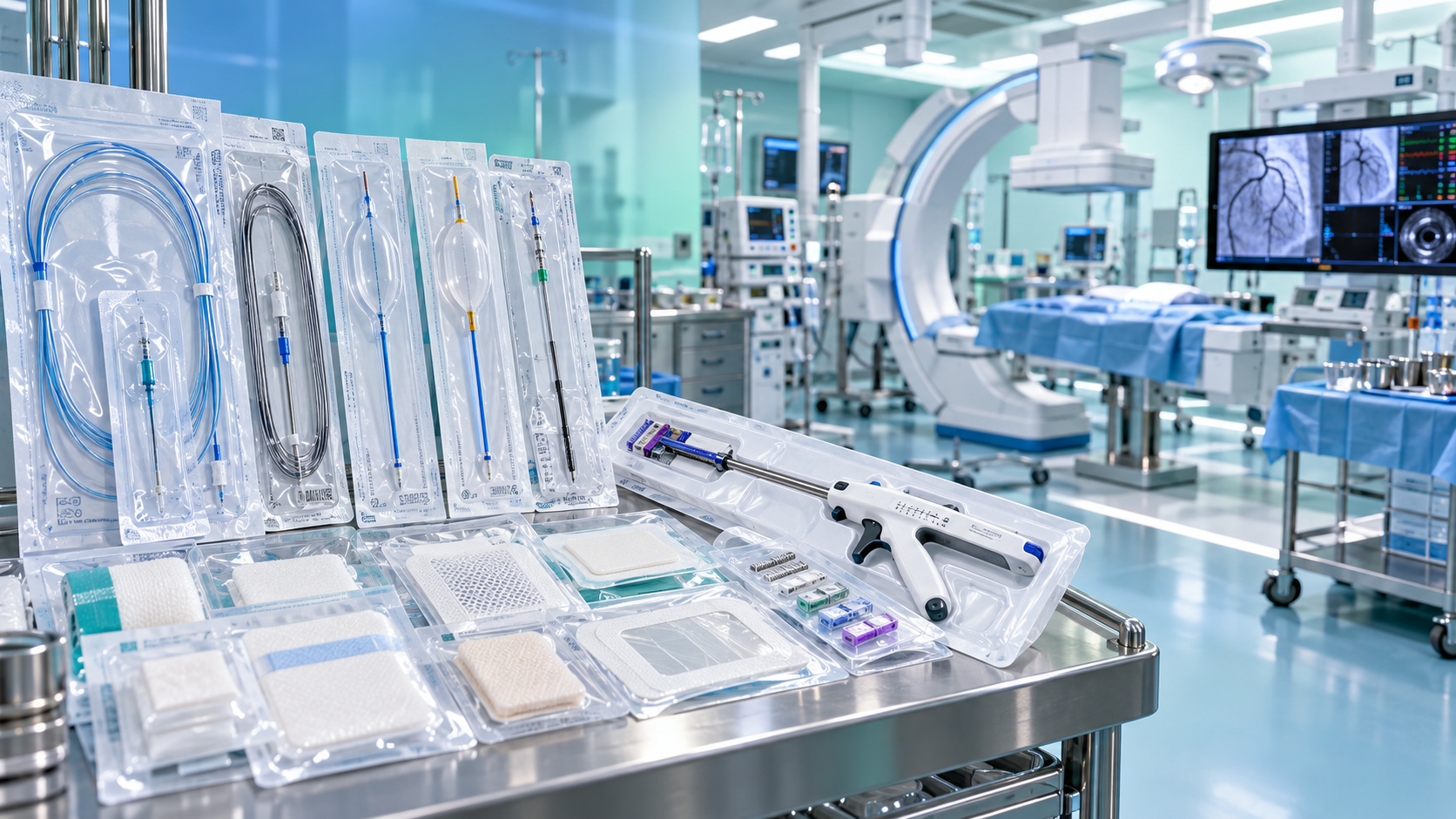
Medical material biocompatibility under ISO 10993 is not established by ordering a fixed test panel for every device. The standard series provides a risk-based framework for deciding what biological evidence is needed for a finished medical device in its intended clinical use. That distinction matters. A titanium alloy, PEEK component, polyurethane catheter, hydrogel dressing, or drug-eluting stent may each begin with a material known to medicine, yet the finished device can present a very different biological risk after processing, sterilization, coating, assembly, packaging, or long-term degradation.
The practical question is therefore not “Which ISO 10993 tests does this material need?” It is: What can reach the patient, how long and where will it contact the body, and what evidence shows that exposure is acceptably safe? A defensible biological evaluation connects those questions to material characterization, toxicological assessment, existing data, and testing only where an evidence gap remains.
ISO 10993 starts with the finished device and its clinical contact
Testing plans often fail when they are built around a raw-material datasheet. Supplier information can be useful, but it rarely represents the exposure profile of the final device. Molding can introduce processing aids. Additive manufacturing can change surface area and residual chemistry. Adhesives, inks, lubricants, radiopaque markers, colorants, cleaning residues, and packaging interactions can all alter the biological safety picture.
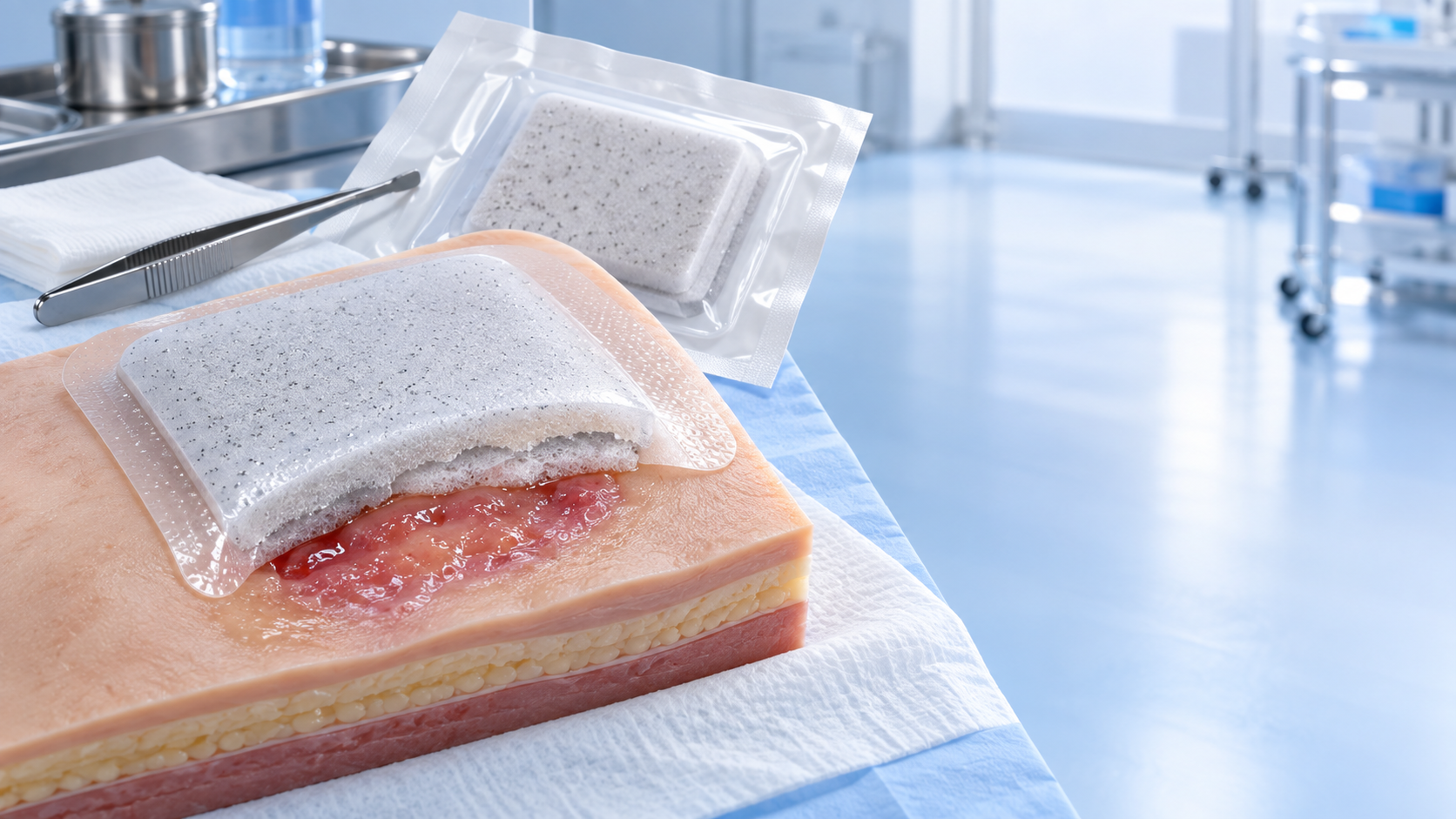
ISO 10993 begins by classifying body contact in practical terms: the type of tissue or body pathway contacted, and the duration of contact. A device with transient contact to intact skin does not call for the same evidence as a catheter that contacts circulating blood, an implant intended to remain in bone for years, or a wound dressing applied to damaged skin. Contact duration also changes the question. A short procedure can still create meaningful exposure if the device has a highly extractable coating or directly contacts blood.
This is why “the material is already used in medical devices” is not, by itself, a complete rationale. The comparison only has value when the material grade, formulation, manufacturing route, contact site, clinical duration, sterilization method, and relevant surface treatment are genuinely comparable.
Material characterization is the bridge between chemistry and biology
In medical material biocompatibility ISO 10993 work, chemical characterization is often the point where a generic test plan becomes a device-specific safety assessment. It asks what the device is made of, what chemicals may be released, and whether those chemicals create a toxicological concern under realistic use conditions.
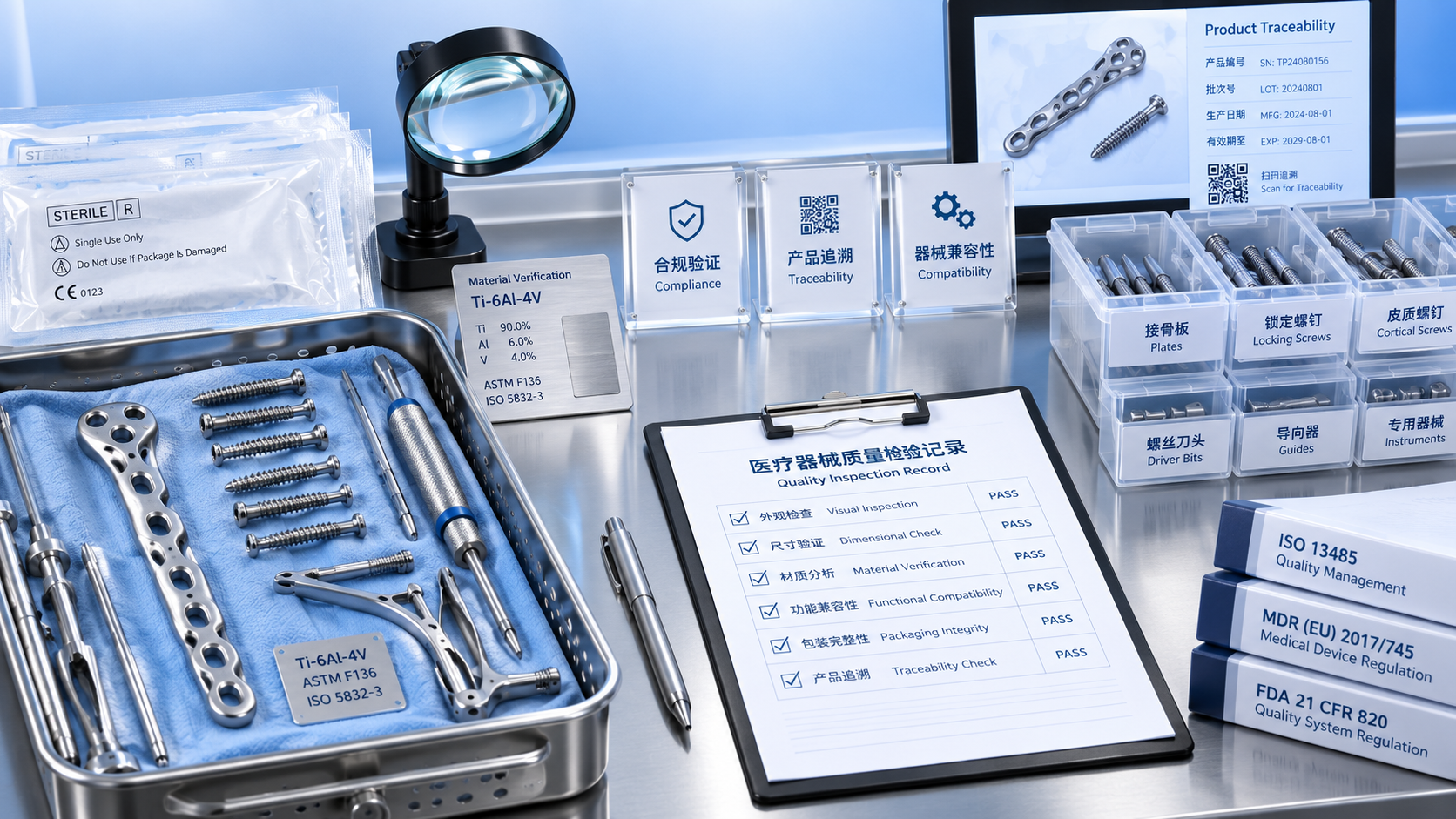
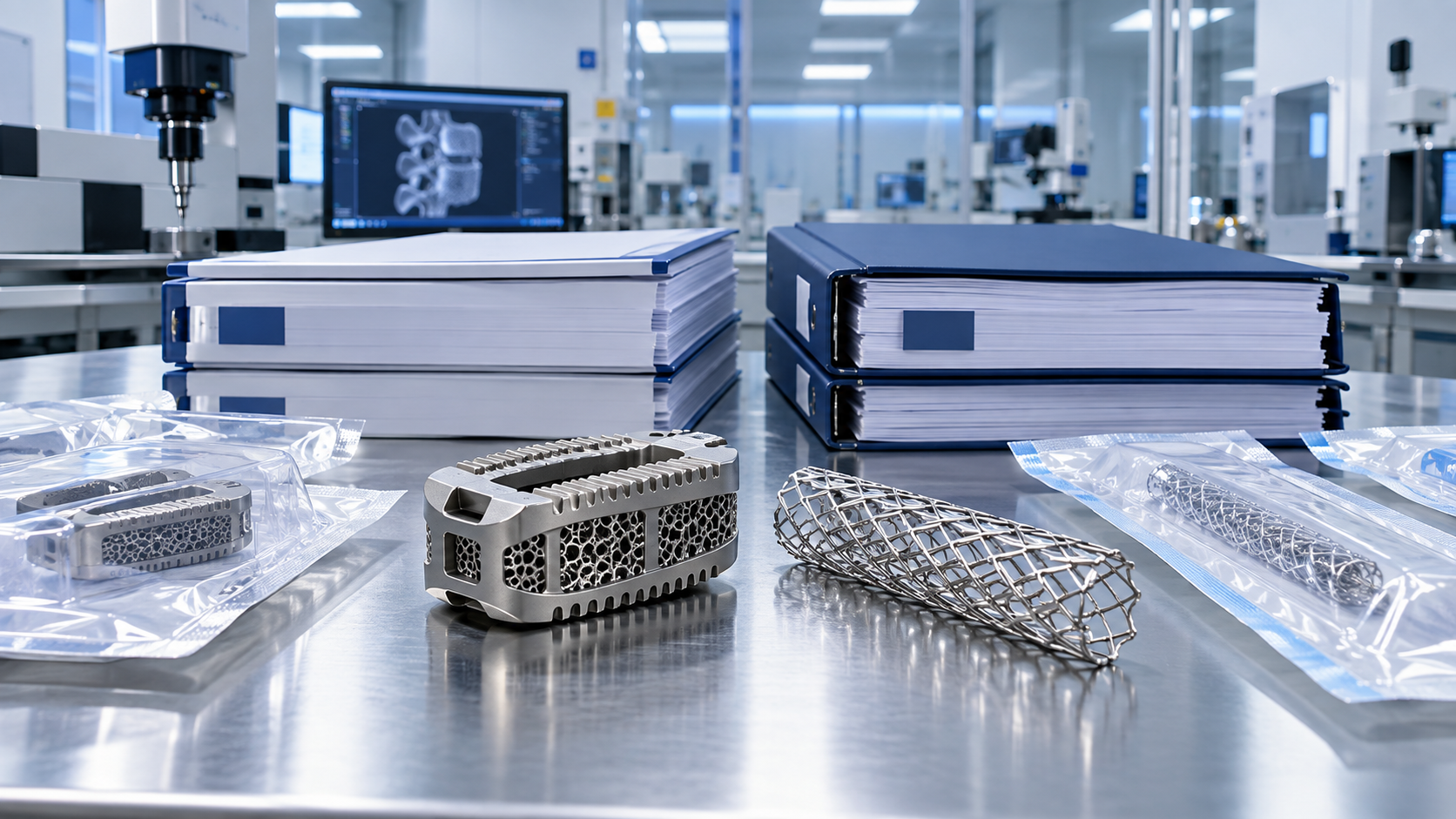
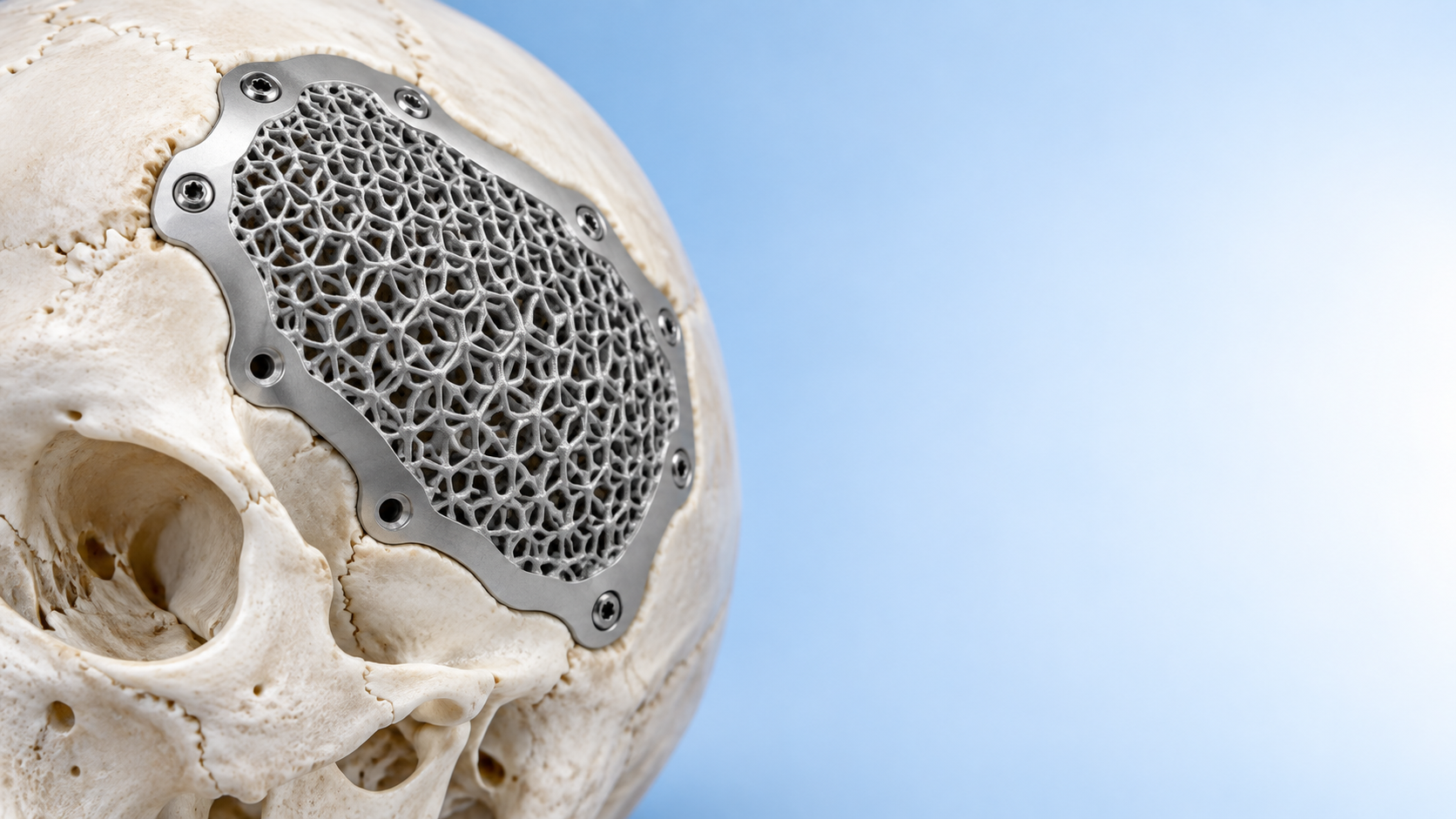
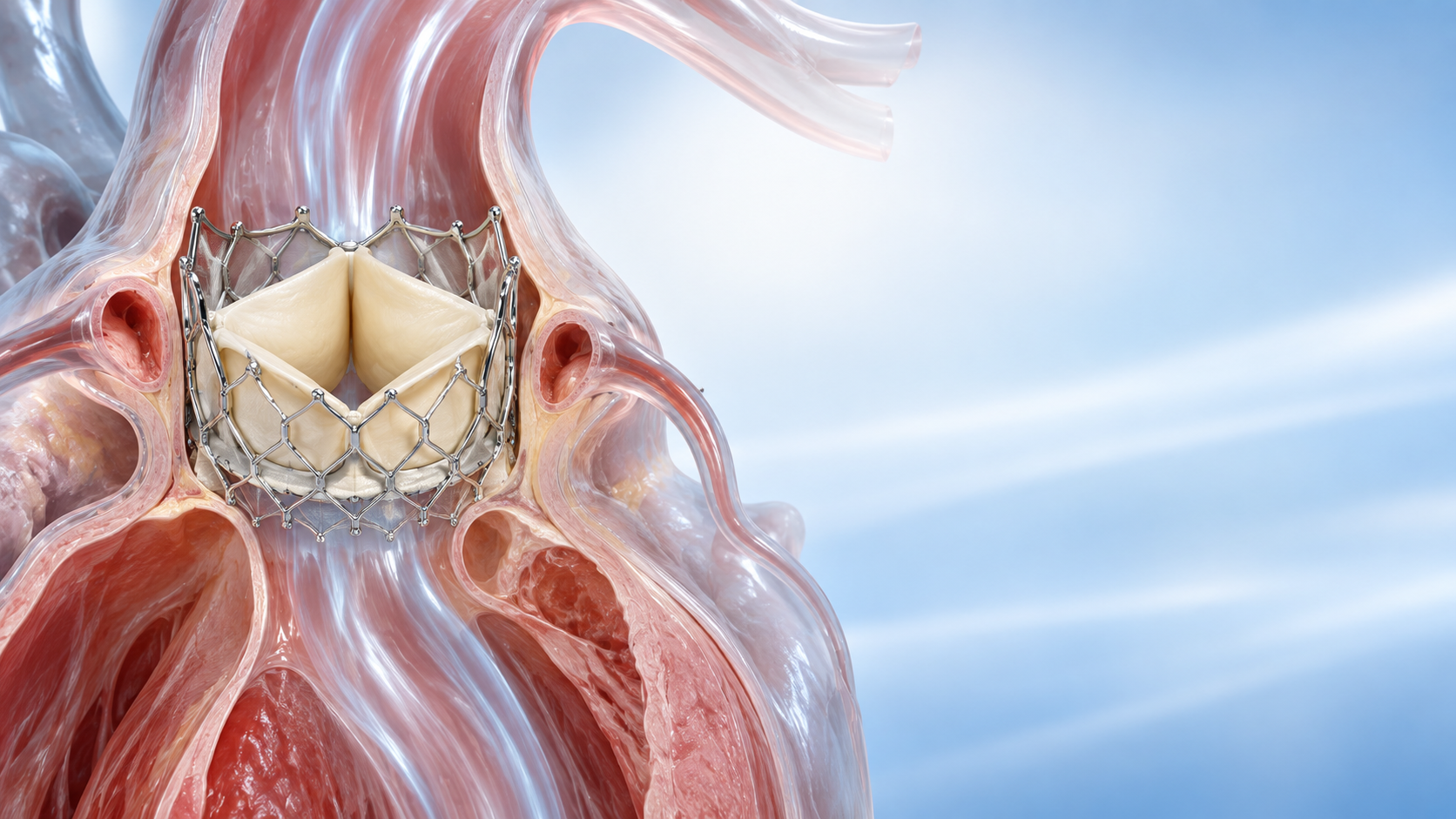
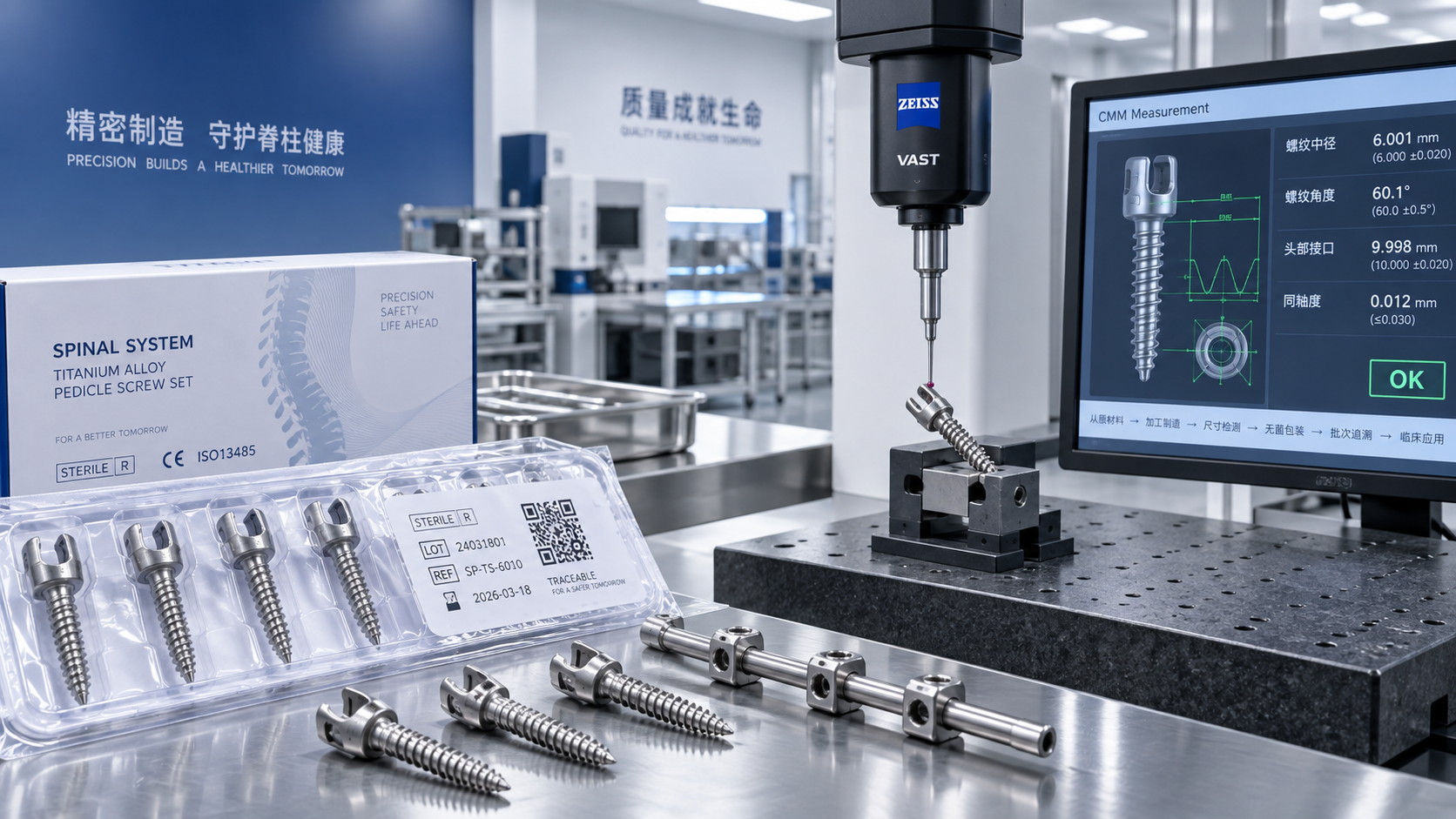
For a simple machined metallic component, the focus may include alloy composition, surface finishing residues, passivation chemistry, and particles associated with manufacturing or use. For a polymer system, the evaluation may need to address monomers, oligomers, plasticizers, catalysts, stabilizers, pigments, residual solvents, and degradation products. A coated cardiovascular device adds further questions: whether the coating remains stable, whether particulate shedding is plausible, and whether the coating, active ingredient, and carrier create an exposure profile not represented by the base substrate.
Characterization does not mean treating every detected signal as a hazard. Modern analytical methods can identify compounds at very low levels. The evaluator must distinguish between detection and meaningful patient exposure. A sound assessment considers the amount that could migrate from the device, the route of exposure, frequency and duration of use, and the toxicological relevance of the identified substance. A trace analytical signal without a plausible exposure concern should not automatically trigger broad biological testing. Conversely, an unidentified or poorly characterized extractable can be a stronger reason for additional investigation than a well-understood compound with an adequate safety margin.

Extraction conditions require the same discipline. Aggressive laboratory extraction can reveal the device’s chemical inventory, while clinically representative extraction can help estimate likely patient exposure. These purposes are related but not interchangeable. Treating a worst-case extract as though it directly represents in-body exposure can overstate risk; using only mild extraction can miss a relevant chemical hazard. The extraction approach should match the decision it is intended to support.
Testing is selected to close a specific evidence gap
ISO 10993 does not make biological testing optional when risk remains uncertain, but it does not reward unnecessary testing either. The most useful plan identifies the biological endpoints that are relevant to the device and then explains whether each endpoint is addressed through existing evidence, chemical and toxicological assessment, or new test data.
Cytotoxicity testing is frequently used because it can identify whether device extracts cause harmful effects in a cell-based system. It is valuable as a screening tool, especially for new formulations, new processing routes, or unexplained extractable profiles. It should not be treated as a universal pass/fail certificate for all biocompatibility questions. A device can show acceptable cytotoxicity results while still requiring assessment for sensitization, irritation, blood interaction, systemic toxicity, implantation effects, or other endpoint-specific concerns.
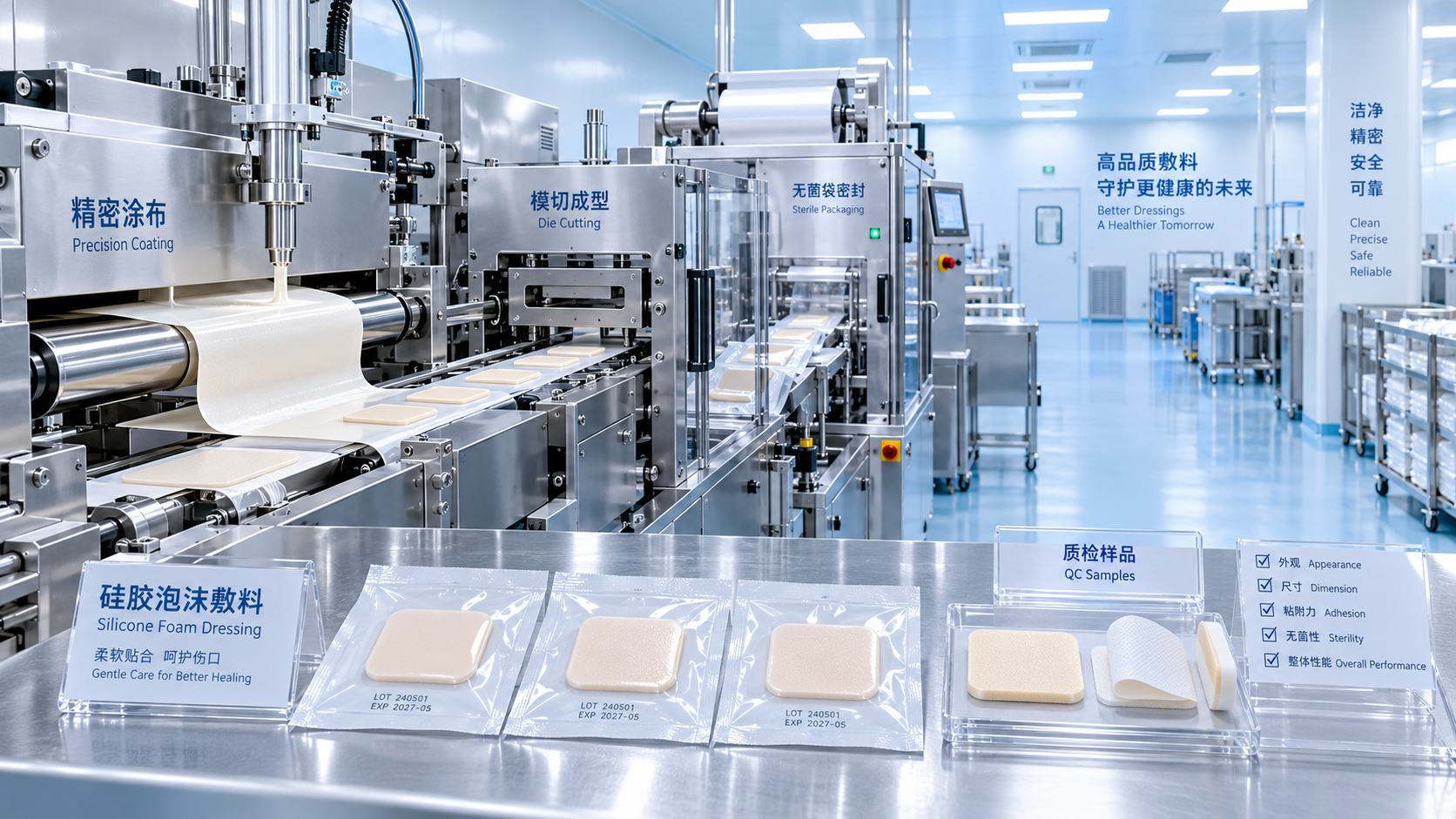
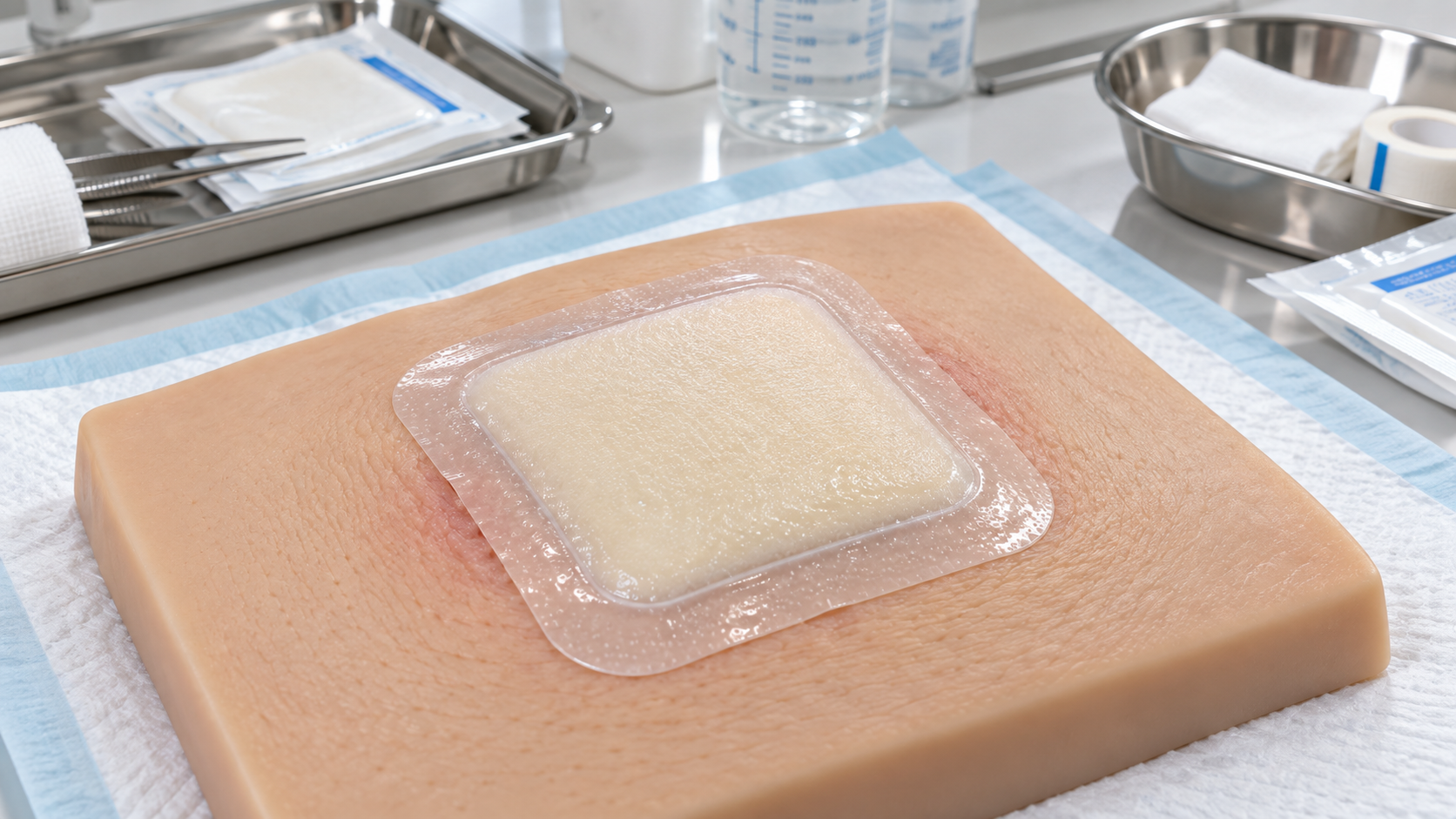
Sensitization and irritation assessment are especially relevant when components contact skin, mucosal surfaces, or tissue and may release substances capable of provoking local or immune-mediated responses. The key distinction is that irritation concerns a local inflammatory effect, while sensitization concerns the potential for an allergic response after exposure. Material history helps, but changed pigments, adhesives, coatings, sterilization processes, or residuals can change the rationale.
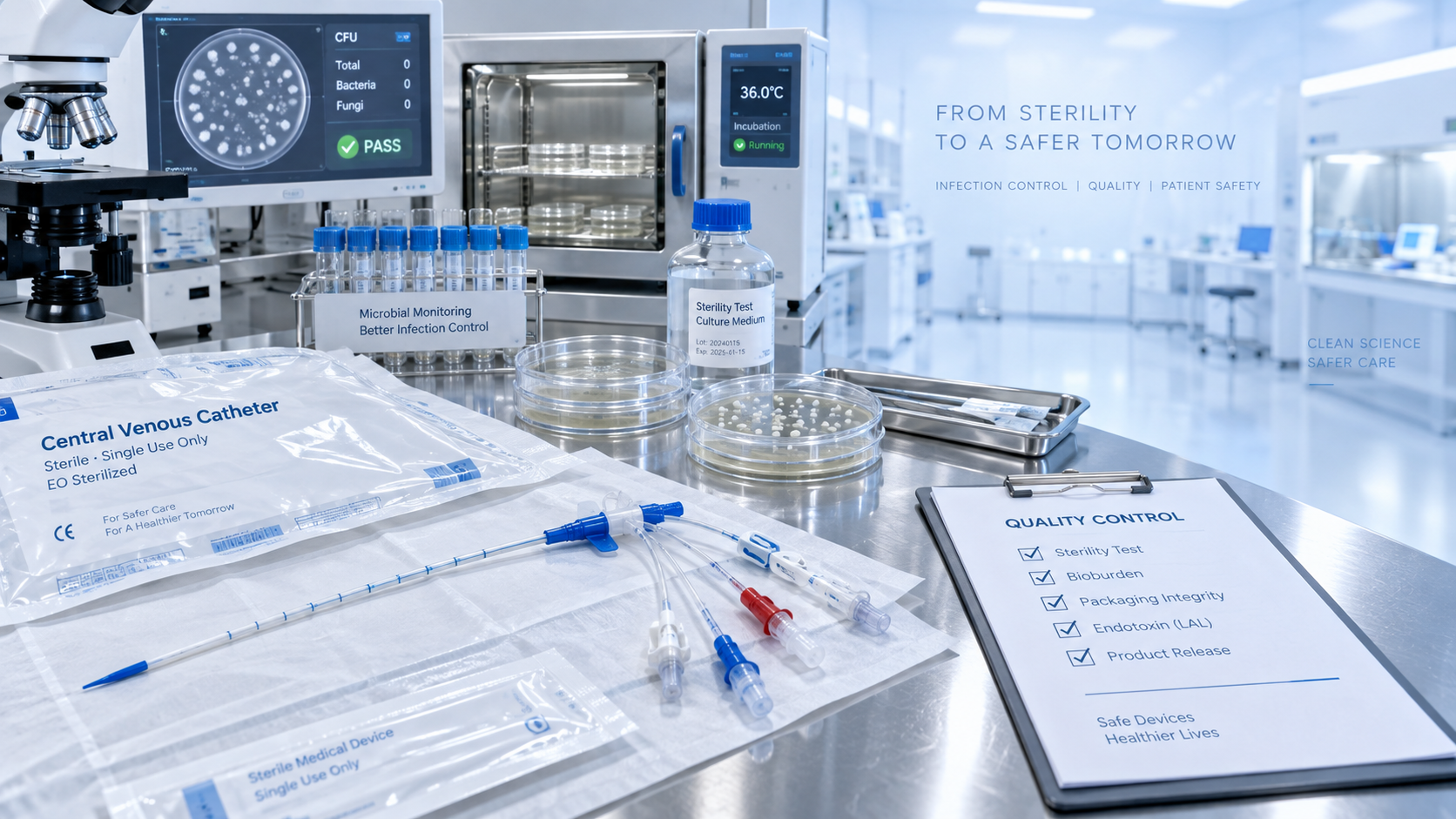
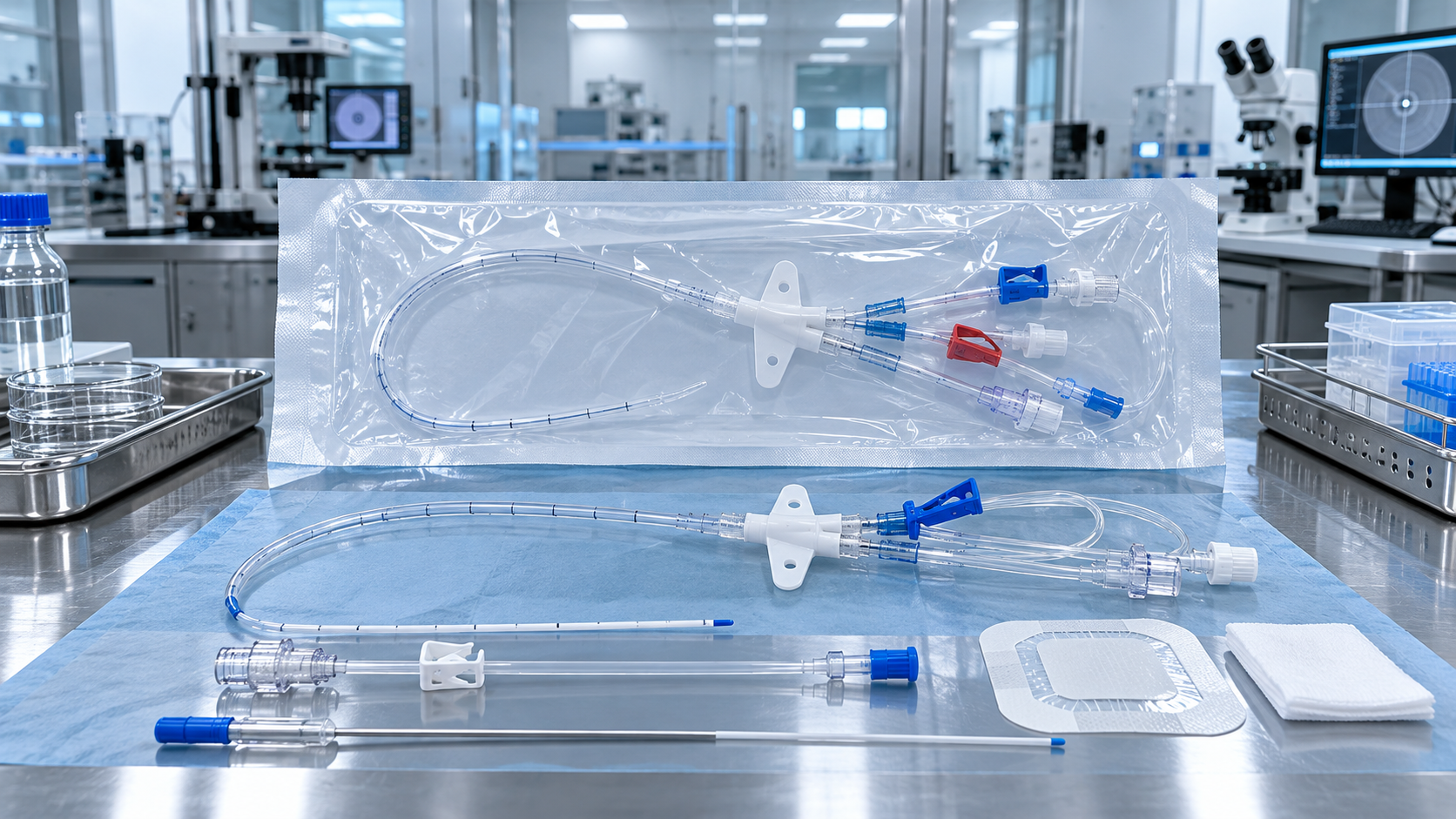
For blood-contacting devices, hemocompatibility cannot be reduced to a single laboratory result. The device’s geometry, material chemistry, coating, flow environment, surface roughness, and potential particulate generation all influence the assessment. A hydrophilic catheter coating, for example, may improve lubricity but also introduces questions about coating durability and released material. For drug-eluting or bioactive devices, the biological evaluation must also be coordinated with assessment of the active substance and its carrier rather than treating the base material in isolation.
Why manufacturing changes can reopen the assessment
A common mistake is to assume that an approved material automatically preserves the biological evaluation when production changes. In reality, the change may be more important than the nominal material name. A new resin supplier, altered additive package, revised mold-release agent, laser marking process, cleaning chemistry, welding method, sterilization cycle, or package configuration can alter the device’s chemical profile.
Not every change requires repeating every biological test. The appropriate response is a documented impact assessment. Start by identifying what has physically changed, then ask whether that change can alter patient-contacting chemistry, surface properties, particulates, degradation behavior, or clinical exposure. If the answer is no and the rationale is well supported, existing evidence may remain applicable. If the change introduces a plausible new exposure, the evaluation should determine whether updated characterization, toxicology work, or focused testing is needed.
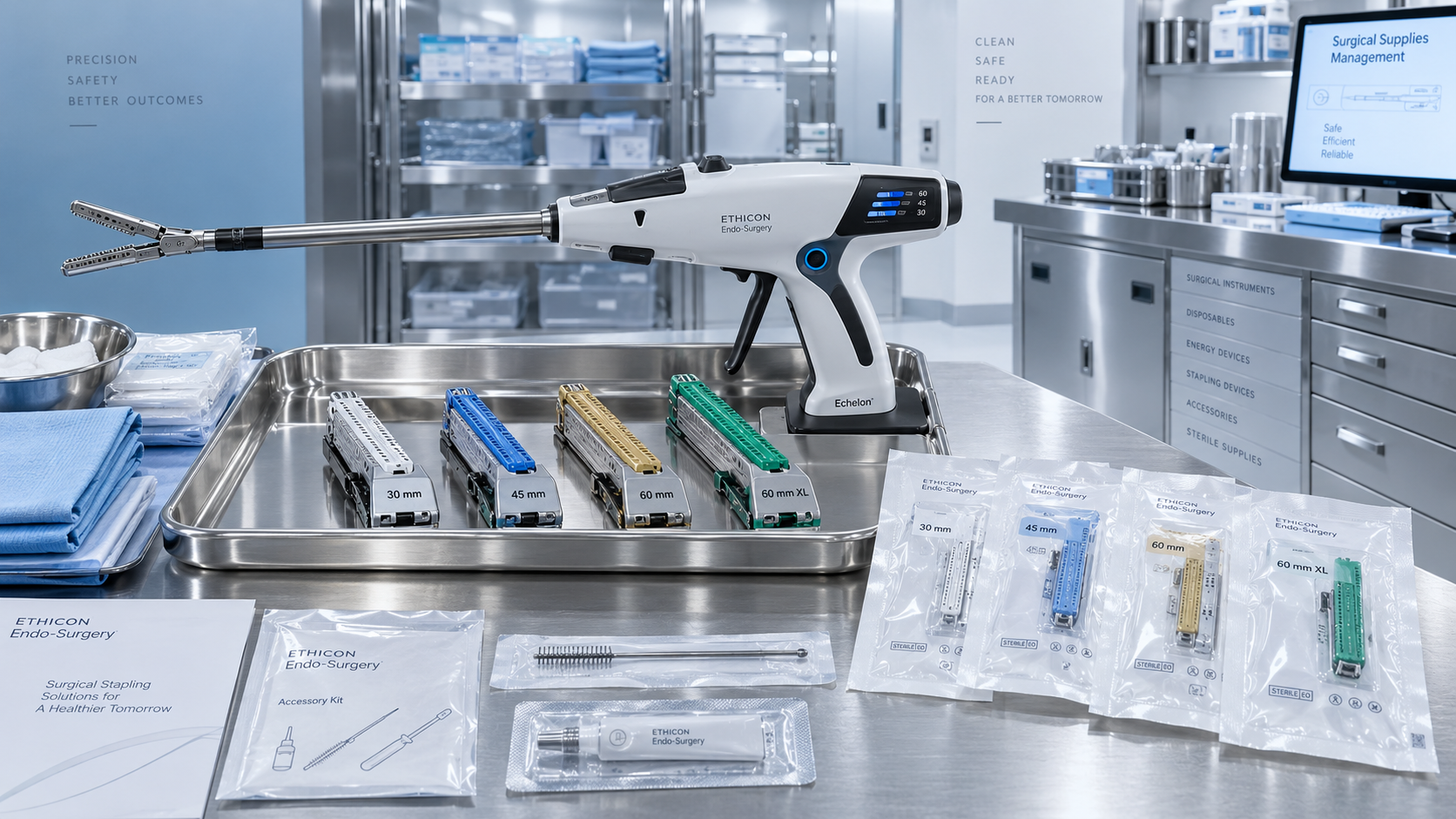
This approach is particularly important for high-value consumables where design iterations are common. Porous orthopedic structures can differ from solid components in surface area and cleaning challenges. Polymer catheters may change performance when a lubricant or coating process is adjusted. Surgical consumables can introduce new residues through assembly and packaging changes even when the primary metal remains unchanged.
Equivalence is useful only when the comparison is exact enough
Existing data, predicate devices, and literature can reduce unnecessary testing, but only when they answer the present device question. A useful equivalence argument compares more than a trade name. It should examine formulation or alloy grade, additives, manufacturing conditions, patient-contacting surface, sterilization, contact category, duration, and intended use. For resorbable materials, degradation behavior and released products become central. For permanent implants, long-term wear, corrosion, or surface changes may be more relevant.
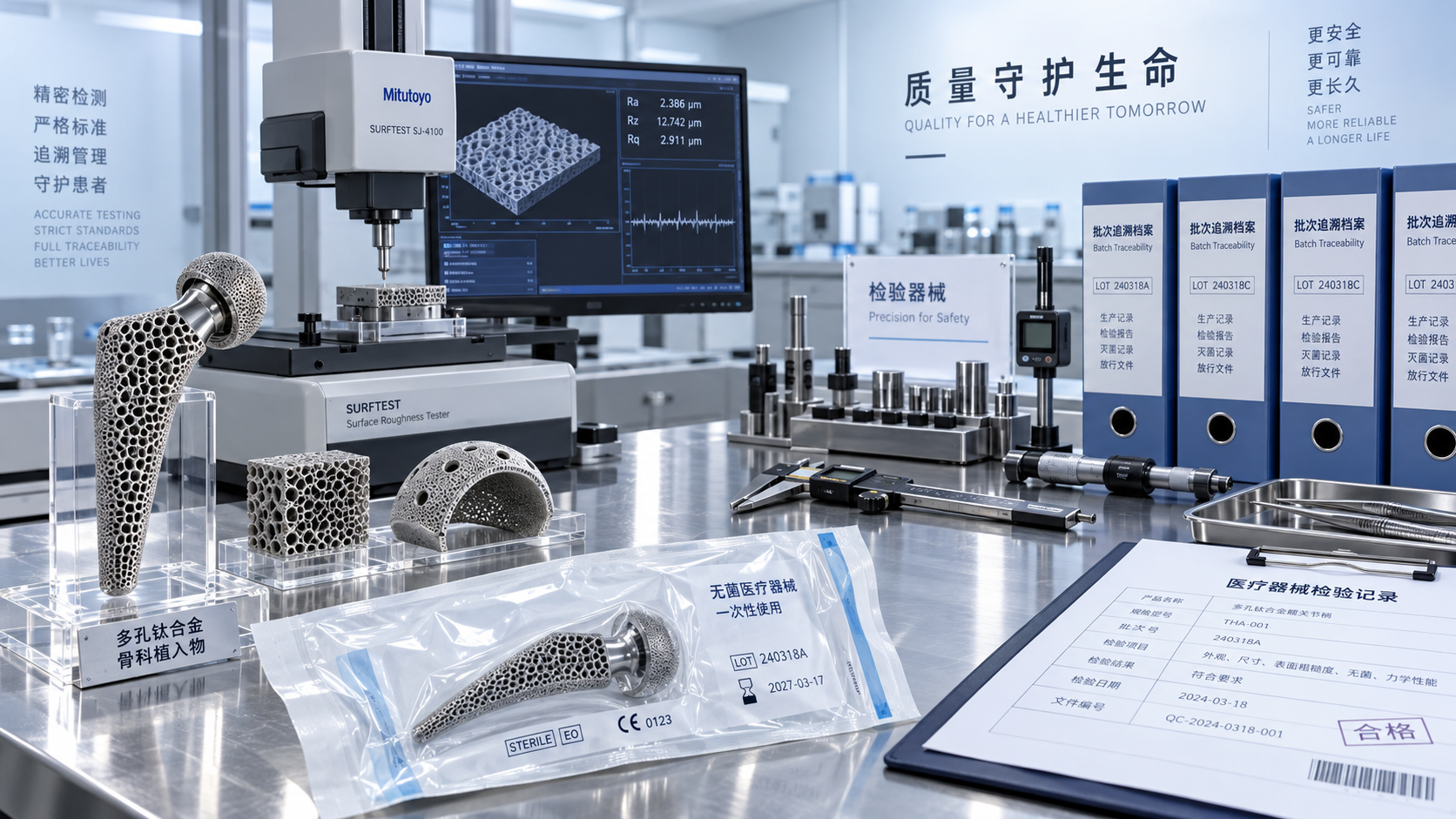
Using an established titanium alloy to support a new implant may be reasonable, but the argument weakens when the new device uses a highly porous additively manufactured surface, a novel coating, or a different post-processing sequence. Similarly, prior use of a polymer in a short-term external component does not automatically support prolonged intravascular contact. The closer the clinical and chemical comparison, the more persuasive the prior evidence becomes.
A practical sequence for building the biological evaluation
A coherent ISO 10993 strategy is easiest to manage when decisions are made in the right order:
- Define the device exactly as patients receive it. Include every patient-contacting material, coating, colorant, adhesive, lubricant, residue-prone process, and sterilization state.
- Describe the clinical exposure. Identify contact site, contact type, duration, repeat use, and foreseeable conditions that could increase release or wear.
- Review existing evidence critically. Separate evidence that truly matches the finished device from information that only describes a raw material or loosely related product.
- Characterize relevant chemistry. Use the results to identify known substances, unknowns, and potential release pathways requiring toxicological assessment.
- Map evidence against biological endpoints. Document why each endpoint is adequately addressed or why a targeted study is required.
- Keep the conclusion connected to controls. The biological safety rationale depends on controlled materials, suppliers, manufacturing processes, cleaning, sterilization, and change management.
Common shortcuts that create weak conclusions
Testing coupons instead of the final configuration. Coupons can be appropriate for a focused question, but they may omit assembly residues, coatings, packaging interactions, and realistic surface conditions. The closer the sample is to the marketed device, the stronger the relevance of the result.
Using test reports without their context. A passing report is not self-explanatory. Its value depends on sample preparation, extraction conditions, test article identity, method suitability, and whether the tested sample represents current production.
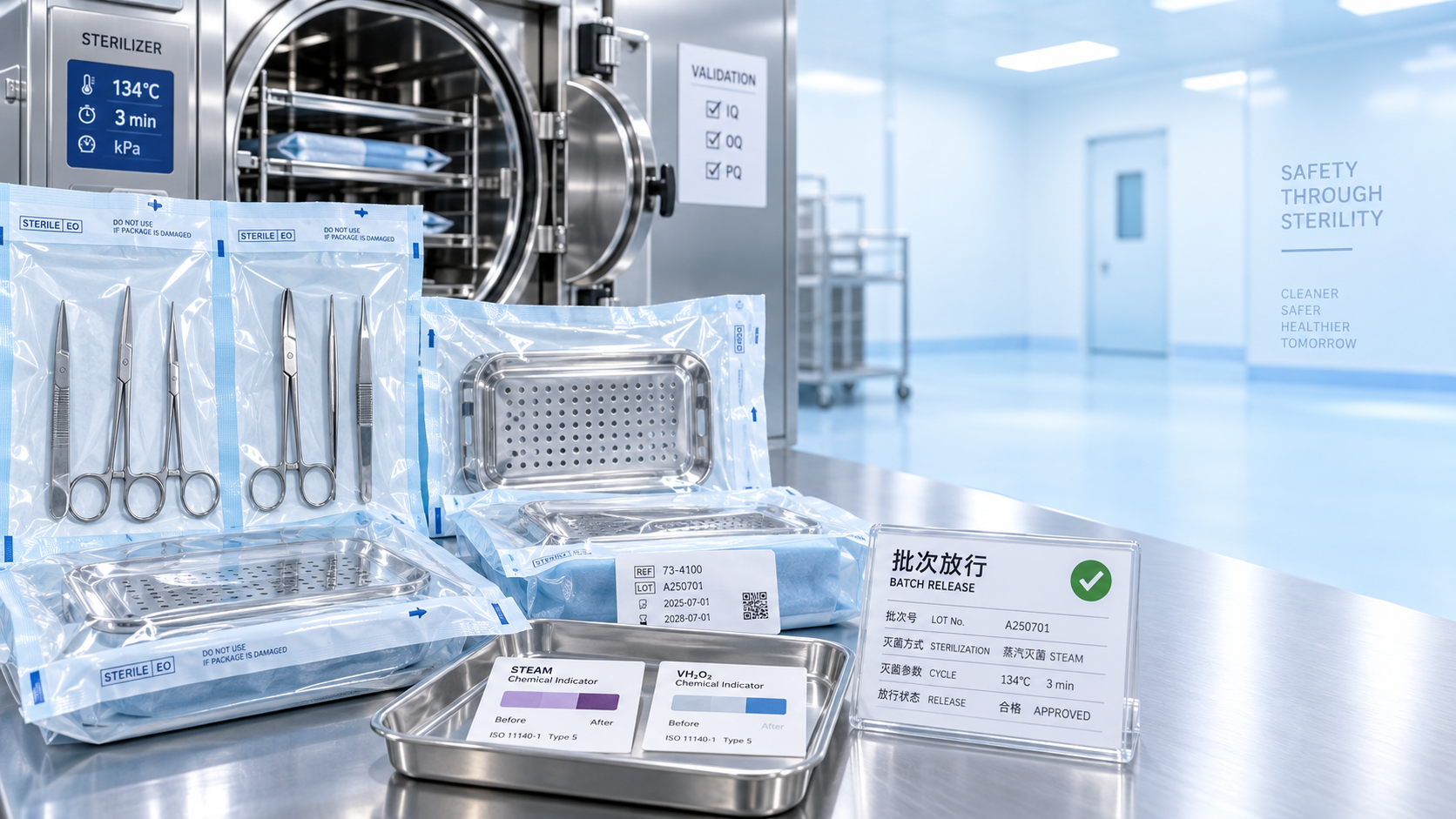
Assuming sterilization is biologically neutral. Sterilization can change polymer chemistry, coating behavior, residual levels, or packaging-related exposure. It belongs in the device definition and in the comparison to prior evidence.
Separating toxicology from design decisions. The best time to address an unfavorable extractable is before design verification is complete. Reformulating a coating, changing a cleaner, improving a curing process, or tightening supplier controls may reduce risk more effectively than adding tests after the design is fixed.
What a defensible conclusion looks like
A credible biological evaluation does not simply state that the device is “biocompatible.” It explains the device configuration, intended contact, materials and manufacturing considerations, available chemical and biological evidence, remaining uncertainties, and the rationale for any additional testing. It also makes clear which assumptions depend on maintained production controls.
That is the practical value of ISO 10993 for implants, cardiovascular devices, minimally invasive surgical consumables, polymer catheters, and advanced wound-care materials. It turns biocompatibility from a collection of laboratory reports into a traceable safety argument. When the material, process, and clinical exposure are evaluated together, testing becomes more targeted, design changes become easier to assess, and the final conclusion is far more capable of withstanding technical and regulatory scrutiny.
Get weekly intelligence in your inbox.
No noise. No sponsored content. Pure intelligence.
News Recommendations
 Oct 06, 2026How ISO 10993 guides biocompatibility testing for medical materialsHow ISO 10993 guides biocompatibility testing for medical materials
 Oct 05, 2026How to verify an orthopedic implants and instruments exporterHow to verify an orthopedic implants and instruments exporter
 Oct 04, 2026What drives surgical stapling devices price differences in hospital tenders?What drives surgical stapling devices price differences in hospital tenders?
 Oct 03, 2026How to assess a central venous catheter manufacturer's infection-control evidenceHow to assess a central venous catheter manufacturer's infection-control evidence
 Oct 02, 2026How to assess an advanced wound care factory’s quality systemHow to assess an advanced wound care factory’s quality system
 Oct 01, 2026What is driving global medical consumables demand in emerging markets?What is driving global medical consumables demand in emerging markets?
 Sep 30, 2026Is Silicone Foam Dressing Suitable for Heavily Exuding Wounds?Is Silicone Foam Dressing Suitable for Heavily Exuding Wounds?
 Sep 30, 2026How Should Manufacturers Respond to a Biocompatibility Test Failure?How Should Manufacturers Respond to a Biocompatibility Test Failure?
 Sep 30, 2026What Is the Typical CE MDR Review Timeline for High-Risk Devices?What Is the Typical CE MDR Review Timeline for High-Risk Devices?
 Sep 30, 2026How Do FDA and CE MDR Requirements Differ for Implantable Devices?How Do FDA and CE MDR Requirements Differ for Implantable Devices?
 Sep 30, 2026What Are the Main Compliance Risks for Central Venous Access Catheters?What Are the Main Compliance Risks for Central Venous Access Catheters?
 Sep 30, 2026How Should a Surgical Stapler Manufacturer Prepare for a Compliance Audit?How Should a Surgical Stapler Manufacturer Prepare for a Compliance Audit?
 Sep 30, 2026How to assess an orthopedic implant solutions distributor’s traceability systemHow to assess an orthopedic implant solutions distributor’s traceability system
 Sep 29, 2026How a medical device registration strategy can reduce approval delaysHow a medical device registration strategy can reduce approval delays
 Sep 28, 2026How to verify a medical device specification database before useHow to verify a medical device specification database before use
 Sep 27, 2026What to verify before selecting a microcatheters manufacturerWhat to verify before selecting a microcatheters manufacturer
 Sep 26, 2026How to verify FDA compliance for medical device materialsHow to verify FDA compliance for medical device materials
 Sep 25, 2026When does a porous 3D-printed cranial implant improve fixation?When does a porous 3D-printed cranial implant improve fixation?
 Sep 24, 2026When are bovine pericardial valves suitable for transcatheter aortic valve replacement?When are bovine pericardial valves suitable for transcatheter aortic valve replacement?
 Sep 23, 2026How to verify the sterility assurance of surgical devicesHow to verify the sterility assurance of surgical devices
 Sep 22, 2026How to assess a spinal implants manufacturer’s quality systemHow to assess a spinal implants manufacturer’s quality system
 Sep 21, 2026How to assess an osseointegration technology manufacturer’s quality systemHow to assess an osseointegration technology manufacturer’s quality system
 Sep 20, 2026Medical material science trends reshaping biocompatibility testingMedical material science trends reshaping biocompatibility testing
 Sep 19, 2026What North American regulators expect in implant clinical evaluationsWhat North American regulators expect in implant clinical evaluations
 Sep 18, 2026When should plate and screw systems be selected for fracture fixation?When should plate and screw systems be selected for fracture fixation?
 Sep 17, 2026How a medical device sourcing strategy can reduce total acquisition costHow a medical device sourcing strategy can reduce total acquisition cost
 Sep 16, 2026When are silver foam burn care dressings appropriate for exuding burns?When are silver foam burn care dressings appropriate for exuding burns?