How to Evaluate Implantable Medical Devices for Cardiovascular Use
How to Evaluate Implantable Medical Devices for Cardiovascular Use
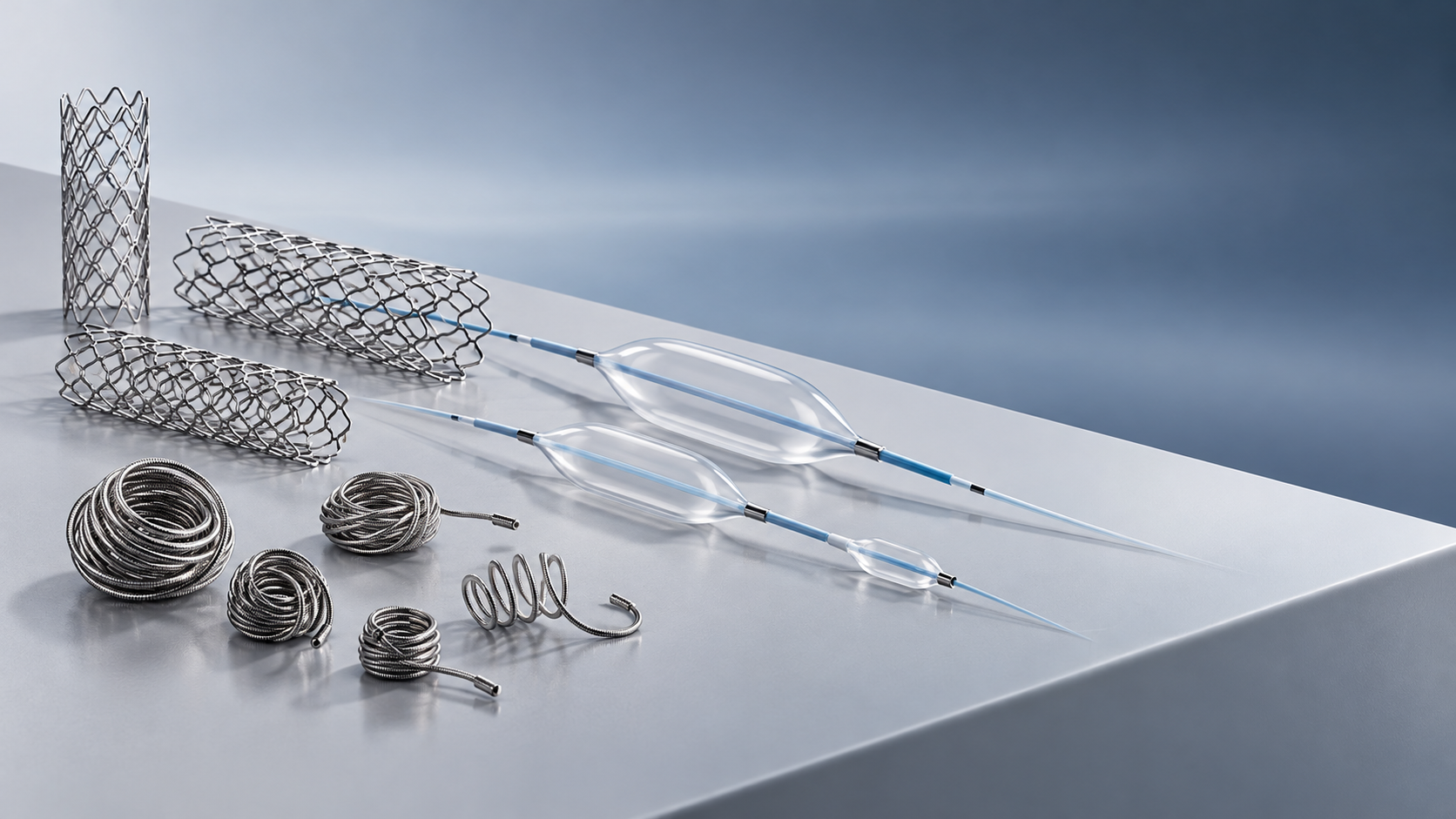
Evaluating implantable medical devices for cardiovascular use starts with a correction: this is not a specification-matching exercise. A coronary stent, transcatheter valve, occluder, vascular graft, or implantable cardiac lead may all look acceptable on a datasheet, yet fail a technical review once the real use environment is considered. Blood is not a neutral medium, vessel anatomy is not predictable, and cardiovascular implants are judged not only by whether they can be delivered, but by how they behave months and years after implantation.
That is why technical assessment teams usually work from a risk-based frame. The right question is less “which device has the best advertised features” and more “which device maintains clinical function with the lowest unresolved risk under the intended patient population, procedure pathway, and regulatory environment.” For implantable medical devices for cardiovascular applications, this means reviewing five layers at the same time: device-material interaction, mechanical design, deliverability, clinical evidence, and regulatory maturity.
One common mistake is to treat all implants as if they are variations of the same engineering problem. They are not. A drug-eluting coronary stent is assessed differently from a TAVR valve, even though both operate in the circulatory system. The stent must balance radial strength, scaffolding, coating integrity, and endothelial healing in a small, dynamic vessel. The valve adds leaflet durability, anchoring behavior, paravalvular leak risk, and interaction with calcified anatomy. A vascular closure implant or septal occluder brings another set of concerns again. Good evaluation begins by being precise about the therapeutic mechanism and failure mode.
Material Choice Is Never Just a Materials Question
In cardiovascular implants, biocompatibility is not a marketing adjective. It is a structured assessment of how the material and finished device interact with blood, tissue, motion, and time. ISO 10993 remains central, but technical teams should avoid reducing biological safety to a checklist of cytotoxicity or sensitization results. For blood-contacting implants, hemocompatibility matters directly. So do extractables and leachables, surface chemistry, degradation behavior where relevant, and the effect of coatings after sterilization and shelf aging.
This becomes especially important in devices using polymer coatings, drug reservoirs, tissue-contact membranes, or bioresorbable components. A stent platform made from cobalt-chromium or platinum-chromium may perform very differently depending on strut thickness, surface finish, and the consistency of the drug-polymer system. Similarly, nitinol-based implants are not judged only by alloy identity; fatigue behavior, nickel release considerations, and shape-set stability all affect suitability. The material decision is therefore inseparable from manufacturing process control.
A useful internal question is this: are we evaluating the raw material, or the final risk profile of the manufactured implant? In cardiovascular use, the second question is the one that matters.

Mechanical Performance Has to Be Read in Clinical Context
Technical reviewers often receive dense performance tables covering radial force, recoil, trackability, crossing profile, burst pressure, fatigue resistance, or valve hemodynamics. None of these metrics should be read in isolation. A lower crossing profile can improve deliverability in tortuous anatomy, but if that reduction comes with weaker scaffolding or reduced fatigue margin, the tradeoff may not be favorable in complex lesions. A high radial force can support expansion in calcified vessels, yet excessive chronic outward force may create other tissue responses depending on the device category.
For this reason, evaluation should map each engineering characteristic to the clinical condition it is meant to solve. In coronary intervention, lesion morphology, vessel diameter, bifurcation involvement, and calcification burden all shape what “good performance” means. In structural heart devices, annulus sizing range, anchoring method, repositionability, and imaging compatibility may be more decisive than a single headline performance metric.
Bench testing remains essential, but bench superiority does not automatically translate into procedural or long-term superiority. Technical teams should examine whether the test method reflects realistic use conditions, whether comparisons were made against relevant predicates or market standards, and whether the reported results describe average performance or performance across the boundary conditions that tend to expose failure.
Delivery System Quality Often Separates a Viable Implant from a Theoretical One
In cardiovascular intervention, the implant and the delivery system are effectively one product during evaluation. A well-designed implant can still be a poor choice if the catheter, sheath, balloon, deployment handle, or recapture mechanism introduces procedural instability. This is particularly true in tortuous vessels, heavily calcified anatomy, small access routes, or cases requiring precise placement near side branches or valve structures.
Teams assessing implantable medical devices for cardiovascular use should look carefully at pushability, torque response, trackability, deployment precision, radiopacity, and retrieval or reposition capability where applicable. They should also ask a practical question that is sometimes skipped in technical review meetings: how much of the product’s performance depends on operator experience? Some systems are forgiving. Others perform well only in highly specialized hands. That difference matters when a device is being evaluated for broader hospital adoption rather than use in a single expert center.
Clinical Evidence Should Be Read for Relevance, Not Volume
More evidence is not always better evidence. A large pile of publications can create false confidence if the studies do not match the intended indication, risk profile, or target population. For Class III cardiovascular implants, the review should distinguish between early feasibility data, pivotal clinical evidence, registry follow-up, post-market surveillance findings, and literature based on similar but not identical devices.
Several points deserve close reading. One is endpoint selection. A device may report procedural success convincingly while leaving uncertainty around restenosis, thrombosis, structural valve deterioration, reintervention, stroke, or mortality depending on product type. Another is follow-up duration. For permanent implants, short-term safety is only the beginning. A third is comparability: was the device studied against current standard practice, or against an outdated comparator that makes interpretation easier than real market conditions would allow?
Technical teams should also be cautious with equivalence arguments. Regulatory pathways may permit reliance on existing data under certain conditions, but clinical equivalence in cardiovascular implants is rarely a casual claim. Small changes in coating formulation, leaflet processing, strut geometry, or delivery mechanics can shift outcomes in ways that are not obvious from product families alone.
Regulatory Readiness Is Part of Product Quality
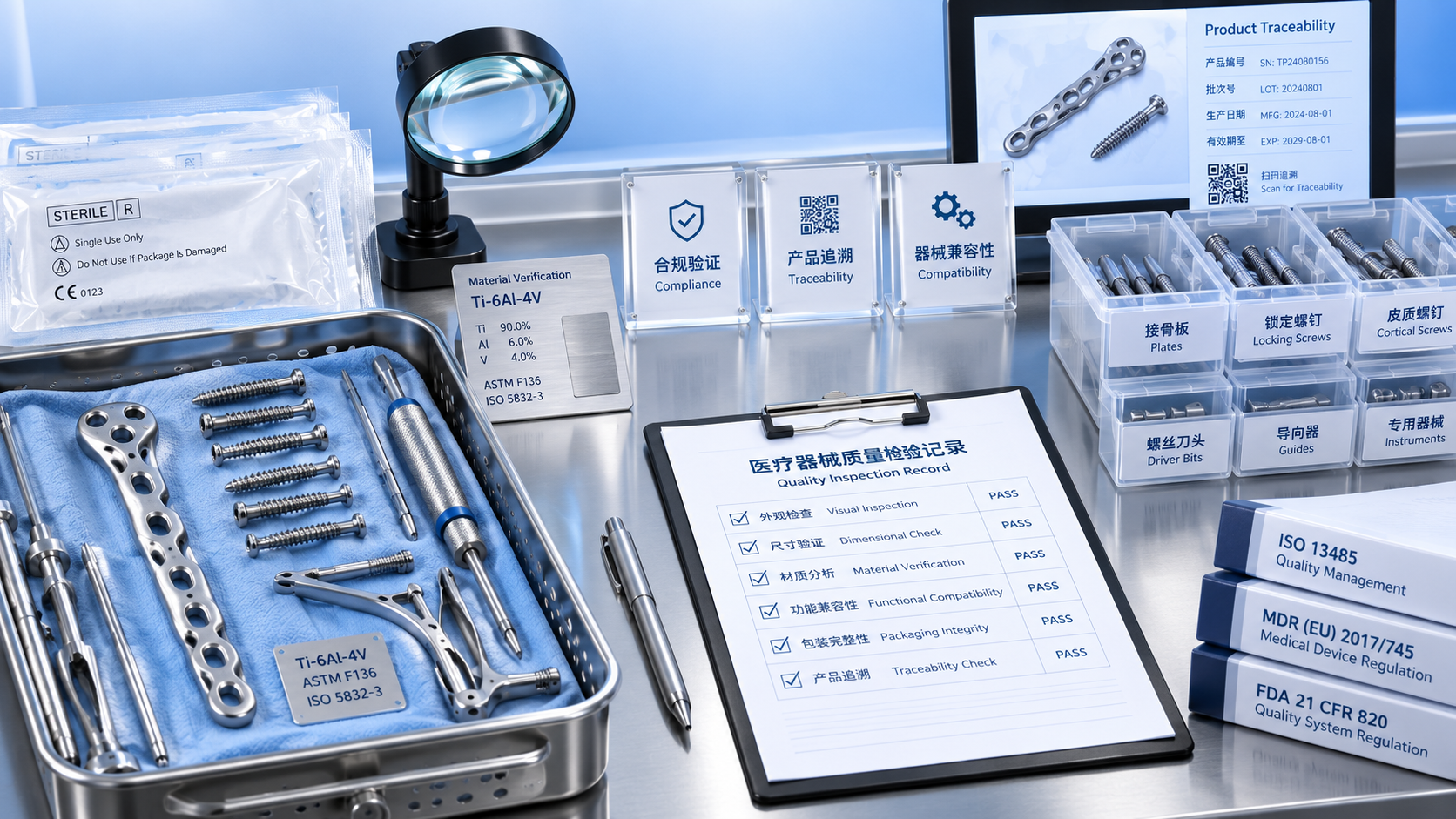
For high-risk implants, regulatory strength is not an administrative afterthought. It is evidence of how well the manufacturer understands and controls the product. Assessment should include not only whether the device has reached a given market, but the quality of the supporting documentation: design validation logic, risk management under ISO 14971, clinical evaluation, sterilization validation, packaging integrity, shelf-life support, and post-market surveillance planning.
In Europe, CE marking under the MDR has raised expectations around clinical evaluation and post-market evidence for implantable devices. In other jurisdictions, local registration and quality system requirements may differ, but the underlying review logic remains similar: can the manufacturer show that the device is consistently made, clinically justified, and monitored after release? For procurement-linked decisions, this becomes even more relevant. A device that looks cost-competitive today may carry hidden operational cost if its documentation package is weak, its supply chain is unstable, or its change-control discipline is unclear.
This is where intelligence-led evaluation becomes more useful than a simple compliance screen. Teams need to understand not only approval status, but whether the manufacturer has the technical depth to maintain product consistency under scaling, tender pressure, and ongoing regulatory scrutiny.
A Practical Screening Framework
When narrowing options, many technical assessment groups use a staged review rather than a single scorecard. The structure below is simple, but it keeps the evaluation grounded:
What Experienced Reviewers Usually Watch for
The most reliable reviewers tend to focus on failure patterns, not just promised benefits. They ask where the implant is likely to fail first: coating delamination, fatigue fracture, thrombogenic response, migration, poor sealing, difficult deployment, limited visibility, or late tissue response. They also look for mismatches between product ambition and evidence maturity. A device positioned as a broad-platform solution but supported only by selective cases should be treated cautiously.
They also know that pricing pressure can distort selection logic. In cardiovascular consumables, especially under procurement environments shaped by cost containment or volume-based purchasing, a lower unit price does not settle the decision. Reintervention burden, training demand, inventory complexity, and regulatory upkeep can outweigh headline savings. Technical evaluation therefore has to defend clinical and engineering logic even when procurement pressure is strong.
A sound decision usually comes from combining hard evidence with disciplined skepticism. Not skepticism for its own sake, but the habit of checking whether each claim survives contact with anatomy, blood exposure, manufacturing variation, and post-market reality.
For teams working in this field, the practical goal is clear: choose devices whose safety and performance are understandable, supportable, and durable under real clinical use. That is the standard worth applying when evaluating implantable medical devices for cardiovascular use.
Get weekly intelligence in your inbox.
No noise. No sponsored content. Pure intelligence.
News Recommendations
 Oct 26, 2026Can a single approval cover life science product sales worldwide?Can a single approval cover life science product sales worldwide?
 Oct 25, 2026When is sensitization testing needed for medical device biocompatibility?When is sensitization testing needed for medical device biocompatibility?
 Oct 24, 2026How is biocompatibility tested for implantable polymer biomaterials?How is biocompatibility tested for implantable polymer biomaterials?
 Oct 23, 2026How to build reimbursement into an implant commercialization strategyHow to build reimbursement into an implant commercialization strategy
 Oct 22, 2026What clinical evidence do implants need for CE marking under EU MDR?What clinical evidence do implants need for CE marking under EU MDR?
 Oct 21, 2026How to choose disposable laparoscopic stapler reloads for thick tissueHow to choose disposable laparoscopic stapler reloads for thick tissue
 Oct 20, 2026How to assess medical polymer biocompatibility under ISO 10993How to assess medical polymer biocompatibility under ISO 10993
 Oct 19, 2026How do interventional device categories differ in clinical use?How do interventional device categories differ in clinical use?
 Oct 18, 2026When to choose alginate dressings for heavily exuding chronic woundsWhen to choose alginate dressings for heavily exuding chronic wounds
 Oct 17, 2026How is biocompatibility tested for custom medical-grade PEEK implants?How is biocompatibility tested for custom medical-grade PEEK implants?
 Oct 16, 2026How to check a wound healing materials supplier’s biocompatibility dataHow to check a wound healing materials supplier’s biocompatibility data
 Oct 15, 2026How to verify the FDA clearance status of silver wound dressingsHow to verify the FDA clearance status of silver wound dressings
 Oct 14, 2026How to register orthopedic implants and instruments in Latin AmericaHow to register orthopedic implants and instruments in Latin America
 Oct 13, 2026How to use a device market intelligence database to benchmark VBP pricesHow to use a device market intelligence database to benchmark VBP prices
 Oct 12, 2026When should stainless steel orthopedic instruments be replaced?When should stainless steel orthopedic instruments be replaced?
 Oct 11, 2026When are alginate dressings rope the right choice for cavity wounds?When are alginate dressings rope the right choice for cavity wounds?
 Oct 10, 2026When smart minimally invasive technology improves catheter accessWhen smart minimally invasive technology improves catheter access
 Oct 08, 2026Clinical evaluation requirements for cardiovascular implant devices in EuropeClinical evaluation requirements for cardiovascular implant devices in Europe
 Oct 07, 2026What to verify before appointing an artificial joint implants distributorWhat to verify before appointing an artificial joint implants distributor
 Oct 06, 2026How ISO 10993 guides biocompatibility testing for medical materialsHow ISO 10993 guides biocompatibility testing for medical materials
 Oct 05, 2026How to verify an orthopedic implants and instruments exporterHow to verify an orthopedic implants and instruments exporter
 Oct 04, 2026What drives surgical stapling devices price differences in hospital tenders?What drives surgical stapling devices price differences in hospital tenders?
 Oct 03, 2026How to assess a central venous catheter manufacturer's infection-control evidenceHow to assess a central venous catheter manufacturer's infection-control evidence
 Oct 02, 2026How to assess an advanced wound care factory’s quality systemHow to assess an advanced wound care factory’s quality system
 Oct 01, 2026What is driving global medical consumables demand in emerging markets?What is driving global medical consumables demand in emerging markets?
 Sep 30, 2026Implant Material Compliance Testing: Evidence Needed for Regulatory SubmissionImplant Material Compliance Testing: Evidence Needed for Regulatory Submission
 Sep 30, 2026From Corrosion to Fatigue: What Implant Materials Testing Should MeasureFrom Corrosion to Fatigue: What Implant Materials Testing Should Measure