How a Medical Device Intelligence Platform Improves Evidence Tracking
How a Medical Device Intelligence Platform Improves Evidence Tracking
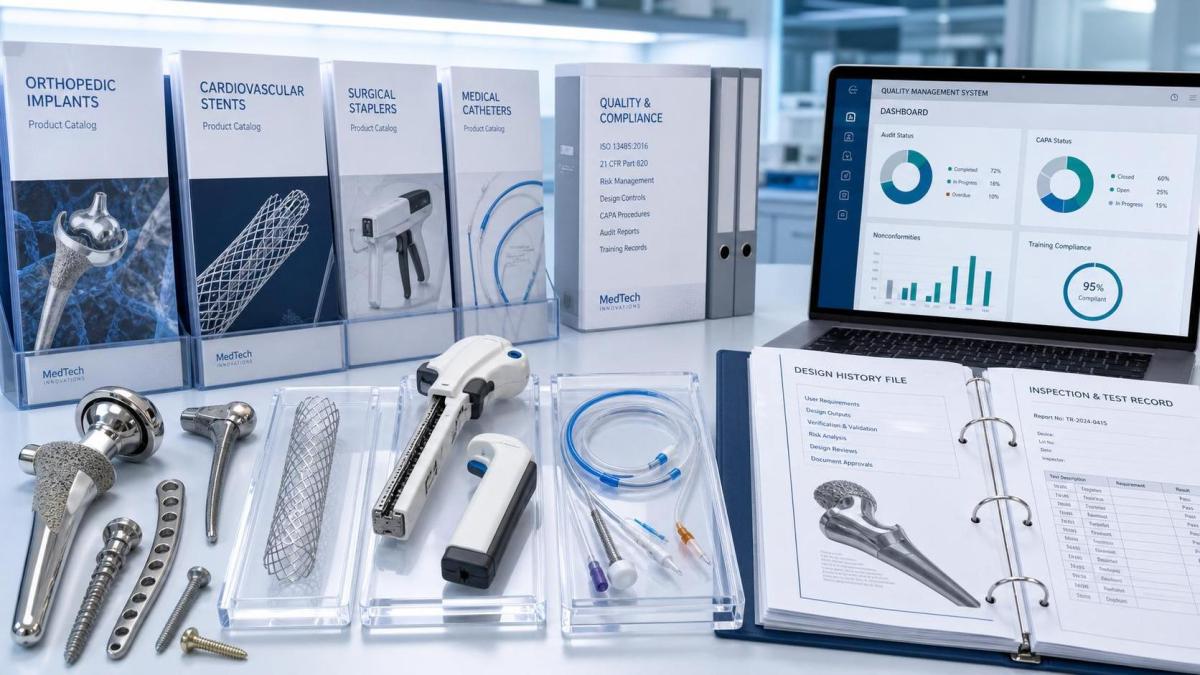
Evidence tracking becomes difficult when regulatory notices, clinical papers, recall signals, pricing shifts, and tender rules move at different speeds.
That problem is sharper in high-value consumables, where a design change can affect biocompatibility, reimbursement, and clinical acceptance at the same time.
A medical device intelligence platform helps connect those moving parts before they become compliance gaps or delayed market decisions.
In practice, the value is not just faster search.
The stronger benefit is context.
When evidence is linked across Class III regulations, CER expectations, VBP pressure, and competitor activity, decisions become more defensible.
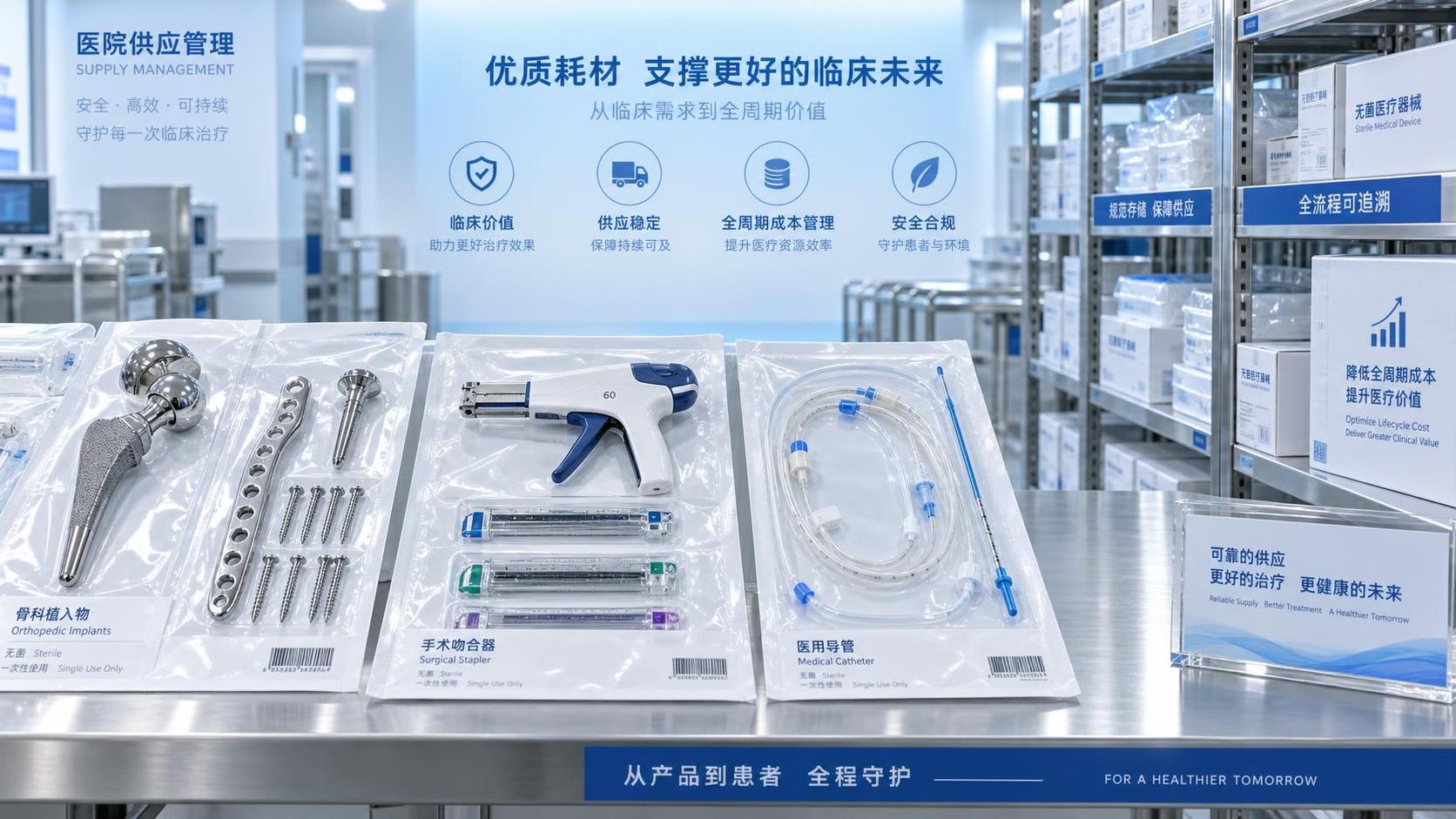
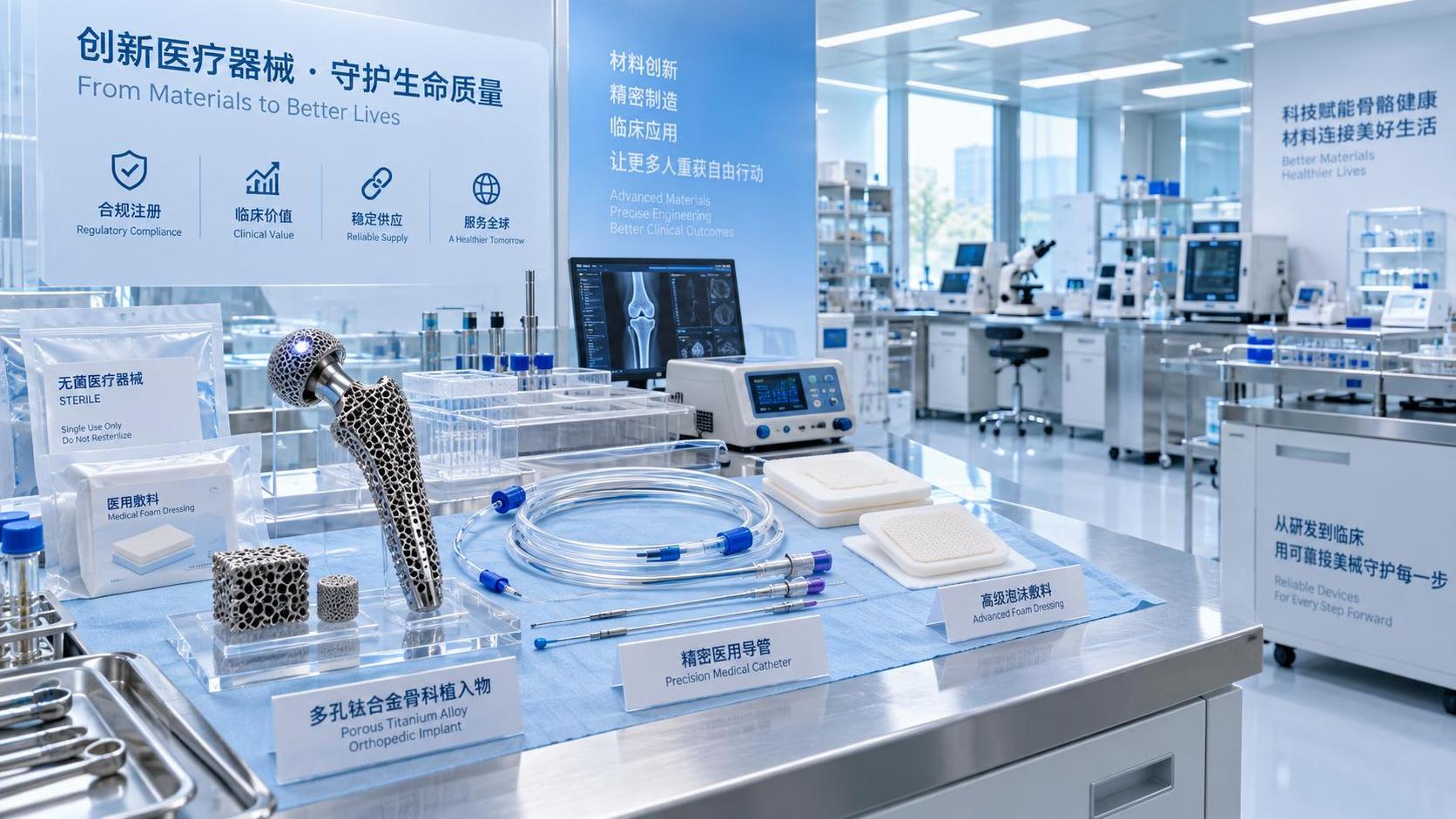
That is especially relevant for IMCS, which tracks orthopedic implants, cardiovascular devices, surgical staplers, polymer catheters, and advanced wound care materials.
These segments share one reality: evidence quality shapes both patient outcomes and commercial timing.
Actual use starts with why evidence needs differ
Not every device category asks the same evidence question.
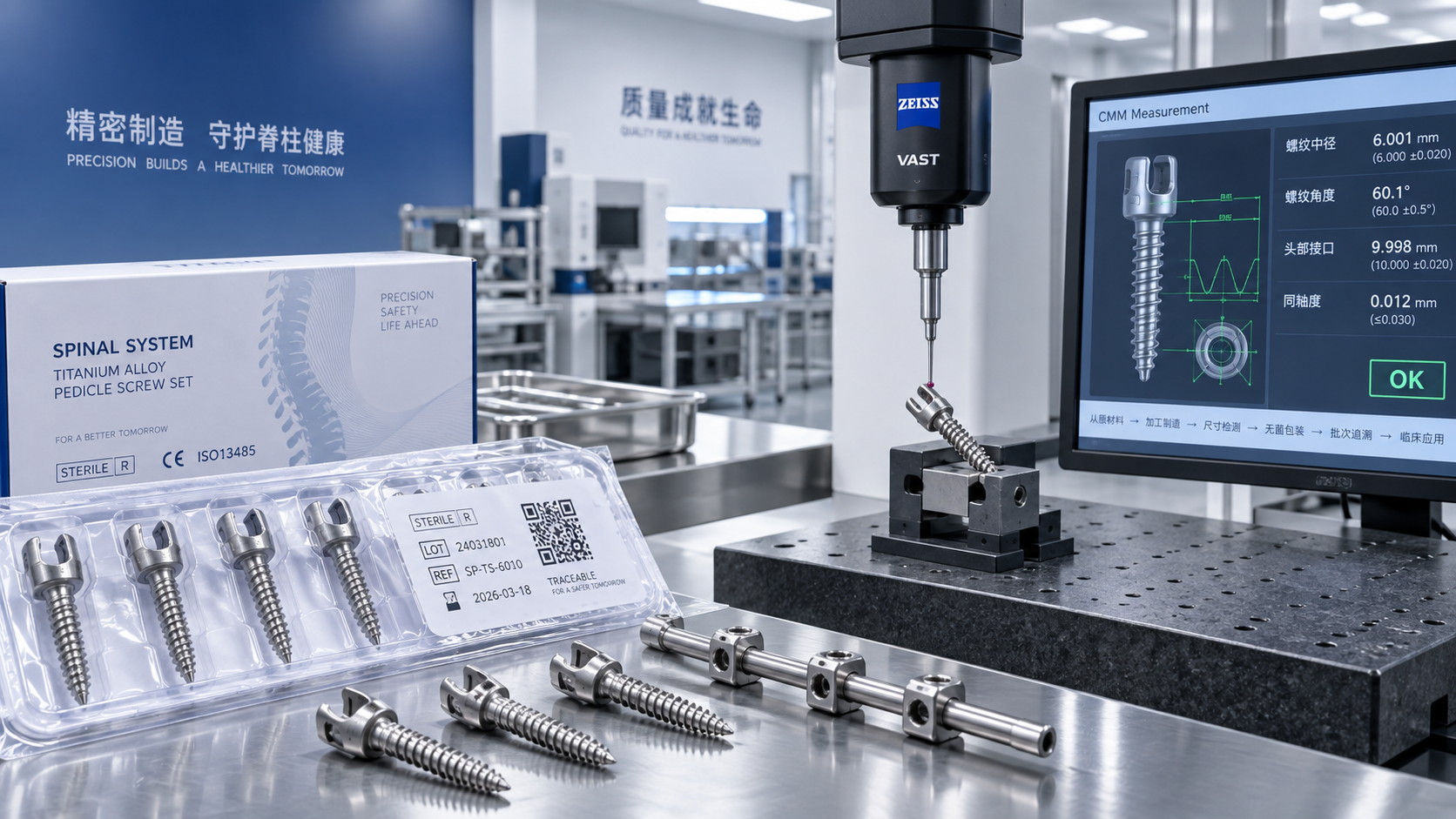
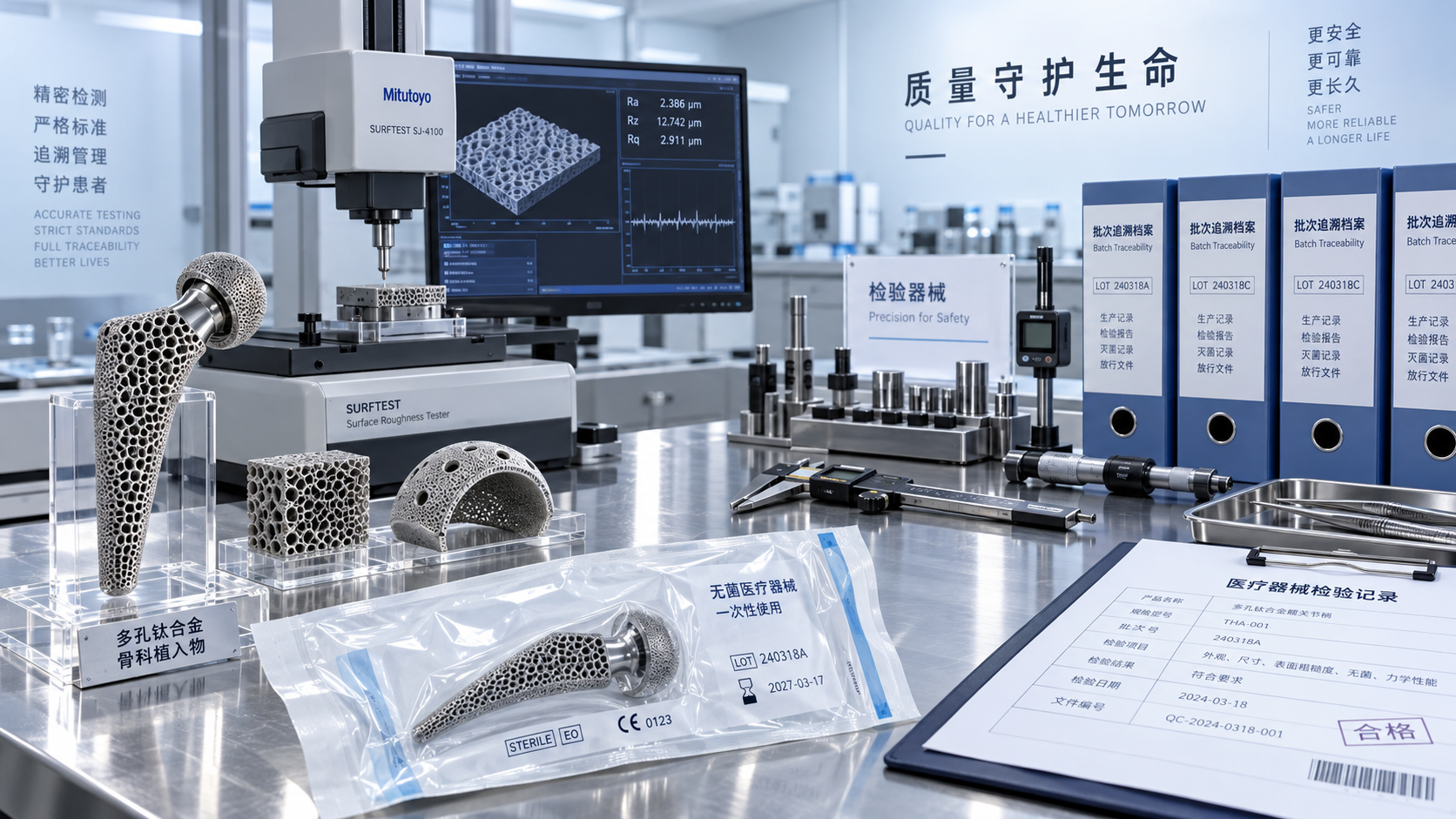
An orthopedic implant often depends on long-term osseointegration, wear performance, and revision data.
A drug-eluting stent may live or fail on lesion-specific outcomes, thrombosis signals, and post-market surveillance trends.
Staplers and catheters add another layer.
Their evidence burden often sits between engineering consistency, procedure usability, and adverse event patterns.
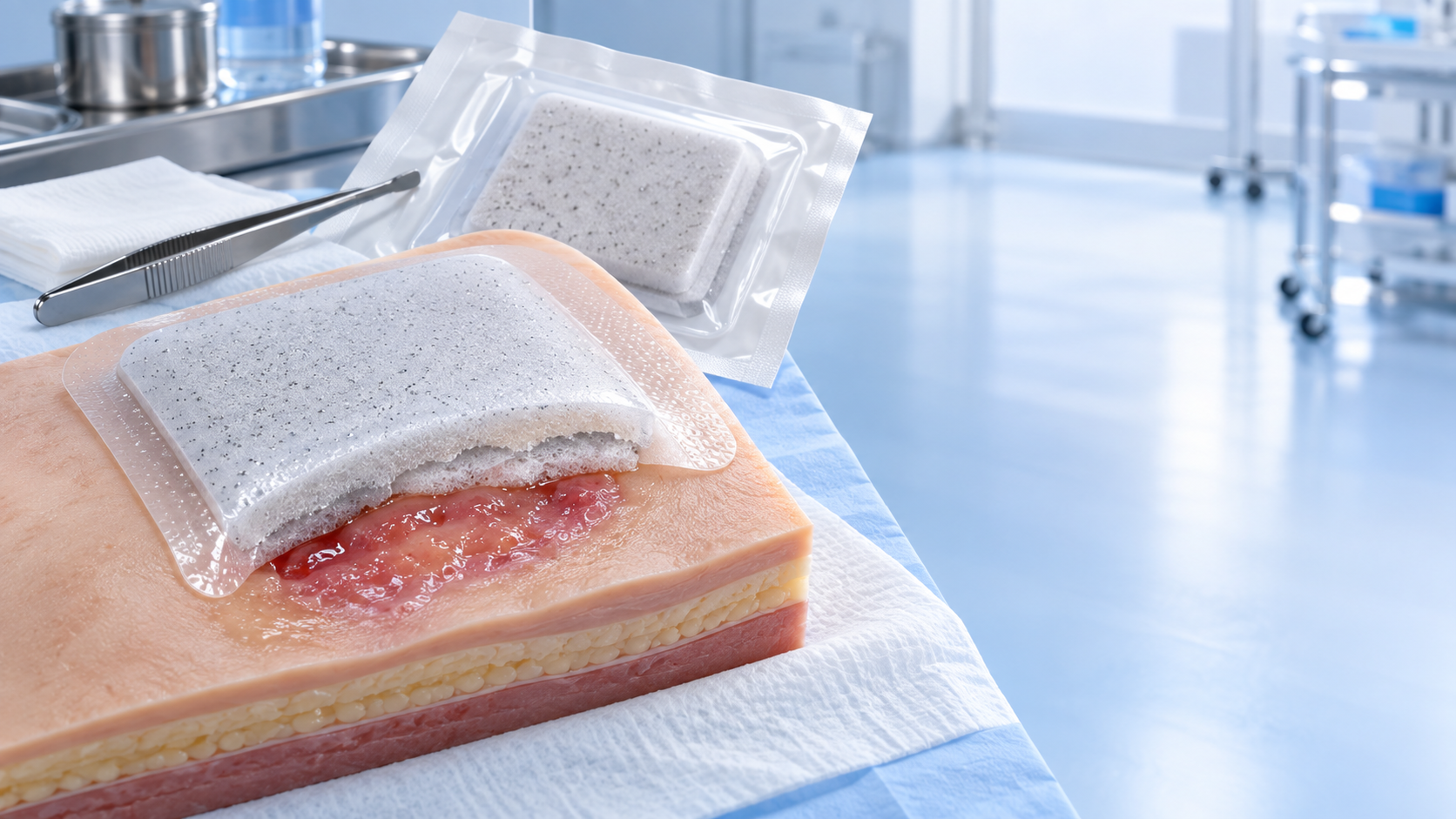
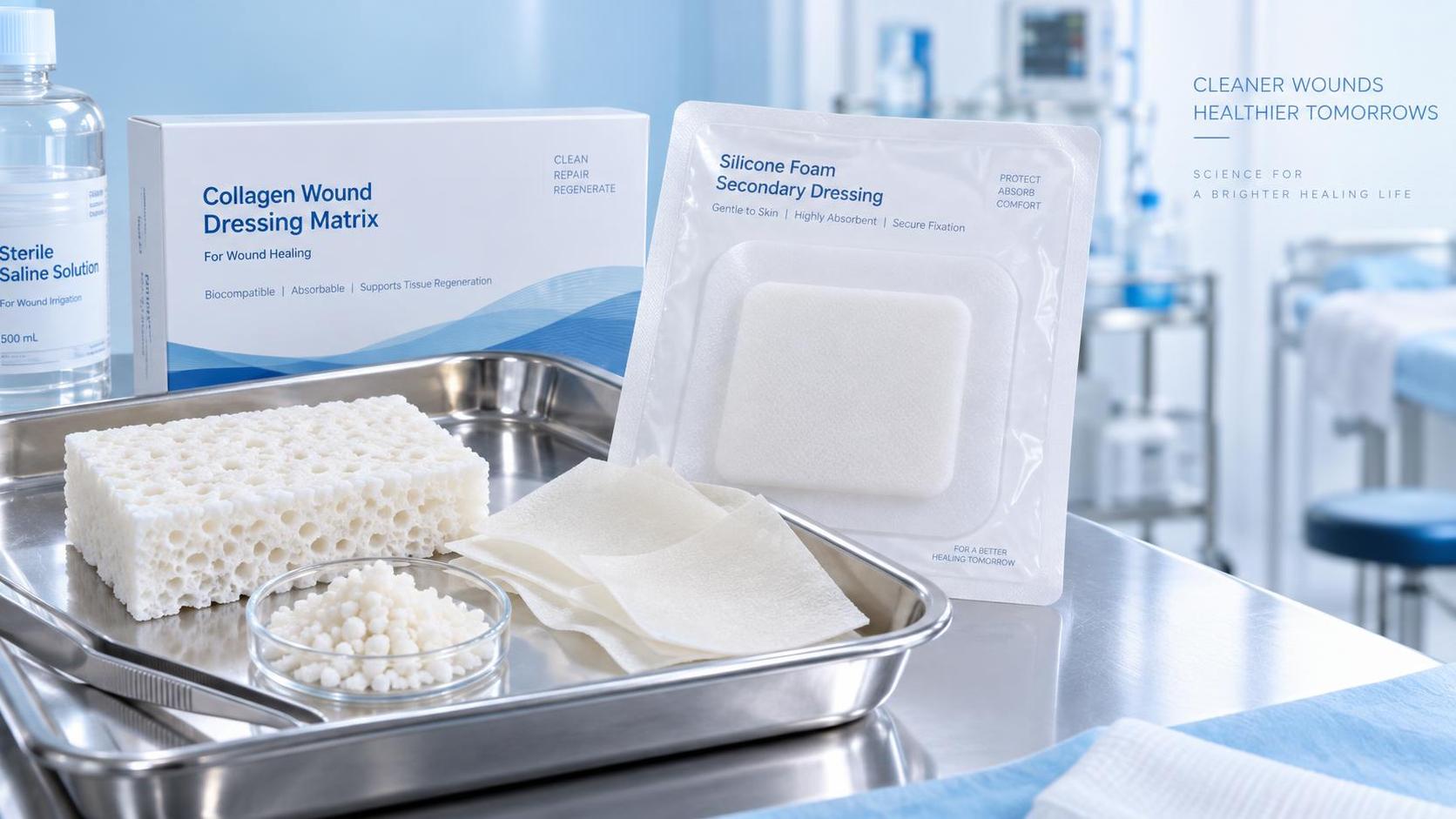
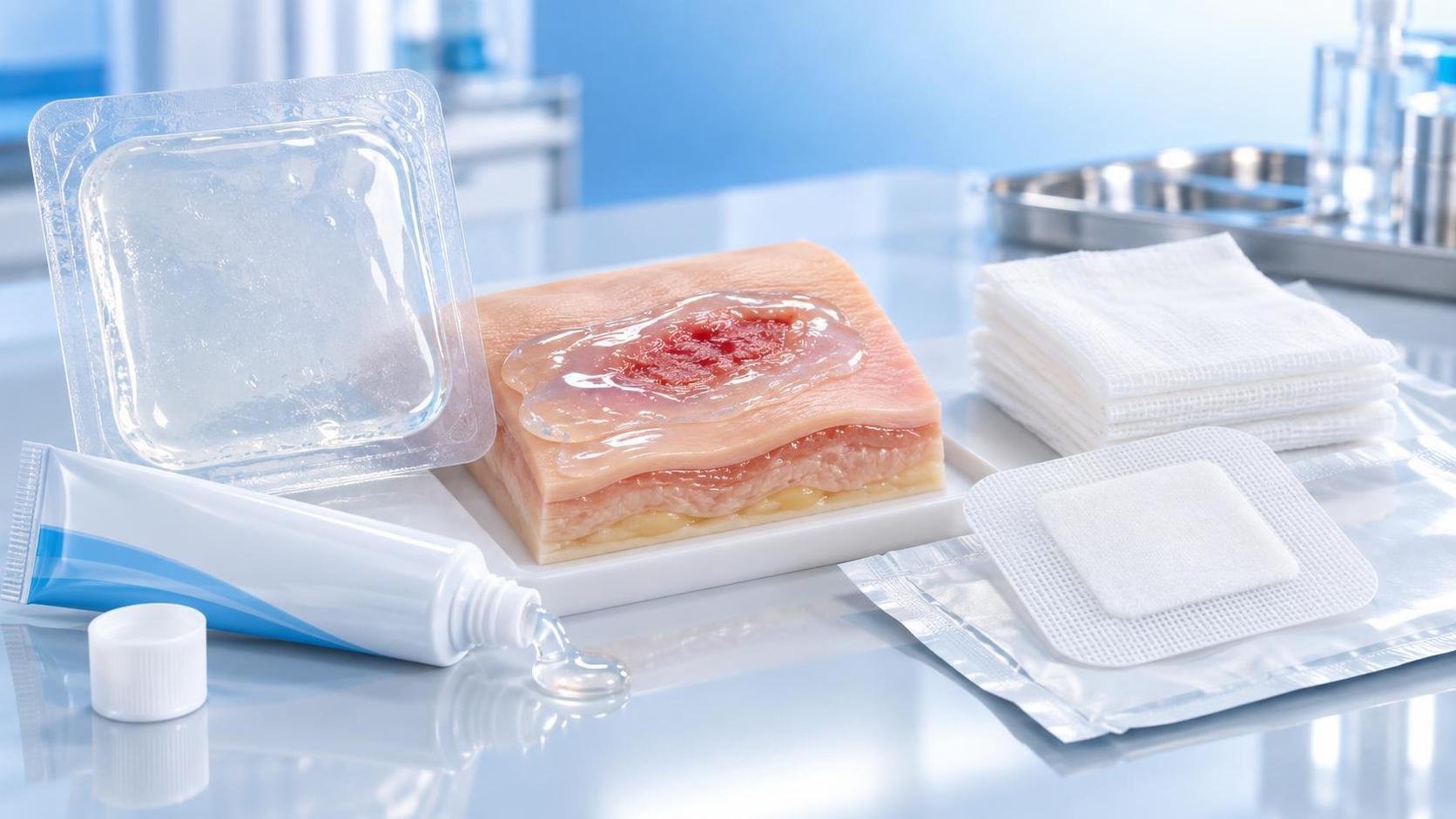
Advanced dressings bring still different priorities, including healing endpoints, infection control, and protocol fit across wound types.
Because of this, a medical device intelligence platform works best when it does more than store files.
It should distinguish which evidence matters by product risk, intended use, market route, and reimbursement exposure.
IMCS reflects that need well.
Its intelligence model sits at the intersection of materials science, precision manufacturing, clinical logic, and procurement policy.
When implant decisions depend on long-cycle clinical proof
For orthopedic replacement and spinal systems, evidence tracking rarely ends after initial approval.
The real challenge is continuity.
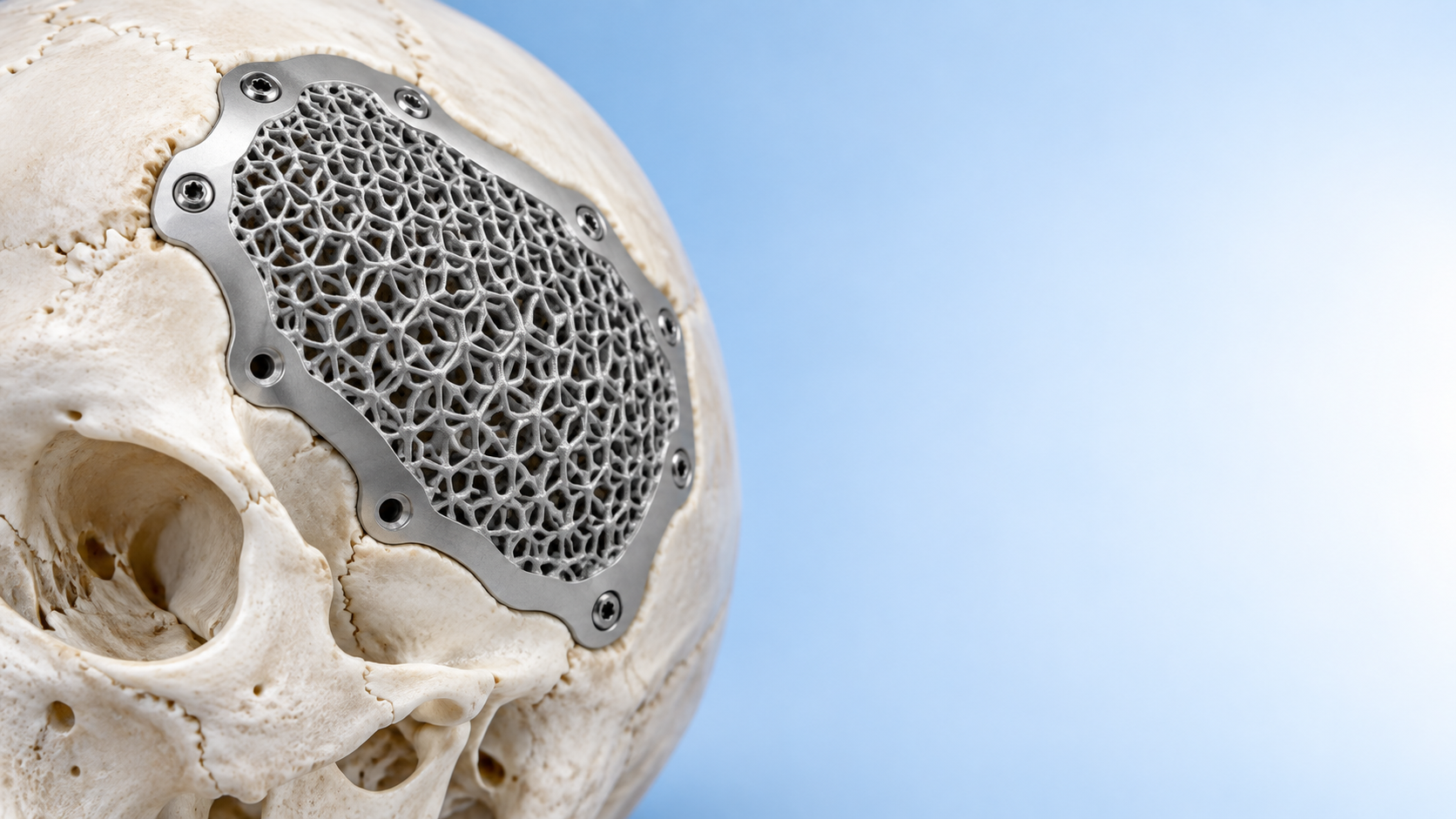
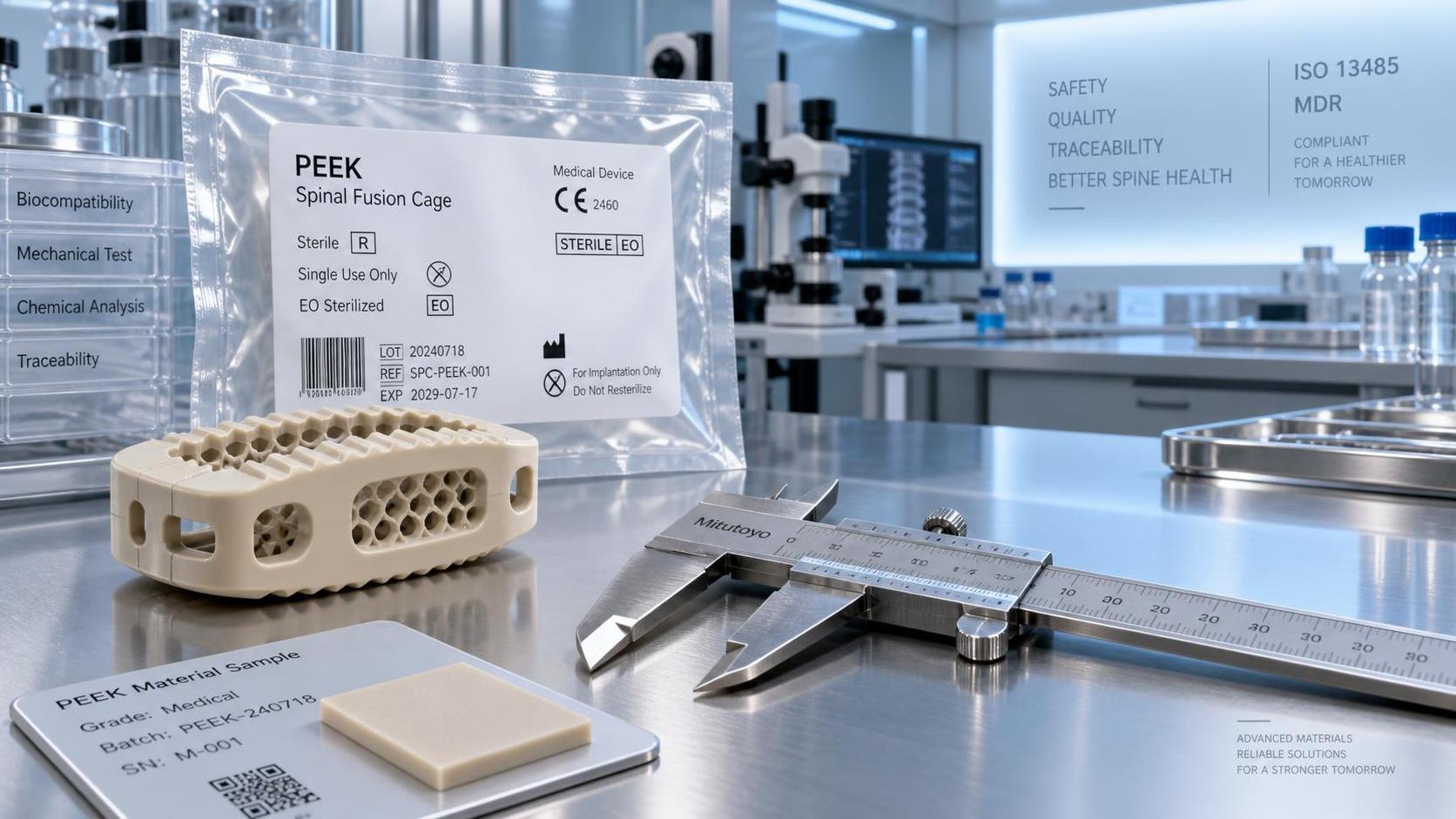
Porous structures, PEEK components, and surface treatments can each trigger different literature, testing, and comparator requirements.
A medical device intelligence platform helps map those relationships over time.
Instead of treating biocompatibility, clinical follow-up, and design iteration as separate streams, it keeps them in one evidence chain.
This matters when a minor manufacturing adjustment changes the burden of proof more than expected.
In these scenarios, the better judgment is usually not about collecting more documents.
It is about identifying whether the existing evidence still supports equivalence, safety margins, and expected implant longevity.
That is where toxicology interpretation and CER logic become practical, not theoretical.
Cardiovascular products need faster signal recognition
Cardiovascular interventional devices move in a tighter evidence cycle.
New trial data, guideline revisions, and safety communications can change positioning quickly.
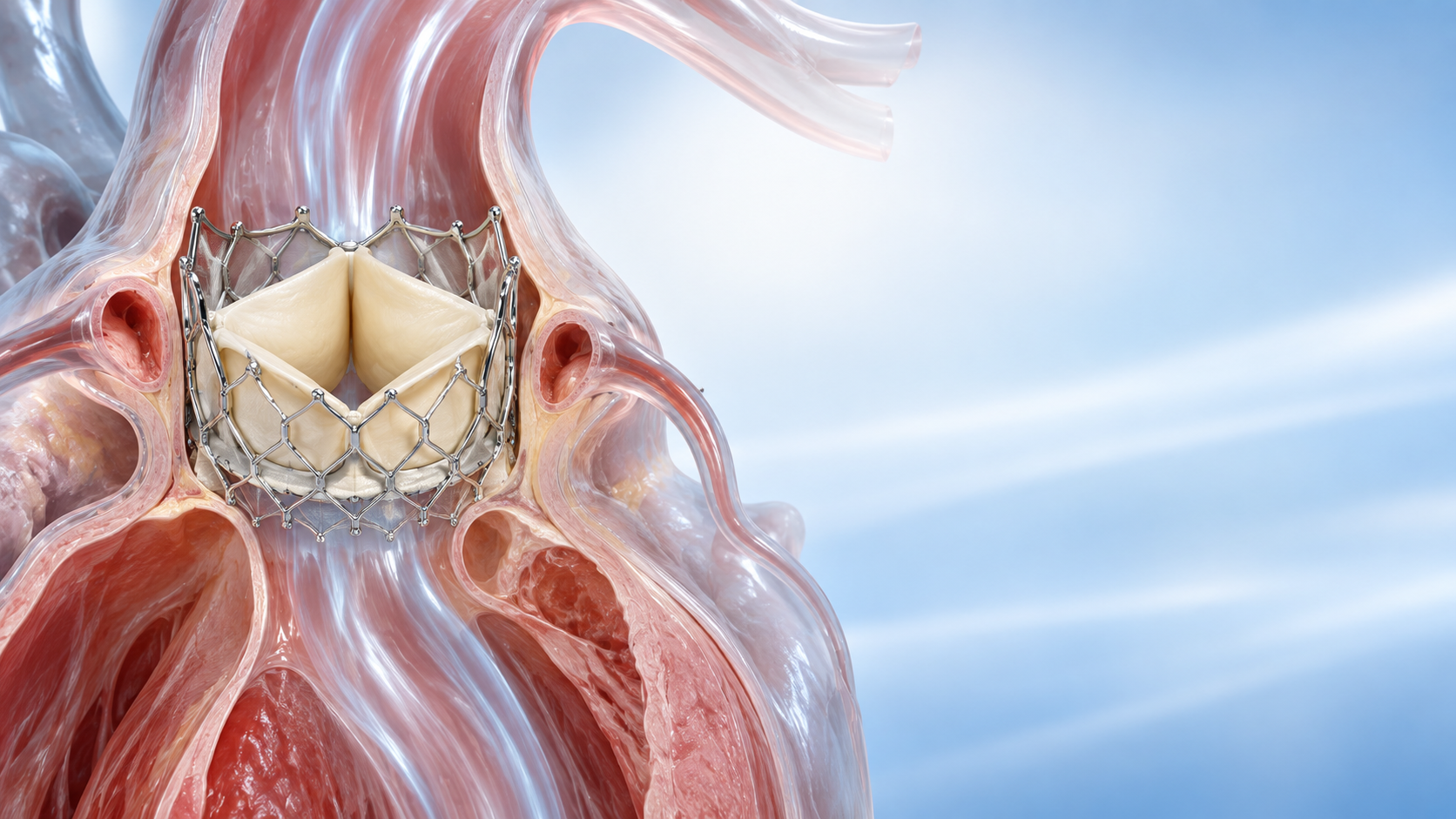
For DES, TAVR, and related access systems, the issue is often timing rather than volume.
A medical device intelligence platform improves evidence tracking by surfacing weak signals early.
That can include adverse event clustering, evolving endpoint preferences, or competitor claims that reshape physician expectations.
More commonly, the platform becomes useful when regulatory, clinical, and market access teams are reading the same update differently.
Shared evidence tagging reduces that disconnect.
It allows one change in the evidence base to be assessed for safety, labeling, tender exposure, and launch sequencing together.
MIS consumables and catheters often expose hidden evidence gaps
Minimally invasive staplers and medical polymer catheters are often underestimated because they look operationally familiar.
That is a common misread.
The evidence challenge here usually sits in consistency under real procedure conditions.
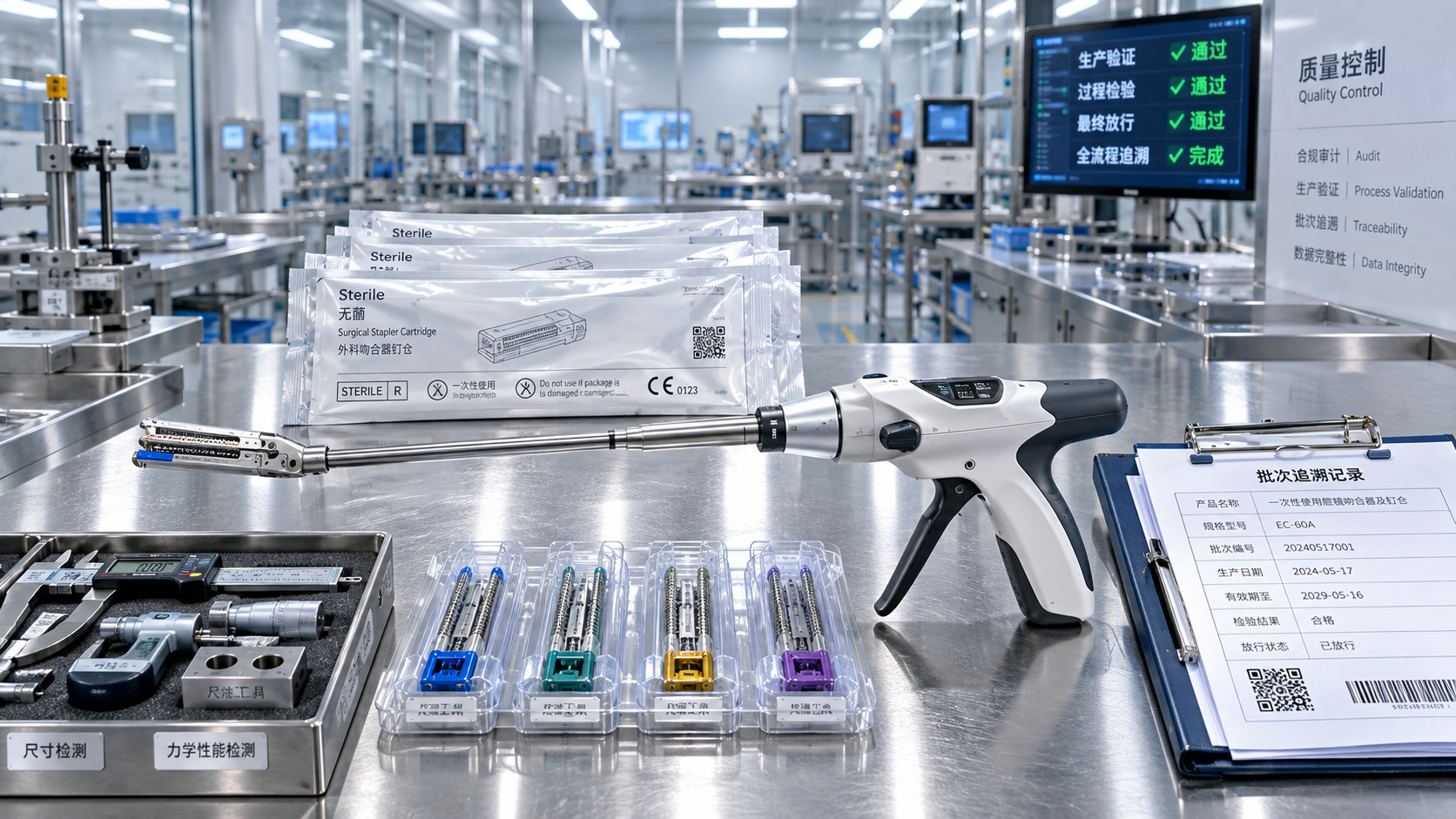
For staplers, closure integrity, firing reliability, and tissue interaction may matter more than broad product claims.
For neuro or central venous catheters, coating durability, thrombotic performance, and kink resistance need evidence that matches actual use pathways.
A medical device intelligence platform is valuable here because it catches fragmented proof.
Bench data may look complete while complaint trends, IFU updates, or material-change implications remain disconnected.
In practical review, those gaps are often where delays begin.
Different evidence scenarios call for different review priorities
The same medical device intelligence platform should not apply one review lens to every product family.
A useful way to frame the difference is below.
This is why evidence tracking should be configured by scenario, not by document type alone.
Where policy pressure changes the evidence conversation
Evidence quality is no longer only a regulatory matter.
In VBP and broader cost-control environments, evidence also influences pricing resilience and market access timing.
That shift is easy to miss when teams track clinical support and tender dynamics separately.
A medical device intelligence platform closes that gap by linking proof of value to procurement realities.
For example, a differentiated implant may still face price compression if its evidence package is not translated into procurement language.
Likewise, a strong wound care product may lose position when local access criteria change faster than the evidence summary does.
IMCS is particularly aligned with this problem because its intelligence scope includes both technical proof and bidding dynamics.
Misjudgments that weaken evidence tracking
Several mistakes appear repeatedly across medical consumables.
- Treating similar device classes as evidence-equivalent without checking indication, material contact, or procedure context.
- Relying on approval status alone while ignoring complaint trends, field notices, and post-market updates.
- Focusing on unit price during policy shifts without tracking the evidence needed to defend premium positioning.
- Reviewing biocompatibility, CER, and commercial access in separate workflows that never reconnect.
- Assuming older literature remains adequate after material, coating, or manufacturing changes.
These are not administrative errors.
They often change submission strategy, market timing, and credibility with external reviewers.
What better platform fit looks like before rollout
A medical device intelligence platform works best when rollout begins with a few sharp decisions.
- Define evidence categories by risk and device family, not only by department ownership.
- Set triggers for review after material revisions, new clinical publications, or procurement rule changes.
- Connect toxicology, CER, surveillance, and tender intelligence under one evidence history.
- Prioritize alert quality over alert quantity, especially in cardiovascular and implant portfolios.
- Build scenario-specific dashboards for implants, interventional devices, MIS consumables, and wound care lines.
The point is not to create more reporting.
It is to make the next evidence decision faster and harder to misread.
A practical next step for IMCS-style evidence work
The strongest medical device intelligence platform is the one that mirrors how evidence actually behaves across the product lifecycle.
In high-value consumables, that means tracking biological safety, clinical validation, manufacturing change, and market access as one connected system.
A practical starting point is to map one priority product line against four questions.
Which evidence drives approval, which evidence protects adoption, which signals threaten reimbursement, and which updates require immediate reassessment.
That kind of mapping gives evidence tracking operational value.
For platforms shaped like IMCS, the advantage is clear: intelligence stitching turns scattered proof into a usable decision framework for complex medical device markets.
Get weekly intelligence in your inbox.
No noise. No sponsored content. Pure intelligence.
News Recommendations
 Oct 03, 2026How to assess a central venous catheter manufacturer's infection-control evidenceHow to assess a central venous catheter manufacturer's infection-control evidence
 Oct 02, 2026How to assess an advanced wound care factory’s quality systemHow to assess an advanced wound care factory’s quality system
 Oct 01, 2026What is driving global medical consumables demand in emerging markets?What is driving global medical consumables demand in emerging markets?
 Sep 30, 2026What Are the Main Compliance Risks for Central Venous Access Catheters?What Are the Main Compliance Risks for Central Venous Access Catheters?
 Sep 30, 2026How Should a Surgical Stapler Manufacturer Prepare for a Compliance Audit?How Should a Surgical Stapler Manufacturer Prepare for a Compliance Audit?
 Sep 30, 2026How to assess an orthopedic implant solutions distributor’s traceability systemHow to assess an orthopedic implant solutions distributor’s traceability system
 Sep 29, 2026How a medical device registration strategy can reduce approval delaysHow a medical device registration strategy can reduce approval delays
 Sep 28, 2026How to verify a medical device specification database before useHow to verify a medical device specification database before use
 Sep 27, 2026What to verify before selecting a microcatheters manufacturerWhat to verify before selecting a microcatheters manufacturer
 Sep 26, 2026How to verify FDA compliance for medical device materialsHow to verify FDA compliance for medical device materials
 Sep 25, 2026When does a porous 3D-printed cranial implant improve fixation?When does a porous 3D-printed cranial implant improve fixation?
 Sep 24, 2026When are bovine pericardial valves suitable for transcatheter aortic valve replacement?When are bovine pericardial valves suitable for transcatheter aortic valve replacement?
 Sep 23, 2026How to verify the sterility assurance of surgical devicesHow to verify the sterility assurance of surgical devices
 Sep 22, 2026How to assess a spinal implants manufacturer’s quality systemHow to assess a spinal implants manufacturer’s quality system
 Sep 21, 2026How to assess an osseointegration technology manufacturer’s quality systemHow to assess an osseointegration technology manufacturer’s quality system
 Sep 20, 2026Medical material science trends reshaping biocompatibility testingMedical material science trends reshaping biocompatibility testing
 Sep 19, 2026What North American regulators expect in implant clinical evaluationsWhat North American regulators expect in implant clinical evaluations
 Sep 18, 2026When should plate and screw systems be selected for fracture fixation?When should plate and screw systems be selected for fracture fixation?
 Sep 17, 2026How a medical device sourcing strategy can reduce total acquisition costHow a medical device sourcing strategy can reduce total acquisition cost
 Sep 16, 2026When are silver foam burn care dressings appropriate for exuding burns?When are silver foam burn care dressings appropriate for exuding burns?
 Sep 15, 2026What drives medical device category pricing in value-based purchasing?What drives medical device category pricing in value-based purchasing?
 Sep 14, 2026High value consumables insights for evaluating total cost of careHigh value consumables insights for evaluating total cost of care
 Sep 13, 2026What a medical device market insights platform reveals about market accessWhat a medical device market insights platform reveals about market access
 Sep 12, 2026When are collagen-based tissue healing materials suitable for wound care?When are collagen-based tissue healing materials suitable for wound care?
 Sep 11, 2026How catheter material selection affects total cost of ownershipHow catheter material selection affects total cost of ownership
 Sep 10, 2026What FDA clearance means for medical grade PEEK implantsWhat FDA clearance means for medical grade PEEK implants
 Sep 09, 2026When do hydrogel wound healing technologies suit dry wounds?When do hydrogel wound healing technologies suit dry wounds?