ISO 10993 Specification Resources: What to Check Before Material Approval
Before any implant alloy, catheter polymer, stapler component, or wound-contact substrate is cleared for use, the real question is not whether ISO 10993 applies, but how deeply its evidence chain has been checked.
That is why medical consumables specification resources ISO 10993 remain central to material approval across global Class III device pathways, especially where biocompatibility, processing precision, and regulatory scrutiny meet.
In practice, approval decisions depend on more than test reports. They depend on intended use, body contact profile, manufacturing residues, sterilization effects, and whether documentation can withstand both technical review and market access pressure.
Why ISO 10993 resource quality matters early
A material may look familiar on paper and still fail in a real device context.
The same polymer can behave differently after extrusion, coating, laser cutting, cleaning, bonding, or gamma sterilization.
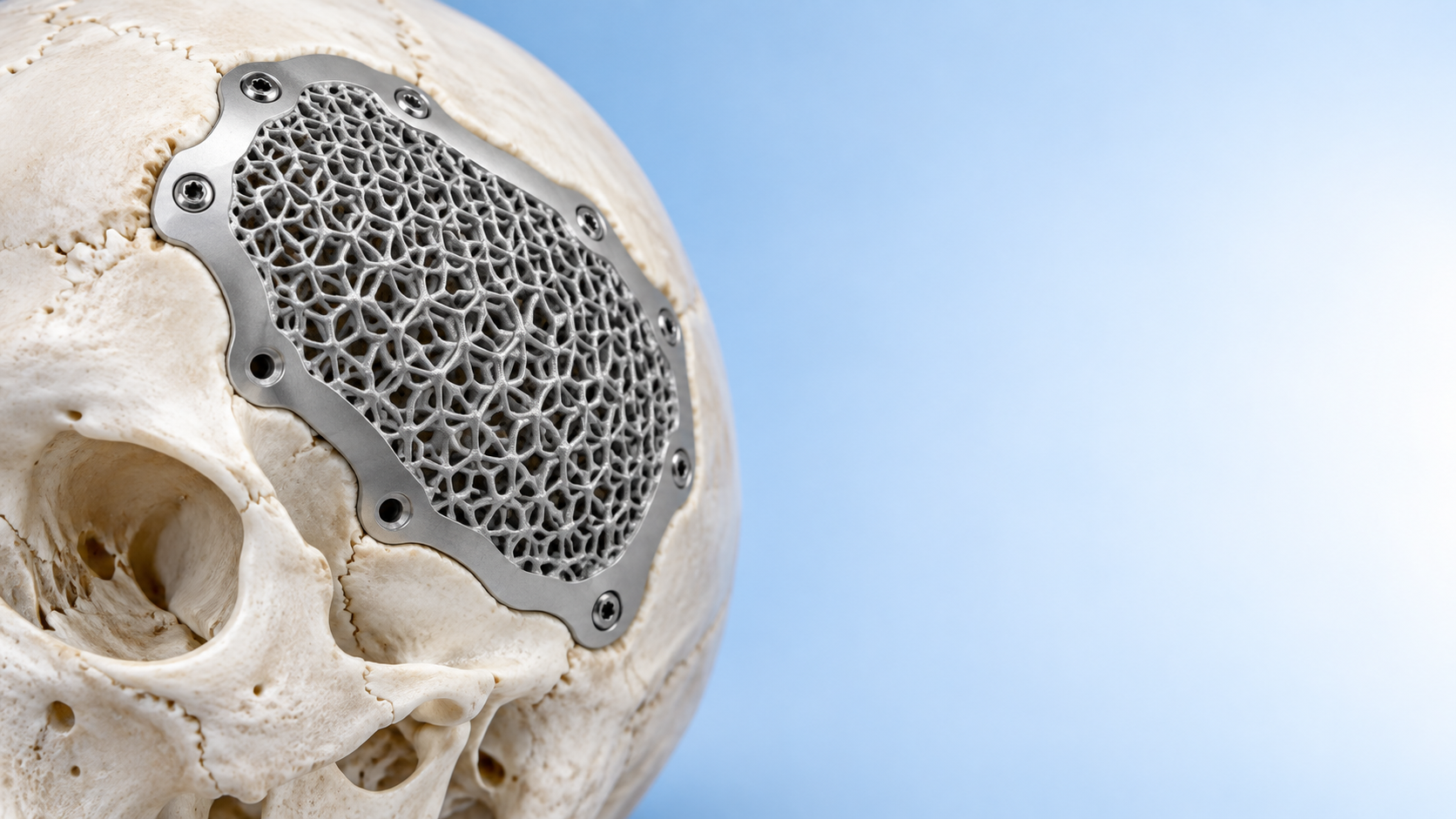
For orthopedic implants, porous structures and surface treatments can change extractables and local tissue response.
For cardiovascular devices, blood contact raises the bar because thrombogenicity, hemocompatibility, and leachables can directly affect patient safety.
For minimally invasive staplers, metal composition is only part of the story. Lubricants, passivation, packaging interaction, and shelf-life stability also matter.
This is where strong medical consumables specification resources ISO 10993 become useful. They help connect material data, process knowledge, biological endpoints, and regulatory expectations before costly rework begins.
What the specification review should actually cover
A specification package should answer a simple but demanding question: what exactly is being approved, under which conditions, and with what biological risk basis?
That means reviewing the material beyond its trade name or supplier certificate.
Core identity and composition
Start with the exact grade, formulation, additives, colorants, fillers, and processing aids.
A general resin family statement is rarely enough for high-risk devices.
Lot-to-lot controls also deserve attention, particularly when small compositional shifts can alter extractable profiles.
Contact category and duration
ISO 10993 decisions are driven by how the finished device contacts the body.
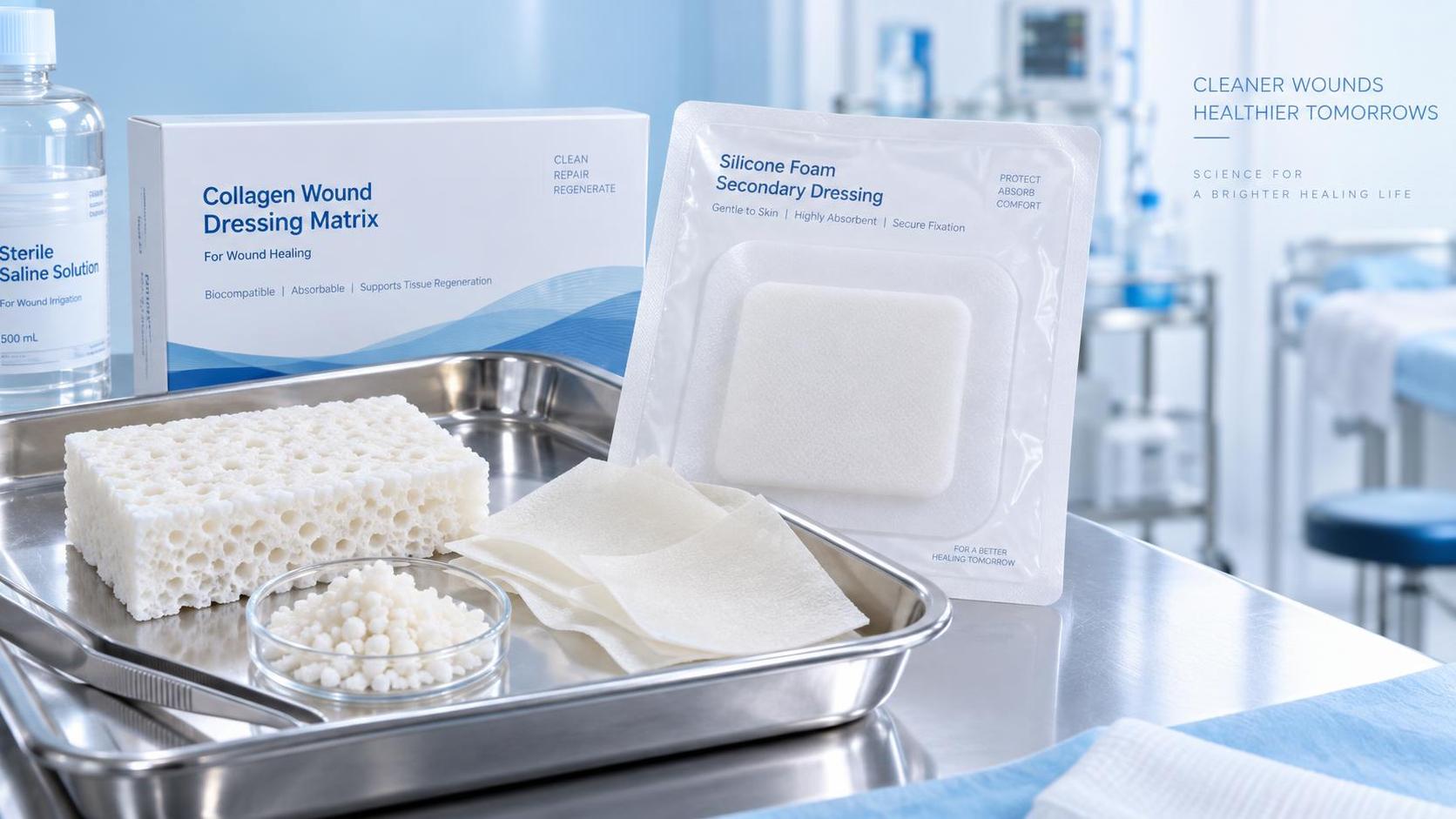
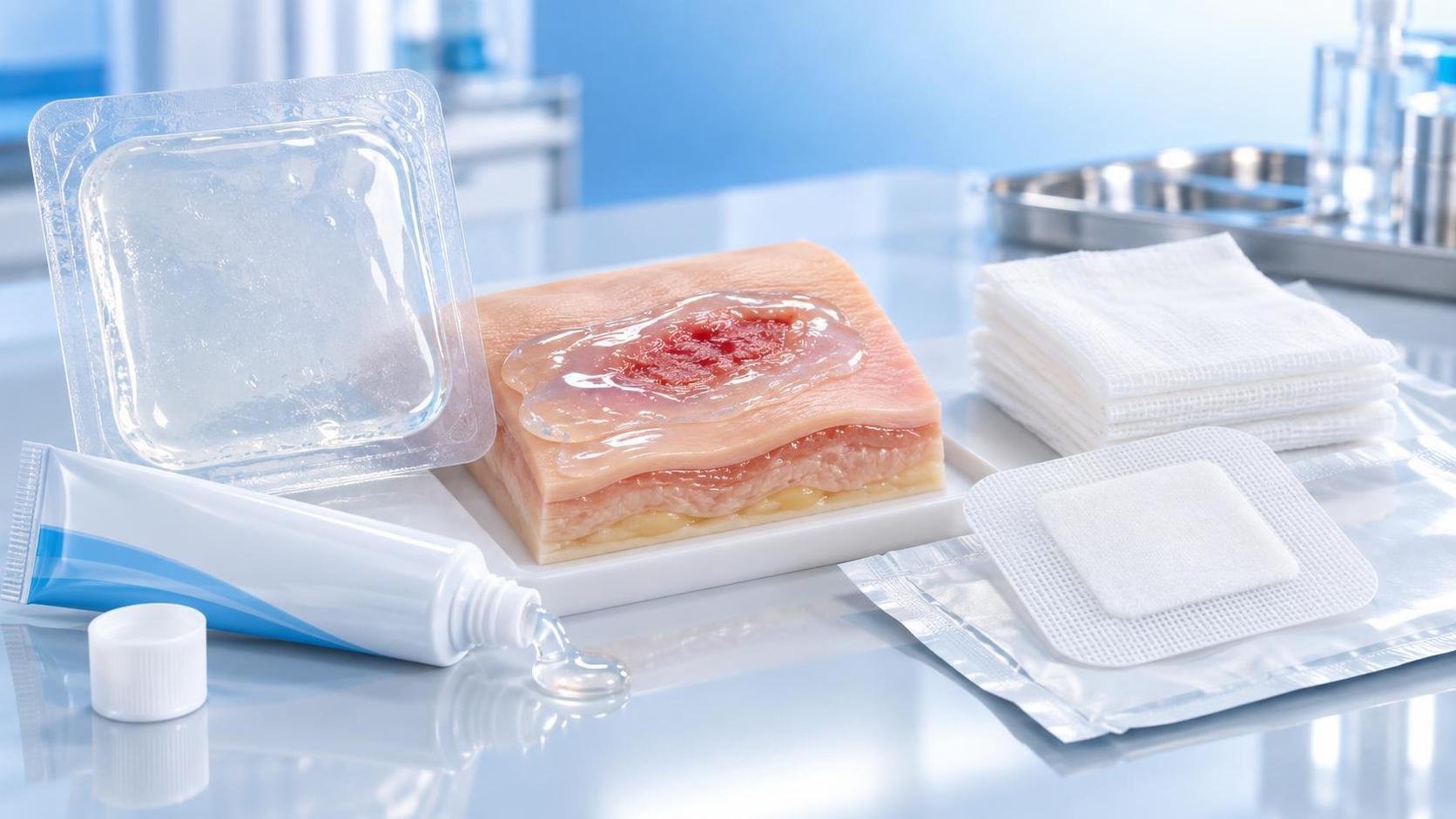
Skin contact dressings, circulating blood catheters, permanent implants, and absorbable regenerative materials do not share the same evidence needs.
The resource set must map the material to the final contact scenario, not just the raw material state.
Process-driven biological change
Machining oils, mold release agents, adhesives, coatings, and cleaning residues often become the hidden reason a material package looks incomplete.
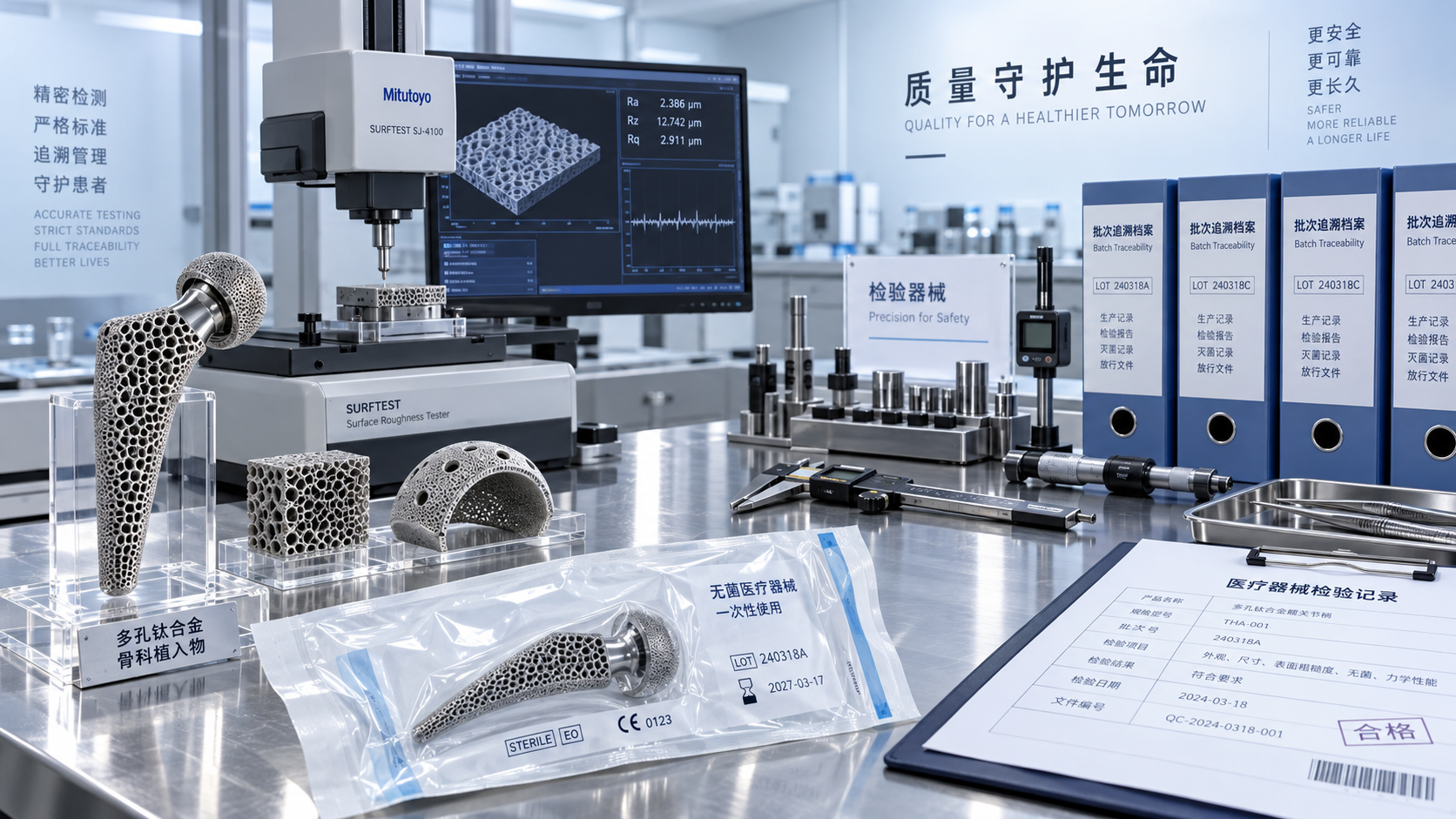
For IMCS-relevant categories, this is especially important where micron-level precision manufacturing intersects with long-term implantation or blood exposure.
How to read ISO 10993 data without overtrusting it
One of the most common mistakes is treating a passed cytotoxicity test as a universal approval signal.
It is not.
Medical consumables specification resources ISO 10993 should be read as a decision framework, not a single report archive.
A useful review asks whether the test article matches the commercial device state.
Was it sterilized the same way?
Did it include the same coating, ink, adhesive, or packaging contact?
Was the extraction condition appropriately justified?
These details matter because ISO 10993 is risk-based. Data that look complete can still be poorly matched to the actual exposure scenario.
Evidence that often deserves a second look
- Legacy reports tied to an outdated supplier grade or obsolete process
- Testing performed on raw pellets instead of the finished article
- Biological evaluation plans that skip toxicological assessment of extractables
- Claims of material equivalence without formulation transparency
- Gaps between bench validation and long-term implantation assumptions
Different device families create different approval pressures
Across the IMCS landscape, the same standard leads to different review intensity depending on the device family.
That is why medical consumables specification resources ISO 10993 should be organized by use case, not only by material class.
Orthopedic and spinal implants
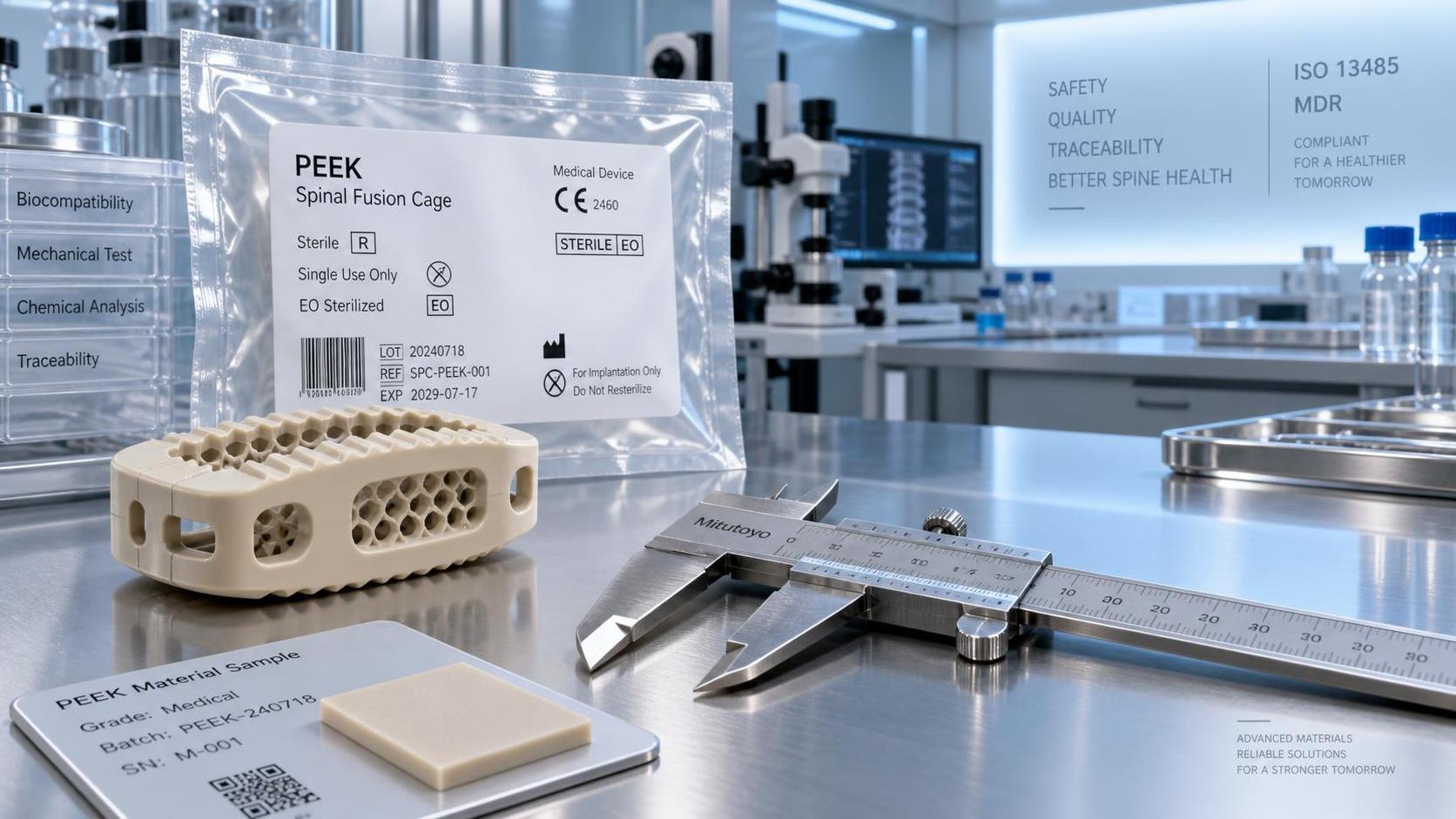
Permanent contact and osseointegration expectations require close attention to surface chemistry, wear debris, and process residues.
3D-printed porous structures may also need stronger justification on cleaning validation and retained contaminants.
Cardiovascular interventional devices
Blood contact can elevate concerns around hemolysis, coagulation pathways, complement activation, and particulate release.
A stent or valve material package may therefore need deeper correlation between chemistry, coating stability, and biological response.
Staplers, catheters, and wound care products
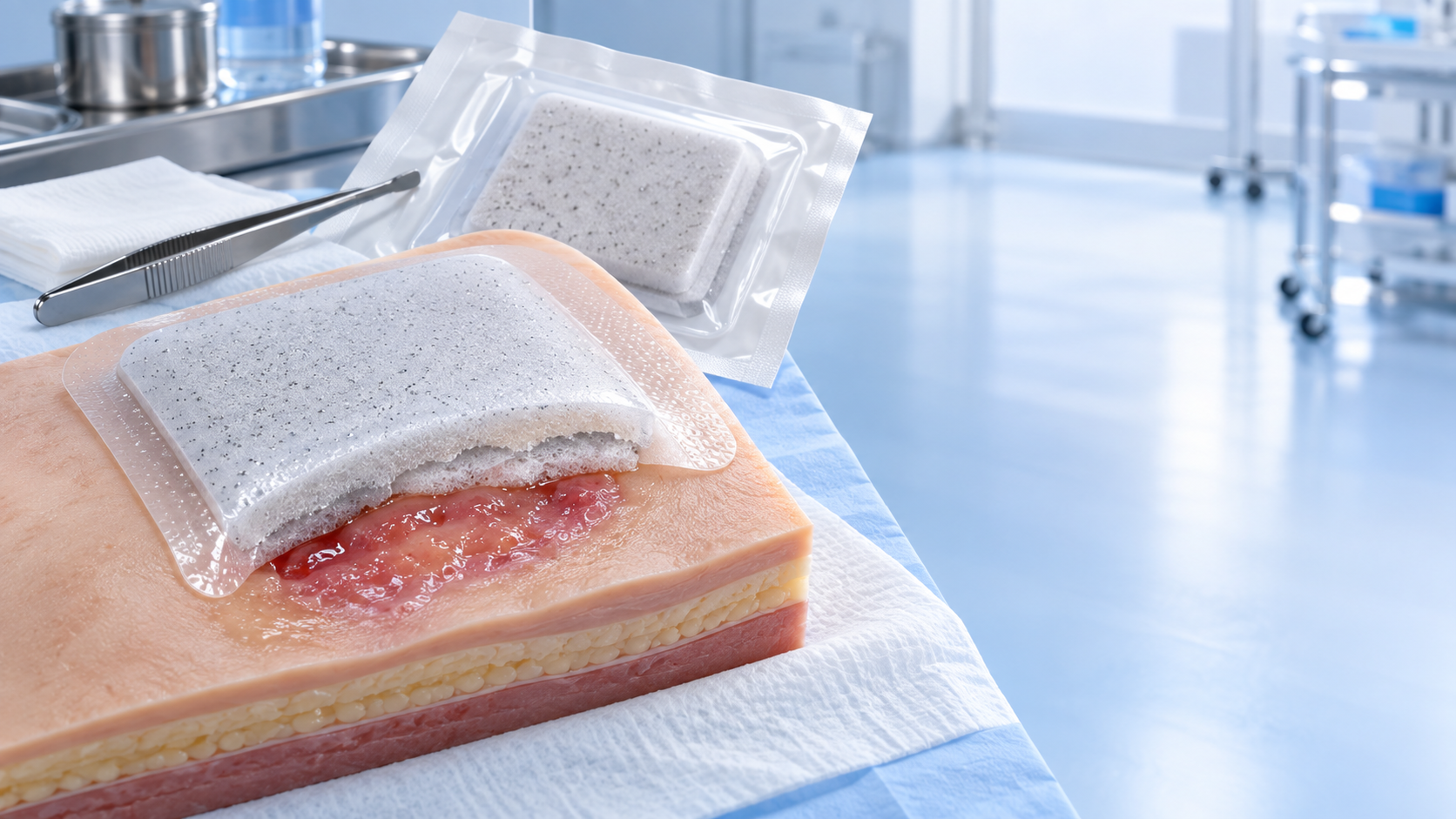
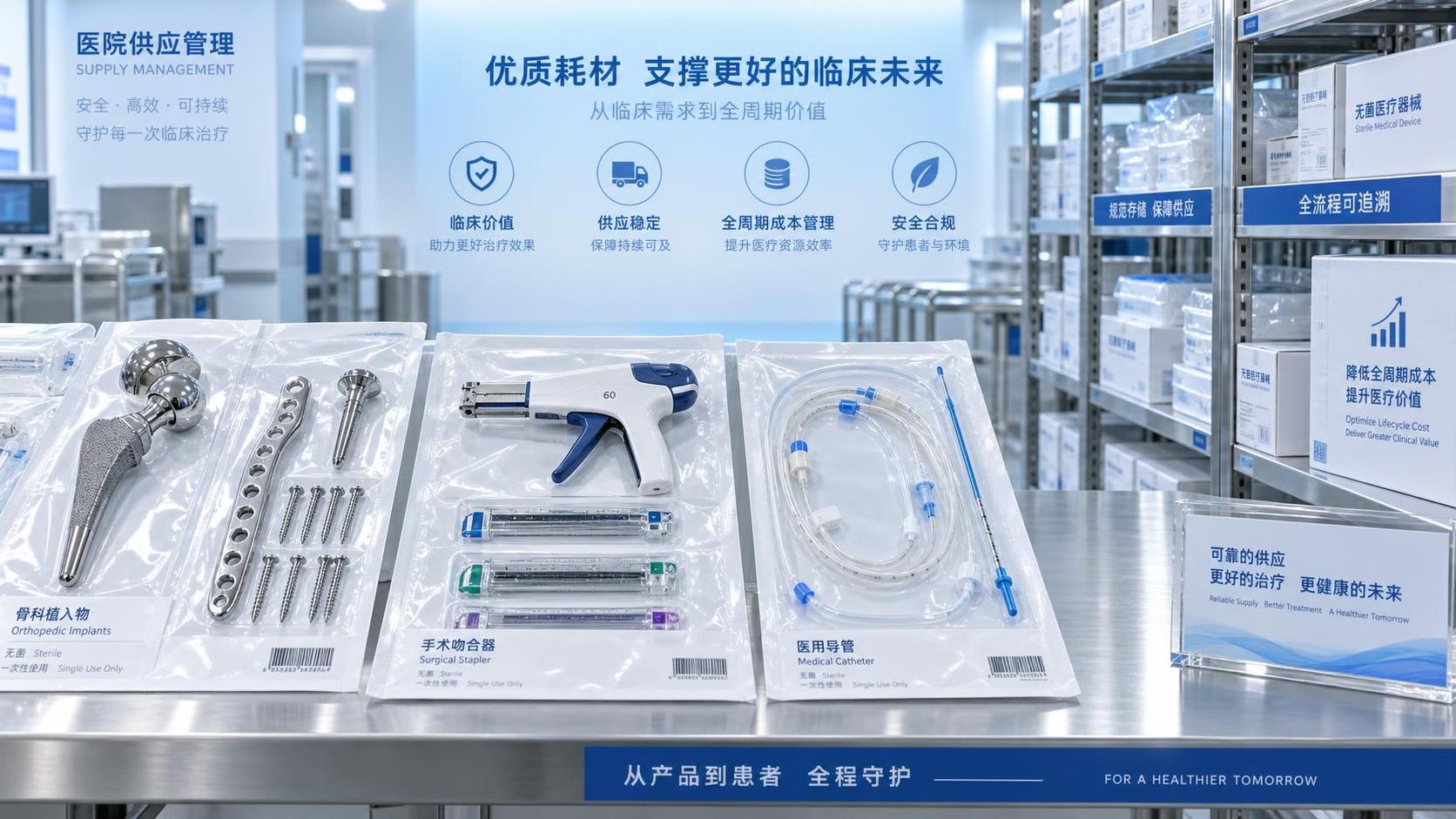
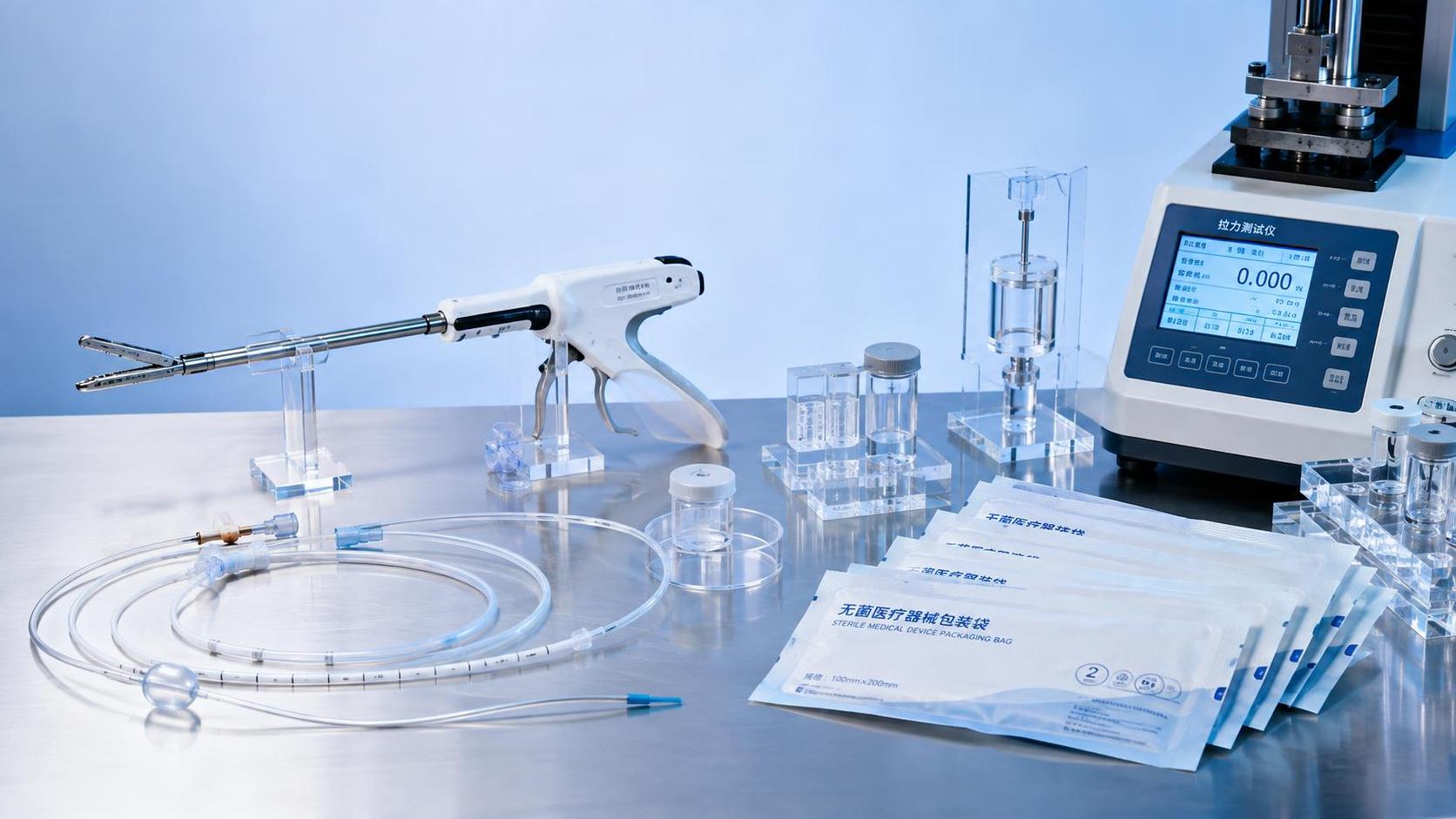
These products often combine metals, polymers, coatings, and packaging systems in ways that complicate the approval picture.
In actual use, transient contact does not always mean low complexity, especially when sensitive tissues or compromised healing conditions are involved.
A practical approval sequence
A disciplined sequence reduces both blind spots and unnecessary testing.
It also makes medical consumables specification resources ISO 10993 easier to maintain across product changes and regulatory submissions.
- Define the finished device contact scenario in precise terms
- Confirm exact material identity and all formulation dependencies
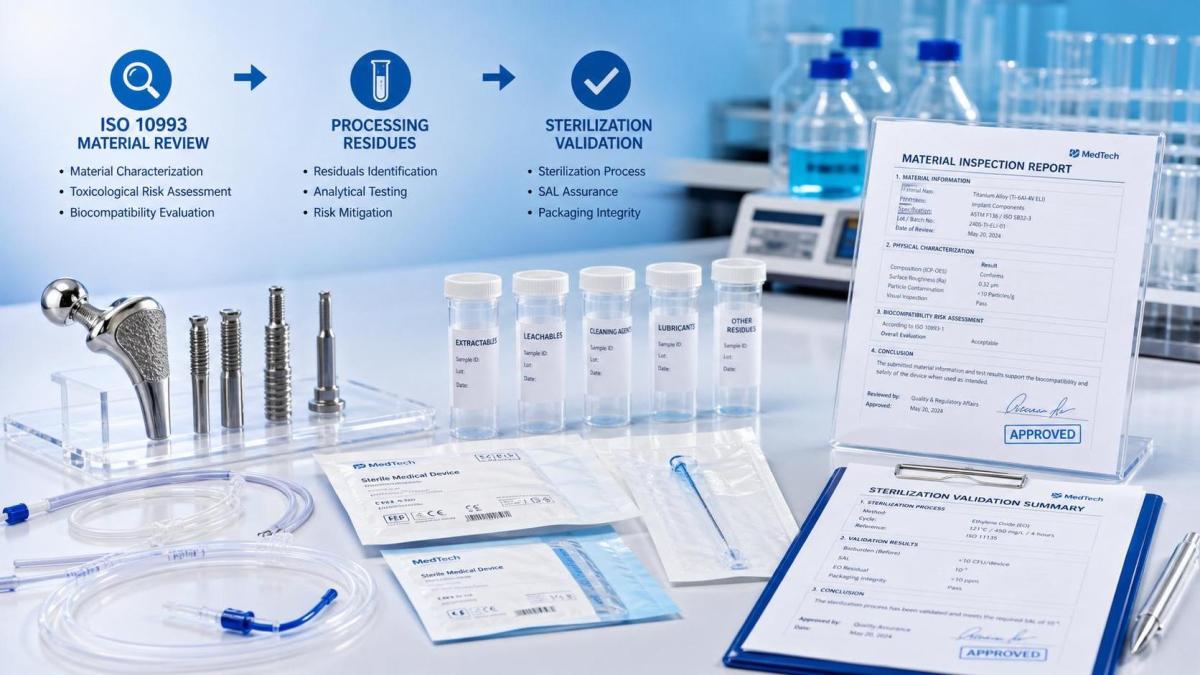
- Map every processing and sterilization step that can alter exposure
- Check existing ISO 10993 evidence for article relevance, not just availability
- Use toxicological assessment to bridge justified gaps
- Document residual risk logic in language regulators can follow
This sequence is particularly useful when global filings, CE MDR expectations, or volume-based procurement pressure make redesign delays expensive.
What stronger specification resources look like
The best resource sets do not only collect certificates.
They connect supplier controls, chemistry insight, biological evaluation planning, and regulatory writing into one traceable approval logic.
That integrated view is increasingly important for platforms such as IMCS, where biocompatibility decisions affect not only safety, but also clinical credibility and market timing.
When specification resources are mature, teams can distinguish between a material that is familiar and a material that is truly approval-ready.
That distinction is often where risk control becomes real.
The next sensible step is to review current material files against actual device contact conditions, then separate reusable evidence from evidence that only appears reusable.
From there, medical consumables specification resources ISO 10993 can be strengthened into a working approval tool rather than a passive document library.
Get weekly intelligence in your inbox.
No noise. No sponsored content. Pure intelligence.
News Recommendations
 Sep 28, 2026How to verify a medical device specification database before useHow to verify a medical device specification database before use
 Sep 27, 2026What to verify before selecting a microcatheters manufacturerWhat to verify before selecting a microcatheters manufacturer
 Sep 26, 2026How to verify FDA compliance for medical device materialsHow to verify FDA compliance for medical device materials
 Sep 25, 2026When does a porous 3D-printed cranial implant improve fixation?When does a porous 3D-printed cranial implant improve fixation?
 Sep 24, 2026When are bovine pericardial valves suitable for transcatheter aortic valve replacement?When are bovine pericardial valves suitable for transcatheter aortic valve replacement?
 Sep 23, 2026How to verify the sterility assurance of surgical devicesHow to verify the sterility assurance of surgical devices
 Sep 22, 2026How to assess a spinal implants manufacturer’s quality systemHow to assess a spinal implants manufacturer’s quality system
 Sep 21, 2026How to assess an osseointegration technology manufacturer’s quality systemHow to assess an osseointegration technology manufacturer’s quality system
 Sep 20, 2026Medical material science trends reshaping biocompatibility testingMedical material science trends reshaping biocompatibility testing
 Sep 19, 2026What North American regulators expect in implant clinical evaluationsWhat North American regulators expect in implant clinical evaluations
 Sep 18, 2026When should plate and screw systems be selected for fracture fixation?When should plate and screw systems be selected for fracture fixation?
 Sep 17, 2026How a medical device sourcing strategy can reduce total acquisition costHow a medical device sourcing strategy can reduce total acquisition cost
 Sep 16, 2026When are silver foam burn care dressings appropriate for exuding burns?When are silver foam burn care dressings appropriate for exuding burns?
 Sep 15, 2026What drives medical device category pricing in value-based purchasing?What drives medical device category pricing in value-based purchasing?
 Sep 14, 2026High value consumables insights for evaluating total cost of careHigh value consumables insights for evaluating total cost of care
 Sep 13, 2026What a medical device market insights platform reveals about market accessWhat a medical device market insights platform reveals about market access
 Sep 12, 2026When are collagen-based tissue healing materials suitable for wound care?When are collagen-based tissue healing materials suitable for wound care?
 Sep 11, 2026How catheter material selection affects total cost of ownershipHow catheter material selection affects total cost of ownership
 Sep 10, 2026What FDA clearance means for medical grade PEEK implantsWhat FDA clearance means for medical grade PEEK implants
 Sep 09, 2026When do hydrogel wound healing technologies suit dry wounds?When do hydrogel wound healing technologies suit dry wounds?
 Sep 07, 2026How to assess medical consumables for surgical useHow to assess medical consumables for surgical use
 Sep 07, 2026How to verify CE MDR compliance for single-use medical consumablesHow to verify CE MDR compliance for single-use medical consumables
 Sep 05, 2026How to evaluate an antithrombotic catheter factory for qualityHow to evaluate an antithrombotic catheter factory for quality
 Sep 04, 2026When do minimally invasive surgical staplers improve GI access?When do minimally invasive surgical staplers improve GI access?
 Sep 03, 2026When are foam moist wound healing dressings appropriate for exuding wounds?When are foam moist wound healing dressings appropriate for exuding wounds?
 Sep 02, 2026How implant pricing affects access to advanced medical careHow implant pricing affects access to advanced medical care
 Sep 01, 2026What is driving price pressure in the North American medical consumables market?What is driving price pressure in the North American medical consumables market?