Biocompatible Implant Materials: Key Risks Behind ISO 10993 Test Results
Biocompatible implant materials rarely fail in obvious ways. A material may clear one ISO 10993 endpoint, yet still raise concerns when extraction conditions, processing residue, or device use duration are reviewed together.
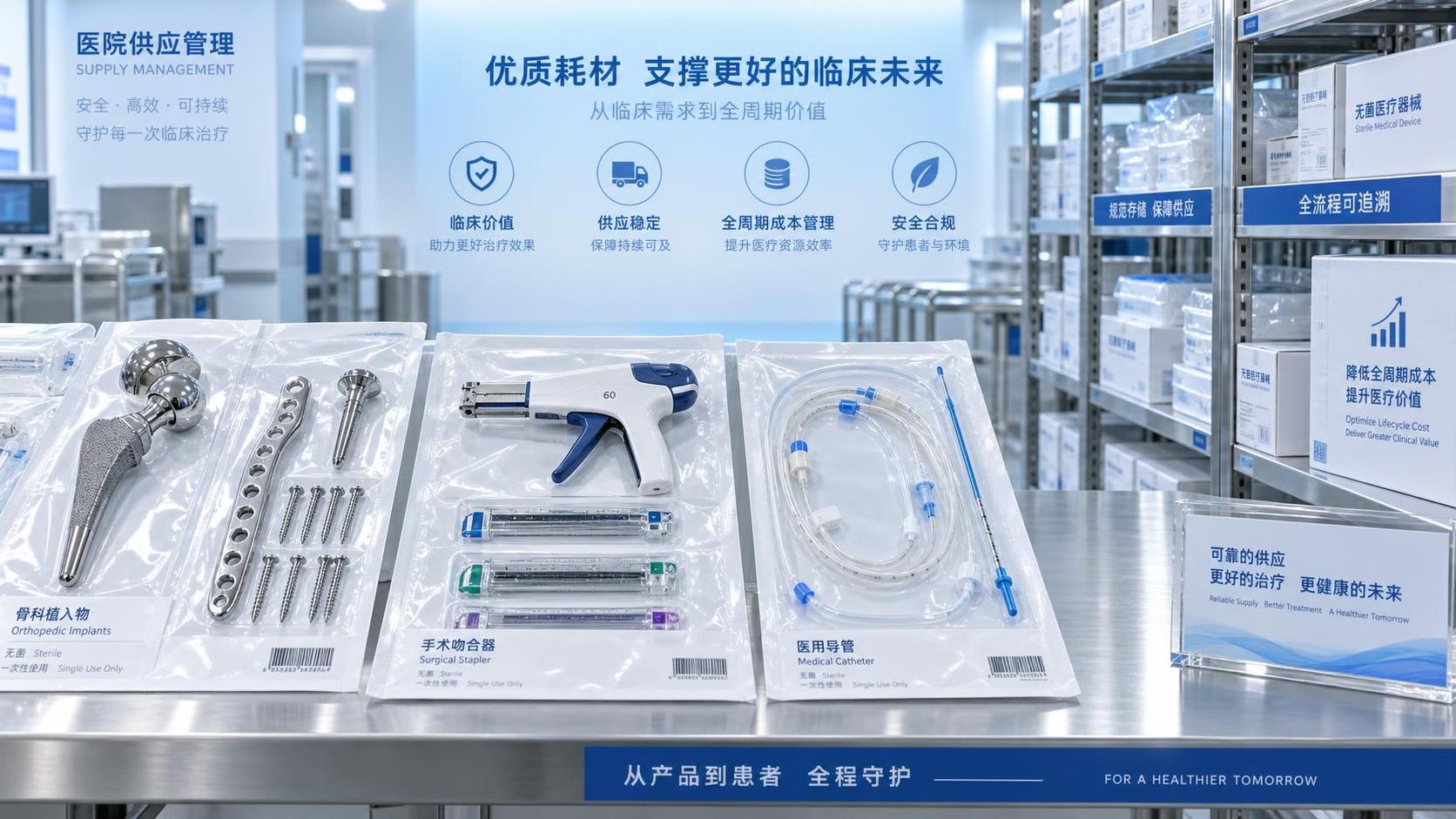
That gap matters across orthopedic implants, cardiovascular devices, polymer catheters, stapling components, and regenerative materials. In high-risk applications, test results are only useful when they are read in the context of chemistry, contact pathway, and real clinical exposure.
Why ISO 10993 results can look cleaner than the real risk picture

ISO 10993 is not a single pass-fail gate. It is a biological evaluation framework. For biocompatible implant materials, that distinction is central because the material itself is only one part of the exposure profile.
Surface treatments, sterilization residues, lubricants, pigments, adhesives, and packaging interactions can all influence outcomes. A favorable cytotoxicity result does not automatically resolve sensitization, irritation, hemocompatibility, genotoxicity, or chronic local tissue response.
In practice, the issue is often not a bad test. The issue is a narrow reading of a good-looking test. That is where technical review becomes more important than raw endpoint data.
The material is never just the material
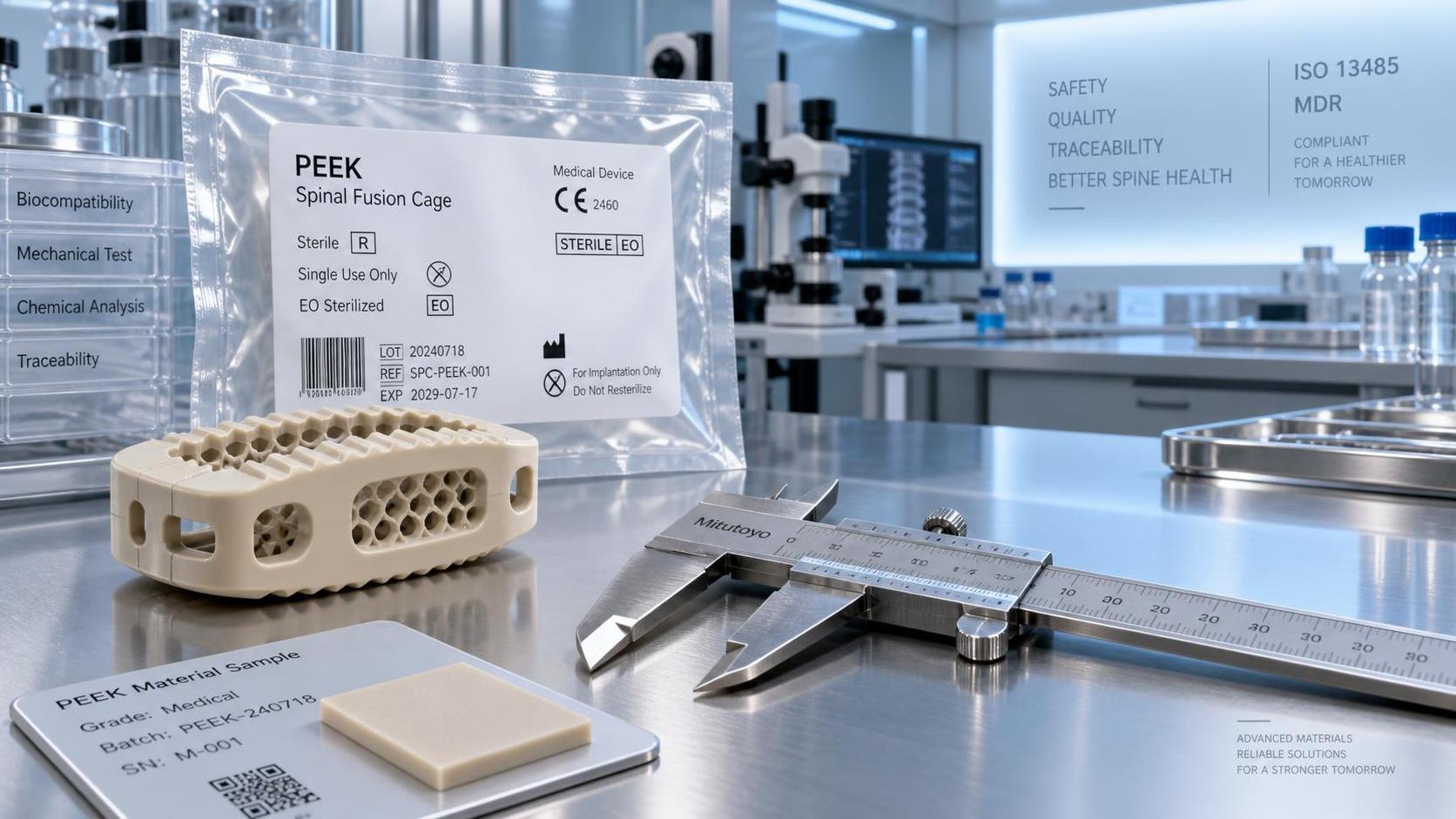
When people discuss biocompatible implant materials, they often mean titanium alloys, cobalt-chromium, PEEK, nitinol, silicone, polyurethane, or bioresorbable polymers. Those names describe a base platform, not the full biological system.
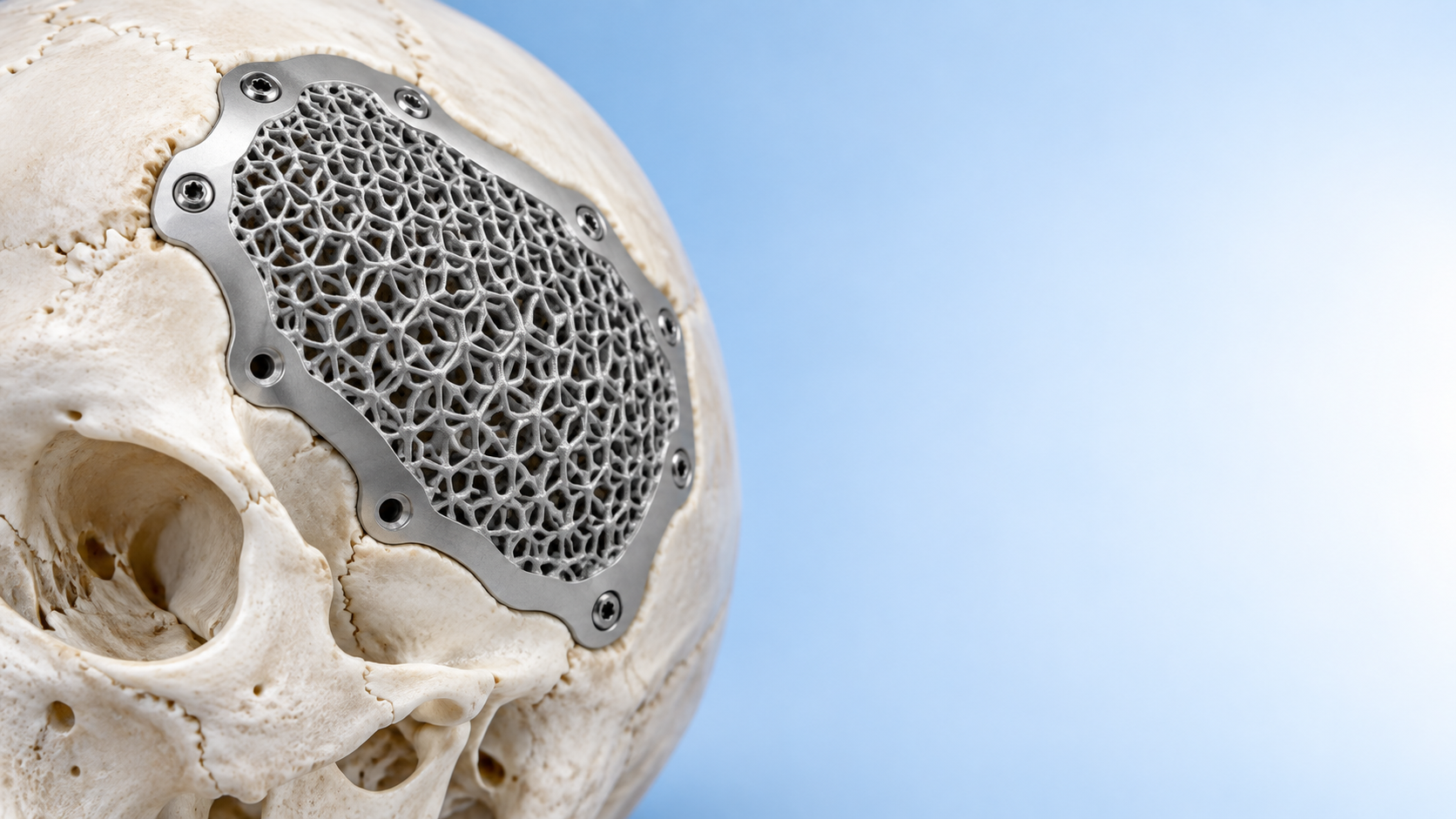
A porous titanium cage behaves differently from polished titanium staples. A drug-coated stent is not judged like a bare-metal frame. A hydrophilic catheter coating introduces a distinct extractables profile compared with the base polymer beneath it.
This is why IMCS tracks both extreme material biocompatibility and micron-level precision machining. Manufacturing detail changes tissue response. Burrs, particle shedding, altered roughness, and trapped process chemicals can shift biological performance without changing the base resin or alloy name.
Common sources of hidden variation
- Residual monomers, catalysts, or solvents after polymer processing.
- Cleaning agent carryover after machining or passivation.
- Sterilization byproducts, especially after EtO or radiation aging.
- Wear particles released under cyclic loading or bending.
- Surface coatings that delaminate, dissolve, or react in vivo.
Key risks behind favorable ISO 10993 endpoints
Some risk patterns appear repeatedly across implant programs. They deserve attention because they can distort how test results are interpreted, especially when development timelines are compressed.
Extraction design that misses clinical reality
A material may pass because extraction conditions were mild, short, or poorly aligned with use conditions. Long-term implants face heat, fluids, stress, oxidation, and mechanical wear over years, not hours.
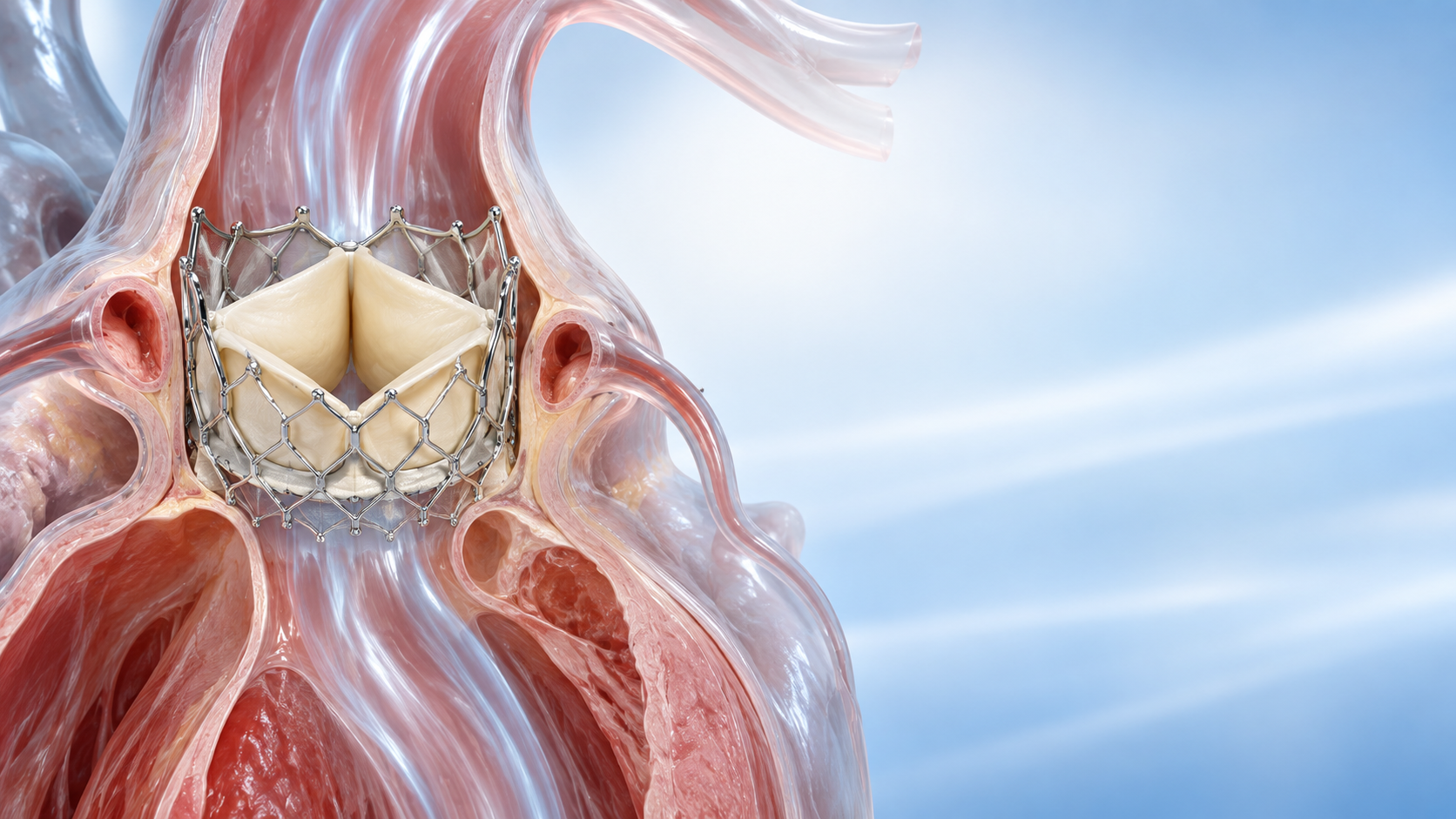
This matters for spinal implants, joint components, TAVR systems, and long-dwell vascular devices. If the extraction model does not reflect worst-case exposure, the result may be technically valid yet clinically incomplete.
Device form overwhelms material assumptions
Biocompatible implant materials are often judged by published history. That can help, but geometry changes everything. Porous structures enlarge surface area. Thin struts change corrosion behavior. Sharp edges increase local trauma.
A known material in a novel architecture deserves fresh scrutiny. Historical equivalence should be argued carefully, not treated as a shortcut.
Processing changes introduced after early testing
A frequent regulatory problem appears when biocompatibility testing is completed before the manufacturing process is stable. Later changes in polishing media, coating cure, additive manufacturing parameters, or sterilization cycles can invalidate assumptions.
The endpoint report still looks acceptable. The tested article, however, no longer matches the marketed device closely enough.
Chemical characterization that lacks decision value
ISO 10993-18 and toxicological risk assessment are increasingly decisive. A list of detected compounds is not enough. The practical question is whether identified chemicals, unknowns, and thresholds support the biological argument.
This is where many programs stall. Cytotoxicity may be negative, but unresolved extractables still trigger requests for more evidence, especially under Class III review pathways.
Different implant categories expose different failure modes
Not all biocompatible implant materials fail for the same reasons. The exposure route and clinical function reshape the risk profile. A concise comparison helps frame the review logic.
This cross-category view explains why a generic statement about biocompatible implant materials is rarely enough. The same endpoint carries different weight in bone, blood, soft tissue, or regenerative environments.
What a stronger biological evaluation looks like
A stronger review does not always mean more animal testing. Often it means better alignment between intended use, material chemistry, processing history, and endpoint selection.
Build the case from exposure, not from habit
Start with contact type, duration, tissue interface, and patient pathway. Then connect those conditions to extraction strategy, chemical characterization, and toxicological assessment.
This prevents a common mistake: running familiar tests because they are familiar, while leaving a more relevant exposure question unresolved.
Treat manufacturing evidence as biological evidence
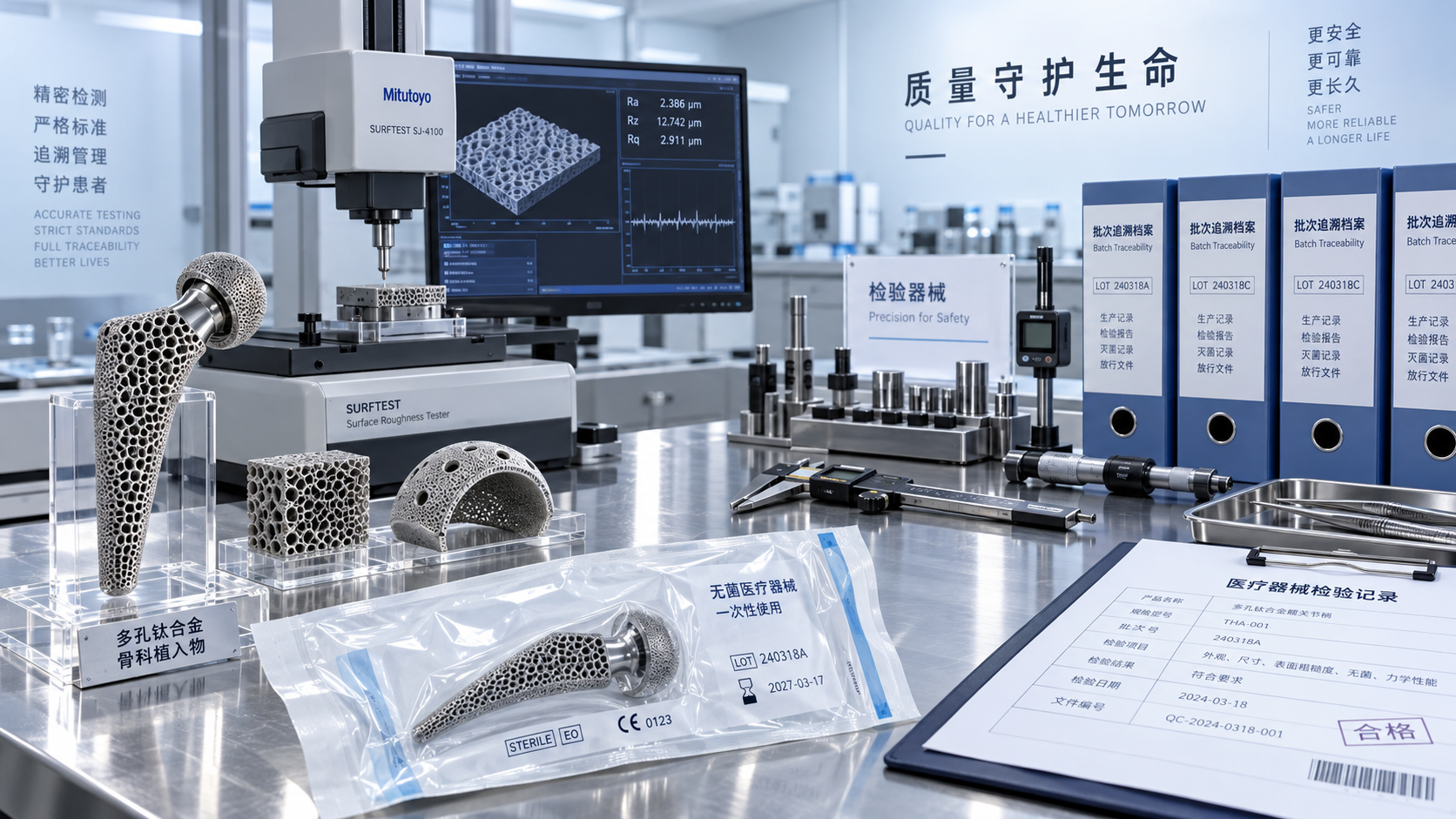
For biocompatible implant materials, process controls should be reviewed alongside test reports. Cleaning validation, particulate control, sterilization validation, and change history often explain unexpected biological signals.
This is especially relevant where IMCS follows high-value consumables under strict regulation and VBP pressure. Cost pressure can drive process adjustments, and those adjustments must not quietly shift the biological risk profile.
Check whether test articles still match commercial reality
- Confirm the tested lot used final materials and final suppliers.
- Verify sterilization, aging, and packaging match release configuration.
- Review whether labeling claims changed exposure assumptions.
- Map engineering changes against biological evaluation updates.
Why this matters beyond compliance
Weak interpretation of ISO 10993 data creates more than a regulatory delay. It can distort product positioning, inflate remediation cost, and undermine long-term clinical confidence.
For implants and premium consumables, biological credibility supports market access, physician adoption, and post-market resilience. In competitive fields shaped by CE MDR, Class III scrutiny, and VBP economics, evidence quality becomes a strategic asset.
That is why biocompatible implant materials should be evaluated as living programs, not static material labels. The best decisions come from integrating test endpoints, chemical data, processing controls, and intended clinical behavior.
A practical next step for deeper assessment
A useful next step is to create a simple review matrix for each device family. List the base material, all surface modifications, manufacturing residues, sterilization route, contact duration, and the ISO 10993 rationale beside them.
Then compare that matrix with actual clinical use and the latest process change history. Gaps usually appear quickly. Those gaps are often more informative than another isolated pass result.
For teams tracking orthopedic, cardiovascular, MIS, catheter, or regenerative portfolios, this discipline makes biocompatible implant materials easier to judge, defend, and improve before questions escalate later.
Get weekly intelligence in your inbox.
No noise. No sponsored content. Pure intelligence.
News Recommendations
 Sep 28, 2026How to verify a medical device specification database before useHow to verify a medical device specification database before use
 Sep 27, 2026What to verify before selecting a microcatheters manufacturerWhat to verify before selecting a microcatheters manufacturer
 Sep 26, 2026How to verify FDA compliance for medical device materialsHow to verify FDA compliance for medical device materials
 Sep 25, 2026When does a porous 3D-printed cranial implant improve fixation?When does a porous 3D-printed cranial implant improve fixation?
 Sep 24, 2026When are bovine pericardial valves suitable for transcatheter aortic valve replacement?When are bovine pericardial valves suitable for transcatheter aortic valve replacement?
 Sep 23, 2026How to verify the sterility assurance of surgical devicesHow to verify the sterility assurance of surgical devices
 Sep 22, 2026How to assess a spinal implants manufacturer’s quality systemHow to assess a spinal implants manufacturer’s quality system
 Sep 21, 2026How to assess an osseointegration technology manufacturer’s quality systemHow to assess an osseointegration technology manufacturer’s quality system
 Sep 20, 2026Medical material science trends reshaping biocompatibility testingMedical material science trends reshaping biocompatibility testing
 Sep 19, 2026What North American regulators expect in implant clinical evaluationsWhat North American regulators expect in implant clinical evaluations
 Sep 18, 2026When should plate and screw systems be selected for fracture fixation?When should plate and screw systems be selected for fracture fixation?
 Sep 17, 2026How a medical device sourcing strategy can reduce total acquisition costHow a medical device sourcing strategy can reduce total acquisition cost
 Sep 16, 2026When are silver foam burn care dressings appropriate for exuding burns?When are silver foam burn care dressings appropriate for exuding burns?
 Sep 15, 2026What drives medical device category pricing in value-based purchasing?What drives medical device category pricing in value-based purchasing?
 Sep 14, 2026High value consumables insights for evaluating total cost of careHigh value consumables insights for evaluating total cost of care
 Sep 13, 2026What a medical device market insights platform reveals about market accessWhat a medical device market insights platform reveals about market access
 Sep 12, 2026When are collagen-based tissue healing materials suitable for wound care?When are collagen-based tissue healing materials suitable for wound care?
 Sep 11, 2026How catheter material selection affects total cost of ownershipHow catheter material selection affects total cost of ownership
 Sep 10, 2026What FDA clearance means for medical grade PEEK implantsWhat FDA clearance means for medical grade PEEK implants
 Sep 09, 2026When do hydrogel wound healing technologies suit dry wounds?When do hydrogel wound healing technologies suit dry wounds?
 Sep 07, 2026How to assess medical consumables for surgical useHow to assess medical consumables for surgical use
 Sep 07, 2026How to verify CE MDR compliance for single-use medical consumablesHow to verify CE MDR compliance for single-use medical consumables
 Sep 05, 2026How to evaluate an antithrombotic catheter factory for qualityHow to evaluate an antithrombotic catheter factory for quality
 Sep 04, 2026When do minimally invasive surgical staplers improve GI access?When do minimally invasive surgical staplers improve GI access?
 Sep 03, 2026When are foam moist wound healing dressings appropriate for exuding wounds?When are foam moist wound healing dressings appropriate for exuding wounds?
 Sep 02, 2026How implant pricing affects access to advanced medical careHow implant pricing affects access to advanced medical care
 Sep 01, 2026What is driving price pressure in the North American medical consumables market?What is driving price pressure in the North American medical consumables market?