ISO 10993 Testing in Europe: Key Compliance Risks and Timelines
ISO 10993 testing Europe work sits at the point where material science, toxicology, and EU regulatory judgment meet. For implantable and invasive devices, that junction often decides whether a submission moves forward smoothly or stalls in review.
Under MDR, notified bodies rarely accept biocompatibility as a box-ticking exercise. They expect a defensible biological evaluation strategy, clear test rationale, and data that reflect the actual finished device, its manufacturing state, and clinical use.
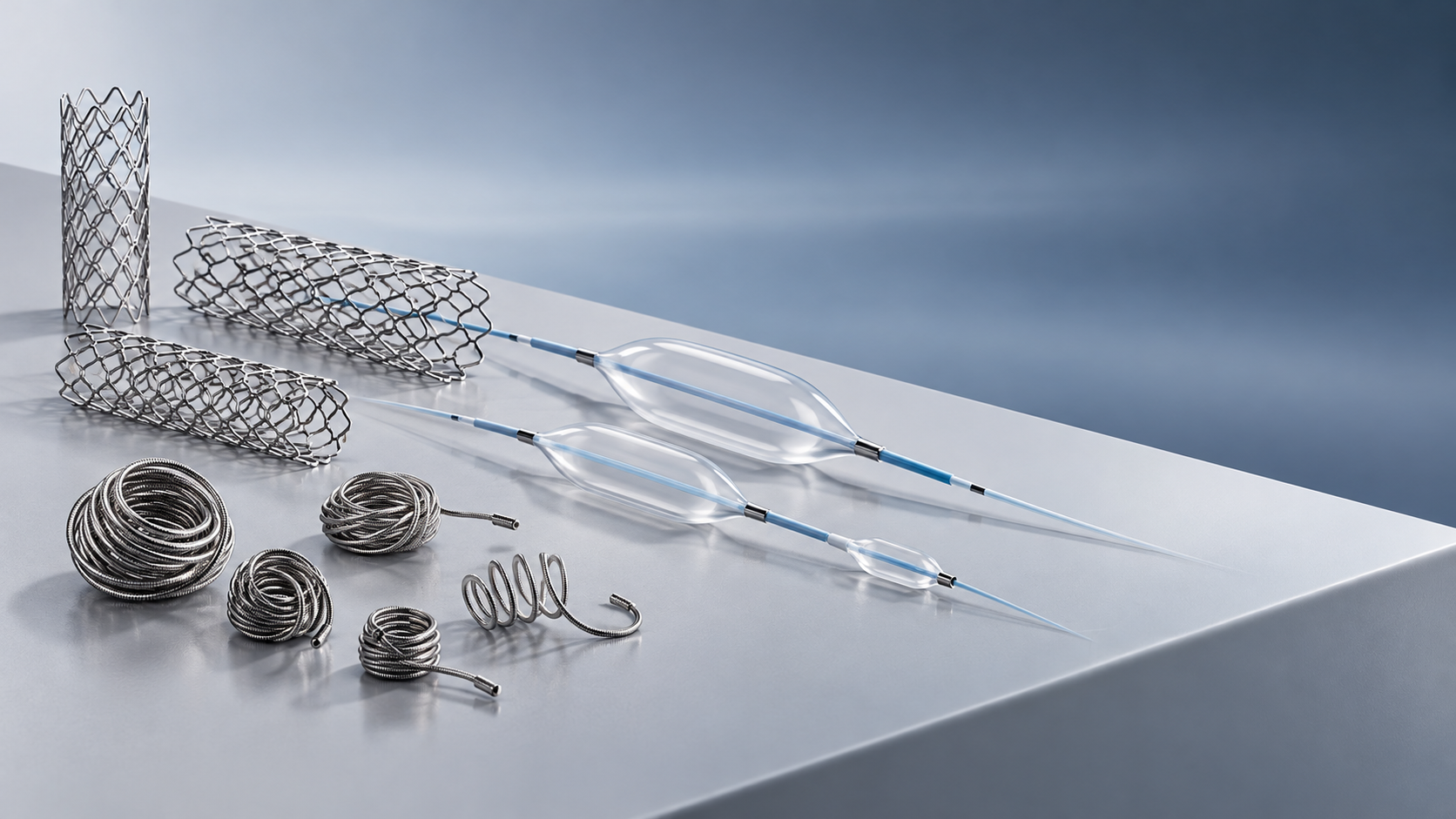
That matters across the sectors followed by IMCS, from orthopedic implants and DES platforms to polymer catheters, stapling systems, and advanced wound care materials. The higher the device risk, the less room there is for generic assumptions.
Why ISO 10993 testing Europe has become a timing issue

European market access now depends on more than passing individual laboratory tests. ISO 10993 testing Europe decisions must align with MDR annexes, risk management files, technical documentation, and in many cases clinical evaluation arguments.
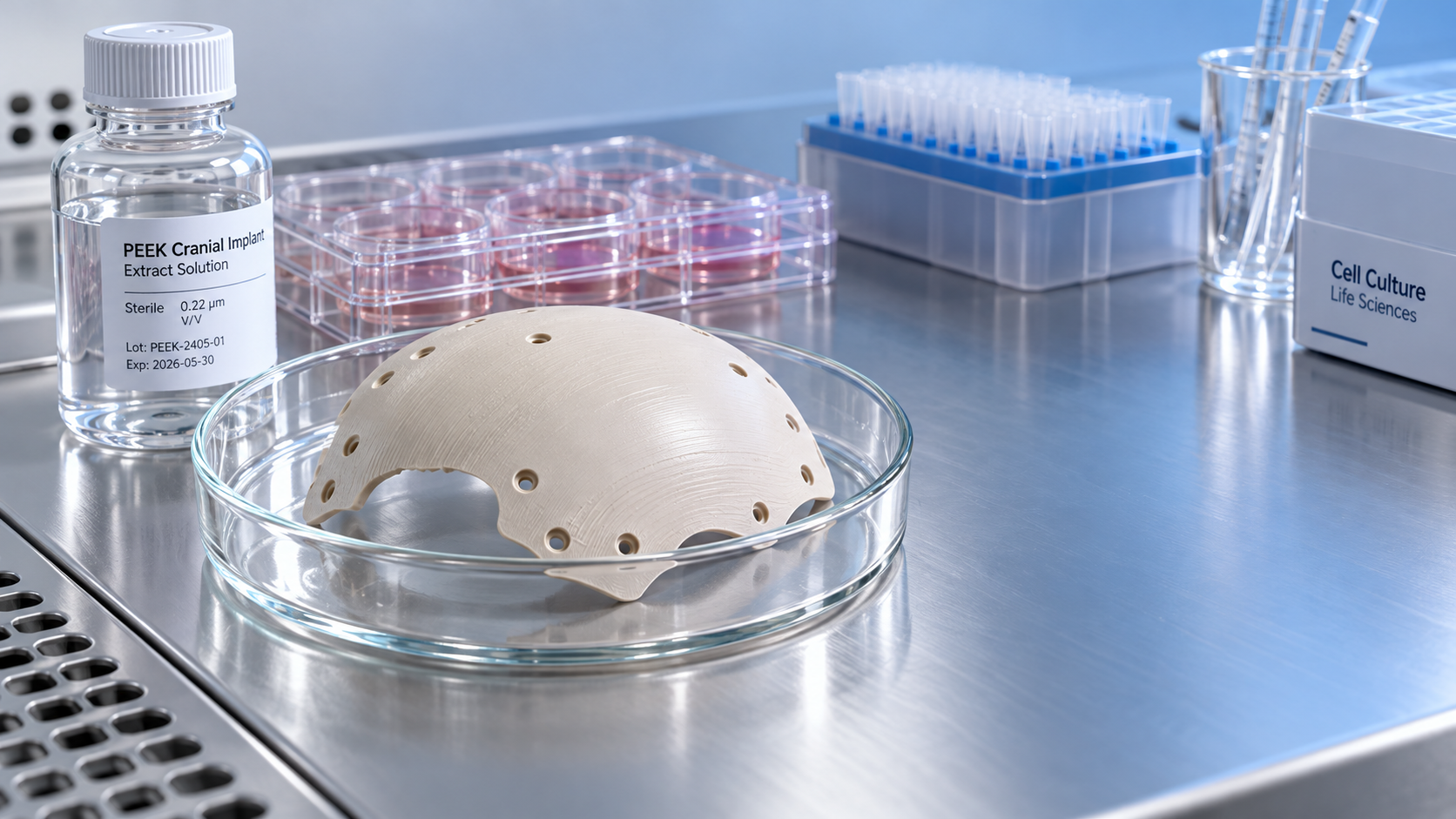
A cytotoxicity result may be acceptable in isolation, yet still trigger questions if extract conditions were weak, material characterization was incomplete, or the tested sample did not represent sterilized commercial product.
This is especially visible in Class III pathways. Orthopedic components with porous surfaces, drug-device combinations, blood-contacting catheters, and tissue-contact wound products all face deeper scrutiny because exposure profiles are more complex.
In practice, the timeline pressure usually comes from late changes. Surface treatment adjustments, adhesive substitutions, packaging interactions, sterilization shifts, or supplier changes can force re-evaluation after testing has already started.
What reviewers actually look for
At its core, ISO 10993 testing Europe is not simply a test menu. It is a biological evaluation process built around nature of body contact, duration of contact, material composition, manufacturing residues, and known toxicological hazards.
Reviewers typically want to see three things working together. The first is a sound Biological Evaluation Plan. The second is relevant evidence. The third is a clear scientific justification for what was tested, omitted, or bridged.
For devices discussed in the IMCS intelligence scope, the expectations often include:
- full material and chemical characterization, especially for polymers, coatings, colorants, and processing aids
- evidence that extraction design reflects worst-case clinical exposure
- test articles that represent final sterilized product
- linkage between toxicological risk assessment and measured chemicals
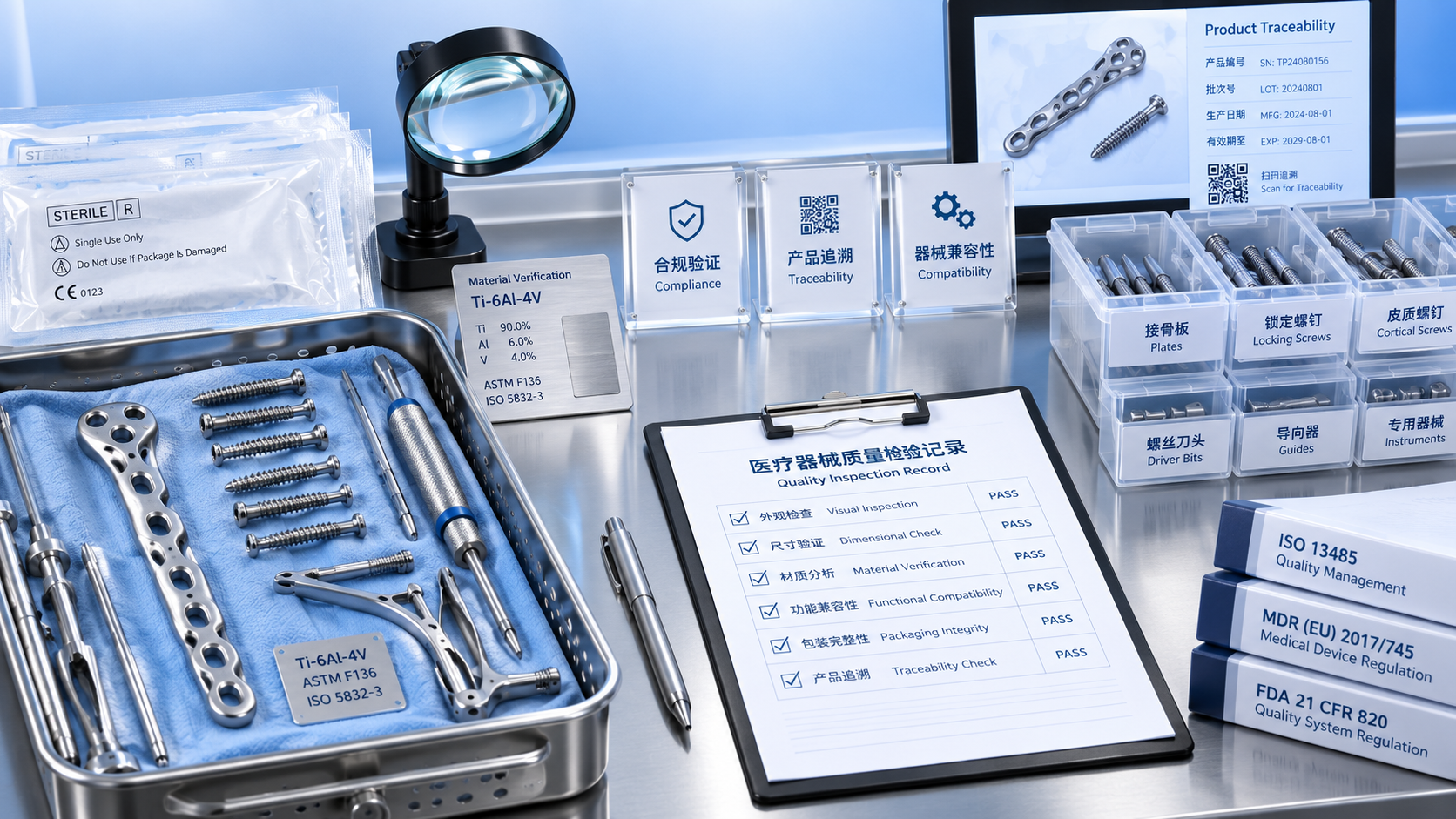
- consistency between biocompatibility conclusions and IFU, indications, and shelf-life claims
A frequent weakness is fragmented documentation. One report may describe the resin grade, another the coating, and another sterilization residuals, yet no single evaluation ties them into a coherent biological risk position.
Common compliance risks behind delay and nonconformity
The most costly delays in ISO 10993 testing Europe are often predictable. They appear less in laboratory failure and more in planning gaps that become visible during notified body review.
Testing without enough chemical understanding
ISO 10993-18 and toxicological assessment have moved to the center of modern submissions. Running endpoint tests without robust extractables and leachables logic can leave unanswered questions about unknown compounds or residual processing chemicals.
This is critical for coated stents, hydrophilic catheters, tissue-contact dressings, and polymer-rich systems. The chemistry profile often drives which biological endpoints remain necessary.
Using non-representative samples
Prototype samples are convenient, but they can undermine the submission. If the tested article lacks final cleaning, sterilization, packaging, or aging state, reviewers may reject the relevance of the dataset.
Weak rationale for omitted endpoints
Not every endpoint requires new animal or in vitro testing. Still, omission must be scientifically justified. A short sentence stating “not applicable” is rarely enough under current MDR expectations.
Ignoring manufacturing and supplier drift
Small process changes can shift biological risk. Lubricants, mold release agents, laser marking residues, or particulate burden may alter the safety profile even when the base material name remains unchanged.
Disconnect between biocompatibility and clinical claims
If a device is presented as long-term implantable, blood-contacting, or tissue-regenerative, the biological evaluation has to support that story. Claims that extend beyond the evidence invite questions across the whole technical file.
Typical timelines for ISO 10993 testing Europe projects
Timelines vary by device class, novelty, and data maturity. The useful planning question is not only how long laboratory work takes, but how long the full evidence chain takes to assemble and defend.
For straightforward devices with mature data, the path can be shorter. For implants, combination products, or novel biomaterials, ISO 10993 testing Europe timelines often extend because chemistry, toxicology, and regulatory review must be iterated together.
How risk differs across major device categories
The same standard family applies broadly, but the practical burden is not uniform. Device design, exposure route, and intended duration change the testing logic substantially.
- Orthopedic implants: long-term contact, wear debris, porous structures, and sterilization compatibility create a broad biological evidence burden.
- Cardiovascular interventions: blood compatibility, coating integrity, and particulate risk are central, especially for DES and structural heart systems.
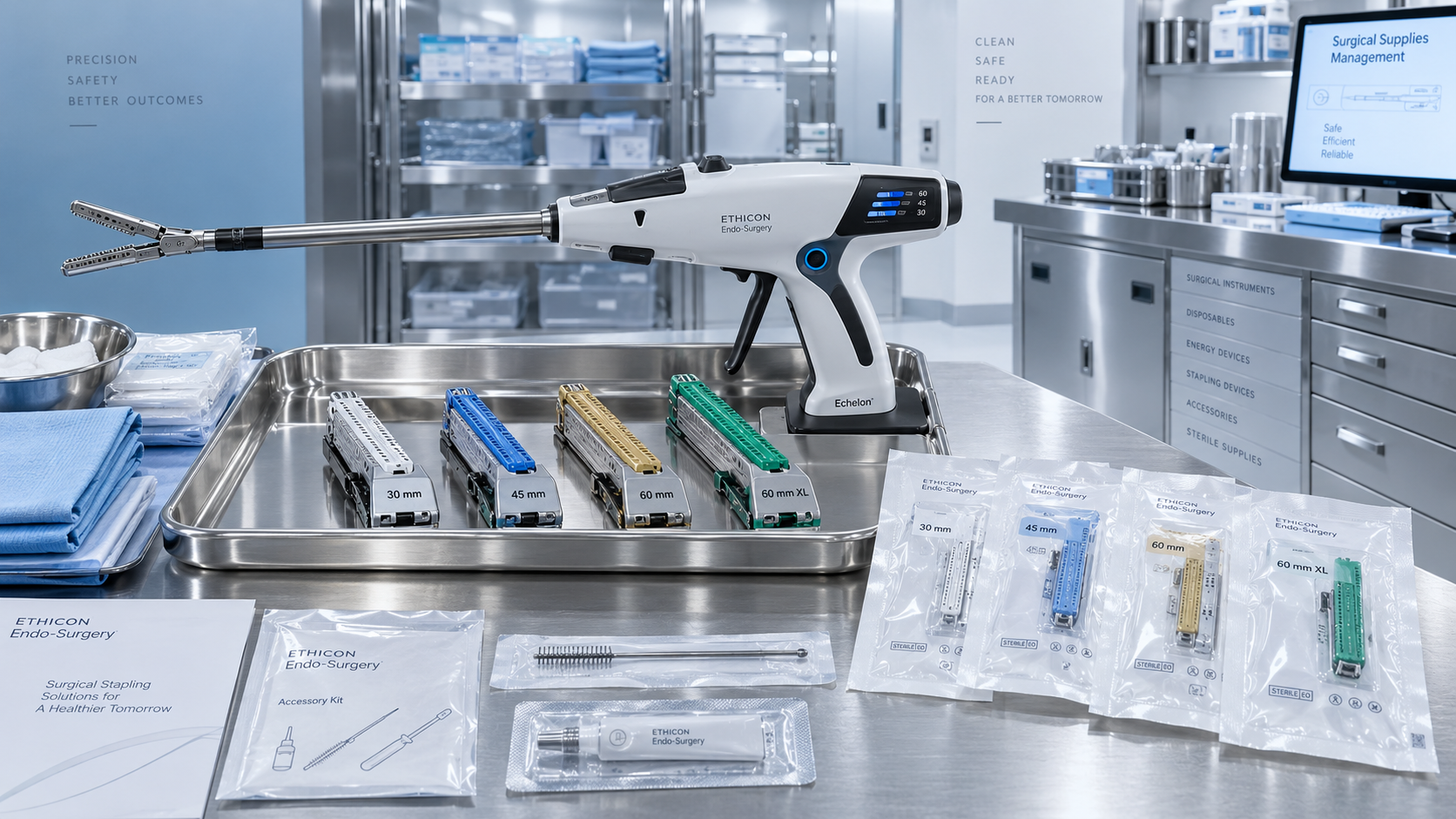
- Stapling and MIS consumables: metallic contact may seem familiar, but lubricants, coatings, packaging residues, and shelf-life changes still matter.
- Polymer catheters: additives, plasticizers, hydrophilic layers, and extractables can drive the entire ISO 10993 testing Europe strategy.
- Advanced wound care: prolonged tissue exposure, antimicrobial agents, and healing claims create overlap between biological safety and performance expectations.
This is where an intelligence-led approach becomes useful. IMCS tracks how biocompatibility expectations intersect with class, material platform, and reimbursement pressure, rather than treating testing as a detached laboratory exercise.
A more reliable way to plan the evidence package
Strong ISO 10993 testing Europe programs usually begin earlier than expected. The most effective sequence is to build the biological evaluation around design freeze, supplier controls, and intended claims before final test booking.
A practical planning set often includes:
- map every patient-contacting material, additive, and process chemical
- confirm which sample state truly represents marketed product
- decide where chemical characterization can replace or narrow endpoint testing
- align the BER with risk management, CER, and labeling claims
- reserve time for deficiency responses, not only for test completion
The useful mindset is simple. Laboratory work generates data, but submission success depends on interpretation. European reviewers want to see why the evidence is enough, not only that it exists.
Where to focus next
When ISO 10993 testing Europe is treated as an isolated task, delay becomes expensive and avoidable. When it is built into material selection, process control, and MDR documentation, timelines become more predictable.
The next useful step is to review the biological evaluation plan against the actual marketed configuration, then test the logic against likely notified body questions. That exercise often reveals the true critical path faster than another round of routine testing.
For teams working across implants, interventional systems, catheters, stapling platforms, and wound technologies, the real advantage comes from linking toxicology evidence, clinical positioning, and regulatory timing before the dossier reaches formal review.
Get weekly intelligence in your inbox.
No noise. No sponsored content. Pure intelligence.
News Recommendations
 Oct 26, 2026Can a single approval cover life science product sales worldwide?Can a single approval cover life science product sales worldwide?
 Oct 25, 2026When is sensitization testing needed for medical device biocompatibility?When is sensitization testing needed for medical device biocompatibility?
 Oct 24, 2026How is biocompatibility tested for implantable polymer biomaterials?How is biocompatibility tested for implantable polymer biomaterials?
 Oct 23, 2026How to build reimbursement into an implant commercialization strategyHow to build reimbursement into an implant commercialization strategy
 Oct 22, 2026What clinical evidence do implants need for CE marking under EU MDR?What clinical evidence do implants need for CE marking under EU MDR?
 Oct 21, 2026How to choose disposable laparoscopic stapler reloads for thick tissueHow to choose disposable laparoscopic stapler reloads for thick tissue
 Oct 20, 2026How to assess medical polymer biocompatibility under ISO 10993How to assess medical polymer biocompatibility under ISO 10993
 Oct 19, 2026How do interventional device categories differ in clinical use?How do interventional device categories differ in clinical use?
 Oct 18, 2026When to choose alginate dressings for heavily exuding chronic woundsWhen to choose alginate dressings for heavily exuding chronic wounds
 Oct 17, 2026How is biocompatibility tested for custom medical-grade PEEK implants?How is biocompatibility tested for custom medical-grade PEEK implants?
 Oct 16, 2026How to check a wound healing materials supplier’s biocompatibility dataHow to check a wound healing materials supplier’s biocompatibility data
 Oct 15, 2026How to verify the FDA clearance status of silver wound dressingsHow to verify the FDA clearance status of silver wound dressings
 Oct 14, 2026How to register orthopedic implants and instruments in Latin AmericaHow to register orthopedic implants and instruments in Latin America
 Oct 13, 2026How to use a device market intelligence database to benchmark VBP pricesHow to use a device market intelligence database to benchmark VBP prices
 Oct 12, 2026When should stainless steel orthopedic instruments be replaced?When should stainless steel orthopedic instruments be replaced?
 Oct 11, 2026When are alginate dressings rope the right choice for cavity wounds?When are alginate dressings rope the right choice for cavity wounds?
 Oct 10, 2026When smart minimally invasive technology improves catheter accessWhen smart minimally invasive technology improves catheter access
 Oct 08, 2026Clinical evaluation requirements for cardiovascular implant devices in EuropeClinical evaluation requirements for cardiovascular implant devices in Europe
 Oct 07, 2026What to verify before appointing an artificial joint implants distributorWhat to verify before appointing an artificial joint implants distributor
 Oct 06, 2026How ISO 10993 guides biocompatibility testing for medical materialsHow ISO 10993 guides biocompatibility testing for medical materials
 Oct 05, 2026How to verify an orthopedic implants and instruments exporterHow to verify an orthopedic implants and instruments exporter
 Oct 04, 2026What drives surgical stapling devices price differences in hospital tenders?What drives surgical stapling devices price differences in hospital tenders?
 Oct 03, 2026How to assess a central venous catheter manufacturer's infection-control evidenceHow to assess a central venous catheter manufacturer's infection-control evidence
 Oct 02, 2026How to assess an advanced wound care factory’s quality systemHow to assess an advanced wound care factory’s quality system
 Oct 01, 2026What is driving global medical consumables demand in emerging markets?What is driving global medical consumables demand in emerging markets?
 Sep 30, 2026Implant Material Compliance Testing: Evidence Needed for Regulatory SubmissionImplant Material Compliance Testing: Evidence Needed for Regulatory Submission
 Sep 30, 2026From Corrosion to Fatigue: What Implant Materials Testing Should MeasureFrom Corrosion to Fatigue: What Implant Materials Testing Should Measure