How to Vet a Custom Medical Consumables Manufacturer
How to Vet a Custom Medical Consumables Manufacturer

Choosing a custom medical consumables manufacturer is no longer a simple sourcing exercise. Price still matters, but it is rarely the deciding factor on its own.
A weak supplier can create hidden regulatory exposure, unstable product quality, and difficult post-market issues. Those risks usually surface after contracts are signed.
That is why the right custom medical consumables manufacturer should be evaluated through a structured lens. Clinical performance, traceability, material control, and supply resilience all belong in the same review.
In practical terms, buyers now need more than a factory audit checklist. They need evidence that the manufacturer can support product safety, regulatory filings, and scale-up without losing process discipline.
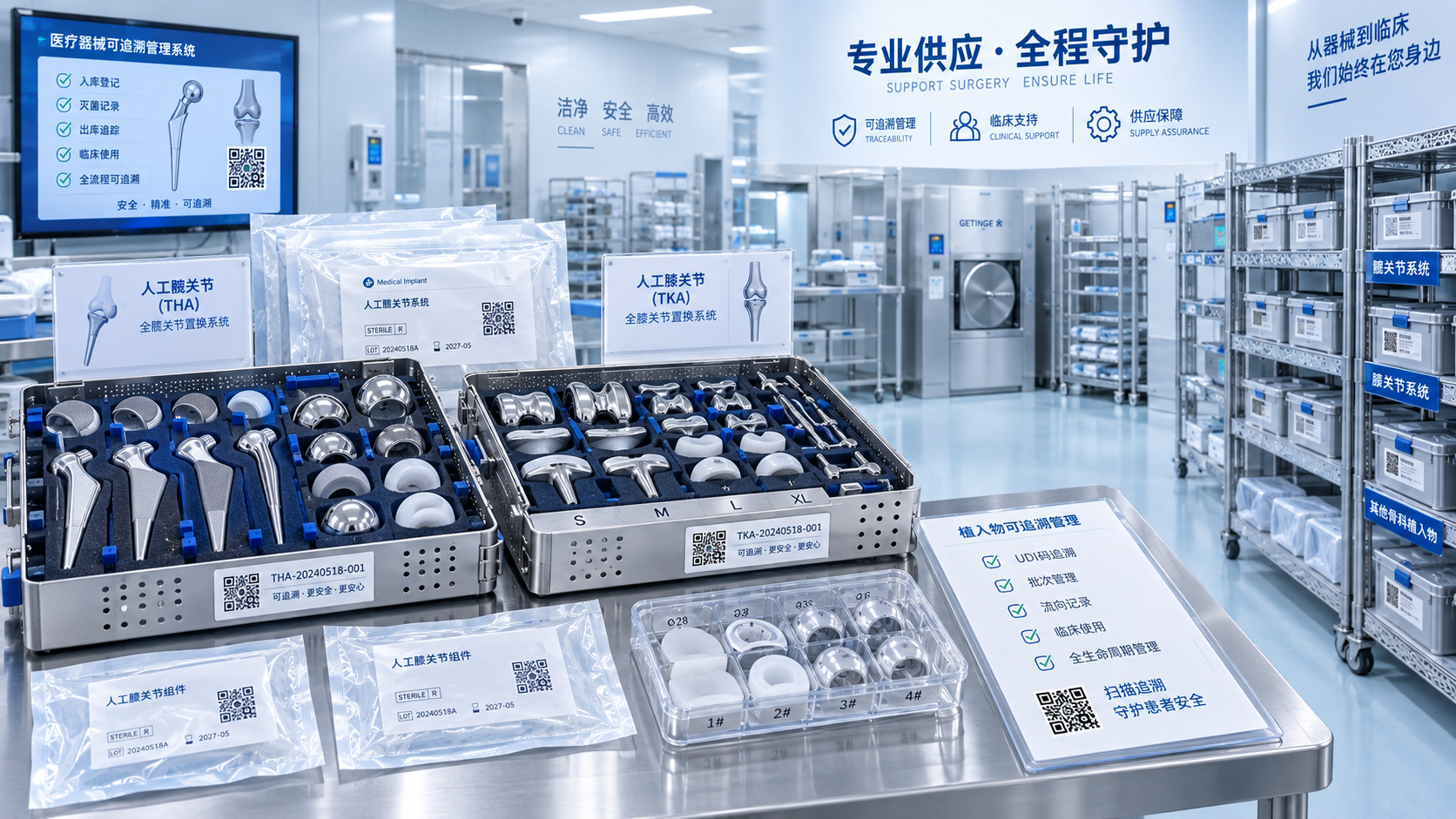
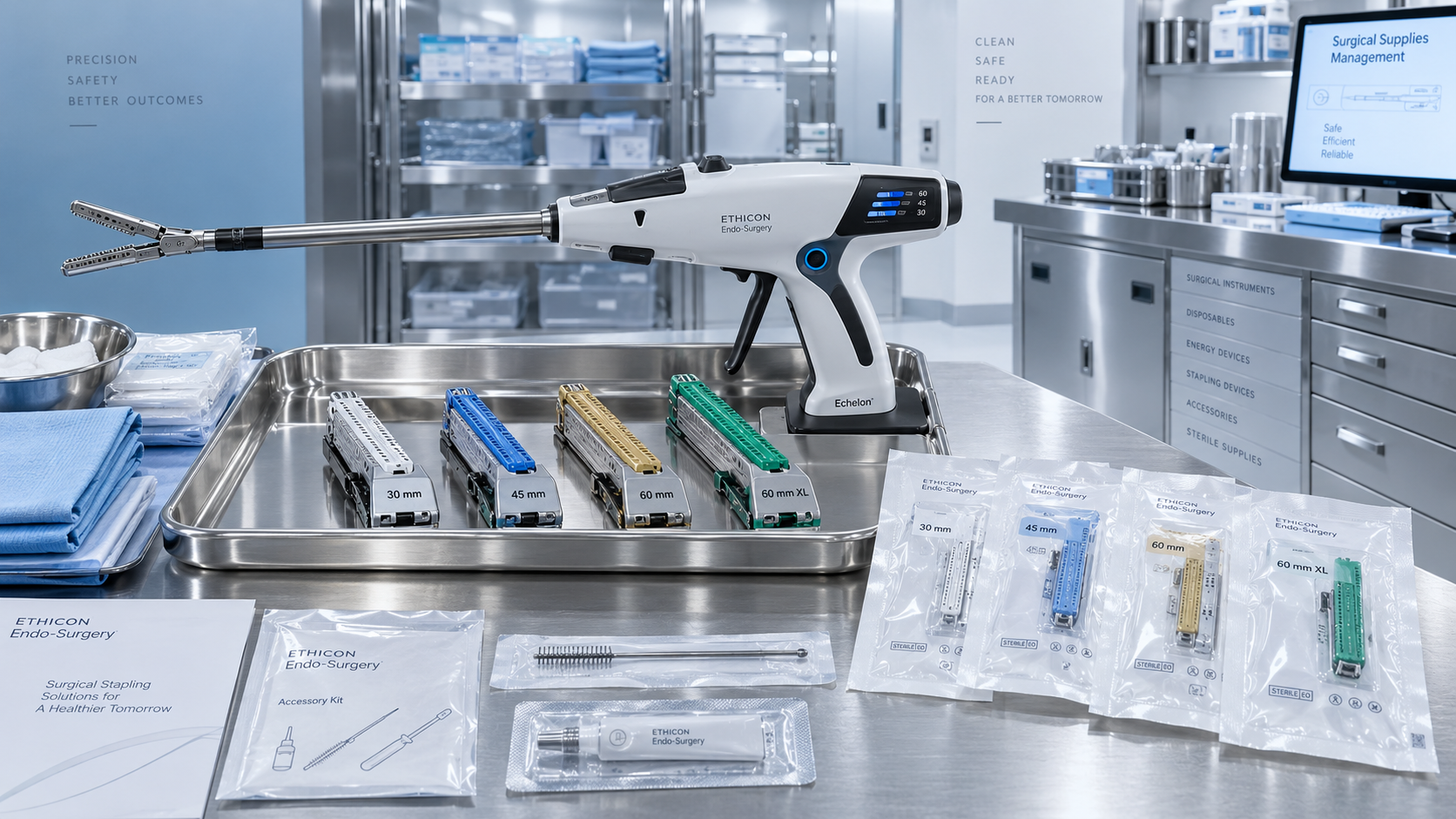
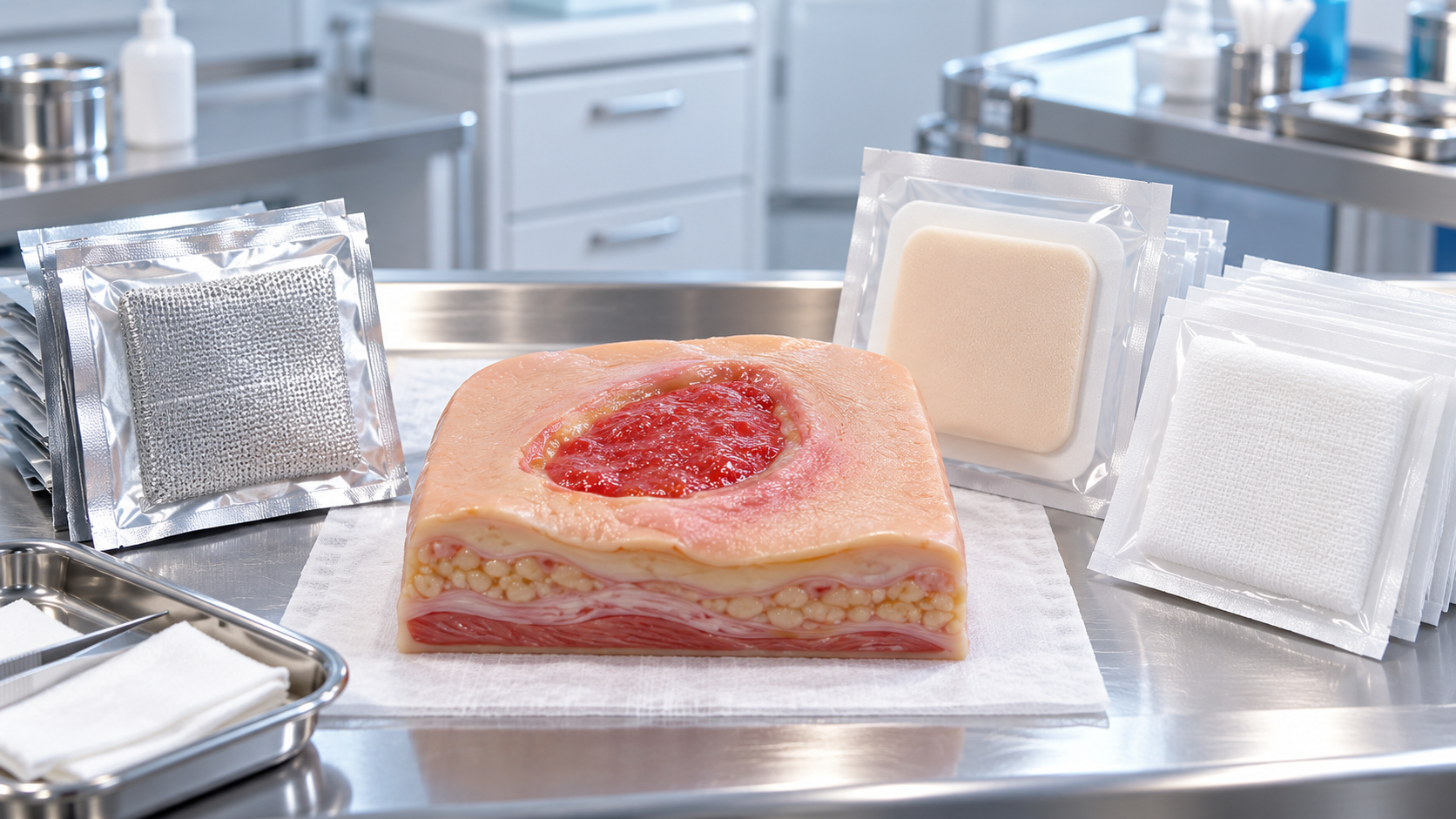
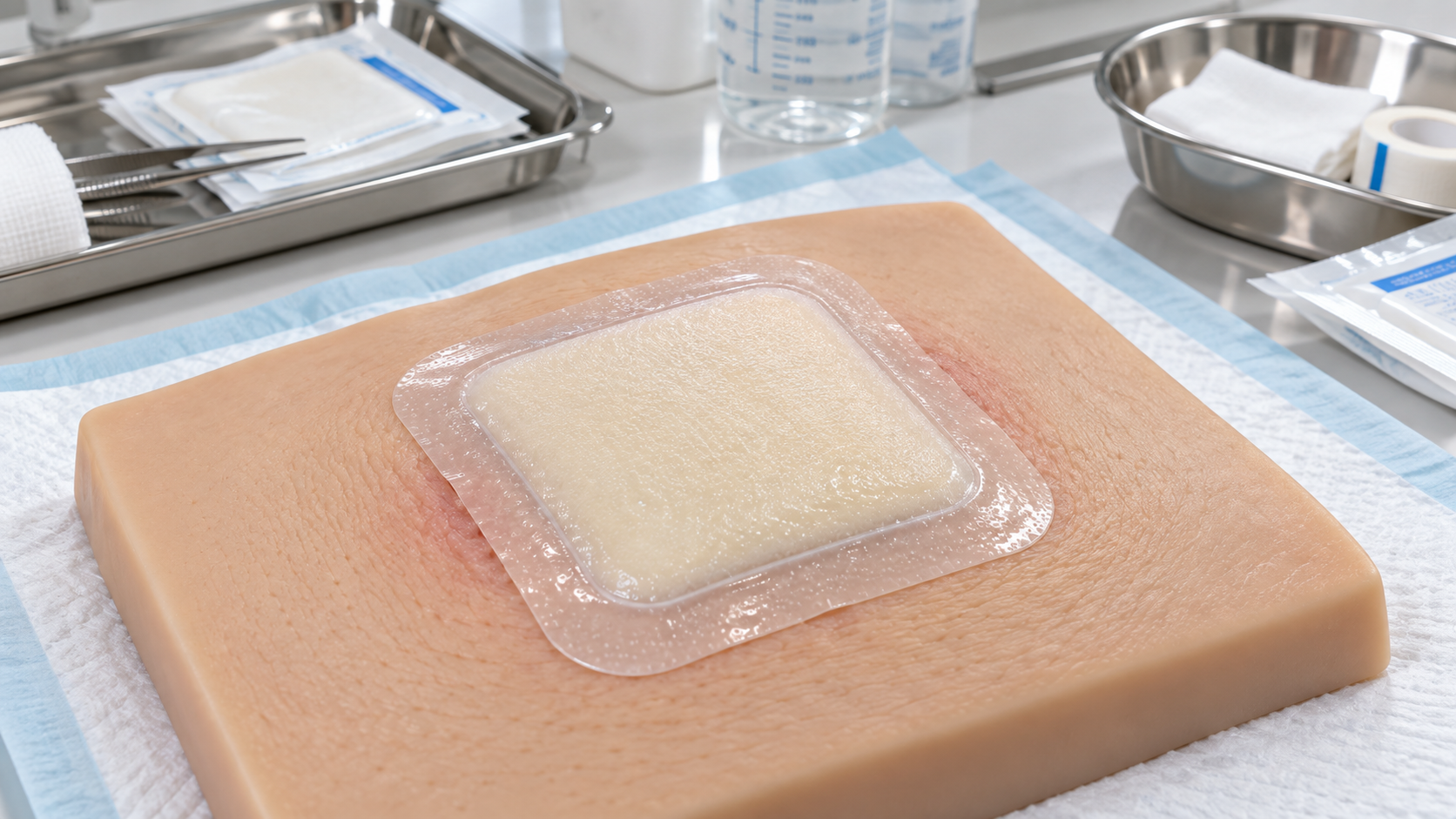
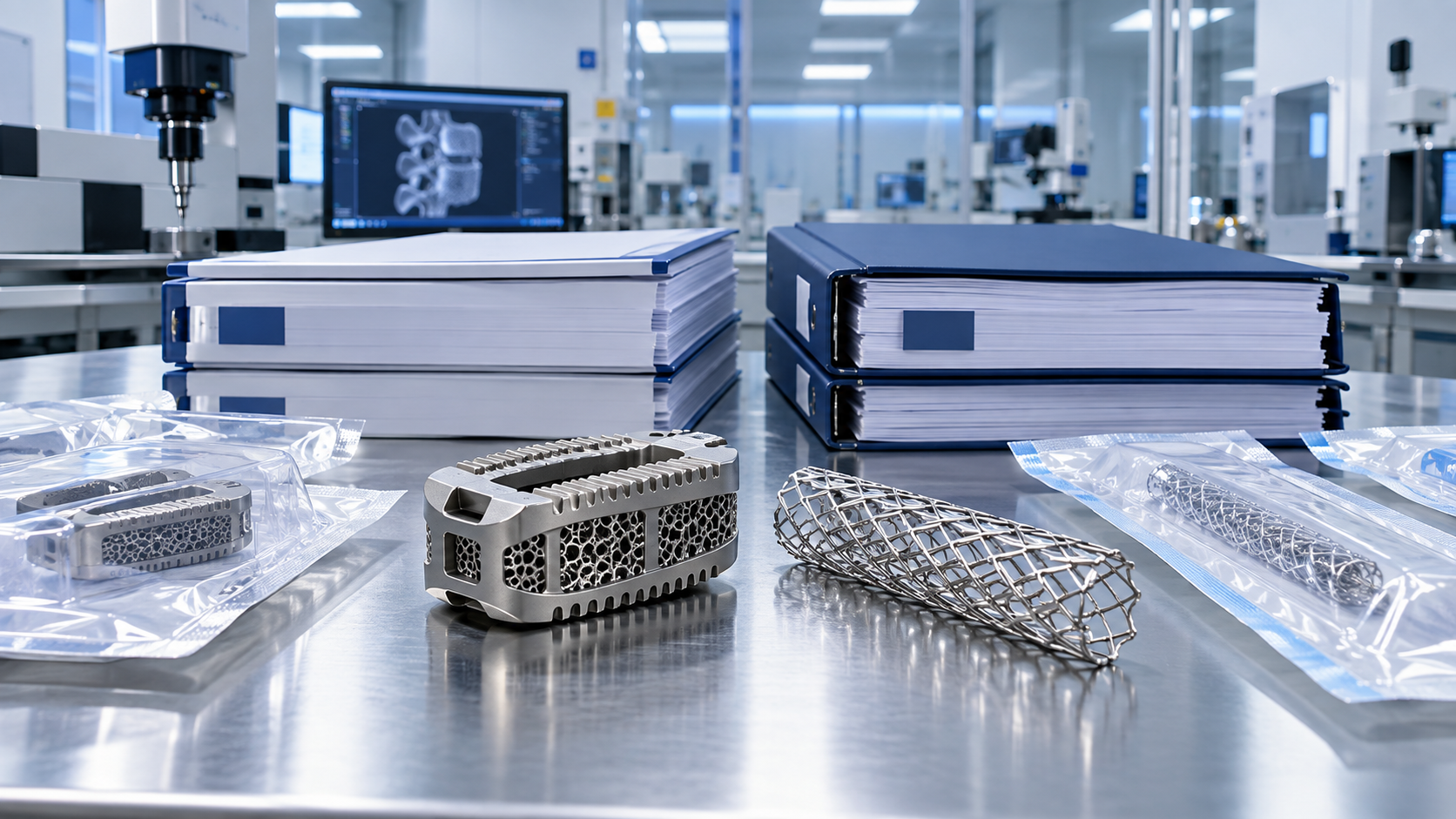
For high-value segments such as orthopedic implants, interventional devices, stapling systems, catheters, and advanced wound care, the bar is even higher. Small process deviations can become major commercial and clinical problems.
Start With Regulatory Readiness, Not Sales Claims
The first screen for any custom medical consumables manufacturer is regulatory maturity. This is the foundation behind every other claim.
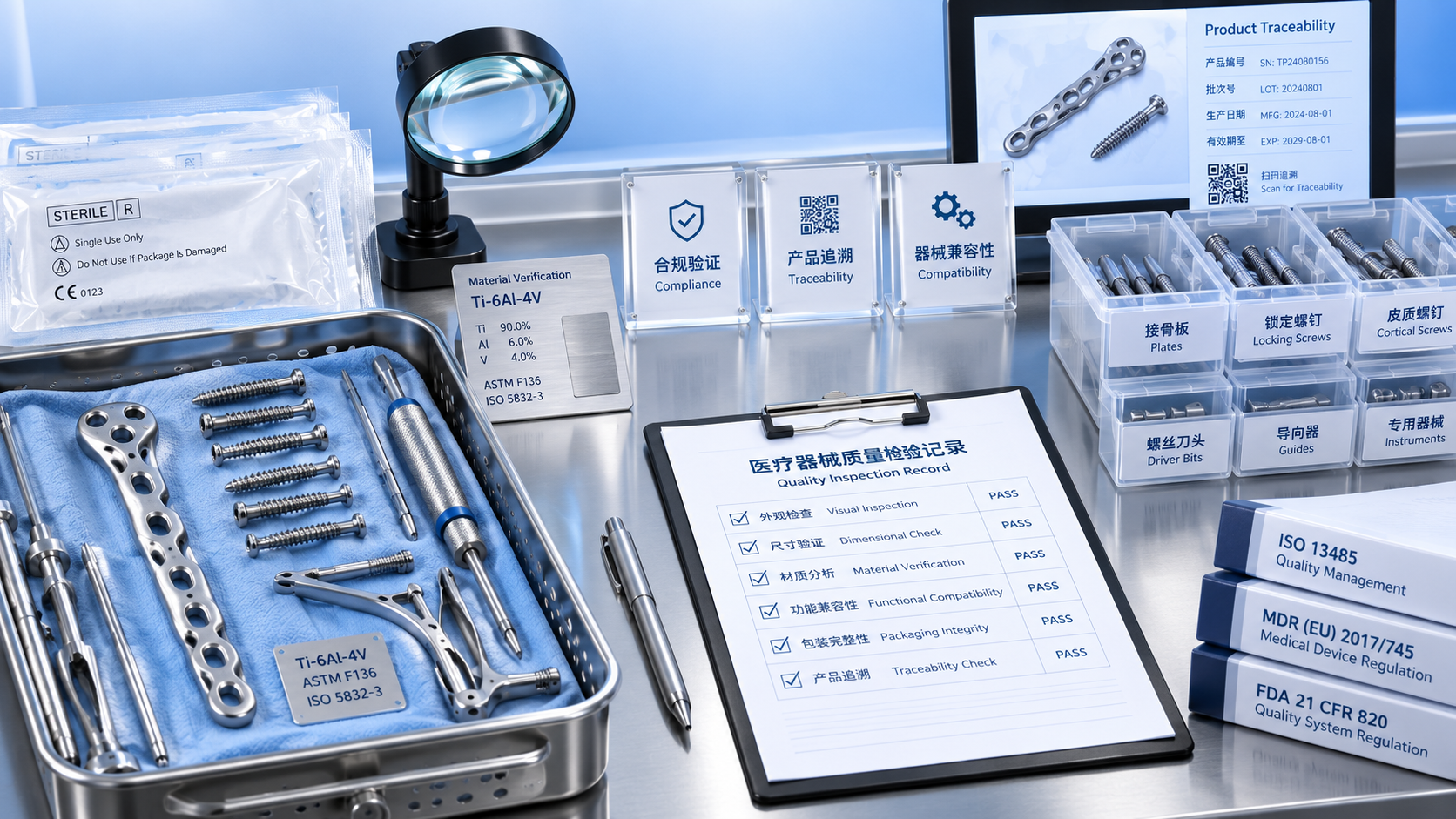
Ask whether the manufacturer operates under ISO 13485 and how consistently that system is applied across development, validation, production, and change control.
A capable supplier should explain its document flow clearly. That includes design history, batch records, nonconformance handling, CAPA, supplier qualification, and complaint management.
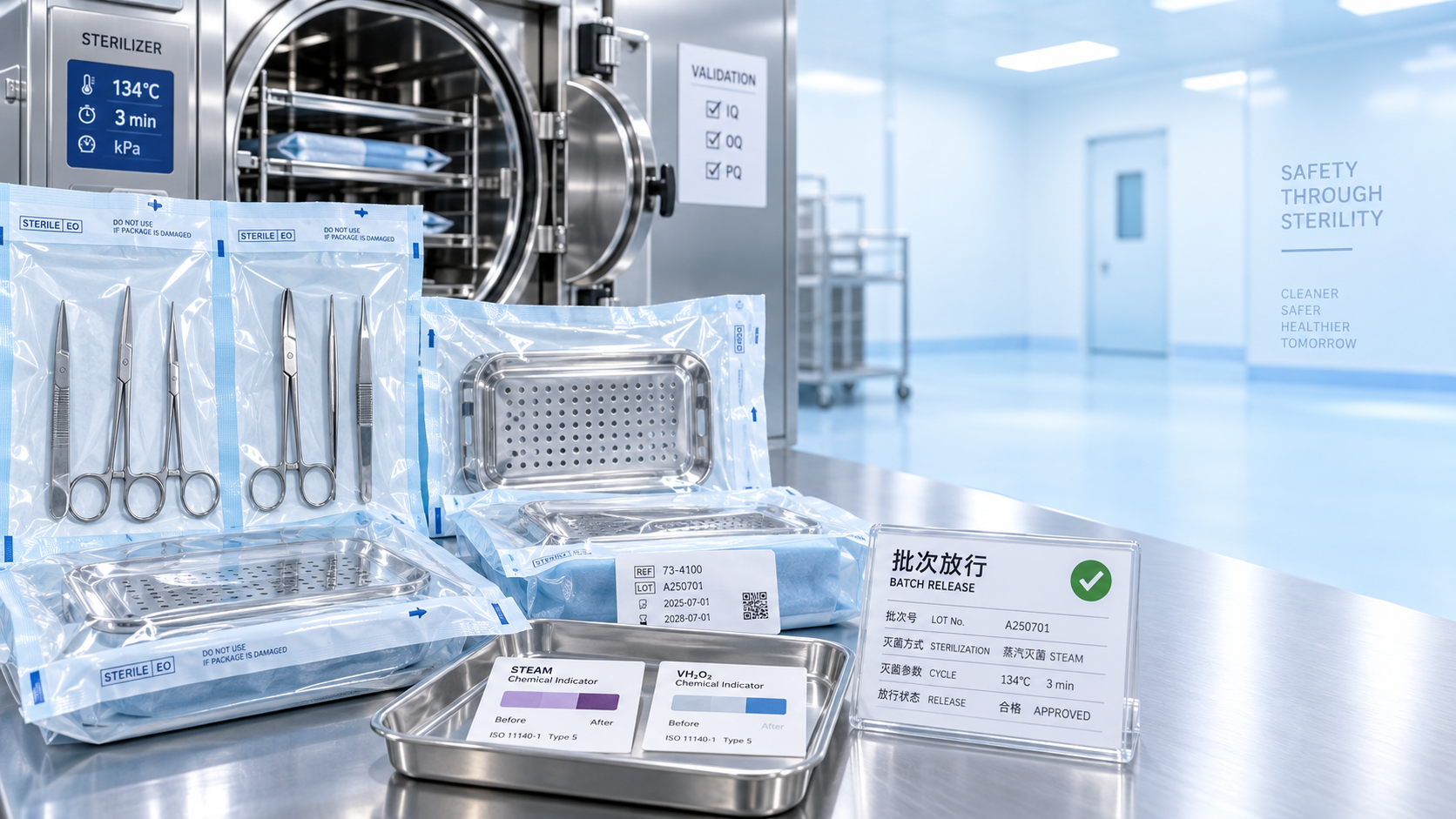
For Class II and Class III related products, go deeper. Review how the team supports biocompatibility files, sterilization validation, shelf-life data, and product performance testing.
More importantly, test their ability to answer follow-up questions. A reliable custom medical consumables manufacturer does not hide behind certificates. It shows process logic and supporting records.
- Request recent audit history and closure evidence.
- Check market registrations by product family and geography.
- Review validation master plans and change notification procedures.
- Confirm whether technical files are inspection ready.
If responses remain vague, that is usually an early warning. Strong suppliers are prepared for due diligence because compliance is built into operations.
Assess Material Biocompatibility and Application Fit
The next step is material intelligence. A custom medical consumables manufacturer must understand not only what material is used, but why it is appropriate for the intended clinical setting.
This matters across metals, polymers, coatings, adhesives, and packaging contact layers. Material selection drives safety, handling, durability, and downstream regulatory workload.
For implantable or invasive products, ask about ISO 10993 strategy, extractables and leachables risks, and the rationale behind each tested endpoint.
For catheters or wound care products, focus on flexibility, surface properties, fluid compatibility, and long-term stability. For staplers or implant instruments, examine fatigue resistance and dimensional consistency.
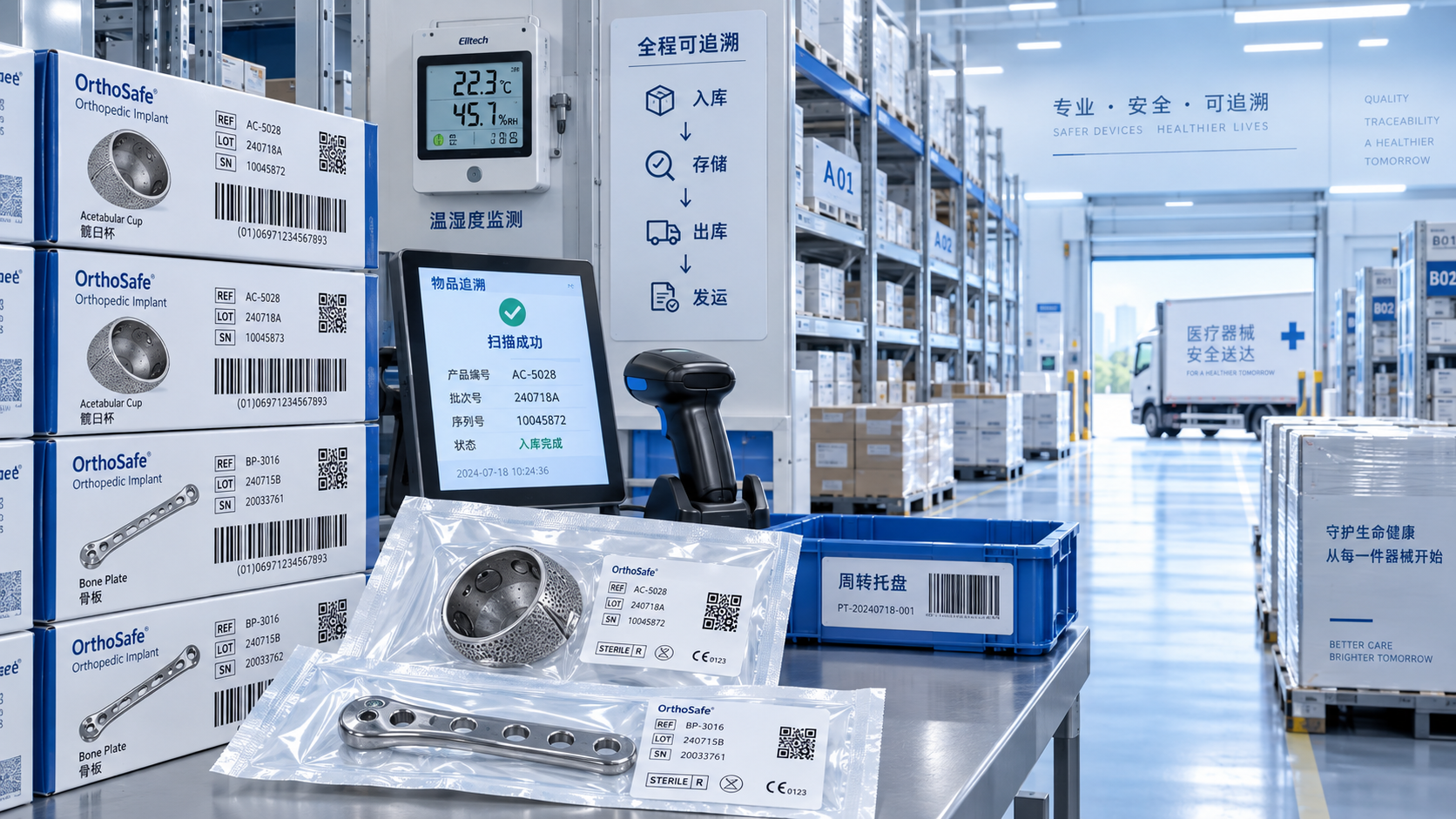
A strong custom medical consumables manufacturer should also disclose material sourcing controls. That includes resin grades, alloy specifications, coating vendors, and lot-level traceability.
From a risk perspective, material substitutions deserve close attention. Even a minor formulation shift can trigger new testing, delayed approvals, or field performance variation.
Questions That Reveal Real Material Depth
- Which materials are locked by specification, and which remain flexible?
- What evidence supports biocompatibility for the exact finished configuration?
- How are incoming materials identified, segregated, and released?
- What is the process for supplier changes or raw material shortages?
Verify Precision Manufacturing and Process Control
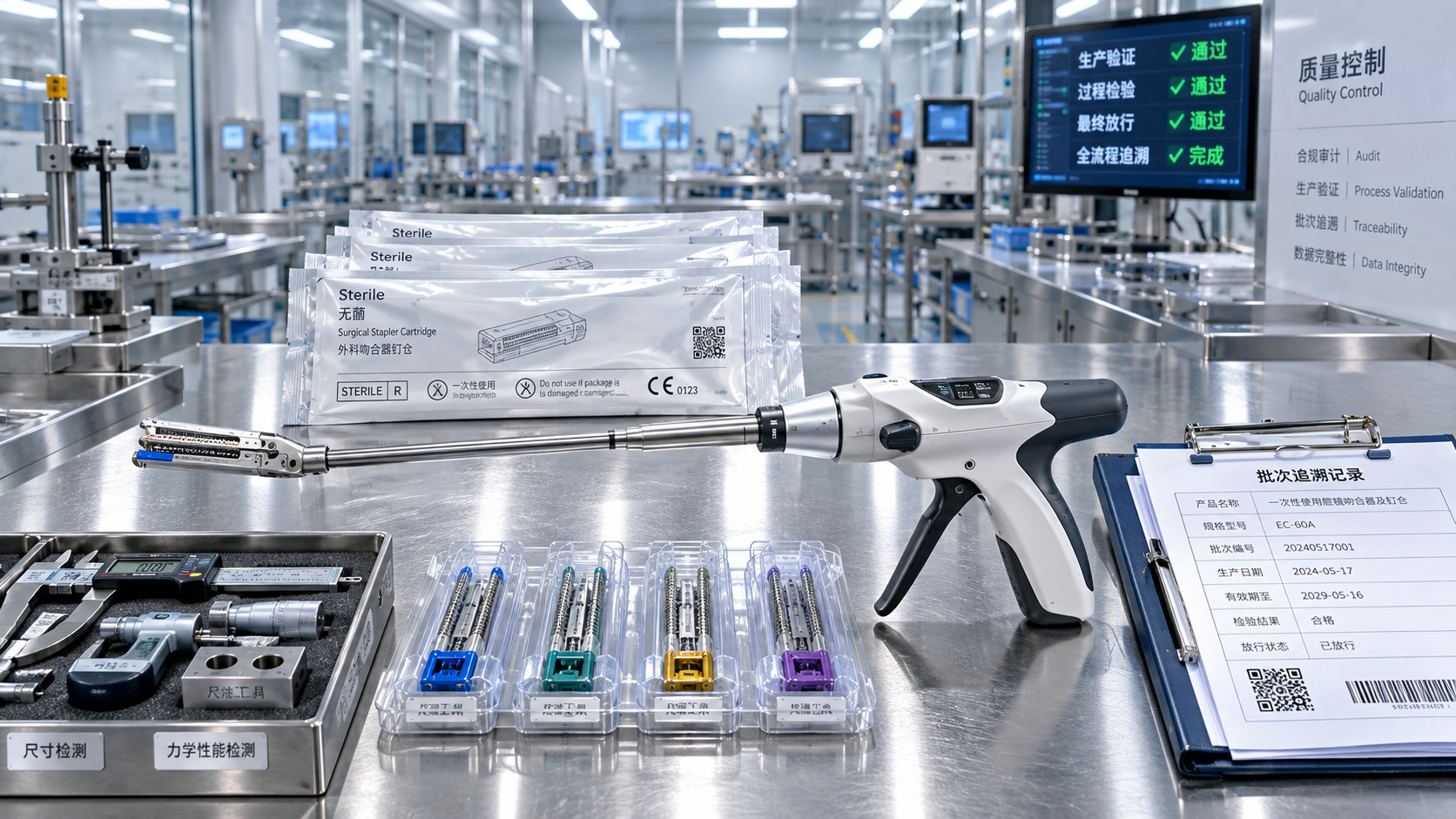
A custom medical consumables manufacturer may present advanced equipment, but machines alone do not guarantee repeatability. Process control is what protects performance at scale.
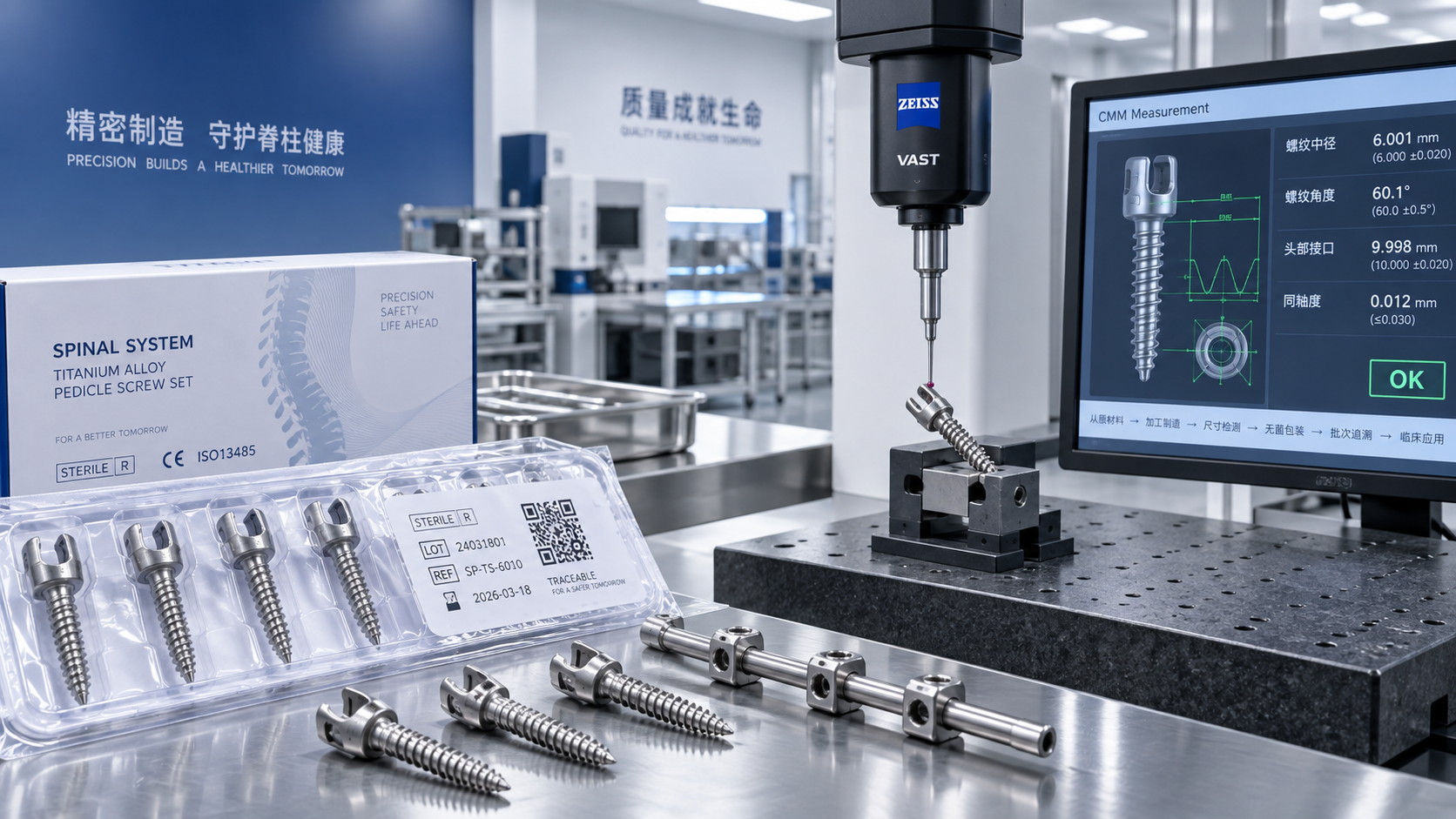
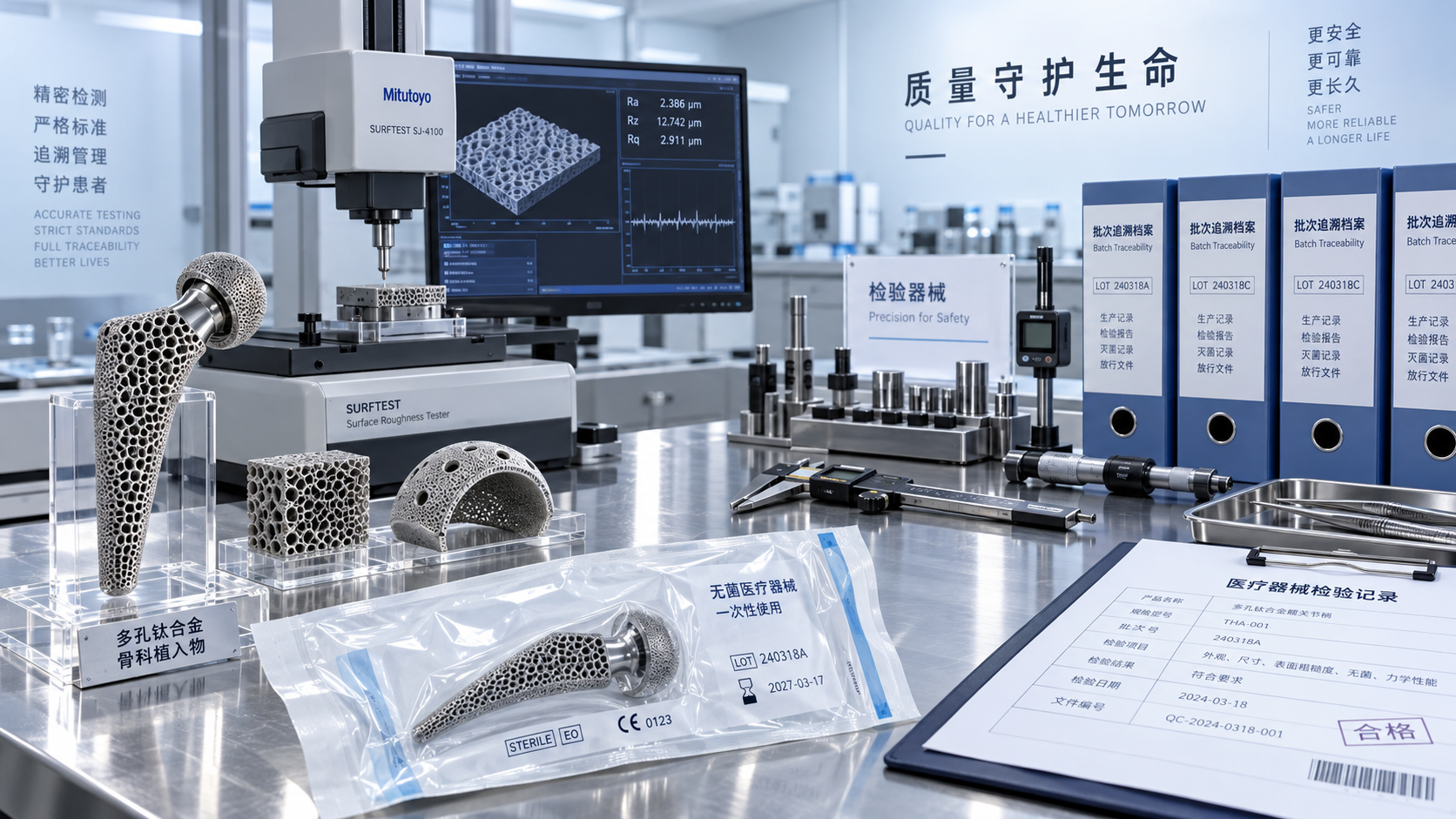
Ask how critical dimensions are monitored. For micron-sensitive products, look for validated inspection methods, defined tolerances, gauge control, and trending of process capability.
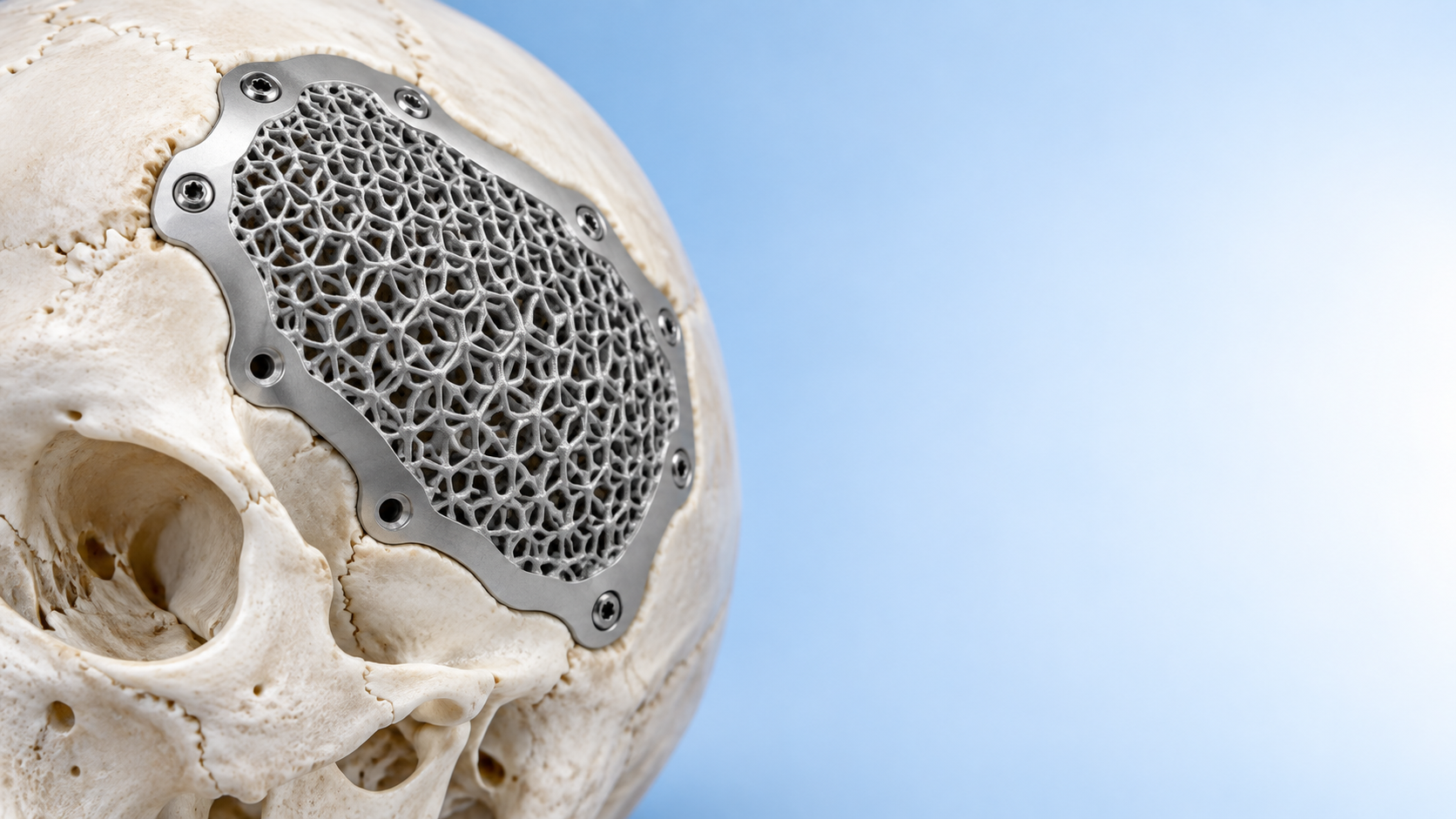
This is especially important for porous implant structures, catheter shafts, interventional components, and stapling mechanisms. A small variance can compromise deployment, fit, or healing outcomes.
Review process validation carefully. IQ, OQ, and PQ should exist where required, with clear acceptance criteria and documented rationale.
Also examine environmental control. Cleanroom classification, particulate monitoring, microbial control, and operator training all affect contamination risk.
An experienced custom medical consumables manufacturer should be able to connect each production step to a measurable quality outcome. That link is what separates competence from presentation.
What to Review During a Site Audit
Test Supply Stability Before You Need It
Many sourcing teams discover supply risk too late. A custom medical consumables manufacturer may pass technical review, then struggle with scale, lead time, or component shortages.
This is where operational depth matters. Ask about capacity planning, second-source strategy, safety stock, and business continuity arrangements.
Review the manufacturer’s dependence on single machines, single resin suppliers, or single sterilization partners. Concentration risk is common in specialized medical production.
In the current market, this also connects to pricing pressure. Volume-based procurement, reimbursement constraints, and global freight variability can squeeze weaker suppliers quickly.
A resilient custom medical consumables manufacturer should show realistic lead times, transparent planning assumptions, and credible escalation paths when disruption hits.
It is worth requesting case examples. How did the supplier respond to a raw material shortage, sudden demand increase, or regulatory-driven design update?
Supply Review Checklist
- Monthly output by product family and validated expansion room.
- Dual sourcing status for critical inputs.
- Lead-time performance over the last twelve months.
- Sterilization, packaging, and logistics backup arrangements.
- Financial health indicators tied to capacity commitments.
Look at Engineering Support and Change Management
Custom programs rarely remain static. Specifications evolve, packaging changes, and validation plans expand as market needs become clearer.
Because of that, the best custom medical consumables manufacturer is often the one with disciplined engineering support, not just available capacity.
Evaluate how design changes are initiated, assessed, approved, and communicated. You need a predictable process that balances speed with regulatory caution.
Technical collaboration matters too. Can the supplier suggest manufacturability improvements without undermining product intent? Can it flag testing gaps early?
This becomes especially useful for complex categories such as interventional shafts, bioactive dressings, porous implants, or polymer-based delivery systems.
A mature custom medical consumables manufacturer usually documents technical decisions well. That discipline shortens review cycles and reduces confusion across quality, regulatory, and operations teams.
Make the Final Decision With a Weighted Scorecard
At the final stage, avoid making the decision from memory or by price pressure alone. A weighted scorecard creates a cleaner comparison across candidates.
Use the same framework for each custom medical consumables manufacturer under review. That keeps the process fair and exposes trade-offs early.
Typical categories include regulatory readiness, biocompatibility evidence, process validation, quality performance, engineering responsiveness, supply resilience, and total cost.
In actual business decisions, the most expensive option is not always the highest risk-adjusted cost. Delays, revalidation, complaints, and shortage events usually cost more later.
The strongest custom medical consumables manufacturer is the one that can support compliant growth over time. That means consistent output, clean data, and credible partnership behavior under pressure.
A practical next step is simple. Build a shortlisting model, run a focused audit, and pressure-test change control before awarding the program. That is how better sourcing decisions hold up in the real market.
Get weekly intelligence in your inbox.
No noise. No sponsored content. Pure intelligence.
News Recommendations
 Oct 07, 2026What to verify before appointing an artificial joint implants distributorWhat to verify before appointing an artificial joint implants distributor
 Oct 06, 2026How ISO 10993 guides biocompatibility testing for medical materialsHow ISO 10993 guides biocompatibility testing for medical materials
 Oct 05, 2026How to verify an orthopedic implants and instruments exporterHow to verify an orthopedic implants and instruments exporter
 Oct 04, 2026What drives surgical stapling devices price differences in hospital tenders?What drives surgical stapling devices price differences in hospital tenders?
 Oct 03, 2026How to assess a central venous catheter manufacturer's infection-control evidenceHow to assess a central venous catheter manufacturer's infection-control evidence
 Oct 02, 2026How to assess an advanced wound care factory’s quality systemHow to assess an advanced wound care factory’s quality system
 Oct 01, 2026What is driving global medical consumables demand in emerging markets?What is driving global medical consumables demand in emerging markets?
 Sep 30, 2026When Should Silver Wound Dressings Be Avoided?When Should Silver Wound Dressings Be Avoided?
 Sep 30, 2026Is Silicone Foam Dressing Suitable for Heavily Exuding Wounds?Is Silicone Foam Dressing Suitable for Heavily Exuding Wounds?
 Sep 30, 2026How Should Manufacturers Respond to a Biocompatibility Test Failure?How Should Manufacturers Respond to a Biocompatibility Test Failure?
 Sep 30, 2026What Is the Typical CE MDR Review Timeline for High-Risk Devices?What Is the Typical CE MDR Review Timeline for High-Risk Devices?
 Sep 30, 2026How Do FDA and CE MDR Requirements Differ for Implantable Devices?How Do FDA and CE MDR Requirements Differ for Implantable Devices?
 Sep 30, 2026What Are the Main Compliance Risks for Central Venous Access Catheters?What Are the Main Compliance Risks for Central Venous Access Catheters?
 Sep 30, 2026How Should a Surgical Stapler Manufacturer Prepare for a Compliance Audit?How Should a Surgical Stapler Manufacturer Prepare for a Compliance Audit?
 Sep 30, 2026How to assess an orthopedic implant solutions distributor’s traceability systemHow to assess an orthopedic implant solutions distributor’s traceability system
 Sep 29, 2026How a medical device registration strategy can reduce approval delaysHow a medical device registration strategy can reduce approval delays
 Sep 28, 2026How to verify a medical device specification database before useHow to verify a medical device specification database before use
 Sep 27, 2026What to verify before selecting a microcatheters manufacturerWhat to verify before selecting a microcatheters manufacturer
 Sep 26, 2026How to verify FDA compliance for medical device materialsHow to verify FDA compliance for medical device materials
 Sep 25, 2026When does a porous 3D-printed cranial implant improve fixation?When does a porous 3D-printed cranial implant improve fixation?
 Sep 24, 2026When are bovine pericardial valves suitable for transcatheter aortic valve replacement?When are bovine pericardial valves suitable for transcatheter aortic valve replacement?
 Sep 23, 2026How to verify the sterility assurance of surgical devicesHow to verify the sterility assurance of surgical devices
 Sep 22, 2026How to assess a spinal implants manufacturer’s quality systemHow to assess a spinal implants manufacturer’s quality system
 Sep 21, 2026How to assess an osseointegration technology manufacturer’s quality systemHow to assess an osseointegration technology manufacturer’s quality system
 Sep 20, 2026Medical material science trends reshaping biocompatibility testingMedical material science trends reshaping biocompatibility testing
 Sep 19, 2026What North American regulators expect in implant clinical evaluationsWhat North American regulators expect in implant clinical evaluations
 Sep 18, 2026When should plate and screw systems be selected for fracture fixation?When should plate and screw systems be selected for fracture fixation?