Orthopedic Implant FDA Intelligence: Key Signals to Watch
Why does orthopedic implant FDA intelligence matter so much now?
Orthopedic implant FDA intelligence has shifted from a compliance topic to a business control system.
When market access, pricing pressure, and post-market scrutiny tighten together, delayed signals become expensive signals.
That is especially true for implants with long clinical expectations and highly visible safety consequences.
In practical terms, the value of orthopedic implant FDA intelligence is not just knowing regulations.
It is knowing which signals are changing, which risks are becoming enforcement targets, and which product assumptions need rework early.
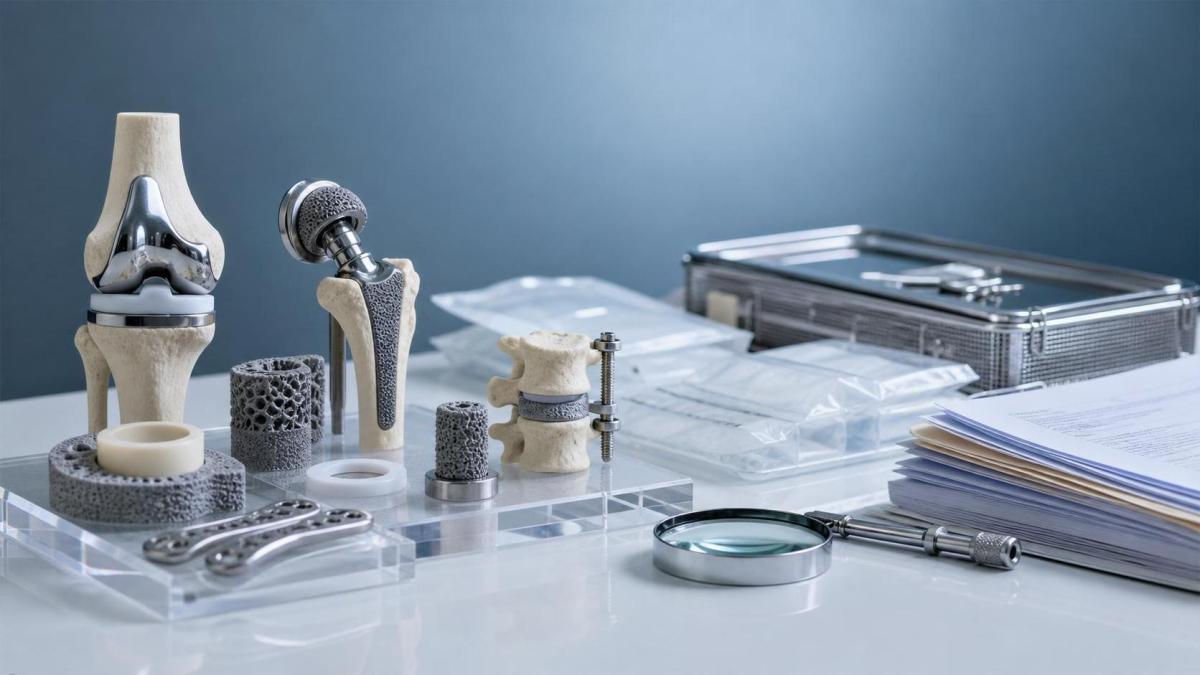
For implants built on titanium alloys, porous structures, PEEK, coatings, or complex instruments, small regulatory shifts can alter timelines and cost models.
A new biocompatibility question, a sterilization concern, or an inspection trend can quickly affect clearance strategy.
This is where a structured intelligence approach becomes useful.
IMCS follows orthopedic implants alongside cardiovascular devices, MIS consumables, polymer catheters, and advanced wound care.
That wider lens matters because FDA expectations often evolve across adjacent high-risk device categories before they fully reshape orthopedic review behavior.
In other words, orthopedic implant FDA intelligence works best when it connects material science, clinical logic, manufacturing precision, and policy pressure in one view.
Which FDA signals are worth watching before they become problems?
Not every regulatory update changes commercial risk.
The more useful orthopedic implant FDA intelligence focuses on signals that change review depth, evidence burden, or remediation cost.
A concise way to screen them is below.
The table looks simple, but the discipline is in linking each signal to a concrete design or submission decision.
That is where many teams lose time.
They collect news, but they do not translate news into evidence strategy.
Useful orthopedic implant FDA intelligence does that translation early, before a deficiency letter forces it.
How do 510(k), PMA, and post-market signals connect in real decision-making?
They are often treated as separate workstreams, but that separation is misleading.
A weak equivalence argument in 510(k) review may reflect the same unresolved design question that later appears in complaints or recalls.
Likewise, a PMA reviewer’s concern about wear, fixation, or revision burden may mirror future reimbursement pressure.
The stronger approach is to read orthopedic implant FDA intelligence as a chain, not a stack.
For example, if porous implant claims become more ambitious, reviewers may expect tighter mechanical characterization and better biological justification.
If those justifications are thin, the commercial impact is not limited to the submission clock.
It can expand verification work, delay launch sequencing, and weaken pricing resilience later.
IMCS is useful here because it does not isolate orthopedics from the broader implant ecosystem.
Its Strategic Intelligence Center connects toxicology review, clinical evidence logic, and policy economics in one operating picture.
That matters when Class III expectations and VBP-style price pressure begin shaping the same portfolio decision.
A device can be technically approvable and still commercially exposed if the regulatory path is too evidence-heavy for the margin structure.
Where do companies most often misread orthopedic implant FDA intelligence?
The first mistake is treating recalls as isolated operational accidents.
More often, recalls reveal repeatable weak points in design transfer, supplier control, labeling discipline, or complaint escalation.
The second mistake is overvaluing formal guidance and undervaluing enforcement texture.
Warning letters, inspection observations, and review questions often show FDA concern earlier than polished public documents do.
Another common gap appears in biocompatibility reasoning.
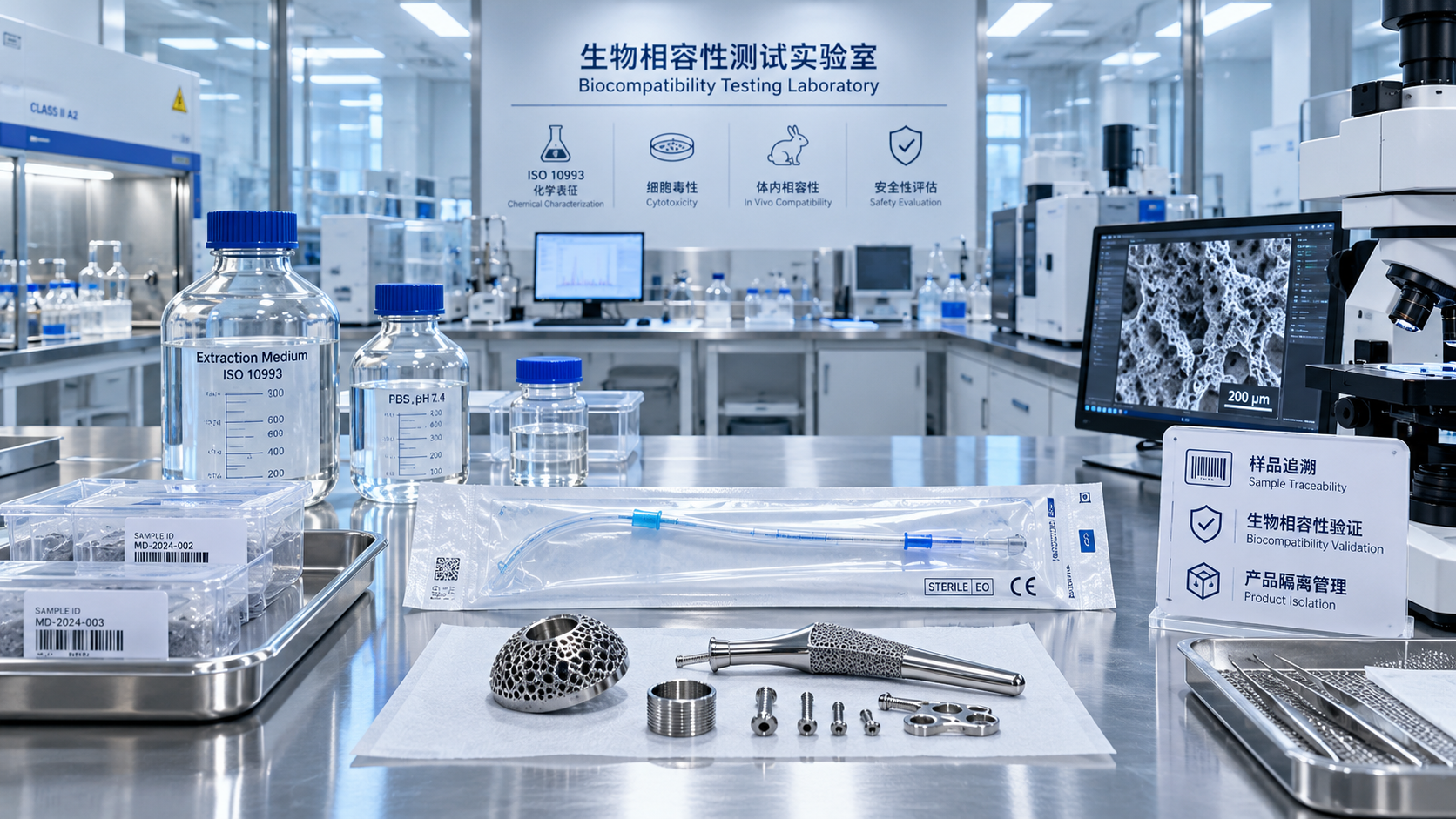
Teams may rely on material familiarity, yet overlook how processing changes, additives, sterilization, or surface architecture alter the toxicological story.
That is a dangerous shortcut for long-term implants.
- Do not assume legacy materials automatically support new indications.
- Do not read a clean predicate pathway as proof of low post-market risk.
- Do not separate regulatory evidence from future tender and pricing pressure.
- Do not wait for a submission hold to discover documentation fragility.
Orthopedic implant FDA intelligence becomes valuable when it prevents these false comforts.
It should sharpen judgment, not just increase information volume.
What should be reviewed first when a portfolio includes advanced materials or precision manufacturing?
Start with the point where innovation touches evidence burden.
In orthopedic implants, that usually means material interface behavior, manufacturing reproducibility, and clinical claim ambition.
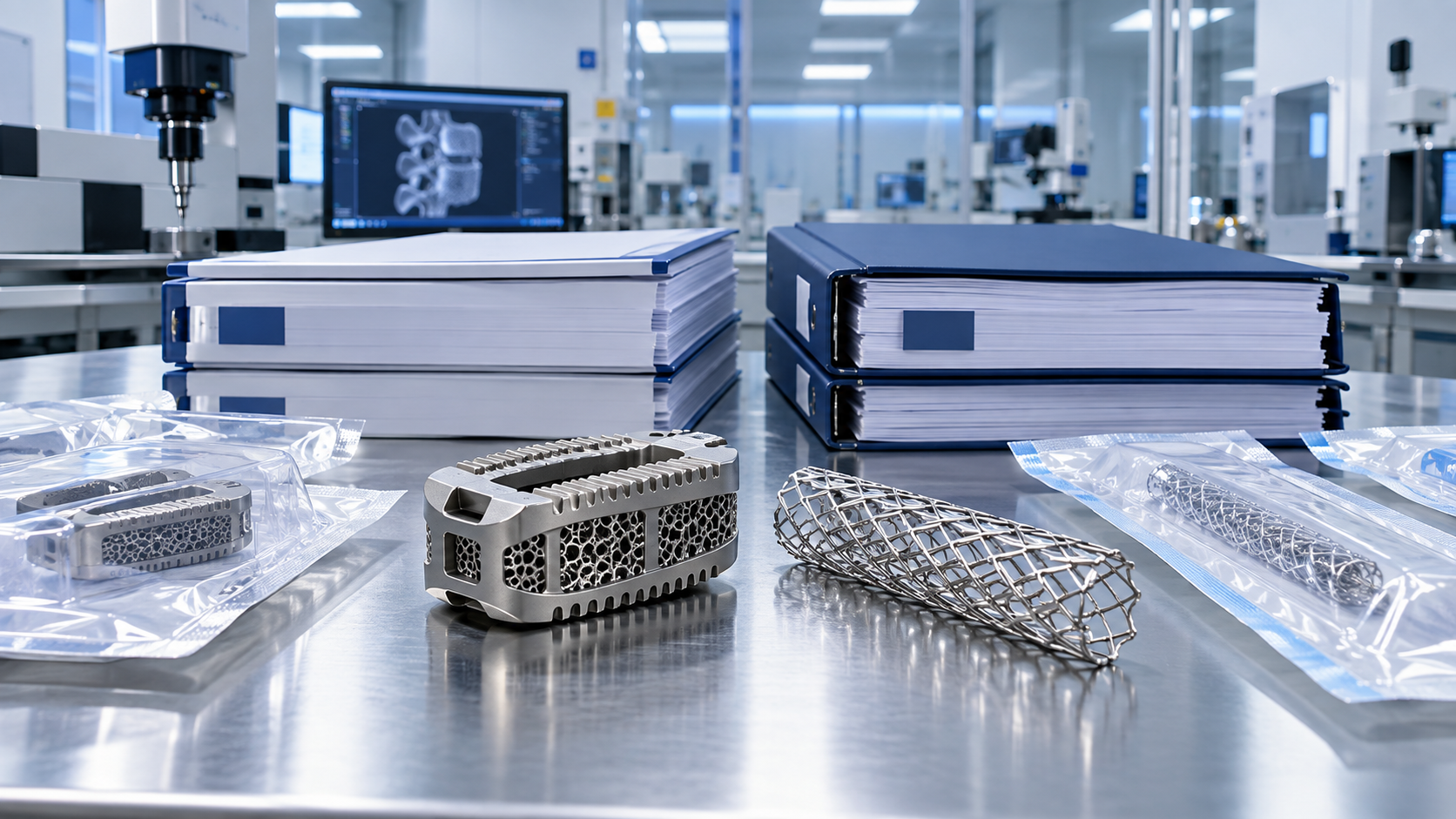
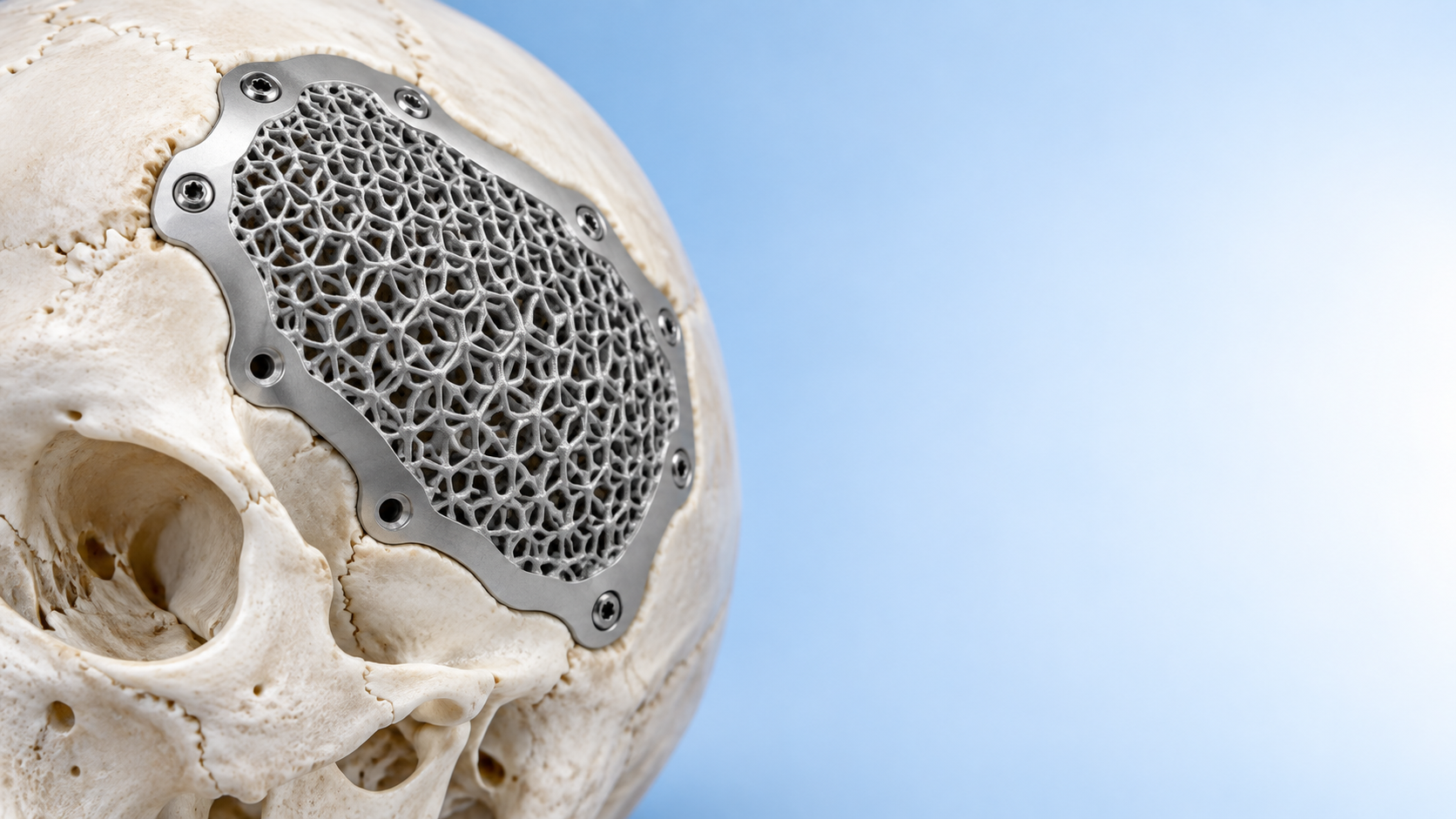
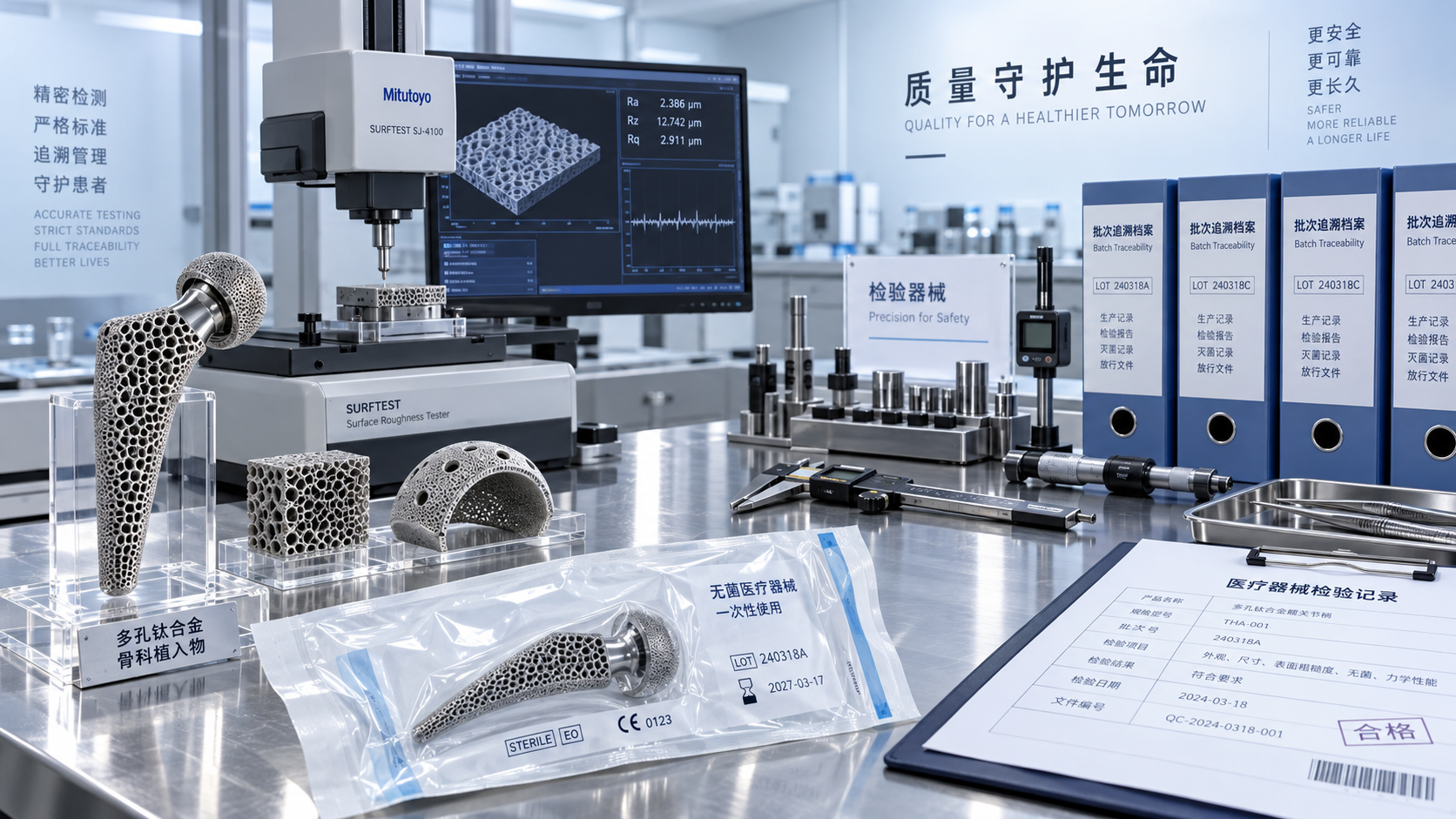
A 3D-printed trabecular structure may promise better osseointegration, but it also raises questions about consistency, debris, cleaning validation, and mechanical performance.
PEEK or hybrid constructs may shift imaging, fixation, and biological interaction discussions.
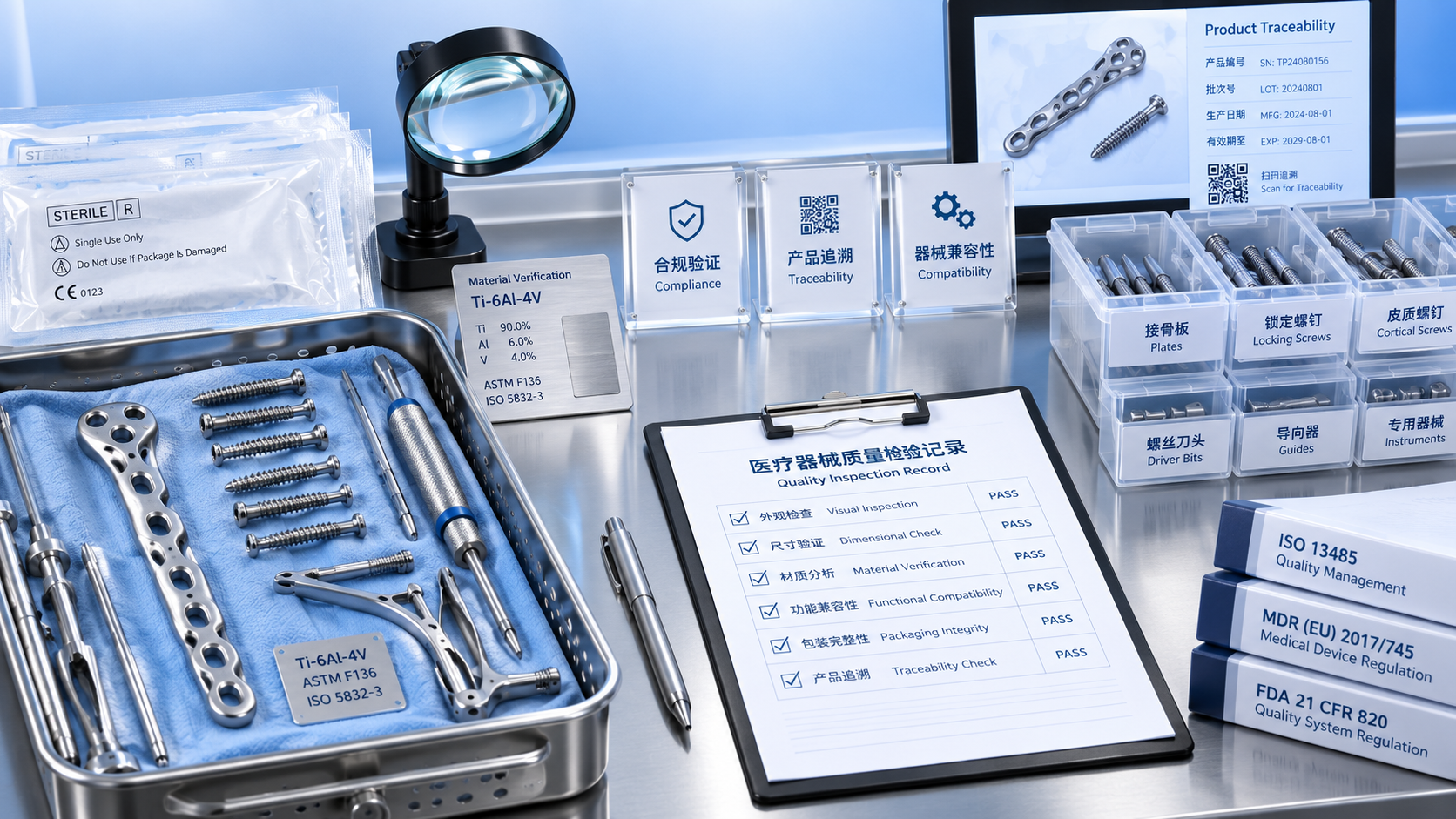
That is why orthopedic implant FDA intelligence should be mapped against three practical checkpoints.
A useful review sequence
- Check whether the material and surface story still matches current ISO 10993 expectations.
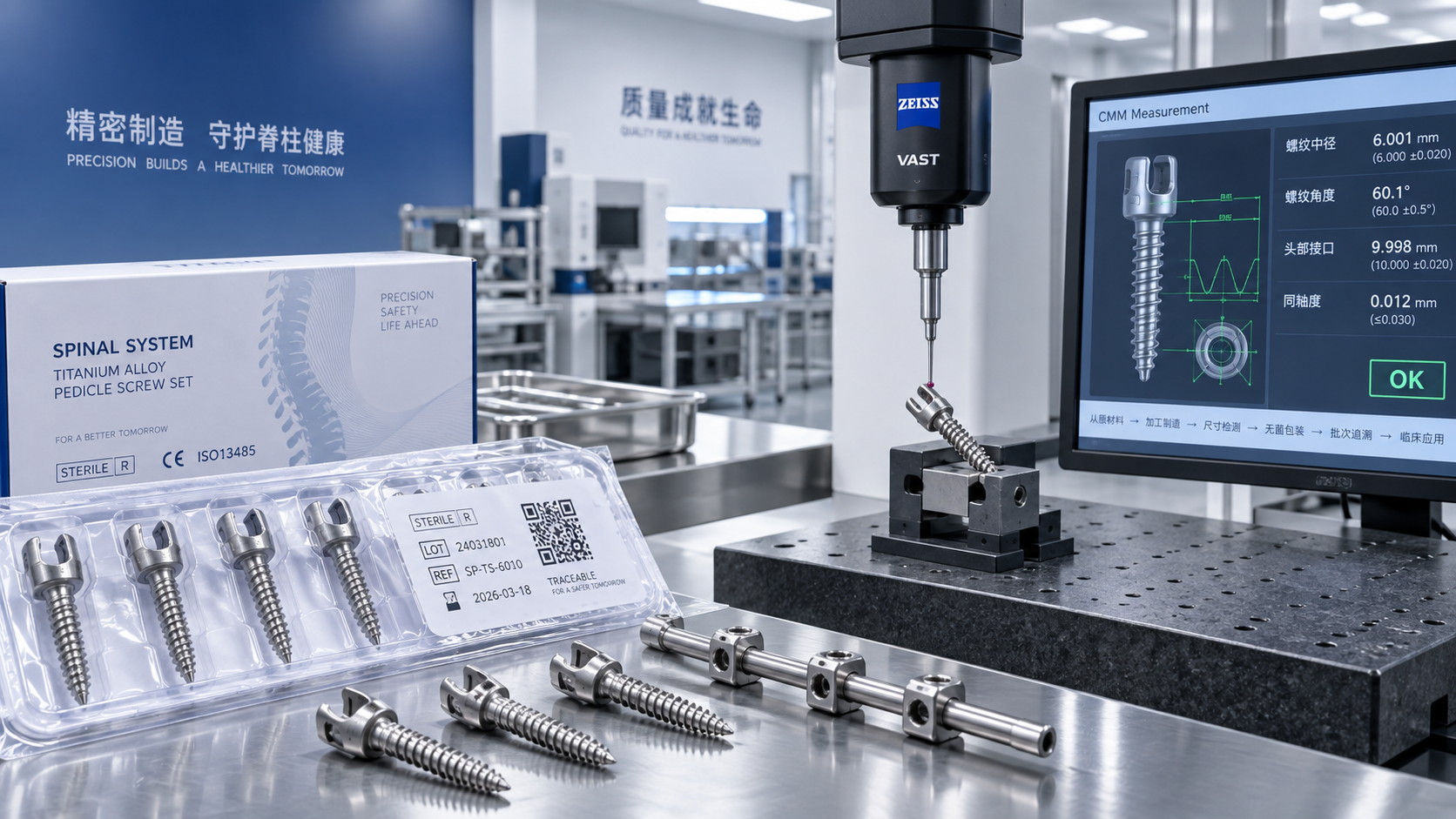
- Check whether process validation supports micron-level repeatability, not just nominal specifications.
- Check whether clinical and labeling claims overreach the available evidence base.
This is one reason IMCS frames its intelligence around biocompatibility, clinical logic, and policy economics together.
For high-value consumables and implants, regulatory strength and commercial durability now influence each other more directly.
How can orthopedic implant FDA intelligence be turned into an operating routine?
The best routine is not huge.
It is disciplined, repeatable, and tied to decision gates.
A workable model usually includes a monthly signal scan, a quarterly risk review, and a pre-submission evidence challenge.
Each step should answer a different question.
This kind of routine helps convert orthopedic implant FDA intelligence into timing discipline.
It also reduces the chance that regulatory surprises appear too late to fix without margin damage.
A final point is worth keeping in view.
The smartest signal systems are never purely regulatory.
They connect FDA movement with manufacturing readiness, clinical credibility, and procurement pressure across the implant landscape.
That broader perspective is where platforms like IMCS can support sharper judgment without turning intelligence into noise.
For the next step, review active implant programs against current submission pathways, material evidence, recall analogs, and inspection-sensitive processes.
Then rank the issues by timeline impact, remediation cost, and probability of FDA attention.
That is usually the most practical starting point for making orthopedic implant FDA intelligence useful, rather than merely informative.
Get weekly intelligence in your inbox.
No noise. No sponsored content. Pure intelligence.
News Recommendations
 Oct 06, 2026How ISO 10993 guides biocompatibility testing for medical materialsHow ISO 10993 guides biocompatibility testing for medical materials
 Oct 05, 2026How to verify an orthopedic implants and instruments exporterHow to verify an orthopedic implants and instruments exporter
 Oct 04, 2026What drives surgical stapling devices price differences in hospital tenders?What drives surgical stapling devices price differences in hospital tenders?
 Oct 03, 2026How to assess a central venous catheter manufacturer's infection-control evidenceHow to assess a central venous catheter manufacturer's infection-control evidence
 Oct 02, 2026How to assess an advanced wound care factory’s quality systemHow to assess an advanced wound care factory’s quality system
 Oct 01, 2026What is driving global medical consumables demand in emerging markets?What is driving global medical consumables demand in emerging markets?
 Sep 30, 2026Is Silicone Foam Dressing Suitable for Heavily Exuding Wounds?Is Silicone Foam Dressing Suitable for Heavily Exuding Wounds?
 Sep 30, 2026How Should Manufacturers Respond to a Biocompatibility Test Failure?How Should Manufacturers Respond to a Biocompatibility Test Failure?
 Sep 30, 2026What Is the Typical CE MDR Review Timeline for High-Risk Devices?What Is the Typical CE MDR Review Timeline for High-Risk Devices?
 Sep 30, 2026How Do FDA and CE MDR Requirements Differ for Implantable Devices?How Do FDA and CE MDR Requirements Differ for Implantable Devices?
 Sep 30, 2026What Are the Main Compliance Risks for Central Venous Access Catheters?What Are the Main Compliance Risks for Central Venous Access Catheters?
 Sep 30, 2026How Should a Surgical Stapler Manufacturer Prepare for a Compliance Audit?How Should a Surgical Stapler Manufacturer Prepare for a Compliance Audit?
 Sep 30, 2026How to assess an orthopedic implant solutions distributor’s traceability systemHow to assess an orthopedic implant solutions distributor’s traceability system
 Sep 29, 2026How a medical device registration strategy can reduce approval delaysHow a medical device registration strategy can reduce approval delays
 Sep 28, 2026How to verify a medical device specification database before useHow to verify a medical device specification database before use
 Sep 27, 2026What to verify before selecting a microcatheters manufacturerWhat to verify before selecting a microcatheters manufacturer
 Sep 26, 2026How to verify FDA compliance for medical device materialsHow to verify FDA compliance for medical device materials
 Sep 25, 2026When does a porous 3D-printed cranial implant improve fixation?When does a porous 3D-printed cranial implant improve fixation?
 Sep 24, 2026When are bovine pericardial valves suitable for transcatheter aortic valve replacement?When are bovine pericardial valves suitable for transcatheter aortic valve replacement?
 Sep 23, 2026How to verify the sterility assurance of surgical devicesHow to verify the sterility assurance of surgical devices
 Sep 22, 2026How to assess a spinal implants manufacturer’s quality systemHow to assess a spinal implants manufacturer’s quality system
 Sep 21, 2026How to assess an osseointegration technology manufacturer’s quality systemHow to assess an osseointegration technology manufacturer’s quality system
 Sep 20, 2026Medical material science trends reshaping biocompatibility testingMedical material science trends reshaping biocompatibility testing
 Sep 19, 2026What North American regulators expect in implant clinical evaluationsWhat North American regulators expect in implant clinical evaluations
 Sep 18, 2026When should plate and screw systems be selected for fracture fixation?When should plate and screw systems be selected for fracture fixation?
 Sep 17, 2026How a medical device sourcing strategy can reduce total acquisition costHow a medical device sourcing strategy can reduce total acquisition cost
 Sep 16, 2026When are silver foam burn care dressings appropriate for exuding burns?When are silver foam burn care dressings appropriate for exuding burns?