Medical Consumables Pricing: 5 Commercialization Mistakes to Avoid
Why does medical consumables commercialization strategy pricing fail so often?

In high-value care, price is never just a finance line. It reflects evidence, access, manufacturing discipline, and regulatory timing.
That is why medical consumables commercialization strategy pricing becomes fragile when teams treat implants, catheters, staplers, or wound materials like standard commodities too early.
The pressure is stronger now. Class III requirements are tighter. VBP programs compress margins. Clinical innovation moves faster than reimbursement updates.
In practice, one pricing error can damage market entry, channel confidence, and even post-launch supply stability.
A more useful view is to ask a better question: what exactly is being priced?
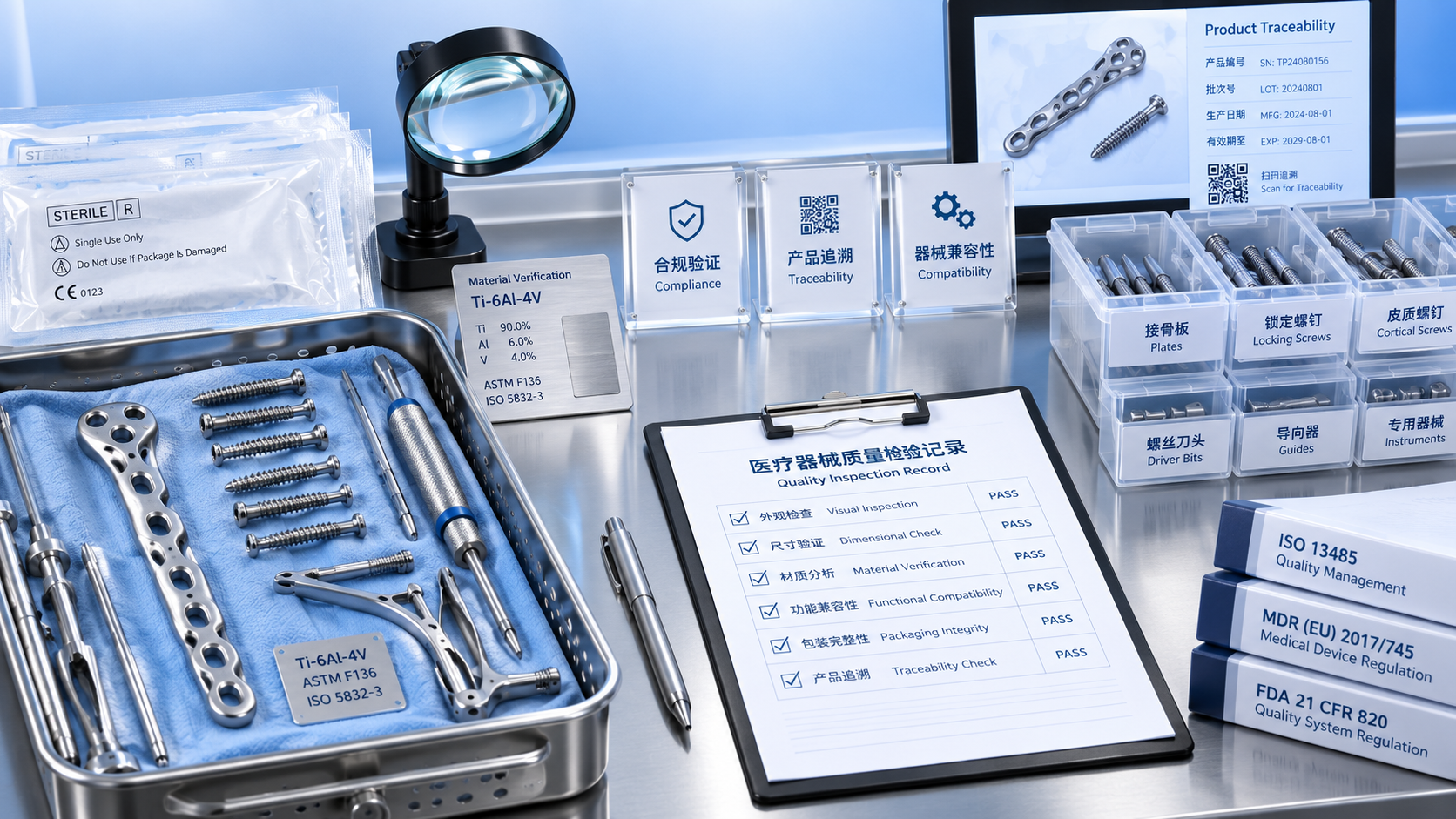
For orthopedic implants, the answer includes osseointegration performance, sterilization control, revision risk, and instrument compatibility.
For DES, TAVR, polymer catheters, or advanced dressings, the answer also includes procedural efficiency, adverse event exposure, and clinical adoption barriers.
This is the context where IMCS has become relevant. Its intelligence work connects biocompatibility, precision manufacturing, CER logic, and VBP price simulations into one commercial picture.
The five mistakes below appear repeatedly across launches. They look small at first, but each one distorts medical consumables commercialization strategy pricing in a different way.
Mistake 1: setting price before the value story is clinically specific
A common search question is simple: why does a technically strong product still face price resistance?
Usually, the product has features, but the value story is too broad. “Better material” or “higher precision” is not enough.
Decision quality improves when pricing is tied to a concrete treatment pathway. That means procedure time, complication reduction, healing speed, revision exposure, or ICU utilization.
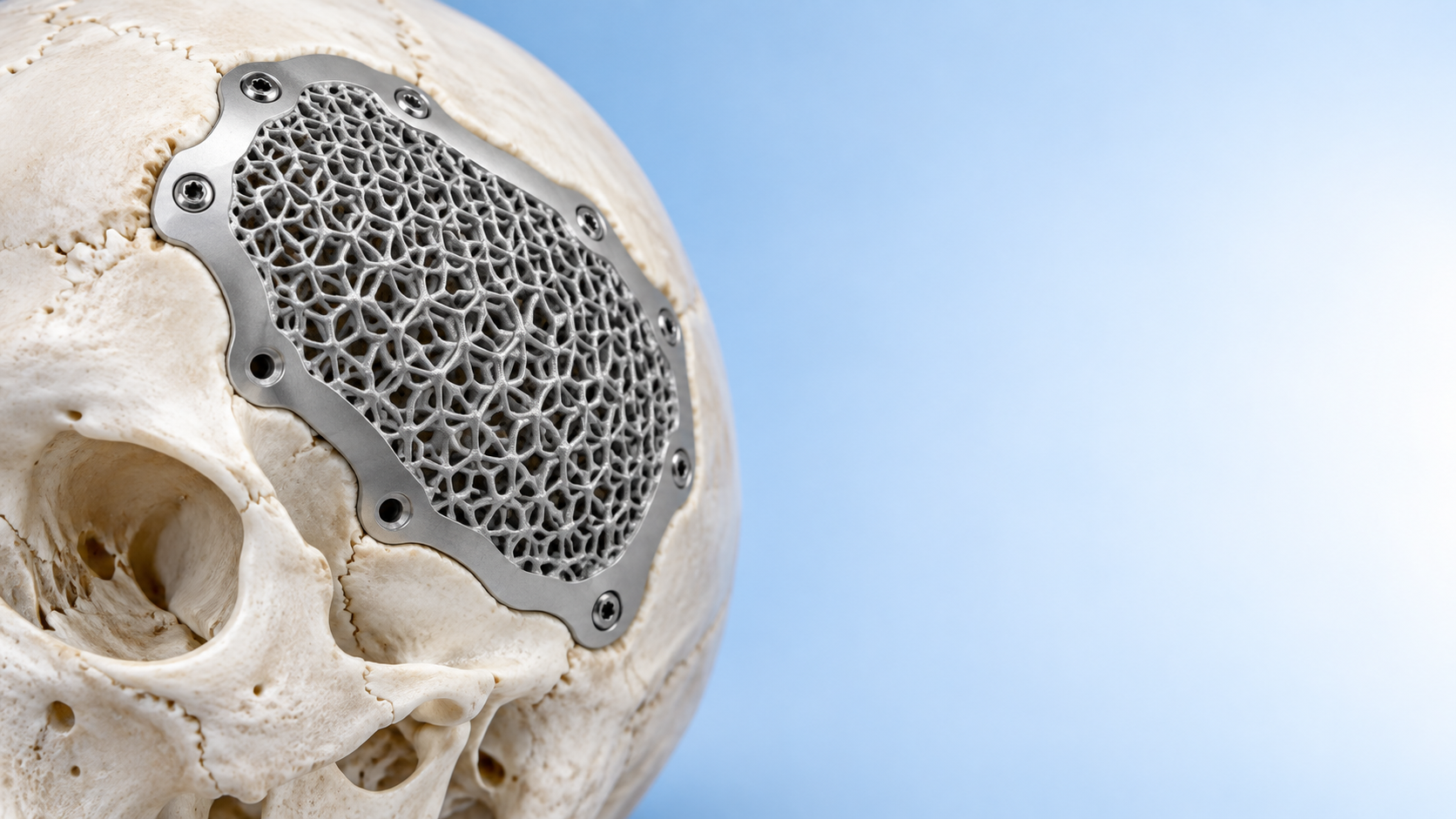
Take porous orthopedic implants. The commercial case is stronger when porous architecture is linked to fixation outcomes and reduced revision burden.
The same principle applies to hydrophilic microcatheters, MIS staplers, and NPWT-related wound products.
If the evidence package does not explain where cost is avoided or where outcome quality improves, pricing becomes a negotiation exercise instead of a value discussion.
A disciplined medical consumables commercialization strategy pricing model should map each price claim to one verified clinical or operational consequence.
Mistake 2: confusing premium positioning with premium survivability
Another frequent question is whether premium pricing still works under cost-control pressure.
The short answer is yes, but only when premium logic survives procurement reality.
Many launches assume technical superiority automatically protects price. That assumption breaks quickly in VBP-shaped markets.
Premium survivability depends on three tests: can the evidence defend differentiation, can supply support contracted volume, and can the margin remain viable after channel compression?
This is especially relevant for stents, spine systems, and other products where tenders can create sudden price cliffs.
A useful checkpoint is the table below.
In other words, medical consumables commercialization strategy pricing needs a defensive structure, not just an ambitious list price.
Mistake 3: underestimating how regulation changes the real cost base
Pricing discussions often focus on production cost, but compliance cost is where many forecasts go wrong.
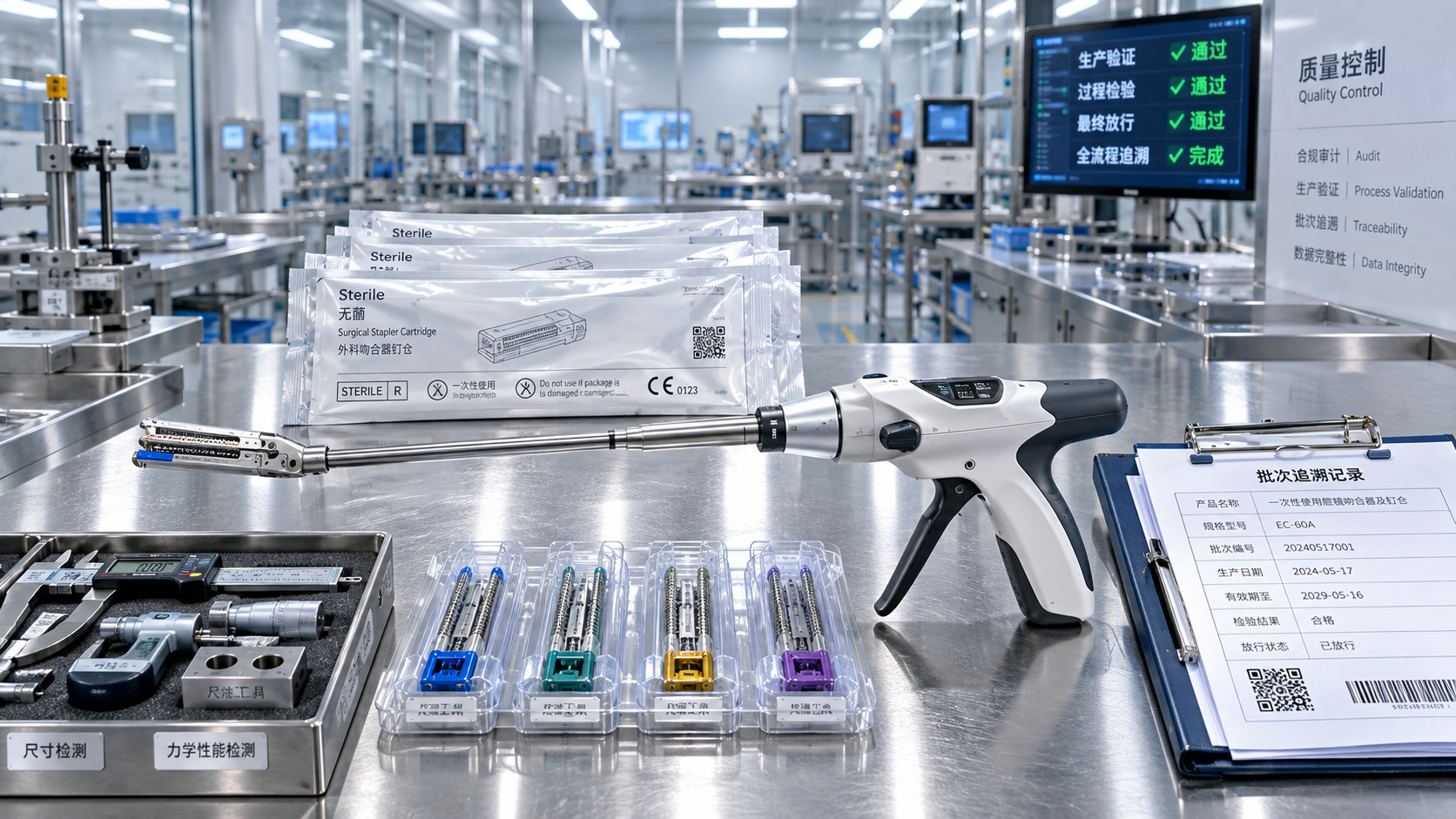
For Class III devices, biological safety, clinical evaluation depth, traceability, and post-market obligations are not overhead details. They reshape commercial timing and price floors.
This matters across the IMCS focus areas, from cardiovascular intervention to tissue regeneration materials.
A catheter platform may look cost-efficient at prototype stage, then lose advantage after validation, shelf-life work, and coating consistency controls are fully counted.
The same happens when CER requirements expand data needs for implants, or when ISO 10993 testing exposes redesign risk.
A sound medical consumables commercialization strategy pricing process should estimate cost in layers:
- direct unit manufacturing and sterilization cost
- regulatory evidence generation and maintenance cost
- market access delay cost
- post-market surveillance and complaint handling cost
- price erosion risk under procurement events
When those layers are ignored, early price assumptions look attractive but become difficult to defend later.
Mistake 4: pricing one market as if all channels buy for the same reason
A natural follow-up question is whether one global pricing framework is enough. Usually, it is not.
Hospital systems, distributors, tender bodies, and specialty centers do not interpret value in the same way.
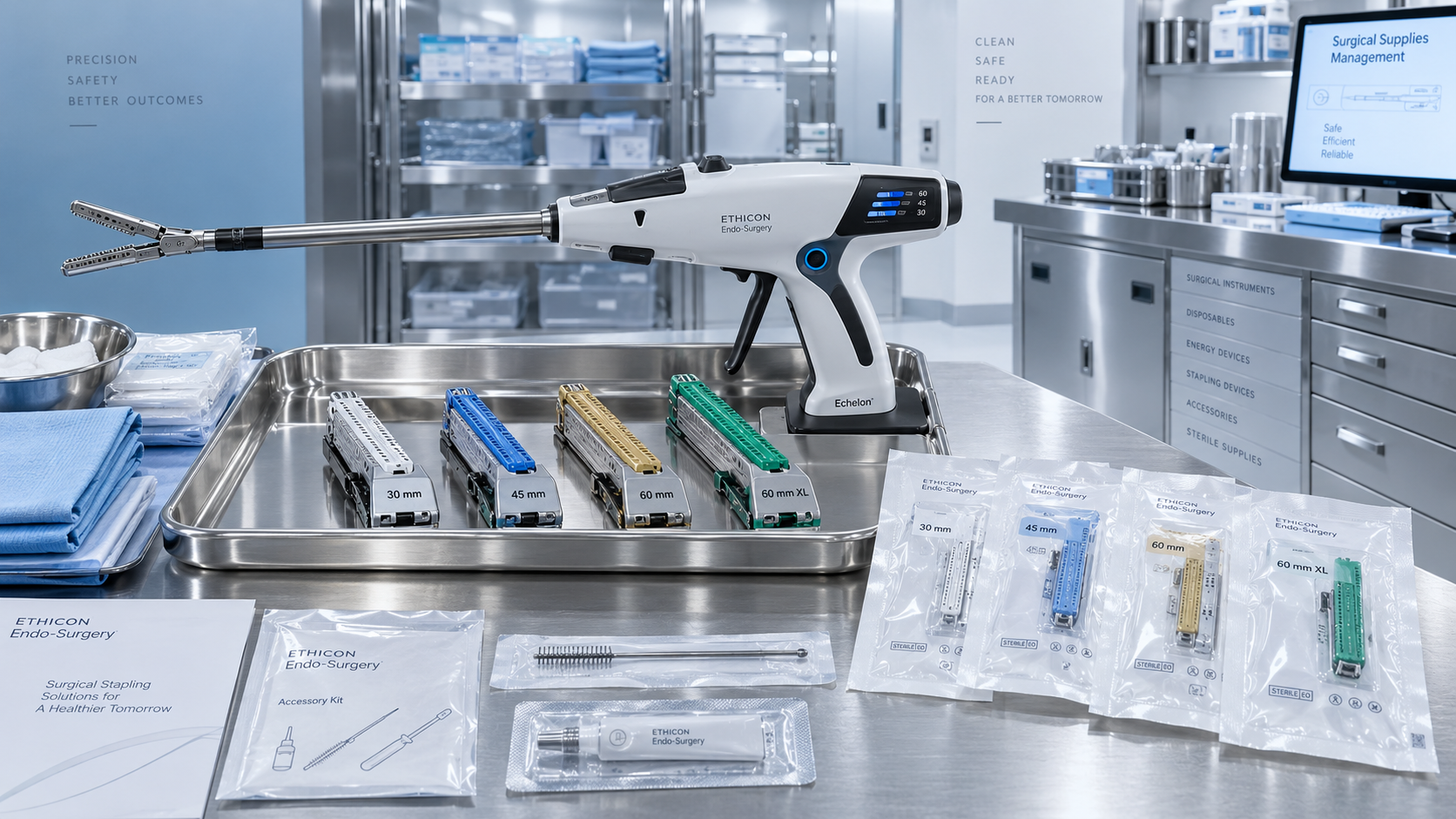
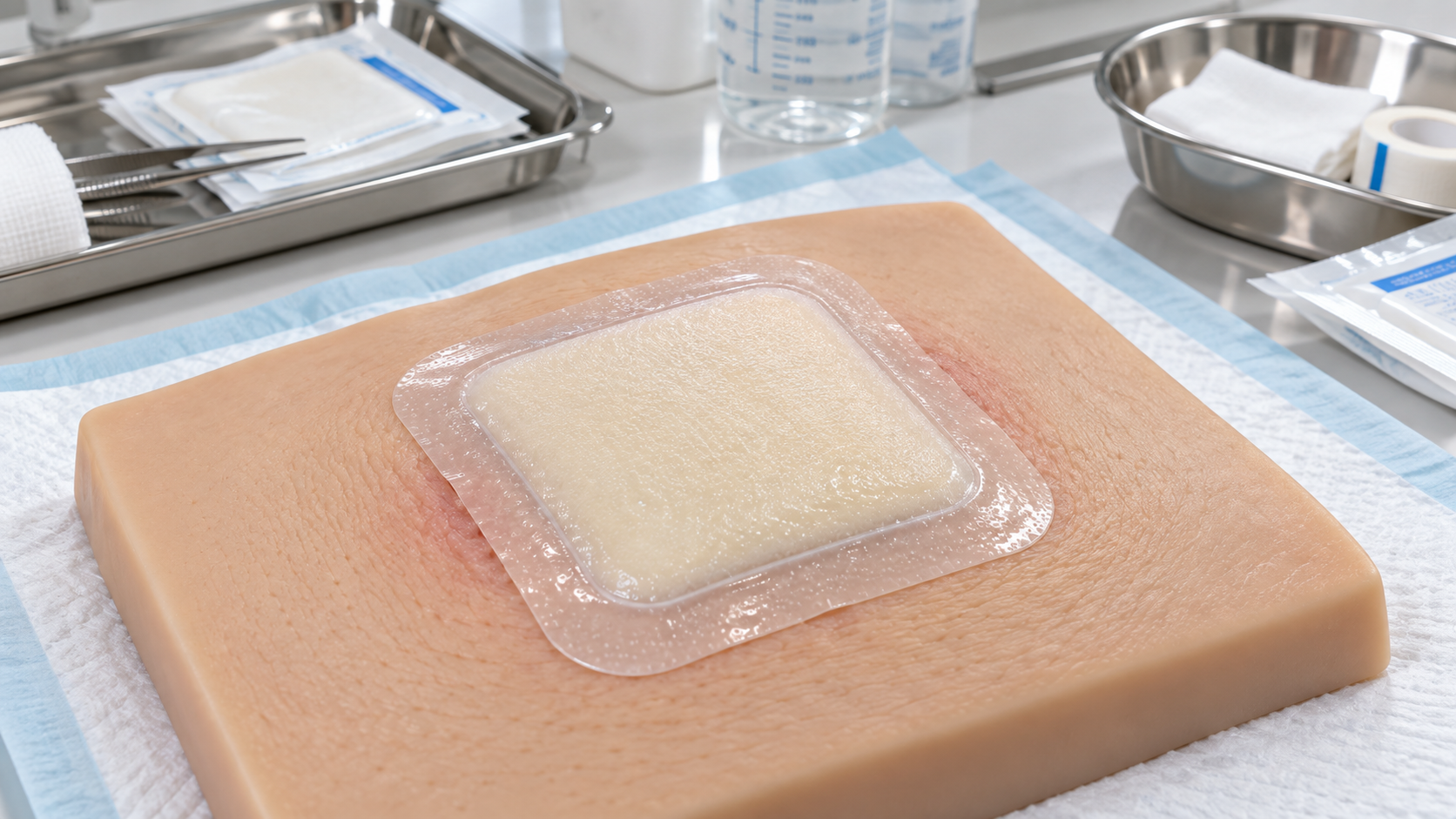
For example, a high-end dressing may win interest because it shortens healing complexity. A stapler may be judged more on procedural consistency and waste reduction.
A TAVR component may face a completely different discussion, centered on clinical eligibility, physician confidence, and reimbursement alignment.
This is where many teams over-standardize. They export one price narrative into multiple decision environments.
A better approach is to separate pricing architecture from messaging architecture. The list price may be related, but the proof points should differ.
In practical terms, medical consumables commercialization strategy pricing should answer these channel questions:
- What cost line does this buyer try to control?
- What failure risk matters most in this procedure?
- What evidence format is considered credible?
- How quickly can substitution occur if price rises?
Once those answers are clear, localization becomes more disciplined and less reactive.
Mistake 5: waiting too long to model post-launch erosion and supply pressure
The final mistake is subtle. Launch teams often optimize for approval and first sales, then postpone erosion planning.
That delay is expensive. In consumables, price decline often starts before the organization has adapted service levels, raw material contracts, or plant utilization.
Orthopedic tools, stents, polymer catheters, and wound care products all face this risk, even if the erosion pattern differs.
A realistic model should combine tender probability, competitor response, utilization mix, and manufacturing flexibility.
IMCS regularly frames this as a supply-and-price game rather than a simple sales forecast. That distinction matters.
If a lower price wins volume but forces unstable delivery, the commercialization strategy has not succeeded. It has only shifted the failure point.
The stronger method is to define guardrails before launch:
- minimum acceptable gross margin by channel
- volume threshold required for each price step
- regulatory and quality costs that cannot be diluted away
- capacity limits during sudden procurement wins
What should be checked before finalizing medical consumables commercialization strategy pricing?
Before any final pricing decision, it helps to run one compact review instead of another broad presentation.
Use this as a practical checklist.
The main lesson is straightforward. Medical consumables commercialization strategy pricing works when value, regulation, and procurement are assessed together, not in sequence.
If the next step is a real evaluation, start by mapping one product line against those five mistakes.
Then compare the current price logic with evidence depth, market access risk, and supply tolerance. That usually shows where margin is exposed and where repositioning is still possible.
Get weekly intelligence in your inbox.
No noise. No sponsored content. Pure intelligence.
News Recommendations
 Oct 07, 2026What to verify before appointing an artificial joint implants distributorWhat to verify before appointing an artificial joint implants distributor
 Oct 06, 2026How ISO 10993 guides biocompatibility testing for medical materialsHow ISO 10993 guides biocompatibility testing for medical materials
 Oct 05, 2026How to verify an orthopedic implants and instruments exporterHow to verify an orthopedic implants and instruments exporter
 Oct 04, 2026What drives surgical stapling devices price differences in hospital tenders?What drives surgical stapling devices price differences in hospital tenders?
 Oct 03, 2026How to assess a central venous catheter manufacturer's infection-control evidenceHow to assess a central venous catheter manufacturer's infection-control evidence
 Oct 02, 2026How to assess an advanced wound care factory’s quality systemHow to assess an advanced wound care factory’s quality system
 Oct 01, 2026What is driving global medical consumables demand in emerging markets?What is driving global medical consumables demand in emerging markets?
 Sep 30, 2026When Should Silver Wound Dressings Be Avoided?When Should Silver Wound Dressings Be Avoided?
 Sep 30, 2026Is Silicone Foam Dressing Suitable for Heavily Exuding Wounds?Is Silicone Foam Dressing Suitable for Heavily Exuding Wounds?
 Sep 30, 2026How Should Manufacturers Respond to a Biocompatibility Test Failure?How Should Manufacturers Respond to a Biocompatibility Test Failure?
 Sep 30, 2026What Is the Typical CE MDR Review Timeline for High-Risk Devices?What Is the Typical CE MDR Review Timeline for High-Risk Devices?
 Sep 30, 2026How Do FDA and CE MDR Requirements Differ for Implantable Devices?How Do FDA and CE MDR Requirements Differ for Implantable Devices?
 Sep 30, 2026What Are the Main Compliance Risks for Central Venous Access Catheters?What Are the Main Compliance Risks for Central Venous Access Catheters?
 Sep 30, 2026How Should a Surgical Stapler Manufacturer Prepare for a Compliance Audit?How Should a Surgical Stapler Manufacturer Prepare for a Compliance Audit?
 Sep 30, 2026How to assess an orthopedic implant solutions distributor’s traceability systemHow to assess an orthopedic implant solutions distributor’s traceability system
 Sep 29, 2026How a medical device registration strategy can reduce approval delaysHow a medical device registration strategy can reduce approval delays
 Sep 28, 2026How to verify a medical device specification database before useHow to verify a medical device specification database before use
 Sep 27, 2026What to verify before selecting a microcatheters manufacturerWhat to verify before selecting a microcatheters manufacturer
 Sep 26, 2026How to verify FDA compliance for medical device materialsHow to verify FDA compliance for medical device materials
 Sep 25, 2026When does a porous 3D-printed cranial implant improve fixation?When does a porous 3D-printed cranial implant improve fixation?
 Sep 24, 2026When are bovine pericardial valves suitable for transcatheter aortic valve replacement?When are bovine pericardial valves suitable for transcatheter aortic valve replacement?
 Sep 23, 2026How to verify the sterility assurance of surgical devicesHow to verify the sterility assurance of surgical devices
 Sep 22, 2026How to assess a spinal implants manufacturer’s quality systemHow to assess a spinal implants manufacturer’s quality system
 Sep 21, 2026How to assess an osseointegration technology manufacturer’s quality systemHow to assess an osseointegration technology manufacturer’s quality system
 Sep 20, 2026Medical material science trends reshaping biocompatibility testingMedical material science trends reshaping biocompatibility testing
 Sep 19, 2026What North American regulators expect in implant clinical evaluationsWhat North American regulators expect in implant clinical evaluations
 Sep 18, 2026When should plate and screw systems be selected for fracture fixation?When should plate and screw systems be selected for fracture fixation?