Implant Regulatory Intelligence Database: What to Track in 2026
Why an Implant Regulatory Intelligence Database Becomes a 2026 Baseline
In 2026, the implant market is no longer shaped by approvals alone. It is shaped by how fast teams detect regulatory drift, reimbursement pressure, and post-market safety signals.
That is why an implant regulatory intelligence database has moved from a reference tool to a working infrastructure layer.
The change is especially visible across Class III devices. Orthopedic implants, DES, TAVR systems, catheters, staplers, and regenerative materials now face tighter evidence expectations and faster policy spillover.
A single approval notice rarely tells the full story. The meaningful signal often sits between agency updates, notified body behavior, procurement rules, and adverse event patterns.
This is where a strong implant regulatory intelligence database matters. It connects fragmented regulatory data with product category context, market timing, and technical risk.
The broader medical consumables landscape makes that connection harder than before. Materials science, biocompatibility, precision machining, and policy economics are now moving together.
IMCS has become relevant in this environment because it reads implants and consumables through both clinical function and regulatory consequence.
Its lens spans orthopedic reconstruction, cardiovascular intervention, minimally invasive surgery, polymer catheters, and advanced wound care, where small compliance shifts can alter market access quickly.
The signal is getting noisier, but also more valuable
One clear 2026 pattern is signal saturation. There is more regulatory information available, yet less clarity without structured interpretation.
CE MDR remains a major source of uncertainty. Clinical Evaluation Report expectations continue to tighten, particularly for implant classes with long-term safety exposure.
At the same time, FDA warning letters, recall language, panel discussions, and guidance drafts create early directional clues before formal policy shifts appear.
Volume-Based Procurement adds another layer. Regulatory status and pricing dynamics now influence each other more directly in high-value consumables.
This matters because compliance is no longer only about clearance. It is also about whether a product can hold its economic position once procurement pressure accelerates.
An implant regulatory intelligence database helps separate background noise from category-defining movement. That is increasingly important for fast-changing implant segments.
What is driving this shift
- Higher evidence thresholds for long-term implant safety and performance.
- Greater scrutiny of materials, coatings, degradation, and biological interaction.
- Procurement systems using regulatory maturity as an indirect competitiveness filter.
- More visible post-market surveillance data across regions.
- Faster cross-border impact when one regulator highlights a product issue.
The most important changes are happening inside product categories
A useful implant regulatory intelligence database should not treat all implants as one block. The pressure points differ sharply by category.
In orthopedic implants, scrutiny is moving deeper into material behavior, fixation durability, wear data, and patient-matched design claims.
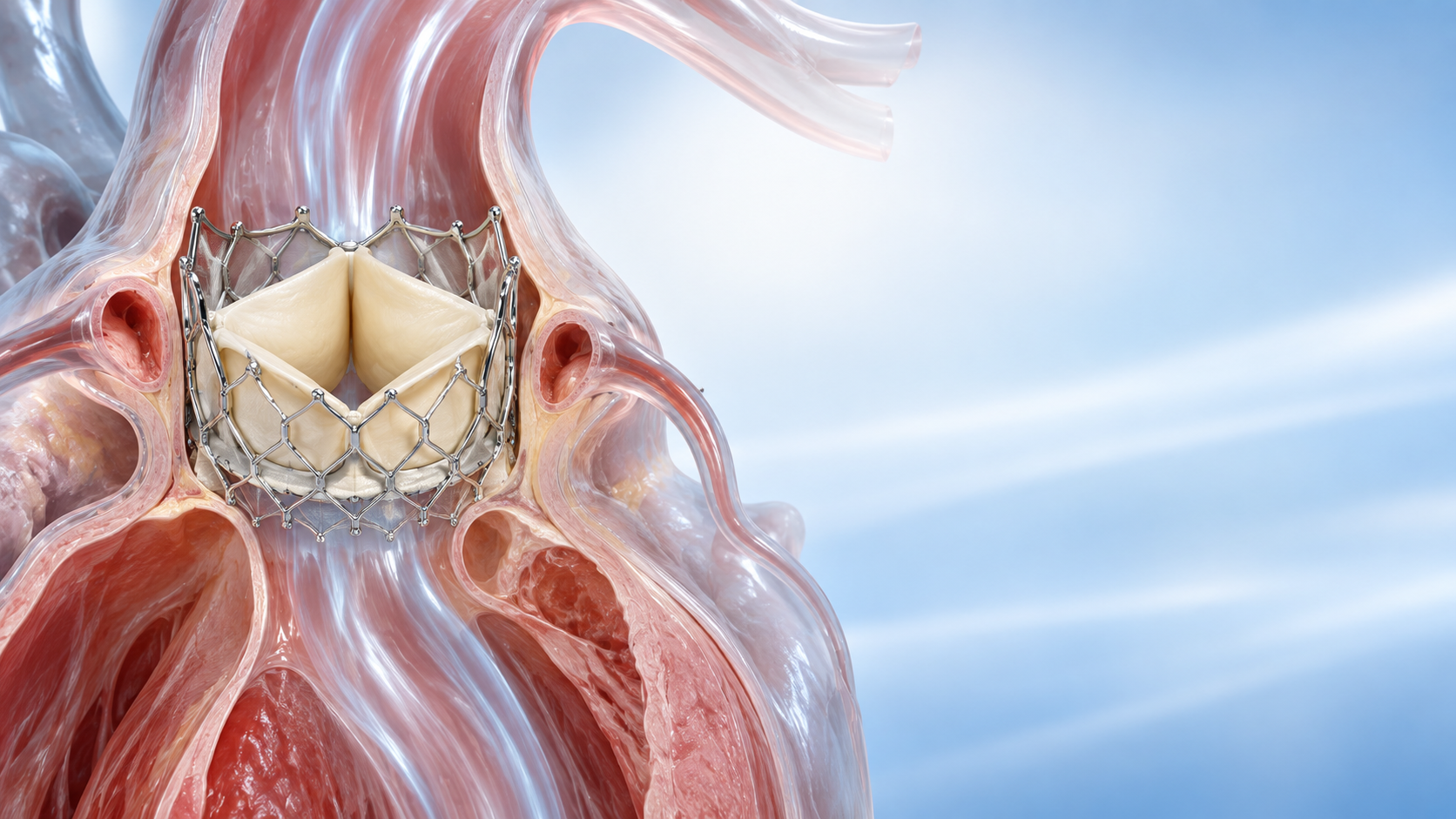
For cardiovascular interventional devices, regulators are watching long-term outcomes, real-world performance, and labeling discipline more closely.
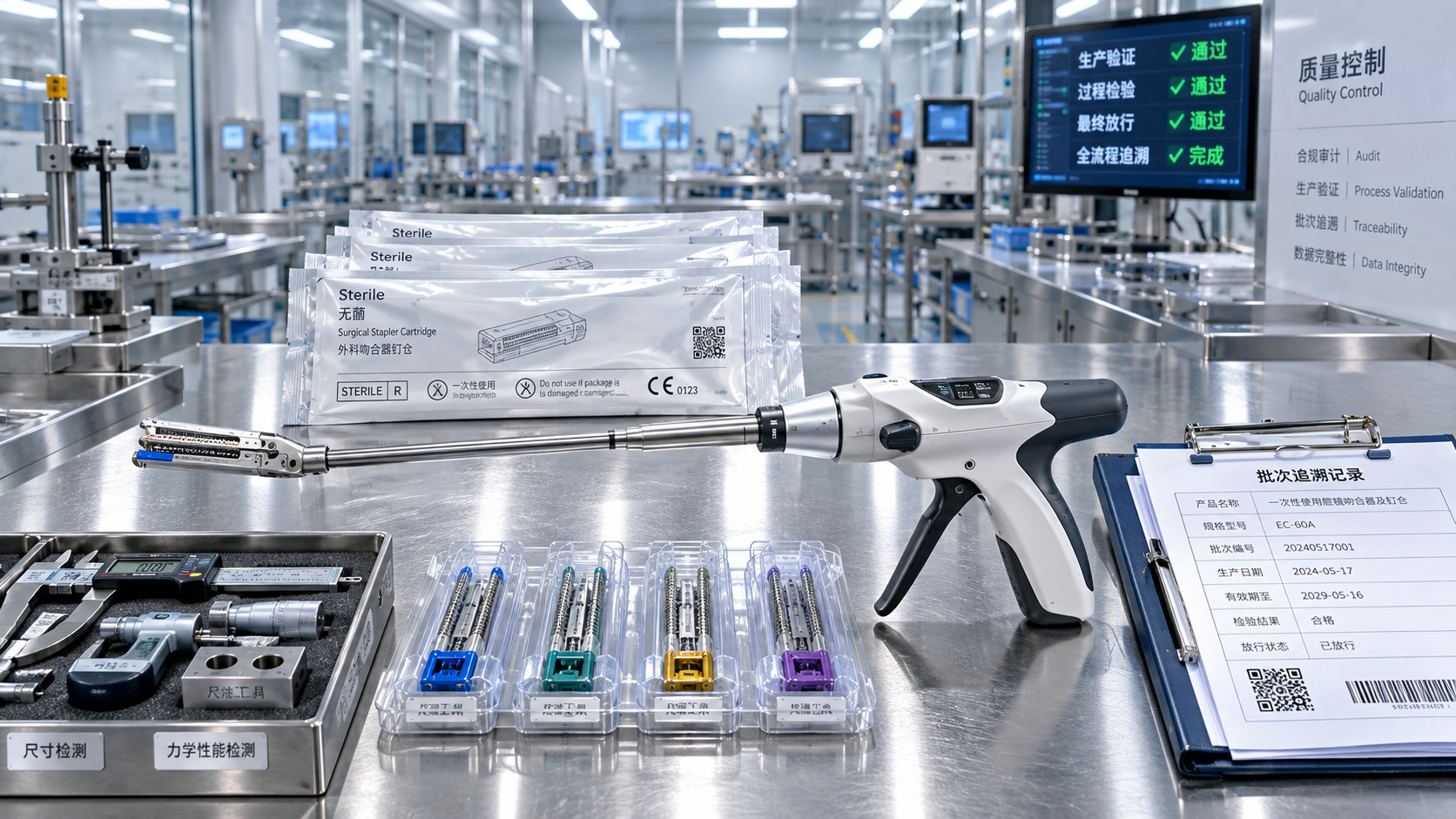
Minimally invasive staplers and polymer catheters face a different challenge. Here, manufacturing consistency and failure traceability can become the real regulatory trigger.
Advanced dressings and tissue-regeneration materials are also becoming less straightforward. Claims around healing acceleration now require sharper evidence boundaries.
That category-level distinction is one reason IMCS stands out. Its intelligence model links regulatory developments to actual clinical-use environments, not abstract policy summaries.
Why technical validation and policy economics are converging
The older view separated science from market access. In 2026, that split is less useful.
Biocompatibility evidence, toxicology interpretation, and clinical logic now shape pricing resilience as much as they shape approval pathways.
A weak toxicology package may slow review. A weak clinical narrative may narrow indications. A weak post-market record may weaken procurement standing.
That chain reaction is why an implant regulatory intelligence database must include more than regulations and approvals.
It should also track ISO 10993 interpretation trends, CER expectations, notified body behavior, recall mechanisms, and VBP-linked price movement.
The IMCS framework reflects this convergence. Its Strategic Intelligence Center connects biological safety review, clinical evidence analysis, and procurement modeling in one line of sight.
That combined view is particularly useful when products depend on both technical superiority and survival inside aggressive cost-control systems.
Impact is spreading across research, entry timing, and competitive mapping
The practical impact of an implant regulatory intelligence database is not limited to compliance teams. It changes how market research itself is done.
Entry timing becomes more precise when database signals show whether a category is entering a stricter review cycle or a procurement reshuffle.
Competitive mapping also improves. Approval counts alone can be misleading if competing devices are facing silent evidence pressure or early safety friction.
In practical research, the highest-value insight often comes from intersections, not isolated events.
For example, a new CE MDR interpretation becomes more important when paired with a notified body bottleneck and a procurement tender cycle.
That is the point where fragmented data starts turning into market foresight.
What deserves closer tracking in 2026
- Changes in evidence expectations for long-implant-life products.
- Regional divergence between CE MDR, FDA, and local procurement regimes.
- Early warning patterns in recalls, field actions, and complaint coding.
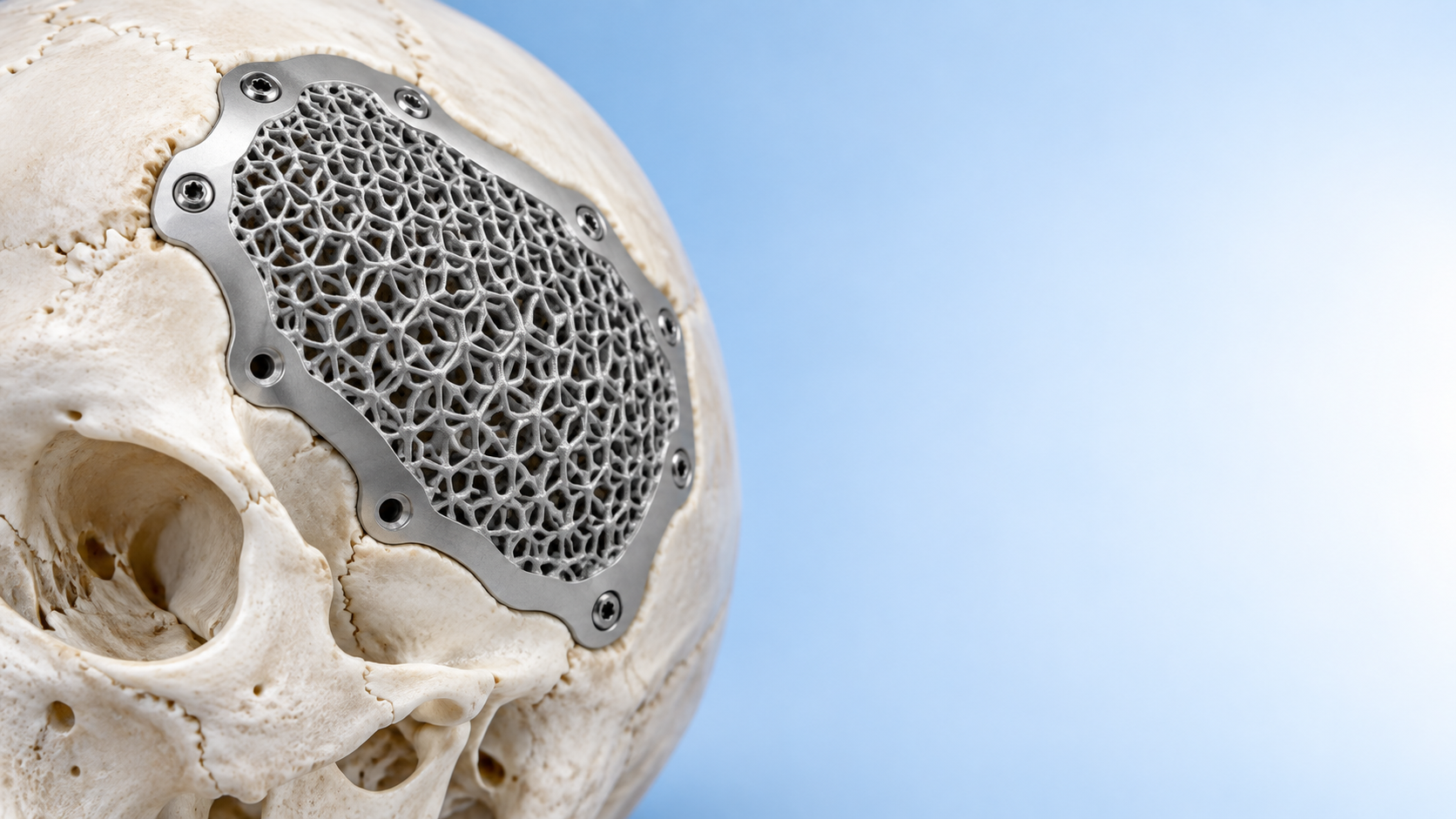
- Material-specific scrutiny around coatings, polymers, porous structures, and regenerative claims.
- Approval timing gaps that create short-term opportunity or delay risk.
A useful database should help with judgment, not just collection
Many databases still function like large archives. That is no longer enough for implant categories moving under combined regulatory and pricing pressure.
A stronger implant regulatory intelligence database should answer practical questions. Where is risk rising first? Which categories are getting harder to defend clinically? Which markets may reopen?
It should also preserve category language. A titanium spinal implant, a neurovascular microcatheter, and a silver-ion dressing do not share the same evidence logic.
That distinction helps research stay grounded in product reality rather than generic policy commentary.
In that sense, the value of IMCS is not simply coverage breadth. It is the stitching of technical, clinical, and policy intelligence into usable judgment.
The next move is to build a watchlist before the market forces it
By 2026, waiting for formal disruption is already too late in most implant segments. The better approach is to define a live watchlist now.
That watchlist should combine regulatory events, evidence standards, post-market alerts, and procurement signals for each priority category.
It is also worth separating short-cycle signals from structural ones. A warning letter may move sentiment quickly, while CER expectations may reshape a category over years.
The most effective implant regulatory intelligence database is the one that supports this layered reading of the market.
For 2026 planning, the immediate task is clear: map category-specific triggers, compare regional evidence pressure, and review where regulatory intelligence can sharpen entry and risk decisions.
That is where trend visibility becomes operational value, especially in implants and medical consumables where policy, materials, and patient outcomes now move in the same frame.
Get weekly intelligence in your inbox.
No noise. No sponsored content. Pure intelligence.
News Recommendations
 Oct 08, 2026Clinical evaluation requirements for cardiovascular implant devices in EuropeClinical evaluation requirements for cardiovascular implant devices in Europe
 Oct 07, 2026What to verify before appointing an artificial joint implants distributorWhat to verify before appointing an artificial joint implants distributor
 Oct 06, 2026How ISO 10993 guides biocompatibility testing for medical materialsHow ISO 10993 guides biocompatibility testing for medical materials
 Oct 05, 2026How to verify an orthopedic implants and instruments exporterHow to verify an orthopedic implants and instruments exporter
 Oct 04, 2026What drives surgical stapling devices price differences in hospital tenders?What drives surgical stapling devices price differences in hospital tenders?
 Oct 03, 2026How to assess a central venous catheter manufacturer's infection-control evidenceHow to assess a central venous catheter manufacturer's infection-control evidence
 Oct 02, 2026How to assess an advanced wound care factory’s quality systemHow to assess an advanced wound care factory’s quality system
 Oct 01, 2026What is driving global medical consumables demand in emerging markets?What is driving global medical consumables demand in emerging markets?
 Sep 30, 2026Are Foam Wound Dressings Worth the Higher Procurement Cost?Are Foam Wound Dressings Worth the Higher Procurement Cost?
 Sep 30, 2026When Should Silver Wound Dressings Be Avoided?When Should Silver Wound Dressings Be Avoided?
 Sep 30, 2026Is Silicone Foam Dressing Suitable for Heavily Exuding Wounds?Is Silicone Foam Dressing Suitable for Heavily Exuding Wounds?
 Sep 30, 2026How Should Manufacturers Respond to a Biocompatibility Test Failure?How Should Manufacturers Respond to a Biocompatibility Test Failure?
 Sep 30, 2026What Is the Typical CE MDR Review Timeline for High-Risk Devices?What Is the Typical CE MDR Review Timeline for High-Risk Devices?
 Sep 30, 2026How Do FDA and CE MDR Requirements Differ for Implantable Devices?How Do FDA and CE MDR Requirements Differ for Implantable Devices?
 Sep 30, 2026What Are the Main Compliance Risks for Central Venous Access Catheters?What Are the Main Compliance Risks for Central Venous Access Catheters?
 Sep 30, 2026How Should a Surgical Stapler Manufacturer Prepare for a Compliance Audit?How Should a Surgical Stapler Manufacturer Prepare for a Compliance Audit?
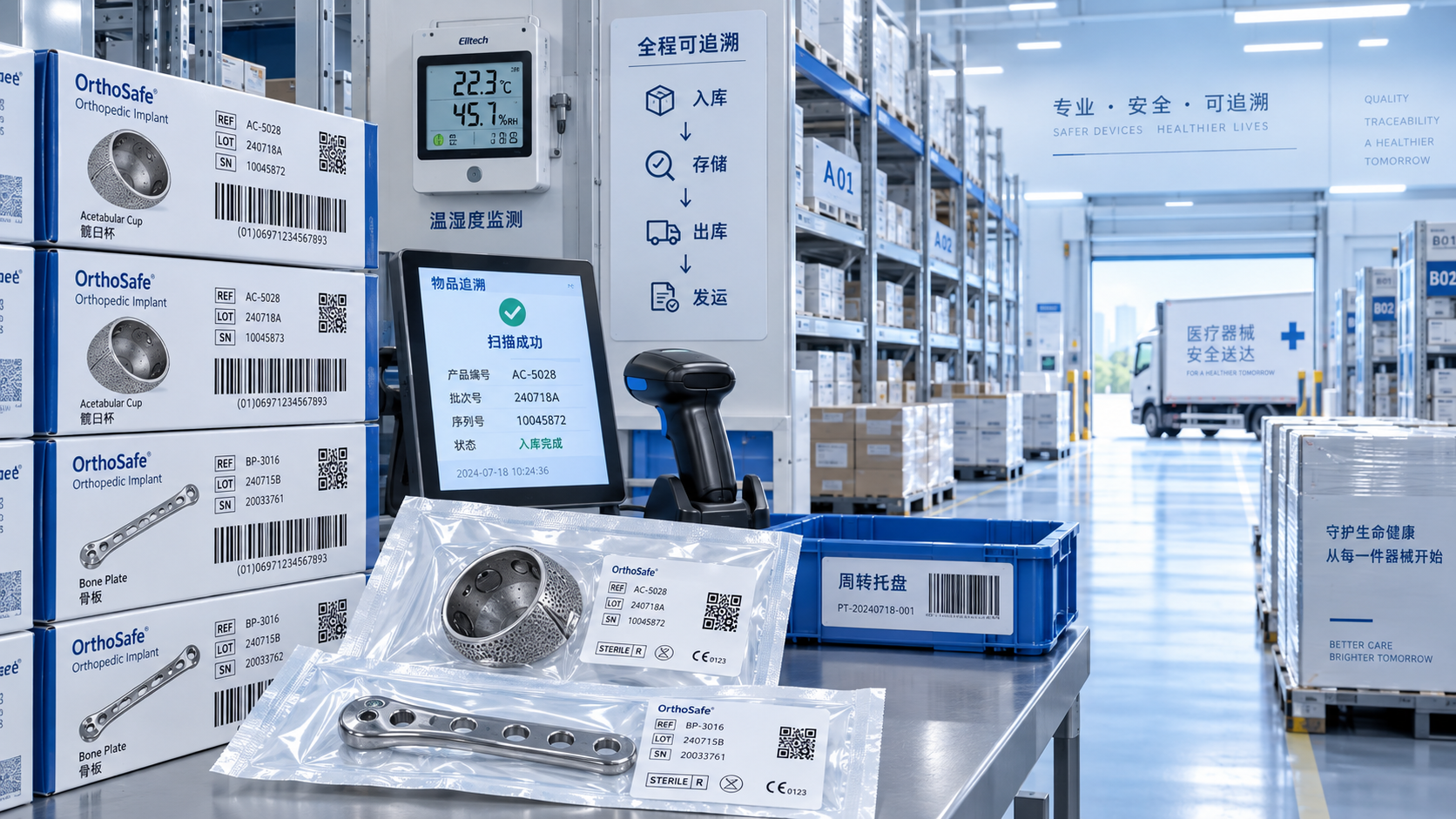
 Sep 30, 2026How to assess an orthopedic implant solutions distributor’s traceability systemHow to assess an orthopedic implant solutions distributor’s traceability system
 Sep 29, 2026How a medical device registration strategy can reduce approval delaysHow a medical device registration strategy can reduce approval delays
 Sep 28, 2026How to verify a medical device specification database before useHow to verify a medical device specification database before use
 Sep 27, 2026What to verify before selecting a microcatheters manufacturerWhat to verify before selecting a microcatheters manufacturer
 Sep 26, 2026How to verify FDA compliance for medical device materialsHow to verify FDA compliance for medical device materials
 Sep 25, 2026When does a porous 3D-printed cranial implant improve fixation?When does a porous 3D-printed cranial implant improve fixation?
 Sep 24, 2026When are bovine pericardial valves suitable for transcatheter aortic valve replacement?When are bovine pericardial valves suitable for transcatheter aortic valve replacement?
 Sep 23, 2026How to verify the sterility assurance of surgical devicesHow to verify the sterility assurance of surgical devices
 Sep 22, 2026How to assess a spinal implants manufacturer’s quality systemHow to assess a spinal implants manufacturer’s quality system
 Sep 21, 2026How to assess an osseointegration technology manufacturer’s quality systemHow to assess an osseointegration technology manufacturer’s quality system
 Sep 20, 2026Medical material science trends reshaping biocompatibility testingMedical material science trends reshaping biocompatibility testing