Medical Consumables Regulatory Submission: Common Filing Gaps to Fix Early
Medical Consumables Regulatory Submission: Common Filing Gaps to Fix Early
A strong medical consumables regulatory submission can fail for reasons that are preventable long before formal review begins.
Early gaps usually hide in technical files, testing logic, and cross-functional coordination.
Once reviewers find them, the submission cycle slows down fast.
For medical consumables, that means more questions, more data requests, and often repeated document updates.
The good news is that most filing weaknesses are visible early.
They can be corrected before the medical consumables regulatory submission reaches formal review.
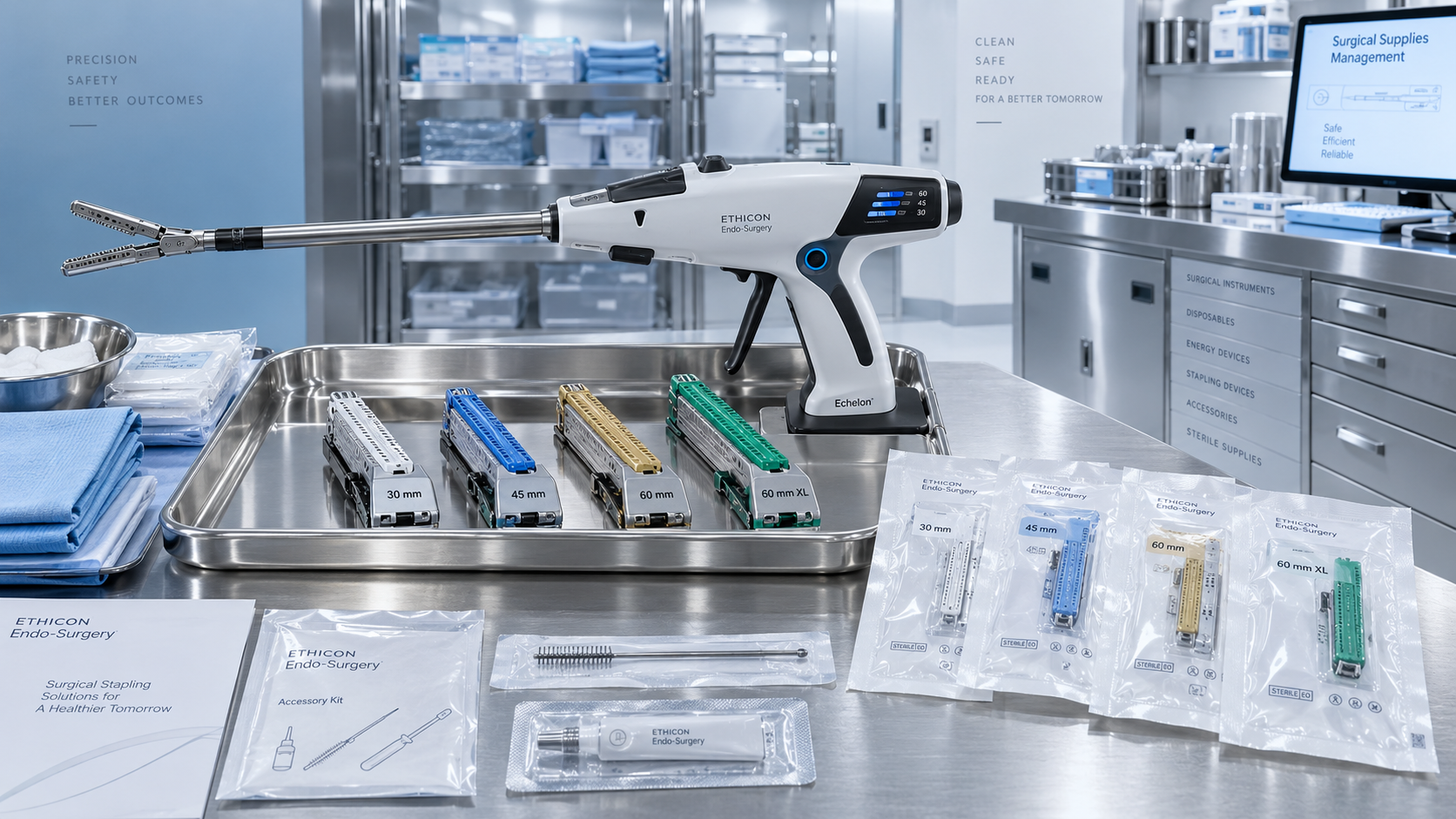
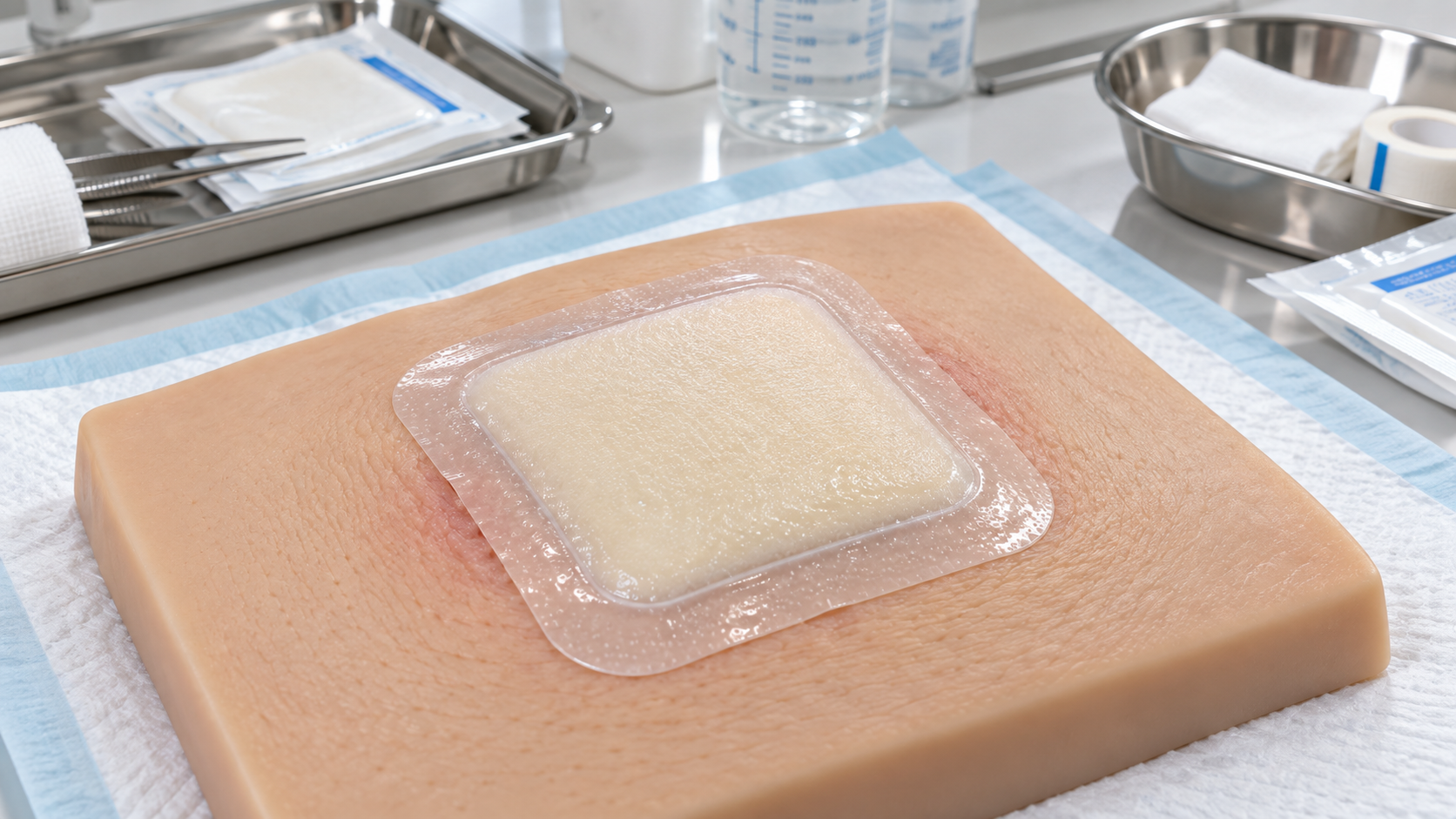
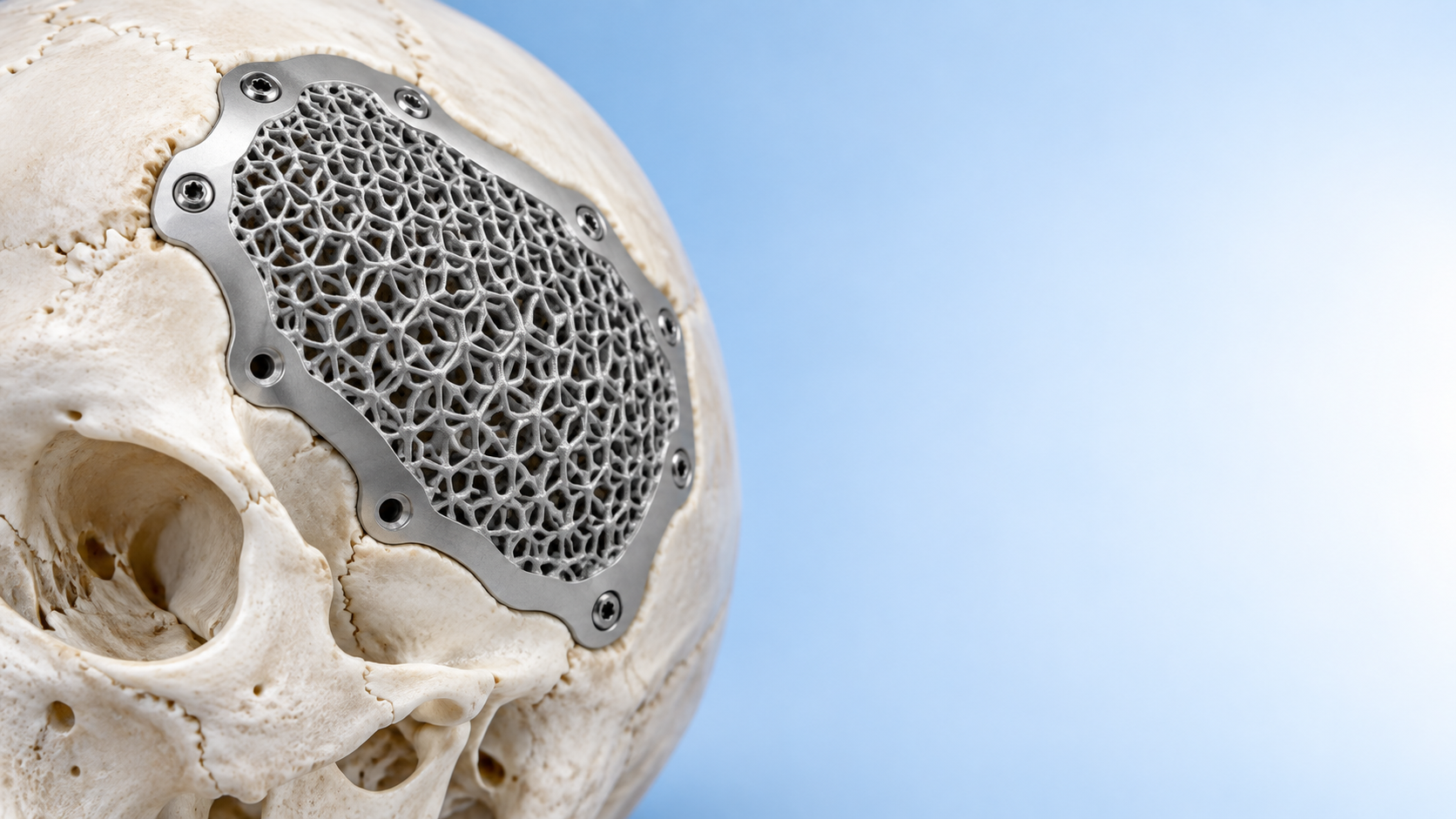
This matters even more for implants, catheters, staplers, advanced wound care, and cardiovascular interventional consumables.
These products sit under intense scrutiny for safety, performance, traceability, and clinical justification.
A practical review of common gaps helps teams build a cleaner path to approval.
Why Early Filing Gaps Hurt More Than Teams Expect
A weak medical consumables regulatory submission rarely fails because of one dramatic mistake.
More often, it breaks down through small inconsistencies that signal weak control.
Reviewers compare claims, tests, materials, intended use, and labeling line by line.
If those elements do not align, confidence drops quickly.
In practice, early gaps also create internal pressure.
Quality, R&D, clinical, regulatory, and manufacturing may all work from different assumptions.
That disconnect leads to rework, missed timelines, and duplicated testing.
From a compliance standpoint, the strongest signal is consistency.
A solid medical consumables regulatory submission should tell one coherent story from design input to final label.
Gap 1: Biocompatibility Evidence Does Not Match Product Reality
This is one of the most common reasons a medical consumables regulatory submission gets challenged.
Teams may cite ISO 10993, but the test plan does not match actual patient contact.
That mismatch is easy for reviewers to spot.
For example, a catheter, stapler component, or dressing may involve prolonged contact, blood contact, or breached surface contact.
Yet the submission may rely on incomplete endpoints or outdated rationales.
Another frequent problem is ignoring manufacturing residues.
Sterilization byproducts, coating agents, cleaning chemicals, and process lubricants can affect biological safety.
If extractables and leachables logic is weak, the medical consumables regulatory submission loses credibility.
What to fix early
- Map contact type, contact duration, and material exposure to the final device configuration.
- Align biological evaluation plans with ISO 10993 and product-specific risk.
- Justify any omitted endpoint with documented toxicological reasoning.
- Include process residues, coatings, additives, and sterilization effects in the assessment.
For high-risk devices, toxicology review should happen before the dossier is assembled.
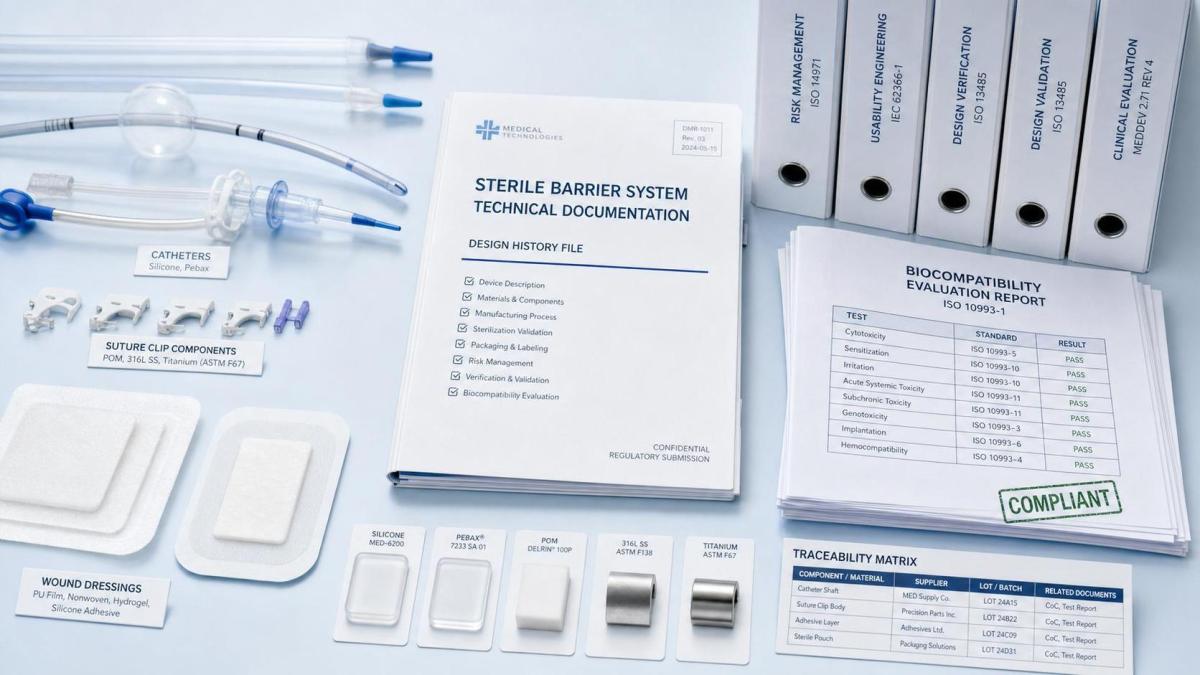
Gap 2: Technical Documentation Looks Complete but Lacks Traceability
Many teams believe the file is complete because every section exists.
Reviewers care less about volume and more about traceability.
A medical consumables regulatory submission should connect design inputs, verification, validation, risk controls, and release criteria.
That chain often breaks in subtle ways.
Performance claims in brochures may exceed what bench testing actually supports.
Material specifications may differ between drawings, supplier files, and test reports.
Product variants may share one report without proper family justification.
For implants and interventional consumables, this can become a major review barrier.
What to fix early
- Build a trace matrix linking intended use, claims, risks, tests, and labels.
- Standardize product descriptions across technical files, IFU, and quality documents.
- Confirm that every product variant fits the submitted evidence set.
- Check revision control before final dossier compilation.
A shorter, cleaner file is often stronger than a large file full of loose ends.
Gap 3: Risk Management Is Generic Instead of Device-Specific
A generic ISO 14971 file is a recurring weakness in medical consumables regulatory submission work.
Templates are useful, but copied hazard lists rarely satisfy regulators.
The risk file should reflect actual use conditions, failure modes, and user interaction.
Take minimally invasive staplers as one example.
Mechanical misfire, malformed staples, tissue thickness variation, and reload confusion need specific controls.
For vascular devices, particulate generation, coating separation, thrombogenicity, and delivery failure may dominate the risk profile.
If these issues are missing or weakly justified, reviewers will ask why.
What to fix early
- Update hazard analysis using real complaint, CAPA, verification, and usability inputs.
- Tie each major risk to a clear control and objective evidence.
- Reassess residual risk after design or process changes.
- Make sure post-market findings feed back into risk review.
A good risk file should feel product-specific, current, and defensible.
Gap 4: Clinical Support Is Too Thin for the Claimed Performance
Clinical evidence expectations are rising across many markets.
A medical consumables regulatory submission cannot rely on broad equivalence claims without careful support.
This is especially true for Class III implants and life-supporting consumables.
Common problems include weak literature screening, poor comparator choice, and missing linkage between clinical outcomes and device features.
Some submissions also overstate real-world evidence that was never designed for regulatory use.
That creates a fragile evidence package.
What to fix early
- Define exactly which claims require clinical backing.
- Use a transparent literature strategy with inclusion and exclusion logic.
- Show equivalence only where design, materials, and clinical use truly align.
- Bridge bench, animal, and human data in one structured argument.
If evidence is limited, narrow the claim before submission instead of defending an overreach later.
Gap 5: Labeling and IFU Do Not Reflect Actual Regulatory Strategy
Labeling is often treated as a final formatting task.
That is a mistake in any medical consumables regulatory submission.
The label and IFU are regulatory evidence, not marketing accessories.
Reviewers check whether indications, contraindications, warnings, storage, sterilization status, and user steps match the technical file.
They also look for usability and risk control alignment.
For example, a warning about blood compatibility or implant handling should not appear without supporting evidence.
At the same time, a known hazard should not be missing from the IFU.
What to fix early
- Review labels and IFU against intended use, risk file, and verification data.
- Remove unsupported claims and ambiguous language.
- Confirm symbols, sterilization statements, and shelf-life details are consistent.
- Include human factors insight where user error could affect safety.
When labeling is clear and controlled, the entire submission reads more reliably.
A Practical Pre-Submission Checkpoint
Before sending a medical consumables regulatory submission, run a focused readiness review.
This should be more than a document count.
It should test whether the evidence package is internally coherent.
This type of checkpoint catches issues while fixes are still manageable.
Build the Submission Before the Submission
The most effective medical consumables regulatory submission starts long before formal compilation.
It starts when teams define the device clearly, test it realistically, and document it consistently.
That approach is especially important in high-value consumables where biocompatibility, precision manufacturing, and clinical performance all intersect.
For organizations tracking orthopedic implants, cardiovascular devices, surgical staplers, polymer catheters, and advanced wound care, the pattern is clear.
Early discipline reduces late-stage surprises.
A stronger filing comes from closing evidence gaps before reviewers have to point them out.
Start with the five gaps above, verify alignment across teams, and make the medical consumables regulatory submission easier to defend from day one.
Get weekly intelligence in your inbox.
No noise. No sponsored content. Pure intelligence.
News Recommendations
 Oct 08, 2026Clinical evaluation requirements for cardiovascular implant devices in EuropeClinical evaluation requirements for cardiovascular implant devices in Europe
 Oct 07, 2026What to verify before appointing an artificial joint implants distributorWhat to verify before appointing an artificial joint implants distributor
 Oct 06, 2026How ISO 10993 guides biocompatibility testing for medical materialsHow ISO 10993 guides biocompatibility testing for medical materials
 Oct 05, 2026How to verify an orthopedic implants and instruments exporterHow to verify an orthopedic implants and instruments exporter
 Oct 04, 2026What drives surgical stapling devices price differences in hospital tenders?What drives surgical stapling devices price differences in hospital tenders?
 Oct 03, 2026How to assess a central venous catheter manufacturer's infection-control evidenceHow to assess a central venous catheter manufacturer's infection-control evidence
 Oct 02, 2026How to assess an advanced wound care factory’s quality systemHow to assess an advanced wound care factory’s quality system
 Oct 01, 2026What is driving global medical consumables demand in emerging markets?What is driving global medical consumables demand in emerging markets?
 Sep 30, 2026Are Foam Wound Dressings Worth the Higher Procurement Cost?Are Foam Wound Dressings Worth the Higher Procurement Cost?
 Sep 30, 2026When Should Silver Wound Dressings Be Avoided?When Should Silver Wound Dressings Be Avoided?
 Sep 30, 2026Is Silicone Foam Dressing Suitable for Heavily Exuding Wounds?Is Silicone Foam Dressing Suitable for Heavily Exuding Wounds?
 Sep 30, 2026How Should Manufacturers Respond to a Biocompatibility Test Failure?How Should Manufacturers Respond to a Biocompatibility Test Failure?
 Sep 30, 2026What Is the Typical CE MDR Review Timeline for High-Risk Devices?What Is the Typical CE MDR Review Timeline for High-Risk Devices?
 Sep 30, 2026How Do FDA and CE MDR Requirements Differ for Implantable Devices?How Do FDA and CE MDR Requirements Differ for Implantable Devices?
 Sep 30, 2026What Are the Main Compliance Risks for Central Venous Access Catheters?What Are the Main Compliance Risks for Central Venous Access Catheters?
 Sep 30, 2026How Should a Surgical Stapler Manufacturer Prepare for a Compliance Audit?How Should a Surgical Stapler Manufacturer Prepare for a Compliance Audit?
 Sep 30, 2026How to assess an orthopedic implant solutions distributor’s traceability systemHow to assess an orthopedic implant solutions distributor’s traceability system
 Sep 29, 2026How a medical device registration strategy can reduce approval delaysHow a medical device registration strategy can reduce approval delays
 Sep 28, 2026How to verify a medical device specification database before useHow to verify a medical device specification database before use
 Sep 27, 2026What to verify before selecting a microcatheters manufacturerWhat to verify before selecting a microcatheters manufacturer
 Sep 26, 2026How to verify FDA compliance for medical device materialsHow to verify FDA compliance for medical device materials
 Sep 25, 2026When does a porous 3D-printed cranial implant improve fixation?When does a porous 3D-printed cranial implant improve fixation?
 Sep 24, 2026When are bovine pericardial valves suitable for transcatheter aortic valve replacement?When are bovine pericardial valves suitable for transcatheter aortic valve replacement?
 Sep 23, 2026How to verify the sterility assurance of surgical devicesHow to verify the sterility assurance of surgical devices
 Sep 22, 2026How to assess a spinal implants manufacturer’s quality systemHow to assess a spinal implants manufacturer’s quality system
 Sep 21, 2026How to assess an osseointegration technology manufacturer’s quality systemHow to assess an osseointegration technology manufacturer’s quality system
 Sep 20, 2026Medical material science trends reshaping biocompatibility testingMedical material science trends reshaping biocompatibility testing