Medical Device Specification Guidance for Consumables
Why does medical device specification guidance for consumables matter so much?

Medical device specification guidance for consumables is not a paperwork exercise. It is the working language behind safety, consistency, and commercial viability.
In practice, a weak specification creates hidden failure points. Materials may pass one test, yet fail in sterilization, shelf life, or tissue contact conditions.
That risk is especially visible in orthopedic implants, DES platforms, staplers, catheters, and advanced wound care. These products work at tight biological and dimensional limits.
A useful medical device specification guidance consumables framework connects four questions at once: what the device must do, what the material can tolerate, what the process can reproduce, and what regulators will accept.
This is also why IMCS tracks both engineering and policy signals. For high-value consumables, specification quality affects clinical outcomes, CE MDR or FDA readiness, and even VBP competitiveness.
A titanium staple, a hydrophilic catheter, or a silicone foam dressing may look simple on a drawing. The specification behind it rarely is.
When does a specification become decision-grade rather than descriptive?
A decision-grade specification does more than describe size and material. It defines acceptance logic that can survive design review, verification, and regulatory scrutiny.
More commonly, strong medical device specification guidance for consumables includes measurable limits for chemistry, mechanics, interfaces, packaging, and process stability.
For example, a catheter specification should not stop at polymer grade. It should also address kink resistance, burst pressure, lubricity retention, particulate risk, and compatibility with sterilization.
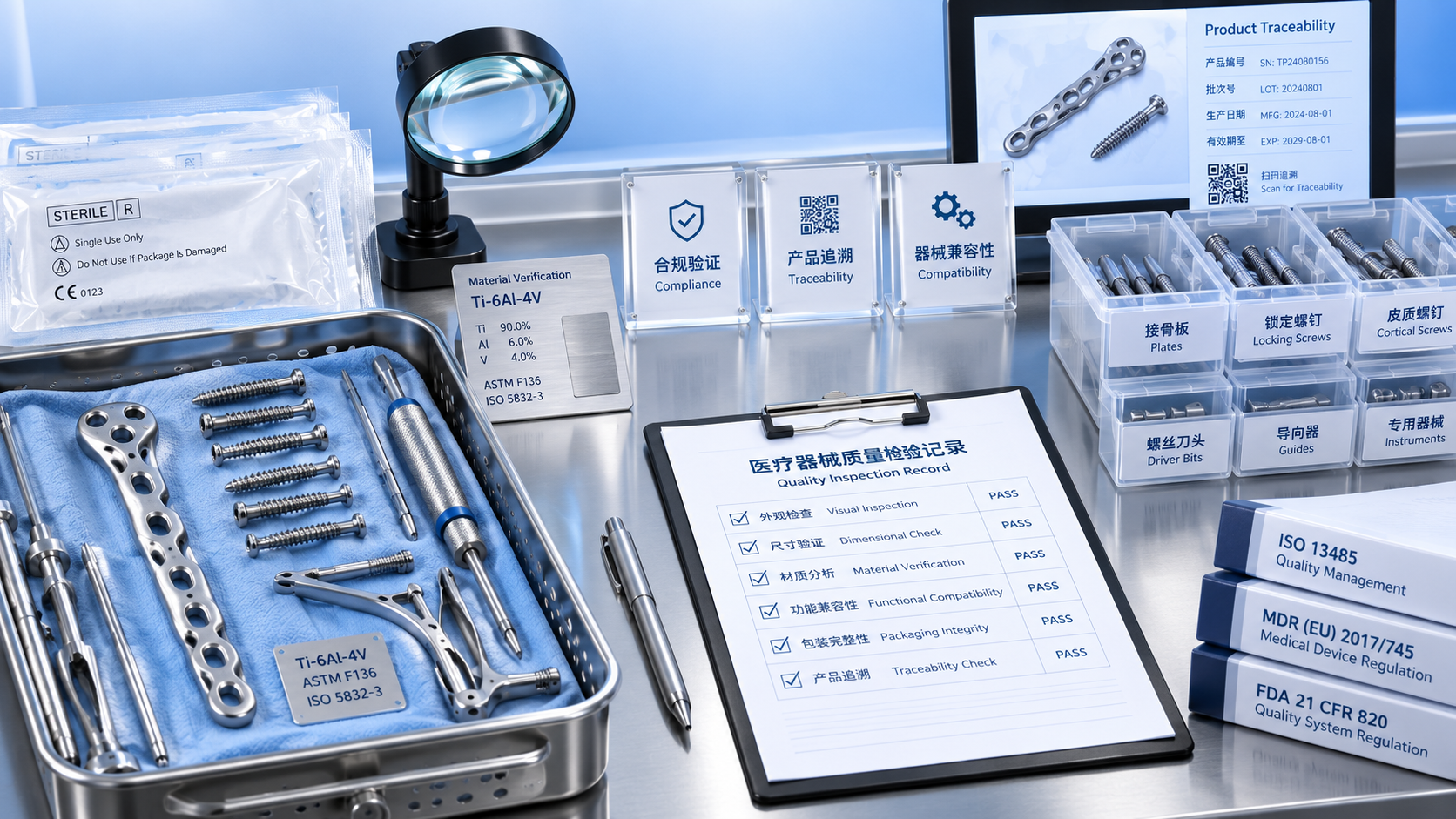
For orthopedic systems, porosity, surface roughness, fatigue behavior, and fixation interface performance often matter as much as base alloy identity.
The same logic applies to cardiovascular consumables. A stent or valve platform must tie dimensional precision to radial force, coating integrity, delivery behavior, and clinical evidence expectations.
A practical review usually checks whether each requirement is linked to one of three anchors:
- Clinical function, such as sealing, fixation, flow restoration, or tissue closure.
- Biological safety, especially under ISO 10993 contact conditions and exposure duration.
- Process reproducibility, including machining, molding, coating, printing, and packaging controls.
If a requirement cannot be tested, justified, or traced, it is usually not specification guidance. It is only a note.
Which specification sections deserve the closest attention first?
The fastest way to review medical device specification guidance consumables is to focus on sections where failure changes patient outcome or regulatory classification.
That usually starts with material definition. Trade name alone is not enough. Resin family, alloy condition, additive package, coating composition, and supplier change rules should be clear.
Next comes the performance envelope. This section should translate clinical intent into testable thresholds, not broad claims.
Biocompatibility is another early checkpoint. IMCS often highlights this because biological risk is rarely isolated from processing residues, surface treatment, or packaging interaction.
Sterilization and packaging should also be reviewed early. A material may perform well before gamma, EO, or steam exposure, then drift outside limits afterward.
The table below helps organize a first-pass judgment.
How should different consumable categories be judged without using one template for all?
This is where many reviews drift off course. Medical device specification guidance for consumables should be consistent in method, but not identical across categories.
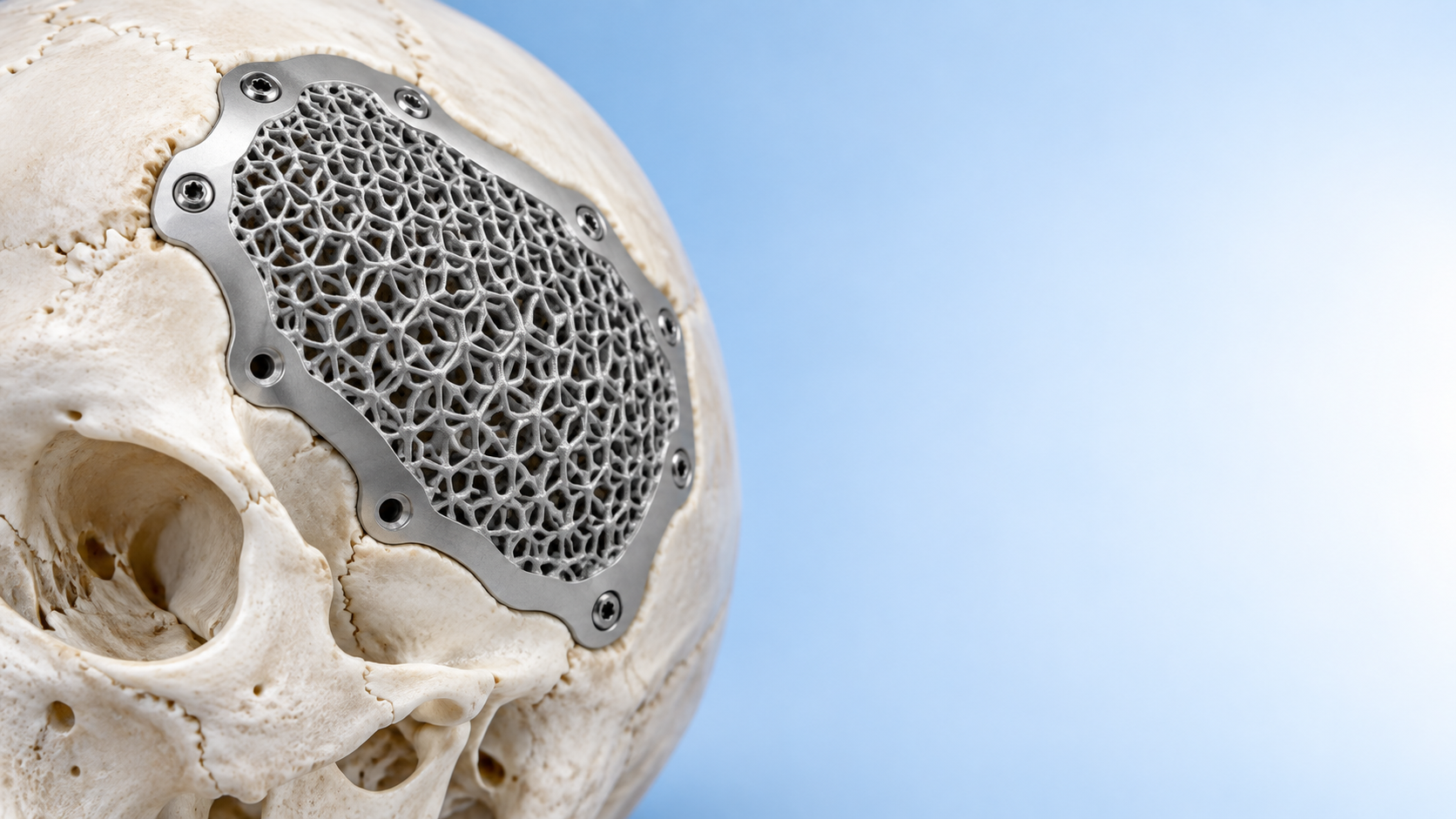
Orthopedic implants need deep attention to osseointegration surfaces, fatigue, wear, and long-term fixation. A porous 3D-printed structure requires different acceptance logic than a polished instrument.
Cardiovascular consumables lean harder on deliverability, coating durability, thrombogenic considerations, and dimensional integrity at very small scales.
Staplers depend on firing consistency, staple formation, tissue interaction, and metal geometry control. Minor variation can become a major surgical consequence.
Polymer catheters need a balanced reading of flexibility, pushability, torque response, and blood-contact behavior. Softness alone is not a performance strategy.
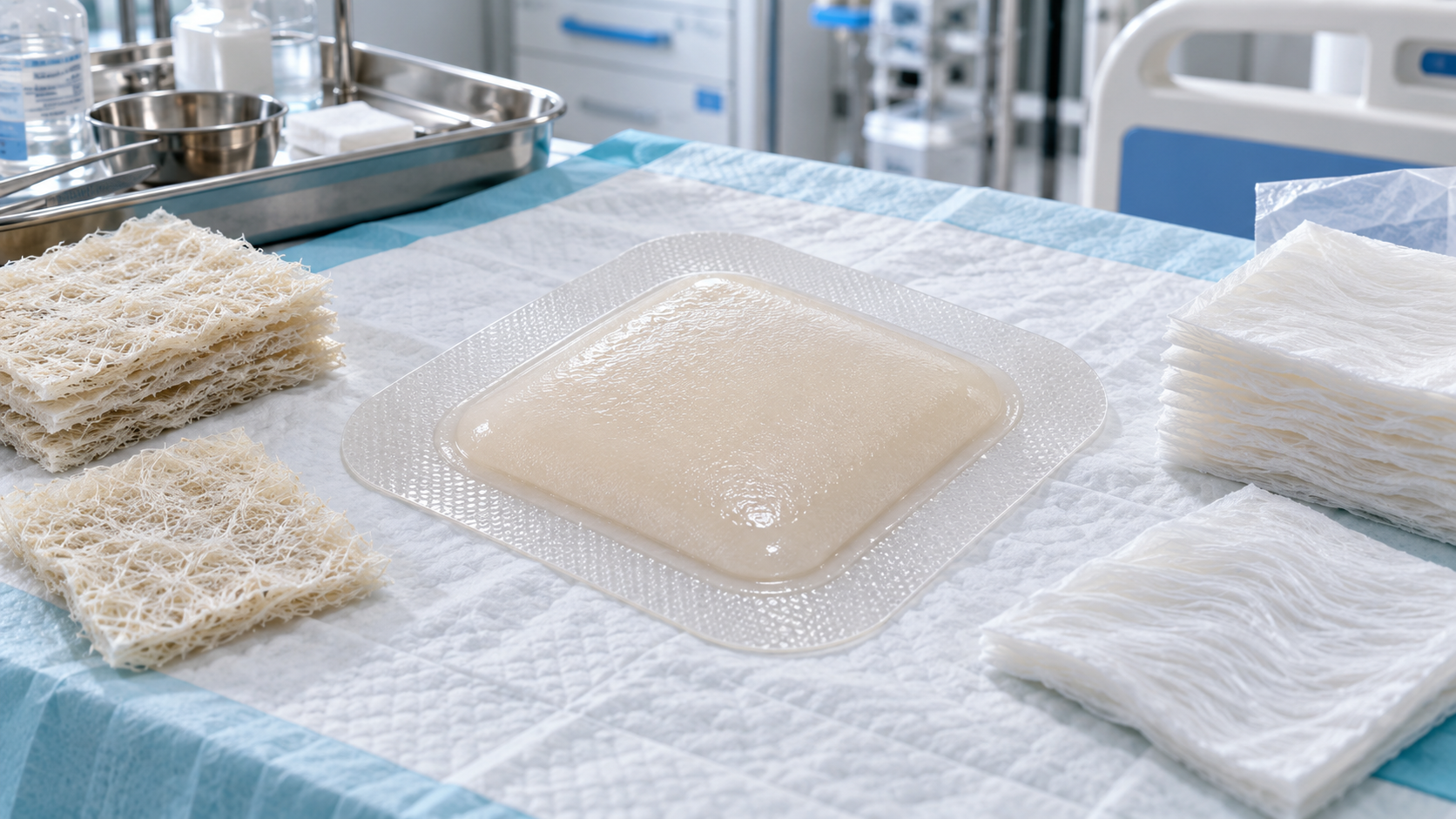
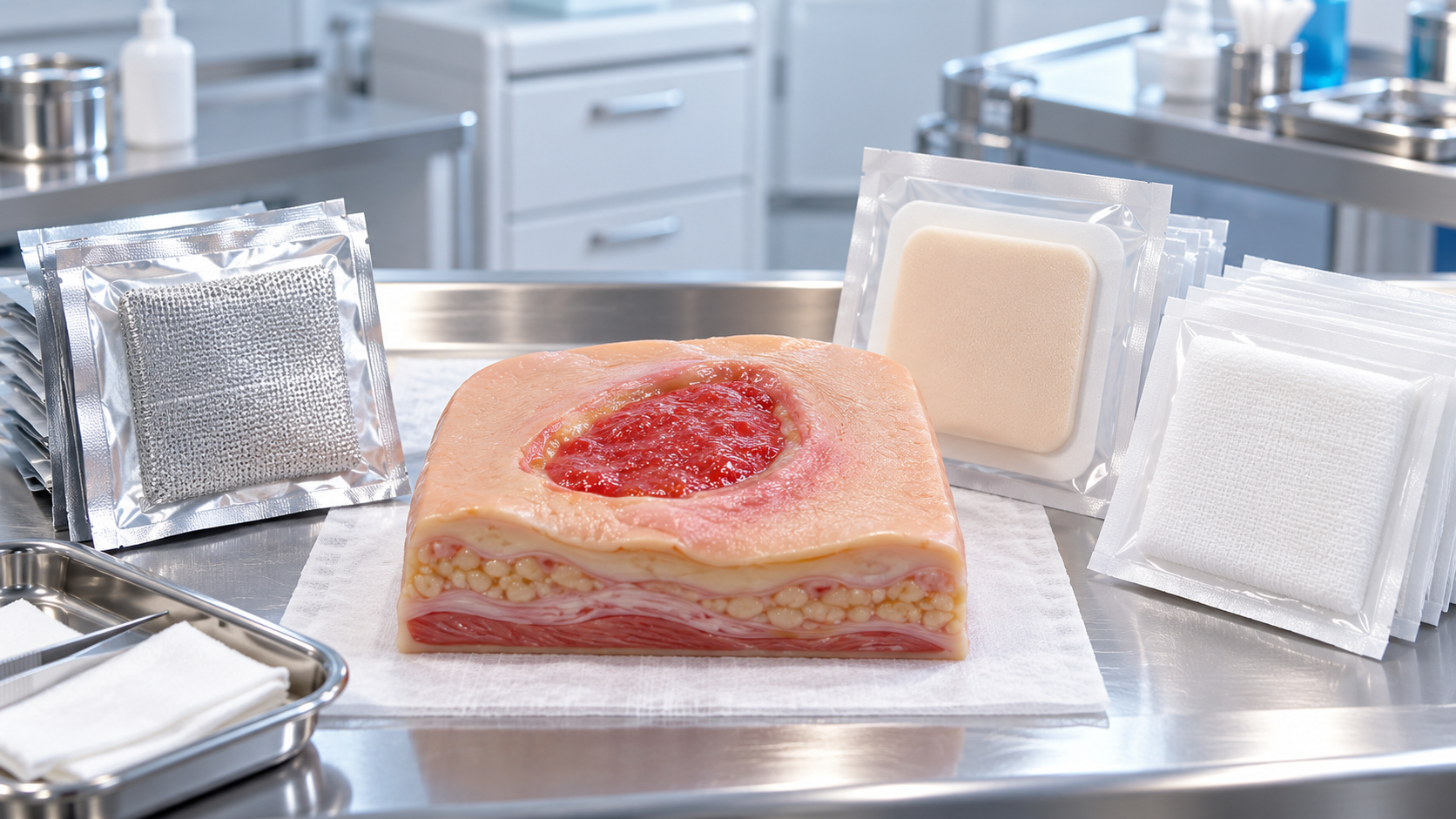
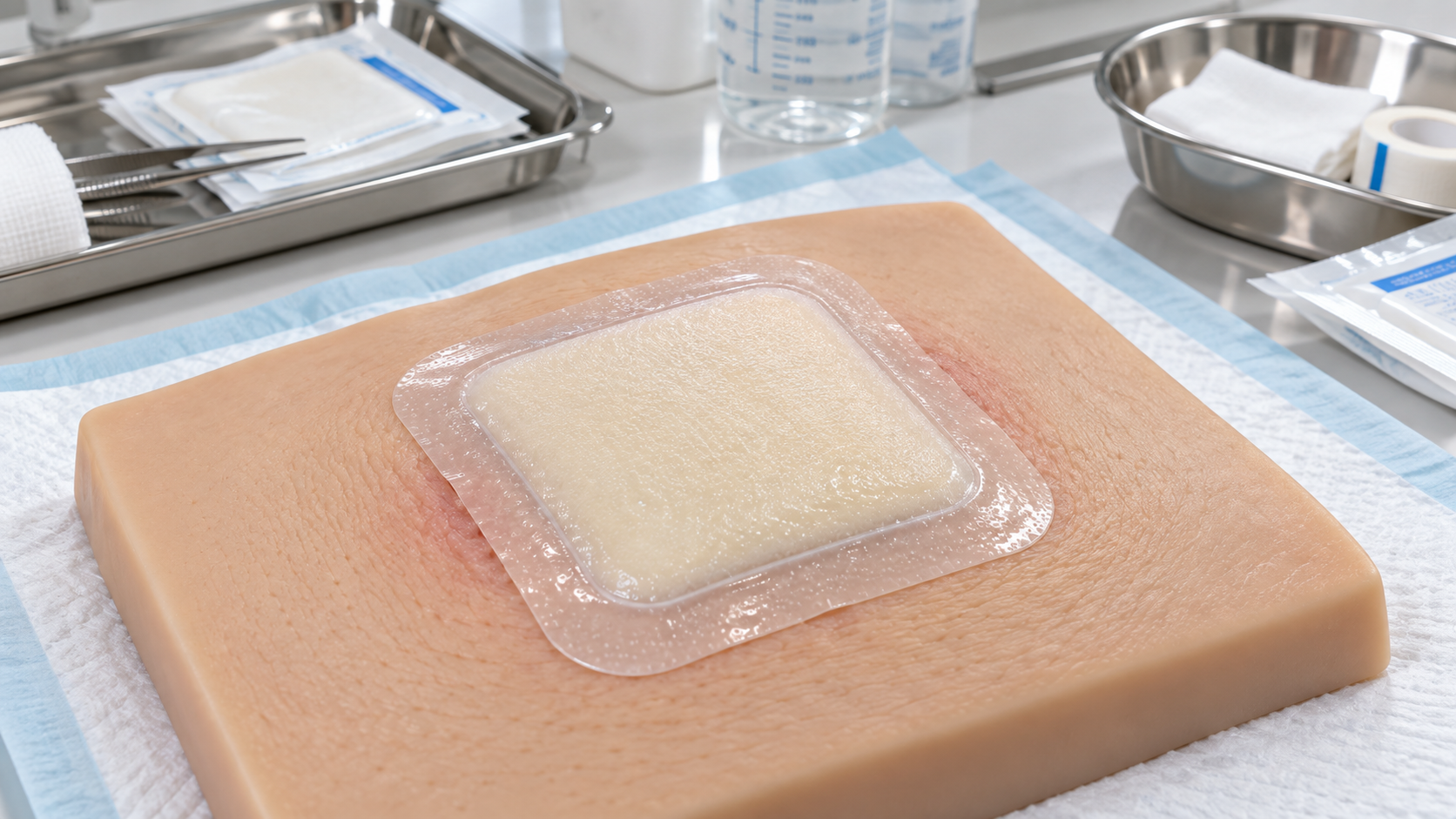
Advanced dressings need absorbency, fluid handling, adhesion behavior, antimicrobial claims control, and wound-contact biocompatibility that fits the intended use.
A practical category-based screen can look like this:
- Implants: long-term mechanical stability, wear, corrosion, and interface biology.
- Interventional devices: micro-scale precision, coating retention, deployment behavior, and vascular compatibility.
- Stapling systems: actuation reliability, staple geometry, tissue compression window, and sterile pack integrity.
- Catheters: flow path performance, kink resistance, lubricity life, and extractables control.
- Dressings: moisture balance, exudate handling, residue risk, and claim substantiation.
This is close to the way IMCS frames its five-pillar market view: every consumable family carries its own technical center of gravity.
Where do teams usually misread compliance risk?
The most common mistake is assuming compliance begins after engineering decisions are finished. In reality, regulatory strength is built into the specification from the start.
One frequent gap is biocompatibility logic that ignores processing history. Dr. Helena Vance's kind of toxicology review matters because cytotoxicity or sensitization risk may come from residues, not base material.
Another gap appears in clinical justification. High-risk implants and advanced interventions often need specification choices that can support CER narratives under CE MDR, not only bench reports.
There is also a commercial blind spot. Specifications that are technically elegant but impossible to scale may struggle under cost pressure, especially in VBP-shaped markets.
More realistic medical device specification guidance consumables asks whether the requirement is defensible across three fronts:
- Can it be validated with repeatable methods?
- Can it be justified clinically and biologically?
- Can it be manufactured at stable yield and acceptable cost?
If one answer is weak, the specification usually needs revision, not decoration.
What is a practical review path before locking the specification?
A good final review is less about reading every line twice and more about testing the logic chain from intended use to released product.
Start by mapping intended use, body contact, duration, and clinical failure modes. This keeps the medical device specification guidance for consumables anchored to real use conditions.
Then compare critical requirements against verification methods. Missing methods, vague sampling, or borrowed limits from unrelated products should be challenged early.
After that, look at change sensitivity. Consumables often shift performance after supplier changes, coating adjustments, mold maintenance, or sterilization cycle updates.
Before approval, it helps to confirm this short checklist:
- Critical-to-quality parameters are explicitly flagged.
- Test methods match the final finished state.
- Shelf-life claims reflect real packaging configuration.
- Regulatory references are specific, not decorative.
- Manufacturing tolerances match process capability data.
In simple terms, the best specifications are not the longest. They are the ones that remain clear under audit, testing, and real clinical use.
For the next step, review one consumable family at a time, rank critical parameters, and align material, performance, and compliance evidence in the same file set.
That approach usually reveals where decisions are solid, where assumptions remain untested, and where specification updates will deliver the highest practical value.
Get weekly intelligence in your inbox.
No noise. No sponsored content. Pure intelligence.
News Recommendations
 Oct 08, 2026Clinical evaluation requirements for cardiovascular implant devices in EuropeClinical evaluation requirements for cardiovascular implant devices in Europe
 Oct 07, 2026What to verify before appointing an artificial joint implants distributorWhat to verify before appointing an artificial joint implants distributor
 Oct 06, 2026How ISO 10993 guides biocompatibility testing for medical materialsHow ISO 10993 guides biocompatibility testing for medical materials
 Oct 05, 2026How to verify an orthopedic implants and instruments exporterHow to verify an orthopedic implants and instruments exporter
 Oct 04, 2026What drives surgical stapling devices price differences in hospital tenders?What drives surgical stapling devices price differences in hospital tenders?
 Oct 03, 2026How to assess a central venous catheter manufacturer's infection-control evidenceHow to assess a central venous catheter manufacturer's infection-control evidence
 Oct 02, 2026How to assess an advanced wound care factory’s quality systemHow to assess an advanced wound care factory’s quality system
 Oct 01, 2026What is driving global medical consumables demand in emerging markets?What is driving global medical consumables demand in emerging markets?
 Sep 30, 2026Does Moist Wound Healing Reduce Dressing Change Frequency?Does Moist Wound Healing Reduce Dressing Change Frequency?
 Sep 30, 2026Are Foam Wound Dressings Worth the Higher Procurement Cost?Are Foam Wound Dressings Worth the Higher Procurement Cost?
 Sep 30, 2026When Should Silver Wound Dressings Be Avoided?When Should Silver Wound Dressings Be Avoided?
 Sep 30, 2026Is Silicone Foam Dressing Suitable for Heavily Exuding Wounds?Is Silicone Foam Dressing Suitable for Heavily Exuding Wounds?
 Sep 30, 2026How Should Manufacturers Respond to a Biocompatibility Test Failure?How Should Manufacturers Respond to a Biocompatibility Test Failure?
 Sep 30, 2026What Is the Typical CE MDR Review Timeline for High-Risk Devices?What Is the Typical CE MDR Review Timeline for High-Risk Devices?
 Sep 30, 2026How Do FDA and CE MDR Requirements Differ for Implantable Devices?How Do FDA and CE MDR Requirements Differ for Implantable Devices?
 Sep 30, 2026What Are the Main Compliance Risks for Central Venous Access Catheters?What Are the Main Compliance Risks for Central Venous Access Catheters?
 Sep 30, 2026How Should a Surgical Stapler Manufacturer Prepare for a Compliance Audit?How Should a Surgical Stapler Manufacturer Prepare for a Compliance Audit?
 Sep 30, 2026How to assess an orthopedic implant solutions distributor’s traceability systemHow to assess an orthopedic implant solutions distributor’s traceability system
 Sep 29, 2026How a medical device registration strategy can reduce approval delaysHow a medical device registration strategy can reduce approval delays
 Sep 28, 2026How to verify a medical device specification database before useHow to verify a medical device specification database before use
 Sep 27, 2026What to verify before selecting a microcatheters manufacturerWhat to verify before selecting a microcatheters manufacturer
 Sep 26, 2026How to verify FDA compliance for medical device materialsHow to verify FDA compliance for medical device materials
 Sep 25, 2026When does a porous 3D-printed cranial implant improve fixation?When does a porous 3D-printed cranial implant improve fixation?
 Sep 24, 2026When are bovine pericardial valves suitable for transcatheter aortic valve replacement?When are bovine pericardial valves suitable for transcatheter aortic valve replacement?
 Sep 23, 2026How to verify the sterility assurance of surgical devicesHow to verify the sterility assurance of surgical devices
 Sep 22, 2026How to assess a spinal implants manufacturer’s quality systemHow to assess a spinal implants manufacturer’s quality system
 Sep 21, 2026How to assess an osseointegration technology manufacturer’s quality systemHow to assess an osseointegration technology manufacturer’s quality system