How to Screen Medical Consumables Platform Suppliers
How to Screen Medical Consumables Platform Suppliers

Choosing medical consumables platform suppliers is no longer a simple price exercise.
Procurement teams now face tighter regulation, faster product iteration, and stronger pressure on total cost.
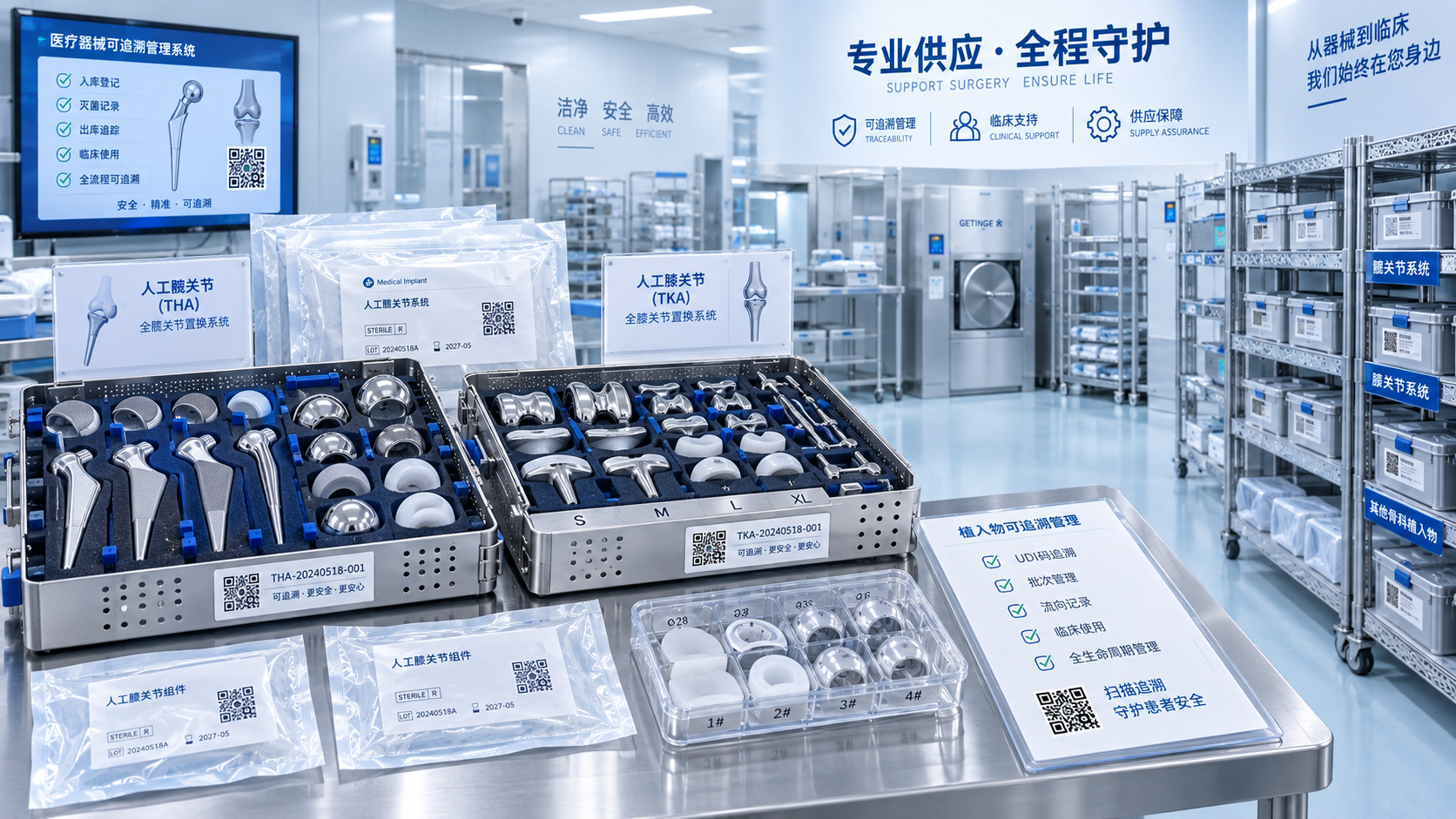
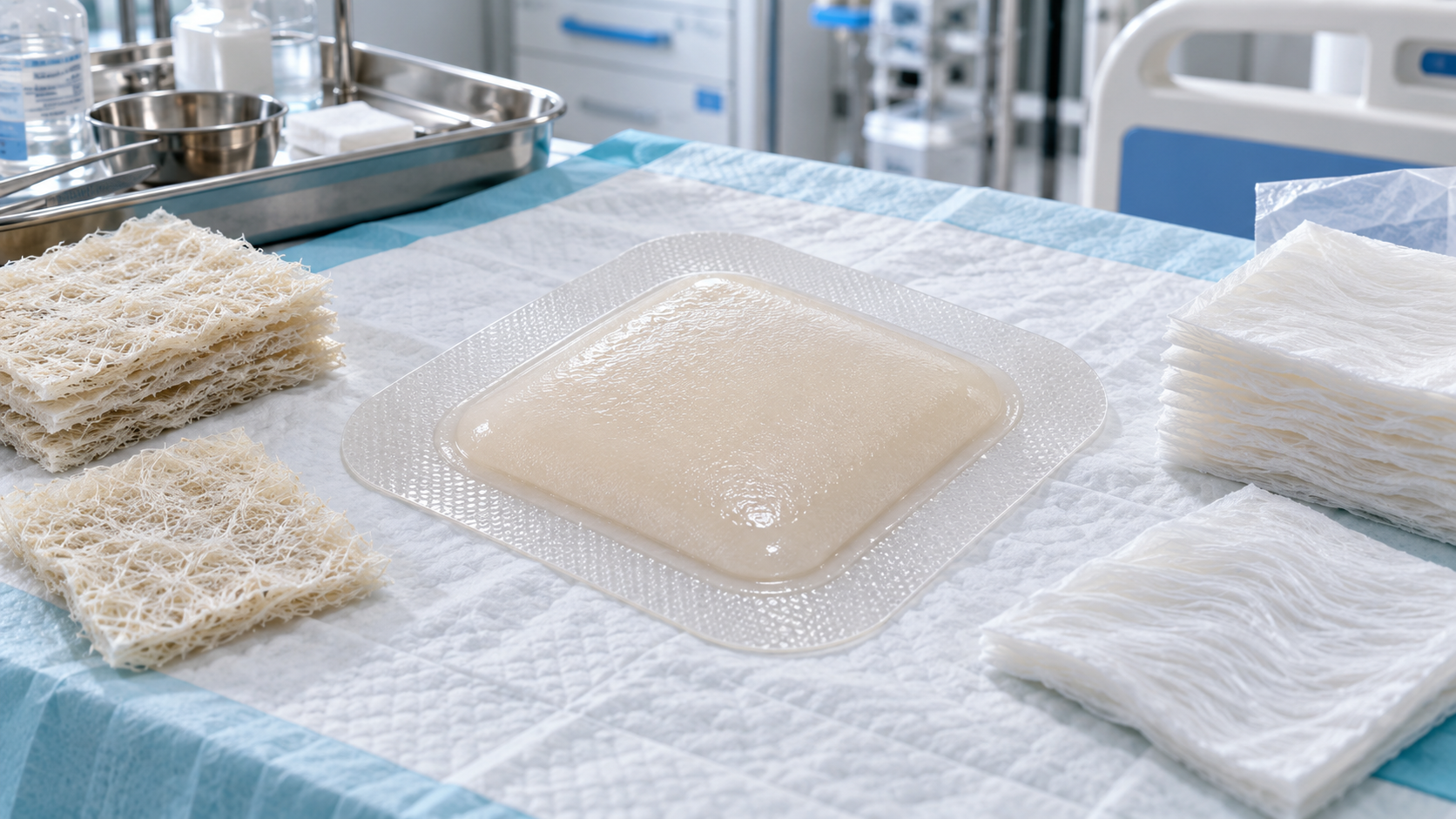
That is especially true in orthopedic implants, cardiovascular devices, minimally invasive consumables, and advanced wound care.
A strong supplier platform does more than list products.
It helps verify compliance, compare technical quality, read market shifts, and reduce sourcing risk before contracts are signed.
In practical terms, the best medical consumables platform suppliers combine product access with intelligence.
That includes regulatory screening, supply continuity checks, pricing signals, and visibility into clinical use trends.
This guide breaks down how to assess medical consumables platform suppliers in a way that supports clear purchasing decisions.
Start with Product Fit, Not Catalog Size
Large catalogs look impressive, but breadth alone does not make a supplier platform useful.
The first question is whether the platform matches actual purchasing categories and clinical application needs.
For example, orthopedic lines require different screening logic than polymer catheters or negative pressure wound care systems.
Look for category depth in high-value segments.
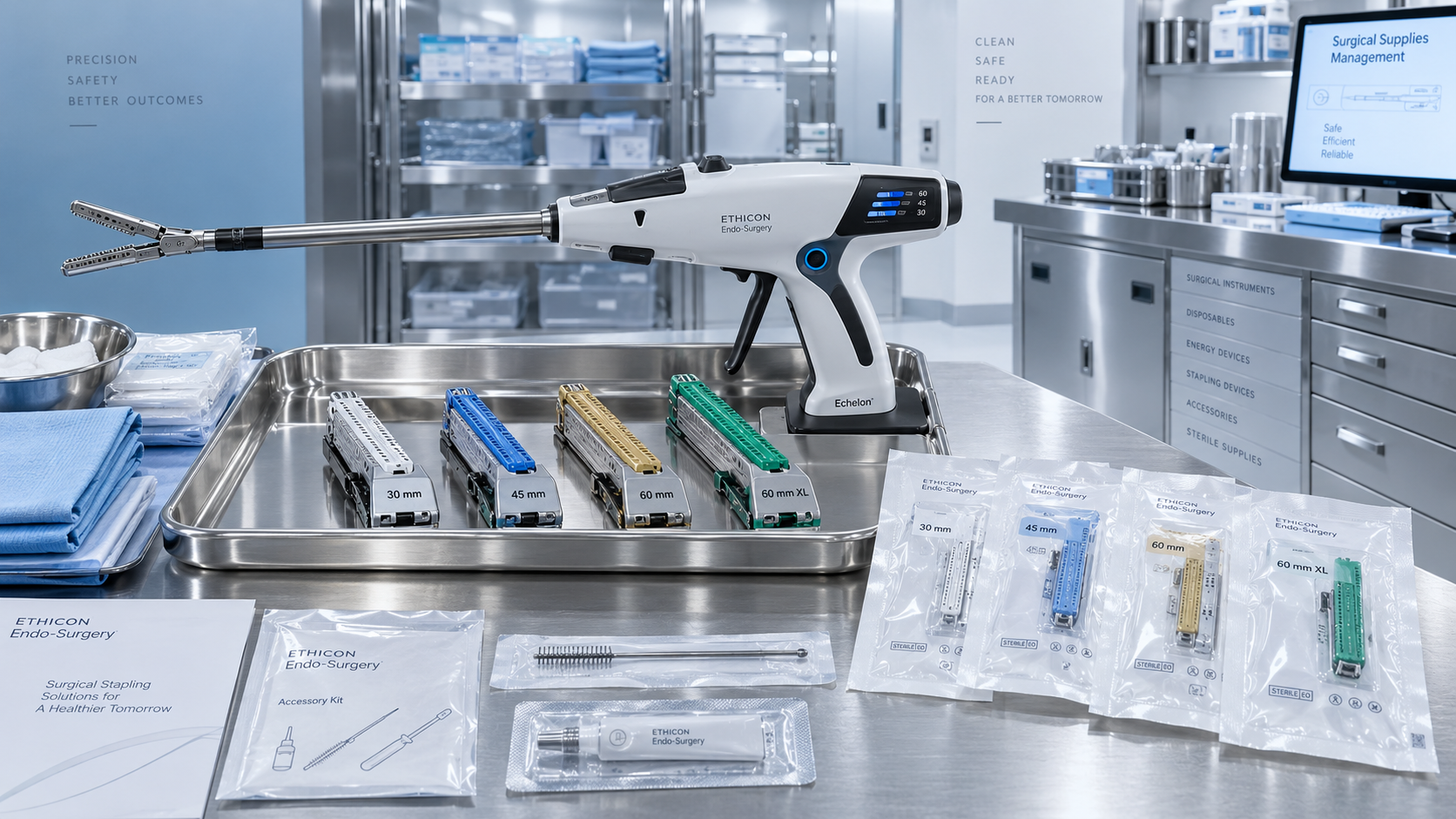
That means detailed coverage of implants, staplers, dressings, interventional consumables, and supporting instruments where relevant.
Good medical consumables platform suppliers also show meaningful product differentiation.
You should be able to compare materials, indications, sterilization methods, packaging units, and compatibility requirements.
If the platform only offers generic descriptions, supplier selection becomes guesswork.
Key Product Screening Questions
- Does the platform cover the exact clinical category being sourced?
- Are specifications complete enough for side-by-side evaluation?
- Can product variants be traced by size, material, coating, or design generation?
- Are discontinued, legacy, and replacement models clearly marked?
Check Regulatory Depth Before Price Discussions
Among all criteria, regulatory strength is often the clearest filter for medical consumables platform suppliers.
A low quote loses value fast when registration gaps or audit failures delay market access.
Strong platforms provide visibility into approval status, product classification, and evidence quality.
For Class III devices, this point becomes even more important.
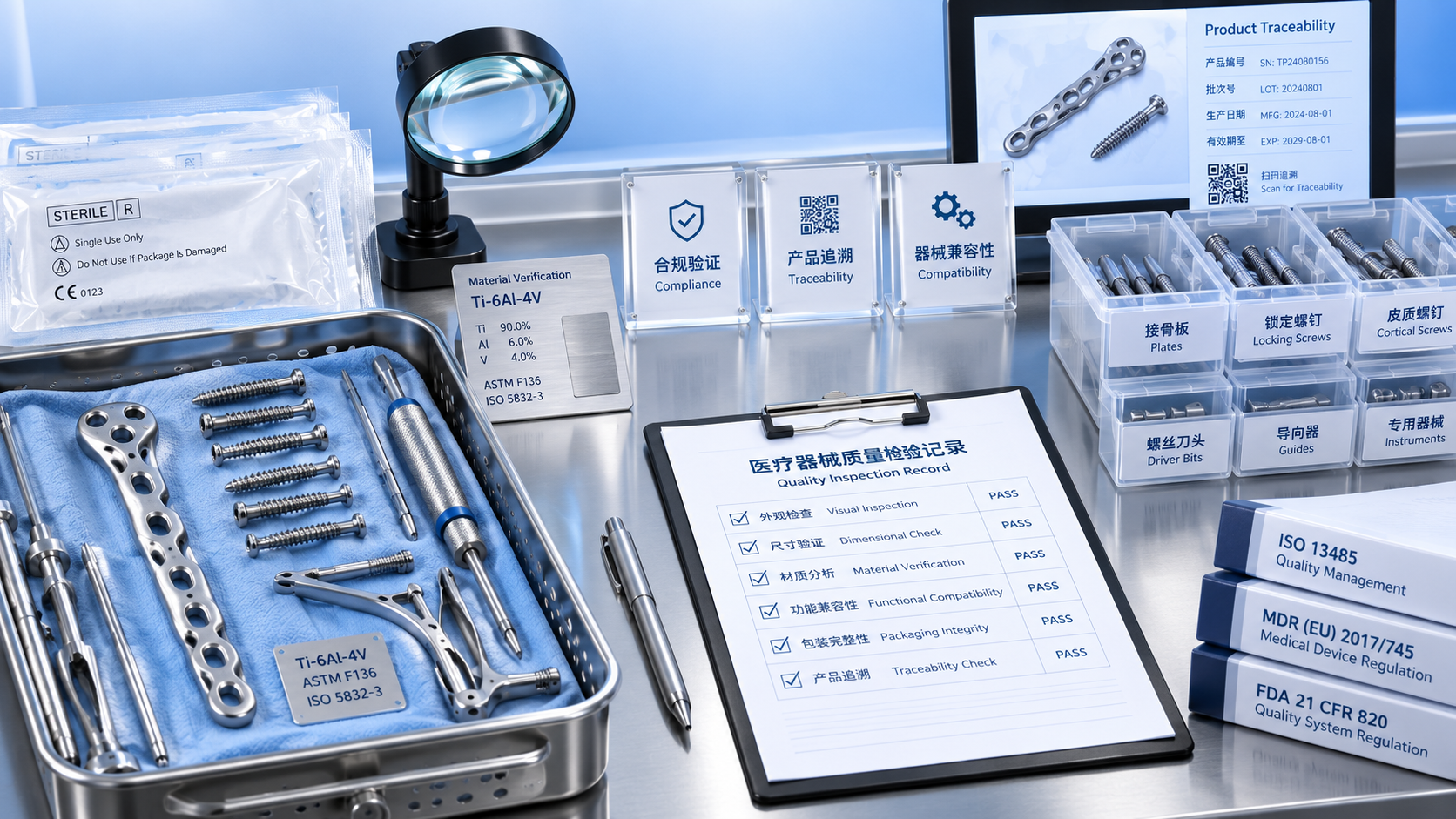
Procurement decisions should consider CE MDR readiness, FDA pathway relevance, ISO 13485 alignment, and biocompatibility evidence such as ISO 10993 testing.
In actual sourcing work, the better signal is not whether a supplier claims compliance.
It is whether the platform can present structured compliance records and explain their current status.
What to Verify
- Registration certificates and renewal timelines
- Applicable standards and testing scope
- Clinical evaluation or post-market evidence availability
- Recall history, warning letters, or unresolved quality actions
Reliable medical consumables platform suppliers make these checks easier, faster, and less dependent on manual chasing.
Assess Manufacturing Consistency and Supply Resilience
Compliance opens the door, but supply performance decides daily value.
This is where many medical consumables platform suppliers start to separate from each other.
A platform should help you understand not only who makes the product, but how stable that production really is.
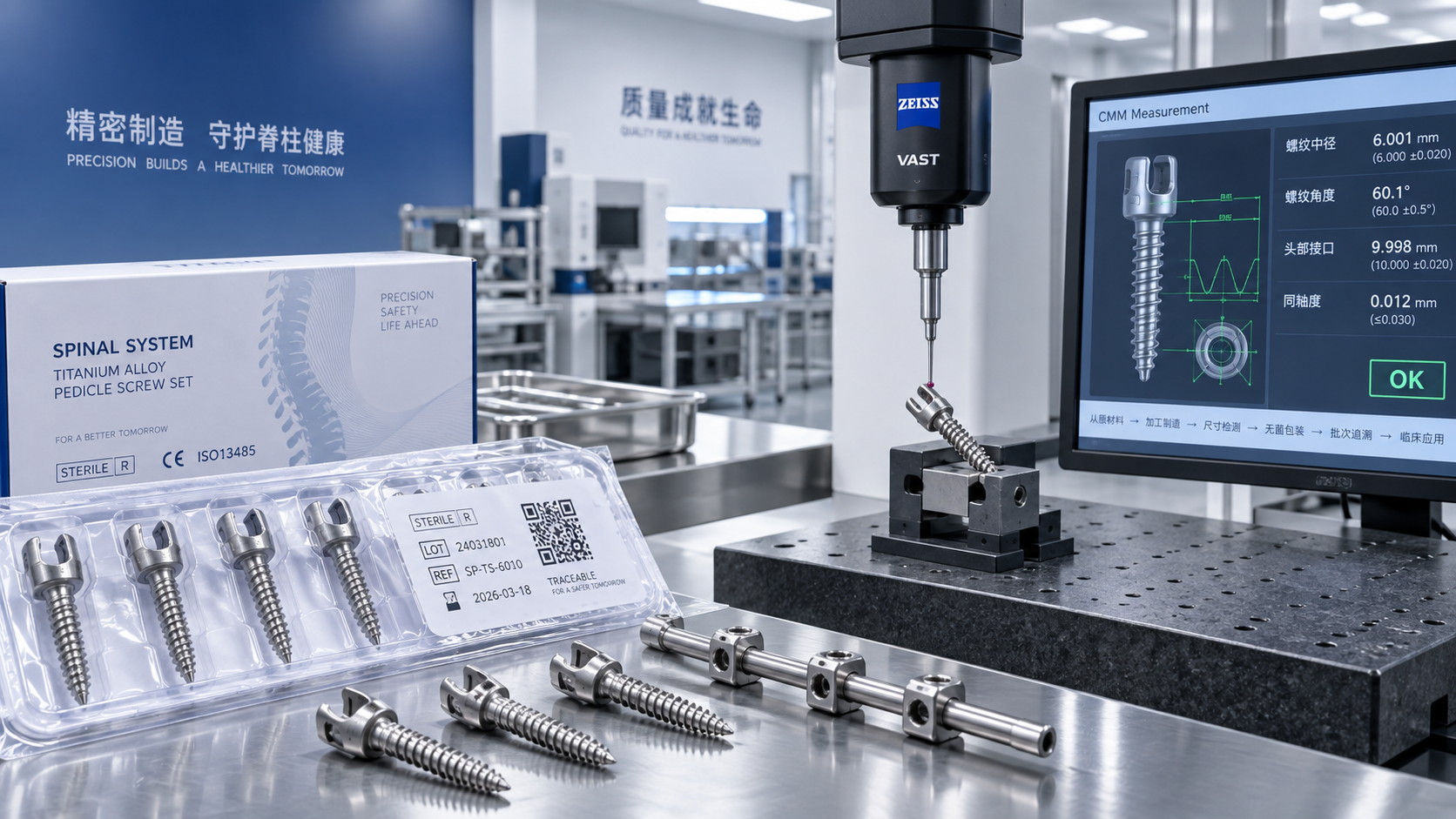
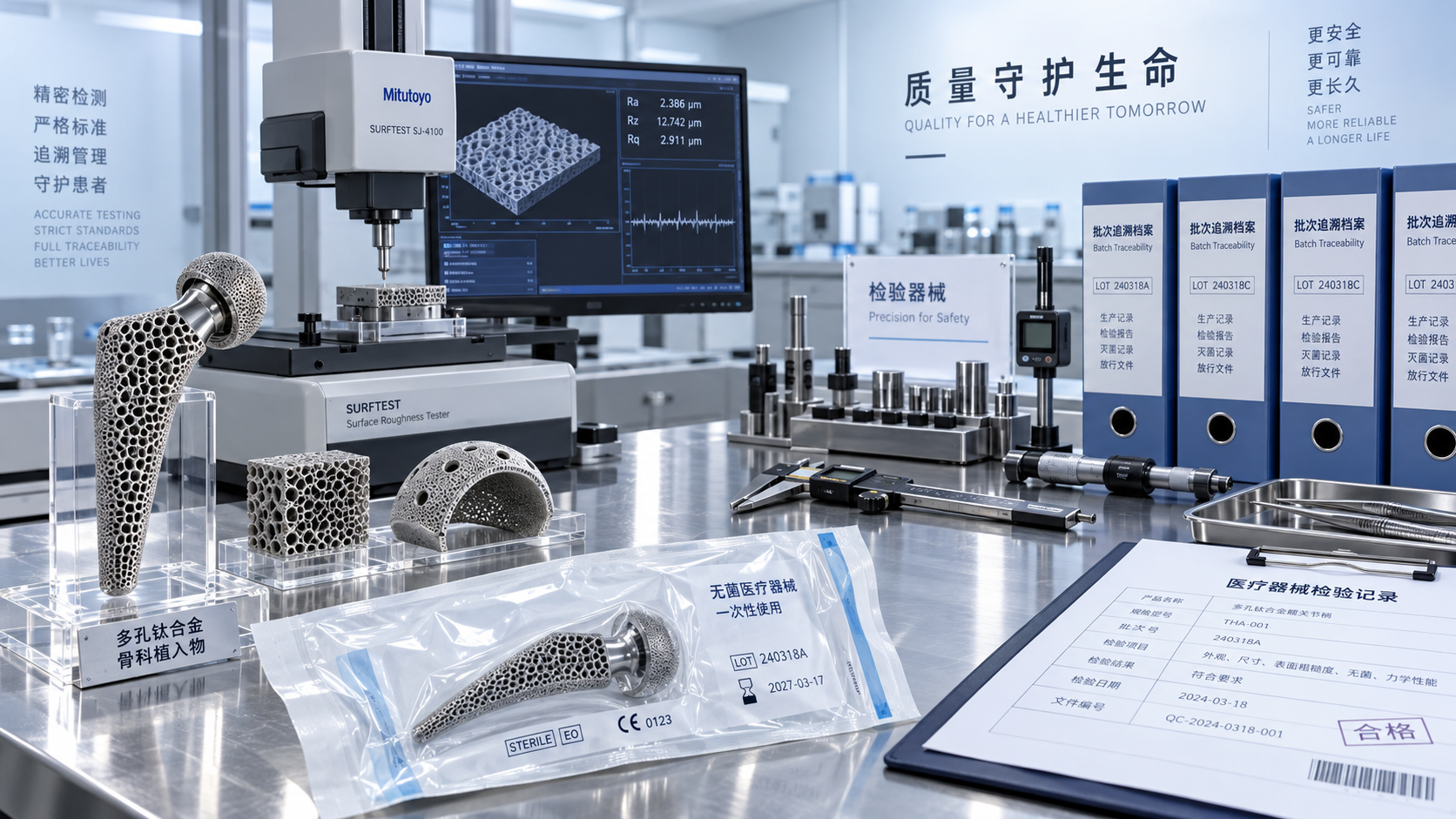
For implants and interventional devices, micron-level precision and material consistency directly affect safety and outcomes.
For dressings and catheters, coating uniformity, sterility control, and packaging integrity matter just as much.
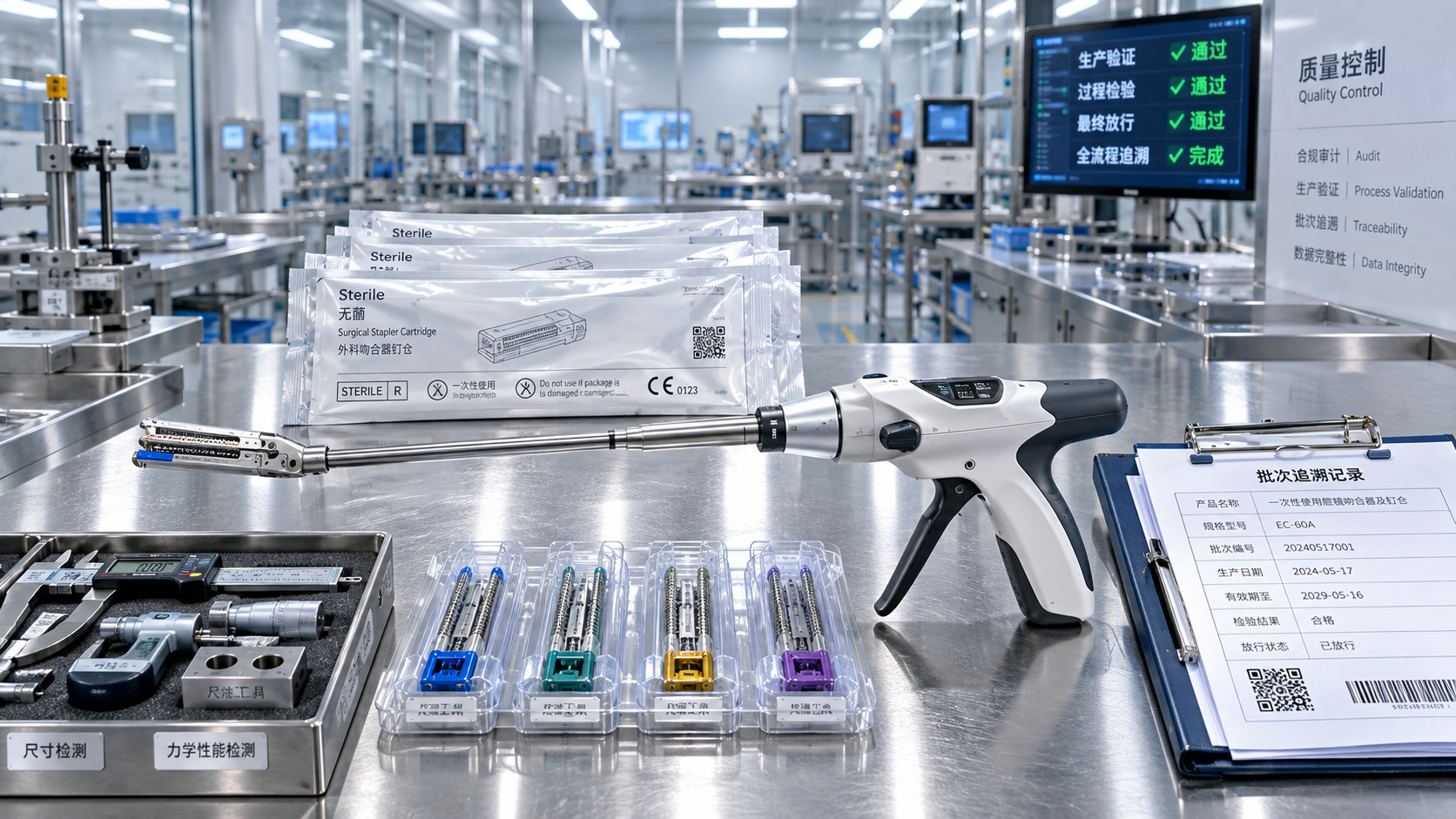
A capable platform should reveal production capacity, major site locations, quality system maturity, and continuity planning.
Recent market changes make this non-negotiable.
Geopolitical shocks, logistics disruptions, and raw material swings can turn a low-cost source into an unstable one.
Practical Risk Signals
- Single-site dependence for critical product lines
- Frequent back orders or inconsistent lead times
- Weak lot traceability or incomplete quality records
- Limited sterilization or packaging validation detail
The best medical consumables platform suppliers support dual-sourcing analysis and make capacity risk visible early.
Look Beyond Unit Price to Total Procurement Value
Price still matters, especially under VBP pressure and broader cost-control programs.
But screening medical consumables platform suppliers by price alone creates avoidable downstream cost.
A slightly higher-priced option may deliver better shelf life, lower defect rates, cleaner documentation, and fewer emergency substitutions.
That usually means lower total procurement friction over time.
Useful medical consumables platform suppliers help model total value across sourcing scenarios.
This includes landed cost, forecast reliability, contract flexibility, rebate structure, and replacement risk.
For high-value consumables, the hidden cost of poor selection is often much larger than the initial savings.
A Simple Evaluation Table
Use Market Intelligence as a Supplier Filter
This is where advanced medical consumables platform suppliers create real strategic value.
Good platforms do not just provide supplier names.
They connect products with policy shifts, regulatory trends, technology movement, and pricing direction.
In the current market, that intelligence can materially improve selection timing.
For example, changes in VBP policy can rapidly alter the commercial viability of certain stents or orthopedic consumables.
At the same time, shifts toward biodegradable materials, smart minimally invasive systems, and personalized implant design can reshape future demand.
Platforms such as IMCS stand out when they combine supplier access with deep sector intelligence.
That is particularly useful in complex categories where biology, engineering, and regulation intersect.
What Strong Intelligence Looks Like
- Category-level regulatory interpretation
- Competitive benchmarking by device type
- Early warning on policy and pricing pressure
- Insight into material and manufacturing trends
Build a Repeatable Screening Process
The most effective teams do not evaluate medical consumables platform suppliers from scratch every time.
They use a repeatable process with clear scoring rules.
That improves consistency, shortens review cycles, and makes internal decisions easier to defend.
A practical workflow can stay simple while still being rigorous.
- Define the target category, use case, and minimum compliance threshold.
- Shortlist medical consumables platform suppliers with relevant category depth.
- Review regulatory evidence, manufacturing stability, and risk history.
- Compare total procurement value, not only headline pricing.
- Track policy, technology, and market intelligence before final award.
That process is especially important when sourcing high-risk or high-value product families.
A disciplined approach reduces surprises after onboarding and supports stronger long-term supplier performance.
Final Decision Criteria That Actually Matter
When finalizing a shortlist, focus on the few factors that change outcomes.
The best medical consumables platform suppliers are credible across product relevance, compliance strength, supply resilience, and market intelligence.
They also make complex decisions easier by presenting usable evidence instead of vague claims.
In a market shaped by clinical risk, technical precision, and cost pressure, that kind of visibility matters.
If a platform can connect product data, regulatory insight, and strategic market signals, it deserves closer consideration.
The right screening method helps turn medical consumables platform suppliers from a sourcing list into a dependable decision engine.
That is the standard worth applying before the next purchase cycle begins.
Get weekly intelligence in your inbox.
No noise. No sponsored content. Pure intelligence.
News Recommendations
 Oct 08, 2026Clinical evaluation requirements for cardiovascular implant devices in EuropeClinical evaluation requirements for cardiovascular implant devices in Europe
 Oct 07, 2026What to verify before appointing an artificial joint implants distributorWhat to verify before appointing an artificial joint implants distributor
 Oct 06, 2026How ISO 10993 guides biocompatibility testing for medical materialsHow ISO 10993 guides biocompatibility testing for medical materials
 Oct 05, 2026How to verify an orthopedic implants and instruments exporterHow to verify an orthopedic implants and instruments exporter
 Oct 04, 2026What drives surgical stapling devices price differences in hospital tenders?What drives surgical stapling devices price differences in hospital tenders?
 Oct 03, 2026How to assess a central venous catheter manufacturer's infection-control evidenceHow to assess a central venous catheter manufacturer's infection-control evidence
 Oct 02, 2026How to assess an advanced wound care factory’s quality systemHow to assess an advanced wound care factory’s quality system
 Oct 01, 2026What is driving global medical consumables demand in emerging markets?What is driving global medical consumables demand in emerging markets?
 Sep 30, 2026Does Moist Wound Healing Reduce Dressing Change Frequency?Does Moist Wound Healing Reduce Dressing Change Frequency?
 Sep 30, 2026Are Foam Wound Dressings Worth the Higher Procurement Cost?Are Foam Wound Dressings Worth the Higher Procurement Cost?
 Sep 30, 2026When Should Silver Wound Dressings Be Avoided?When Should Silver Wound Dressings Be Avoided?
 Sep 30, 2026Is Silicone Foam Dressing Suitable for Heavily Exuding Wounds?Is Silicone Foam Dressing Suitable for Heavily Exuding Wounds?
 Sep 30, 2026How Should Manufacturers Respond to a Biocompatibility Test Failure?How Should Manufacturers Respond to a Biocompatibility Test Failure?
 Sep 30, 2026What Is the Typical CE MDR Review Timeline for High-Risk Devices?What Is the Typical CE MDR Review Timeline for High-Risk Devices?
 Sep 30, 2026How Do FDA and CE MDR Requirements Differ for Implantable Devices?How Do FDA and CE MDR Requirements Differ for Implantable Devices?
 Sep 30, 2026What Are the Main Compliance Risks for Central Venous Access Catheters?What Are the Main Compliance Risks for Central Venous Access Catheters?
 Sep 30, 2026How Should a Surgical Stapler Manufacturer Prepare for a Compliance Audit?How Should a Surgical Stapler Manufacturer Prepare for a Compliance Audit?
 Sep 30, 2026How to assess an orthopedic implant solutions distributor’s traceability systemHow to assess an orthopedic implant solutions distributor’s traceability system
 Sep 29, 2026How a medical device registration strategy can reduce approval delaysHow a medical device registration strategy can reduce approval delays
 Sep 28, 2026How to verify a medical device specification database before useHow to verify a medical device specification database before use
 Sep 27, 2026What to verify before selecting a microcatheters manufacturerWhat to verify before selecting a microcatheters manufacturer
 Sep 26, 2026How to verify FDA compliance for medical device materialsHow to verify FDA compliance for medical device materials
 Sep 25, 2026When does a porous 3D-printed cranial implant improve fixation?When does a porous 3D-printed cranial implant improve fixation?
 Sep 24, 2026When are bovine pericardial valves suitable for transcatheter aortic valve replacement?When are bovine pericardial valves suitable for transcatheter aortic valve replacement?
 Sep 23, 2026How to verify the sterility assurance of surgical devicesHow to verify the sterility assurance of surgical devices
 Sep 22, 2026How to assess a spinal implants manufacturer’s quality systemHow to assess a spinal implants manufacturer’s quality system
 Sep 21, 2026How to assess an osseointegration technology manufacturer’s quality systemHow to assess an osseointegration technology manufacturer’s quality system