Implant Commercialization Strategy for Hospital Access: Key Entry Risks
Hospital access is becoming the real gatekeeper for implant growth

An implant launch can look strong on paper and still stall inside provider systems.
That is why implant commercialization strategy hospital planning has moved upstream.
The shift is visible across orthopedics, cardiovascular intervention, MIS consumables, catheters, and advanced wound care.
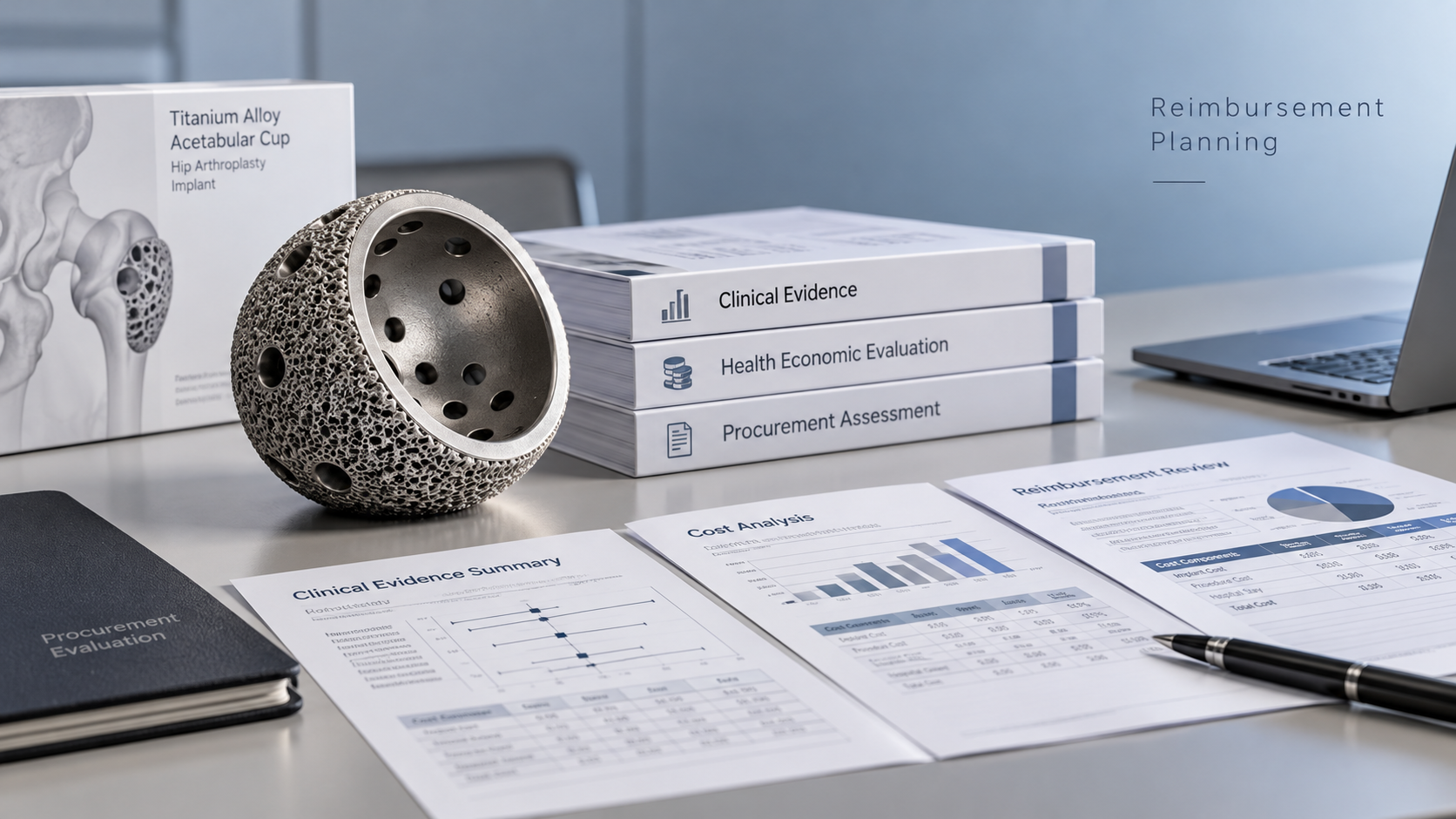
Hospitals now test value through evidence quality, procurement fit, service reliability, and risk exposure.
Product performance still matters, but it no longer carries market entry alone.
In recent years, cost control programs, stricter Class III scrutiny, and procedural standardization have narrowed room for weak preparation.
An implant commercialization strategy hospital roadmap now starts before the first access meeting.
It begins with a realistic view of who approves, who influences, and who absorbs downstream risk.
This matters even more in high-value implants, where margin pressure and clinical caution collide.
For IMCS, this is not a narrow sales issue.
It sits at the intersection of biocompatibility, precision manufacturing, clinical logic, and policy timing.
Why this change is getting harder to ignore
The most visible signal is that hospital committees are asking sharper questions earlier.
They want proof that the implant improves outcomes, not just that it meets technical specifications.
They also want confidence that reimbursement, coding, inventory, and training will not create hidden burdens.
At the same time, VBP and similar pricing mechanisms reshape what sustainable access looks like.
In many markets, premium positioning survives only when evidence and workflow impact are both defensible.
This is especially relevant in orthopedic implants and DES platforms, where price visibility is high.
More subtle pressure comes from regulation.
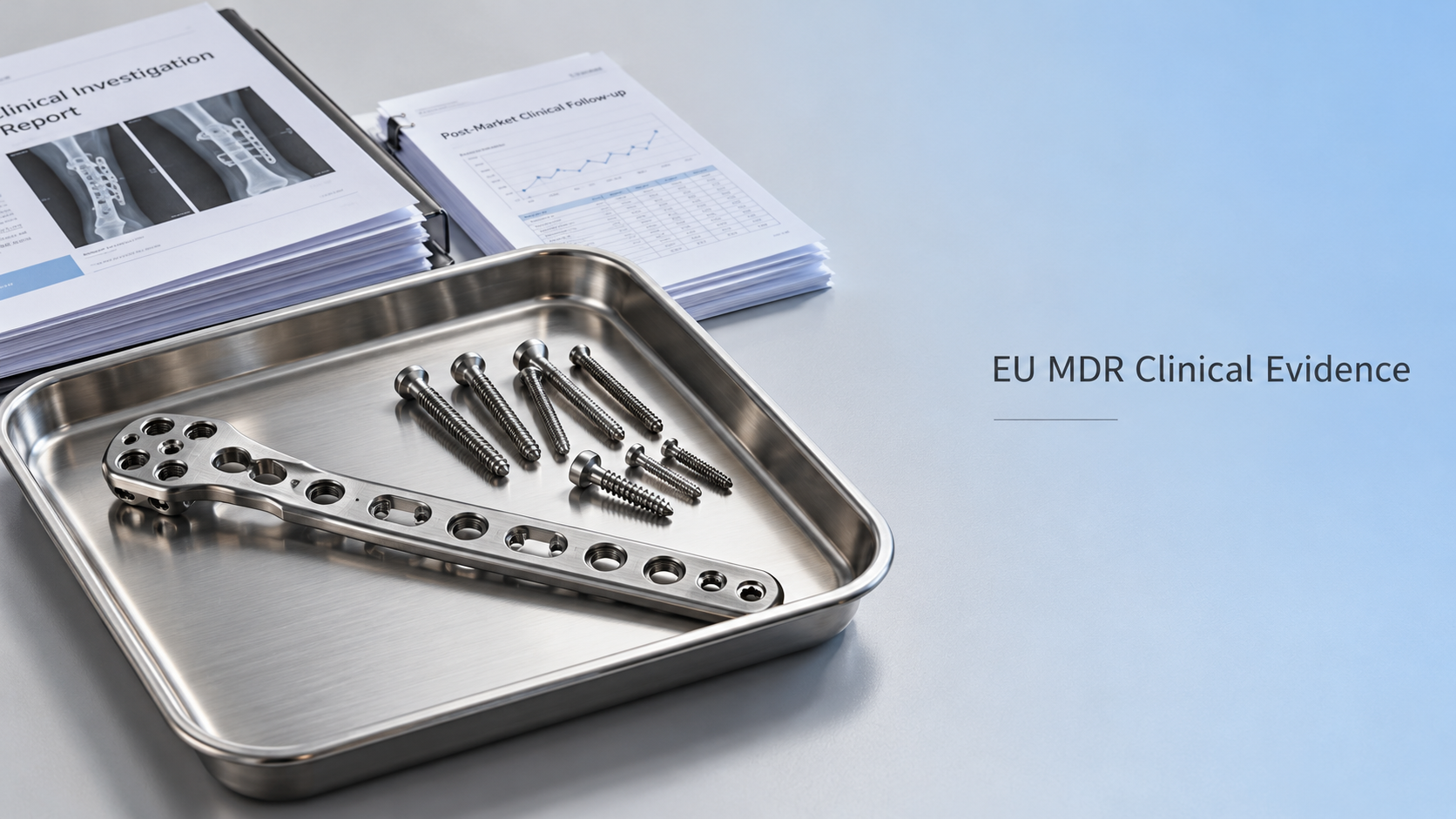
ISO 10993 testing expectations, CER depth, and post-market surveillance requirements now influence commercial readiness.
An implant commercialization strategy hospital model that ignores those links usually underestimates launch friction.
The entry risks are rarely isolated to one function
A common mistake is treating hospital access as a pricing or sales execution problem.
In practice, the risks spread across product, regulatory, supply, and clinical adoption decisions.
The first risk is evidence mismatch.
Global trial data may be strong, yet still fail to answer local procedural or patient selection concerns.
The second risk is stakeholder misalignment.
Surgeons may support adoption while finance, materials management, or infection control remain unconvinced.
The third risk is timing.
A strong implant commercialization strategy hospital plan can still miss budget cycles or tender windows.
Then the product waits, even when clinical interest exists.
The fourth risk is operational credibility.
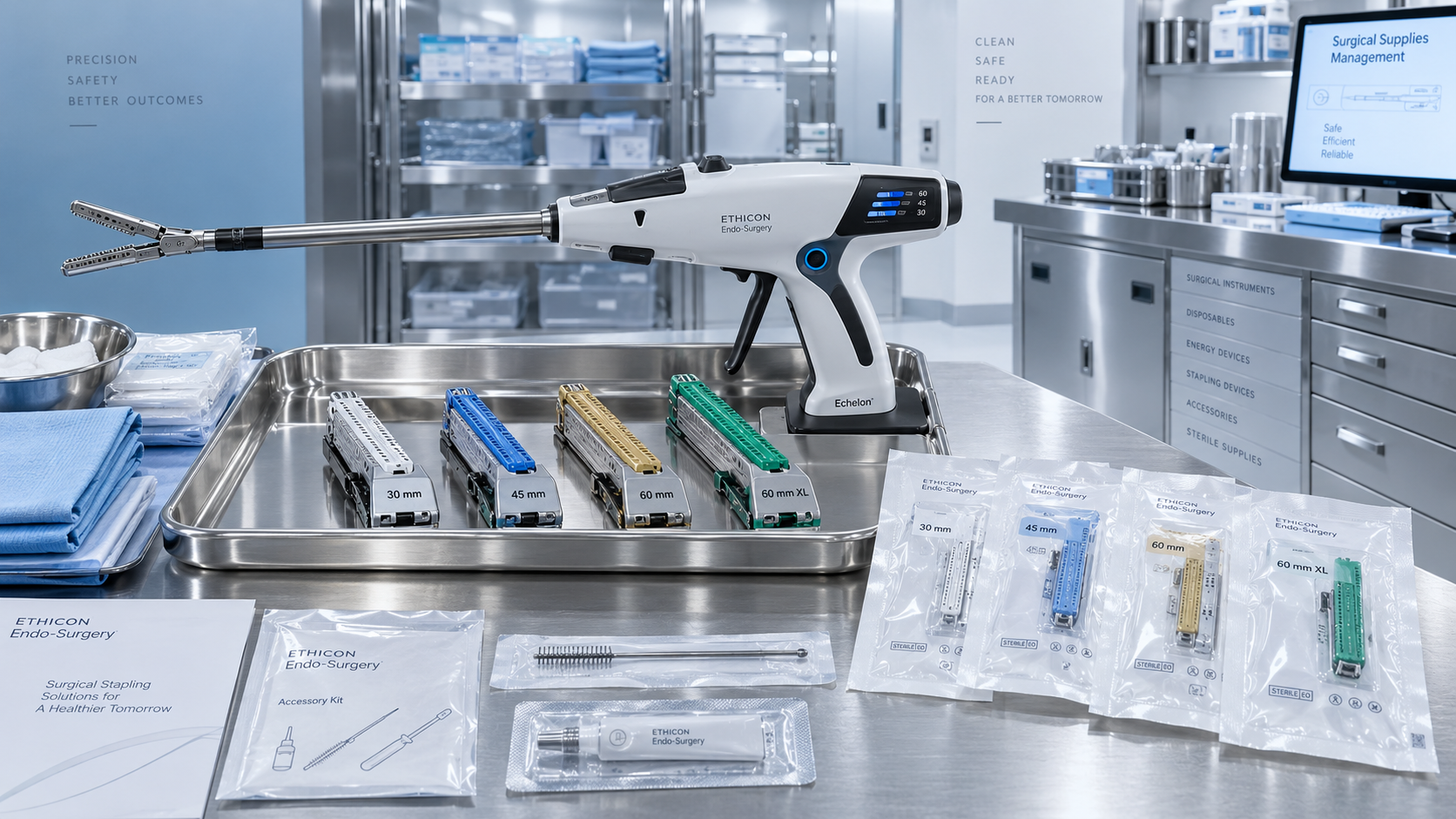
For implants and related consumables, hospitals expect reliable supply, traceability, training, and complaint response.
Any weakness here can undo a premium clinical story.
- Orthopedic systems face scrutiny on revision rates, instrumentation burden, and surgeon learning curves.
- Cardiovascular implants face tighter demands on long-term outcomes, emergency support, and procedural consistency.
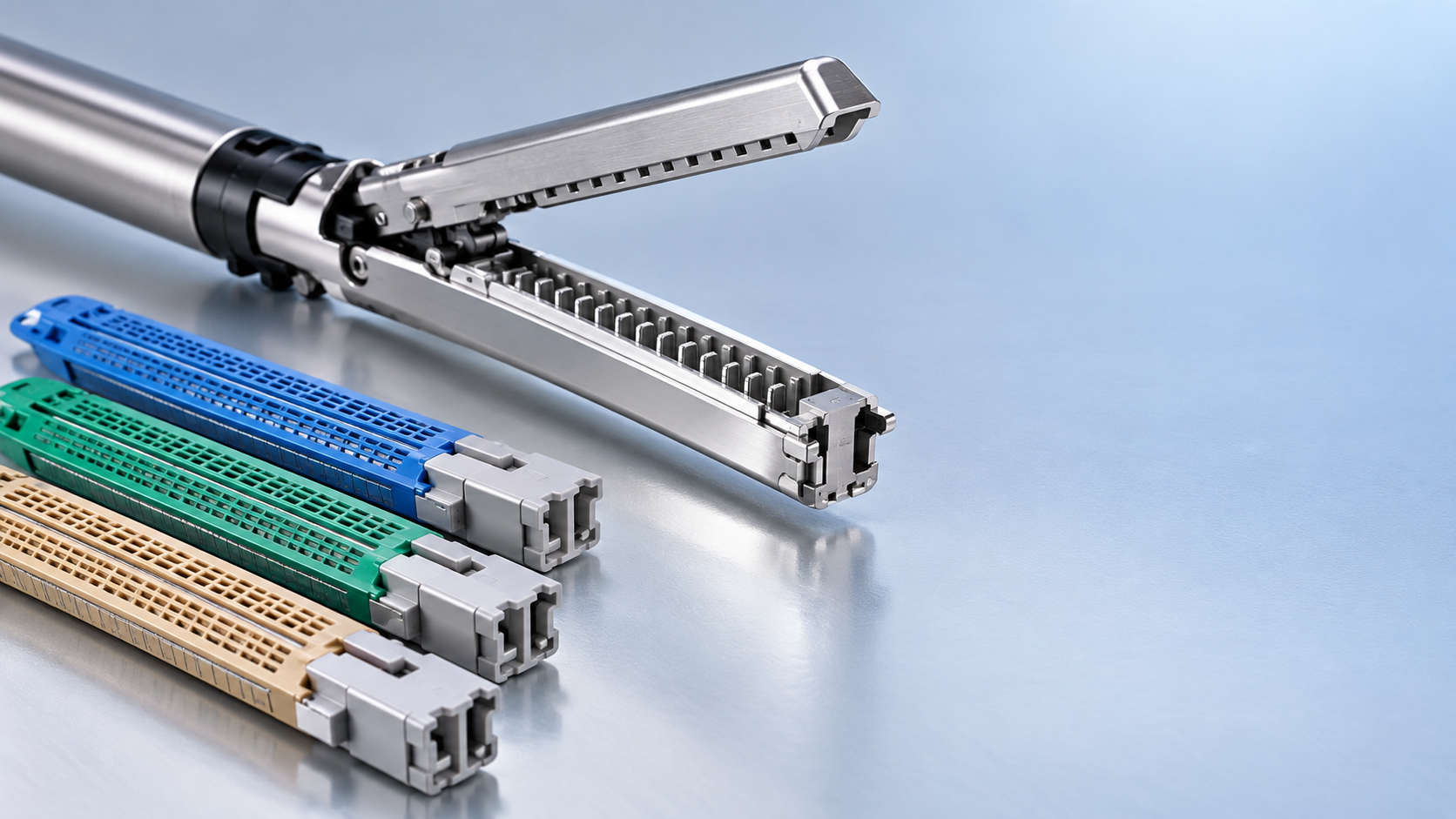
- Staplers, catheters, and wound care lines face bundled value comparisons, not stand-alone product review.
What hospitals are really measuring behind the formal review
Formal criteria tell only part of the story.
Behind every access decision sits an informal test of whether the supplier lowers uncertainty.
That test has become more demanding.
Hospitals increasingly ask whether the implant integrates with existing pathways.
Can sterile processing manage it efficiently?
Will OR staff require repeated support?
Does the documentation hold up under audit or adverse event review?
This is why IMCS pays close attention to the full chain around implants.
Biological safety, micro-level machining precision, and post-market intelligence are commercially connected.
A coating issue, a packaging inconsistency, or weak follow-up data can quickly become an access problem.
More hospital systems also compare implants through episode economics.
That widens the lens from unit price to readmission, revision, LOS, and training cost.
An implant commercialization strategy hospital discussion therefore needs both clinical and operational language.
The strongest responses start before commercial launch
The more resilient teams are changing launch design, not just market messaging.
They stress-test access assumptions while regulatory and manufacturing plans are still flexible.
That approach is becoming essential in implants with long adoption cycles.
Four areas deserve early pressure testing
- Evidence architecture: confirm that trial endpoints, comparator logic, and safety data answer access committee concerns.
- Account segmentation: separate flagship hospitals, volume accounts, and policy-sensitive systems before pricing strategy is set.
- Service model: define training, proctoring, field support, and complaint escalation as part of the offer.
- Tender timing: map procurement cycles, annual budgets, and local approval gates in advance.
This work often protects margin more effectively than late discounting.
It also improves forecast quality.
When launch assumptions reflect hospital behavior, access becomes more predictable and scalable.
Where the next competitive gap is likely to open
The next gap will not come only from device innovation.
It will come from how well commercial strategy translates complex evidence into hospital adoption.
That favors organizations able to connect technical, regulatory, and market intelligence.
IMCS reflects this broader view.
Its coverage across orthopedic implants, interventional devices, MIS consumables, catheters, and regenerative materials mirrors hospital evaluation reality.
Hospitals do not assess a device in isolation from standards, supply risk, or policy exposure.
Commercial planning should not do so either.
More clearly now, implant commercialization strategy hospital success depends on disciplined intelligence stitching.
That includes ISO 10993 boundaries, CER expectations, VBP scenarios, and account-level adoption friction.
The organizations that see these signals early are better positioned to protect both access and premium value.
A practical next step is to audit assumptions before the market does
The current market does not reward optimism without proof.
It rewards preparation that matches how hospitals actually buy, evaluate, and standardize implants.
A useful next step is an internal access audit.
Review whether the implant commercialization strategy hospital plan covers evidence relevance, pricing elasticity, committee mapping, and procurement timing.
Check whether claims align with regulatory documentation and post-market readiness.
Compare account priorities across orthopedic, cardiovascular, MIS, catheter, and wound care pathways where applicable.
Then monitor the market signals that matter most.
Watch policy shifts, committee behavior, evidence standards, and supply expectations.
In high-value implants, entry risk rarely appears all at once.
It builds quietly across functions, then surfaces at the access point.
That is exactly where a stronger implant commercialization strategy hospital framework makes the difference.
Get weekly intelligence in your inbox.
No noise. No sponsored content. Pure intelligence.
News Recommendations
 Oct 26, 2026Can a single approval cover life science product sales worldwide?Can a single approval cover life science product sales worldwide?
 Oct 25, 2026When is sensitization testing needed for medical device biocompatibility?When is sensitization testing needed for medical device biocompatibility?
 Oct 24, 2026How is biocompatibility tested for implantable polymer biomaterials?How is biocompatibility tested for implantable polymer biomaterials?
 Oct 23, 2026How to build reimbursement into an implant commercialization strategyHow to build reimbursement into an implant commercialization strategy
 Oct 22, 2026What clinical evidence do implants need for CE marking under EU MDR?What clinical evidence do implants need for CE marking under EU MDR?
 Oct 21, 2026How to choose disposable laparoscopic stapler reloads for thick tissueHow to choose disposable laparoscopic stapler reloads for thick tissue
 Oct 20, 2026How to assess medical polymer biocompatibility under ISO 10993How to assess medical polymer biocompatibility under ISO 10993
 Oct 19, 2026How do interventional device categories differ in clinical use?How do interventional device categories differ in clinical use?
 Oct 18, 2026When to choose alginate dressings for heavily exuding chronic woundsWhen to choose alginate dressings for heavily exuding chronic wounds
 Oct 17, 2026How is biocompatibility tested for custom medical-grade PEEK implants?How is biocompatibility tested for custom medical-grade PEEK implants?
 Oct 16, 2026How to check a wound healing materials supplier’s biocompatibility dataHow to check a wound healing materials supplier’s biocompatibility data
 Oct 15, 2026How to verify the FDA clearance status of silver wound dressingsHow to verify the FDA clearance status of silver wound dressings
 Oct 14, 2026How to register orthopedic implants and instruments in Latin AmericaHow to register orthopedic implants and instruments in Latin America
 Oct 13, 2026How to use a device market intelligence database to benchmark VBP pricesHow to use a device market intelligence database to benchmark VBP prices
 Oct 12, 2026When should stainless steel orthopedic instruments be replaced?When should stainless steel orthopedic instruments be replaced?
 Oct 11, 2026When are alginate dressings rope the right choice for cavity wounds?When are alginate dressings rope the right choice for cavity wounds?
 Oct 10, 2026When smart minimally invasive technology improves catheter accessWhen smart minimally invasive technology improves catheter access
 Oct 08, 2026Clinical evaluation requirements for cardiovascular implant devices in EuropeClinical evaluation requirements for cardiovascular implant devices in Europe
 Oct 07, 2026What to verify before appointing an artificial joint implants distributorWhat to verify before appointing an artificial joint implants distributor
 Oct 06, 2026How ISO 10993 guides biocompatibility testing for medical materialsHow ISO 10993 guides biocompatibility testing for medical materials
 Oct 05, 2026How to verify an orthopedic implants and instruments exporterHow to verify an orthopedic implants and instruments exporter
 Oct 04, 2026What drives surgical stapling devices price differences in hospital tenders?What drives surgical stapling devices price differences in hospital tenders?
 Oct 03, 2026How to assess a central venous catheter manufacturer's infection-control evidenceHow to assess a central venous catheter manufacturer's infection-control evidence
 Oct 02, 2026How to assess an advanced wound care factory’s quality systemHow to assess an advanced wound care factory’s quality system
 Oct 01, 2026What is driving global medical consumables demand in emerging markets?What is driving global medical consumables demand in emerging markets?
 Sep 30, 2026Implant Material Compliance Testing: Evidence Needed for Regulatory SubmissionImplant Material Compliance Testing: Evidence Needed for Regulatory Submission
 Sep 30, 2026From Corrosion to Fatigue: What Implant Materials Testing Should MeasureFrom Corrosion to Fatigue: What Implant Materials Testing Should Measure