How to Evaluate High-End Medical Materials for Implants
How to Evaluate High-End Medical Materials for Implants

Evaluating high-end medical materials for implants goes far beyond checking tensile strength or supplier brochures.
The real decision sits at the intersection of biology, engineering, manufacturing, regulation, and long-term clinical evidence.
For teams comparing high-end medical materials for implants, weak assessment methods often create hidden downstream risks.
Those risks may appear as coating delamination, poor osseointegration, thrombogenic response, sterilization instability, or audit failure.
A practical review framework helps reduce those risks before validation costs and launch timelines begin to escalate.
This matters even more in orthopedic implants, cardiovascular devices, minimally invasive consumables, and tissue regeneration systems.
In these categories, material choice directly affects healing quality, revision burden, and lifetime device performance.
Start With the Clinical Function, Not the Material Name
A common mistake is starting with familiar materials such as titanium alloy, PEEK, cobalt-chrome, nitinol, or silicone.
A better path is to define the clinical job first.
Ask what the implant must do inside the body, for how long, and under which stresses.
For example, spinal cages need load sharing, imaging compatibility, and stable bone integration.
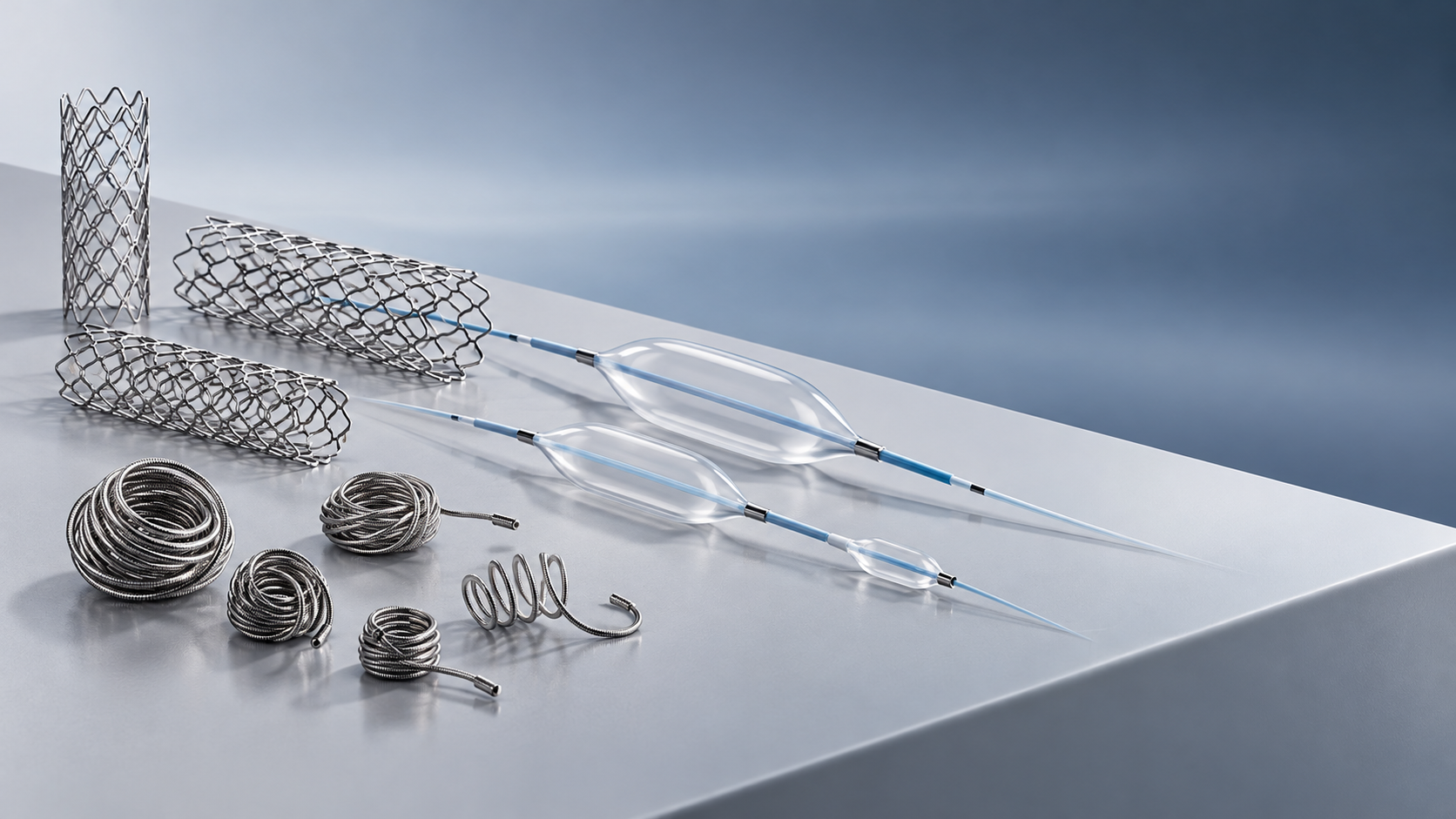
Coronary stents need flexibility, radial strength, fatigue resistance, hemocompatibility, and controlled drug release behavior.
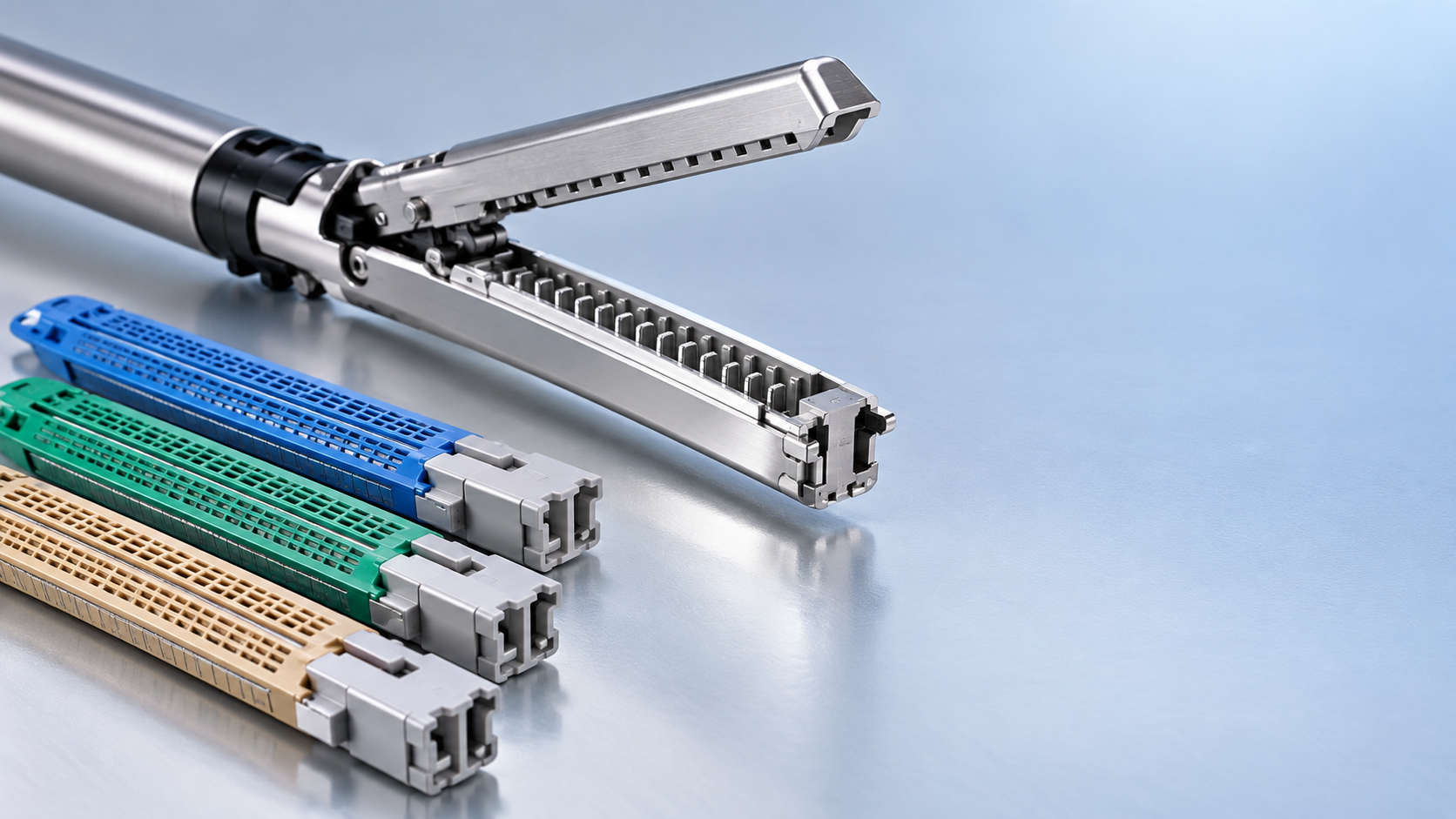
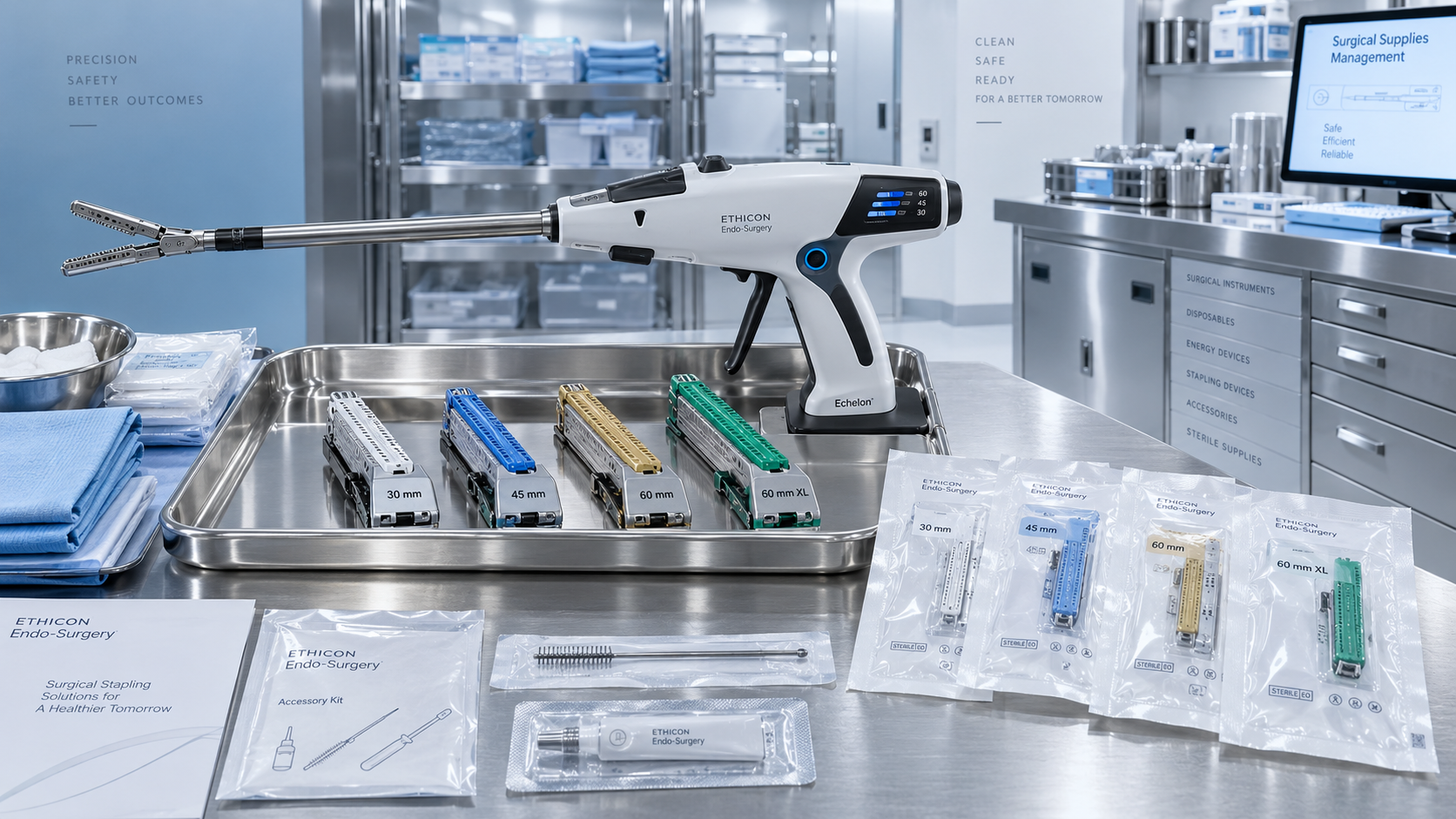
Stapling components need precise deformation, surface integrity, and predictable interaction with tissue and sterilization cycles.
This functional view keeps high-end medical materials for implants tied to patient outcome rather than supplier positioning.
Key questions at this stage
- Is the implant permanent, long-term, or short-term?
- Will it contact bone, blood, soft tissue, or cerebrospinal pathways?
- Does it need to bear load, seal tissue, deliver drugs, or guide fluids?
- Will the design depend on porosity, surface treatment, or coating performance?
- What failure mode is clinically unacceptable?
Build a Five-Layer Evaluation Model
When evaluating high-end medical materials for implants, a five-layer model keeps decisions structured and defensible.
It also helps procurement, R&D, quality, and regulatory teams speak the same language.
1. Biological safety
Biocompatibility is the first gate, not a later document exercise.
Review ISO 10993 relevance carefully based on contact route, duration, and patient exposure.
Look beyond cytotoxicity and irritation.
For implantable systems, extractables, leachables, sensitization, genotoxicity, hemocompatibility, and degradation byproducts often drive risk.
2. Mechanical and functional fit
The material must match real loading conditions, not only ideal lab values.
Assess fatigue, creep, wear, fracture toughness, elastic modulus, kink resistance, and recovery behavior.
In high-end medical materials for implants, mismatch between stiffness and tissue can create long-term complications.
3. Manufacturing compatibility
A promising material can still fail selection if processing is unstable.
Check machinability, additive manufacturing behavior, heat treatment windows, coating adhesion, and contamination sensitivity.
Micron-level tolerances matter, especially in cardiovascular and minimally invasive components.
4. Regulatory acceptability
Material history matters, but it does not replace evidence.
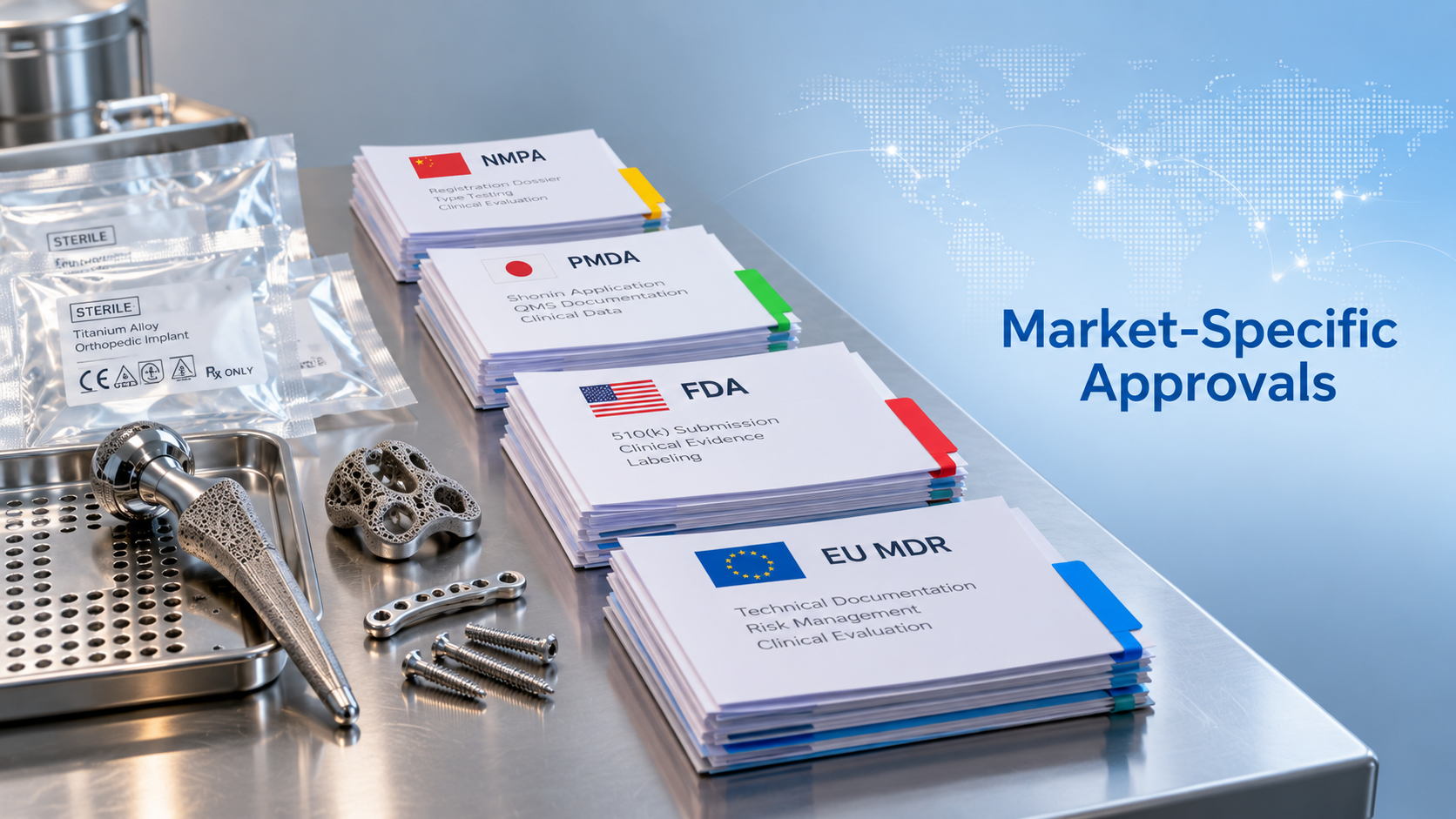
Assess whether the material has a clear path through FDA, CE MDR, and other Class III review expectations.
If the material is novel, expect broader bench, animal, and clinical justification.
5. Supply and cost resilience
This part is often underestimated.
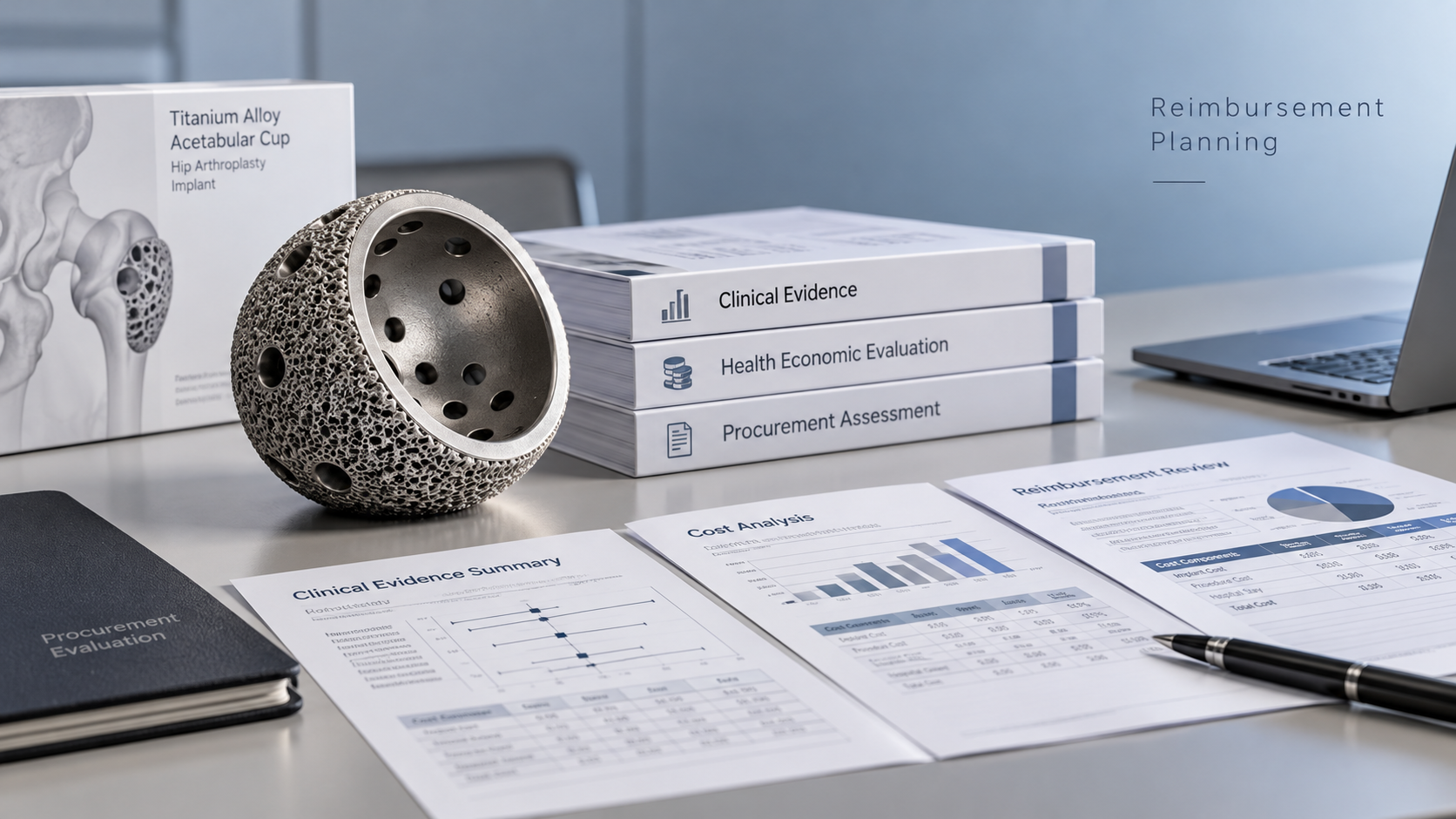
Under VBP pressure and global sourcing shifts, a technically strong option may still be commercially fragile.
Review raw material traceability, lot consistency, sterilization readiness, and dual-source feasibility early.
Compare Materials by Application, Not in Isolation
High-end medical materials for implants should be benchmarked against the intended anatomy and use scenario.
That sounds obvious, but it changes the ranking quickly.
Orthopedic implants
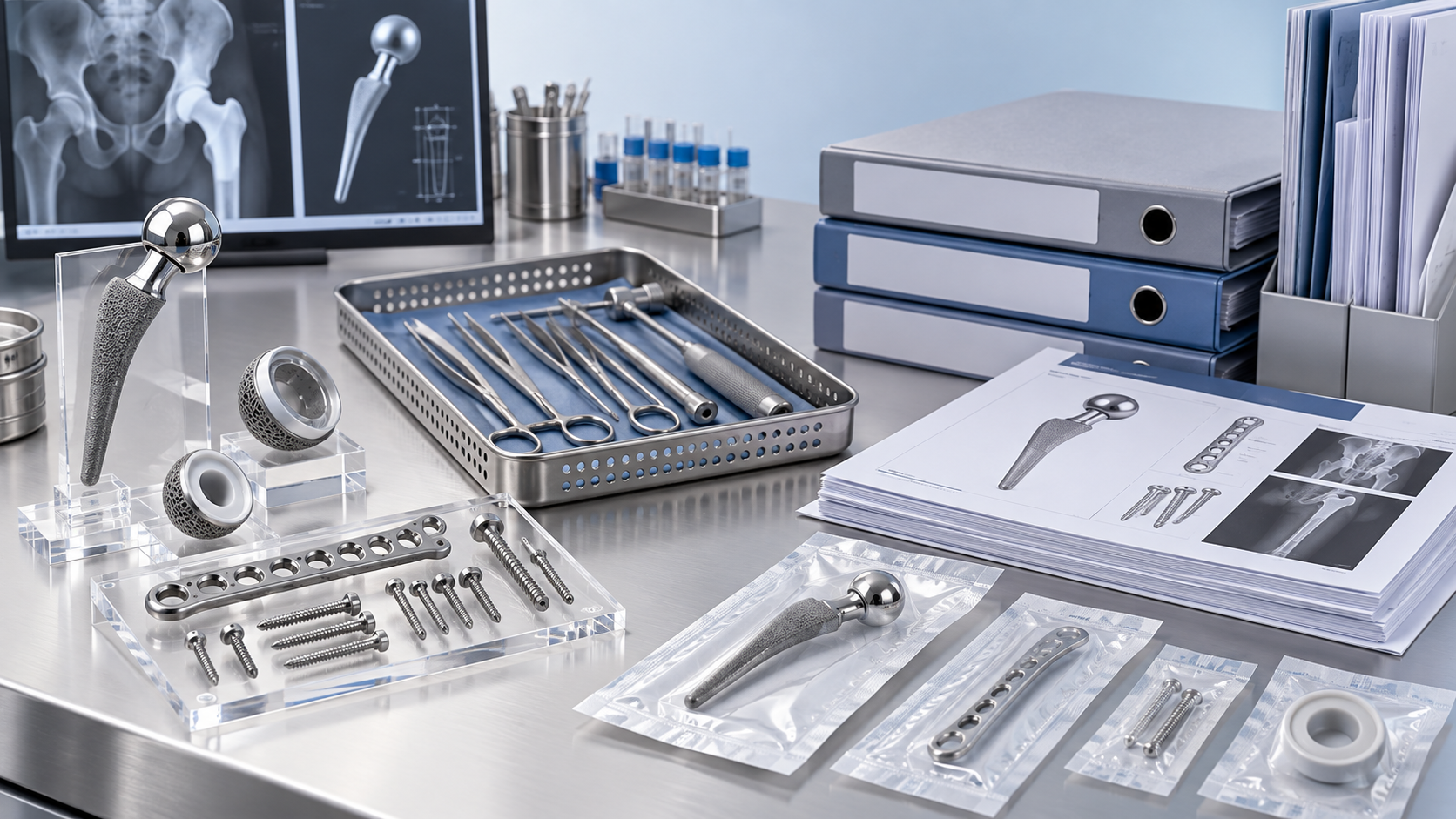
Titanium alloys remain strong candidates because of corrosion resistance and favorable osseointegration behavior.
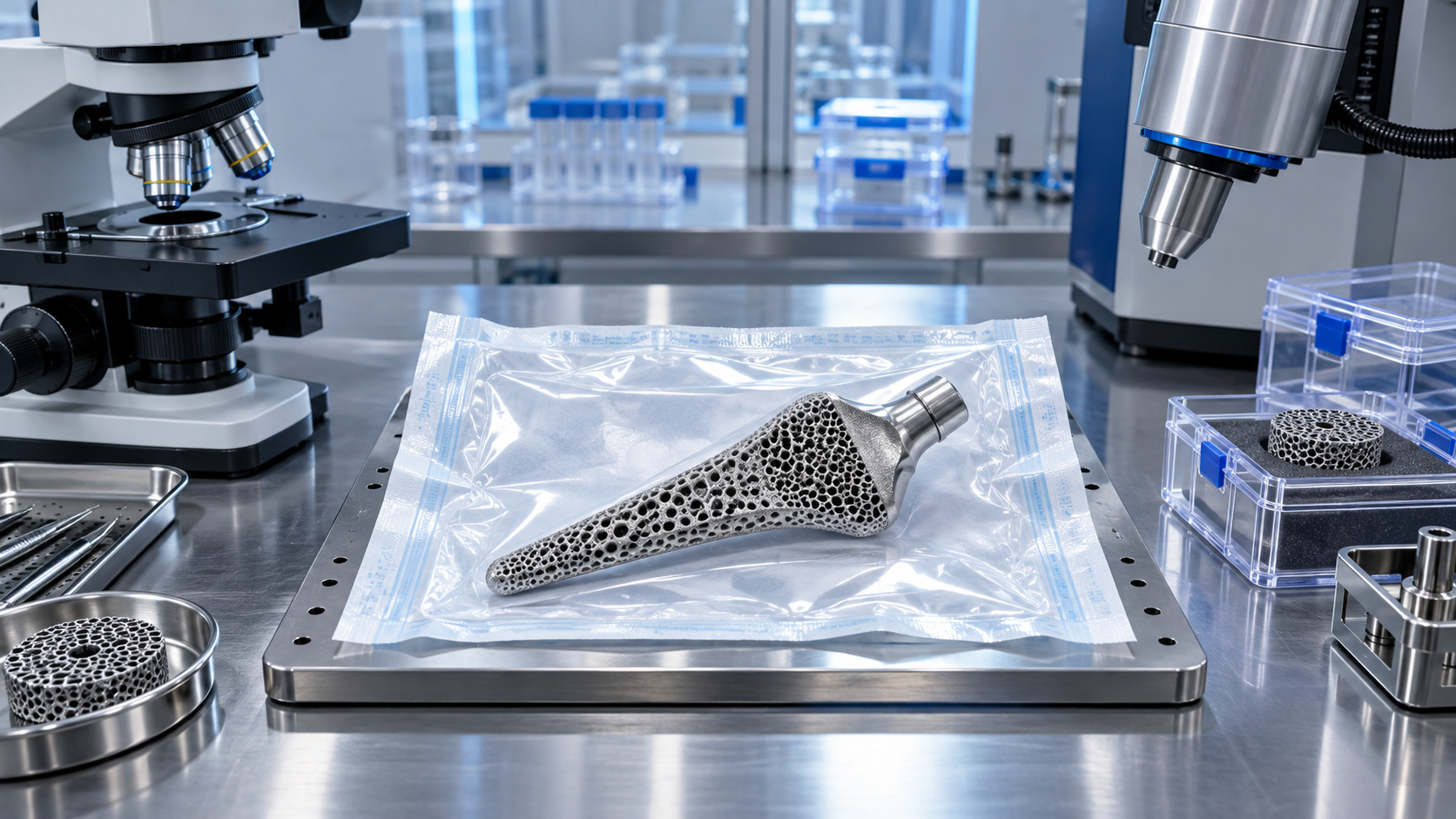
Porous structures can improve fixation, but pore consistency and fatigue performance need close review.
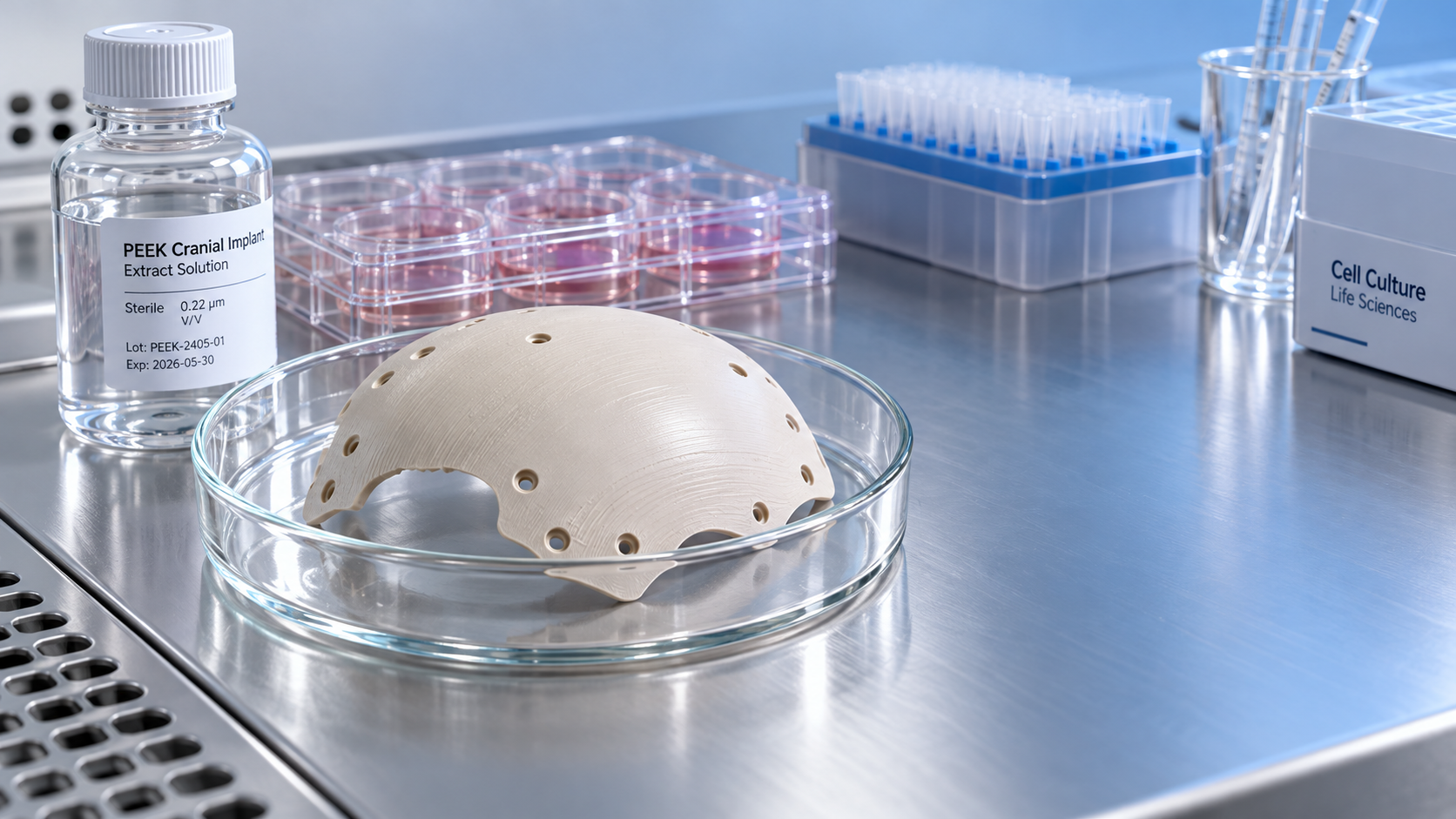
PEEK may support imaging and modulus matching, yet surface modification strategy becomes critical for bone response.
Cardiovascular implants
Nitinol and cobalt-chrome often dominate, but the right choice depends on deliverability, recoil, fatigue, and blood compatibility.
Drug-polymer interaction must also be reviewed as part of the material system, not as an isolated coating issue.
Minimally invasive consumables
For catheters and stapling systems, flexibility, lubricity, staple formability, and sterilization stability may outweigh headline strength values.
In practice, interface performance often decides whether a material truly works.
Quick comparison table
Review the Full Material System, Not Just the Base Substrate
A base alloy or polymer rarely acts alone inside a finished device.
High-end medical materials for implants usually involve a system of substrate, coating, surface treatment, sterilization, and packaging.
That system view is where many selection errors become visible.
For example, hydrophilic coatings may improve trackability, yet raise concerns around particulate shedding.
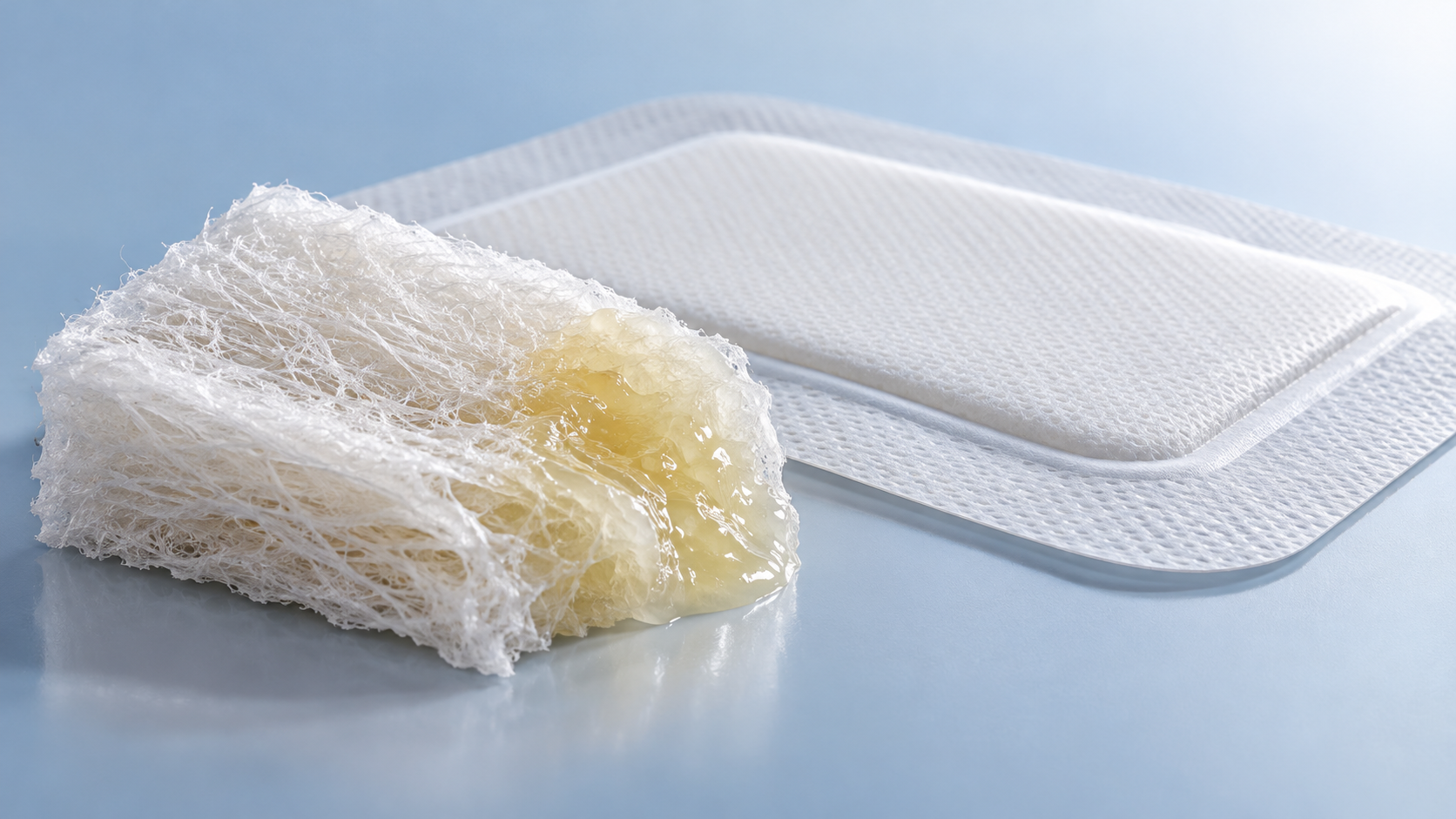
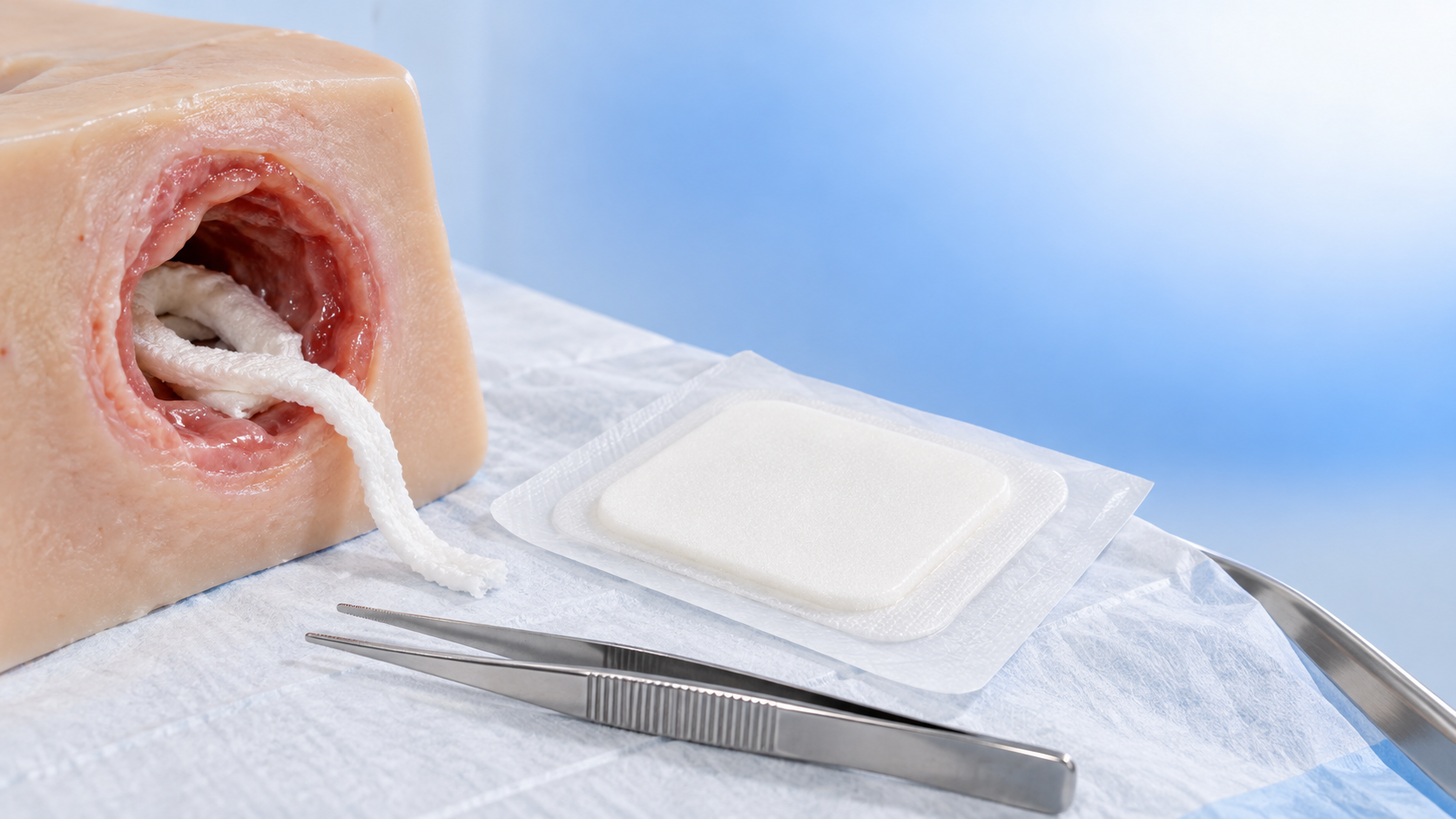
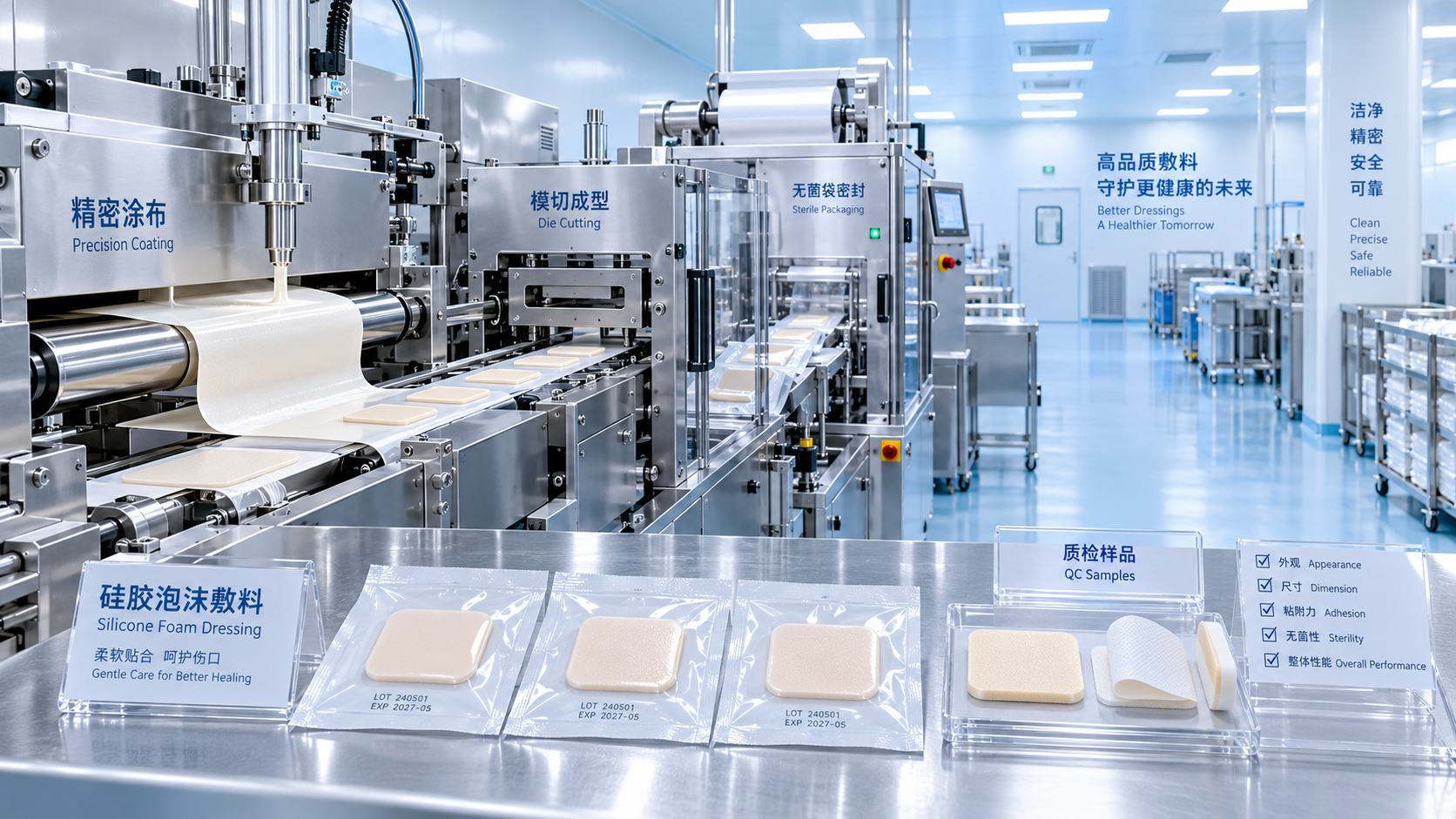
Silver-ion dressings may support wound control, but release behavior and tissue compatibility need clear boundaries.
A 3D-printed porous implant may look attractive, but cleaning validation inside complex structures can become a hidden bottleneck.
System-level checkpoints
- Surface roughness and treatment repeatability
- Coating adhesion after fatigue and sterilization
- Extractables profile after aging
- Particulate generation during use simulation
- Packaging interaction and shelf-life stability
Use Evidence Tiers to Make Faster Decisions
Not every decision needs the same depth of proof.
Still, high-end medical materials for implants should be filtered through evidence tiers before final commitment.
Tier 1: Foundational evidence
Material specification, supplier quality records, composition limits, and prior medical use history.
Tier 2: Performance evidence
Bench testing, simulated use, fatigue data, corrosion studies, coating performance, and sterilization compatibility.
Tier 3: Biological and clinical evidence
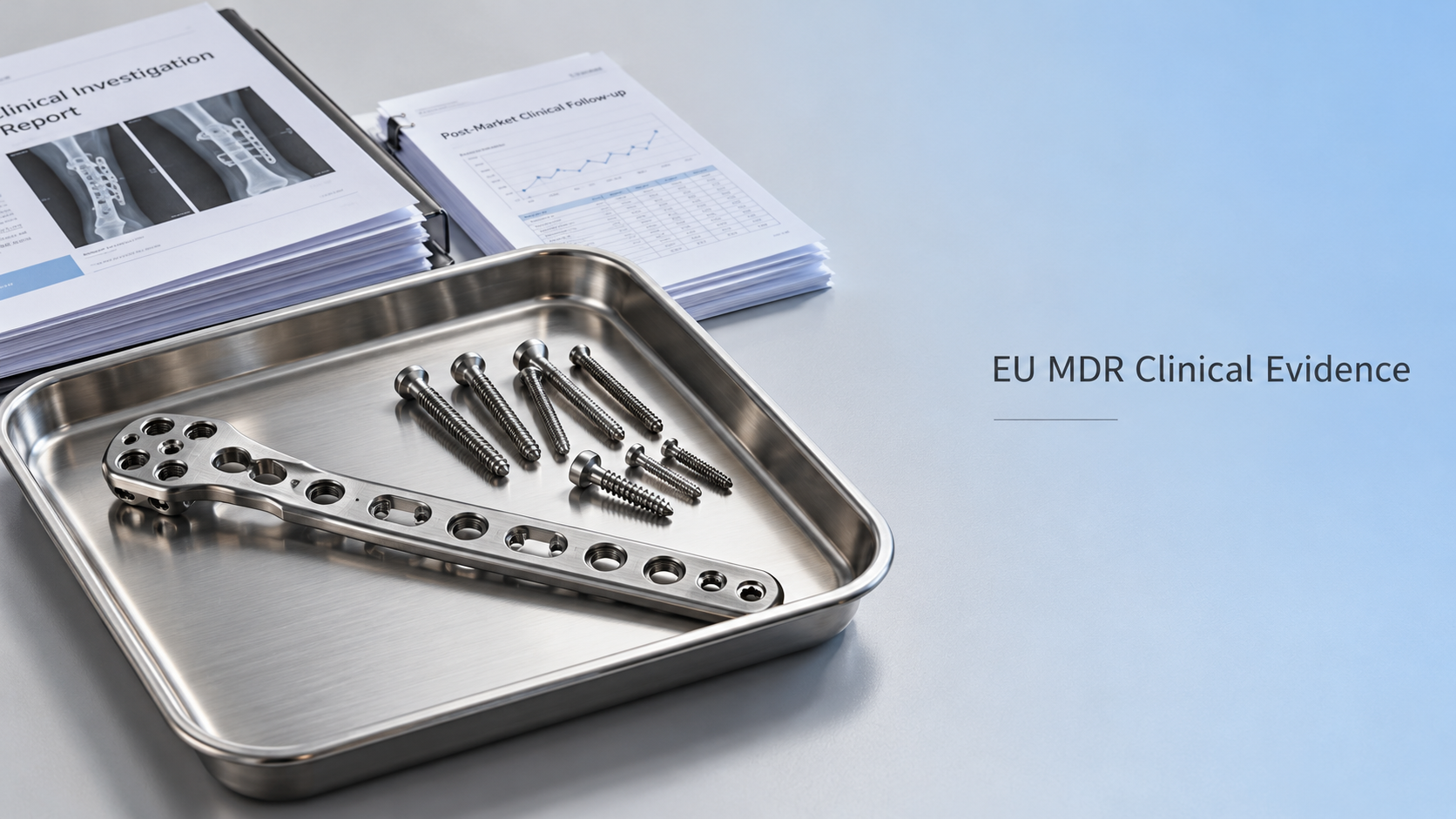
ISO 10993 packages, animal studies where justified, post-market data, and clinical outcomes linked to similar device designs.
Tier 4: Business continuity evidence
Capacity, lot-to-lot consistency, lead time resilience, and exposure to pricing pressure under procurement reforms.
This tier is especially useful when comparing two technically acceptable options.
A Practical Selection Workflow for High-End Medical Materials for Implants
A workable decision process should be short enough to use and strong enough to defend.
- Define the implant function, failure mode, and tissue contact profile.
- Screen candidate materials against biological, mechanical, and manufacturing must-haves.
- Score shortlisted options using weighted criteria tied to the device risk profile.
- Review full system interactions, including coating, sterilization, cleaning, and packaging.
- Map evidence gaps against regulatory submission expectations.
- Stress-test supply and pricing assumptions before locking the final choice.
From a decision standpoint, this workflow keeps the evaluation of high-end medical materials for implants grounded in real-world constraints.
It also makes cross-functional review meetings much more productive.
Final Takeaway
The best high-end medical materials for implants are not simply the strongest, newest, or most expensive.
They are the materials that fit the clinical function, survive real manufacturing conditions, satisfy regulatory scrutiny, and hold up over time.
That is why disciplined evaluation matters so much.
In actual selection work, clear evidence, system-level thinking, and risk-based comparison usually outperform intuition.
Use this framework to narrow options, expose weak assumptions early, and support implant decisions with stronger technical confidence.
Get weekly intelligence in your inbox.
No noise. No sponsored content. Pure intelligence.
News Recommendations
 Oct 26, 2026Can a single approval cover life science product sales worldwide?Can a single approval cover life science product sales worldwide?
 Oct 25, 2026When is sensitization testing needed for medical device biocompatibility?When is sensitization testing needed for medical device biocompatibility?
 Oct 24, 2026How is biocompatibility tested for implantable polymer biomaterials?How is biocompatibility tested for implantable polymer biomaterials?
 Oct 23, 2026How to build reimbursement into an implant commercialization strategyHow to build reimbursement into an implant commercialization strategy
 Oct 22, 2026What clinical evidence do implants need for CE marking under EU MDR?What clinical evidence do implants need for CE marking under EU MDR?
 Oct 21, 2026How to choose disposable laparoscopic stapler reloads for thick tissueHow to choose disposable laparoscopic stapler reloads for thick tissue
 Oct 20, 2026How to assess medical polymer biocompatibility under ISO 10993How to assess medical polymer biocompatibility under ISO 10993
 Oct 19, 2026How do interventional device categories differ in clinical use?How do interventional device categories differ in clinical use?
 Oct 18, 2026When to choose alginate dressings for heavily exuding chronic woundsWhen to choose alginate dressings for heavily exuding chronic wounds
 Oct 17, 2026How is biocompatibility tested for custom medical-grade PEEK implants?How is biocompatibility tested for custom medical-grade PEEK implants?
 Oct 16, 2026How to check a wound healing materials supplier’s biocompatibility dataHow to check a wound healing materials supplier’s biocompatibility data
 Oct 15, 2026How to verify the FDA clearance status of silver wound dressingsHow to verify the FDA clearance status of silver wound dressings
 Oct 14, 2026How to register orthopedic implants and instruments in Latin AmericaHow to register orthopedic implants and instruments in Latin America
 Oct 13, 2026How to use a device market intelligence database to benchmark VBP pricesHow to use a device market intelligence database to benchmark VBP prices
 Oct 12, 2026When should stainless steel orthopedic instruments be replaced?When should stainless steel orthopedic instruments be replaced?
 Oct 11, 2026When are alginate dressings rope the right choice for cavity wounds?When are alginate dressings rope the right choice for cavity wounds?
 Oct 10, 2026When smart minimally invasive technology improves catheter accessWhen smart minimally invasive technology improves catheter access
 Oct 08, 2026Clinical evaluation requirements for cardiovascular implant devices in EuropeClinical evaluation requirements for cardiovascular implant devices in Europe
 Oct 07, 2026What to verify before appointing an artificial joint implants distributorWhat to verify before appointing an artificial joint implants distributor
 Oct 06, 2026How ISO 10993 guides biocompatibility testing for medical materialsHow ISO 10993 guides biocompatibility testing for medical materials
 Oct 05, 2026How to verify an orthopedic implants and instruments exporterHow to verify an orthopedic implants and instruments exporter
 Oct 04, 2026What drives surgical stapling devices price differences in hospital tenders?What drives surgical stapling devices price differences in hospital tenders?
 Oct 03, 2026How to assess a central venous catheter manufacturer's infection-control evidenceHow to assess a central venous catheter manufacturer's infection-control evidence
 Oct 02, 2026How to assess an advanced wound care factory’s quality systemHow to assess an advanced wound care factory’s quality system
 Oct 01, 2026What is driving global medical consumables demand in emerging markets?What is driving global medical consumables demand in emerging markets?
 Sep 30, 2026Implant Material Compliance Testing: Evidence Needed for Regulatory SubmissionImplant Material Compliance Testing: Evidence Needed for Regulatory Submission
 Sep 30, 2026From Corrosion to Fatigue: What Implant Materials Testing Should MeasureFrom Corrosion to Fatigue: What Implant Materials Testing Should Measure