Private Label Medical Consumables FDA: Common Approval Gaps to Fix Early
Why does private label medical consumables FDA work fail so early?
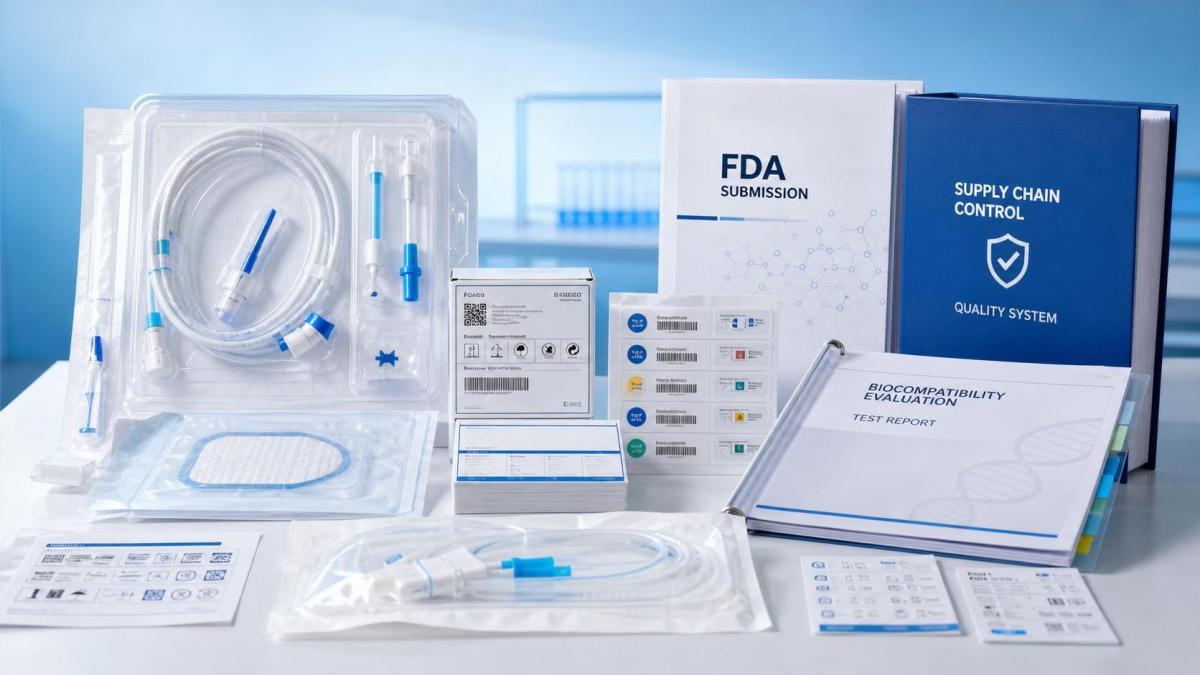
Private label medical consumables FDA progress rarely collapses at the final filing stage.
More often, the trouble starts months earlier, inside supplier files, testing plans, and product claims.
That pattern is especially visible across implants, catheters, stapling components, wound care materials, and other regulated consumables.
In practical terms, private label does not reduce regulatory responsibility.
If the product enters the U.S. market under your name, the FDA expects traceable evidence, controlled design decisions, and consistent labeling logic.
A common mistake is assuming the original manufacturer already solved everything.
Sometimes they solved it for another market, another device version, or another intended use.
That gap matters.
IMCS has long tracked how biocompatibility, precision manufacturing, and strict Class III expectations interact across global consumables markets.
The same lesson repeats: early evidence discipline is cheaper than late remediation.
So the real question is not whether private label medical consumables FDA review is possible.
It is whether the technical file was built for FDA logic from the beginning.
What does the FDA really expect from a private label medical consumables program?
The FDA does not focus only on the finished pouch, box, or brand name.
It looks at the full control chain behind the device.
That includes classification, intended use, design history, risk management, sterilization, packaging validation, and post-market accountability.
For many private label medical consumables FDA projects, confusion starts with ownership boundaries.
Who owns the specification?
Who approves raw material changes?
Who holds sterilization records?
Who evaluates complaints for reportability?
If those answers are vague, the approval path becomes unstable.
This is even more sensitive for devices touching blood, tissue, bone, or internal organs.
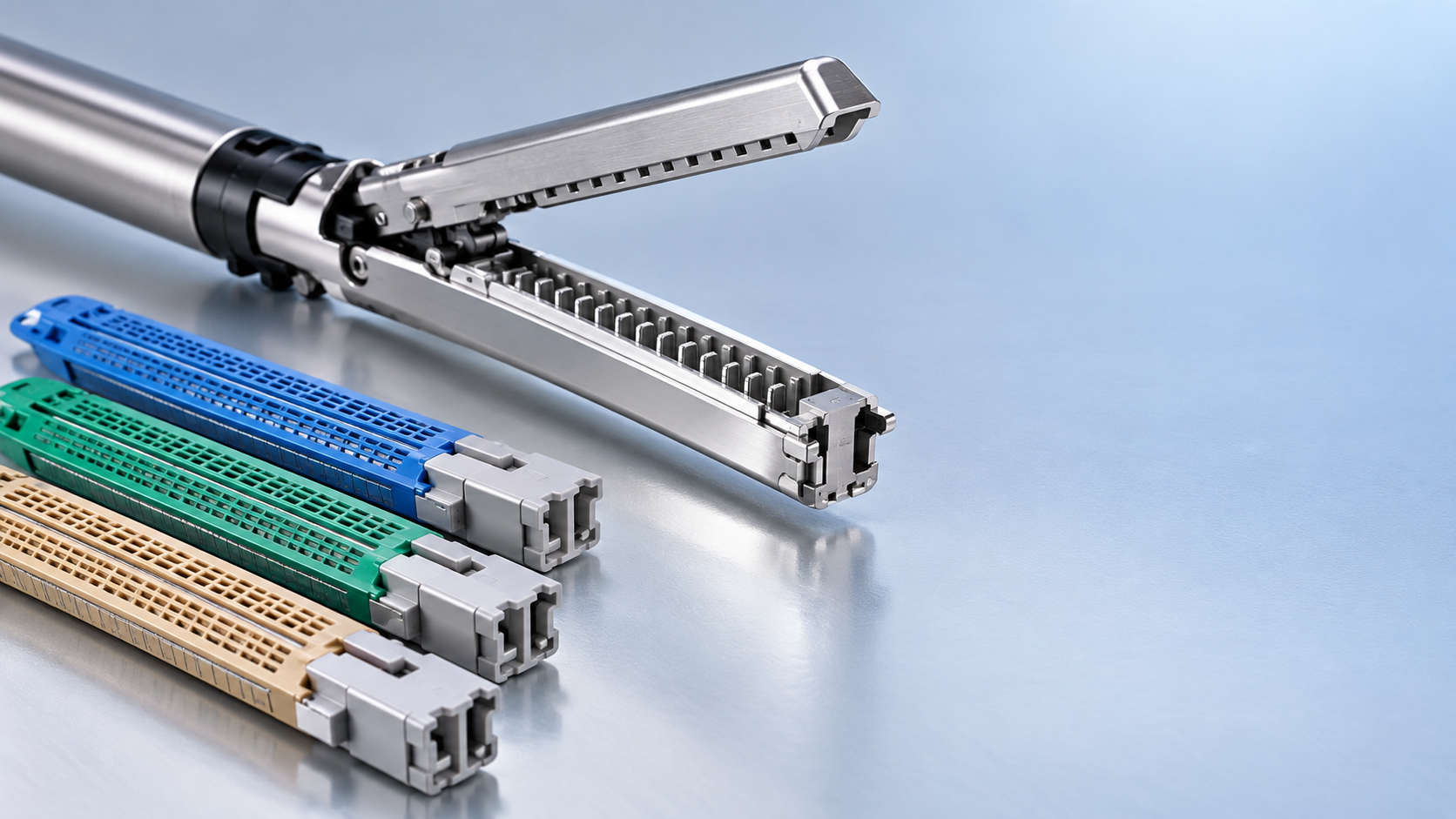
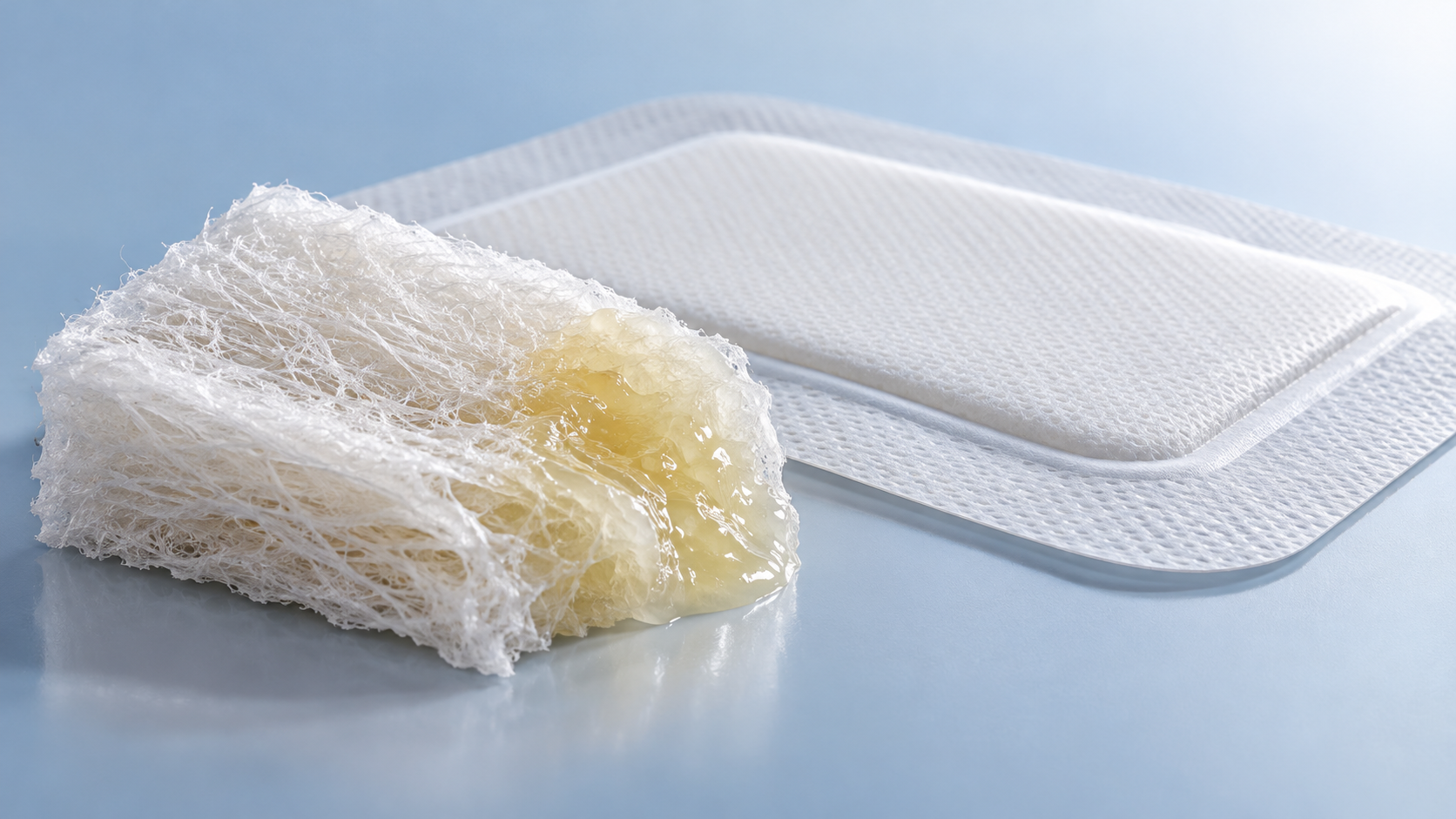
A hydrophilic catheter, silver foam dressing, titanium staple reload, or absorbable matrix cannot rely on commercial assumptions.
It needs evidence tied to the exact marketed configuration.
A useful way to judge readiness is to ask whether every major claim can be backed by a named record.
- Intended use supported by classification and predicate logic, when applicable.
- Materials supported by supplier qualification and change control.
- Patient-contact safety supported by ISO 10993 strategy and results.
- Shelf life supported by packaging and aging validation.
- Label statements supported by testing, not marketing preference.
When that discipline exists, private label medical consumables FDA planning becomes far more predictable.
Which approval gaps show up most often in audits and pre-submission reviews?
Several gaps appear again and again, regardless of product family.
They are usually small on paper, but expensive in timing.
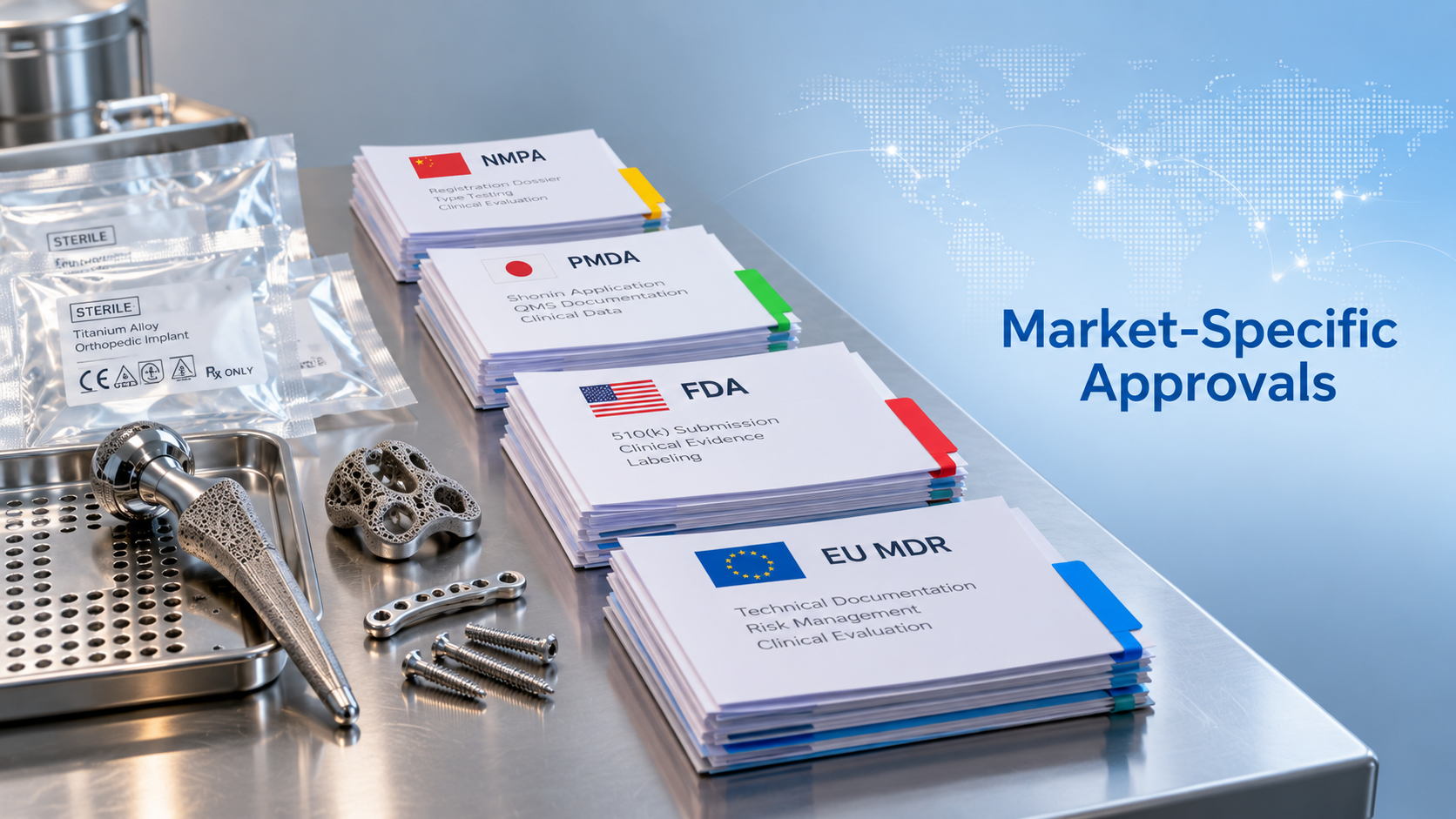
The table below summarizes the most frequent weak points in private label medical consumables FDA files.
Notice that none of these are dramatic scientific failures.
They are control failures.
That is why they must be fixed early, before testing budgets and launch timelines harden.
Is biocompatibility evidence the biggest blind spot?
Very often, yes.
And the problem is not always missing tests.
More commonly, the evidence does not match the marketed device well enough.
Private label medical consumables FDA files often reuse data from another brand, another resin grade, or another sterilization method.
That can be risky.
A dressing with silver ions, a polymer catheter with surface coating, or a porous implant component may behave differently after process changes.
Even a small adhesive, colorant, or lubricant change can alter the toxicological profile.
A stronger approach is to treat ISO 10993 as a decision framework, not just a test menu.
That means defining contact category, duration, material chemistry, manufacturing residues, and sterilization impact first.
The toxicological logic matters as much as the final report.
This is one area where IMCS-style regulatory intelligence is useful.
Across advanced consumables, the safety line is rarely drawn by a single test result.
It is drawn by how well the biological story connects material choice, process history, and patient exposure.
- Check whether all contact materials are named and version-controlled.
- Confirm extracts, endpoints, and justifications reflect the final device state.
- Review whether chemical characterization can support any waived endpoints.
- Reassess after supplier, coating, sterilization, or packaging changes.
Why do labeling and supplier changes create hidden FDA risk?
Because they look administrative, while actually changing regulatory meaning.
A private label medical consumables FDA strategy can be weakened by one revised indication sentence or one untracked material substitution.
Labeling risk appears when commercial teams expand claims faster than technical evidence.
For example, “wound management” may be supported, while “infected wound treatment” is not.
Likewise, a catheter cleared for vascular access should not drift into broader therapeutic language without review.
Supplier risk is quieter.
A resin source changes, a staple alloy lot specification tightens, or a coating vendor adjusts process chemistry.
If change notification terms are weak, the private label owner may learn too late.
In actual operations, the better judgment method is simple: ask whether the change affects safety, performance, or regulatory statements.
If the answer may be yes, formal review is needed.
This becomes critical in areas like cardiovascular consumables, minimally invasive staplers, and implant-adjacent materials, where tolerance and contact risk are narrow.
How can teams shorten delays before submission without cutting corners?
The fastest route is usually better preparation, not faster paperwork.
For private label medical consumables FDA readiness, a structured pre-gap review saves more time than reactive fixes later.
That review should happen before final artwork approval and before expensive validation starts.
A workable sequence looks like this.
- Lock intended use, user environment, and device classification.
- Map all critical suppliers, materials, and outsourced processes.
- Rebuild the biocompatibility and sterilization rationale around the exact commercial version.
- Reconcile IFU, labels, technical file language, and test claims.
- Create a change-control trigger list for post-launch maintenance.
This is also where market strategy intersects with regulation.
In cost-pressured environments shaped by VBP and global pricing pressure, weak compliance planning can erase margin through delays, retesting, and relabeling.
The stronger files are usually the ones built with cross-functional discipline, not just submission urgency.
What should be checked now, before private label medical consumables FDA issues become expensive?
If a launch, renewal, or line extension is approaching, start with the questions that reveal hidden instability.
Does the current classification still fit the intended use?
Do supplier agreements require timely disclosure of process and material changes?
Does the ISO 10993 plan clearly match the final device?
Do all labels, symbols, warnings, and performance claims say the same thing?
Those checks are not glamorous, but they prevent the most common private label medical consumables FDA setbacks.
The deeper point is this: approval strength comes from connected evidence.
Across orthopedic implants, cardiovascular devices, MIS consumables, polymer catheters, and advanced wound care, the winning files link material science, manufacturing control, and regulatory logic cleanly.
That is the standard worth building toward.
The next practical step is to run a focused gap review, rank findings by submission impact, and close evidence mismatches before they become official questions.
Get weekly intelligence in your inbox.
No noise. No sponsored content. Pure intelligence.
News Recommendations
 Oct 26, 2026Can a single approval cover life science product sales worldwide?Can a single approval cover life science product sales worldwide?
 Oct 25, 2026When is sensitization testing needed for medical device biocompatibility?When is sensitization testing needed for medical device biocompatibility?
 Oct 24, 2026How is biocompatibility tested for implantable polymer biomaterials?How is biocompatibility tested for implantable polymer biomaterials?
 Oct 23, 2026How to build reimbursement into an implant commercialization strategyHow to build reimbursement into an implant commercialization strategy
 Oct 22, 2026What clinical evidence do implants need for CE marking under EU MDR?What clinical evidence do implants need for CE marking under EU MDR?
 Oct 21, 2026How to choose disposable laparoscopic stapler reloads for thick tissueHow to choose disposable laparoscopic stapler reloads for thick tissue
 Oct 20, 2026How to assess medical polymer biocompatibility under ISO 10993How to assess medical polymer biocompatibility under ISO 10993
 Oct 19, 2026How do interventional device categories differ in clinical use?How do interventional device categories differ in clinical use?
 Oct 18, 2026When to choose alginate dressings for heavily exuding chronic woundsWhen to choose alginate dressings for heavily exuding chronic wounds
 Oct 17, 2026How is biocompatibility tested for custom medical-grade PEEK implants?How is biocompatibility tested for custom medical-grade PEEK implants?
 Oct 16, 2026How to check a wound healing materials supplier’s biocompatibility dataHow to check a wound healing materials supplier’s biocompatibility data
 Oct 15, 2026How to verify the FDA clearance status of silver wound dressingsHow to verify the FDA clearance status of silver wound dressings
 Oct 14, 2026How to register orthopedic implants and instruments in Latin AmericaHow to register orthopedic implants and instruments in Latin America
 Oct 13, 2026How to use a device market intelligence database to benchmark VBP pricesHow to use a device market intelligence database to benchmark VBP prices
 Oct 12, 2026When should stainless steel orthopedic instruments be replaced?When should stainless steel orthopedic instruments be replaced?
 Oct 11, 2026When are alginate dressings rope the right choice for cavity wounds?When are alginate dressings rope the right choice for cavity wounds?
 Oct 10, 2026When smart minimally invasive technology improves catheter accessWhen smart minimally invasive technology improves catheter access
 Oct 08, 2026Clinical evaluation requirements for cardiovascular implant devices in EuropeClinical evaluation requirements for cardiovascular implant devices in Europe
 Oct 07, 2026What to verify before appointing an artificial joint implants distributorWhat to verify before appointing an artificial joint implants distributor
 Oct 06, 2026How ISO 10993 guides biocompatibility testing for medical materialsHow ISO 10993 guides biocompatibility testing for medical materials
 Oct 05, 2026How to verify an orthopedic implants and instruments exporterHow to verify an orthopedic implants and instruments exporter
 Oct 04, 2026What drives surgical stapling devices price differences in hospital tenders?What drives surgical stapling devices price differences in hospital tenders?
 Oct 03, 2026How to assess a central venous catheter manufacturer's infection-control evidenceHow to assess a central venous catheter manufacturer's infection-control evidence
 Oct 02, 2026How to assess an advanced wound care factory’s quality systemHow to assess an advanced wound care factory’s quality system
 Oct 01, 2026What is driving global medical consumables demand in emerging markets?What is driving global medical consumables demand in emerging markets?
 Sep 30, 2026Implant Material Compliance Testing: Evidence Needed for Regulatory SubmissionImplant Material Compliance Testing: Evidence Needed for Regulatory Submission
 Sep 30, 2026From Corrosion to Fatigue: What Implant Materials Testing Should MeasureFrom Corrosion to Fatigue: What Implant Materials Testing Should Measure