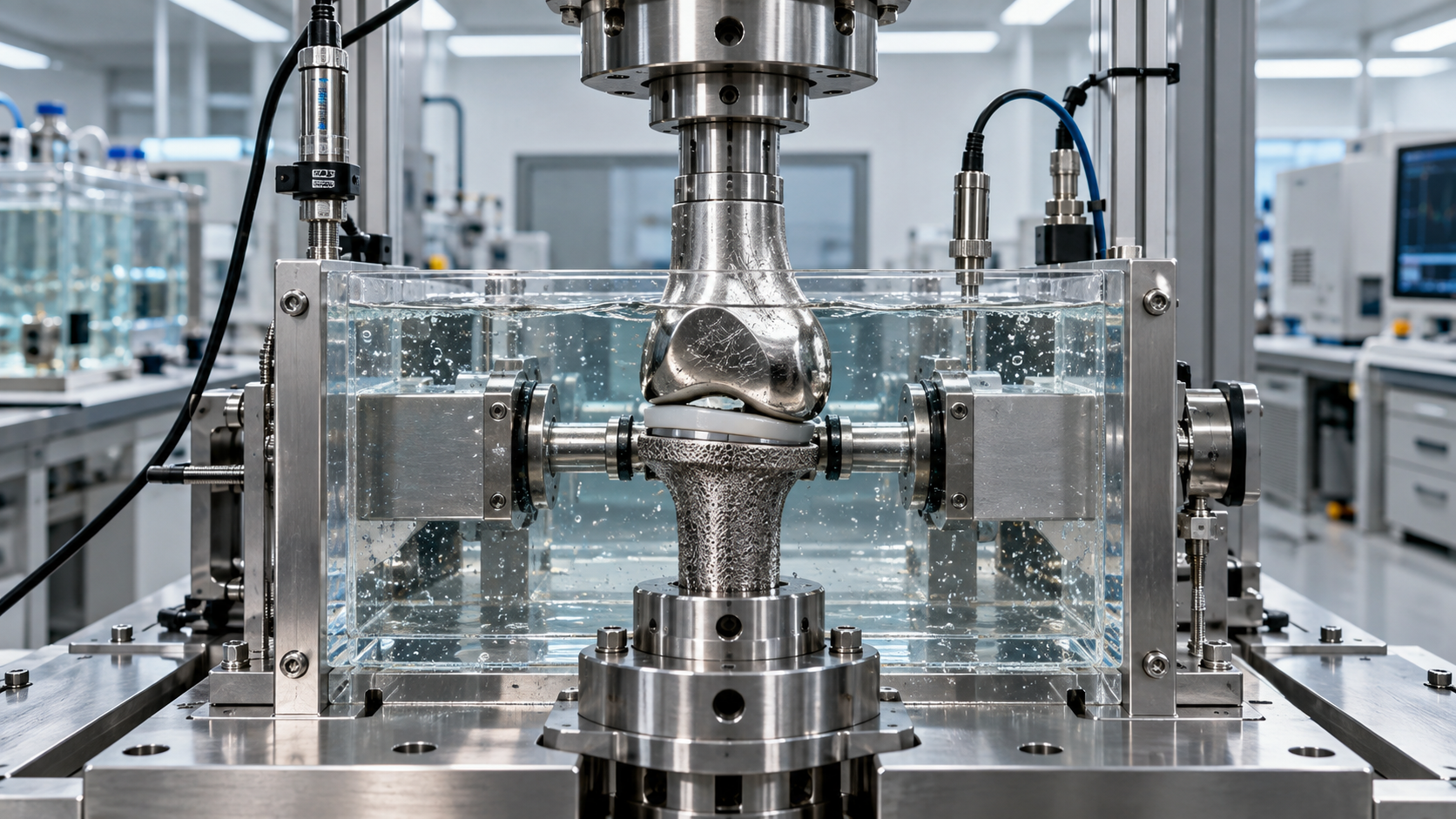
How Implantable Biomaterials Ceramics Affect Strength and Osseointegration
Implantable biomaterials ceramics sit at a critical junction between structural engineering and biological performance. In orthopedic reconstruction and other high-value medical consumables, they are not passive fillers. They shape compressive strength, wear behavior, interfacial fixation, and the quality of osseointegration over time.
That is why ceramic choice now draws attention far beyond material science teams. It affects design verification, ISO 10993 biological safety planning, clinical evaluation logic, and even commercial resilience under tighter procurement pressure.
Within the IMCS view of global implant systems, this topic matters because long-term function depends on two conditions holding together: the implant must stay mechanically reliable, and surrounding tissue must accept and anchor it without unstable reactions.
Why ceramics remain central in implant design
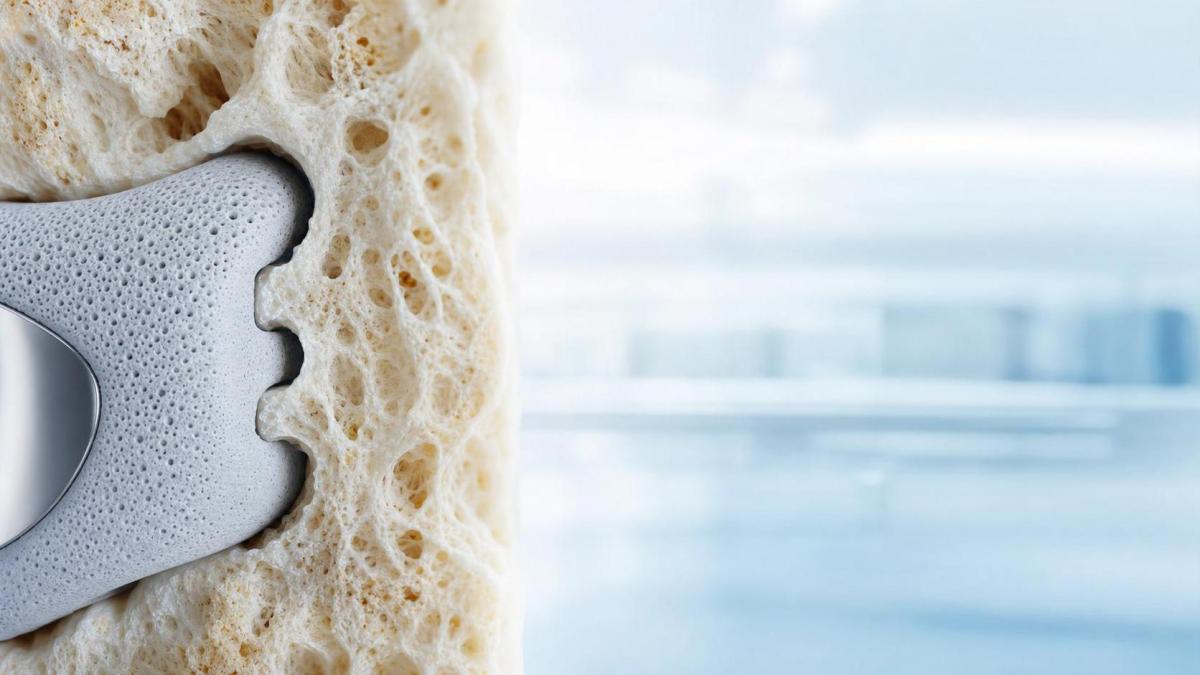
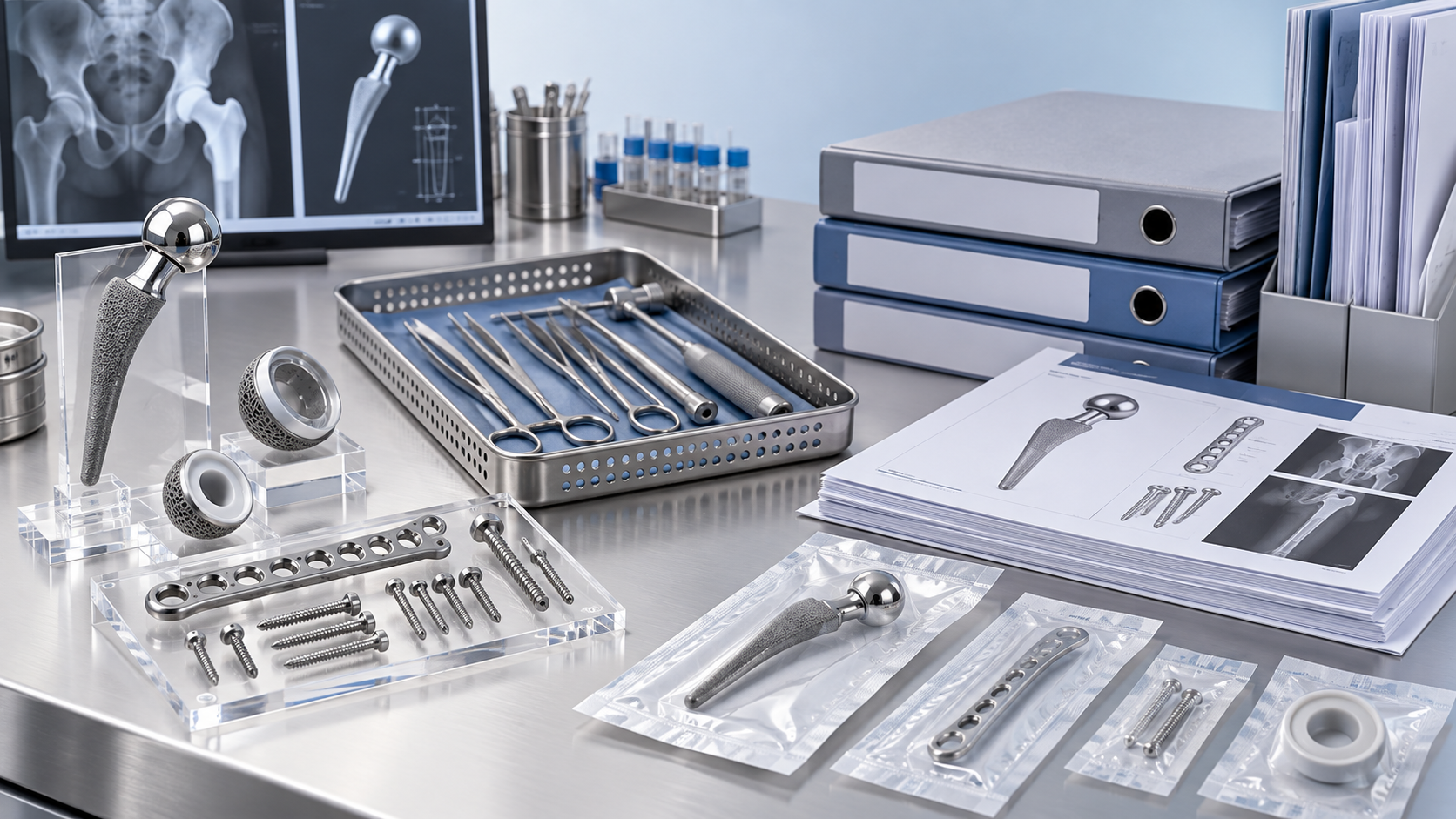
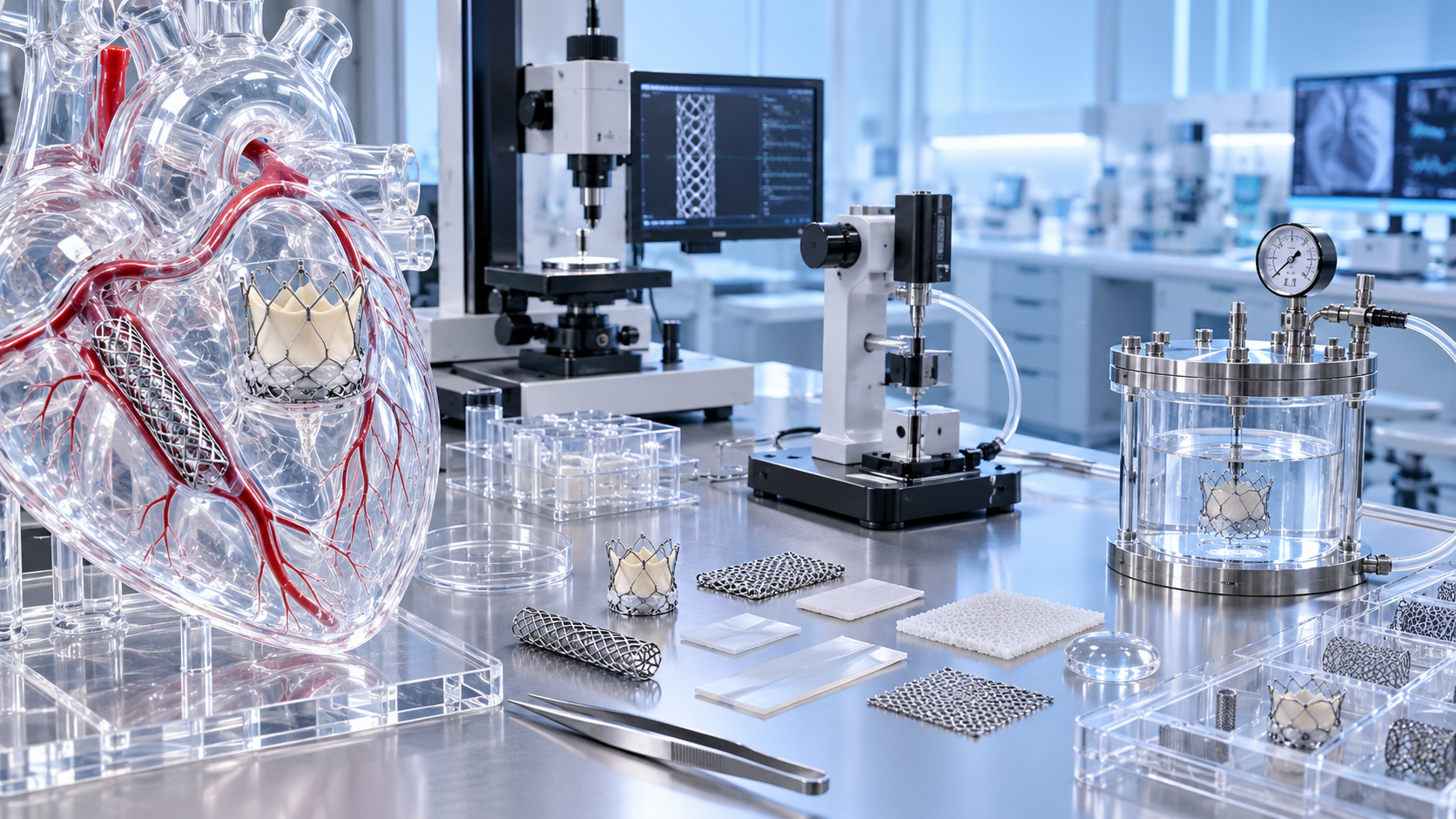
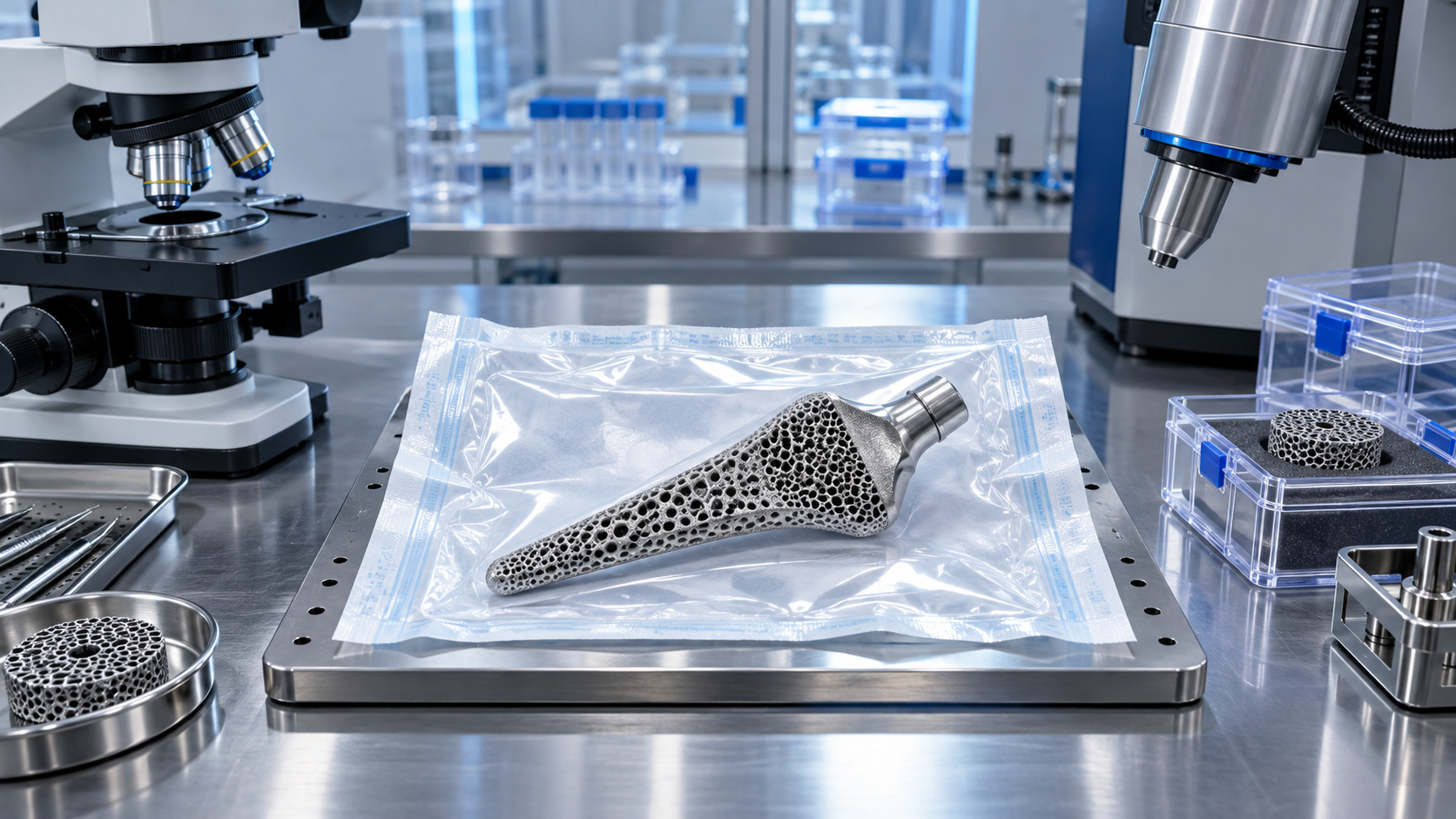
The image focus here is the interface where ceramic structure meets living bone.
Implantable biomaterials ceramics are used because they offer a rare combination of hardness, corrosion resistance, chemical stability, and biological acceptance. These traits are especially valuable when metal ion release, polymer creep, or surface wear would create longer-term concerns.
In practice, the ceramic family is broad. Alumina, zirconia, zirconia-toughened alumina, hydroxyapatite, beta-tricalcium phosphate, and bioactive glass do not solve the same problem. Some are chosen for strength and wear. Others are chosen for bone bonding or controlled resorption.
Simple material labels can be misleading. A dense alumina femoral head and a porous calcium phosphate scaffold are both ceramics, yet their mechanical roles, failure modes, and regulatory questions are completely different.
Strength is shaped by composition, microstructure, and defects
When people discuss strength in implantable biomaterials ceramics, they often mean more than one property. Compressive strength, flexural strength, fracture toughness, fatigue behavior, and wear resistance all matter, but not equally in every indication.
Dense structural ceramics usually perform extremely well in compression. The challenge is brittleness. Ceramics resist deformation, yet small flaws can become crack initiation sites under tensile or cyclic loading.
That makes microstructure decisive. Grain size, phase distribution, pore content, and sintering quality determine whether the final part behaves as a dependable implant component or as a high-risk brittle body.
Zirconia is a useful example. Its transformation toughening can improve crack resistance. However, phase stability must be tightly controlled. Low-temperature degradation, if unmanaged, can reduce long-term reliability in vivo.
Processing history also matters. Powder purity, compaction method, hot isostatic pressing, machining damage, and sterilization pathway can all change the effective strength of implantable biomaterials ceramics without changing the material name on paper.
Common strength-related evaluation points
- Critical flaw population and pore distribution
- Surface finish after grinding, polishing, or coating
- Static and dynamic loading profile in the target anatomy
- Fretting, wear pair compatibility, and debris generation
- Aging behavior under moisture, temperature, and time
In other words, ceramic strength is never only a datasheet number. It is a system result produced by material, geometry, surface condition, and actual clinical loading.
Osseointegration depends on more than biocompatibility
A ceramic can be biocompatible and still integrate poorly with bone. Osseointegration requires a favorable biological response, but it also depends on surface energy, roughness, chemistry, porosity, and early mechanical stability.
Bioinert ceramics such as alumina may show excellent tolerance, yet they do not actively stimulate bone attachment in the same way as calcium phosphate-based surfaces. That difference matters when fixation strategy depends on direct bone apposition.
Hydroxyapatite coatings and porous calcium phosphate ceramics are widely discussed because they resemble mineral components of bone. They can support cell attachment and encourage mineralized tissue formation at the interface.
Still, faster bone bonding is not always a complete advantage. Coating adhesion, dissolution rate, crystallinity, and thickness must be balanced. If the bioactive layer degrades too quickly or delaminates, fixation quality may become less predictable.
What usually improves bone response
- Controlled surface roughness at micro and submicron levels
- Open, interconnected porosity for bone ingrowth where load paths allow it
- Calcium phosphate chemistry aligned with healing objectives
- Stable fixation during the early postoperative period
- Low debris burden and limited inflammatory signaling
For implantable biomaterials ceramics, osseointegration is therefore a surface-and-structure problem as much as a chemistry problem.
Where the trade-offs appear in real devices
The most relevant trade-off is straightforward: the features that improve bone ingrowth often reduce bulk strength. Higher porosity supports tissue penetration, but it also lowers mechanical integrity and can concentrate stress.
This is why dense ceramic bearings and porous ceramic bone substitutes occupy different places in the product landscape. One is optimized for wear and dimensional stability. The other is optimized for biological interaction and remodeling.
The same tension appears in coated implants. A metallic substrate may carry load, while a ceramic coating drives interface biology. In that case, the central question is no longer whether the ceramic is strong enough alone. It is whether the coating-substrate system stays adherent and functional.
For IMCS-covered sectors, this matters most in orthopedic replacement systems, spinal fusion constructs, bone defect fillers, and tissue regeneration platforms. Each use case defines a different acceptable balance between toughness, resorption, and osteoconductivity.
What deserves closer scrutiny during technical evaluation
For implantable biomaterials ceramics, material selection should be reviewed as a chain of linked evidence, not as isolated claims. Mechanical test results, surface characterization, biological assessment, and manufacturing reproducibility must align.
A frequent problem is mismatch between bench performance and clinical context. A ceramic may show strong compressive data, yet still be unsuitable where bending, notch sensitivity, or edge chipping dominate real use.
Another issue is overreliance on nominal chemistry. Two hydroxyapatite coatings can behave very differently because of crystallinity, porosity, deposition route, and bond strength to the underlying implant.
The regulatory dimension is equally practical. Class III implant pathways increasingly expect coherent evidence linking design intent, risk management, preclinical testing, and clinical outcomes. Ceramic decisions should therefore be traceable from material input to patient-facing benefit.
A workable review checklist
- Match ceramic type to the actual load-bearing role
- Review porosity against both bone ingrowth and structural margin
- Verify coating integrity after sterilization and shelf aging
- Check wear debris and interface stability assumptions
- Connect ISO 10993 data to the finished device surface state
- Look for manufacturing variability that could shift fracture risk
Why this matters across the broader medical consumables market
Ceramic performance is not only an orthopedic story. It influences how the wider implant and medical consumables ecosystem thinks about durability, healing quality, and differentiated technical value.
In a market shaped by stricter evidence standards and VBP-style pricing pressure, materials that reduce revision risk or improve healing predictability carry strategic weight. That is especially true when premium positioning depends on measurable clinical logic rather than broad performance claims.
IMCS tracks this intersection closely because implantable biomaterials ceramics often reveal where material science, precision processing, and regulatory discipline either reinforce one another or break apart.
The practical implication is clear. Better ceramic decisions usually come from cross-reading mechanical evidence, interface biology, and commercialization constraints at the same time.
A useful way to frame next decisions
When reviewing implantable biomaterials ceramics, start by asking what must remain stable for the intended therapy to succeed. In some devices, that is wear resistance. In others, it is rapid bone anchoring, controlled remodeling, or coating persistence.
Then examine whether the chosen ceramic architecture supports that goal without creating a new weak point. The most credible solutions are usually the ones where strength profile, osseointegration pathway, and regulatory evidence tell the same story.
That makes the next step less about chasing a single “best” ceramic and more about building a sharper comparison framework. Focus on indication-specific loading, surface behavior, manufacturing control, and the quality of proof behind each claim.
Viewed that way, implantable biomaterials ceramics become easier to judge: not as generic biocompatible materials, but as engineered clinical interfaces whose success depends on how well strength and osseointegration are balanced from design through long-term use.
Get weekly intelligence in your inbox.
No noise. No sponsored content. Pure intelligence.
News Recommendations
 Oct 26, 2026Can a single approval cover life science product sales worldwide?Can a single approval cover life science product sales worldwide?
 Oct 25, 2026When is sensitization testing needed for medical device biocompatibility?When is sensitization testing needed for medical device biocompatibility?
 Oct 24, 2026How is biocompatibility tested for implantable polymer biomaterials?How is biocompatibility tested for implantable polymer biomaterials?
 Oct 23, 2026How to build reimbursement into an implant commercialization strategyHow to build reimbursement into an implant commercialization strategy
 Oct 22, 2026What clinical evidence do implants need for CE marking under EU MDR?What clinical evidence do implants need for CE marking under EU MDR?
 Oct 21, 2026How to choose disposable laparoscopic stapler reloads for thick tissueHow to choose disposable laparoscopic stapler reloads for thick tissue
 Oct 20, 2026How to assess medical polymer biocompatibility under ISO 10993How to assess medical polymer biocompatibility under ISO 10993
 Oct 19, 2026How do interventional device categories differ in clinical use?How do interventional device categories differ in clinical use?
 Oct 18, 2026When to choose alginate dressings for heavily exuding chronic woundsWhen to choose alginate dressings for heavily exuding chronic wounds
 Oct 17, 2026How is biocompatibility tested for custom medical-grade PEEK implants?How is biocompatibility tested for custom medical-grade PEEK implants?
 Oct 16, 2026How to check a wound healing materials supplier’s biocompatibility dataHow to check a wound healing materials supplier’s biocompatibility data
 Oct 15, 2026How to verify the FDA clearance status of silver wound dressingsHow to verify the FDA clearance status of silver wound dressings
 Oct 14, 2026How to register orthopedic implants and instruments in Latin AmericaHow to register orthopedic implants and instruments in Latin America
 Oct 13, 2026How to use a device market intelligence database to benchmark VBP pricesHow to use a device market intelligence database to benchmark VBP prices
 Oct 12, 2026When should stainless steel orthopedic instruments be replaced?When should stainless steel orthopedic instruments be replaced?
 Oct 11, 2026When are alginate dressings rope the right choice for cavity wounds?When are alginate dressings rope the right choice for cavity wounds?
 Oct 10, 2026When smart minimally invasive technology improves catheter accessWhen smart minimally invasive technology improves catheter access
 Oct 08, 2026Clinical evaluation requirements for cardiovascular implant devices in EuropeClinical evaluation requirements for cardiovascular implant devices in Europe
 Oct 07, 2026What to verify before appointing an artificial joint implants distributorWhat to verify before appointing an artificial joint implants distributor
 Oct 06, 2026How ISO 10993 guides biocompatibility testing for medical materialsHow ISO 10993 guides biocompatibility testing for medical materials
 Oct 05, 2026How to verify an orthopedic implants and instruments exporterHow to verify an orthopedic implants and instruments exporter
 Oct 04, 2026What drives surgical stapling devices price differences in hospital tenders?What drives surgical stapling devices price differences in hospital tenders?
 Oct 03, 2026How to assess a central venous catheter manufacturer's infection-control evidenceHow to assess a central venous catheter manufacturer's infection-control evidence
 Oct 02, 2026How to assess an advanced wound care factory’s quality systemHow to assess an advanced wound care factory’s quality system
 Oct 01, 2026What is driving global medical consumables demand in emerging markets?What is driving global medical consumables demand in emerging markets?
 Sep 30, 2026Implant Material Compliance Testing: Evidence Needed for Regulatory SubmissionImplant Material Compliance Testing: Evidence Needed for Regulatory Submission
 Sep 30, 2026From Corrosion to Fatigue: What Implant Materials Testing Should MeasureFrom Corrosion to Fatigue: What Implant Materials Testing Should Measure