Europe High-Risk Implant Compliance: MDR Gaps That Delay Approval
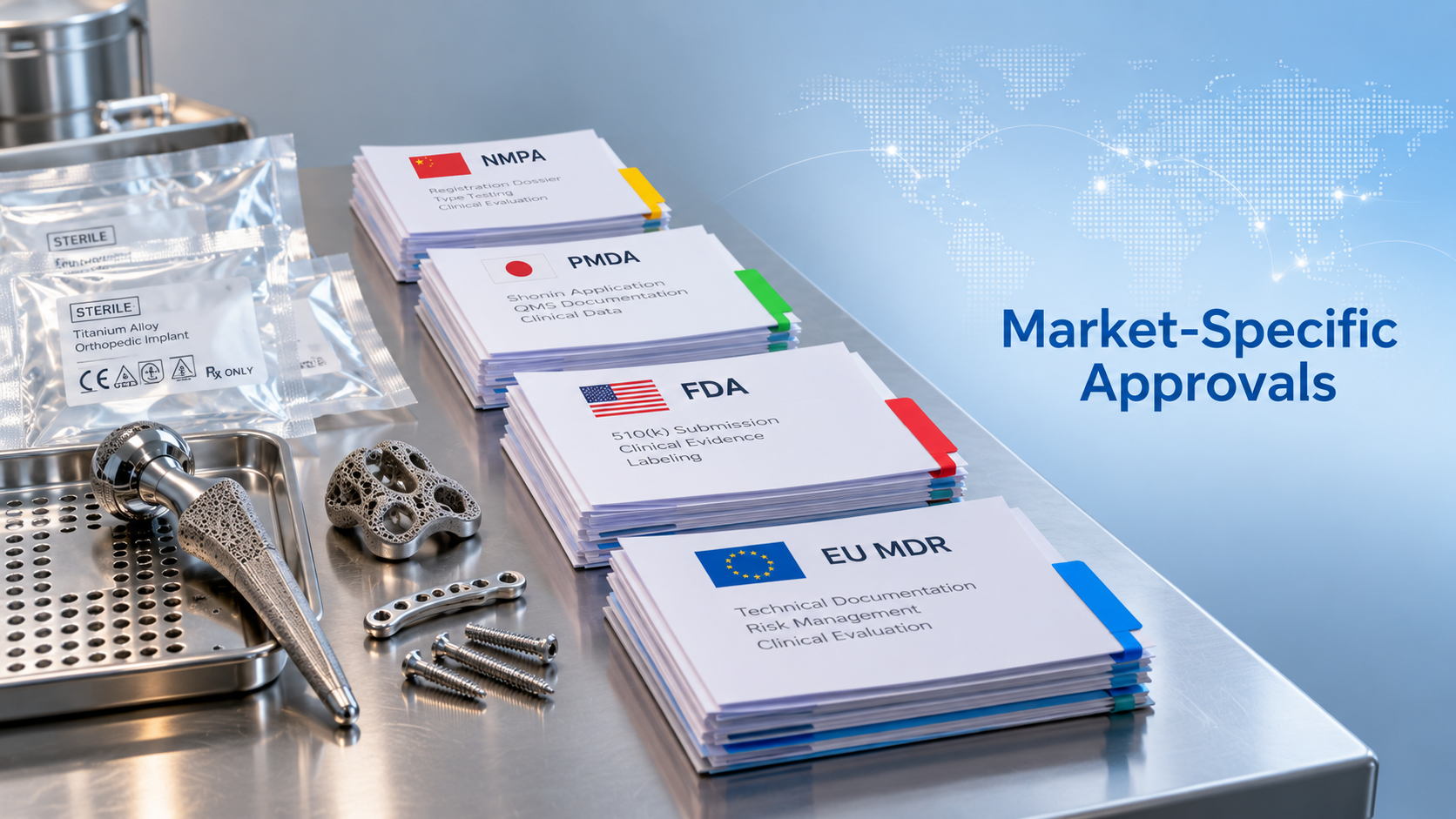
For EU market access, high-risk implant compliance Europe has become a business filter, not a final paperwork step.
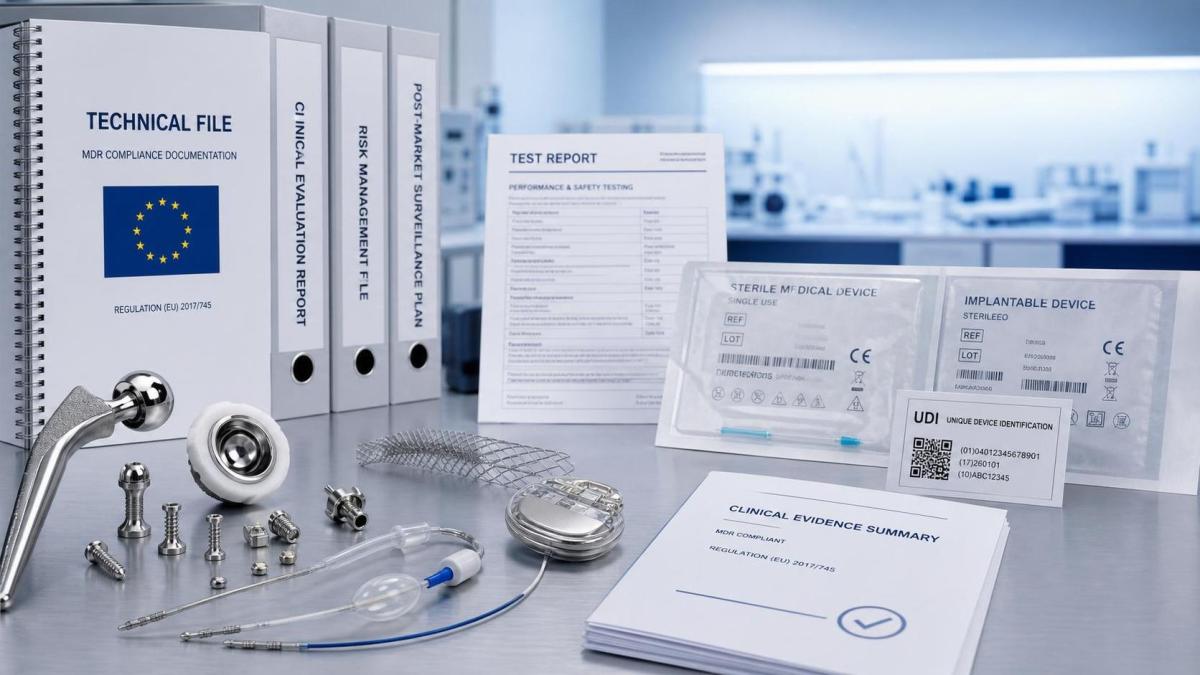
Under MDR, Class III implants face deeper scrutiny on clinical evidence, biological safety, technical documentation, and lifecycle surveillance.
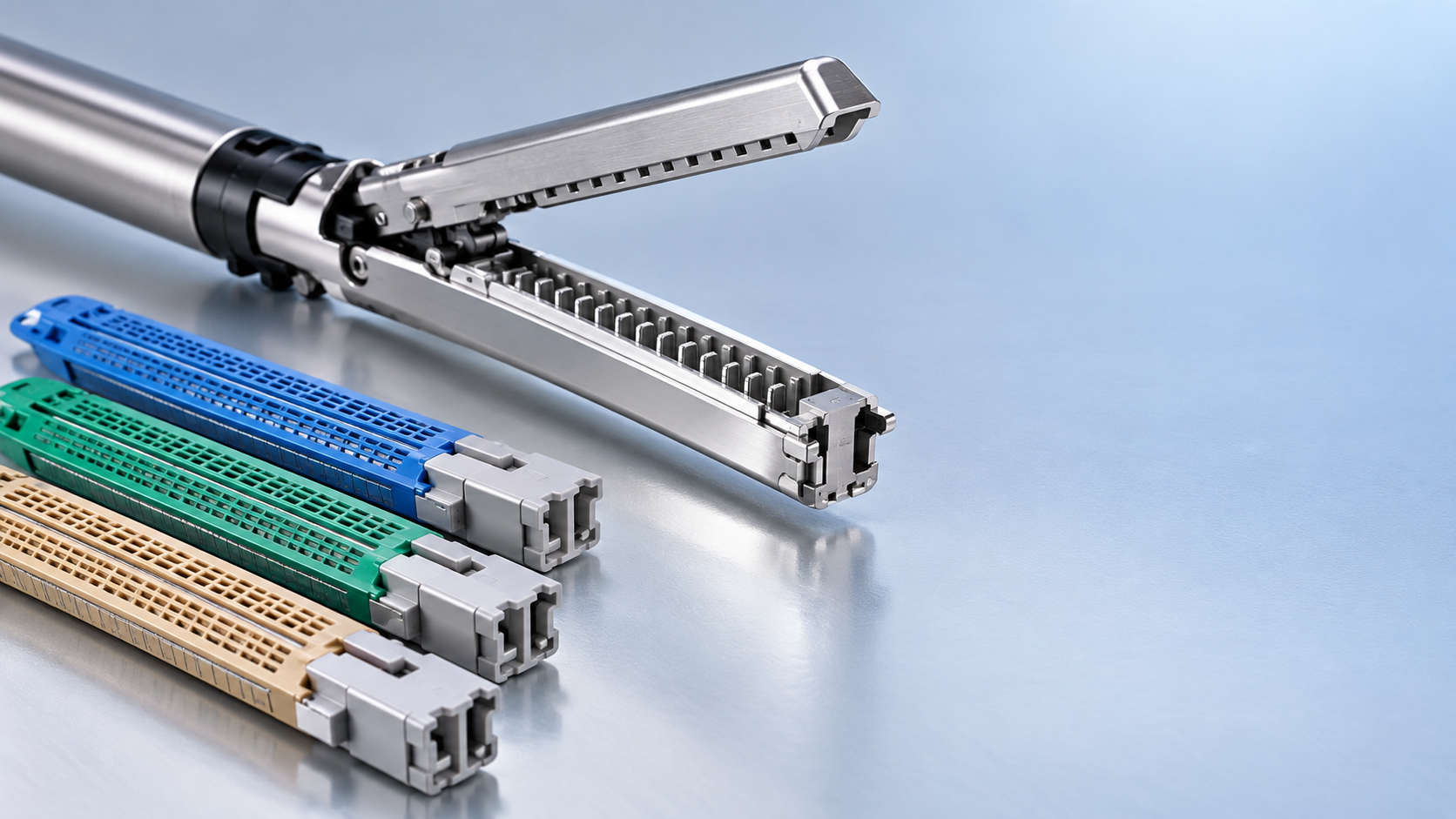
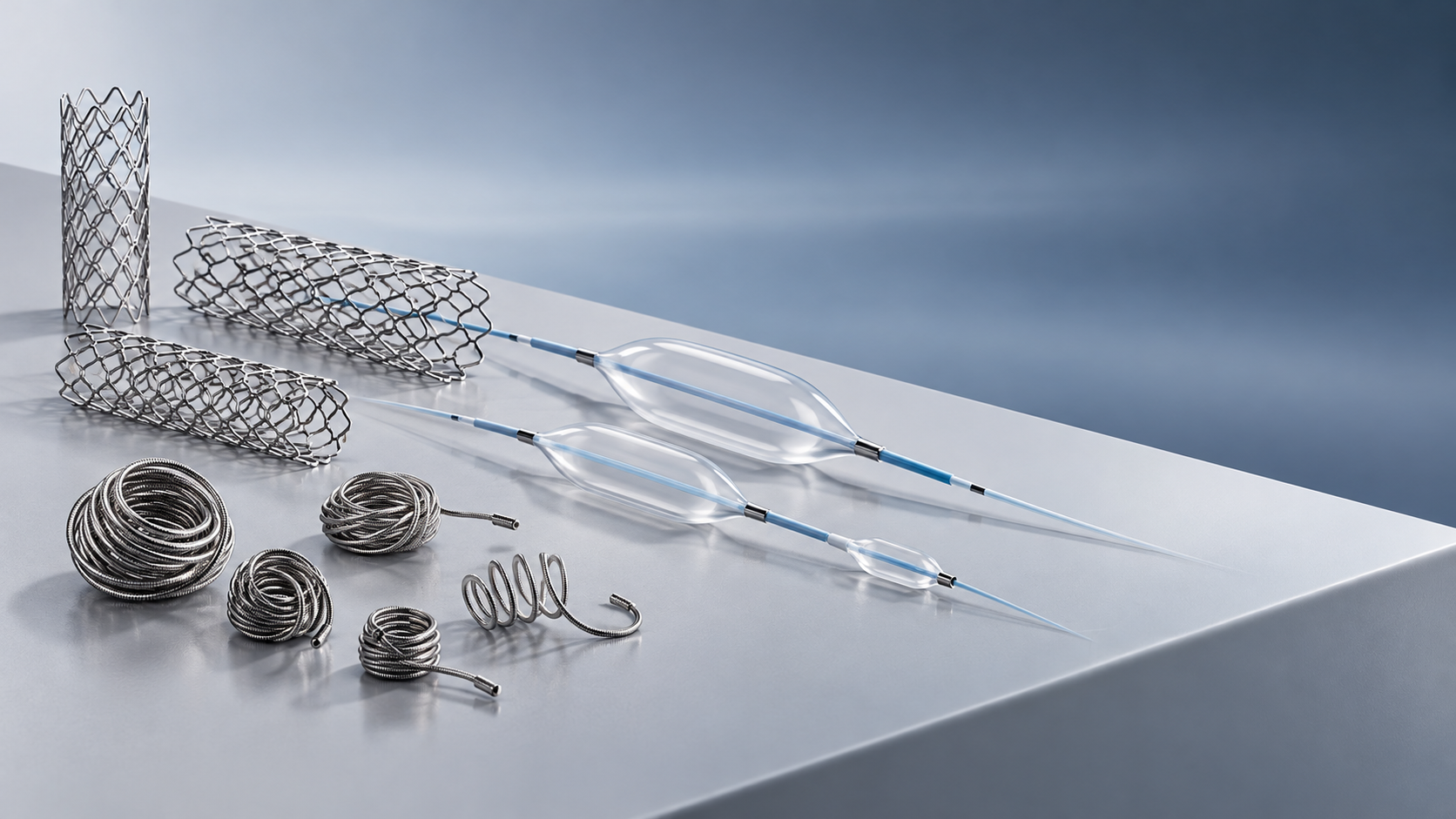
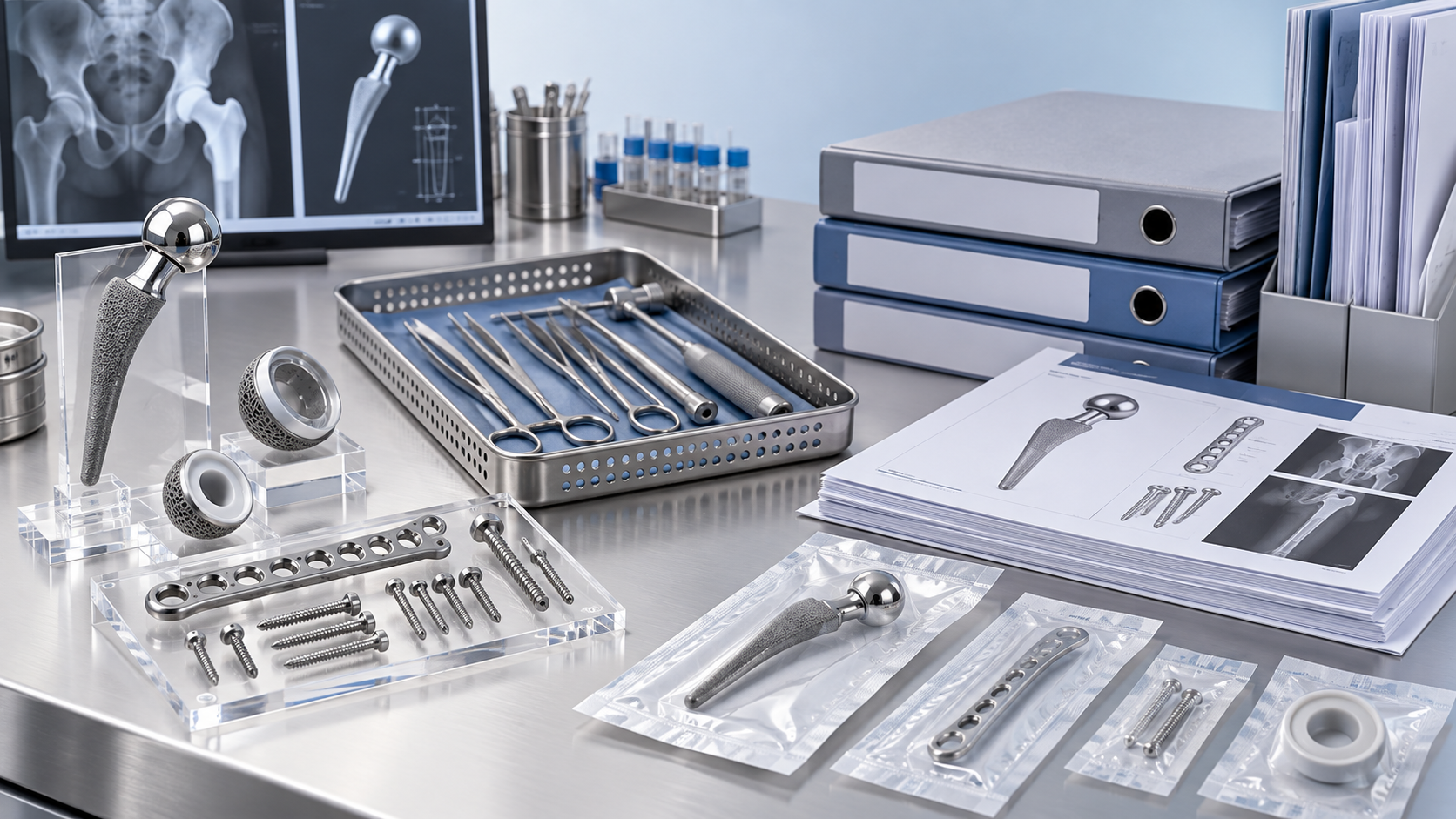
That shift matters across orthopedic implants, cardiovascular devices, surgical consumables, polymer catheters, and tissue repair materials.
Approval delays often come from gaps hidden inside otherwise strong products, especially where evidence logic and regulatory execution do not fully match.
Why MDR delays are now a strategic issue
The pressure is no longer limited to compliance teams.
A delayed CE decision affects launch timing, distributor confidence, inventory planning, tender positioning, and pricing strategy.
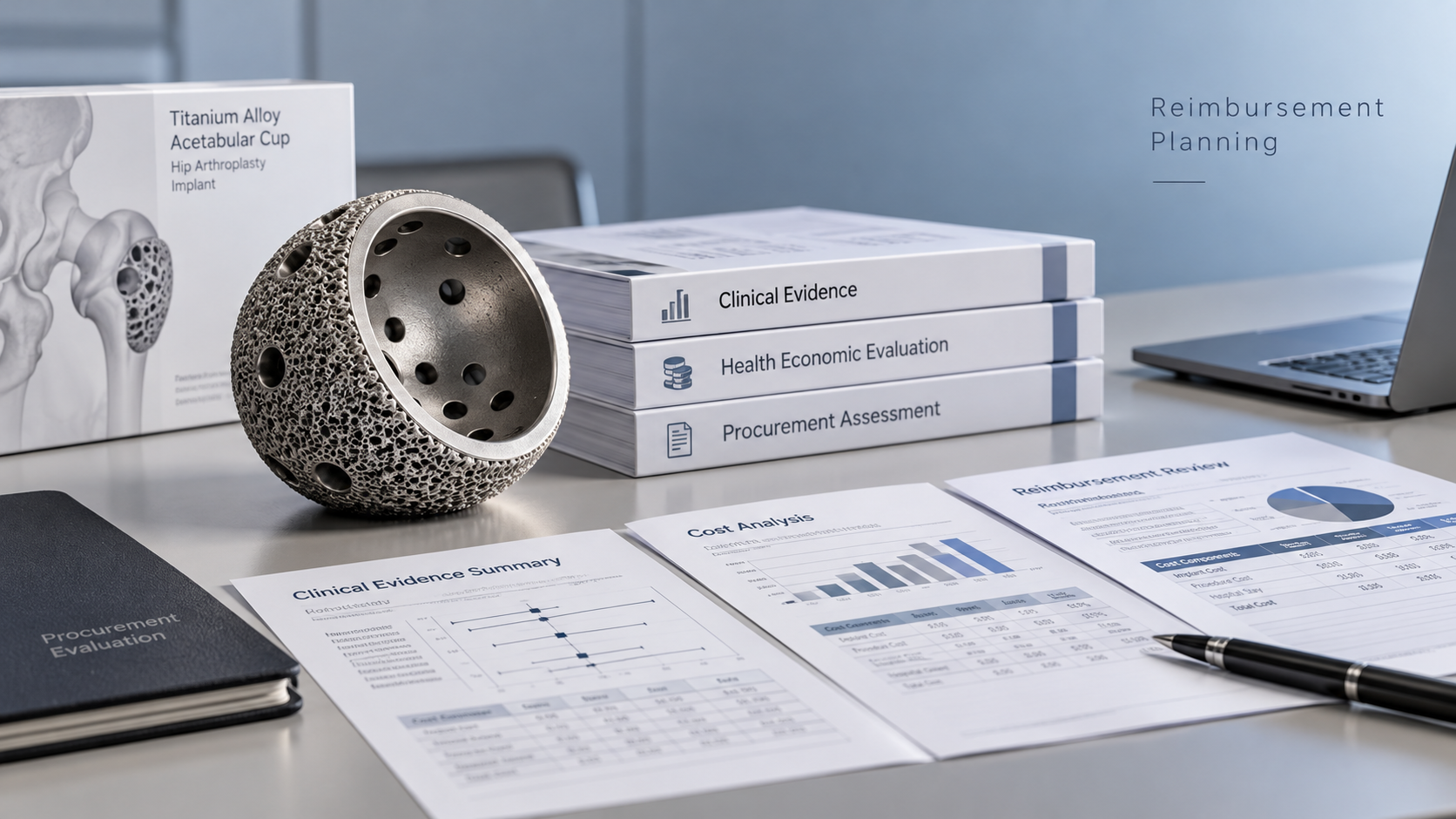
In sectors tied to reimbursement reform and volume-based procurement, timing can directly shape margin and market share.
This is why high-risk implant compliance Europe now sits between R&D, clinical, quality, market access, and capital planning.
The problem is not that MDR is new.
The problem is that notified bodies increasingly expect a tighter, connected argument across the full product lifecycle.
If one section is weak, the entire file becomes slower to defend.
What high-risk implant compliance Europe really covers
In practical terms, it is the ability to prove that a high-risk implant is safe, performs as intended, and remains supported after commercialization.
That proof is built through connected evidence, not isolated reports.
For implantable systems, four elements usually determine the strength of the submission:
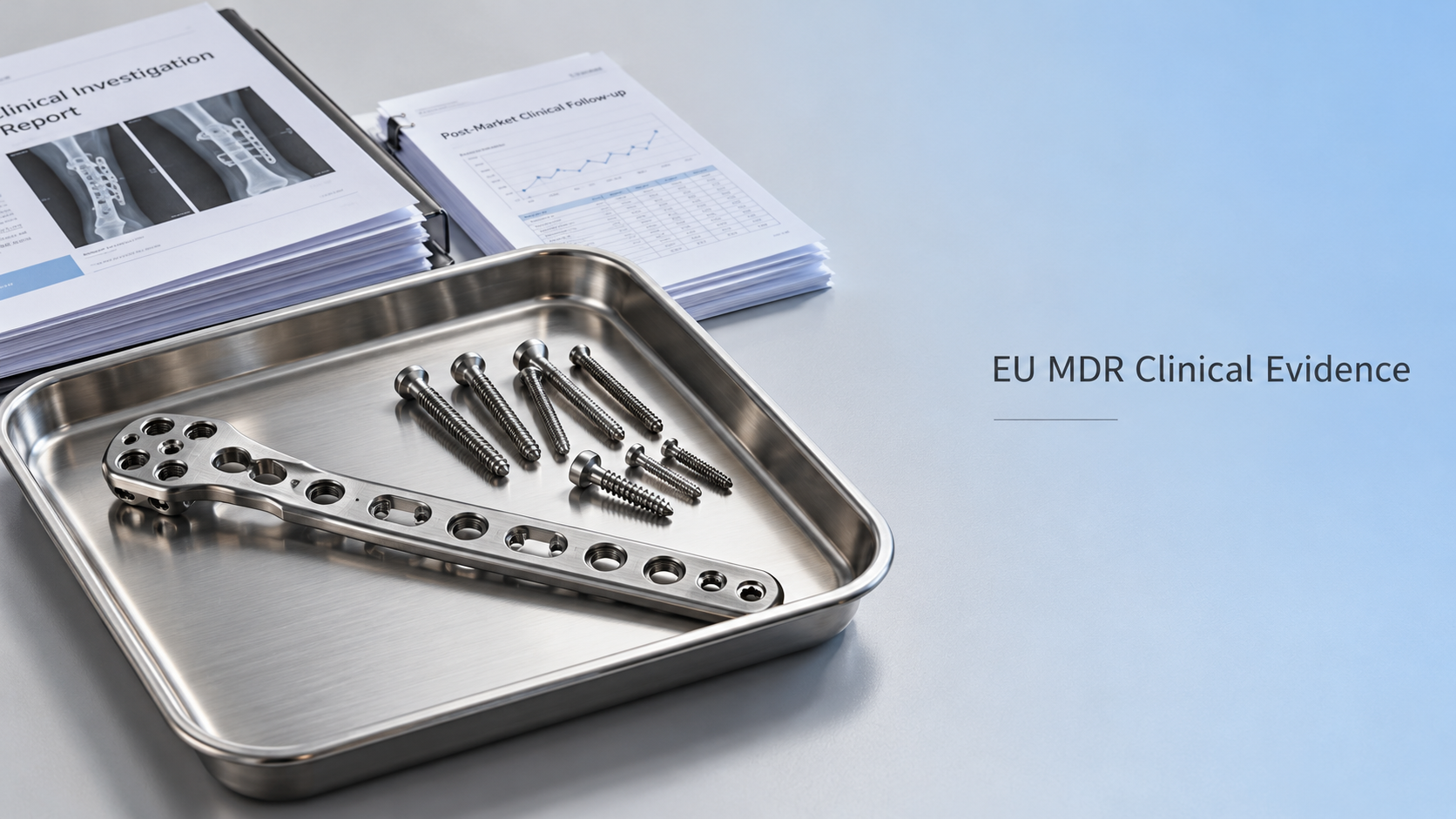
- clinical evaluation and CER consistency
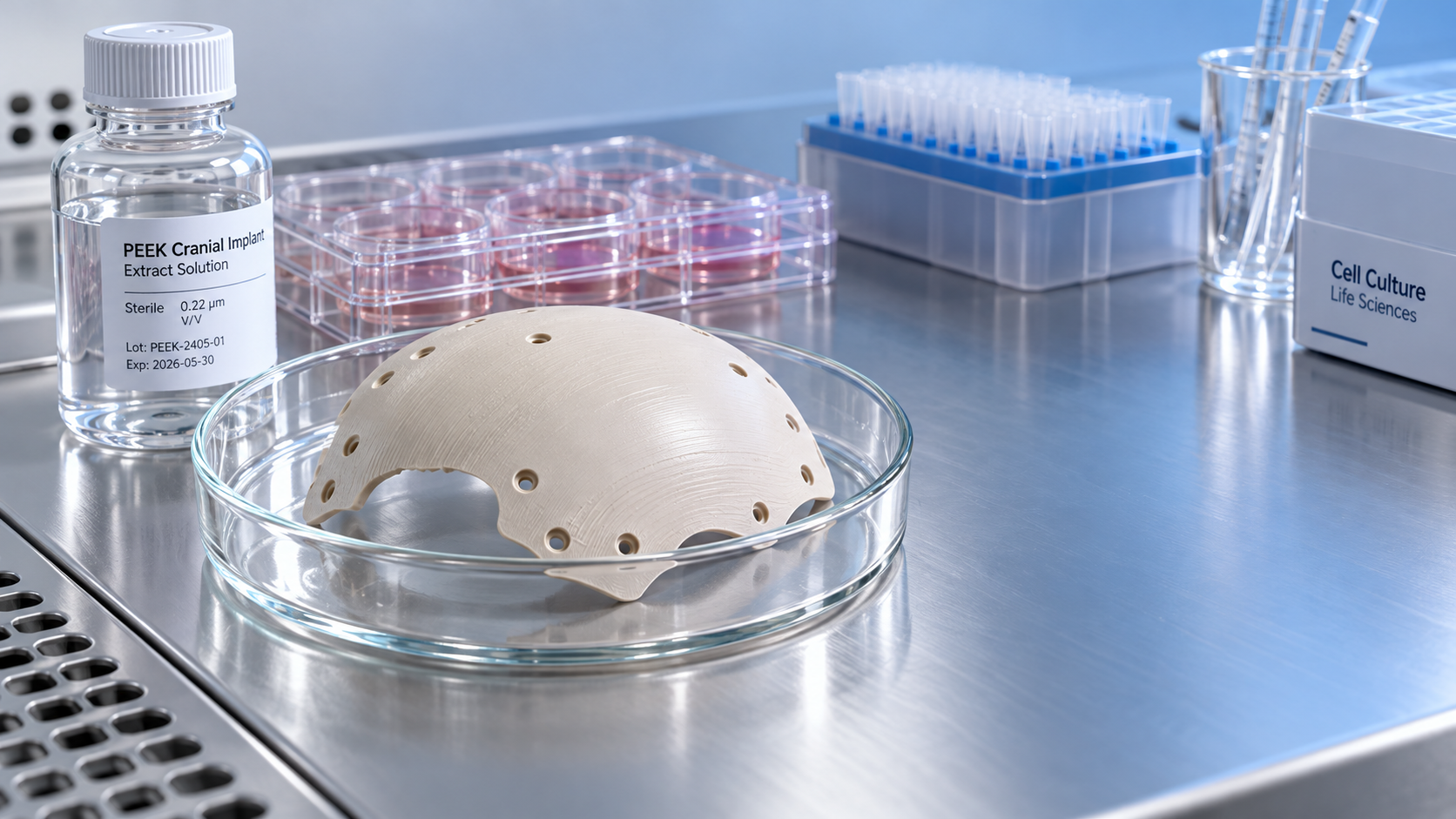
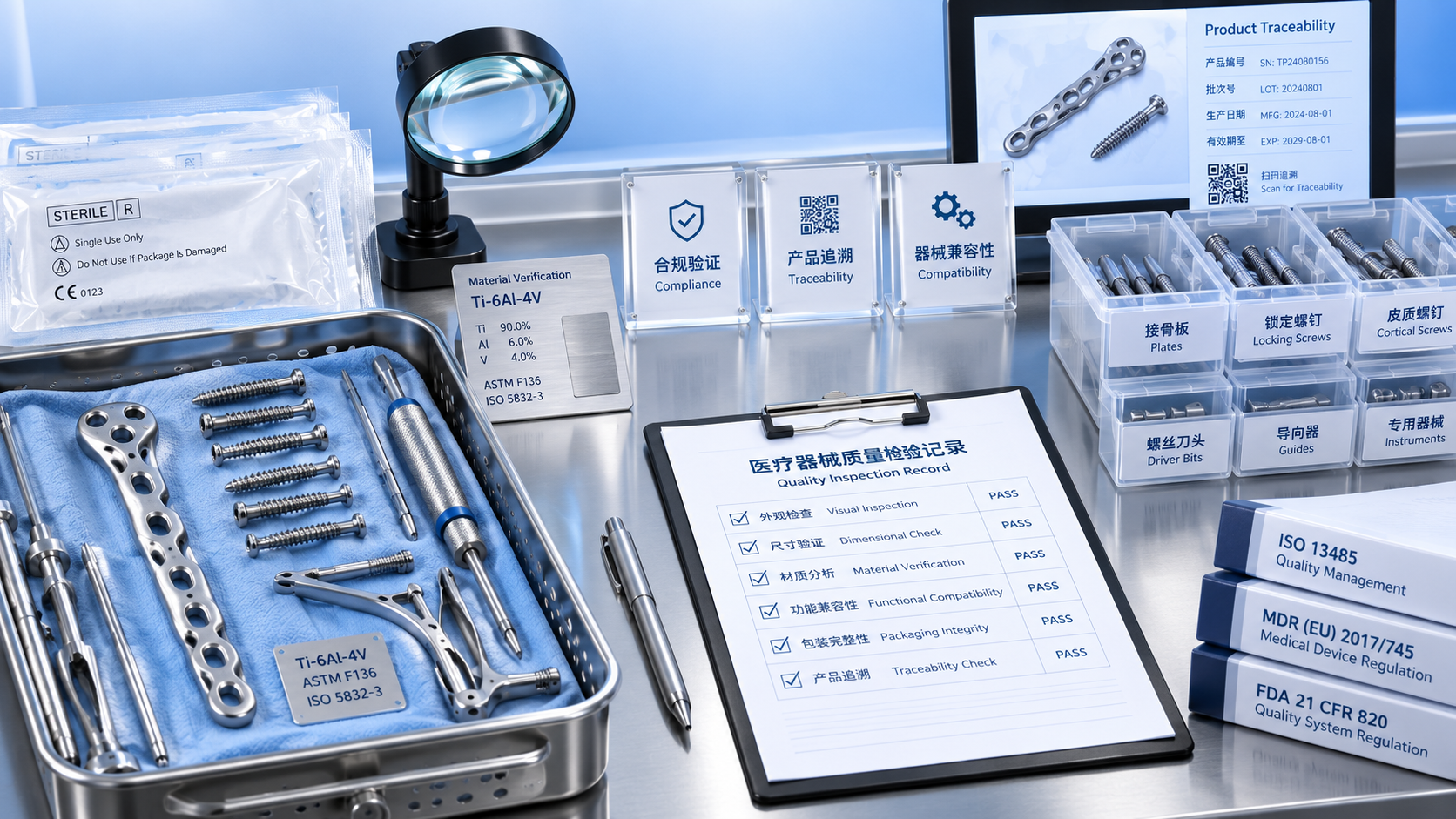
- biocompatibility and toxicological justification under ISO 10993
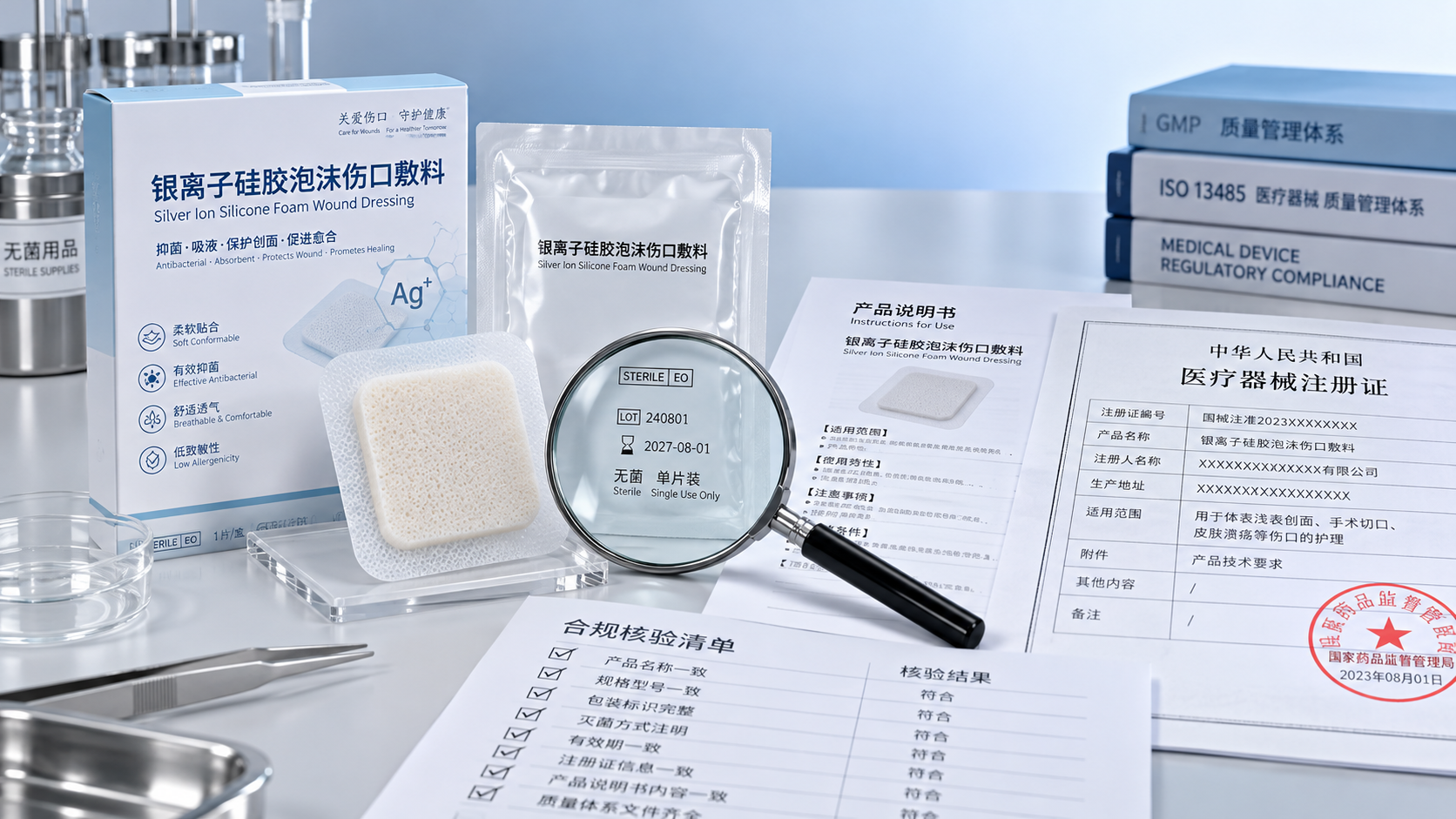
- technical documentation aligned with design, manufacturing, and labeling
- post-market clinical follow-up and vigilance planning
When these parts are coherent, review tends to move faster.
When they are assembled late or defended separately, the file starts to fray.
The MDR gaps that most often delay approval
Many delays in high-risk implant compliance Europe are not caused by a failed bench test.
They come from incomplete reasoning around known risks.
Clinical evidence that looks broad but not device-specific
A common CER problem is relying on literature that supports a technology category but not the exact implant design, indication, or patient profile.
Equivalence claims are especially fragile under MDR.
If access to the comparable device data is weak, the notified body may reject the bridge.
Biocompatibility files that stop at testing
Testing alone rarely closes the question.
For long-term implants, regulators expect toxicological rationale, chemical characterization, extractables context, and a clear link to patient exposure.
This is critical for titanium alloys, coatings, polymers, adhesives, drug-device combinations, and porous structures.
Technical documents that do not tell one story
Specifications, risk files, IFU statements, shelf-life data, sterilization validation, and manufacturing controls must align.
A mismatch between design inputs and clinical claims can trigger rounds of questions.
Post-market planning written too late
PMCF is often treated as an after-approval formality.
Under MDR, it is part of the approval logic itself.
If the surveillance plan does not match device risk, implant duration, and unresolved clinical questions, review slows quickly.
Where the pressure is strongest across implant categories
The evidence burden changes by product architecture and clinical context.
This is where a sector-focused intelligence model becomes useful.
IMCS tracks these product families together because regulatory blind spots often appear at the intersection of materials, precision manufacturing, and clinical positioning.
How to read approval risk before the notified body does
A practical review starts by asking whether the submission can defend its own claims without assumptions.
That sounds obvious, but it is where many files weaken.
Look for evidence chain breaks
Each major claim should link design features, test methods, biological rationale, clinical endpoints, and post-market controls.
If a claim jumps from bench performance to safety conclusion, there is usually a review risk.
Check whether novelty has been underestimated
A 3D-printed porous surface, drug coating, catheter chemistry, or new delivery interface can shift the evidence standard.
Incremental engineering changes are not always regulatory minor changes.
Read PMCF as a current obligation
The strongest files treat PMCF as a forward extension of the CER.
That means unresolved evidence gaps are named early and addressed with realistic collection plans.
Why intelligence depth matters more than document volume
High-risk implant compliance Europe rarely improves by adding more disconnected material.
It improves when technical, clinical, and commercial interpretation move together.
That is especially true in markets where regulatory timelines affect tender access and pricing corridors.
IMCS approaches this from a multi-layer view.
Biocompatibility analysis must reflect material reality.
CER strategy must reflect clinical logic.
Market planning must reflect procurement pressure and margin resilience.
For high-value implants and consumables, those are not separate management conversations anymore.
A sensible next step for decision quality
The most useful next move is not a broad document collection exercise.
It is a targeted gap review across CER strength, ISO 10993 rationale, technical consistency, and PMCF readiness.
For programs involving orthopedic replacements, cardiovascular interventions, implantable polymers, or regenerative materials, that review should happen before submission timing is fixed.
High-risk implant compliance Europe is easiest to manage when the evidence story is built early, tested hard, and aligned with real notified body expectations.
That creates a clearer basis for investment, market entry, and long-term product positioning.
Get weekly intelligence in your inbox.
No noise. No sponsored content. Pure intelligence.
News Recommendations
 Oct 26, 2026Can a single approval cover life science product sales worldwide?Can a single approval cover life science product sales worldwide?
 Oct 25, 2026When is sensitization testing needed for medical device biocompatibility?When is sensitization testing needed for medical device biocompatibility?
 Oct 24, 2026How is biocompatibility tested for implantable polymer biomaterials?How is biocompatibility tested for implantable polymer biomaterials?
 Oct 23, 2026How to build reimbursement into an implant commercialization strategyHow to build reimbursement into an implant commercialization strategy
 Oct 22, 2026What clinical evidence do implants need for CE marking under EU MDR?What clinical evidence do implants need for CE marking under EU MDR?
 Oct 21, 2026How to choose disposable laparoscopic stapler reloads for thick tissueHow to choose disposable laparoscopic stapler reloads for thick tissue
 Oct 20, 2026How to assess medical polymer biocompatibility under ISO 10993How to assess medical polymer biocompatibility under ISO 10993
 Oct 19, 2026How do interventional device categories differ in clinical use?How do interventional device categories differ in clinical use?
 Oct 18, 2026When to choose alginate dressings for heavily exuding chronic woundsWhen to choose alginate dressings for heavily exuding chronic wounds
 Oct 17, 2026How is biocompatibility tested for custom medical-grade PEEK implants?How is biocompatibility tested for custom medical-grade PEEK implants?
 Oct 16, 2026How to check a wound healing materials supplier’s biocompatibility dataHow to check a wound healing materials supplier’s biocompatibility data
 Oct 15, 2026How to verify the FDA clearance status of silver wound dressingsHow to verify the FDA clearance status of silver wound dressings
 Oct 14, 2026How to register orthopedic implants and instruments in Latin AmericaHow to register orthopedic implants and instruments in Latin America
 Oct 13, 2026How to use a device market intelligence database to benchmark VBP pricesHow to use a device market intelligence database to benchmark VBP prices
 Oct 12, 2026When should stainless steel orthopedic instruments be replaced?When should stainless steel orthopedic instruments be replaced?
 Oct 11, 2026When are alginate dressings rope the right choice for cavity wounds?When are alginate dressings rope the right choice for cavity wounds?
 Oct 10, 2026When smart minimally invasive technology improves catheter accessWhen smart minimally invasive technology improves catheter access
 Oct 08, 2026Clinical evaluation requirements for cardiovascular implant devices in EuropeClinical evaluation requirements for cardiovascular implant devices in Europe
 Oct 07, 2026What to verify before appointing an artificial joint implants distributorWhat to verify before appointing an artificial joint implants distributor
 Oct 06, 2026How ISO 10993 guides biocompatibility testing for medical materialsHow ISO 10993 guides biocompatibility testing for medical materials
 Oct 05, 2026How to verify an orthopedic implants and instruments exporterHow to verify an orthopedic implants and instruments exporter
 Oct 04, 2026What drives surgical stapling devices price differences in hospital tenders?What drives surgical stapling devices price differences in hospital tenders?
 Oct 03, 2026How to assess a central venous catheter manufacturer's infection-control evidenceHow to assess a central venous catheter manufacturer's infection-control evidence
 Oct 02, 2026How to assess an advanced wound care factory’s quality systemHow to assess an advanced wound care factory’s quality system
 Oct 01, 2026What is driving global medical consumables demand in emerging markets?What is driving global medical consumables demand in emerging markets?
 Sep 30, 2026Implant Material Compliance Testing: Evidence Needed for Regulatory SubmissionImplant Material Compliance Testing: Evidence Needed for Regulatory Submission
 Sep 30, 2026From Corrosion to Fatigue: What Implant Materials Testing Should MeasureFrom Corrosion to Fatigue: What Implant Materials Testing Should Measure