Global Medical Consumables Trends Shaping 2026 Costs
Global Medical Consumables Trends Shaping 2026 Costs
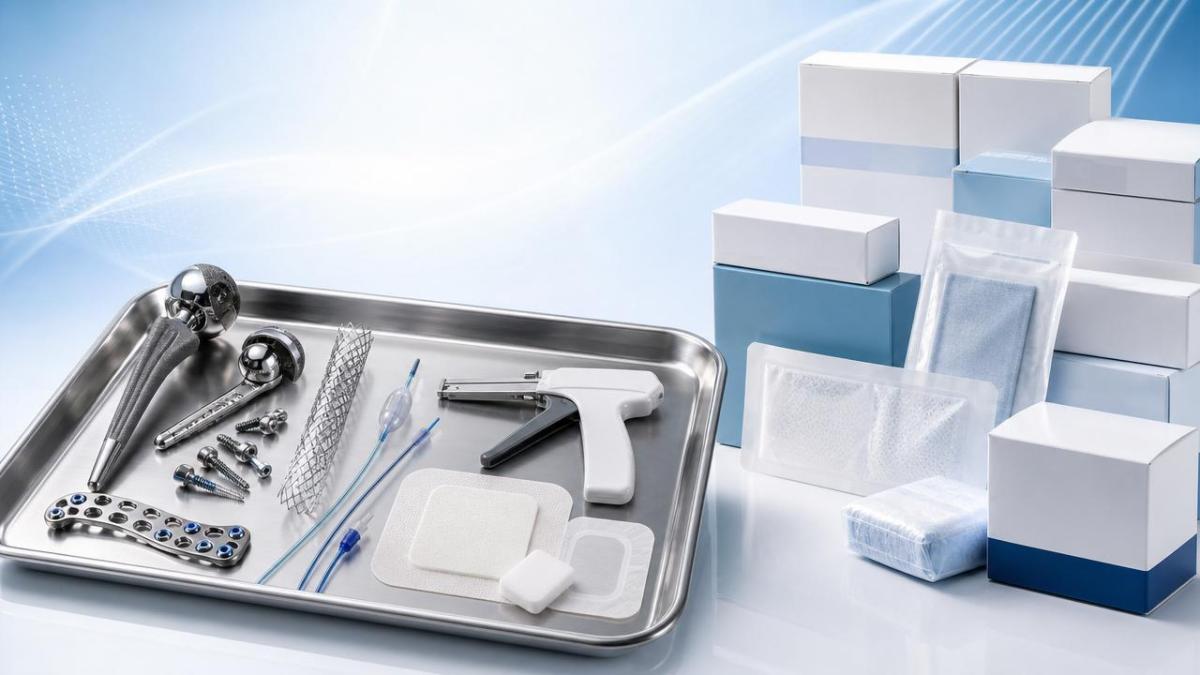
As procurement budgets tighten and value-based care accelerates, global medical consumables trends are becoming a board-level cost issue for 2026.
Orthopedic implants, cardiovascular devices, surgical staplers, catheters, and wound care products now face sharper pricing, evidence, and supply expectations.
The real question is no longer unit price alone. It is whether consumables protect clinical outcomes while surviving regulatory and reimbursement pressure.
Cost Pressure Is Moving From Purchasing Events To System Strategy
One of the clearest global medical consumables trends is the shift from episodic sourcing to continuous cost governance.
Hospitals, payers, and public systems are linking reimbursement, tender scoring, and clinical evidence more tightly than before.
Volume-Based Procurement policies are no longer isolated pricing experiments. They are becoming reference models for broader cost containment.
For high-value consumables, 2026 pricing will reflect more than materials, labor, or logistics. It will reflect proven lifecycle value.
IMCS tracks this change across Class III devices, where biocompatibility, precision machining, and clinical documentation determine market access.
The main signals already visible
- Tender prices are compressing faster in mature implant categories.
- Clinical evidence is becoming a pricing defense, not only a registration requirement.
- Supply resilience is gaining weight in contract decisions.
- Advanced materials are being judged by measurable healing or functional benefits.
- Regulatory documentation gaps are turning into commercial risks.
Why Global Medical Consumables Trends Are Tightening Around 2026
The drivers behind global medical consumables trends are structural. They come from aging populations, chronic disease, surgical volume, and fiscal limits.
At the same time, innovation is raising expectations. New devices must be safer, smarter, less invasive, and economically defensible.
These drivers explain why global medical consumables trends should be read as a combined finance, clinical, and regulatory issue.
Orthopedic Implants Will Split Between Price Cliffs And Premium Materials
Orthopedic consumables show the sharpest contrast in global medical consumables trends. Standard joints face price compression, while advanced structures defend premiums.
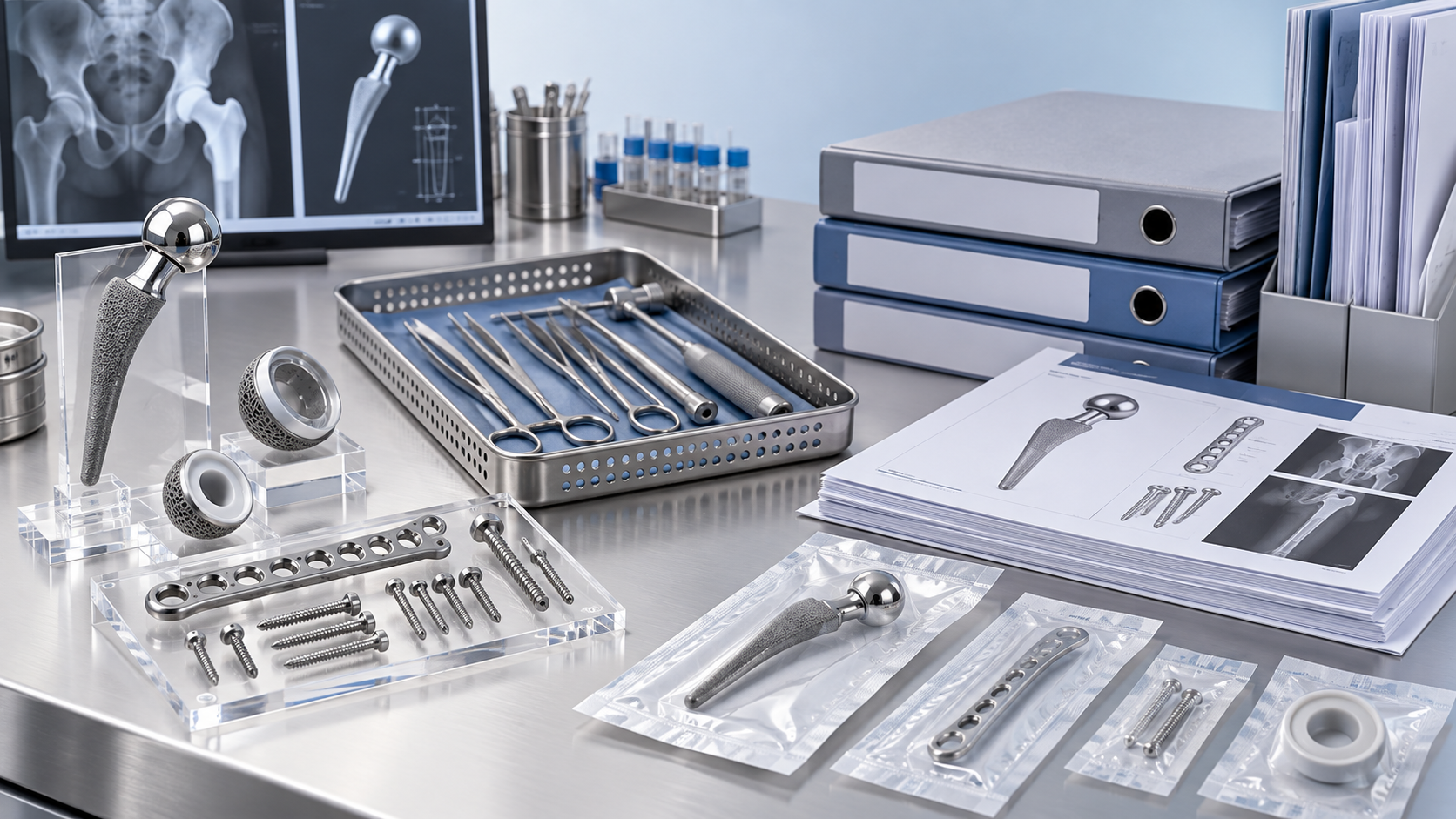
3D-printed porous trabecular titanium, PEEK cages, and customized spinal solutions are moving cost discussions toward osseointegration and revision reduction.
In 2026, a cheaper implant may not be cheaper if loosening, infection, or revision risk rises across the care pathway.
The strongest suppliers will connect micron-level machining with long-term survival data, surgeon usability, and predictable sterile packaging performance.
Cost signals to monitor
- Tender floors for hip, knee, and spine categories.
- Evidence comparing porous structures with conventional coated implants.
- Revision-rate data used in value analysis.
- Material traceability and sterilization validation costs.
Cardiovascular Consumables Are Becoming Evidence-Intensive Cost Centers
Among global medical consumables trends, cardiovascular devices remain highly sensitive to both clinical endpoints and reimbursement controls.
Drug-eluting stents, TAVR valves, guidewires, and microcatheters can rapidly change procedure economics through pricing or complication rates.
Cost discussions will increasingly include restenosis, thrombosis, delivery success, hospital stay, and post-procedure medication burden.
A stent that wins on price but loses on long-term outcomes creates downstream expense that tenders often underestimate.
This is why high-end interventional consumables need stronger clinical narratives, not only thinner struts or smoother coatings.
Minimally Invasive Surgery Will Reward Precision And Procedure Efficiency
Surgical staplers, trocars, energy devices, and laparoscopic accessories are central to global medical consumables trends in operating-room economics.
Their cost impact is not limited to the device shelf. It extends to bleeding control, leakage risk, and operating time.
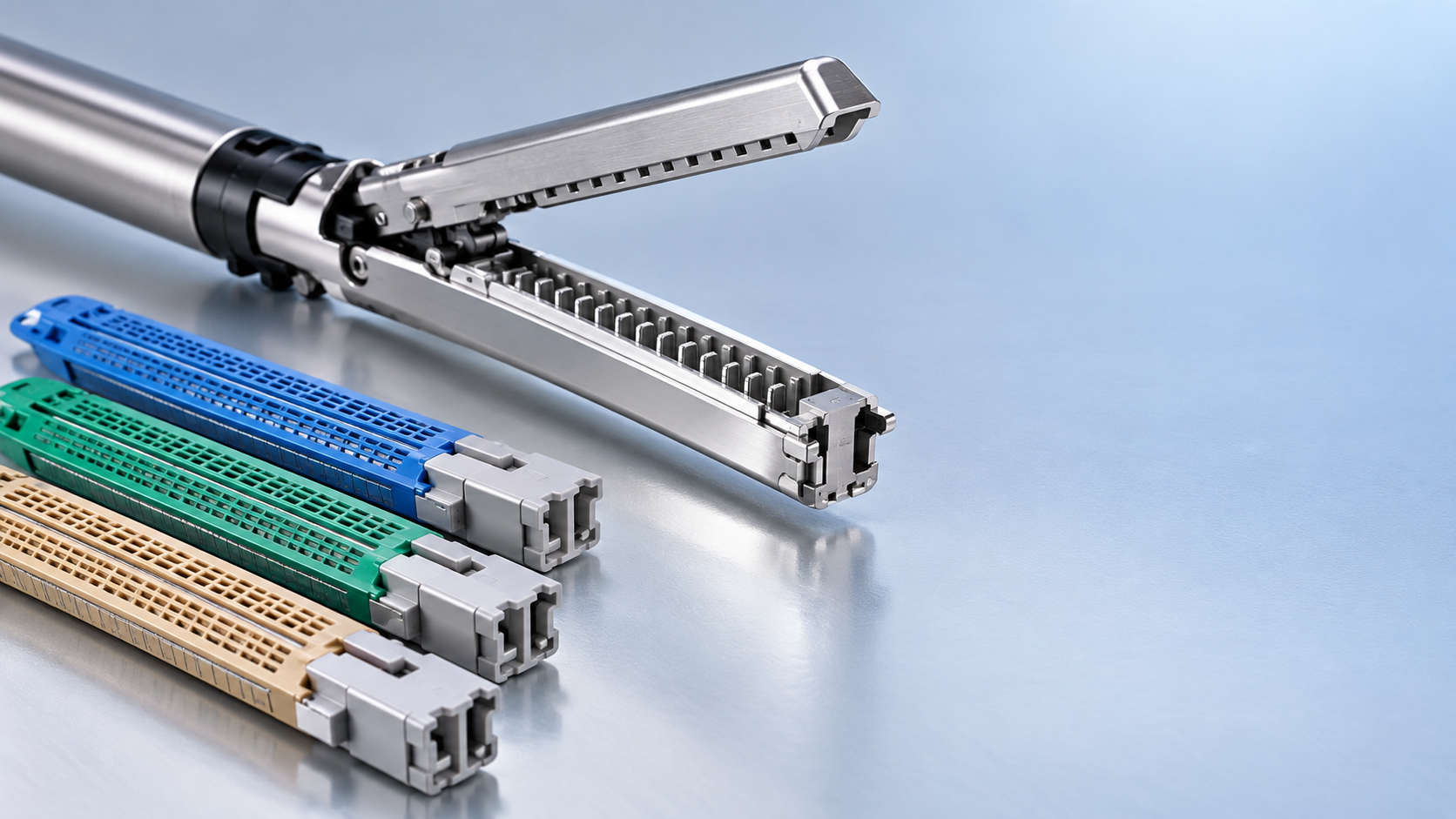
In staplers, titanium staple formation consistency can influence tissue closure reliability during colorectal, bariatric, and thoracic procedures.
2026 purchasing models will likely favor products that reduce variability across different tissue thicknesses and surgical conditions.
For minimally invasive consumables, defensible pricing will come from procedural efficiency, fewer adverse events, and stable training outcomes.
Catheters And Polymers Are Moving From Commodities To Risk Controls
Medical polymer catheters illustrate a quieter but important part of global medical consumables trends. Small design changes affect major safety outcomes.
Hydrophilic coatings, kink resistance, anti-thrombotic surfaces, and radiopacity can determine usability in neurovascular or central venous applications.
The cost baseline is rising because polymer chemistry, coating validation, and ISO 10993 testing are becoming more demanding.
However, catheter failure, infection, or thrombosis can create costs far beyond the initial consumable price.
In 2026, the strongest catheter strategies will treat material safety as financial risk management.
Advanced Wound Care Will Shift Spending Toward Healing Economics
Advanced dressings and wound systems are reshaping global medical consumables trends because chronic wounds are expensive, persistent, and outcome-sensitive.
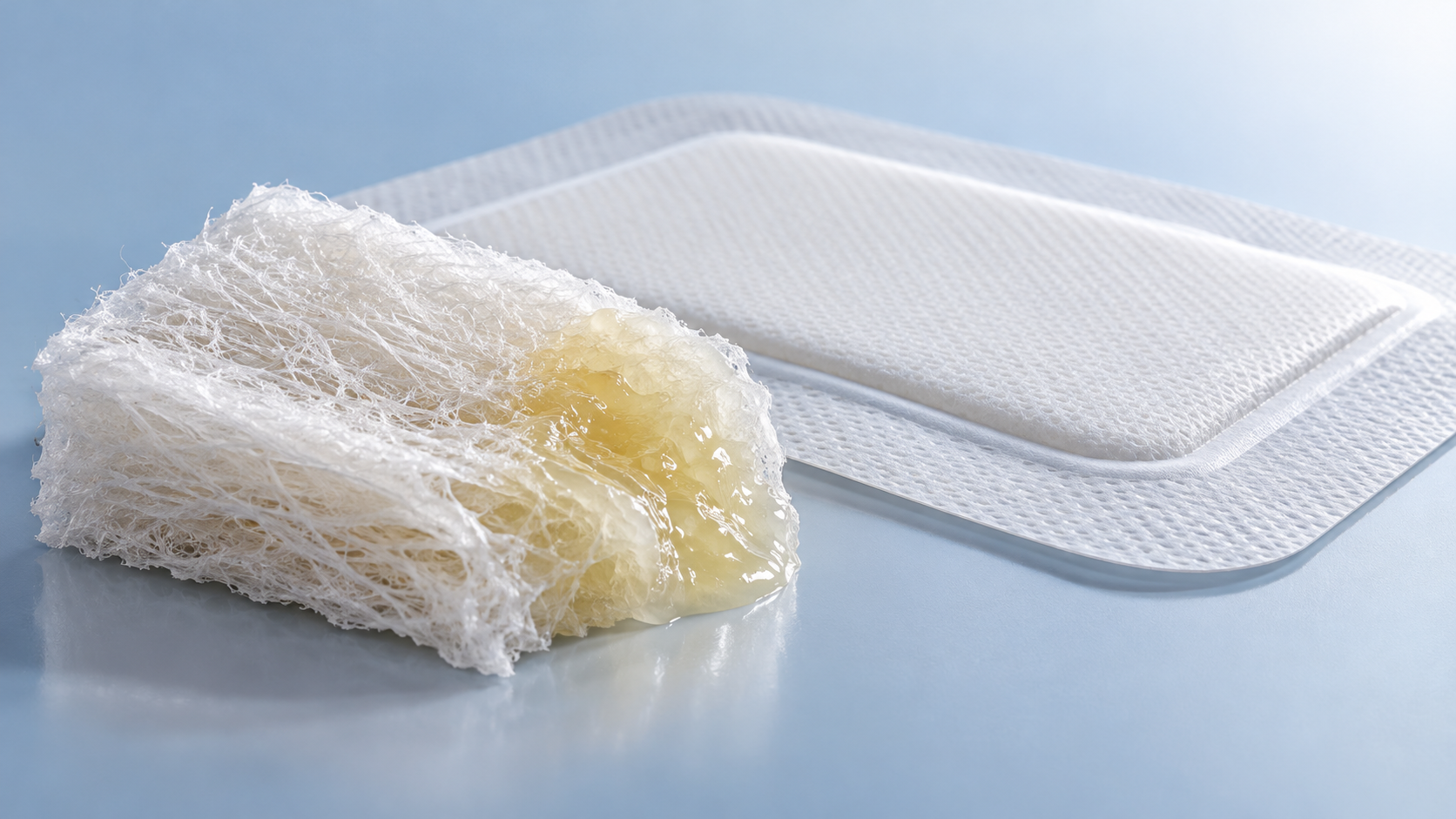
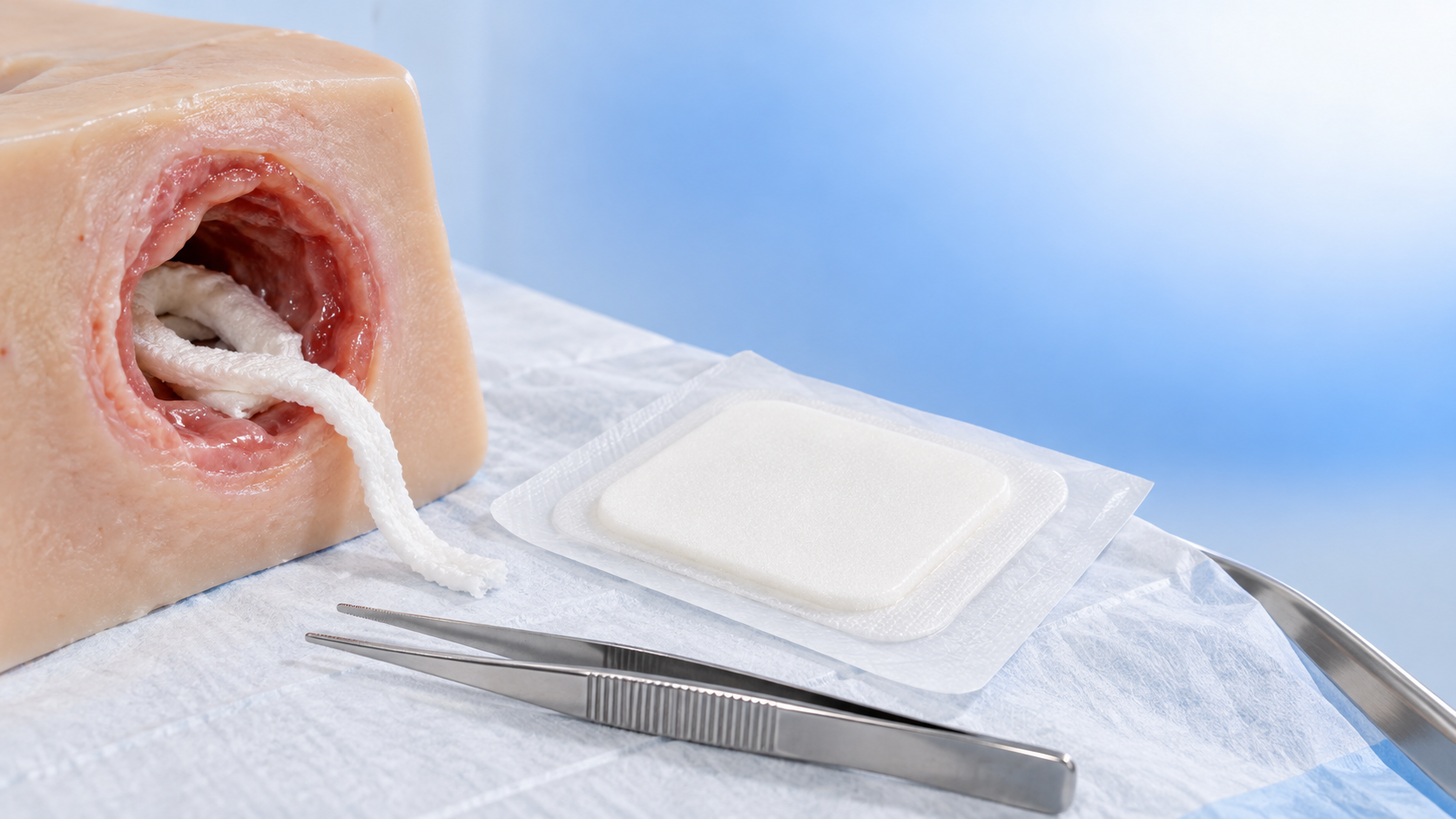
Silver-ion silicone foams, alginates, hydrocolloids, and NPWT solutions cost more than gauze, but they may reduce total treatment burden.
For diabetic foot ulcers, burns, and surgical wounds, the key metric is not dressing price. It is healing trajectory.
Frequency of dressing changes, infection prevention, exudate control, and patient mobility will increasingly shape reimbursement logic.
This makes wound care a strong example of cost shifting from product expense to tissue regeneration performance.
Different Business Links Will Feel The Impact Differently
Global medical consumables trends will not affect every business link in the same way. The pressure points vary by function.
This segmentation prevents one dangerous mistake: treating all medical consumables as interchangeable cost lines.
The 2026 winners will separate commodity categories from outcome-critical categories before pricing pressure forces reactive cuts.
What Deserves Close Attention Before 2026 Budgets Lock
The most useful reading of global medical consumables trends is practical. It should guide decisions before tenders and contracts close.
- Evidence quality: Check whether clinical benefits are supported by durable data, not only marketing claims.
- Biological safety: Review ISO 10993 cytotoxicity, sensitization, irritation, and implantation evidence.
- Total pathway cost: Include revision, infection, leakage, readmission, and dressing-change frequency.
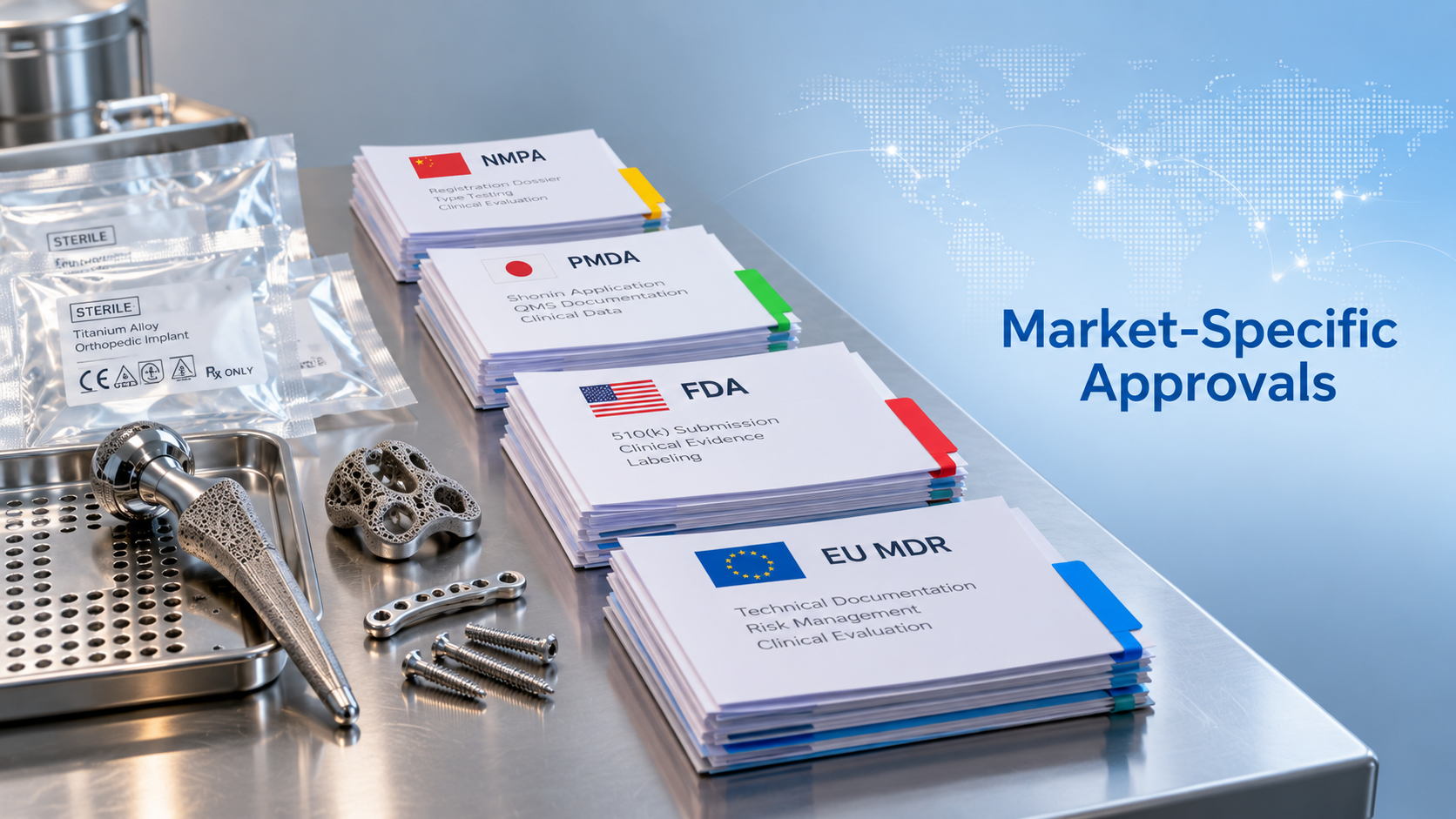
- Regulatory readiness: Identify weak CER files before they become market-access delays.
- Supply resilience: Test whether critical materials have credible alternatives and validated processes.
- VBP exposure: Map products most vulnerable to price cliffs and tender clustering.
IMCS views these points as connected. Material science, regulation, reimbursement, and capacity planning now form one cost system.
A Practical Response Framework For 2026
Global medical consumables trends require a response that balances price discipline with patient safety and long-term performance.
This framework keeps global medical consumables trends actionable. It connects board-level cost control with clinical and regulatory realities.
IMCS Perspective: Intelligence Must Stitch The Whole Chain
IMCS interprets global medical consumables trends through human mechanical reconstruction and life-channel protection.
The Strategic Intelligence Center links toxicology validation, clinical evaluation, VBP simulation, and premium outlet analysis.
Dr. Helena Vance focuses on ISO 10993 safety red lines that determine whether materials can safely enter the body.
Prof. Marcus Sterling examines MDR clinical logic, especially for Class III implants with demanding CER expectations.
Mr. Julian Mercer models price cliffs, capacity games, and capital consequences under global cost-control policies.
Together, this intelligence helps identify where premium value can survive brutal medical consumables price wars.
Next Steps For Cost-Safe Growth
The next phase of global medical consumables trends will reward sharper judgment, not broader product lists.
Start with a portfolio map that separates vulnerable commodity lines from clinically differentiated, evidence-supported consumables.
Then test each category against regulation, biocompatibility, VBP exposure, supply resilience, and total treatment cost.
For 2026, the strongest position is simple: cut waste, protect safety, prove outcomes, and price value with discipline.
Use IMCS trend intelligence to monitor global medical consumables trends before they appear as margin shocks or access barriers.
Get weekly intelligence in your inbox.
No noise. No sponsored content. Pure intelligence.
News Recommendations
 Oct 26, 2026Can a single approval cover life science product sales worldwide?Can a single approval cover life science product sales worldwide?
 Oct 25, 2026When is sensitization testing needed for medical device biocompatibility?When is sensitization testing needed for medical device biocompatibility?
 Oct 24, 2026How is biocompatibility tested for implantable polymer biomaterials?How is biocompatibility tested for implantable polymer biomaterials?
 Oct 23, 2026How to build reimbursement into an implant commercialization strategyHow to build reimbursement into an implant commercialization strategy
 Oct 22, 2026What clinical evidence do implants need for CE marking under EU MDR?What clinical evidence do implants need for CE marking under EU MDR?
 Oct 21, 2026How to choose disposable laparoscopic stapler reloads for thick tissueHow to choose disposable laparoscopic stapler reloads for thick tissue
 Oct 20, 2026How to assess medical polymer biocompatibility under ISO 10993How to assess medical polymer biocompatibility under ISO 10993
 Oct 19, 2026How do interventional device categories differ in clinical use?How do interventional device categories differ in clinical use?
 Oct 18, 2026When to choose alginate dressings for heavily exuding chronic woundsWhen to choose alginate dressings for heavily exuding chronic wounds
 Oct 17, 2026How is biocompatibility tested for custom medical-grade PEEK implants?How is biocompatibility tested for custom medical-grade PEEK implants?
 Oct 16, 2026How to check a wound healing materials supplier’s biocompatibility dataHow to check a wound healing materials supplier’s biocompatibility data
 Oct 15, 2026How to verify the FDA clearance status of silver wound dressingsHow to verify the FDA clearance status of silver wound dressings
 Oct 14, 2026How to register orthopedic implants and instruments in Latin AmericaHow to register orthopedic implants and instruments in Latin America
 Oct 13, 2026How to use a device market intelligence database to benchmark VBP pricesHow to use a device market intelligence database to benchmark VBP prices
 Oct 12, 2026When should stainless steel orthopedic instruments be replaced?When should stainless steel orthopedic instruments be replaced?
 Oct 11, 2026When are alginate dressings rope the right choice for cavity wounds?When are alginate dressings rope the right choice for cavity wounds?
 Oct 10, 2026When smart minimally invasive technology improves catheter accessWhen smart minimally invasive technology improves catheter access
 Oct 08, 2026Clinical evaluation requirements for cardiovascular implant devices in EuropeClinical evaluation requirements for cardiovascular implant devices in Europe
 Oct 07, 2026What to verify before appointing an artificial joint implants distributorWhat to verify before appointing an artificial joint implants distributor
 Oct 06, 2026How ISO 10993 guides biocompatibility testing for medical materialsHow ISO 10993 guides biocompatibility testing for medical materials
 Oct 05, 2026How to verify an orthopedic implants and instruments exporterHow to verify an orthopedic implants and instruments exporter
 Oct 04, 2026What drives surgical stapling devices price differences in hospital tenders?What drives surgical stapling devices price differences in hospital tenders?
 Oct 03, 2026How to assess a central venous catheter manufacturer's infection-control evidenceHow to assess a central venous catheter manufacturer's infection-control evidence
 Oct 02, 2026How to assess an advanced wound care factory’s quality systemHow to assess an advanced wound care factory’s quality system
 Oct 01, 2026What is driving global medical consumables demand in emerging markets?What is driving global medical consumables demand in emerging markets?
 Sep 30, 2026Implant Material Compliance Testing: Evidence Needed for Regulatory SubmissionImplant Material Compliance Testing: Evidence Needed for Regulatory Submission
 Sep 30, 2026From Corrosion to Fatigue: What Implant Materials Testing Should MeasureFrom Corrosion to Fatigue: What Implant Materials Testing Should Measure