Surgical Consumables Innovation Under VBP
As Volume-Based Procurement reshapes pricing power and market access, surgical consumables innovation is becoming decisive for sustainable margins, clinical differentiation, and regulatory resilience.
The opportunity is not only lower-cost supply. It is technologies that combine biocompatibility, precision manufacturing, measurable outcomes, and compliant commercialization.
What Does Surgical Consumables Innovation Under VBP Really Mean?
Surgical consumables innovation under VBP means designing value into devices before price pressure removes commercial flexibility.
It is not simple cost cutting. It is a disciplined redesign of materials, usability, evidence, production, and reimbursement logic.
VBP rewards predictable supply, acceptable pricing, and proven clinical utility. Weak differentiation becomes exposed during centralized bidding.
Strong surgical consumables innovation protects value through measurable performance, not promotional claims or cosmetic product updates.
- Better tissue handling during minimally invasive surgery.
- More reliable staple formation and cutting consistency.
- Improved catheter flexibility, coating durability, and thrombus resistance.
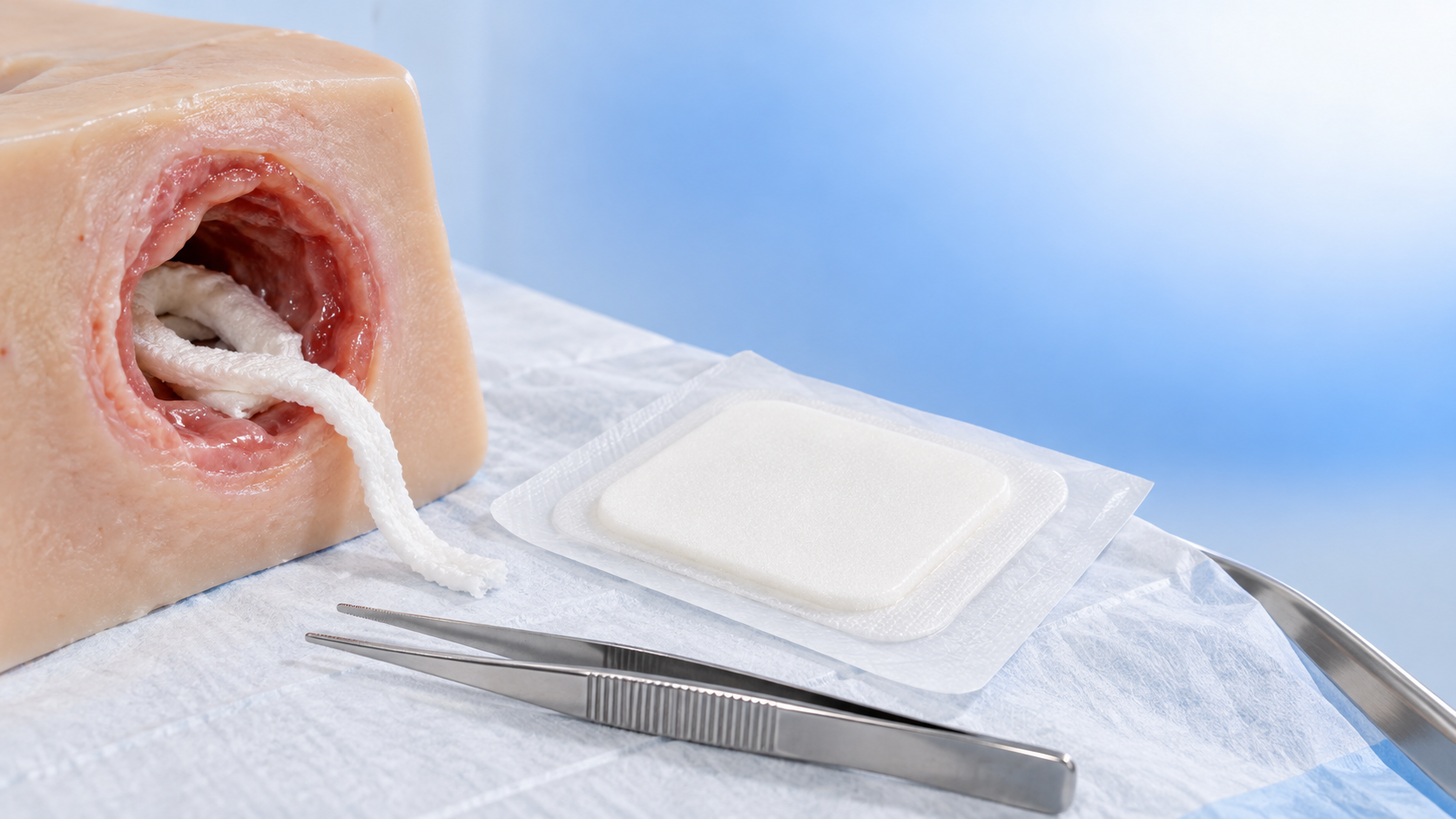
- Advanced wound environments that support faster tissue reconstruction.
- Manufacturing systems that maintain quality at reduced unit price.
In high-value consumables, small performance differences may influence operating time, complications, readmissions, and long-term healing quality.
That is why surgical consumables innovation must connect engineering decisions with clinical and economic endpoints.
Which Consumable Categories Are Most Affected by VBP Pressure?
The pressure is strongest where volumes are high, product substitution is possible, and procurement authorities can compare specifications easily.
Staplers, polymer catheters, interventional accessories, wound dressings, and implant-adjacent instruments are all exposed to price normalization.
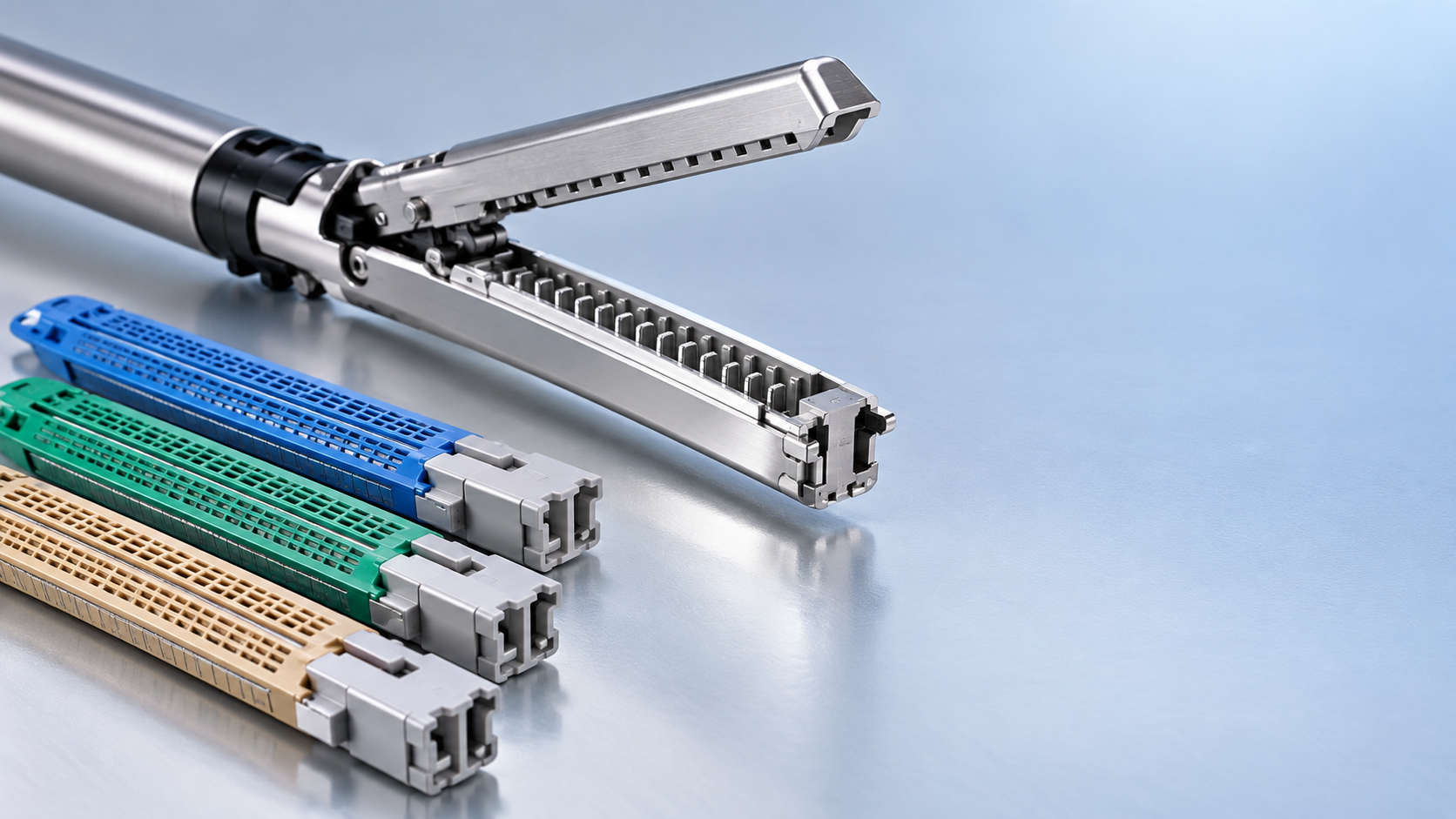
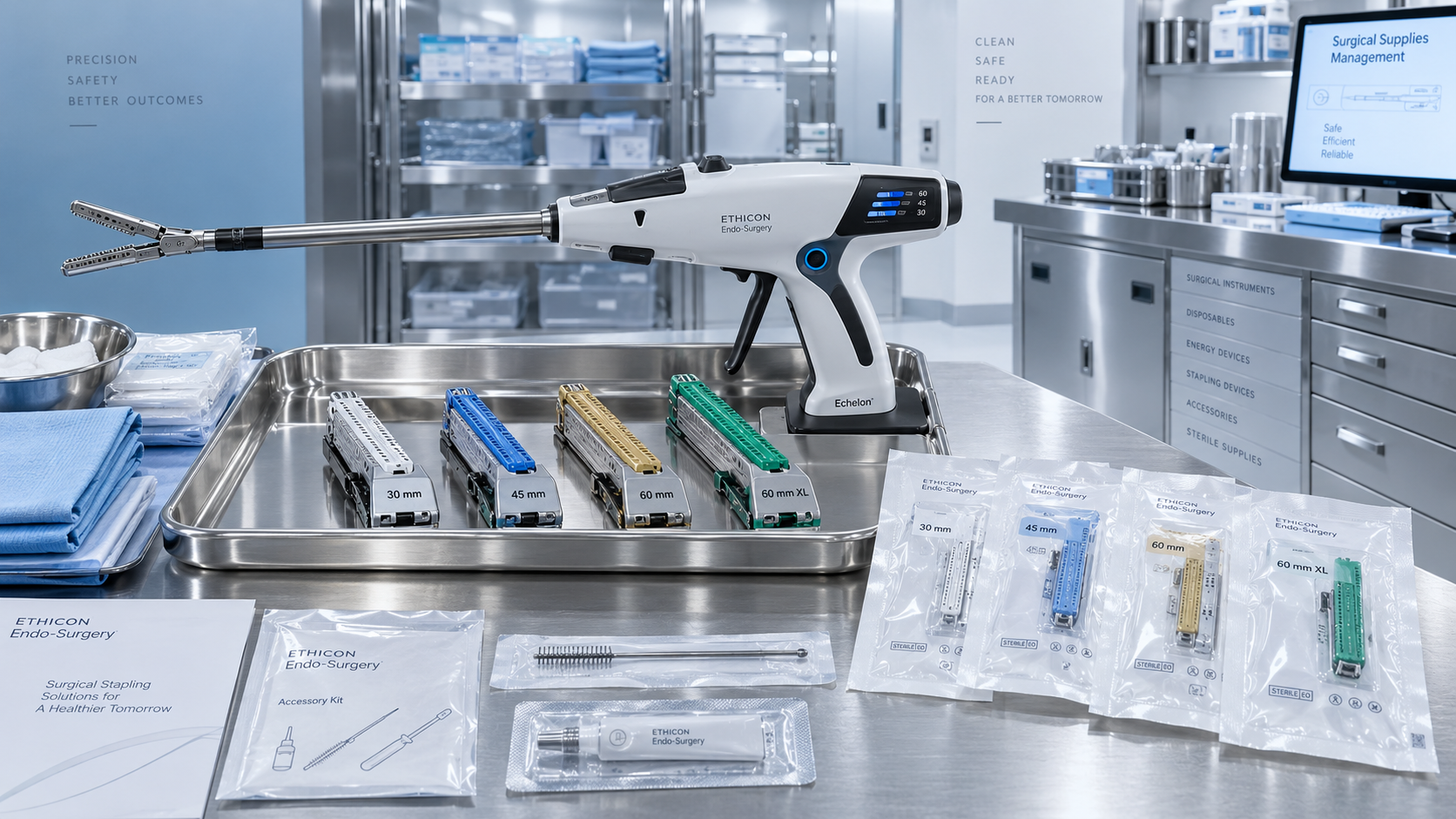
Minimally invasive staplers face direct scrutiny because they are frequent, expensive, and central to laparoscopic surgical workflows.
Here, surgical consumables innovation focuses on staple height control, firing force, reload compatibility, and tissue compression stability.
Medical polymer catheters face another challenge. Their value often depends on invisible performance during difficult anatomical navigation.
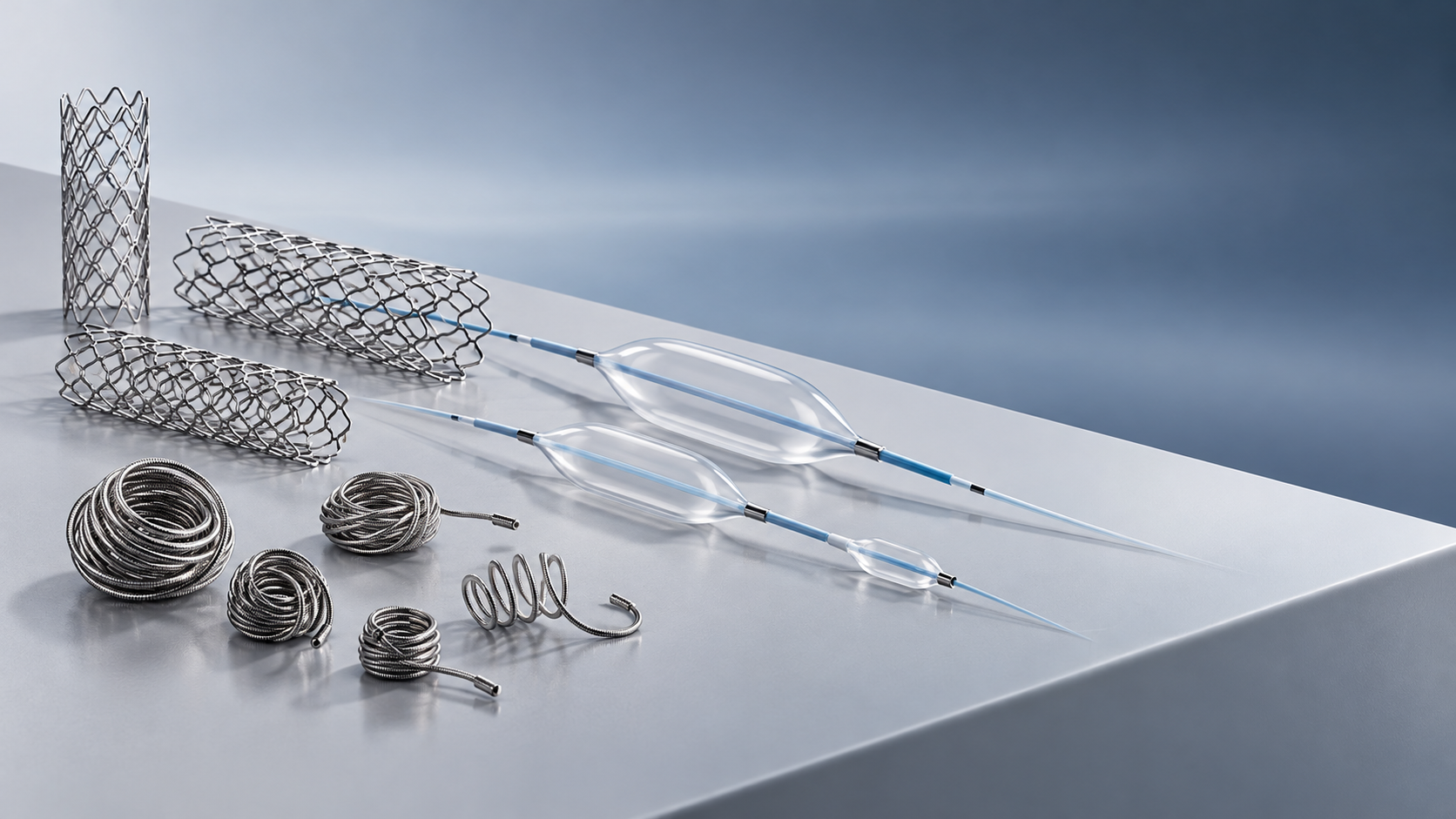
Hydrophilic coatings, kink resistance, torque response, and anti-thrombotic behavior can determine procedural safety in narrow channels.
Advanced dressings are increasingly assessed by healing speed, infection control, exudate management, and total episode cost.
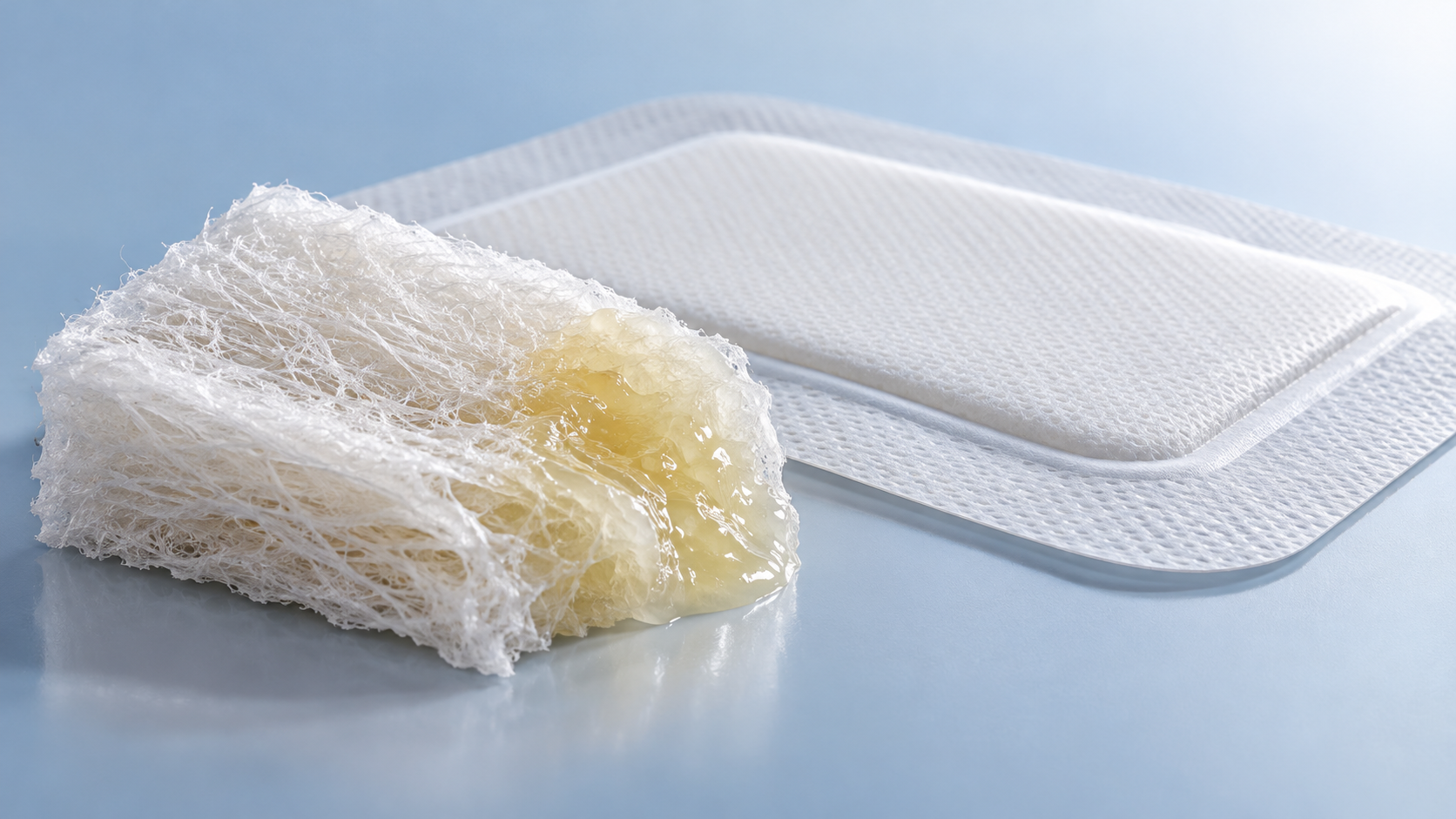
Silver-ion silicone foam, alginates, and NPWT accessories must show value beyond traditional gauze replacement.
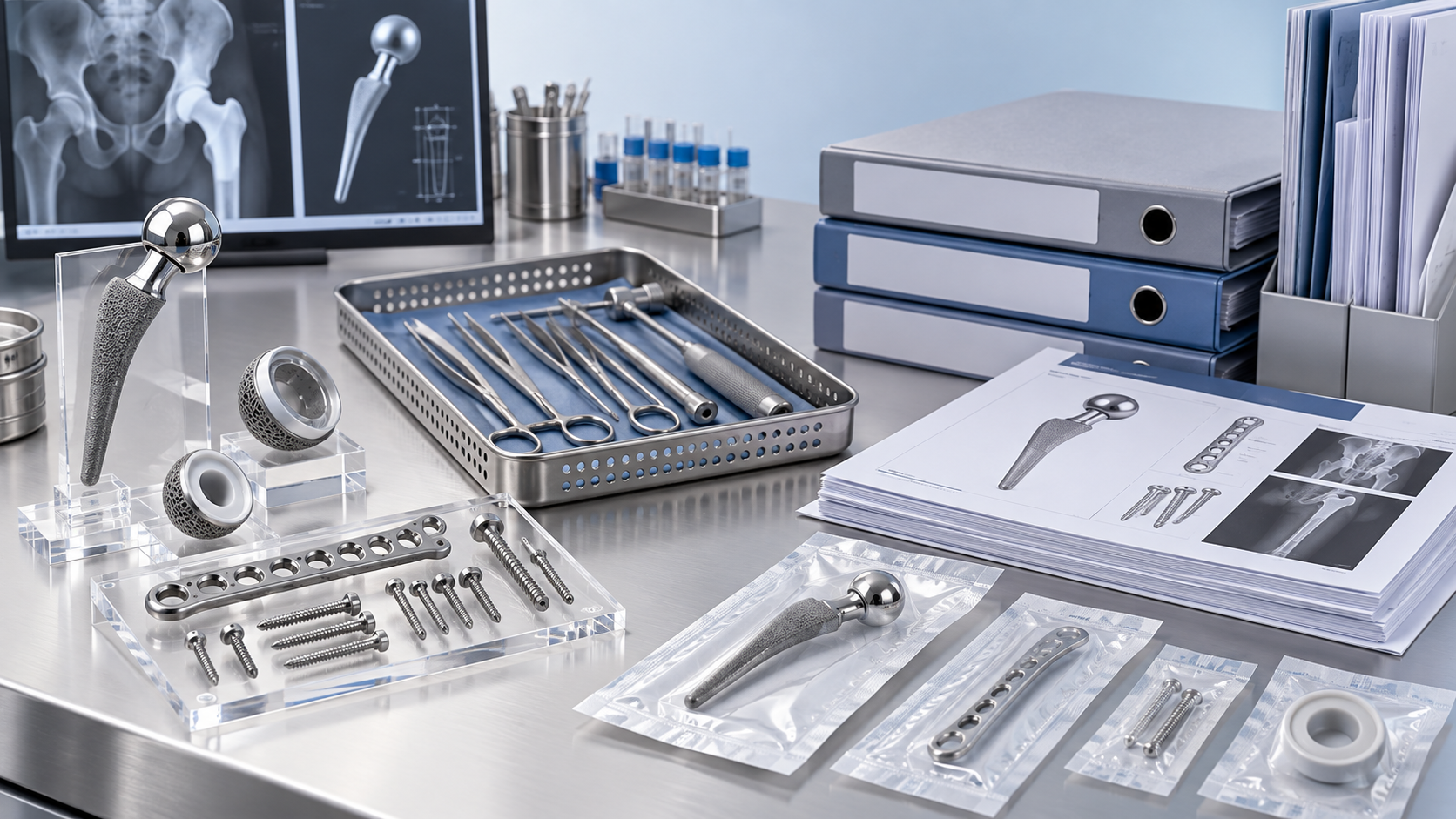
Cardiovascular and orthopedic consumables may also be affected when accessories are bundled with implants, instruments, or procedural kits.
For these categories, surgical consumables innovation must preserve premium logic while accepting tighter procurement discipline.
How Can Materials Science Create Differentiation When Prices Fall?
Materials science is one of the strongest defenses against commoditization. It creates performance that cannot be copied by pricing alone.
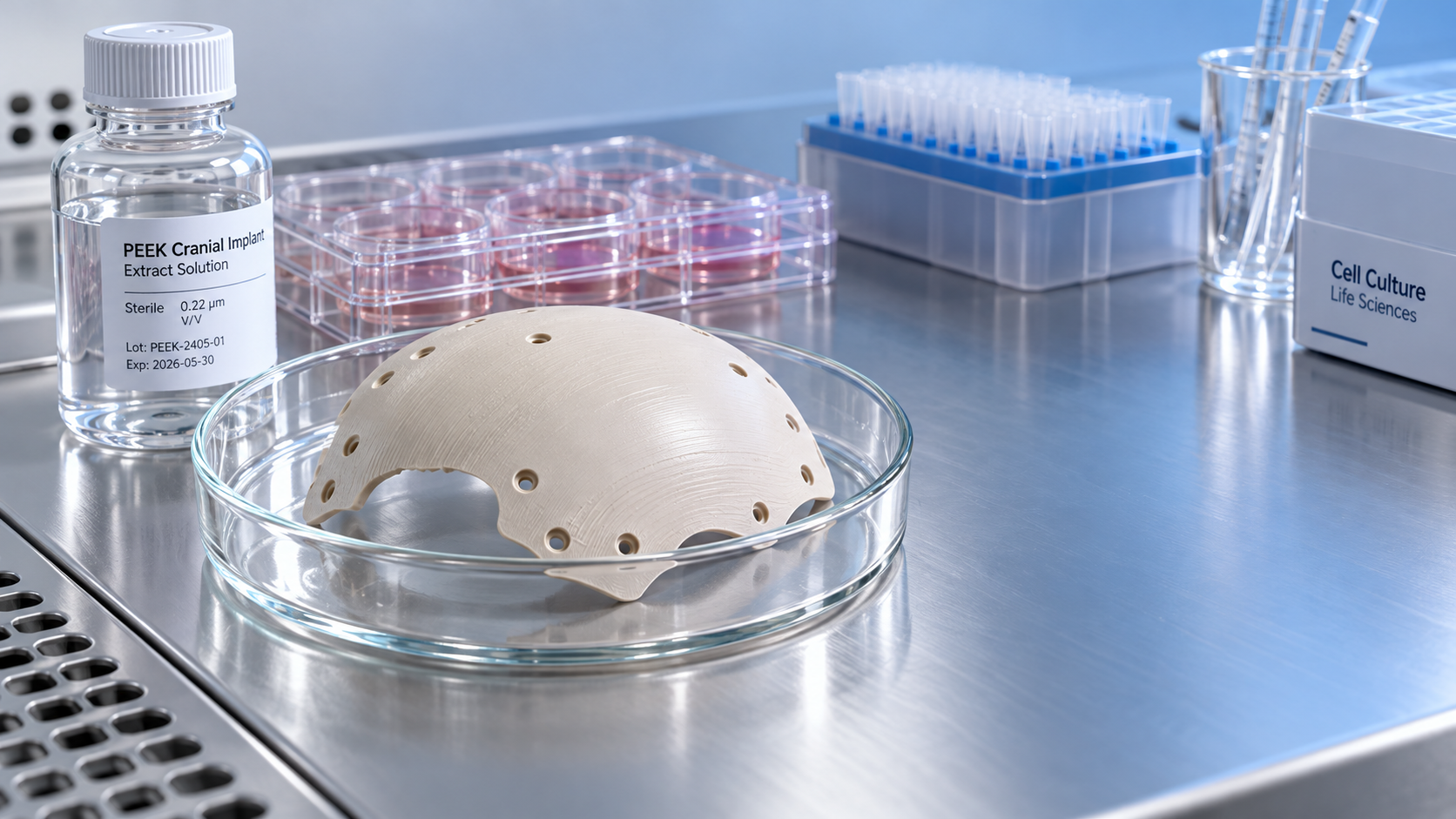
Biocompatibility is the starting point. ISO 10993 testing helps define cytotoxicity, sensitization, irritation, and systemic safety boundaries.
For implant-adjacent consumables, long tissue contact and blood contact require deeper validation than simple usability testing.
Surgical consumables innovation also depends on surface engineering. Coatings can change friction, protein adhesion, infection risk, and handling feel.
A catheter coating that sheds particles may create risk. A stable coating may support safer navigation and stronger regulatory confidence.
For staplers, metal quality, staple geometry, anvil tolerance, and reload consistency influence hemostasis and leakage risk.
For wound care, moisture balance and antimicrobial release profiles matter more than a simple absorbency claim.
The best surgical consumables innovation translates material performance into surgical, healing, or workflow advantages.
Key material questions to ask
- Does the material reduce biological response risk?
- Does it improve device function under real procedural stress?
- Can performance remain stable after sterilization?
- Is the material compatible with scalable precision manufacturing?
- Can claims be supported by testing and clinical logic?
How Should Surgical Consumables Innovation Be Evaluated Before Market Entry?
Evaluation must combine clinical value, regulatory feasibility, procurement resilience, and production economics.
A technically impressive device may still fail if evidence is weak or the cost structure cannot survive VBP bidding.
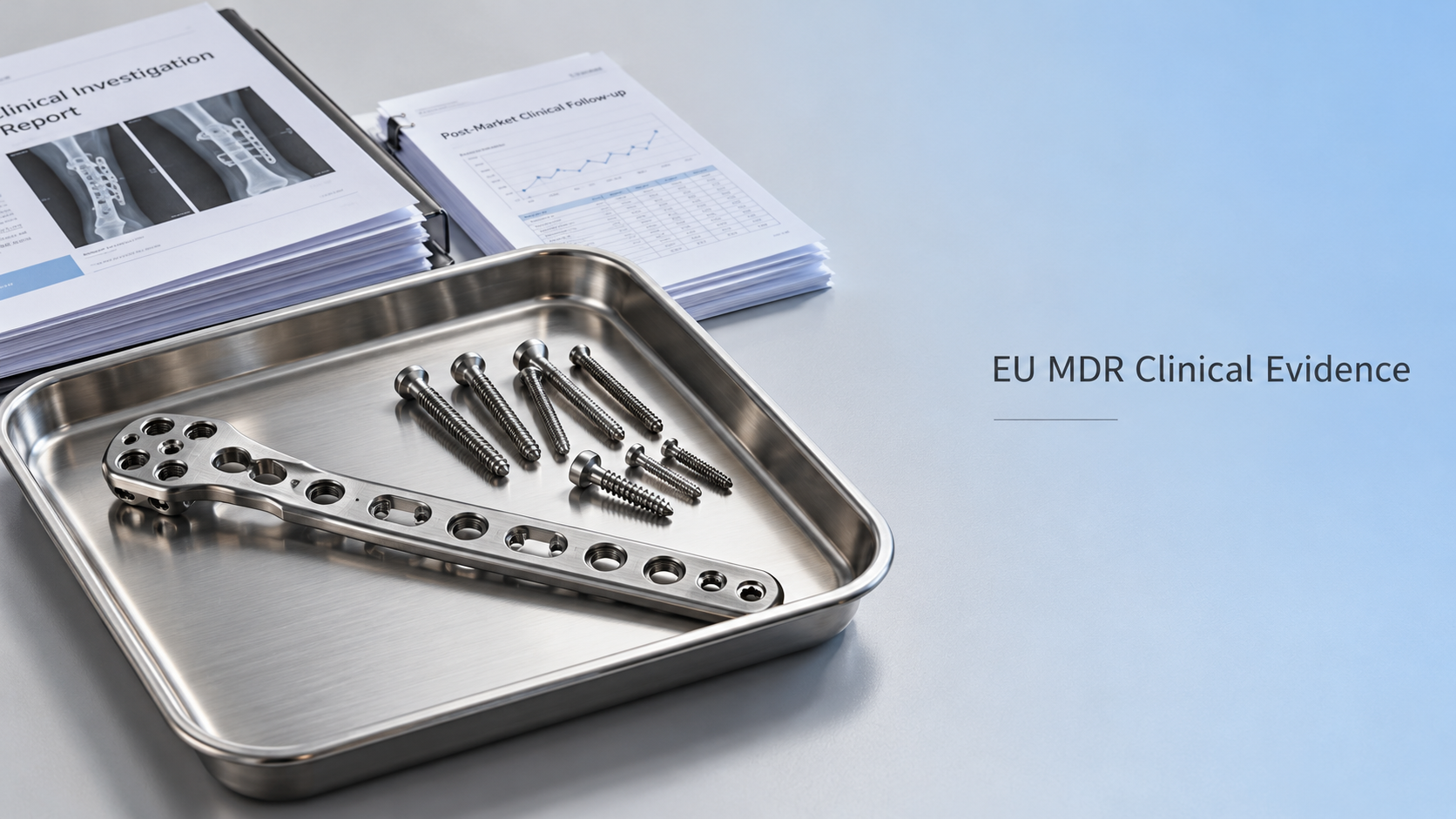
Regulatory review is especially important for Class III or high-risk devices. CE MDR expectations have become more demanding.
Clinical Evaluation Reports require credible equivalence, clinical data, post-market surveillance, and benefit-risk reasoning.
Surgical consumables innovation should therefore be planned with documentation from the earliest design stage.
Testing should not be treated as a final checkbox. It should guide design verification and claim discipline.
This evaluation helps separate durable surgical consumables innovation from features that add cost without procurement relevance.
What Are the Common Mistakes When Innovating Under VBP?
The first mistake is assuming that premium design automatically earns premium access.
Under VBP, access depends on price discipline, supply continuity, evidence clarity, and category positioning.
The second mistake is overengineering. Excessive complexity can raise costs, slow validation, and create operational fragility.
Surgical consumables innovation should focus on critical failure points, not ornamental differentiation.
The third mistake is weak claim control. Claims about infection reduction, faster healing, or lower leakage require support.
Unsupported claims may create regulatory burden and procurement skepticism.
The fourth mistake is ignoring sterilization effects. Radiation, ethylene oxide, or steam can alter polymers, coatings, and packaging integrity.
The fifth mistake is treating VBP as only a sales issue. It should influence design input, sourcing, and validation strategy.
Risk reminders for development teams
- Do not add features without measurable clinical or workflow value.
- Do not delay biocompatibility planning until late verification.
- Do not underestimate packaging and sterilization validation.
- Do not enter bidding with unstable capacity assumptions.
- Do not copy competitors without understanding regulatory consequences.
Avoiding these mistakes makes surgical consumables innovation more commercially realistic and safer for long-term adoption.
How Can Companies Build a Practical Innovation Roadmap?
A practical roadmap begins with clinical pain points. The device should solve a real problem in the operating room or recovery pathway.
For staplers, that problem may be misfire risk, inconsistent closure, or poor ergonomics during laparoscopic access.
For catheters, it may be friction, vessel trauma, thrombosis risk, or navigation failure in tortuous anatomy.
For dressings, it may be infection control, exudate overload, pain during removal, or chronic wound stagnation.
The second step is technical mapping. Materials, mechanics, coatings, packaging, and sterilization must be aligned.
The third step is evidence planning. Bench tests, usability studies, preclinical data, and clinical evaluation should support intended claims.
The fourth step is VBP simulation. Price cliffs, winning probability, production cost, and supply promises must be modeled early.
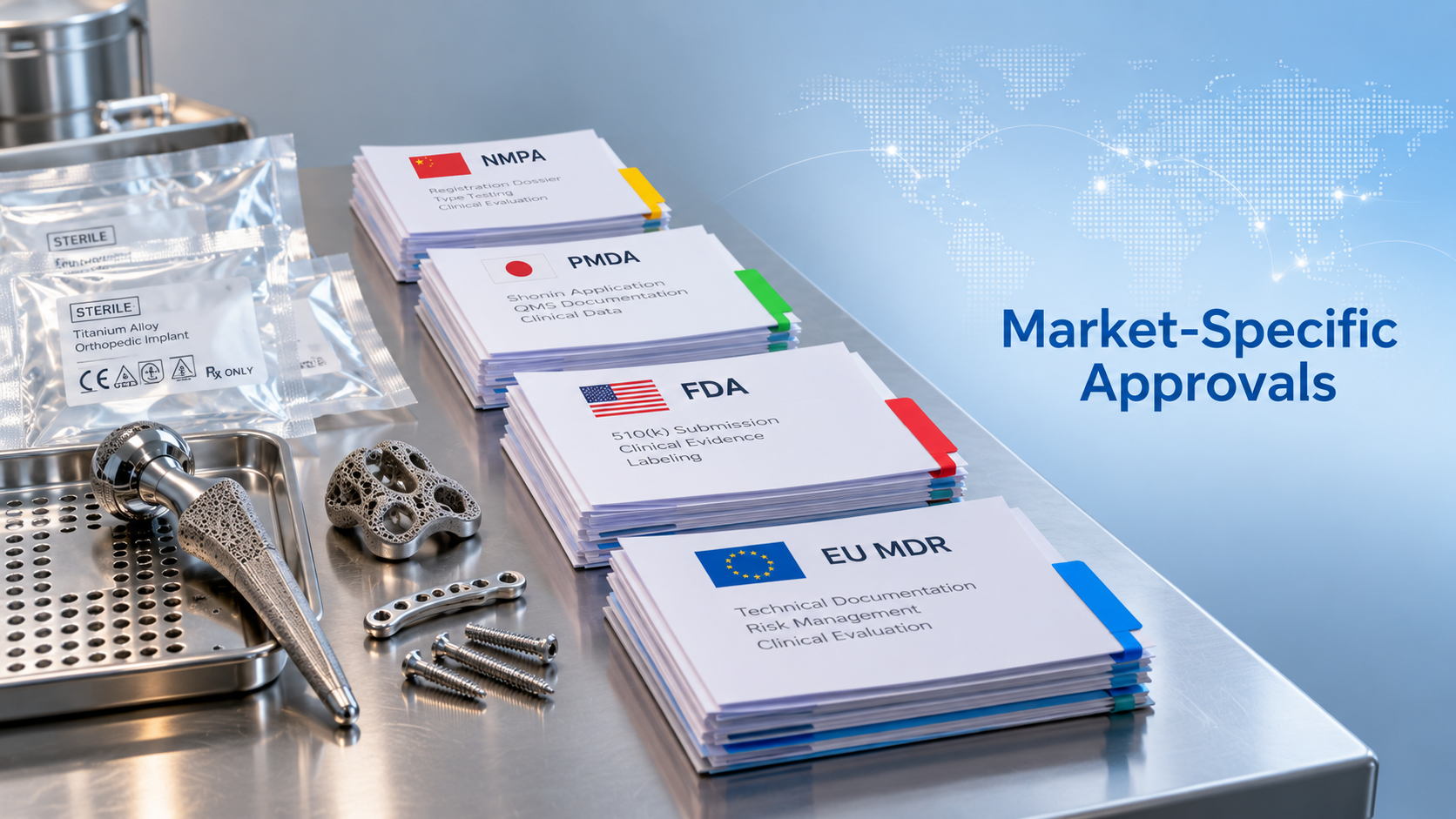
The fifth step is international pathway design. Different markets may reward different balances of price, evidence, and technical uniqueness.
IMCS intelligence work links these steps through regulatory analysis, toxicology validation insight, clinical evaluation logic, and VBP capital modeling.
This integrated view helps surgical consumables innovation avoid isolated decisions that weaken commercialization.
FAQ: How to Judge Surgical Consumables Innovation Under VBP
These answers show why surgical consumables innovation must be judged through both clinical and economic lenses.
A device that looks advanced may still lack value if it cannot prove usefulness under controlled procurement.
Conclusion: Turning VBP Pressure Into Innovation Discipline
VBP is not the end of premium medical consumables. It is the end of unsupported premium pricing.
Surgical consumables innovation succeeds when material science, precision manufacturing, regulatory evidence, and cost modeling work together.
Staplers, catheters, wound care devices, and implant-adjacent consumables can still create strong value.
The next step is to audit each product concept against clinical need, biocompatibility risk, evidence strength, and VBP resilience.
With a disciplined roadmap, surgical consumables innovation can protect margins, improve outcomes, and support safer global market access.
Get weekly intelligence in your inbox.
No noise. No sponsored content. Pure intelligence.
News Recommendations
 Oct 26, 2026Can a single approval cover life science product sales worldwide?Can a single approval cover life science product sales worldwide?
 Oct 25, 2026When is sensitization testing needed for medical device biocompatibility?When is sensitization testing needed for medical device biocompatibility?
 Oct 24, 2026How is biocompatibility tested for implantable polymer biomaterials?How is biocompatibility tested for implantable polymer biomaterials?
 Oct 23, 2026How to build reimbursement into an implant commercialization strategyHow to build reimbursement into an implant commercialization strategy
 Oct 22, 2026What clinical evidence do implants need for CE marking under EU MDR?What clinical evidence do implants need for CE marking under EU MDR?
 Oct 21, 2026How to choose disposable laparoscopic stapler reloads for thick tissueHow to choose disposable laparoscopic stapler reloads for thick tissue
 Oct 20, 2026How to assess medical polymer biocompatibility under ISO 10993How to assess medical polymer biocompatibility under ISO 10993
 Oct 19, 2026How do interventional device categories differ in clinical use?How do interventional device categories differ in clinical use?
 Oct 18, 2026When to choose alginate dressings for heavily exuding chronic woundsWhen to choose alginate dressings for heavily exuding chronic wounds
 Oct 17, 2026How is biocompatibility tested for custom medical-grade PEEK implants?How is biocompatibility tested for custom medical-grade PEEK implants?
 Oct 16, 2026How to check a wound healing materials supplier’s biocompatibility dataHow to check a wound healing materials supplier’s biocompatibility data
 Oct 15, 2026How to verify the FDA clearance status of silver wound dressingsHow to verify the FDA clearance status of silver wound dressings
 Oct 14, 2026How to register orthopedic implants and instruments in Latin AmericaHow to register orthopedic implants and instruments in Latin America
 Oct 13, 2026How to use a device market intelligence database to benchmark VBP pricesHow to use a device market intelligence database to benchmark VBP prices
 Oct 12, 2026When should stainless steel orthopedic instruments be replaced?When should stainless steel orthopedic instruments be replaced?
 Oct 11, 2026When are alginate dressings rope the right choice for cavity wounds?When are alginate dressings rope the right choice for cavity wounds?
 Oct 10, 2026When smart minimally invasive technology improves catheter accessWhen smart minimally invasive technology improves catheter access
 Oct 08, 2026Clinical evaluation requirements for cardiovascular implant devices in EuropeClinical evaluation requirements for cardiovascular implant devices in Europe
 Oct 07, 2026What to verify before appointing an artificial joint implants distributorWhat to verify before appointing an artificial joint implants distributor
 Oct 06, 2026How ISO 10993 guides biocompatibility testing for medical materialsHow ISO 10993 guides biocompatibility testing for medical materials
 Oct 05, 2026How to verify an orthopedic implants and instruments exporterHow to verify an orthopedic implants and instruments exporter
 Oct 04, 2026What drives surgical stapling devices price differences in hospital tenders?What drives surgical stapling devices price differences in hospital tenders?
 Oct 03, 2026How to assess a central venous catheter manufacturer's infection-control evidenceHow to assess a central venous catheter manufacturer's infection-control evidence
 Oct 02, 2026How to assess an advanced wound care factory’s quality systemHow to assess an advanced wound care factory’s quality system
 Oct 01, 2026What is driving global medical consumables demand in emerging markets?What is driving global medical consumables demand in emerging markets?
 Sep 30, 2026Implant Material Compliance Testing: Evidence Needed for Regulatory SubmissionImplant Material Compliance Testing: Evidence Needed for Regulatory Submission
 Sep 30, 2026From Corrosion to Fatigue: What Implant Materials Testing Should MeasureFrom Corrosion to Fatigue: What Implant Materials Testing Should Measure