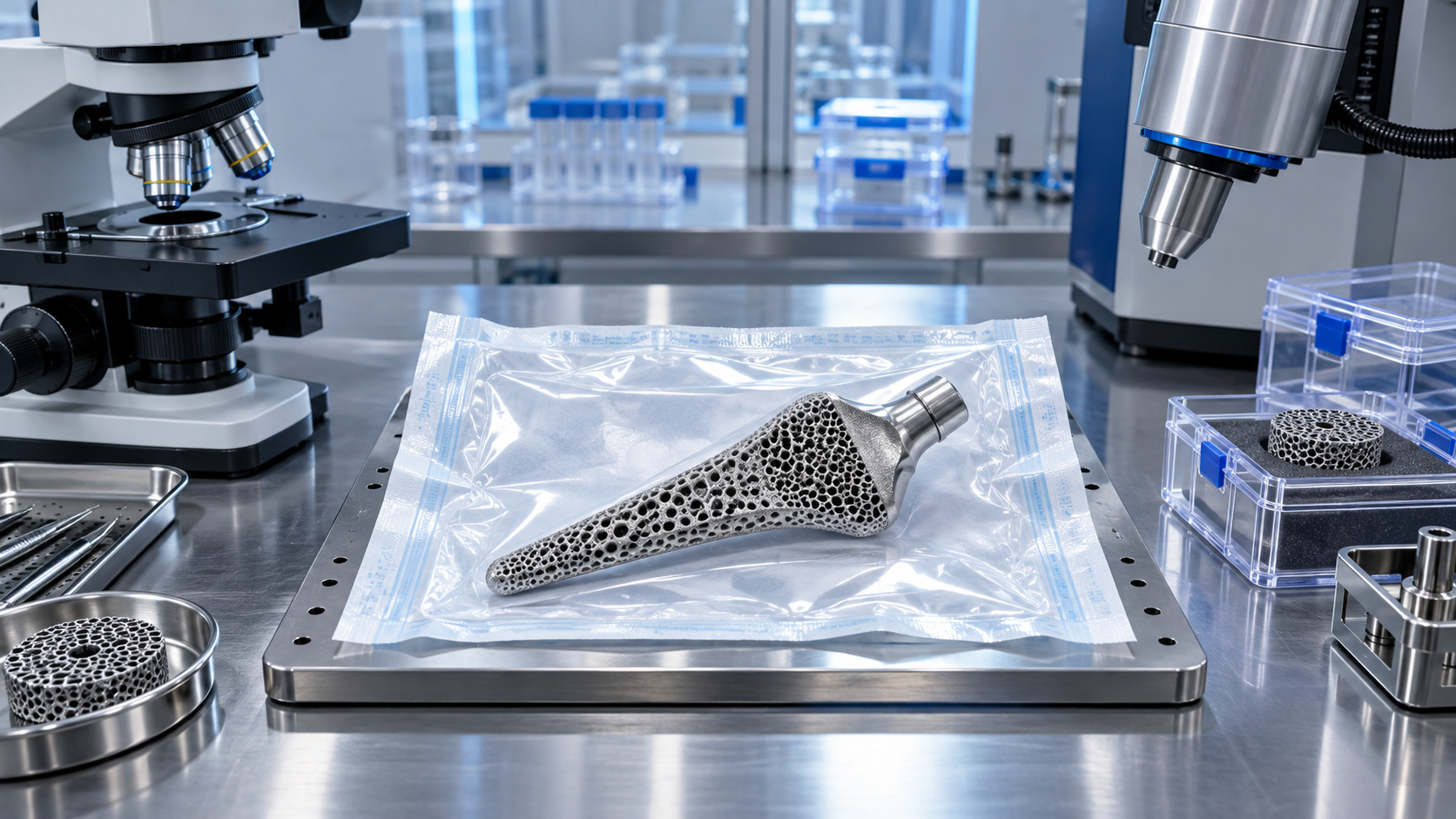
Medical Material Science Trends for Safer Implants
As implant systems become smaller, stronger, and more biologically integrated, medical material science is redefining long-term safety, performance, and regulatory readiness.
From porous titanium to drug-eluting stents, today’s implants must balance biocompatibility, precision machining, clinical evidence, and cost pressure.
This FAQ explores medical material science trends shaping safer implants, clearer technology comparisons, and more confident compliance decisions.
What does medical material science mean for safer implants?
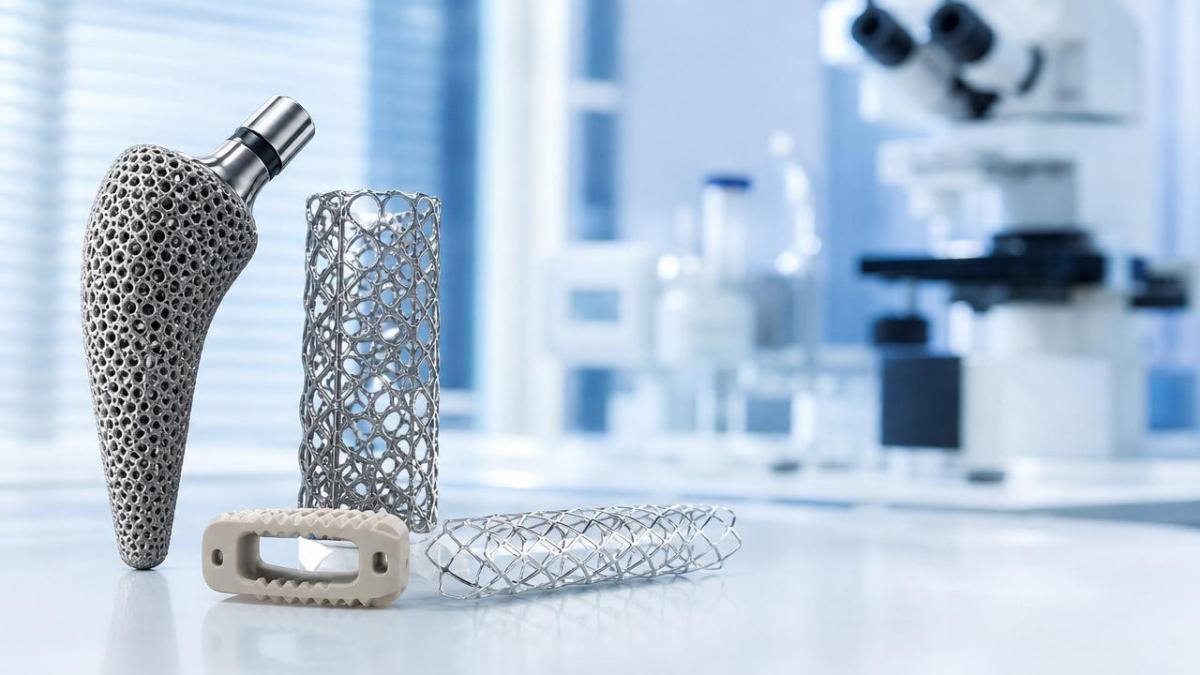
Medical material science studies how metals, polymers, ceramics, coatings, and bioactive structures behave inside the human body.
For implants, safety is not only chemical purity. It includes fatigue strength, corrosion resistance, wear debris, and tissue response.
A hip stem, coronary stent, catheter, and wound dressing face different biological stresses. Each demands a different evidence package.
Modern medical material science connects laboratory testing with clinical function. This link is critical for high-risk Class III technologies.
Biocompatibility remains the foundation. ISO 10993 testing checks cytotoxicity, sensitization, irritation, systemic toxicity, and implantation effects.
However, test completion is not enough. The material, manufacturing route, sterilization method, and degradation profile must be evaluated together.
Medical material science is therefore a bridge between design intent and real biological performance after implantation.
Why are porous titanium and PEEK reshaping orthopedic implants?
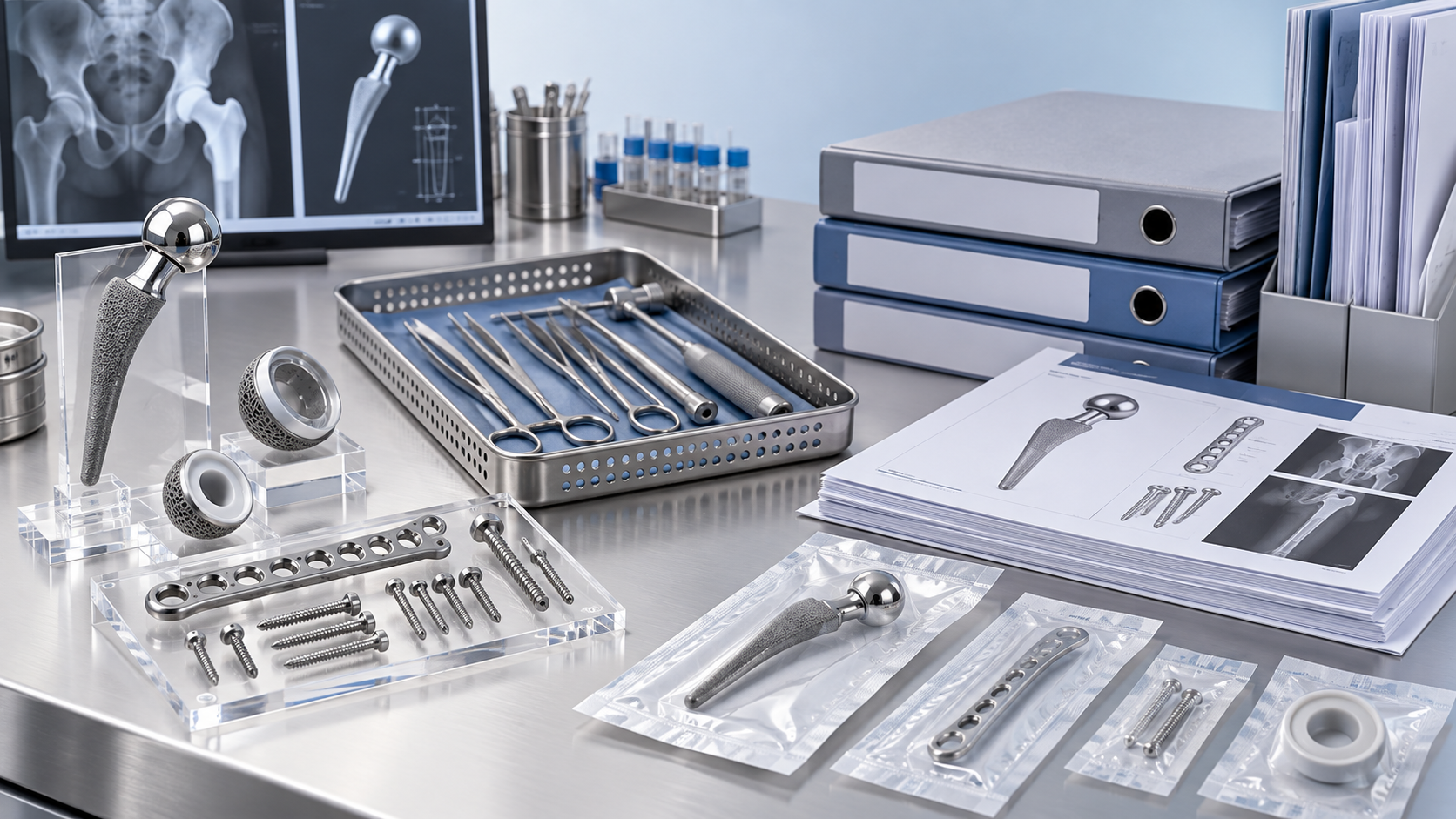
Orthopedic implants need load-bearing strength and biological acceptance. This makes medical material science especially important for joints and spine systems.
3D-printed porous titanium supports bone ingrowth. Its trabecular-like structure improves fixation and may reduce dependence on cement.
Porosity must be carefully controlled. Oversized pores may weaken strength, while undersized pores may limit osseointegration.
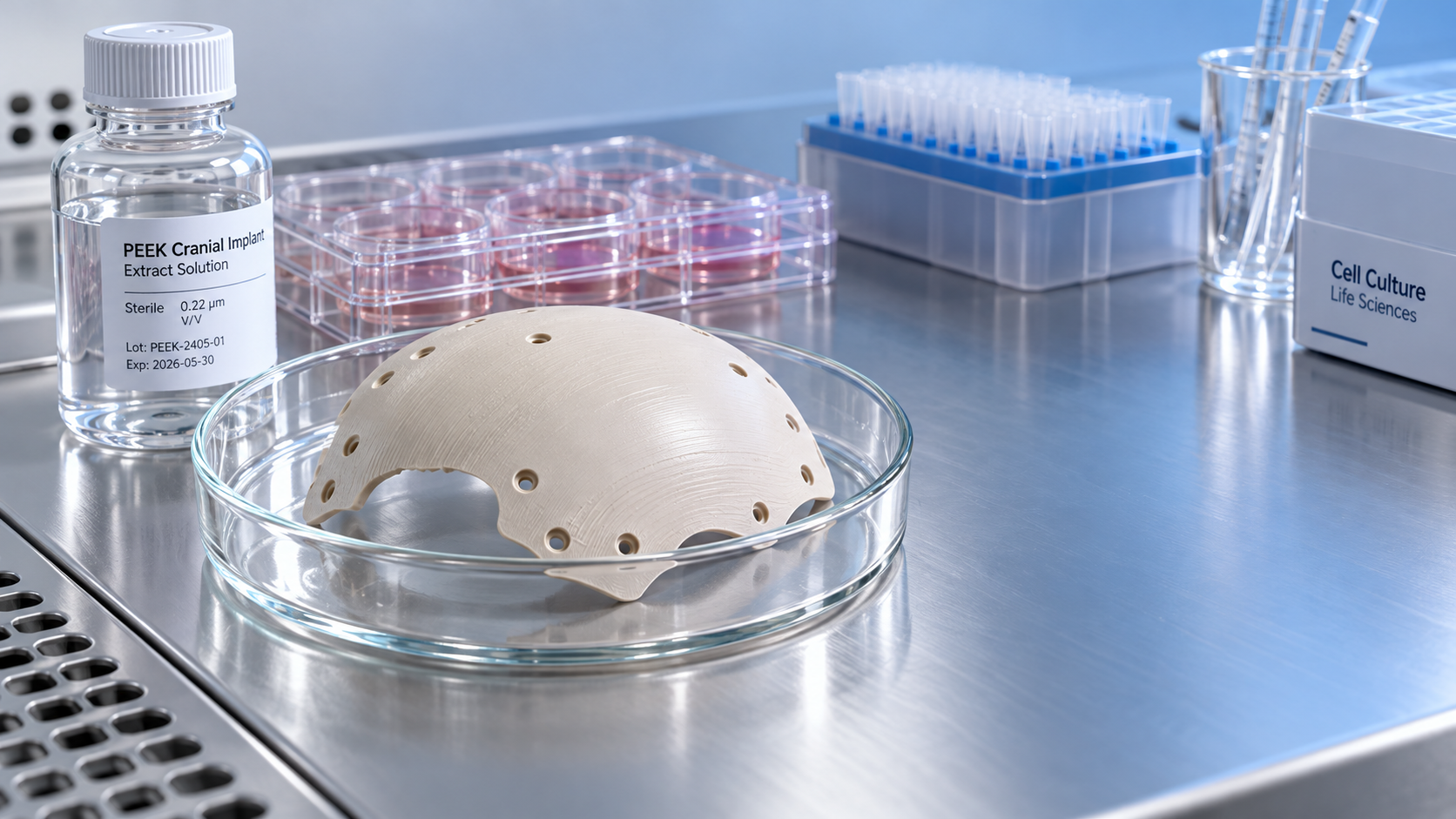
PEEK offers an elastic modulus closer to bone than solid metals. This can reduce stress shielding in spinal applications.
Yet PEEK is naturally bioinert. Surface modification, titanium coating, or hydroxyapatite treatment may be needed for stronger bone bonding.
Medical material science helps compare these options beyond marketing claims. The key question is how surface chemistry changes long-term healing.
- Check pore size, interconnectivity, and mechanical fatigue data.
- Review wear particle risk under repeated loading.
- Confirm coating adhesion after sterilization and shelf aging.
- Compare preclinical evidence with intended anatomical use.
For orthopedic evaluation, medical material science should always connect surface structure with fixation, revision risk, and patient mobility outcomes.
How do cardiovascular materials reduce thrombosis and restenosis risk?
Cardiovascular implants operate in flowing blood. This environment makes hemocompatibility a central medical material science challenge.
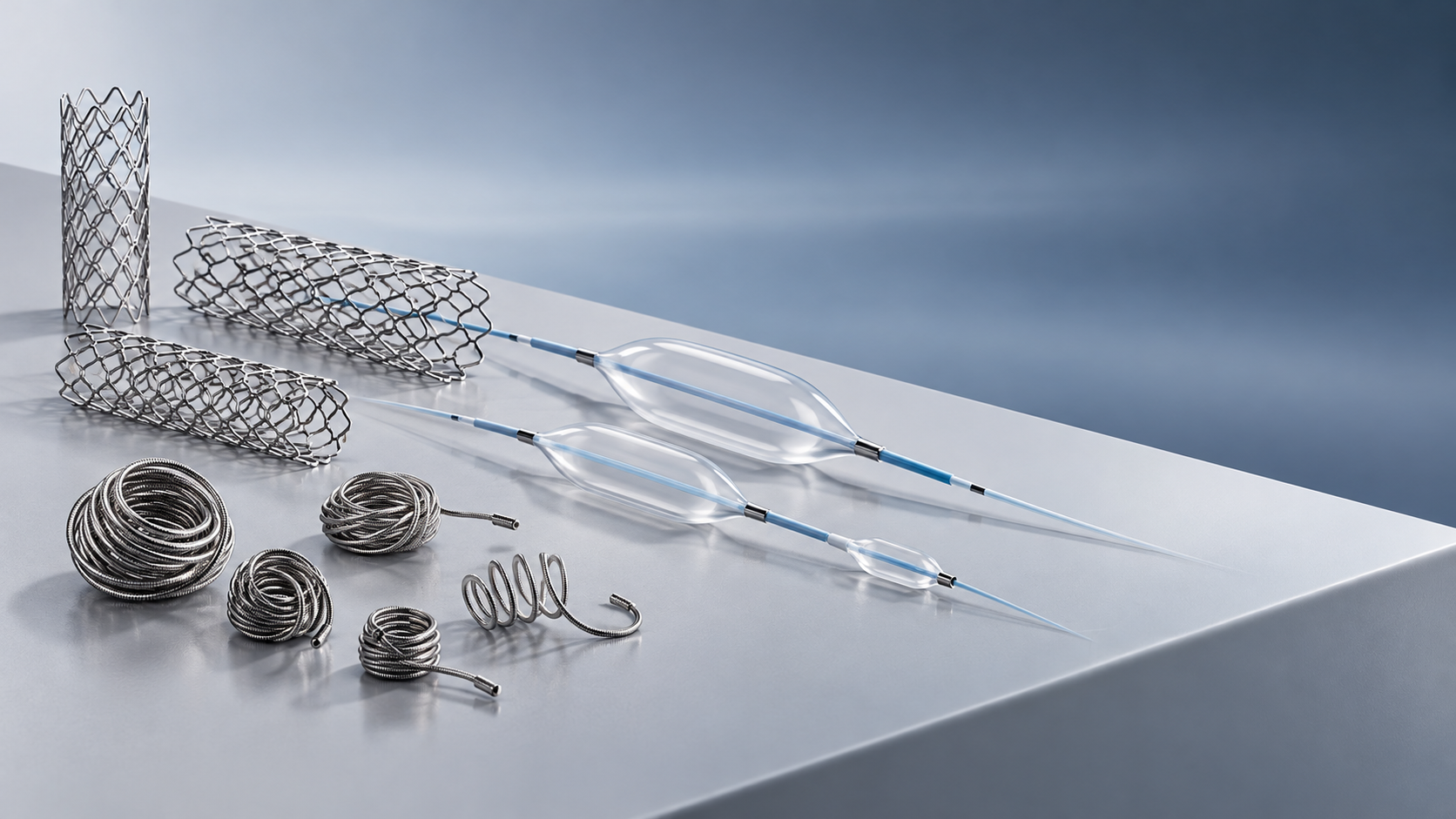
Drug-eluting stents combine metallic scaffolds, polymer carriers, and antiproliferative drugs. Their safety depends on synchronized performance.
The metal must provide radial strength. The polymer must release medication predictably without excessive inflammation.
TAVR valves add another layer of complexity. Leaflet durability, frame expansion, crimping recovery, and calcification resistance all matter.
Medical material science also influences microcatheters and guidewires. Hydrophilic coatings improve navigation through tortuous vessels.
Still, coating integrity must be proven. Detached particles can create embolic or inflammatory concerns during interventional procedures.
For cardiovascular consumables, smaller dimensions increase sensitivity. Minor surface defects may influence thrombosis, restenosis, or delivery failure.
What evidence should be reviewed?
- Hemolysis, platelet adhesion, and coagulation pathway testing.
- Drug release curves under physiological conditions.
- Accelerated fatigue and corrosion studies.
- Clinical restenosis, thrombosis, and reintervention data.
Strong medical material science evaluation avoids isolated test interpretation. It examines the entire blood-contacting system.
What role do medical polymers play in catheters and minimally invasive tools?
Medical polymers support flexibility, kink resistance, lubricity, and controlled stiffness. These properties are vital in minimally invasive procedures.
Catheters may combine Pebax, polyurethane, PTFE, silicone, or nylon. Each polymer brings different mechanical and biological behavior.
Medical material science evaluates how these polymers respond to blood, drugs, disinfectants, temperature, and mechanical bending.
For central venous catheters, anti-thrombotic performance and infection control are critical. Surface treatments may reduce clot formation or biofilm adhesion.
For neurovascular microcatheters, torque transmission and tip softness must be balanced. Too much stiffness may raise vessel injury risk.
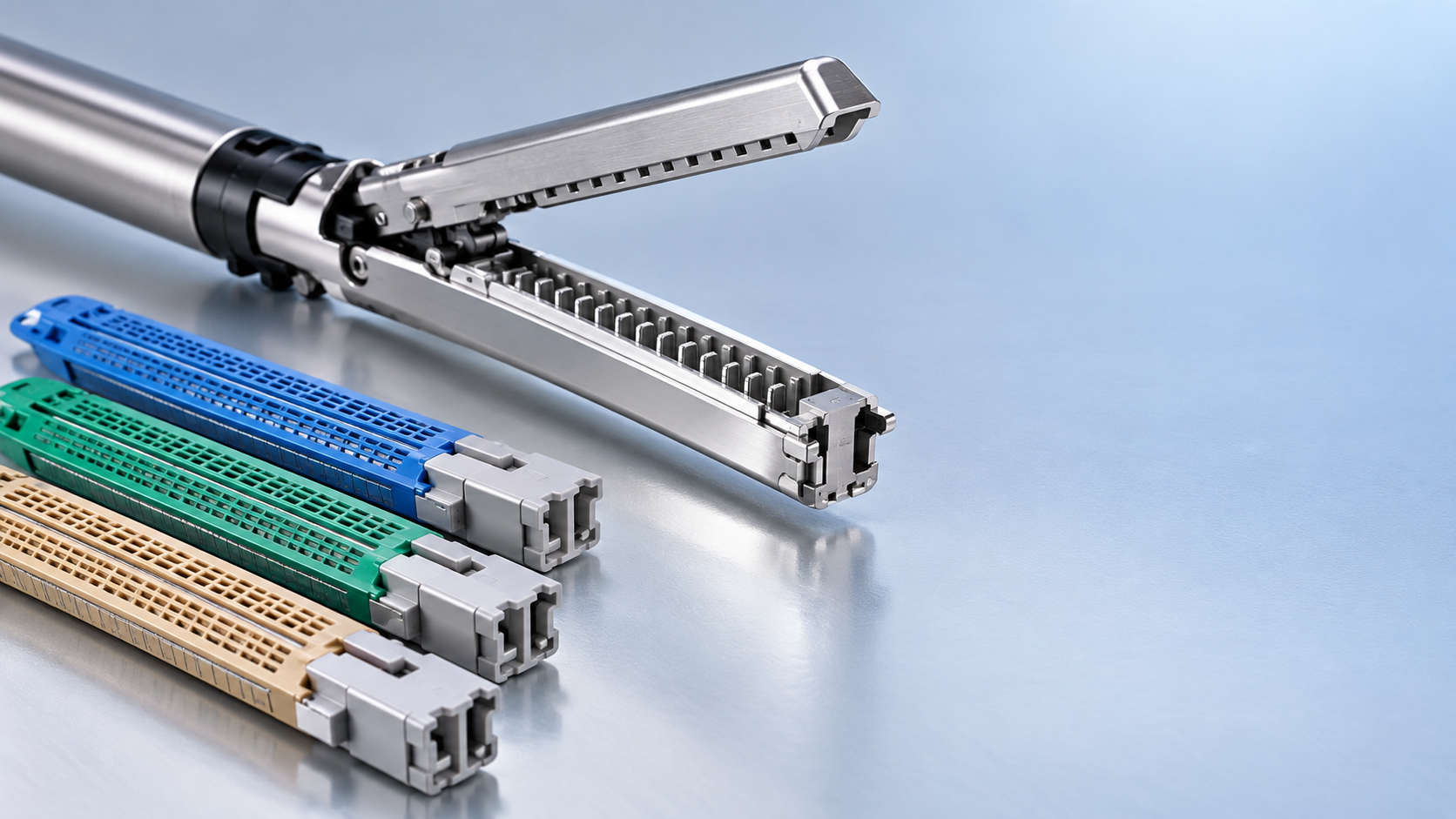
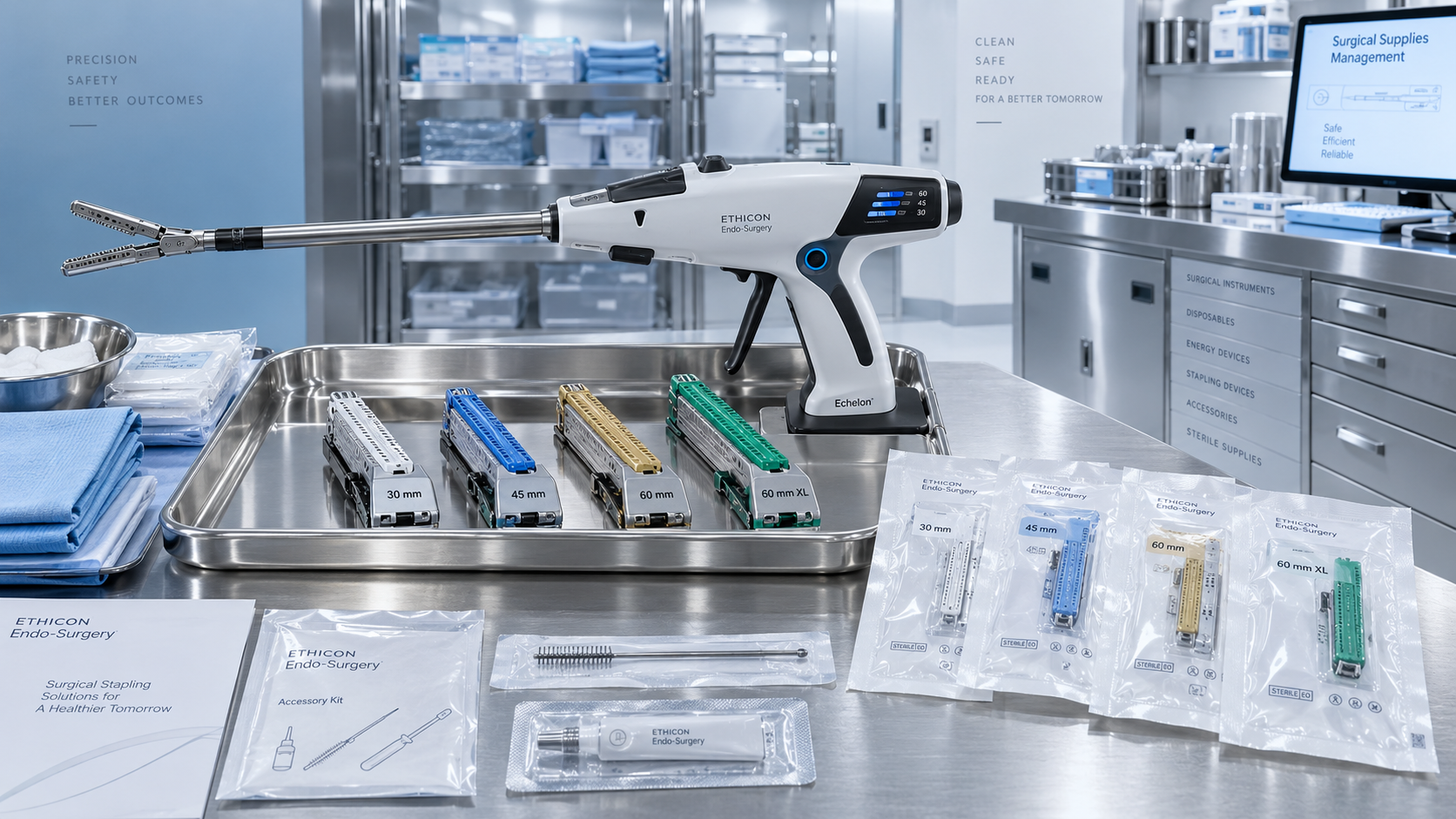
Staplers and surgical closure systems also depend on material reliability. Titanium staples require predictable deformation and tissue compression.
Polymer housings and cartridge components must maintain dimensional stability. Failure can affect staple formation, cutting accuracy, or sealing quality.
How can polymer risk be judged?
Medical material science assessment should include extractables, leachables, aging, sterilization compatibility, and particulate generation.
Attention is also needed when additives, plasticizers, pigments, or coating chemistries change across supply batches.
A polymer is not approved in isolation. Its final processing history strongly affects implant and consumable safety.
How are regenerative materials changing wound care and tissue healing?
Regenerative wound materials expand medical material science beyond structural replacement. Their goal is to guide healing environments.
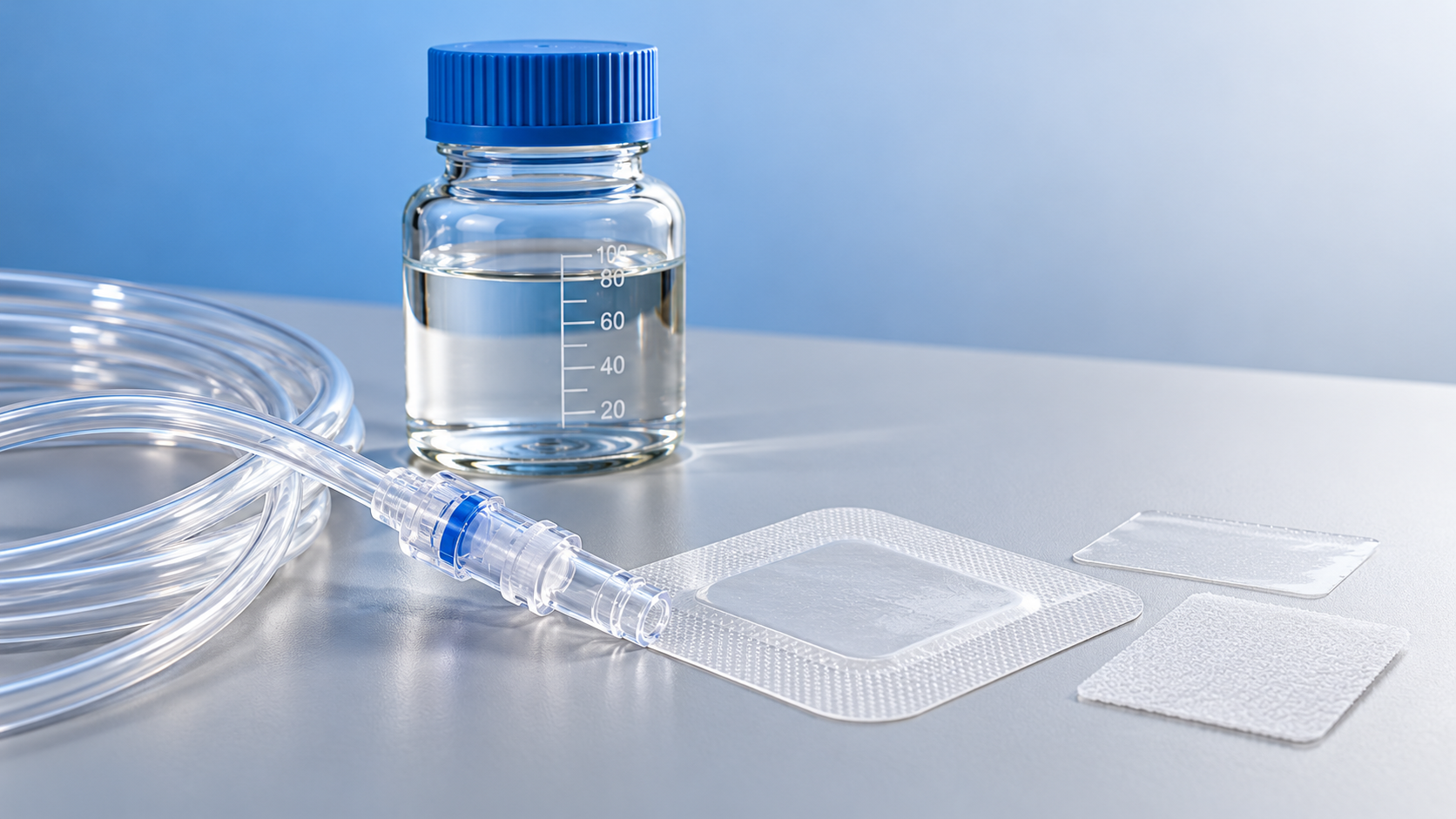
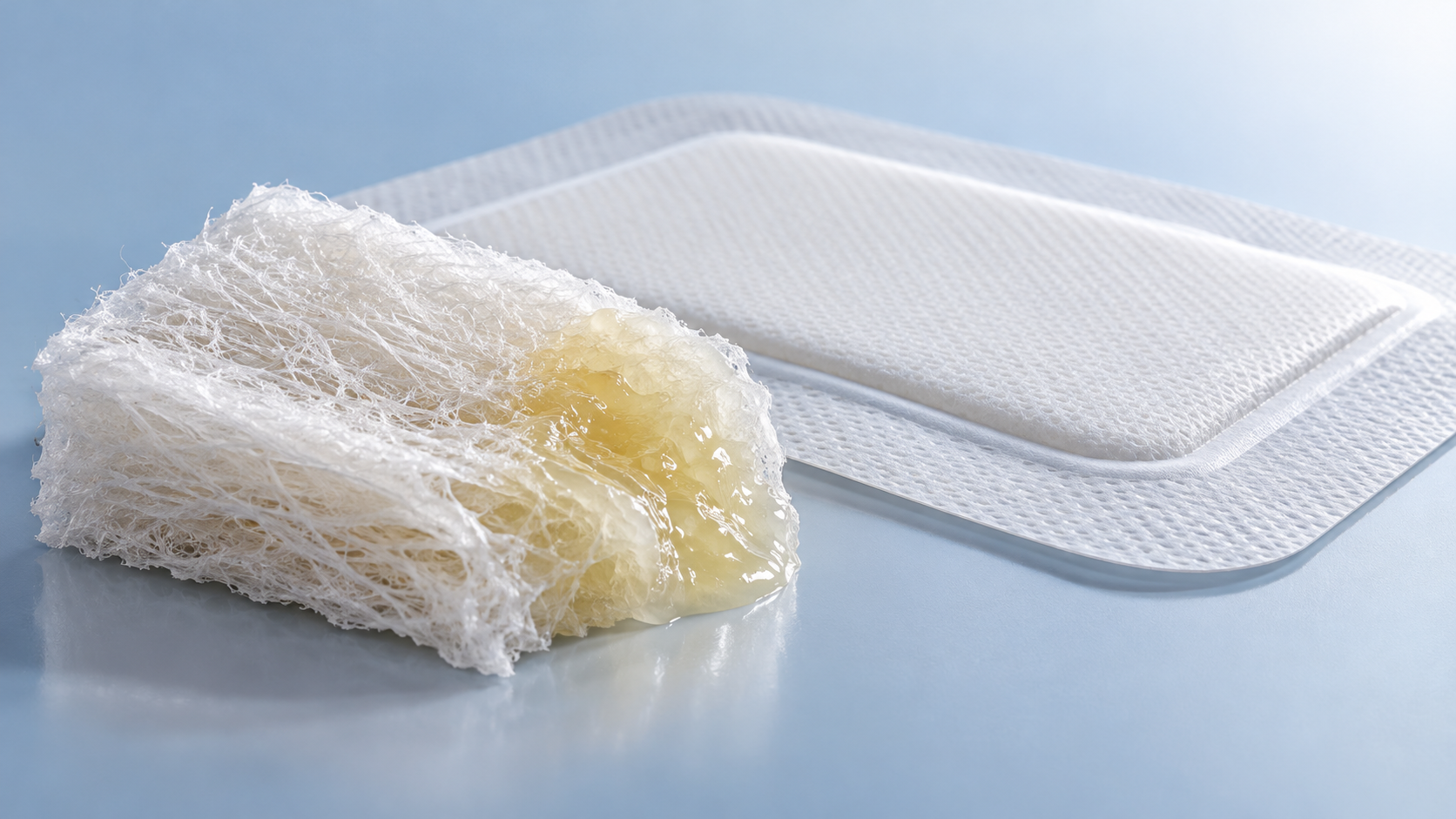
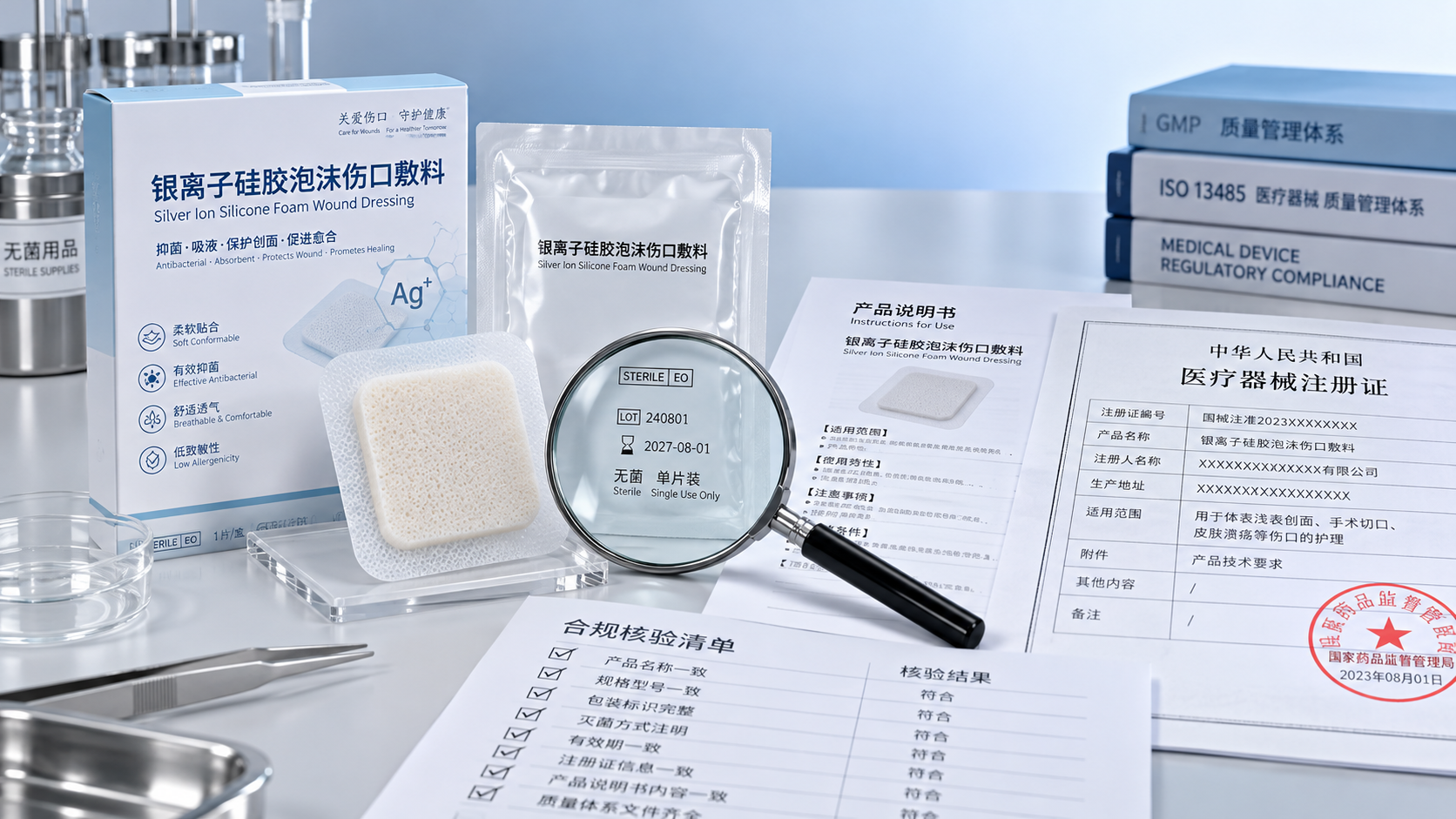
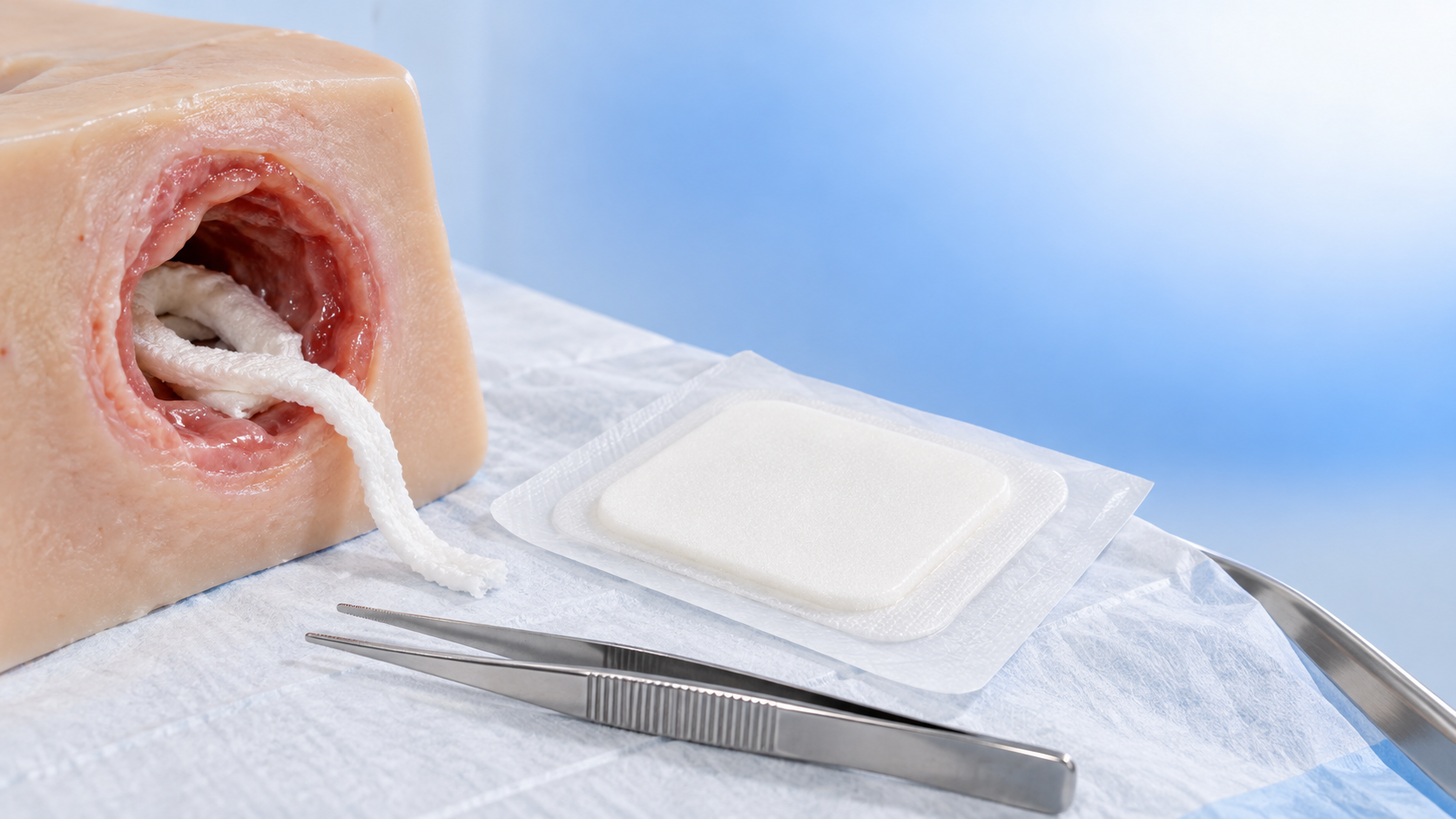
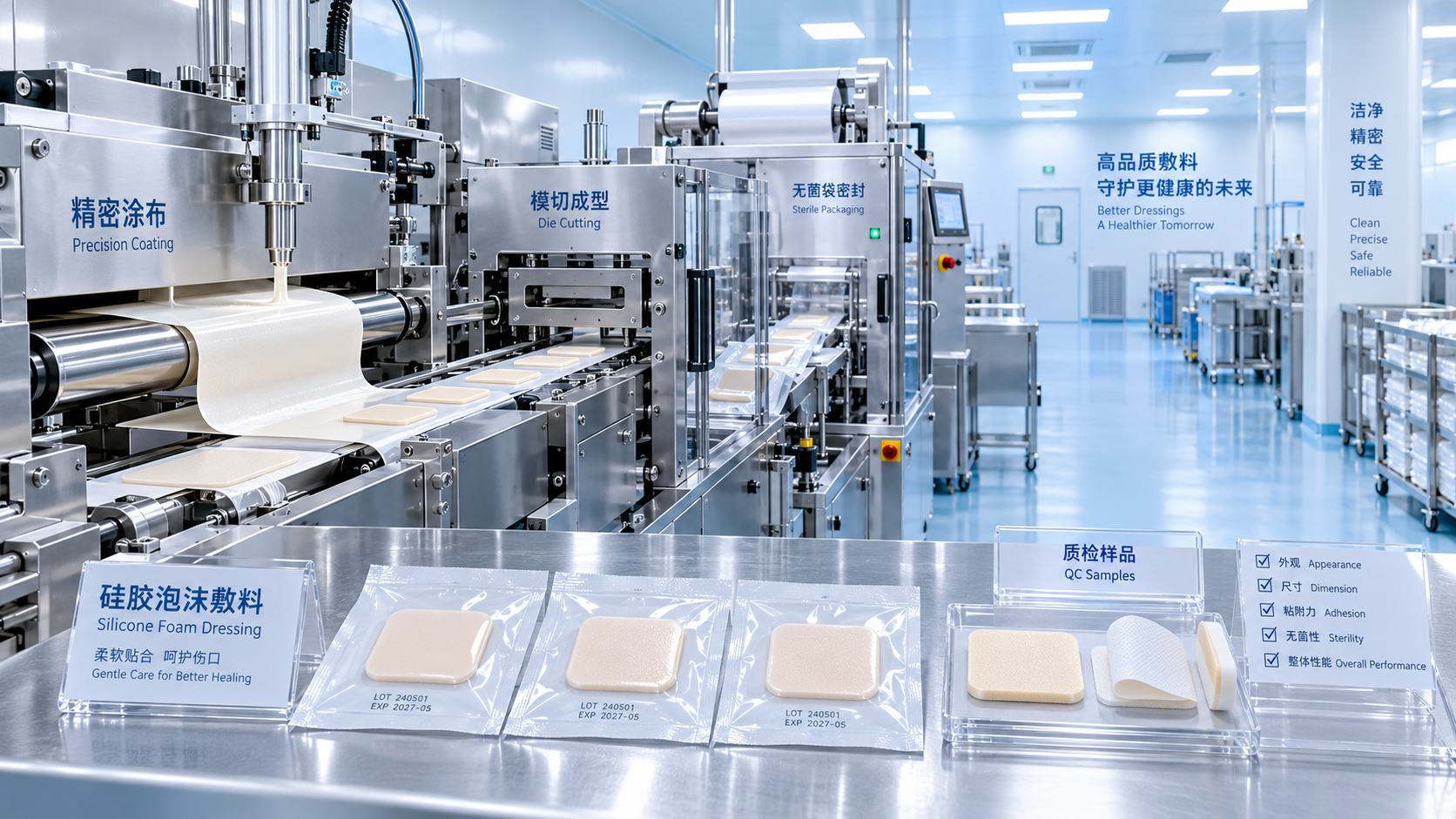
Silver-ion silicone foams, alginates, hydrogels, and negative pressure systems help manage moisture, exudate, bacteria, and tissue granulation.
For diabetic foot ulcers and severe burns, the dressing is not passive. It becomes a controlled interface for cell recovery.
Medical material science evaluates absorption capacity, antimicrobial release, conformability, oxygen balance, and atraumatic removal.
A dressing with strong antimicrobial action may still cause problems if it disrupts healthy tissue migration.
The right material must match wound depth, infection risk, exudate level, and expected dressing change frequency.
This is where medical material science supports both clinical value and cost efficiency in chronic wound management.
How should technologies be compared under regulation and cost pressure?
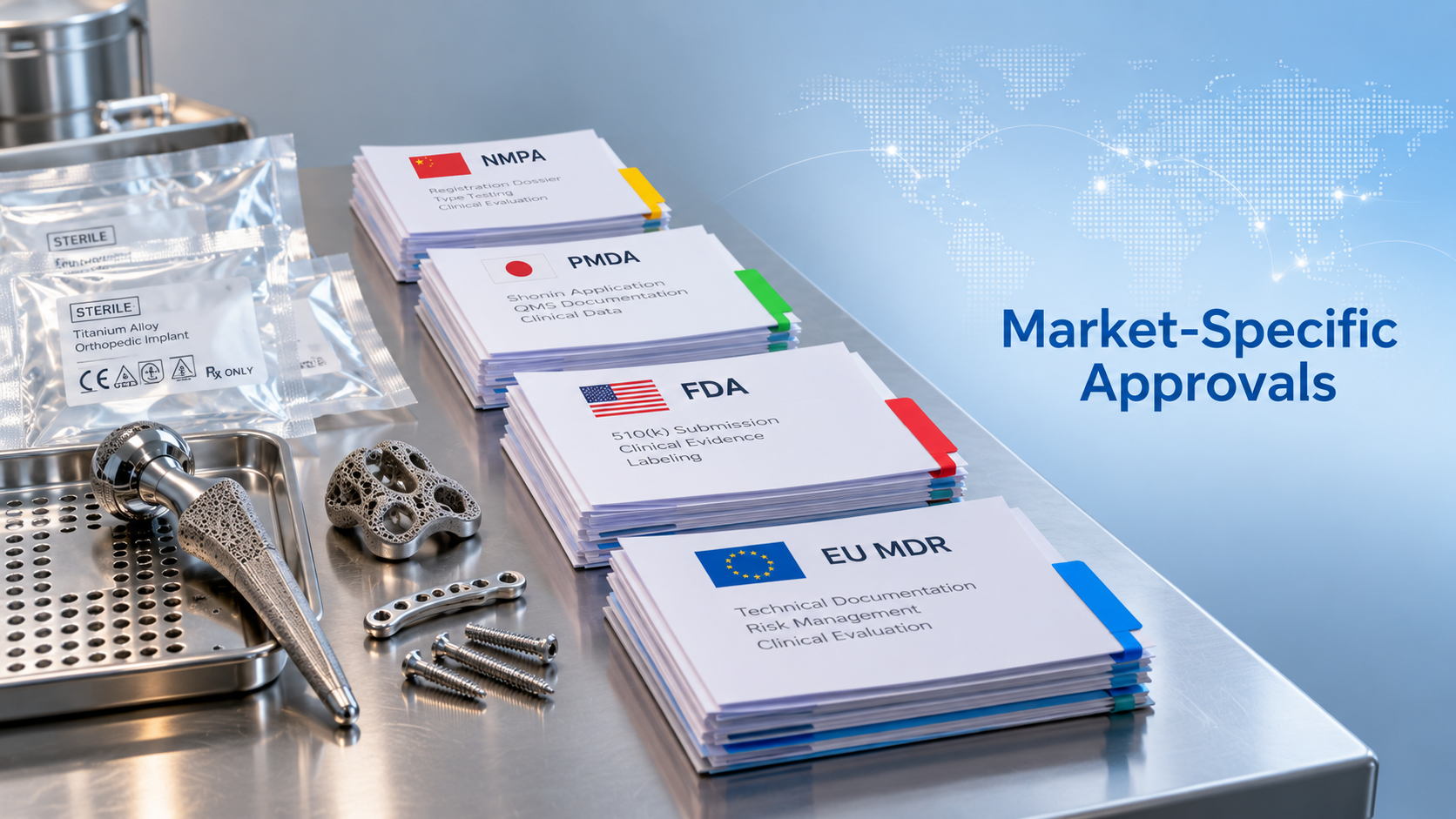
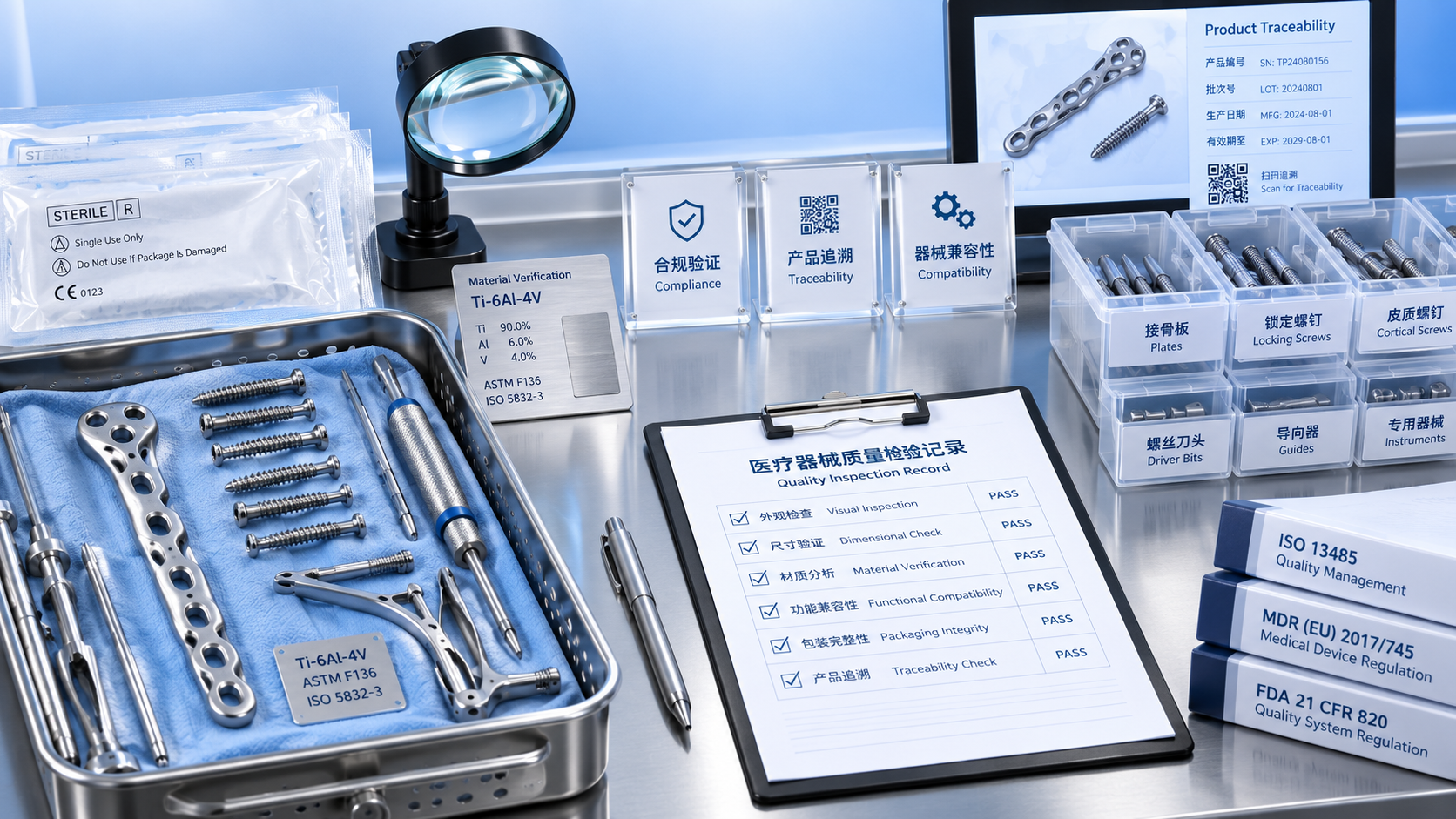
Advanced implants face stricter evidence demands. CE MDR, FDA expectations, and local policies require traceable technical justification.
Medical material science data must support risk management, biological evaluation, clinical evaluation, and post-market surveillance.
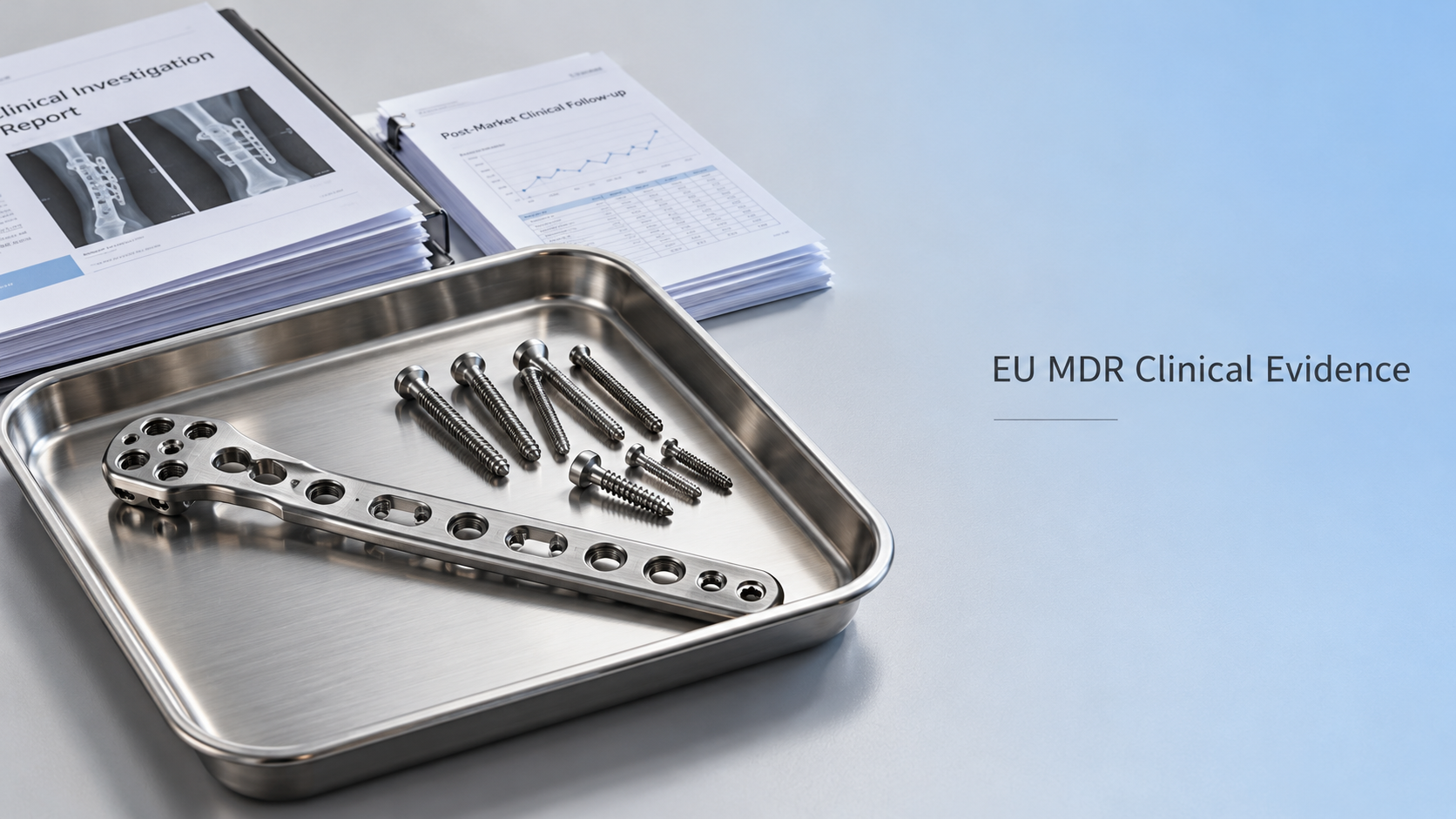
For Class III implants, clinical evidence should match actual material design. Equivalence arguments are harder when surfaces or coatings differ.
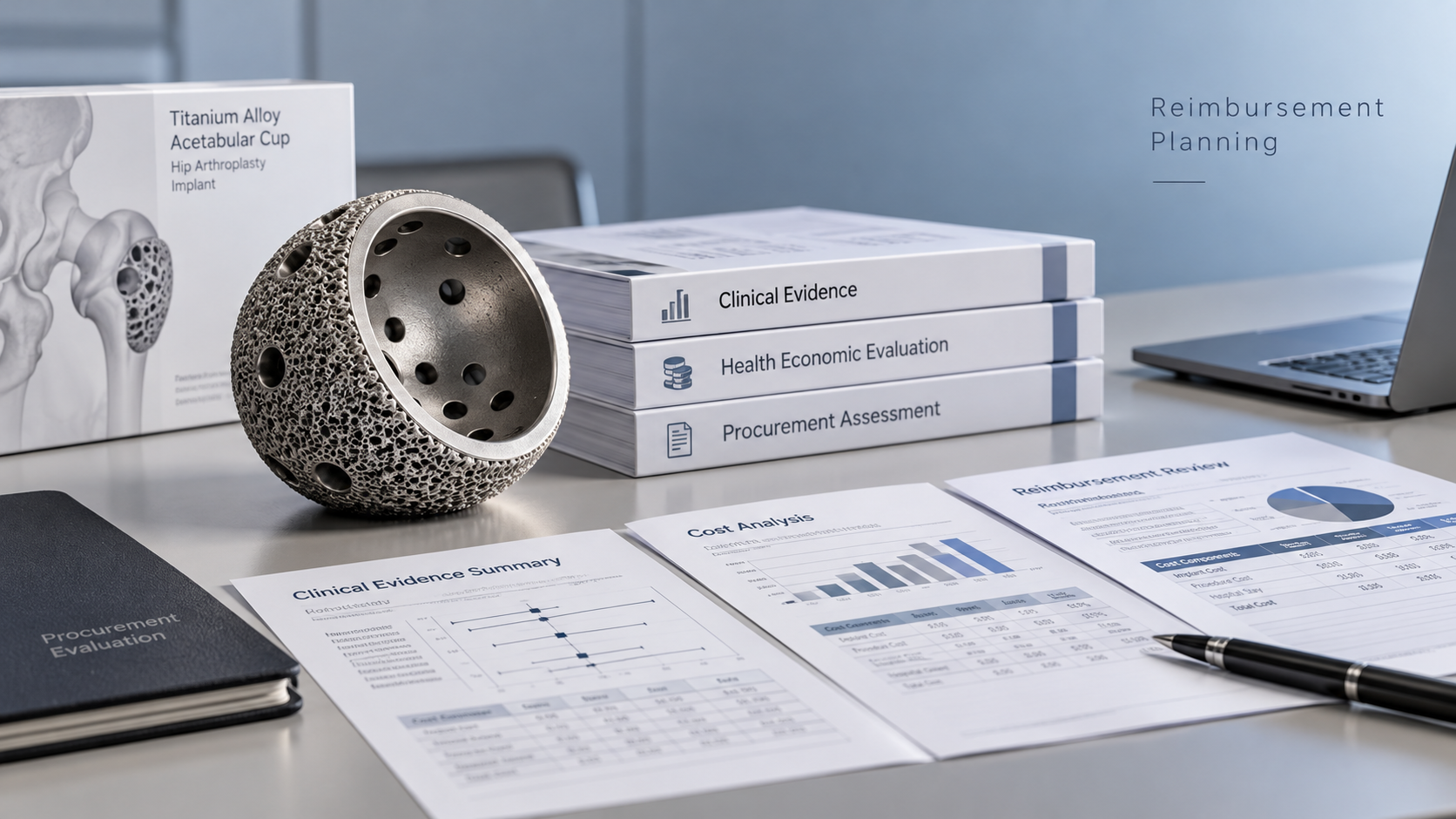
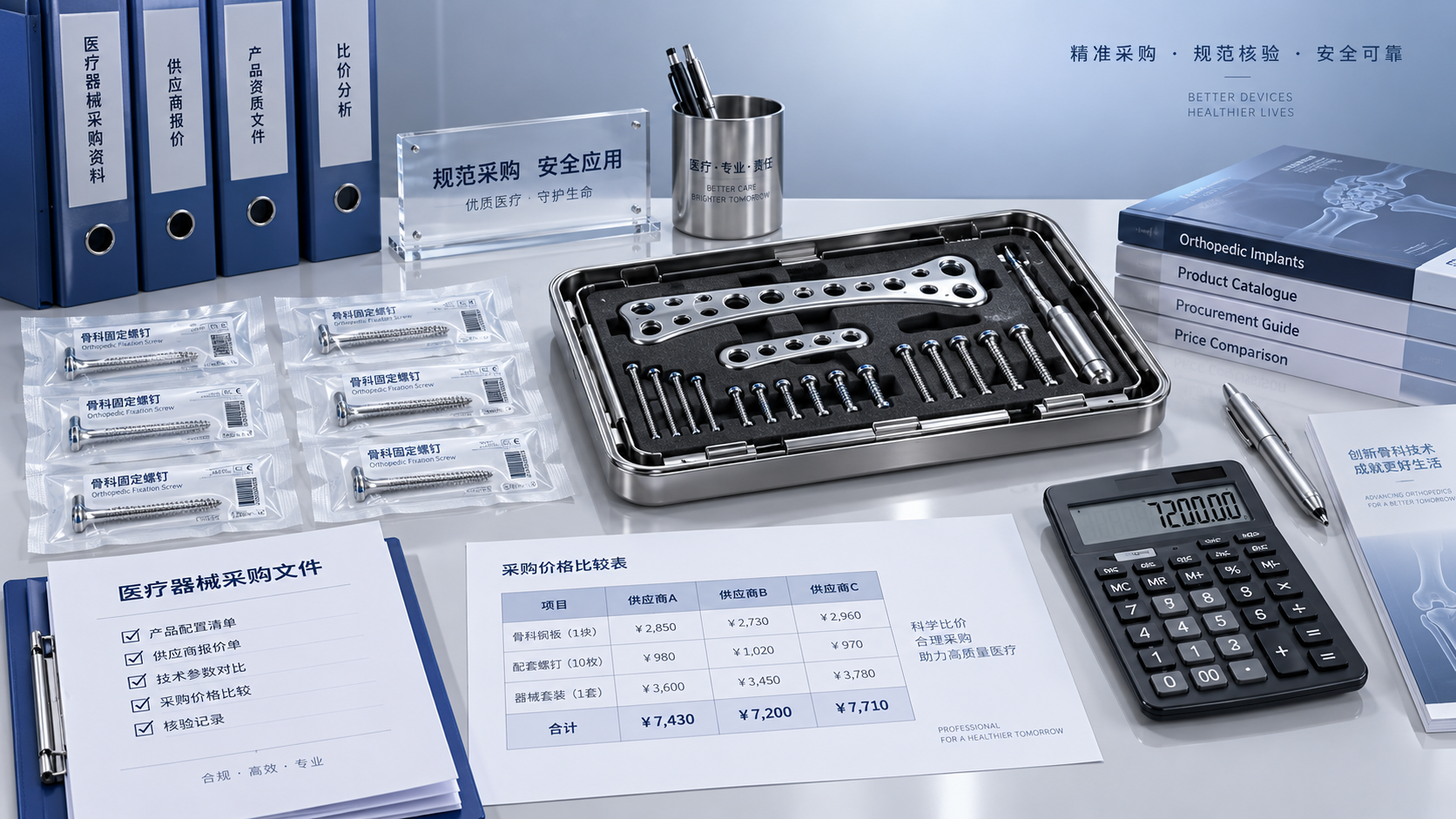
Volume-Based Procurement and reimbursement controls increase pricing pressure. Materials with clearer clinical value may defend stronger positioning.
The evaluation should not ask only whether a device is cheaper. It should ask whether risk, durability, and revision burden are reduced.
A disciplined comparison links material performance with clinical endpoints, regulatory evidence, supply stability, and total treatment economics.
What mistakes commonly weaken implant material decisions?
One common mistake is treating biocompatibility as a checklist. Medical material science requires context, not isolated certificates.
Another mistake is assuming premium materials always improve outcomes. A material advantage must fit anatomy, procedure, and clinical need.
Surface coatings can create hidden risk. Delamination, particle shedding, or altered sterilization response may appear after scale-up.
Overlooking supply changes is also dangerous. Resin grade, powder source, and machining coolant can influence final biological response.
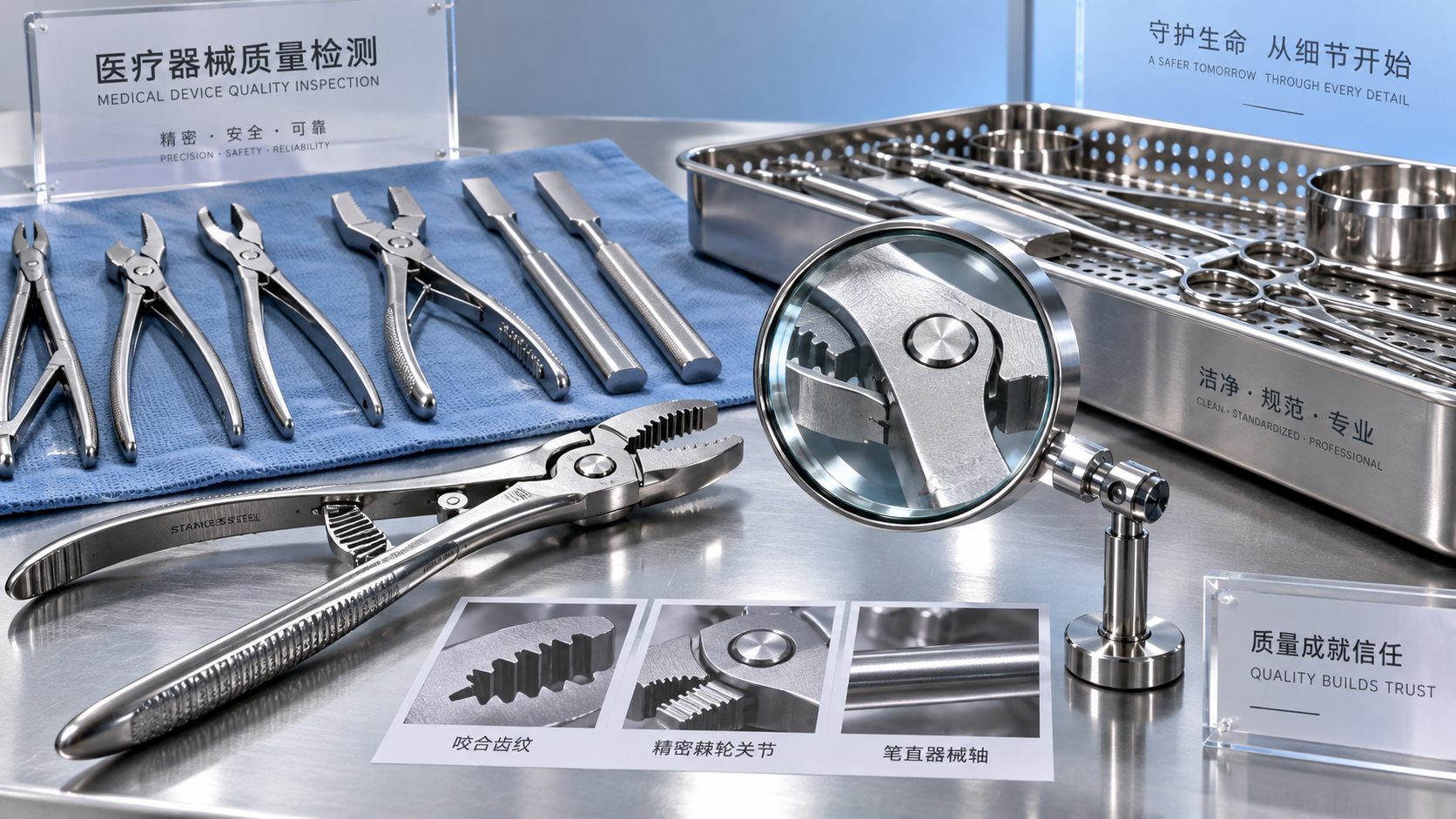
Medical material science should also examine cleaning validation. Residual contaminants can compromise even excellent base materials.
- Do not compare implants by material name alone.
- Do not ignore manufacturing route and surface finishing.
- Do not separate clinical claims from material evidence.
- Do not underestimate policy-driven price compression.
The strongest decisions combine toxicology, engineering, clinical logic, and market access thinking from the earliest design stage.
What is the next step for building safer implant strategies?
Safer implants require structured evidence, not fragmented testing. Medical material science provides the framework for that structure.
Start by mapping every patient-contacting material, processing step, coating, sterilization cycle, and intended biological interaction.
Then connect each risk to measurable evidence. Mechanical durability, ISO 10993 results, clinical performance, and surveillance data should align.
IMCS focuses on this intelligence stitching across orthopedic implants, cardiovascular devices, surgical consumables, polymers, and wound technologies.
Its work connects biocompatibility, micron-level manufacturing, Class III regulation, and procurement pressure into one evaluation view.
As medical material science evolves, the best technologies will be biodegradable where useful, personalized where needed, and minimally invasive by design.
The practical next step is clear: build a material evidence map before comparing suppliers, claims, or compliance pathways.
With rigorous medical material science insight, safer implants can integrate with the body and reconstruct vitality with greater confidence.
Get weekly intelligence in your inbox.
No noise. No sponsored content. Pure intelligence.
News Recommendations
 Oct 26, 2026Can a single approval cover life science product sales worldwide?Can a single approval cover life science product sales worldwide?
 Oct 25, 2026When is sensitization testing needed for medical device biocompatibility?When is sensitization testing needed for medical device biocompatibility?
 Oct 24, 2026How is biocompatibility tested for implantable polymer biomaterials?How is biocompatibility tested for implantable polymer biomaterials?
 Oct 23, 2026How to build reimbursement into an implant commercialization strategyHow to build reimbursement into an implant commercialization strategy
 Oct 22, 2026What clinical evidence do implants need for CE marking under EU MDR?What clinical evidence do implants need for CE marking under EU MDR?
 Oct 21, 2026How to choose disposable laparoscopic stapler reloads for thick tissueHow to choose disposable laparoscopic stapler reloads for thick tissue
 Oct 20, 2026How to assess medical polymer biocompatibility under ISO 10993How to assess medical polymer biocompatibility under ISO 10993
 Oct 19, 2026How do interventional device categories differ in clinical use?How do interventional device categories differ in clinical use?
 Oct 18, 2026When to choose alginate dressings for heavily exuding chronic woundsWhen to choose alginate dressings for heavily exuding chronic wounds
 Oct 17, 2026How is biocompatibility tested for custom medical-grade PEEK implants?How is biocompatibility tested for custom medical-grade PEEK implants?
 Oct 16, 2026How to check a wound healing materials supplier’s biocompatibility dataHow to check a wound healing materials supplier’s biocompatibility data
 Oct 15, 2026How to verify the FDA clearance status of silver wound dressingsHow to verify the FDA clearance status of silver wound dressings
 Oct 14, 2026How to register orthopedic implants and instruments in Latin AmericaHow to register orthopedic implants and instruments in Latin America
 Oct 13, 2026How to use a device market intelligence database to benchmark VBP pricesHow to use a device market intelligence database to benchmark VBP prices
 Oct 12, 2026When should stainless steel orthopedic instruments be replaced?When should stainless steel orthopedic instruments be replaced?
 Oct 11, 2026When are alginate dressings rope the right choice for cavity wounds?When are alginate dressings rope the right choice for cavity wounds?
 Oct 10, 2026When smart minimally invasive technology improves catheter accessWhen smart minimally invasive technology improves catheter access
 Oct 08, 2026Clinical evaluation requirements for cardiovascular implant devices in EuropeClinical evaluation requirements for cardiovascular implant devices in Europe
 Oct 07, 2026What to verify before appointing an artificial joint implants distributorWhat to verify before appointing an artificial joint implants distributor
 Oct 06, 2026How ISO 10993 guides biocompatibility testing for medical materialsHow ISO 10993 guides biocompatibility testing for medical materials
 Oct 05, 2026How to verify an orthopedic implants and instruments exporterHow to verify an orthopedic implants and instruments exporter
 Oct 04, 2026What drives surgical stapling devices price differences in hospital tenders?What drives surgical stapling devices price differences in hospital tenders?
 Oct 03, 2026How to assess a central venous catheter manufacturer's infection-control evidenceHow to assess a central venous catheter manufacturer's infection-control evidence
 Oct 02, 2026How to assess an advanced wound care factory’s quality systemHow to assess an advanced wound care factory’s quality system
 Oct 01, 2026What is driving global medical consumables demand in emerging markets?What is driving global medical consumables demand in emerging markets?
 Sep 30, 2026Implant Material Compliance Testing: Evidence Needed for Regulatory SubmissionImplant Material Compliance Testing: Evidence Needed for Regulatory Submission
 Sep 30, 2026From Corrosion to Fatigue: What Implant Materials Testing Should MeasureFrom Corrosion to Fatigue: What Implant Materials Testing Should Measure