Medical Material Science: Biocompatibility Red Flags
In medical material science, biocompatibility failures rarely appear as obvious defects; they often emerge as subtle red flags hidden in cytotoxicity data, extractables profiles, surface residues, or post-market complaints. For quality control and safety management teams, recognizing these early signals is critical to protecting patients, passing ISO 10993 evaluations, and avoiding costly regulatory setbacks. This article highlights the key warning signs that indicate a material, coating, or processing change may compromise biological safety before it reaches high-risk implants or medical consumables.
Why Biocompatibility Red Flags Matter in Medical Material Science

For orthopedic implants, cardiovascular devices, surgical staplers, catheters, and wound care materials, biological safety is not a final test checkbox. It is a continuous risk signal system.
In medical material science, a red flag means evidence that the material, surface, additive, residue, or degradation pathway may interact negatively with tissue, blood, or healing processes.
The challenge for quality control teams is that warning signs often look statistically minor. A borderline cytotoxicity score, an unexpected leachable, or a small complaint cluster may indicate a deeper systemic issue.
Typical early warning sources
- Routine incoming inspection shows subtle color, odor, particle, or surface energy variation in polymers, metals, coatings, or textile-based dressings.
- Biological evaluation data shows marginal results, unusual cell morphology, elevated irritation response, or repeated retest dependence.
- Process records reveal altered sterilization dose, drying temperature, solvent exposure, machining coolant, mold release agent, or cleaning validation status.
- Complaint files include inflammation, delayed healing, thrombosis signals, unexplained pain, allergic response, or premature device removal.
IMCS evaluates these signals across the full medical consumables pathway, linking material behavior, precision machining, clinical exposure, and Class III regulatory expectations.
Which Red Flags Should QC and Safety Teams Escalate First?
Not every deviation creates the same patient risk. In medical material science, escalation priority depends on contact type, exposure duration, anatomical site, and detectability before release.
A temporary dressing extractable may be managed differently from a permanent hip implant residue. A catheter hemocompatibility concern requires faster action than a packaging cosmetic defect.
The following table gives practical triage guidance for teams reviewing incoming materials, process changes, and post-market safety data.
This triage view helps teams avoid two costly mistakes: overreacting to harmless variation and underreacting to early biological safety drift.
Application Scenarios: Different Devices, Different Biological Risks
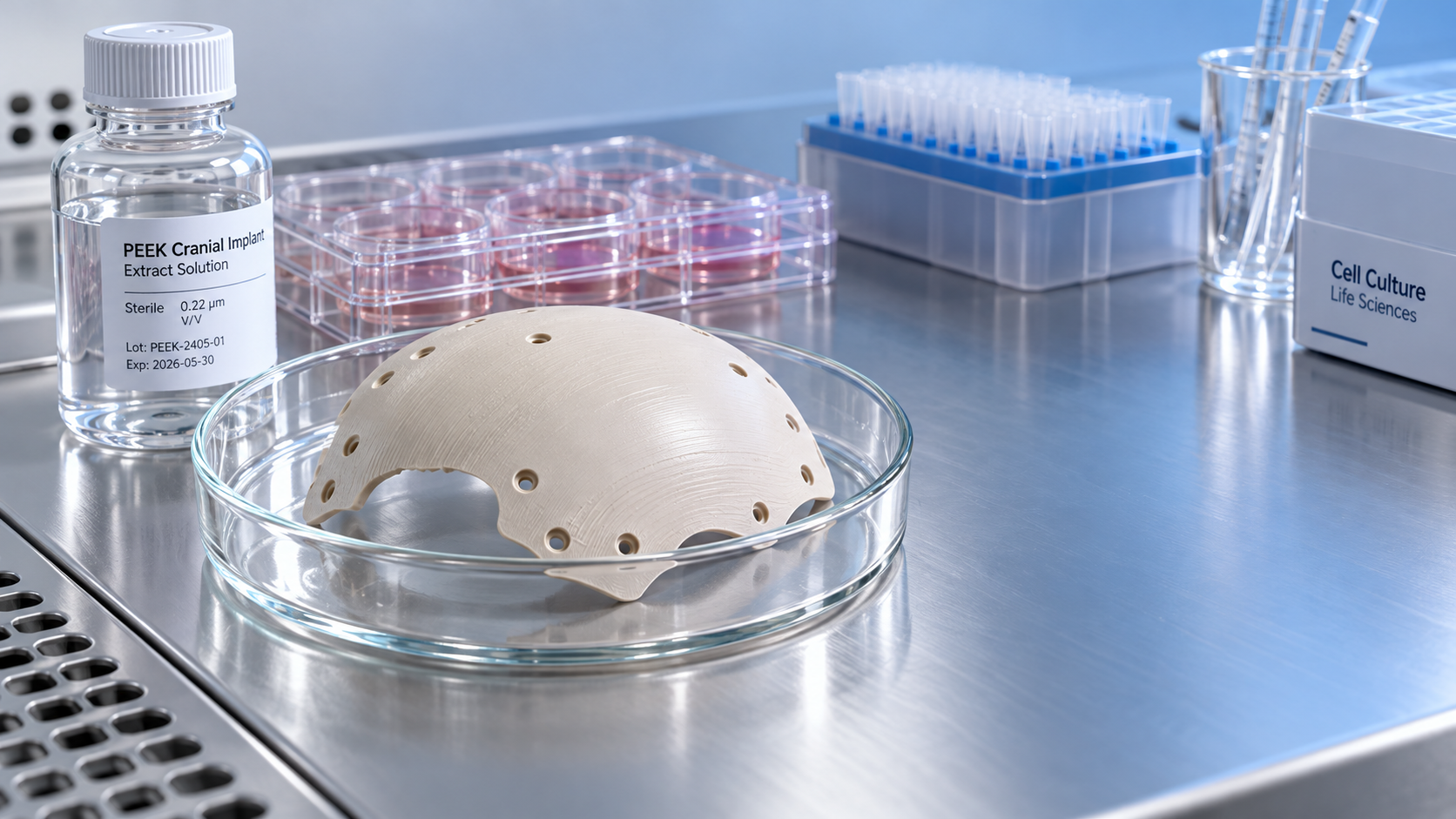
Medical material science becomes more demanding when the same raw material family serves different clinical environments. Titanium, PEEK, silicone, polyurethane, and hydrogels behave differently by application.
IMCS focuses on five high-value consumable pillars where biocompatibility risk has direct impact on postoperative recovery, vascular patency, wound closure, and tissue regeneration.
Scenario-based risk checkpoints
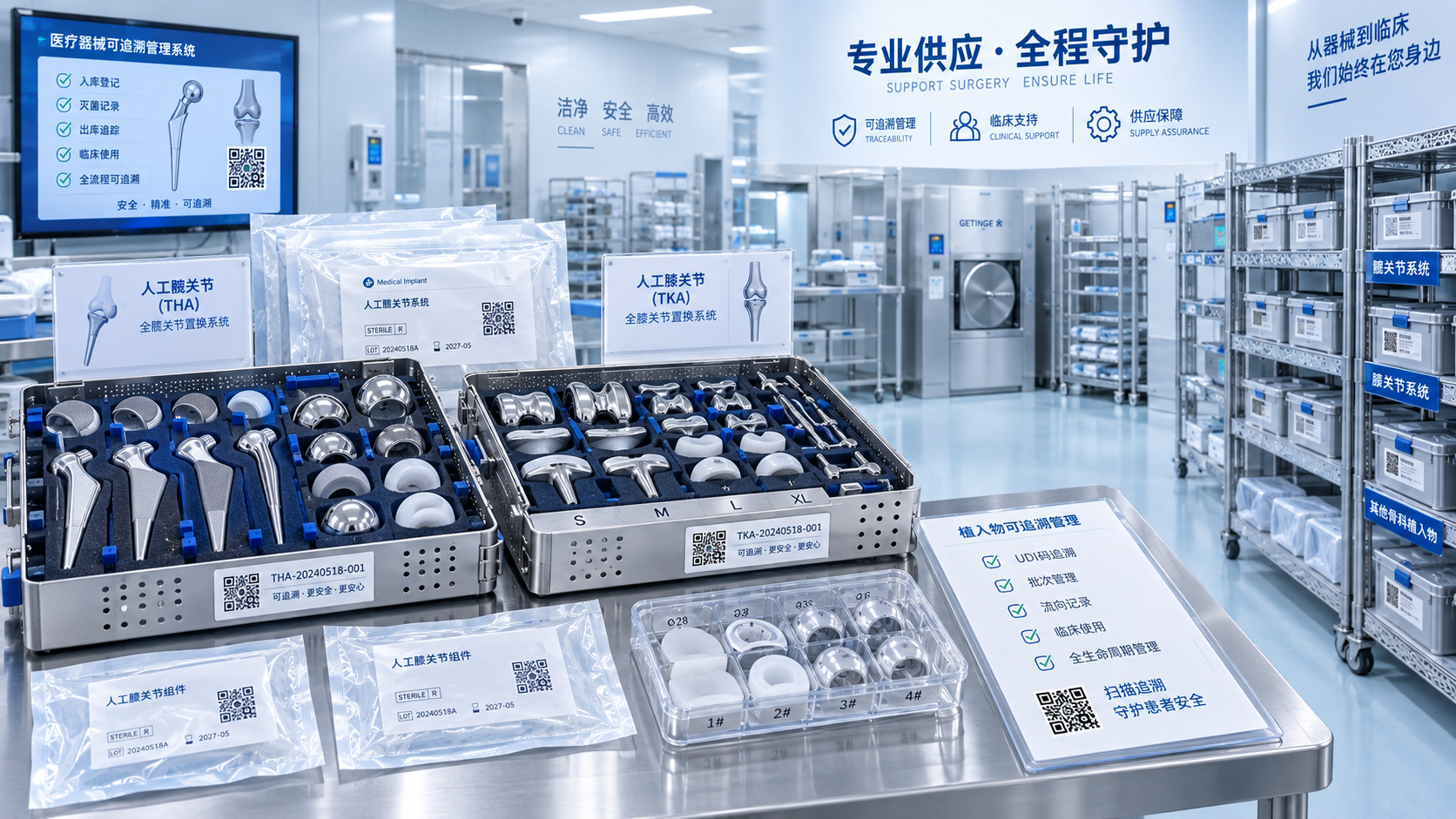
- Orthopedic implants require attention to osseointegration, metal ion release, porous structure cleaning, and wear debris inflammatory potential.
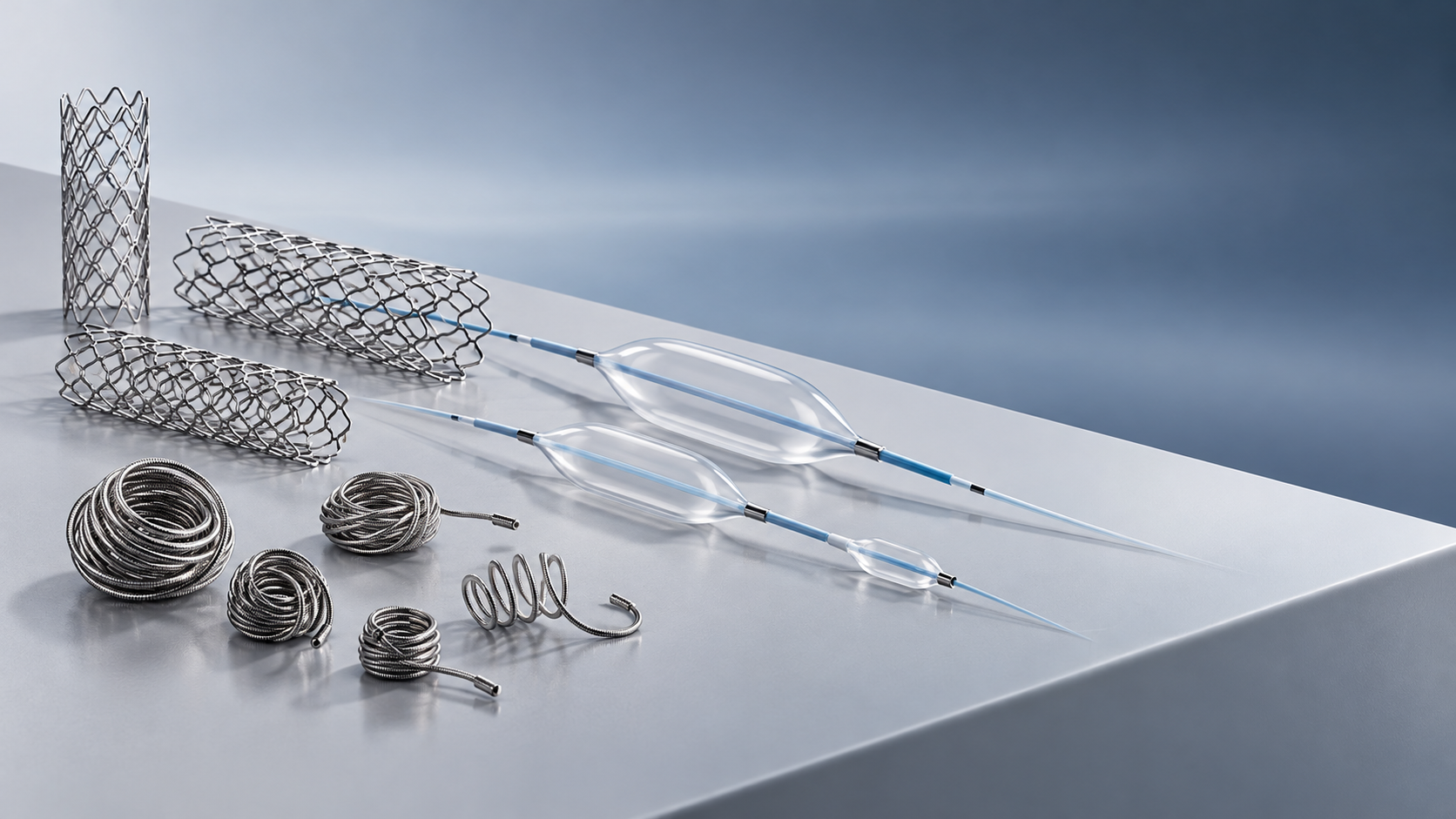
- Cardiovascular stents and TAVR components demand hemocompatibility, coating integrity, drug-polymer stability, and thrombus risk control.
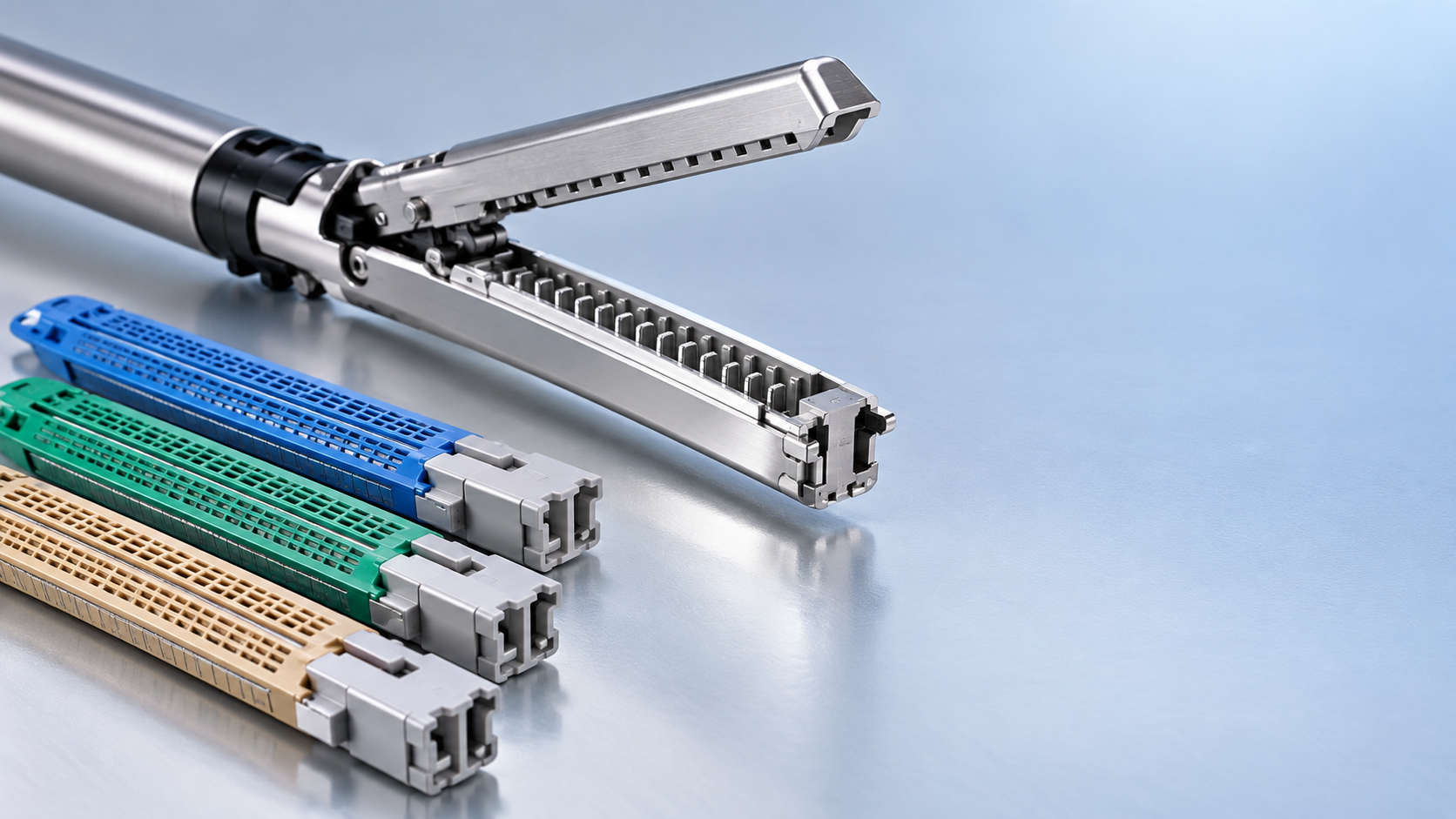
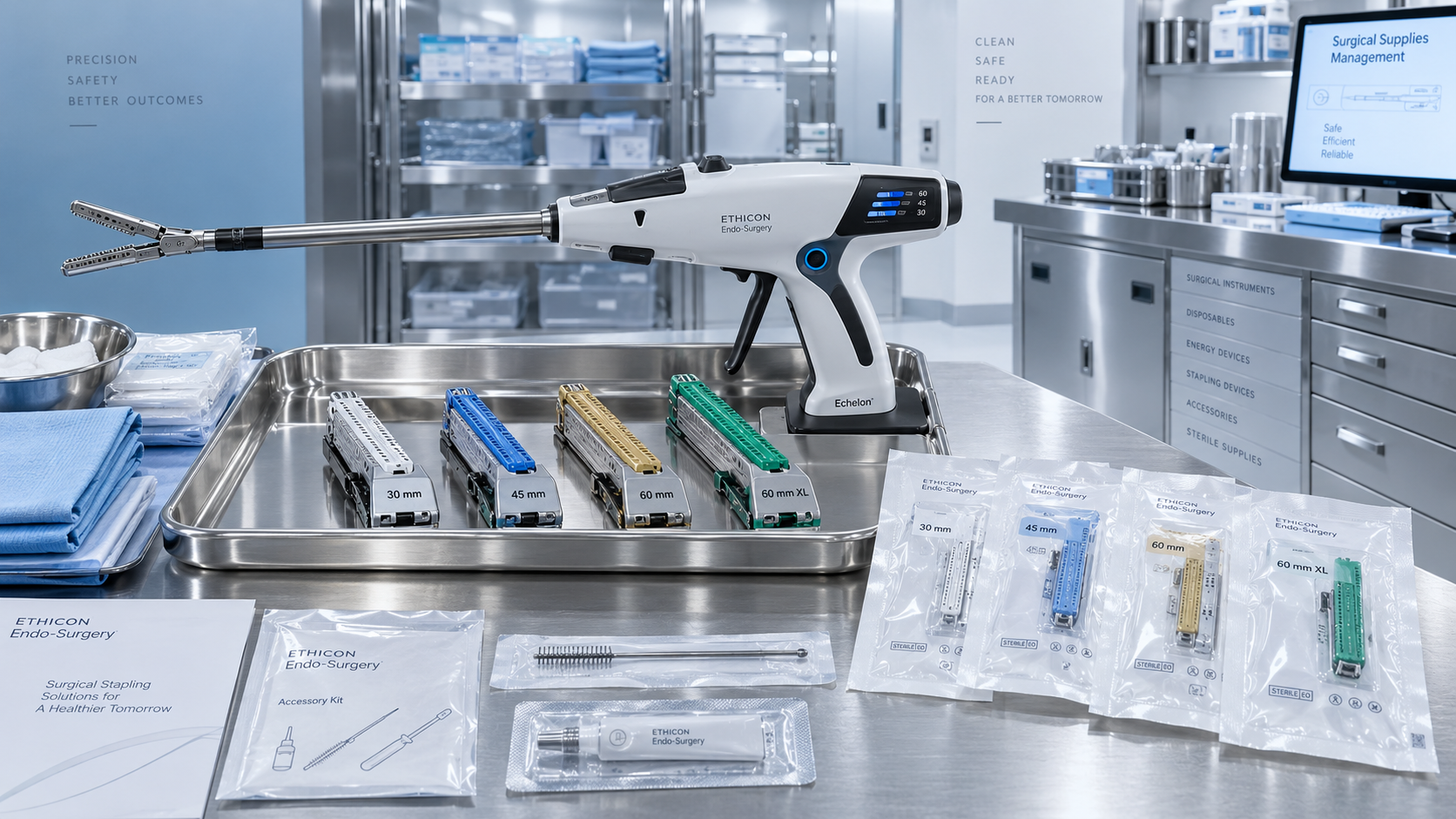
- Minimally invasive staplers depend on titanium staple surface cleanliness, mechanical consistency, and tissue-contact residue limits.
- Polymer catheters require scrutiny of plasticizers, hydrophilic coatings, lubricity additives, kink-resistant layers, and blood-contact performance.
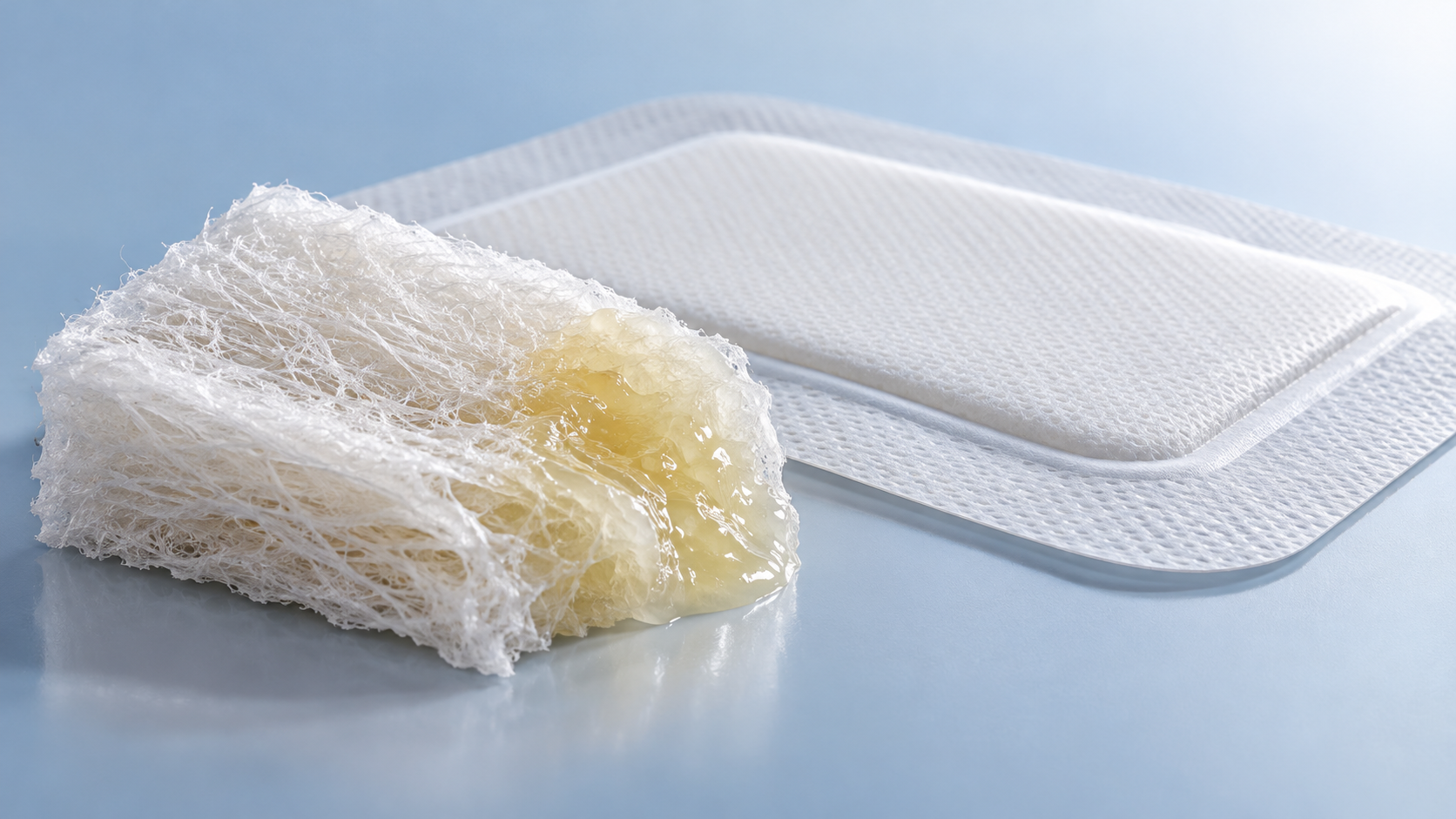
- Advanced dressings need balanced antimicrobial function, moisture control, sensitization risk, and safe interaction with fragile wound tissue.
For safety managers, the key decision is not whether a material is generally acceptable. The question is whether it remains acceptable under the intended clinical exposure.
How to Compare Material Changes Before They Become Compliance Problems
Supplier changes, resin substitutions, coating adjustments, and sterilization modifications often look operational. In medical material science, they may trigger new biological evaluation requirements.
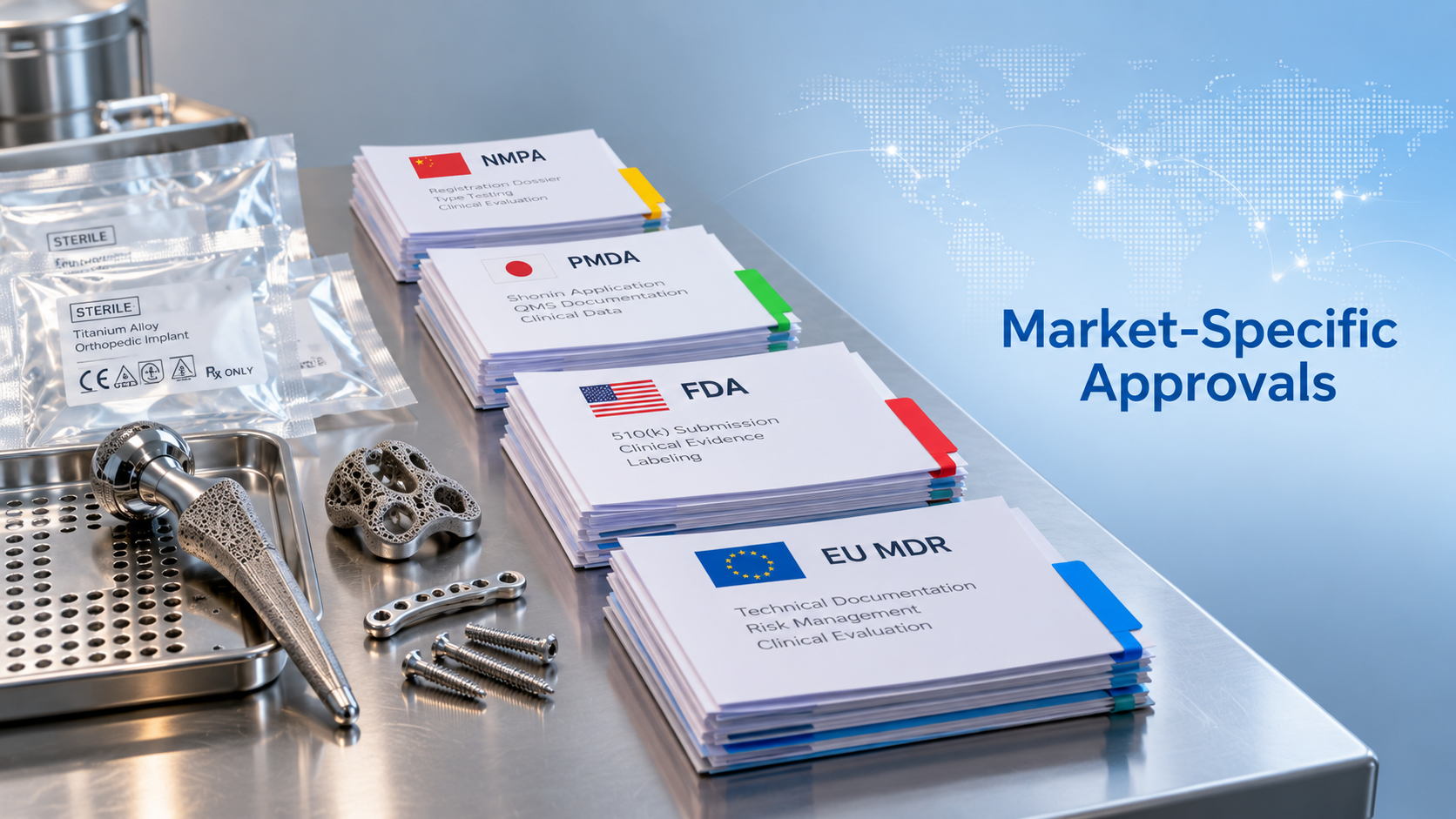
A disciplined comparison prevents late-stage surprises during ISO 10993 review, CE MDR technical documentation, FDA submission preparation, or notified body questioning.
The comparison below helps procurement, QC, and safety teams decide when routine verification is enough and when a deeper biological safety review is required.
A change control record should connect technical evidence with clinical exposure. That link is often where weak files fail regulatory review.
Standards and Evidence: What Regulators Expect to See
Quality and safety teams do not need unnecessary testing. They need defensible evidence. Medical material science decisions should be traceable to risk management and biological evaluation logic.
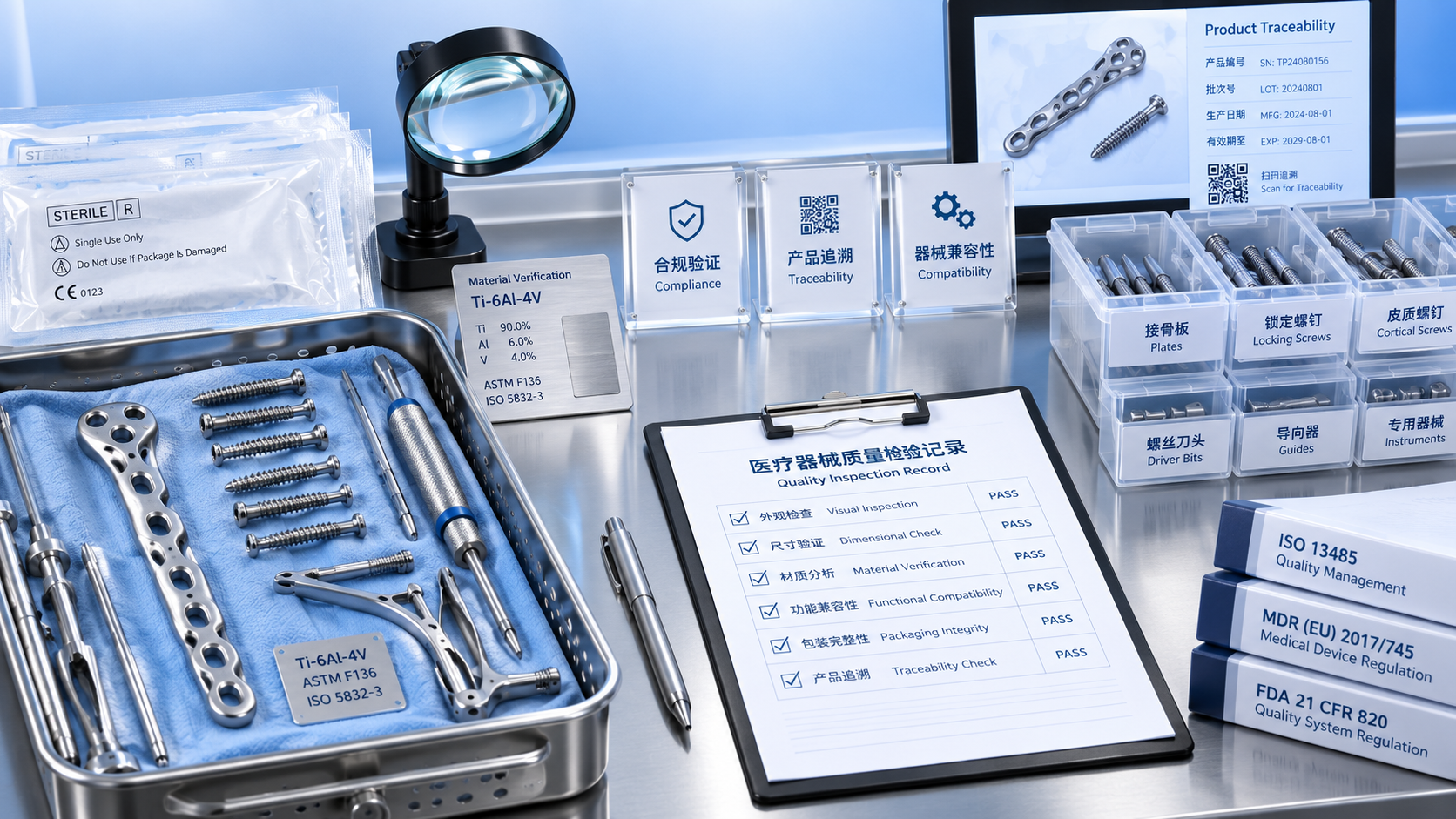
ISO 10993 is central, but it is not a single test menu. It requires device categorization, endpoint selection, chemical characterization, toxicological risk assessment, and justification.
Core documentation checkpoints
- Define body contact type, contact duration, tissue environment, and worst-case patient exposure with clear rationale.
- Build a biological evaluation plan that addresses cytotoxicity, sensitization, irritation, systemic toxicity, hemocompatibility, implantation, or genotoxicity when relevant.
- Use chemical characterization to reduce unnecessary animal testing while identifying toxicological concerns early.
- Align change control, cleaning validation, sterilization validation, shelf-life evidence, and supplier records with the biological risk file.
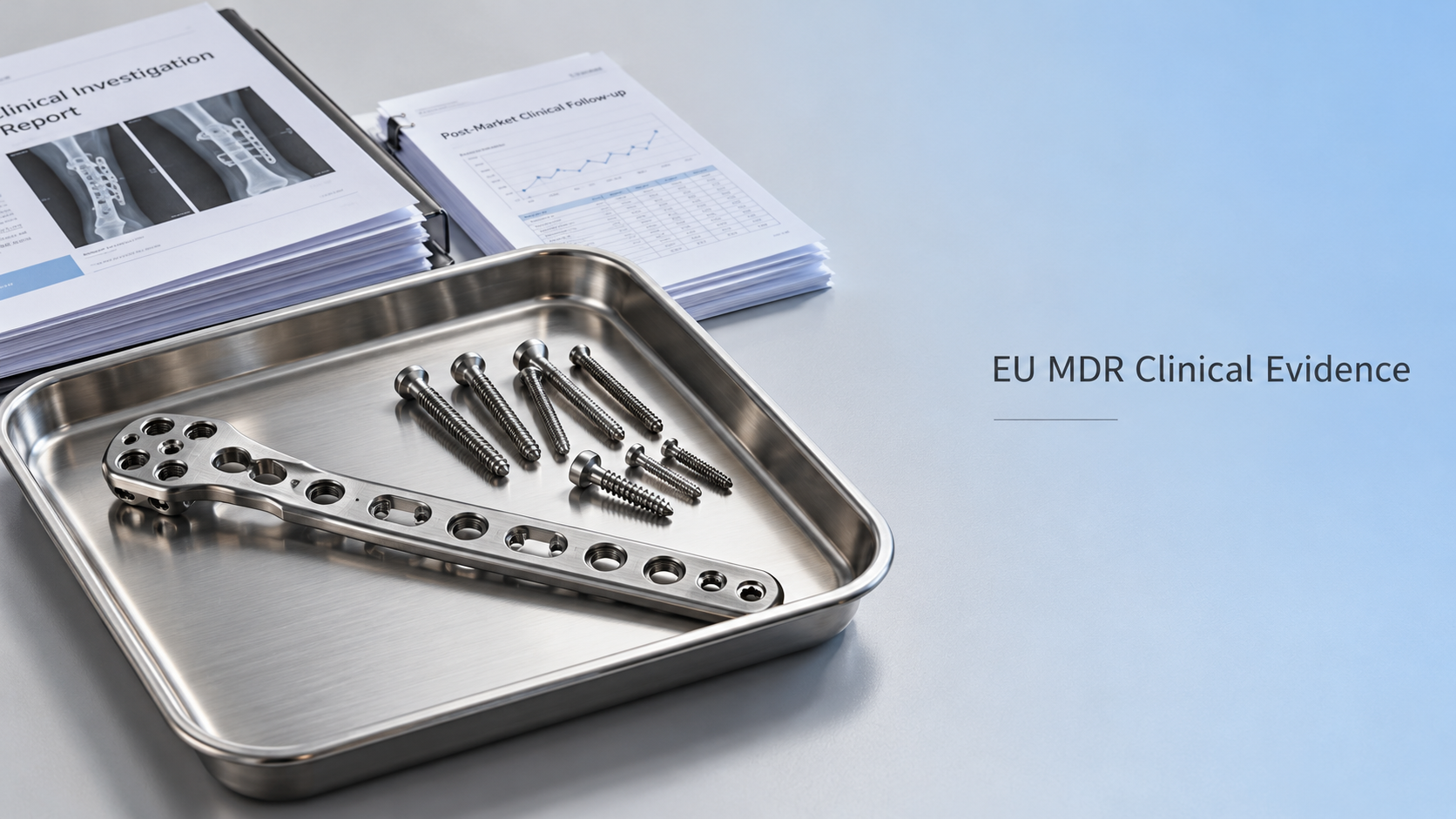
For CE MDR Class III devices, clinical evaluation also matters. A material concern can become a CER concern if biological uncertainty affects clinical benefit-risk conclusions.
Procurement Guide: What to Ask Before Approving a Material Supplier
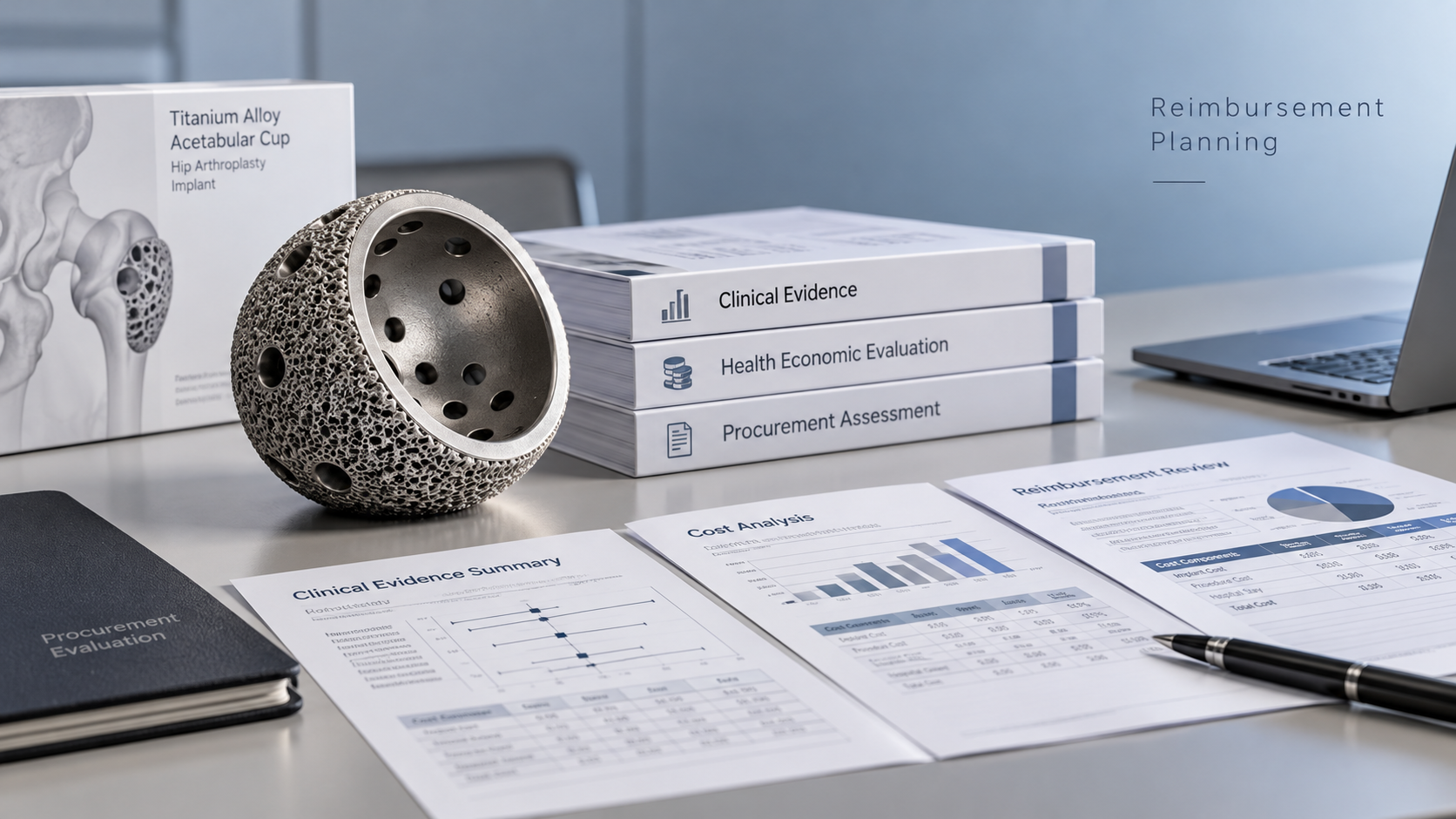
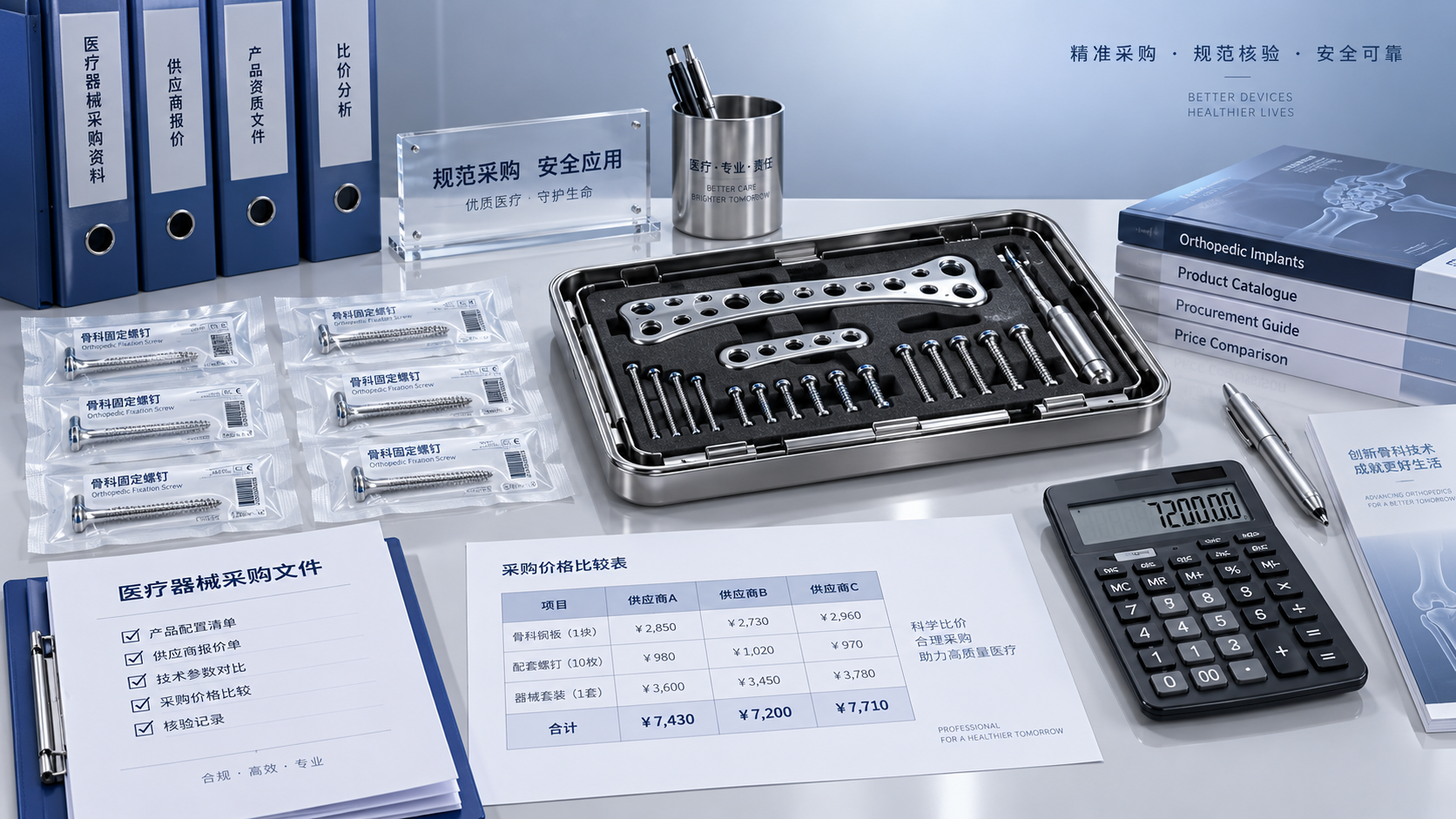
Procurement pressure is real. VBP policies, price cliffs, and capacity negotiations can push teams toward lower-cost materials. The risk is approving savings without biological evidence.
In medical material science, supplier selection should weigh technical transparency as heavily as unit price, especially for implants and long-duration blood-contact consumables.
Use the following evaluation table during supplier qualification, alternative sourcing, or cost-down projects.
A cheaper supplier is not automatically unsafe. However, the cost model must include validation effort, regulatory review, production delay, and complaint exposure.
Implementation Workflow for Red Flag Investigation
When a red flag appears, speed matters. Yet uncontrolled testing wastes time. A structured medical material science workflow helps teams move from signal to decision.
A practical escalation path
- Contain affected lots, identify distribution status, and determine whether patient exposure has occurred.
- Compare the suspect lot with historical lots using raw material records, process parameters, and analytical fingerprints.
- Assess device contact category and clinical severity before selecting biological, chemical, or mechanical follow-up tests.
- Document toxicological rationale, acceptance criteria, residual uncertainty, and release decision with cross-functional approval.
- Feed findings into supplier management, CAPA, post-market surveillance, and future design change controls.
This workflow prevents fragmented decision-making. It also creates the evidence trail auditors expect when biological safety concerns are reviewed months later.
Common Misconceptions in Medical Material Science
Many biocompatibility failures begin with reasonable but incomplete assumptions. QC and safety teams should challenge these ideas before approving release or supplier substitution.
“The material grade is medical, so the finished device is safe.”
Medical-grade materials reduce uncertainty, but device processing can introduce residues, degradation products, surface changes, and packaging interactions. Finished-device evidence remains essential.
“A passed cytotoxicity test closes the biological risk.”
Cytotoxicity is only one endpoint. Hemocompatibility, sensitization, irritation, implantation response, and chemical toxicology may be more relevant depending on device contact.
“Supplier certificates are enough for regulatory review.”
Certificates support traceability, but they do not replace biological evaluation. Regulators expect a device-specific rationale linked to intended use and patient exposure.
FAQ for QC and Safety Management Teams
The following questions reflect common decisions faced by teams managing medical material science risk under tight launch schedules and strict compliance expectations.
How do we know whether a material change requires new ISO 10993 testing?
Start with biological risk assessment, not automatic retesting. If chemistry, contact duration, surface, sterilization, or degradation behavior changes, testing or toxicological reassessment is usually needed.
What is the most overlooked red flag in medical material science?
Surface residue is often underestimated. It may come from machining, rinsing, packaging, or coating steps and can affect cytotoxicity, inflammation, thrombosis, or wound healing.
Can chemical characterization reduce testing cost?
Yes, when properly planned. Chemical characterization can identify toxicological concerns early and justify targeted biological testing, reducing repeated trials and late documentation gaps.
What should be prioritized when budget is limited?
Prioritize high-severity exposure: permanent implants, blood-contact devices, long-duration catheters, absorbable materials, and any product with known complaint signals or supplier changes.
Why Choose IMCS for Biocompatibility Intelligence and Risk Decisions
IMCS supports teams that must connect medical material science, Class III regulatory logic, clinical evidence, and procurement pressure without losing sight of patient safety.
Our Strategic Intelligence Center brings toxicology validation, clinical evaluation, and VBP cost-risk perspectives into one decision framework for implants and medical consumables.
You can consult IMCS on ISO 10993 endpoint planning, cytotoxicity red flag interpretation, extractables and leachables review, supplier change evaluation, and CER-linked biological safety questions.
For procurement projects, IMCS can help compare material alternatives, define risk-based acceptance criteria, review validation timelines, and prepare evidence packages for internal approval.
If your team is facing tight delivery, unclear material selection, high certification requirements, or post-market safety signals, contact IMCS to discuss parameters, samples, validation scope, regulatory documentation, and quotation planning.
Get weekly intelligence in your inbox.
No noise. No sponsored content. Pure intelligence.
News Recommendations
 Oct 26, 2026Can a single approval cover life science product sales worldwide?Can a single approval cover life science product sales worldwide?
 Oct 25, 2026When is sensitization testing needed for medical device biocompatibility?When is sensitization testing needed for medical device biocompatibility?
 Oct 24, 2026How is biocompatibility tested for implantable polymer biomaterials?How is biocompatibility tested for implantable polymer biomaterials?
 Oct 23, 2026How to build reimbursement into an implant commercialization strategyHow to build reimbursement into an implant commercialization strategy
 Oct 22, 2026What clinical evidence do implants need for CE marking under EU MDR?What clinical evidence do implants need for CE marking under EU MDR?
 Oct 21, 2026How to choose disposable laparoscopic stapler reloads for thick tissueHow to choose disposable laparoscopic stapler reloads for thick tissue
 Oct 20, 2026How to assess medical polymer biocompatibility under ISO 10993How to assess medical polymer biocompatibility under ISO 10993
 Oct 19, 2026How do interventional device categories differ in clinical use?How do interventional device categories differ in clinical use?
 Oct 18, 2026When to choose alginate dressings for heavily exuding chronic woundsWhen to choose alginate dressings for heavily exuding chronic wounds
 Oct 17, 2026How is biocompatibility tested for custom medical-grade PEEK implants?How is biocompatibility tested for custom medical-grade PEEK implants?
 Oct 16, 2026How to check a wound healing materials supplier’s biocompatibility dataHow to check a wound healing materials supplier’s biocompatibility data
 Oct 15, 2026How to verify the FDA clearance status of silver wound dressingsHow to verify the FDA clearance status of silver wound dressings
 Oct 14, 2026How to register orthopedic implants and instruments in Latin AmericaHow to register orthopedic implants and instruments in Latin America
 Oct 13, 2026How to use a device market intelligence database to benchmark VBP pricesHow to use a device market intelligence database to benchmark VBP prices
 Oct 12, 2026When should stainless steel orthopedic instruments be replaced?When should stainless steel orthopedic instruments be replaced?
 Oct 11, 2026When are alginate dressings rope the right choice for cavity wounds?When are alginate dressings rope the right choice for cavity wounds?
 Oct 10, 2026When smart minimally invasive technology improves catheter accessWhen smart minimally invasive technology improves catheter access
 Oct 08, 2026Clinical evaluation requirements for cardiovascular implant devices in EuropeClinical evaluation requirements for cardiovascular implant devices in Europe
 Oct 07, 2026What to verify before appointing an artificial joint implants distributorWhat to verify before appointing an artificial joint implants distributor
 Oct 06, 2026How ISO 10993 guides biocompatibility testing for medical materialsHow ISO 10993 guides biocompatibility testing for medical materials
 Oct 05, 2026How to verify an orthopedic implants and instruments exporterHow to verify an orthopedic implants and instruments exporter
 Oct 04, 2026What drives surgical stapling devices price differences in hospital tenders?What drives surgical stapling devices price differences in hospital tenders?
 Oct 03, 2026How to assess a central venous catheter manufacturer's infection-control evidenceHow to assess a central venous catheter manufacturer's infection-control evidence
 Oct 02, 2026How to assess an advanced wound care factory’s quality systemHow to assess an advanced wound care factory’s quality system
 Oct 01, 2026What is driving global medical consumables demand in emerging markets?What is driving global medical consumables demand in emerging markets?
 Sep 30, 2026Implant Material Compliance Testing: Evidence Needed for Regulatory SubmissionImplant Material Compliance Testing: Evidence Needed for Regulatory Submission
 Sep 30, 2026From Corrosion to Fatigue: What Implant Materials Testing Should MeasureFrom Corrosion to Fatigue: What Implant Materials Testing Should Measure