Biocompatible Materials: Key Testing Risks
Biocompatible Materials: Key Testing Risks
For quality control and safety managers, biocompatible materials are not just a specification—they are a risk boundary that determines whether an implant, catheter, dressing, or surgical consumable can safely contact the human body.
As regulatory expectations tighten under ISO 10993, MDR, and global Class III device scrutiny, overlooked testing gaps can trigger delayed approvals, costly redesigns, or post-market safety failures.
This article highlights the key testing risks teams must identify early to protect patients, strengthen compliance, and support confident material decisions.
What QC and Safety Teams Are Really Trying to Prevent

When teams search for biocompatible materials, they are usually not looking for a basic definition. They need to control biological risk before it becomes regulatory, clinical, or commercial damage.
The central question is practical: can this material safely perform its intended function, in its final processed form, for the actual duration and route of body contact?
For implants, cardiovascular devices, catheters, staplers, and advanced dressings, the answer depends on more than raw material certificates. Manufacturing, sterilization, aging, packaging, and residues can change biological response.
Quality and safety managers therefore need a testing strategy that links material science, process control, toxicology, and clinical use conditions. A checklist alone is not enough.
The highest risk is assuming that a material previously described as biocompatible remains acceptable after design changes, supplier changes, coating adjustments, or new sterilization parameters.
Risk 1: Treating Raw Material Data as Final Device Evidence
A common testing failure begins with overreliance on supplier documentation. A resin, titanium alloy, silicone, PEEK, or hydrogel may have a strong history of medical use.
However, ISO 10993 expectations focus on the final finished device, not merely the purchased material. Processing aids, machining fluids, adhesives, colorants, and cleaning agents matter.
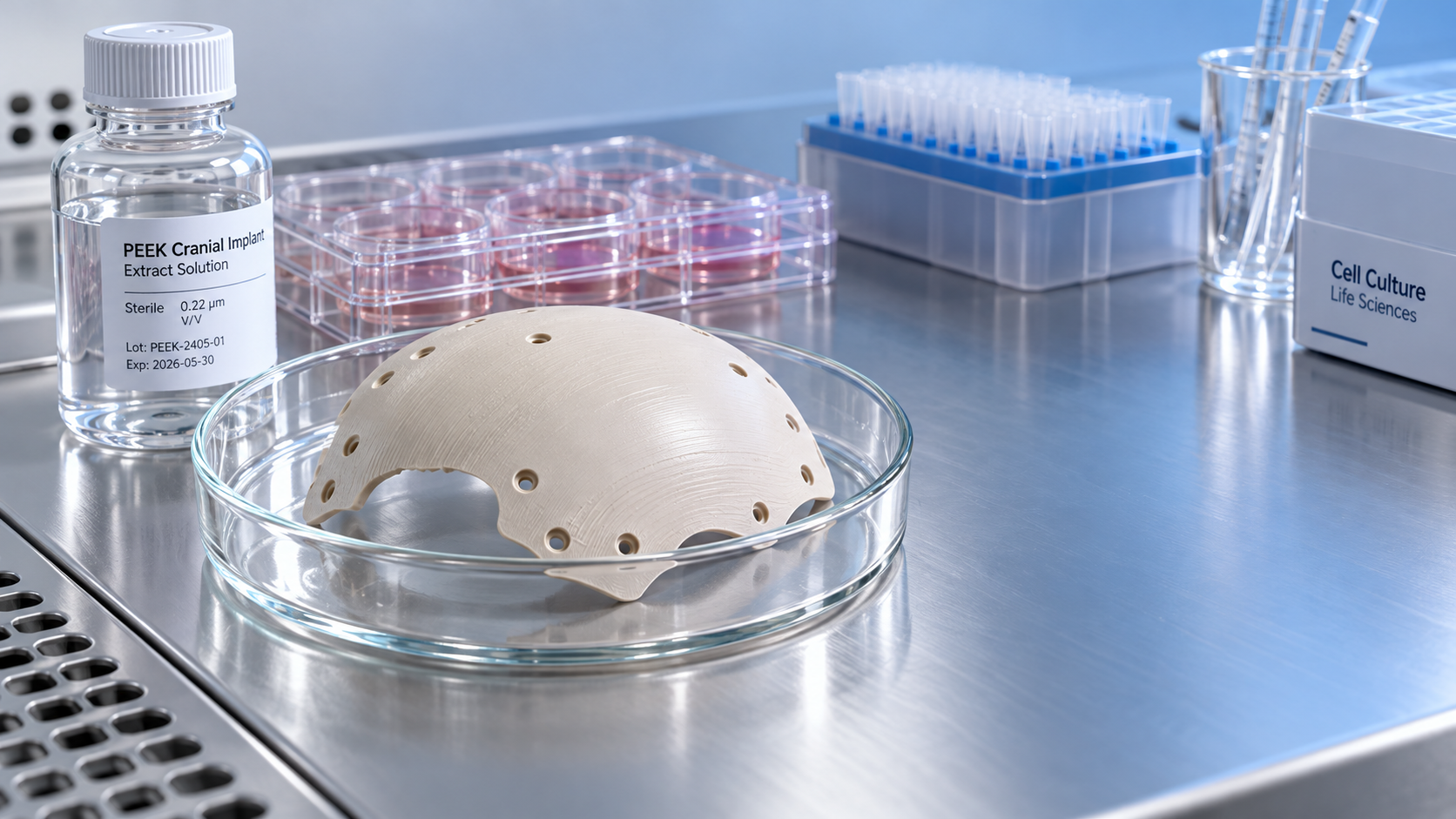
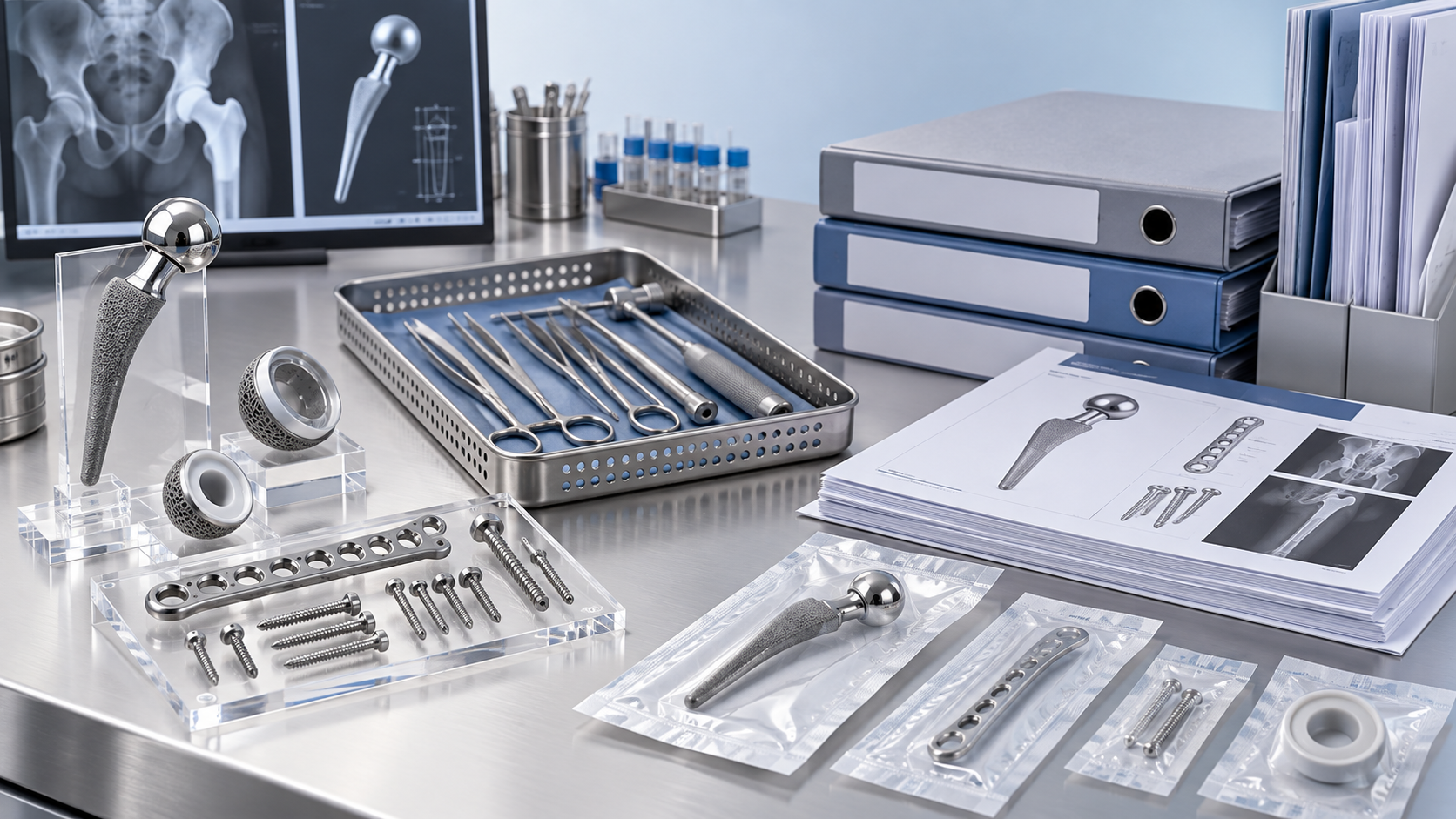
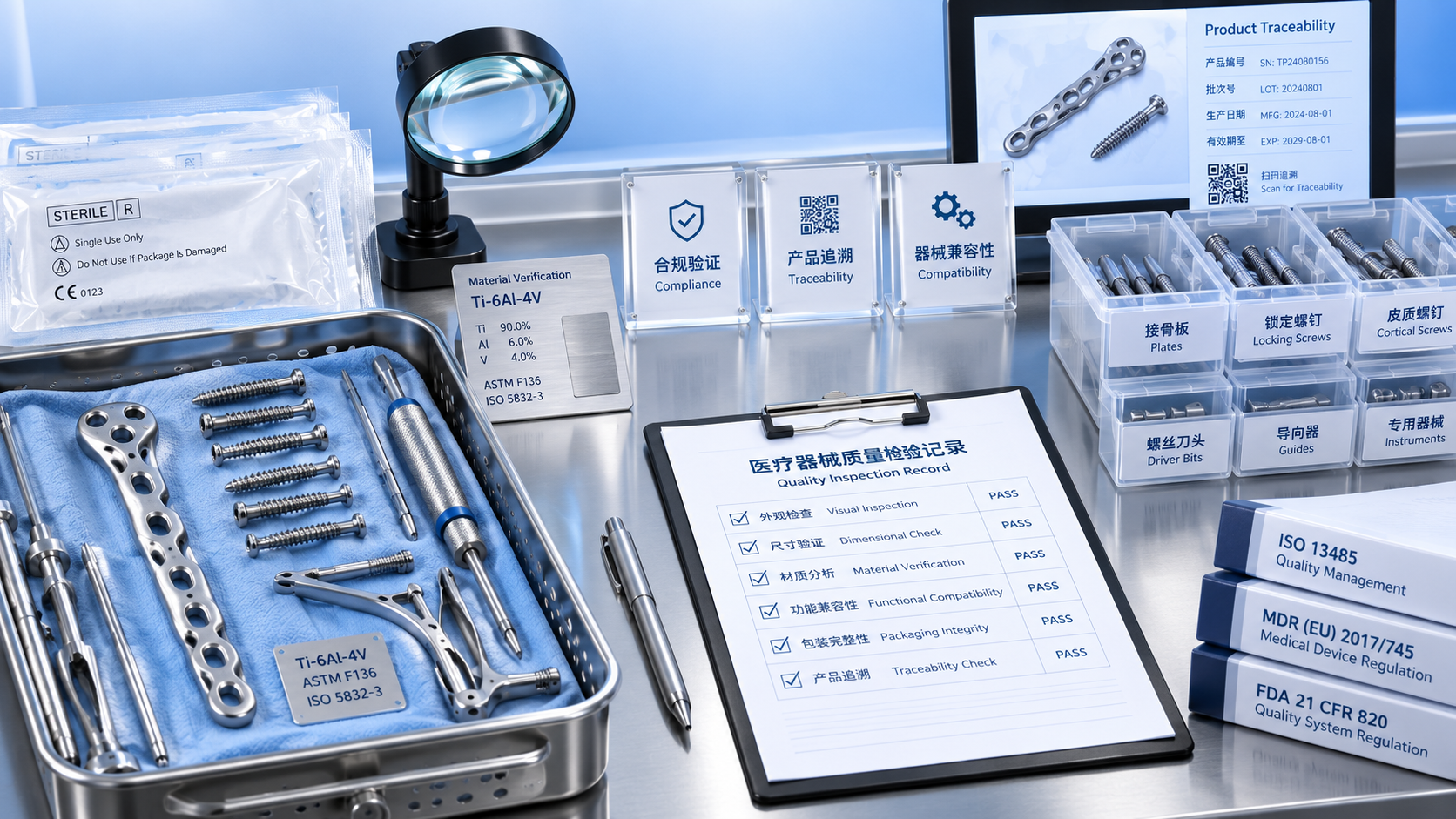
For orthopedic implants, porous structures may retain residues differently than smooth surfaces. For polymer catheters, extrusion and coating steps may introduce extractable or leachable substances.
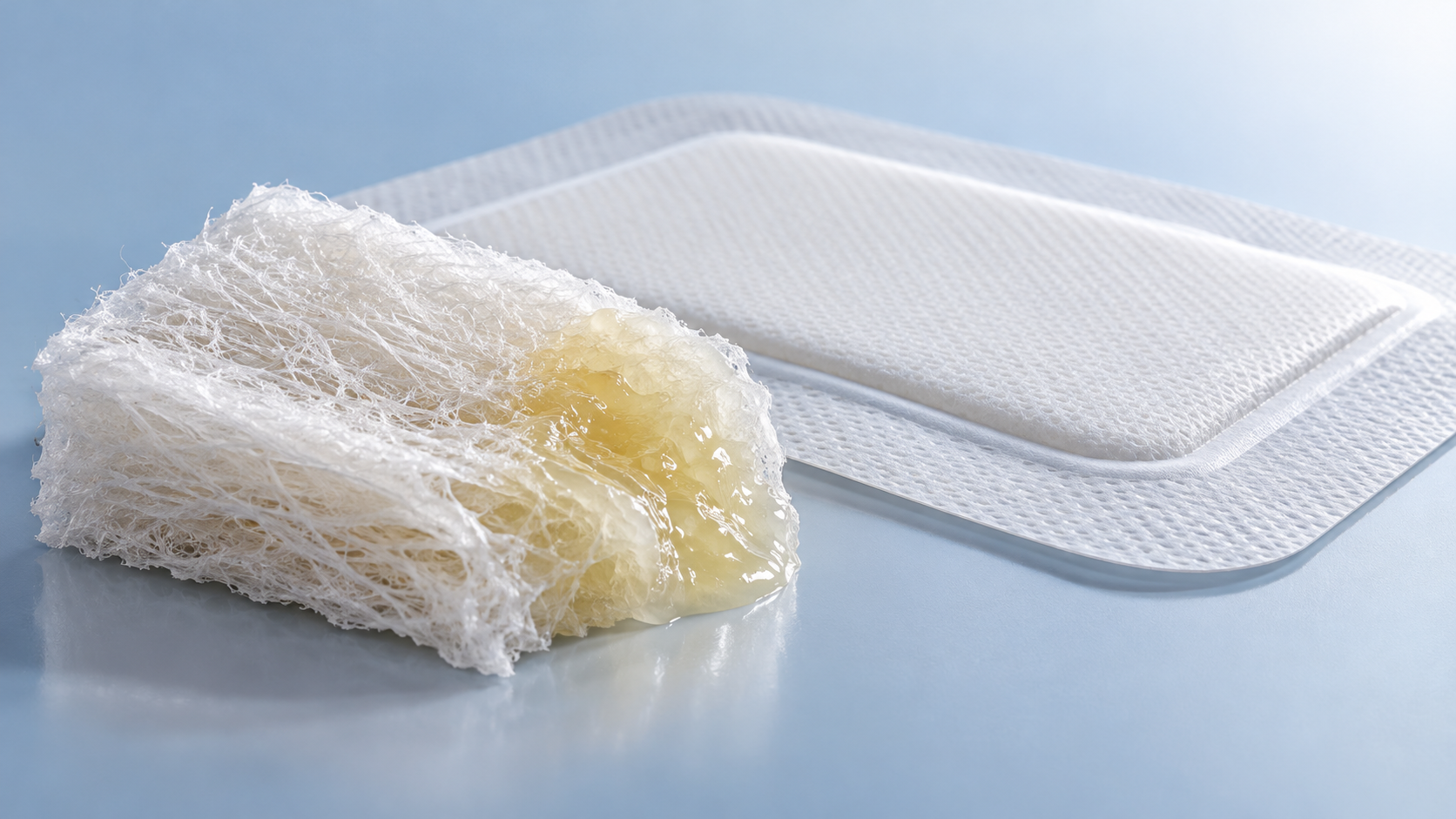
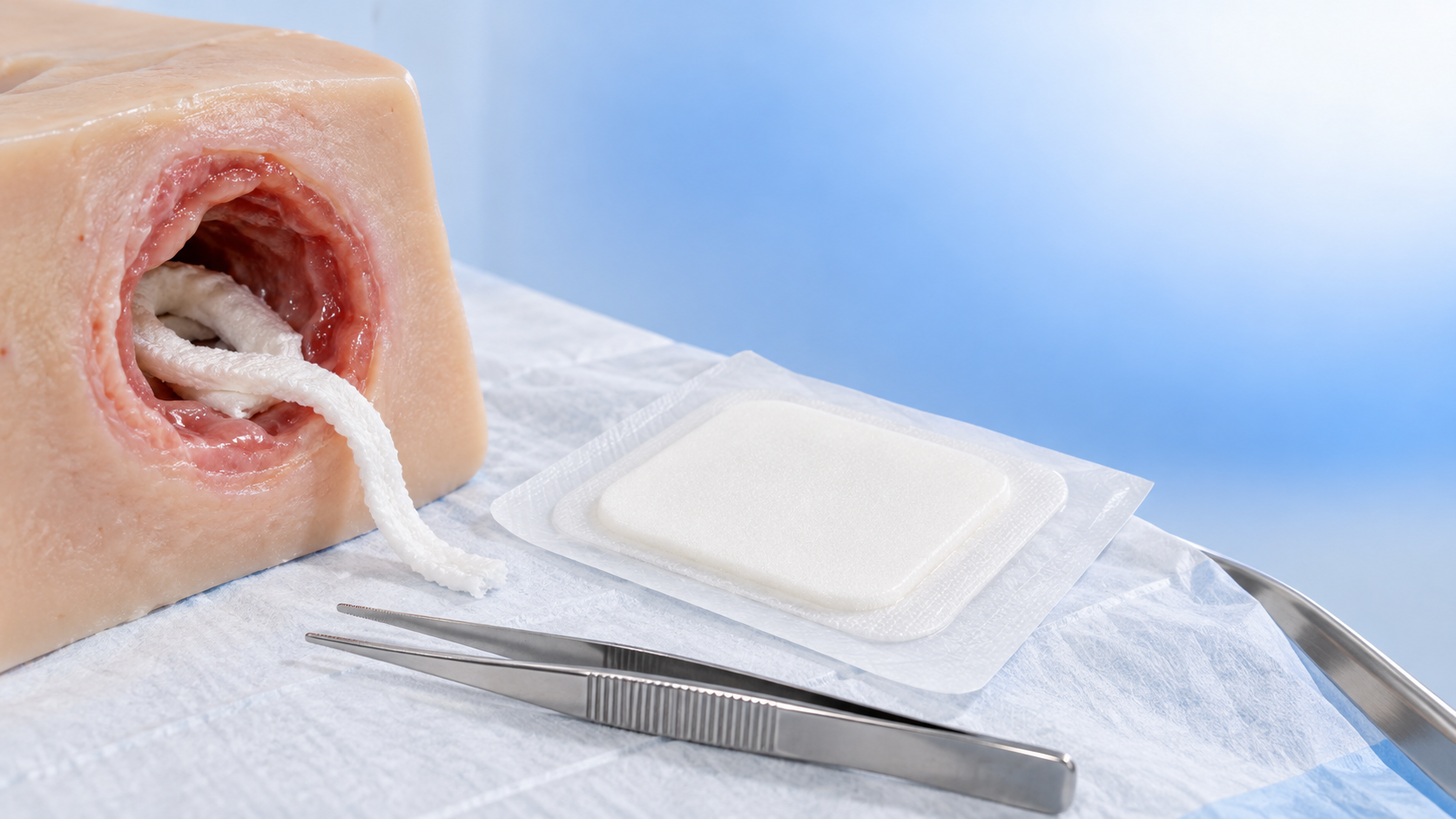
For wound dressings, absorbent matrices and antimicrobial additives can change the local tissue environment. A safe base material may become questionable after functional modification.
QC teams should compare supplier data with device-specific process history. Any gap between material certificate and finished product condition should trigger documented risk assessment.
Risk 2: Misclassifying Body Contact and Contact Duration
Biocompatibility test selection depends heavily on contact type and contact duration. Errors here can lead to insufficient testing or unnecessary cost and delay.
A surface-contact dressing has different requirements from a blood-contact catheter or a permanent spinal implant. Short-term, prolonged, and permanent contact categories change the endpoint matrix.
Misclassification often happens when devices have multiple contact modes. A delivery system may contact blood briefly, while an implant remains in tissue permanently.
Minimally invasive consumables may include components that appear secondary but still contact tissue, blood, or internal pathways during use. These parts cannot be ignored automatically.
Safety managers should map every patient-contacting component, contact route, and exposure duration. This map should be reviewed whenever design, indication, or procedure changes.
Risk 3: Underestimating Chemical Characterization
Modern biological evaluation increasingly begins with chemical characterization. Regulators expect teams to understand what can be extracted, leached, or released from the device.
Testing only cytotoxicity, sensitization, and irritation may no longer satisfy reviewers if chemical data are weak. Toxicological risk assessment has become a critical bridge.
Extractables and leachables can come from polymers, coatings, residual monomers, degradation products, sterilant residues, lubricants, or packaging interactions. Low concentration does not mean low concern.
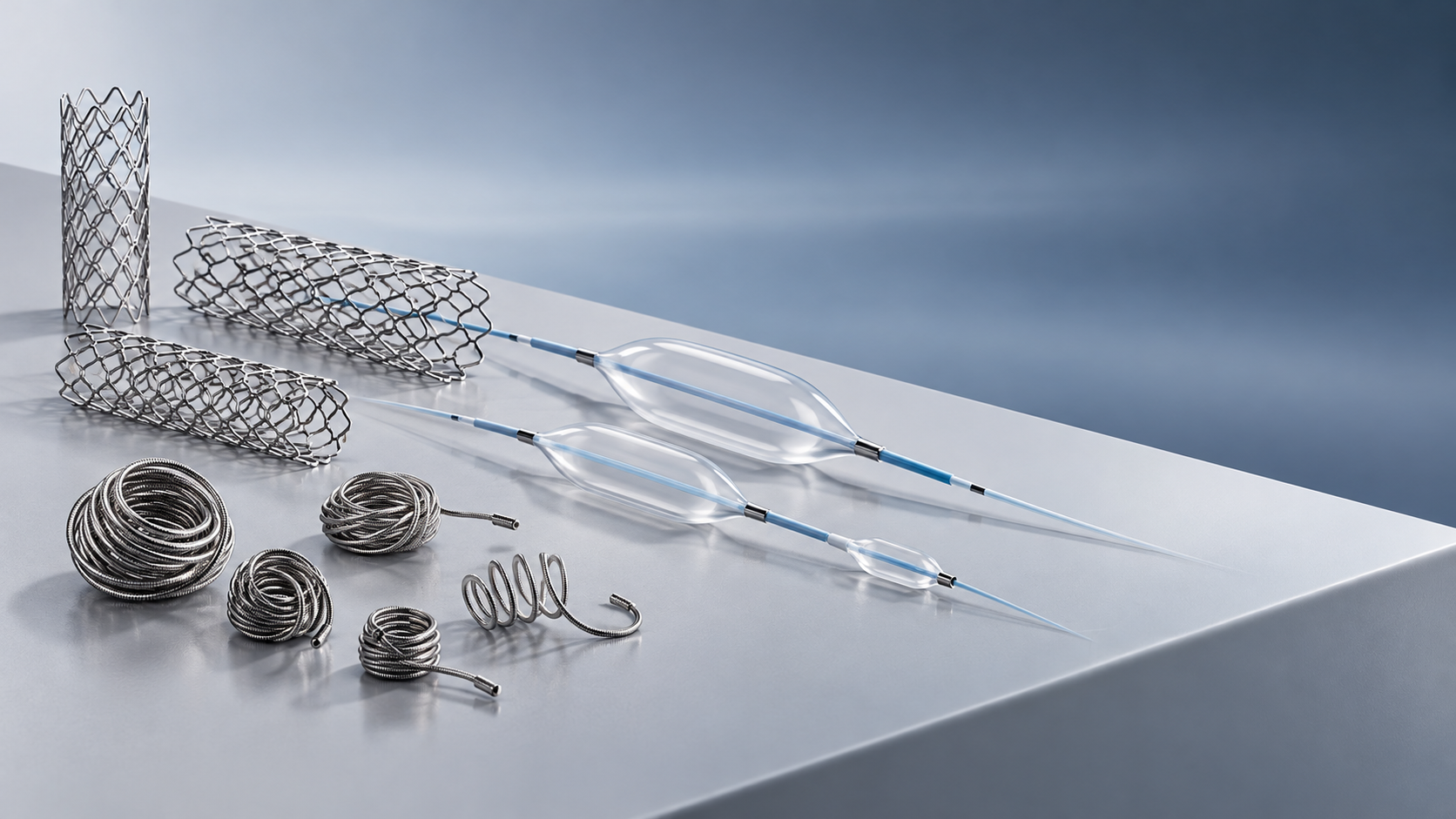
For cardiovascular interventional devices, even trace chemicals may matter because blood contact and vulnerable patient populations increase safety expectations significantly.
A strong program defines extraction conditions, analytical thresholds, toxicological screening, and uncertainty factors. It also explains why the conditions represent clinical exposure conservatively.
Risk 4: Ignoring Manufacturing Changes After Initial Approval
Many biocompatibility failures occur after a device has already passed initial testing. A process change may appear minor operationally but significant biologically.
Examples include a new mold release agent, different cleaning solvent, altered curing temperature, changed polishing compound, updated hydrophilic coating, or revised sterilization cycle.
Supplier substitutions are especially risky when purchasing teams view materials as equivalent. Similar specifications do not guarantee identical impurity profiles or biological performance.
QC teams need a change-control process that asks biological safety questions before implementation. The review should not occur after production validation is complete.
Each change should be assessed against patient contact, chemical impact, prior evidence, and whether additional testing or toxicological justification is required.
Risk 5: Choosing Tests Without a Biological Evaluation Plan
Running tests without a biological evaluation plan can create expensive but weak evidence. Regulators want a rationale, not simply a stack of laboratory reports.
A biological evaluation plan should define the device, intended use, materials, manufacturing process, clinical exposure, relevant endpoints, and justification for included or omitted tests.
For Class III implants and high-risk consumables, the plan should integrate historical data, chemical characterization, bench performance, sterilization validation, and clinical risk context.
This approach prevents both under-testing and over-testing. It also helps teams defend decisions when reviewers question why an endpoint was waived.
For internal management, the plan creates traceability. Teams can see which assumptions support market approval and which assumptions require monitoring after changes.
Risk 6: Weak Control of Sample Preparation and Extraction Conditions
Even a well-selected test can fail in value if sample preparation is poorly controlled. Extraction ratio, solvent selection, temperature, and time can alter results.
Laboratory protocols must reflect applicable standards and the device’s clinical exposure. Overly mild extraction may miss hazards, while unrealistic extraction may create confusing findings.
For absorbent dressings, extraction media may interact with the matrix. For porous implants, surface area calculation can be challenging but essential.
For coated catheters, preparation must avoid damaging the coating unless damage represents foreseeable clinical use. Otherwise, results may misrepresent real exposure.
QC managers should review laboratory protocols before testing begins. Waiting until final reports arrive reduces the ability to correct methodological weaknesses.
Risk 7: Failing to Connect Sterilization With Biocompatibility
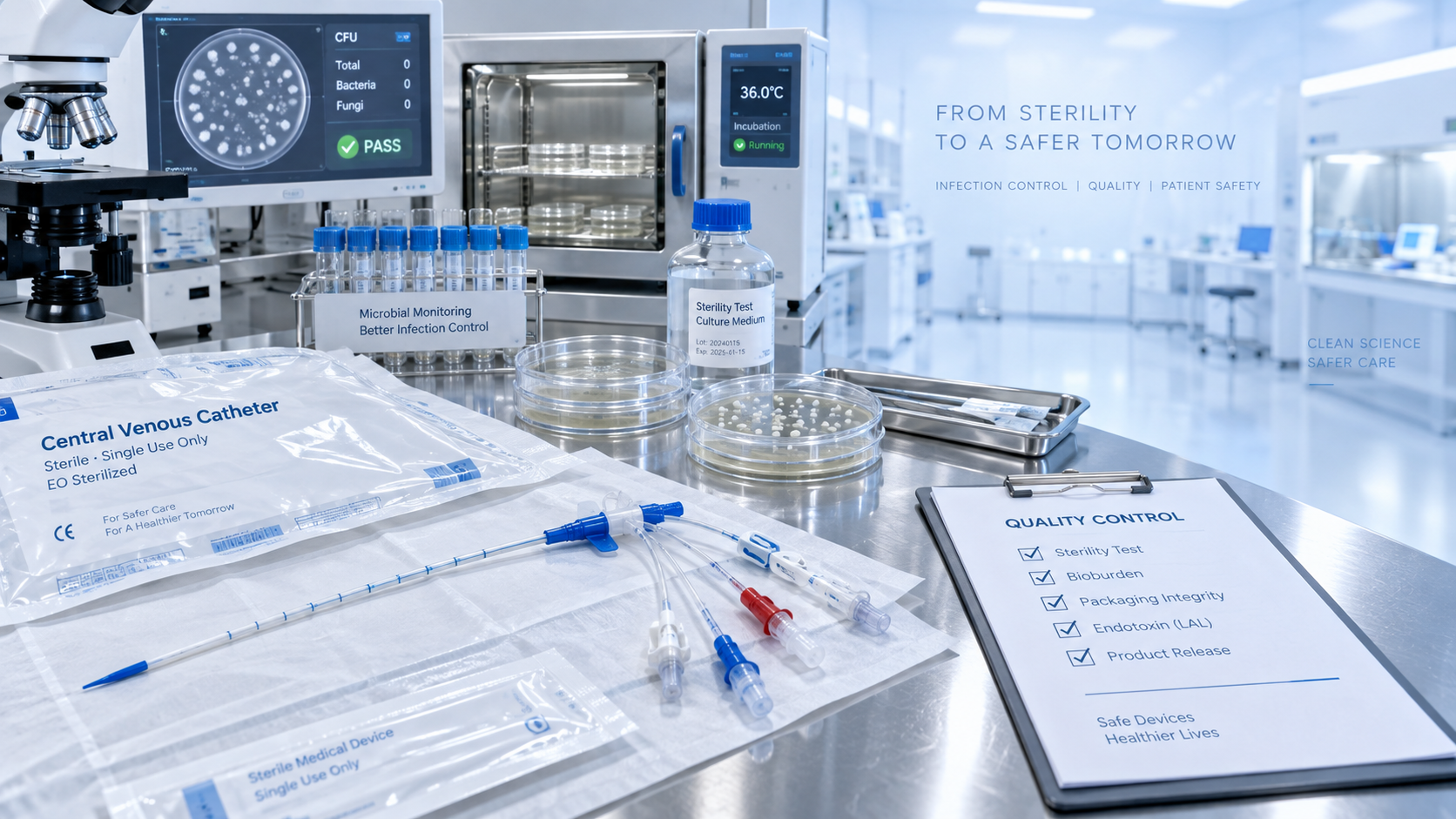
Sterilization is not only a microbiological control step. It can also change chemical residues, surface chemistry, polymer structure, and biological response.
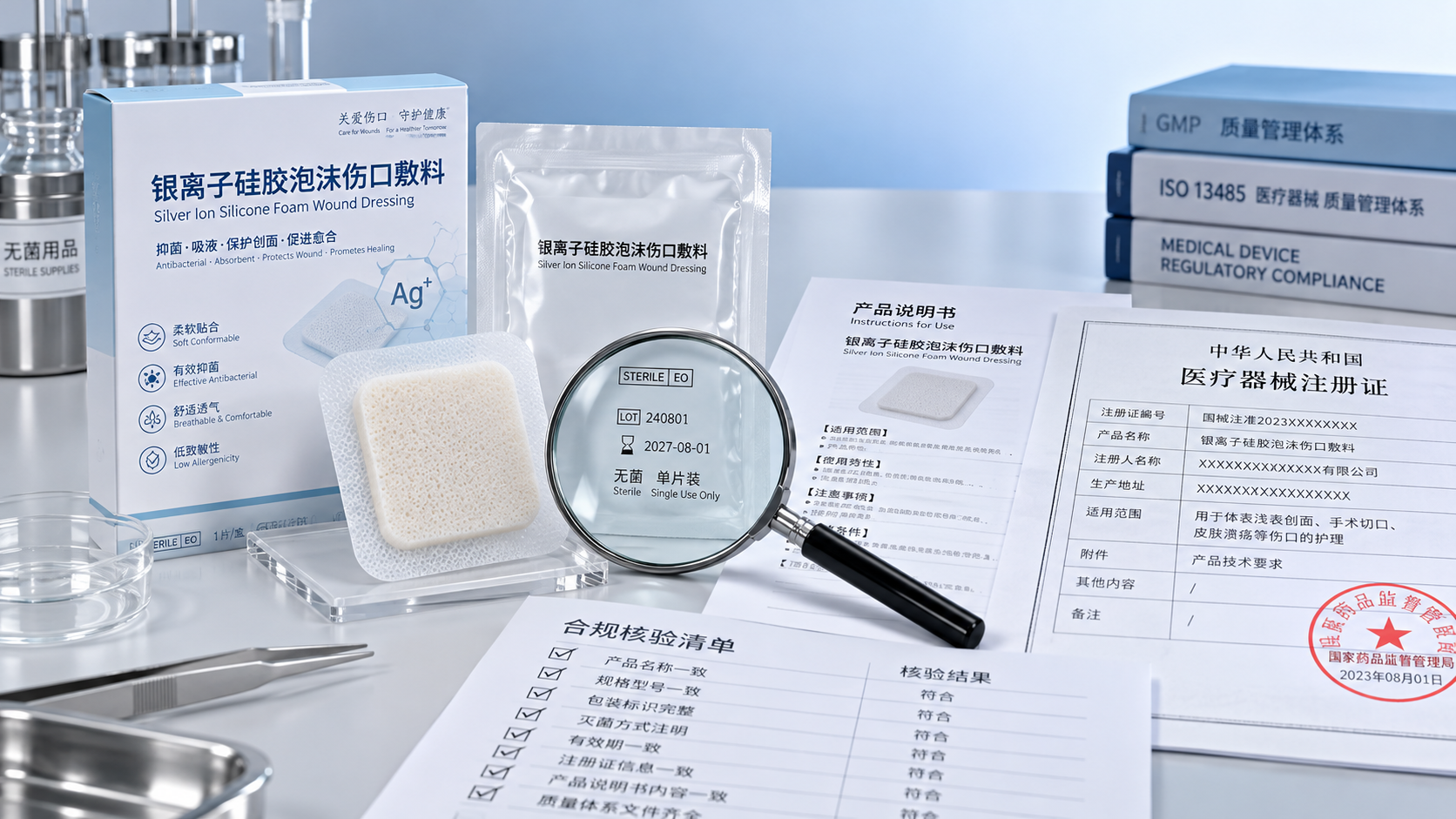
Ethylene oxide residues, radiation-induced degradation products, and steam-related material changes can all influence safety. The sterilized final device should represent market condition.
Testing non-sterile prototypes may be useful during development, but it cannot replace evaluation of the finished sterilized product when sterilization affects exposure.
Packaging and shelf-life aging also matter. A device may pass initial testing but release different compounds after accelerated or real-time aging.
For safety managers, the key question is simple: does the biocompatibility evidence represent the product patients will actually receive?
Risk 8: Overlooking Degradation and Long-Term Exposure
Permanent implants and biodegradable materials require special attention to long-term exposure. Initial compatibility does not guarantee safety after mechanical wear or degradation.
Orthopedic implants may generate wear particles. Cardiovascular devices may face fatigue, corrosion, or coating erosion. Resorbable materials may release acidic or bioactive degradation products.
For tissue regeneration materials, degradation can be part of intended performance. However, degradation rate and local tissue tolerance must be scientifically supported.
QC teams should align biological testing with lifecycle risk. This includes considering wear debris, corrosion products, breakdown compounds, and chronic inflammatory potential.
Long-term risk is especially important where removal is difficult, patient exposure is continuous, or failure could require revision surgery.
Risk 9: Poor Interpretation of Cytotoxicity, Sensitization, and Irritation Results
Cytotoxicity, sensitization, and irritation remain core biocompatibility endpoints, but results require careful interpretation. A pass or fail label is rarely the whole story.
Cytotoxicity findings may reflect extract concentration, sample geometry, residual cleaning agents, or laboratory sensitivity. Immediate redesign is not always the correct first response.
Conversely, a passing cytotoxicity result does not prove full biological safety. It only addresses one endpoint under defined conditions.
Sensitization and irritation are particularly important for devices contacting skin, mucosa, tissue, or blood pathways. Coatings and additives often drive these concerns.
Quality teams should investigate unexpected results systematically. Retesting without root cause analysis can waste time and weaken confidence in the overall safety file.
Risk 10: Not Preparing for Regulatory Review Questions
Regulatory reviewers often challenge the logic behind the testing strategy. They may ask why certain endpoints were omitted or why prior data remain applicable.
Under MDR and other strict frameworks, clinical evaluation, biological evaluation, and risk management must align. Contradictions across documents create avoidable scrutiny.
For high-risk implants and invasive consumables, reviewers may expect stronger evidence on chemical characterization, toxicological assessment, hemocompatibility, genotoxicity, implantation, or systemic toxicity.
A defensible file explains material history, manufacturing controls, test selection, acceptance criteria, deviations, and conclusions. It also identifies residual risks transparently.
Teams should review submissions from the perspective of a skeptical assessor. Any unsupported assumption should be strengthened before formal review.
How to Build a Practical Testing Risk Framework
A useful framework begins with device categorization. Define patient contact, exposure duration, materials, manufacturing processes, sterilization method, and packaging configuration.
Next, establish known information. This includes supplier data, prior device history, literature, internal testing, chemical characterization, and applicable predicate evidence.
Then identify knowledge gaps. These gaps should drive test selection, not habit, tradition, or a generic template borrowed from another product.
For each biological endpoint, decide whether testing, literature justification, chemical assessment, or risk-based waiver is appropriate. Document the rationale clearly.
Finally, connect the framework to change control. A strong biological evaluation becomes a living system, not a one-time approval document.
What QC Teams Should Ask Before Releasing a Material Decision
Before approving biocompatible materials for production, QC and safety managers should ask whether evidence represents the final device configuration and current suppliers.
They should confirm that patient-contacting components have been mapped, including adhesives, coatings, colorants, lubricants, and processing residues that may not appear obvious.
They should verify that sterilization, aging, and packaging conditions are reflected in the testing strategy or justified through scientific reasoning.
They should also check whether chemical characterization supports toxicological conclusions. Missing analytical data can become a major regulatory weakness.
Most importantly, teams should decide whether the evidence would still be defensible if challenged by an auditor, notified body, or post-market incident review.
Business Impact: Why Early Biocompatibility Risk Control Pays Off
Strong biological safety planning is not only a compliance activity. It protects development timelines, manufacturing investments, and market access for high-value medical consumables.
Late-stage failures can force material replacement, tooling changes, repeat sterilization validation, renewed bench testing, and delayed clinical or regulatory submissions.
For companies facing price pressure, procurement competition, and strict Class III review, avoidable redesign can destroy margins and weaken launch positioning.
Early risk control also improves supplier negotiations. Teams can specify purity, residue limits, process controls, and documentation expectations before dependency becomes costly.
In mature organizations, biocompatibility evidence becomes part of product strategy. It supports premium positioning by demonstrating safety discipline and regulatory readiness.
Final Takeaway for Quality and Safety Managers
Biocompatible materials should never be treated as a static label. They are part of a controlled evidence system connecting material, process, device, patient, and regulation.
The greatest testing risks come from assumptions: assuming supplier data are enough, assuming old evidence still applies, or assuming minor process changes have no biological effect.
A reliable approach starts with accurate contact classification, strong chemical characterization, representative final-device testing, and a documented biological evaluation plan.
For implants, interventional devices, catheters, surgical consumables, and advanced dressings, this discipline directly protects patients and reduces approval uncertainty.
Quality control and safety teams that identify testing risks early can make better material decisions, prevent costly surprises, and build stronger confidence in every device released.
Get weekly intelligence in your inbox.
No noise. No sponsored content. Pure intelligence.
News Recommendations
 Oct 26, 2026Can a single approval cover life science product sales worldwide?Can a single approval cover life science product sales worldwide?
 Oct 25, 2026When is sensitization testing needed for medical device biocompatibility?When is sensitization testing needed for medical device biocompatibility?
 Oct 24, 2026How is biocompatibility tested for implantable polymer biomaterials?How is biocompatibility tested for implantable polymer biomaterials?
 Oct 23, 2026How to build reimbursement into an implant commercialization strategyHow to build reimbursement into an implant commercialization strategy
 Oct 22, 2026What clinical evidence do implants need for CE marking under EU MDR?What clinical evidence do implants need for CE marking under EU MDR?
 Oct 21, 2026How to choose disposable laparoscopic stapler reloads for thick tissueHow to choose disposable laparoscopic stapler reloads for thick tissue
 Oct 20, 2026How to assess medical polymer biocompatibility under ISO 10993How to assess medical polymer biocompatibility under ISO 10993
 Oct 19, 2026How do interventional device categories differ in clinical use?How do interventional device categories differ in clinical use?
 Oct 18, 2026When to choose alginate dressings for heavily exuding chronic woundsWhen to choose alginate dressings for heavily exuding chronic wounds
 Oct 17, 2026How is biocompatibility tested for custom medical-grade PEEK implants?How is biocompatibility tested for custom medical-grade PEEK implants?
 Oct 16, 2026How to check a wound healing materials supplier’s biocompatibility dataHow to check a wound healing materials supplier’s biocompatibility data
 Oct 15, 2026How to verify the FDA clearance status of silver wound dressingsHow to verify the FDA clearance status of silver wound dressings
 Oct 14, 2026How to register orthopedic implants and instruments in Latin AmericaHow to register orthopedic implants and instruments in Latin America
 Oct 13, 2026How to use a device market intelligence database to benchmark VBP pricesHow to use a device market intelligence database to benchmark VBP prices
 Oct 12, 2026When should stainless steel orthopedic instruments be replaced?When should stainless steel orthopedic instruments be replaced?
 Oct 11, 2026When are alginate dressings rope the right choice for cavity wounds?When are alginate dressings rope the right choice for cavity wounds?
 Oct 10, 2026When smart minimally invasive technology improves catheter accessWhen smart minimally invasive technology improves catheter access
 Oct 08, 2026Clinical evaluation requirements for cardiovascular implant devices in EuropeClinical evaluation requirements for cardiovascular implant devices in Europe
 Oct 07, 2026What to verify before appointing an artificial joint implants distributorWhat to verify before appointing an artificial joint implants distributor
 Oct 06, 2026How ISO 10993 guides biocompatibility testing for medical materialsHow ISO 10993 guides biocompatibility testing for medical materials
 Oct 05, 2026How to verify an orthopedic implants and instruments exporterHow to verify an orthopedic implants and instruments exporter
 Oct 04, 2026What drives surgical stapling devices price differences in hospital tenders?What drives surgical stapling devices price differences in hospital tenders?
 Oct 03, 2026How to assess a central venous catheter manufacturer's infection-control evidenceHow to assess a central venous catheter manufacturer's infection-control evidence
 Oct 02, 2026How to assess an advanced wound care factory’s quality systemHow to assess an advanced wound care factory’s quality system
 Oct 01, 2026What is driving global medical consumables demand in emerging markets?What is driving global medical consumables demand in emerging markets?
 Sep 30, 2026Implant Material Compliance Testing: Evidence Needed for Regulatory SubmissionImplant Material Compliance Testing: Evidence Needed for Regulatory Submission
 Sep 30, 2026From Corrosion to Fatigue: What Implant Materials Testing Should MeasureFrom Corrosion to Fatigue: What Implant Materials Testing Should Measure