Biodegradable Implants: Benefits and Limits
Biodegradable implants are moving from promising concept to practical option in orthopedics, cardiovascular intervention, and tissue regeneration, offering temporary mechanical support while gradually resorbing as healing progresses.
For technical evaluators, their appeal lies in reduced long-term foreign-body burden, fewer removal surgeries, and potential alignment with patient-specific repair pathways.
Yet material degradation kinetics, byproduct safety, mechanical retention, sterilization stability, and regulatory evidence remain decisive constraints for biodegradable implants in real clinical adoption.
Why Biodegradable Implants Need Checklist-Based Evaluation
Biodegradable implants do not simply disappear after implantation. They transform inside living tissue while carrying mechanical, biological, and regulatory responsibilities.
A checklist approach prevents narrow decisions based only on novelty, polymer grade, magnesium alloy strength, or early animal data.
The right evaluation connects healing time, degradation rate, inflammatory response, imaging visibility, sterilization impact, packaging, and post-market surveillance.
This is especially important for Class III medical devices, where clinical evidence must prove benefit beyond theoretical material advantages.
Core Checklist for Biodegradable Implants
Material and Degradation Profile
- Confirm the base material, including PLA, PGA, PLGA, PCL, magnesium alloy, zinc alloy, ceramic composite, or hybrid tissue scaffold design.
- Map degradation against tissue healing, ensuring biodegradable implants retain support until bone union, vessel remodeling, or soft tissue regeneration occurs.
- Measure mass loss, molecular weight decline, pH change, gas formation, ion release, and local tissue reaction under simulated conditions.
- Verify degradation uniformity, because uncontrolled fragmentation may create inflammatory debris, embolic risk, or delayed foreign-body response.
Mechanical Retention and Functional Window
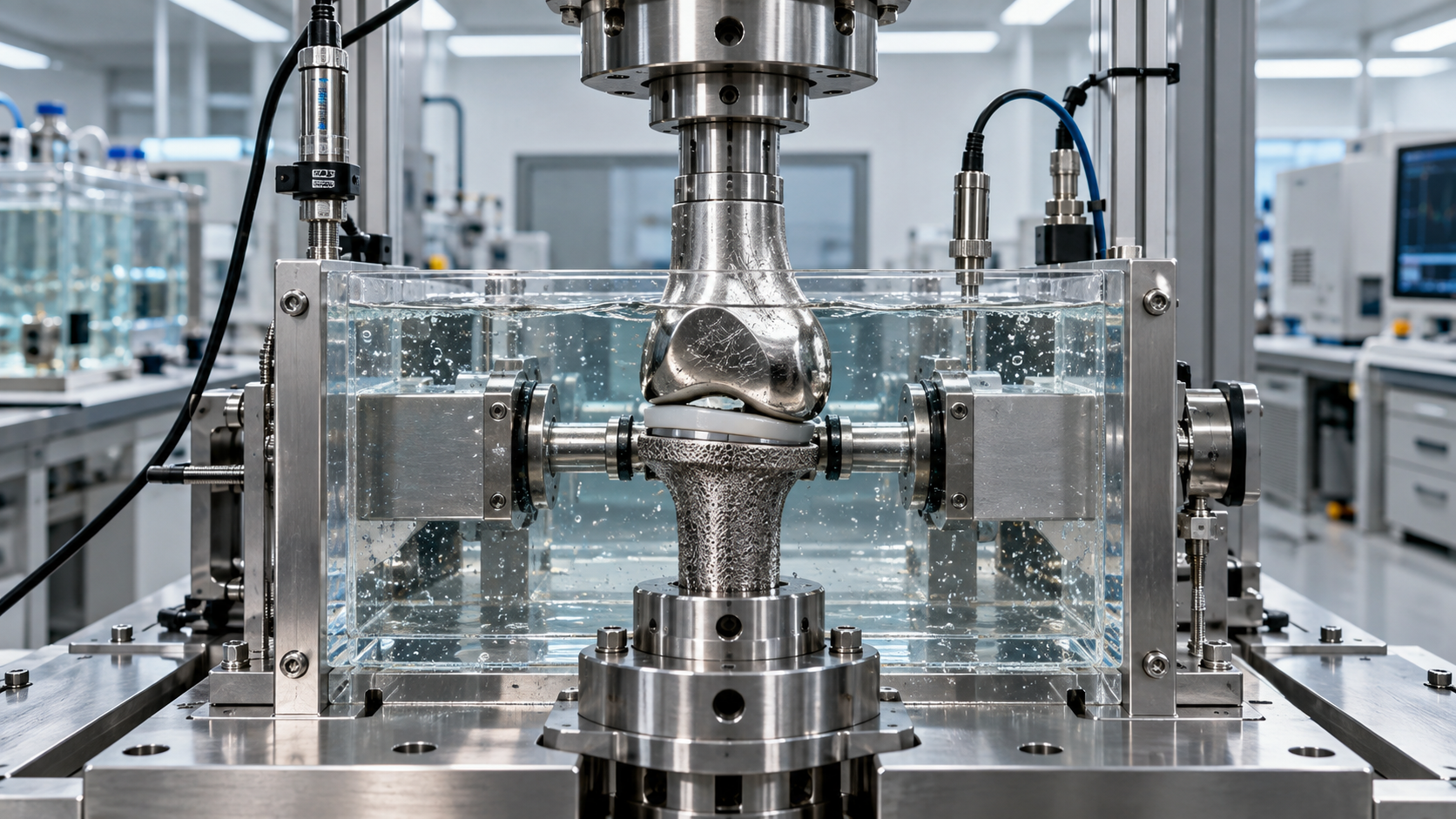
- Define the required load-bearing period, then compare strength retention with realistic postoperative stress, fatigue, torsion, and micromotion.
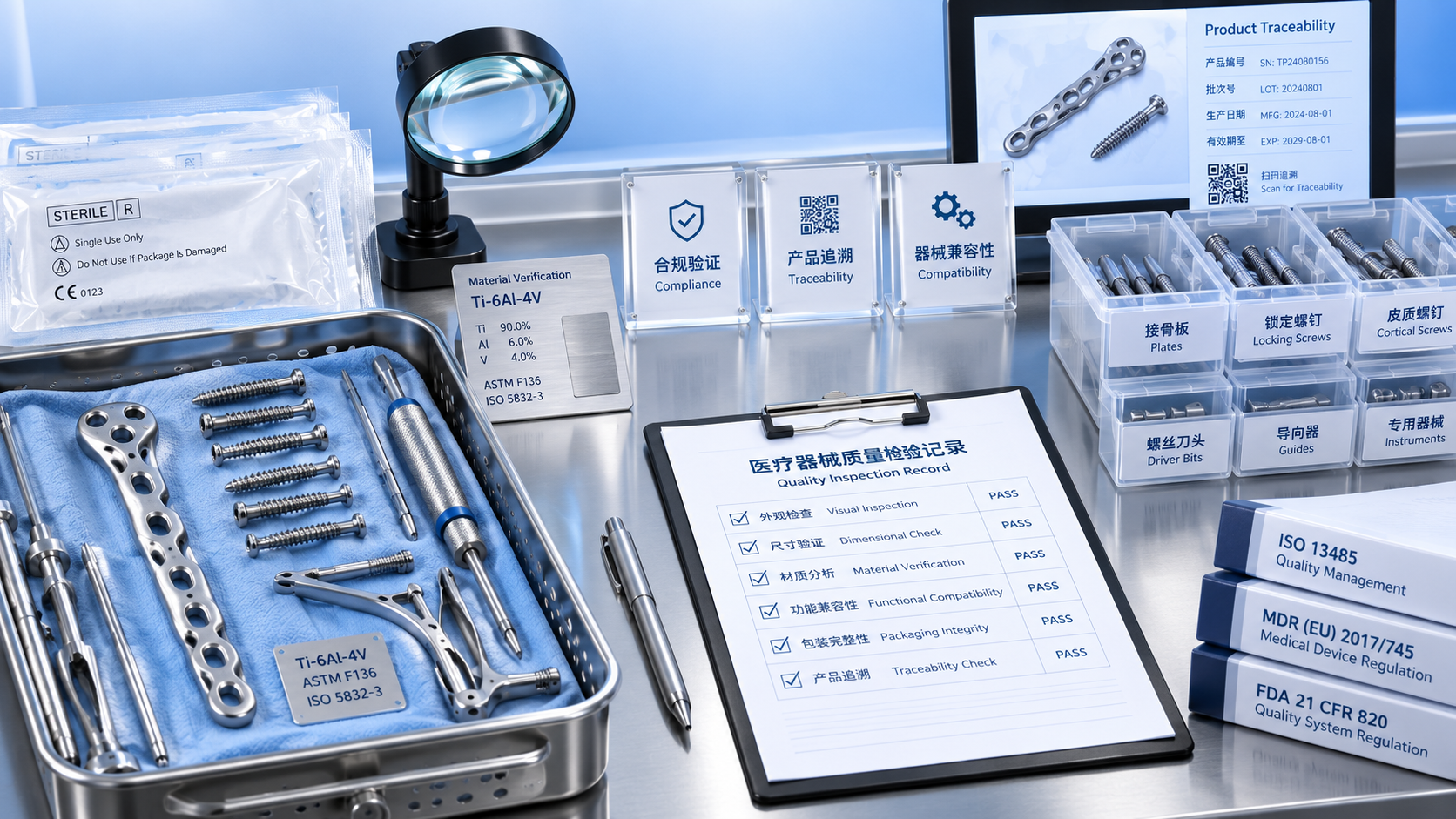
- Test biodegradable implants after sterilization, accelerated aging, and fluid exposure, not only at the freshly manufactured baseline.
- Assess fixation stability, migration resistance, expansion force, suture pullout, or scaffold compression based on the intended anatomy.
- Avoid overdesigning stiffness, because excessive rigidity can delay load transfer, bone remodeling, and natural tissue adaptation.
Biocompatibility and Byproduct Safety
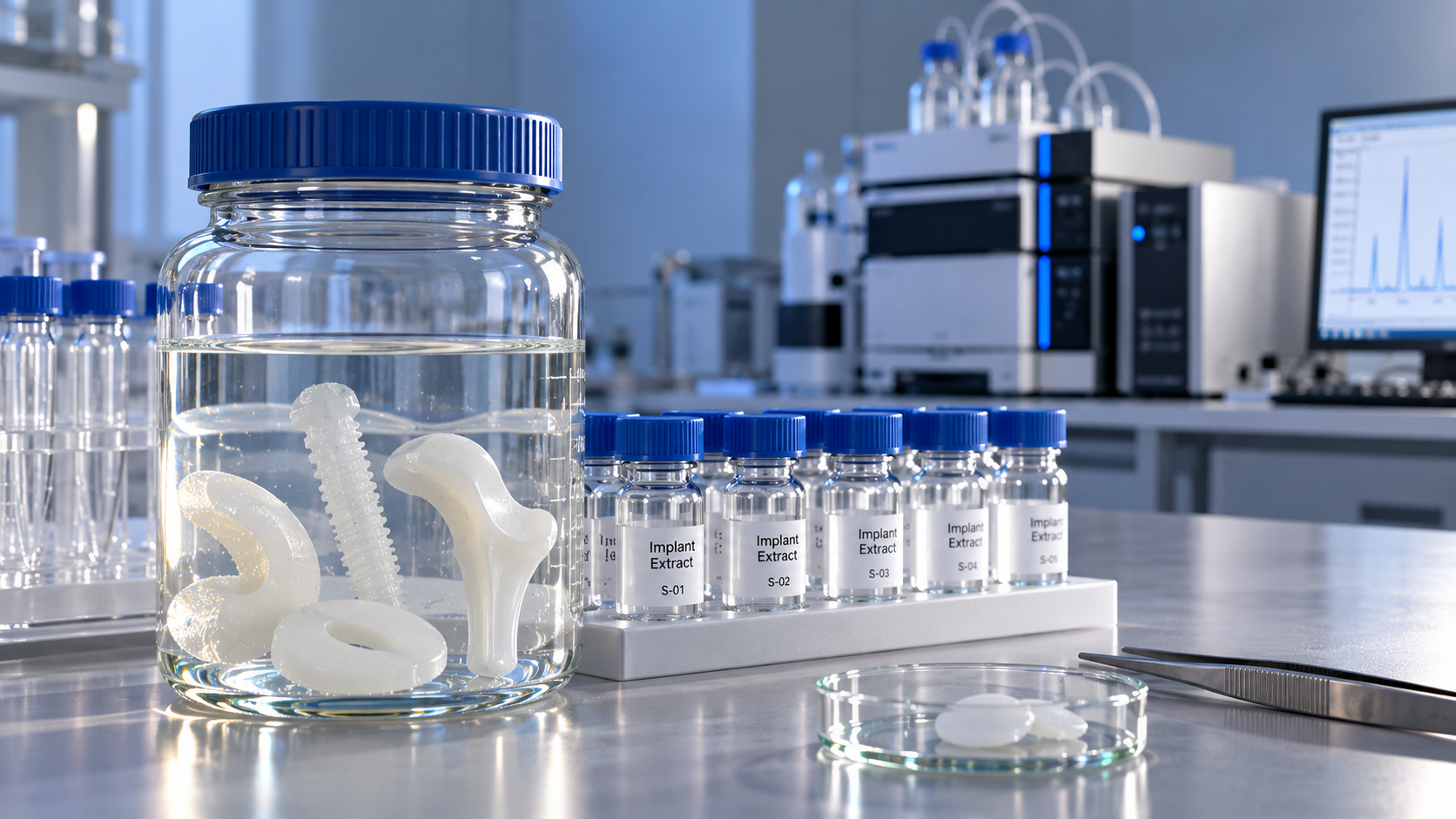
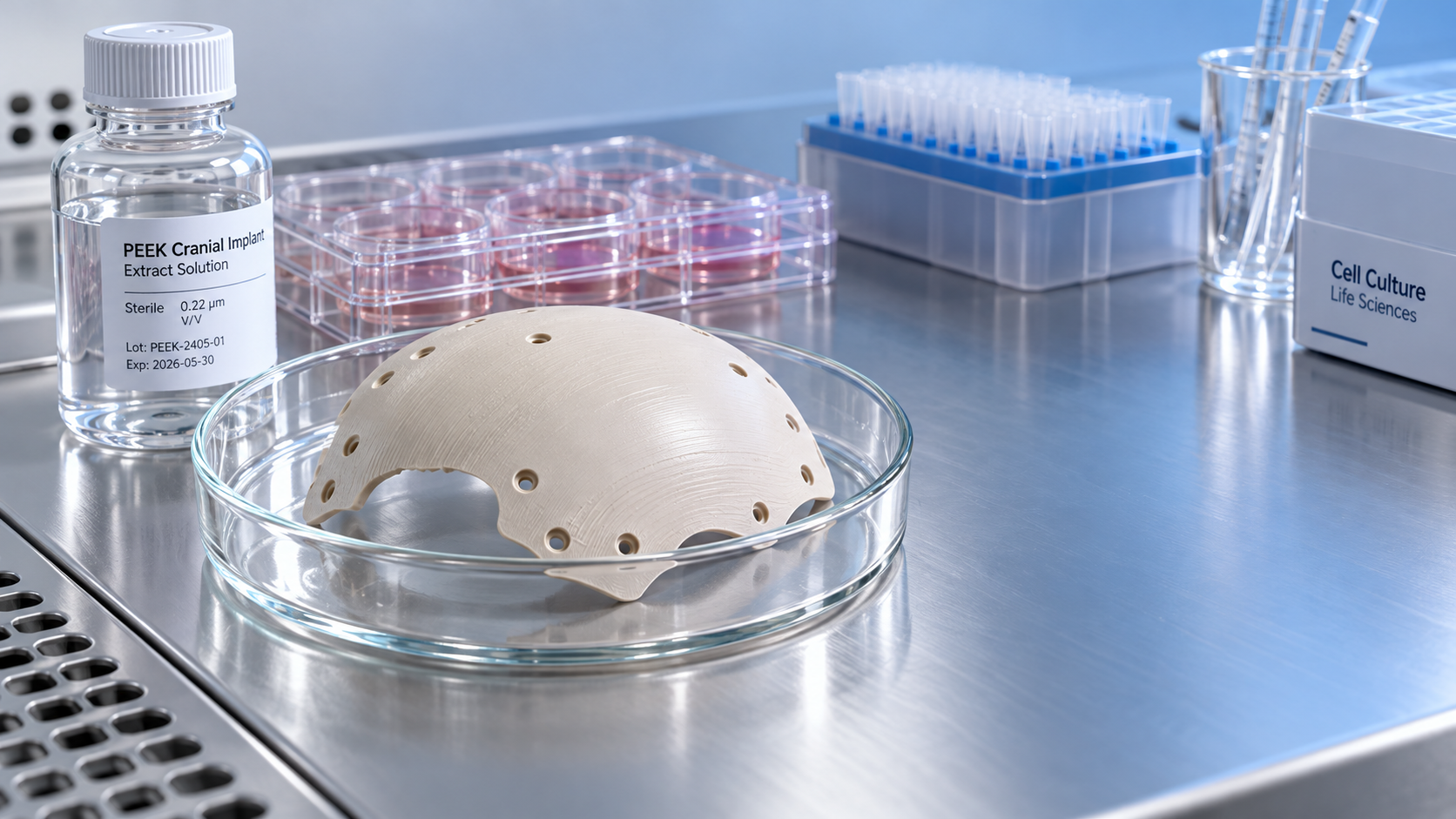
- Run ISO 10993 biological evaluation with degradation extracts, because late-stage byproducts may differ from initial material chemistry.
- Check cytotoxicity, sensitization, irritation, systemic toxicity, hemocompatibility, genotoxicity, implantation response, and chronic inflammatory signals.
- Evaluate local acidity, metallic ion accumulation, hydrogen release, macrophage activation, and fibrous encapsulation around biodegradable implants.
- Connect toxicology findings with dose, implant volume, degradation surface area, and clearance capacity of the target tissue.
Manufacturing, Sterilization, and Shelf Stability
- Validate machining, molding, 3D printing, coating, and surface treatment for repeatable geometry and controlled degradation behavior.
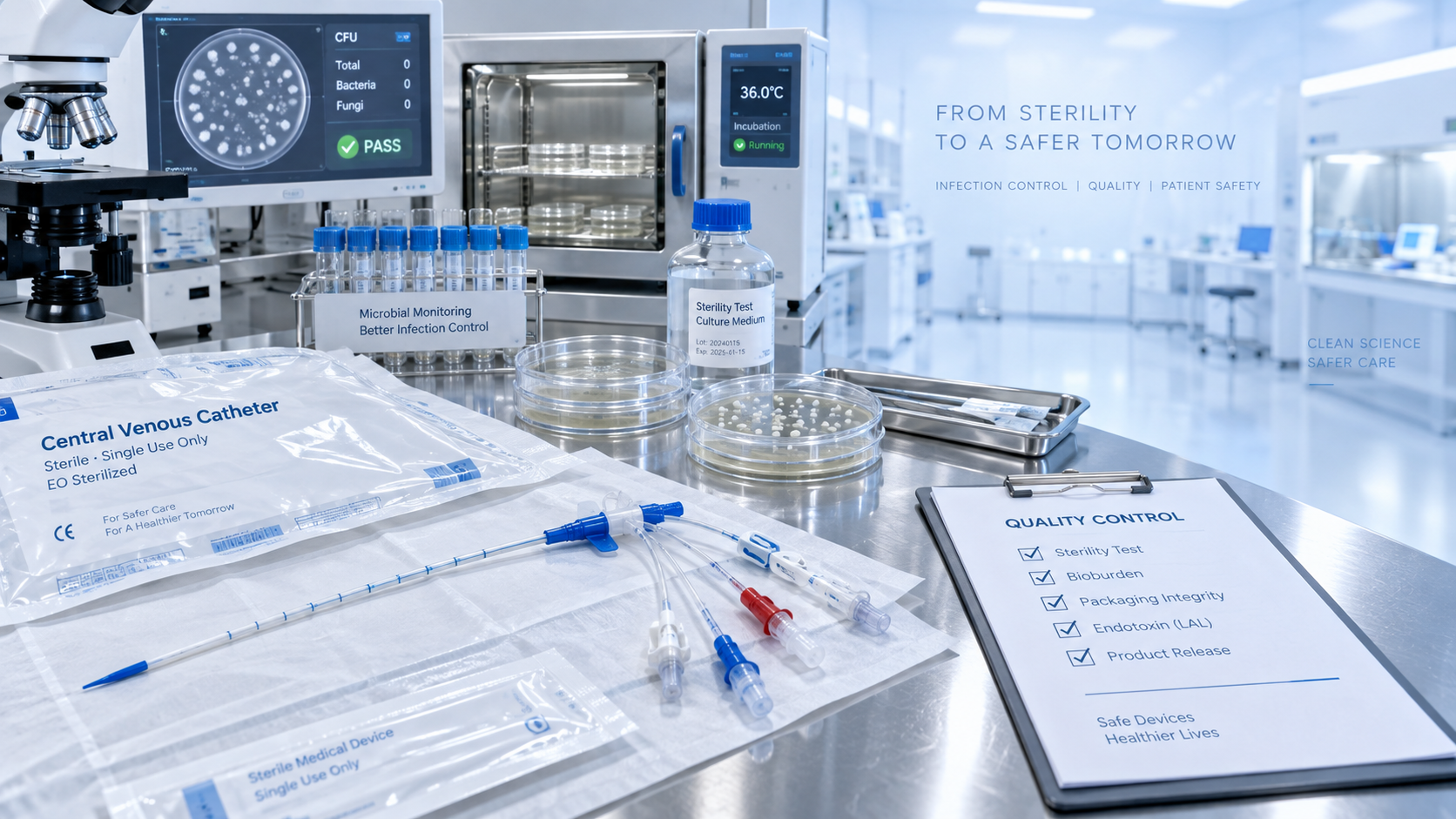
- Compare ethylene oxide, gamma, e-beam, and low-temperature sterilization, since each can alter polymer chains or corrosion behavior.
- Control moisture, oxygen, residual solvent, and packaging barrier properties to protect biodegradable implants during distribution.
- Track batch variability through mechanical testing, chemical characterization, microstructure inspection, and degradation release specifications.
Regulatory Evidence and Clinical Value
- Build a clinical evaluation plan that compares biodegradable implants with permanent metal, polymer, or absorbable alternatives.
- Use endpoints such as healing rate, revision rate, removal surgery avoidance, pain, imaging outcome, and adverse event profile.
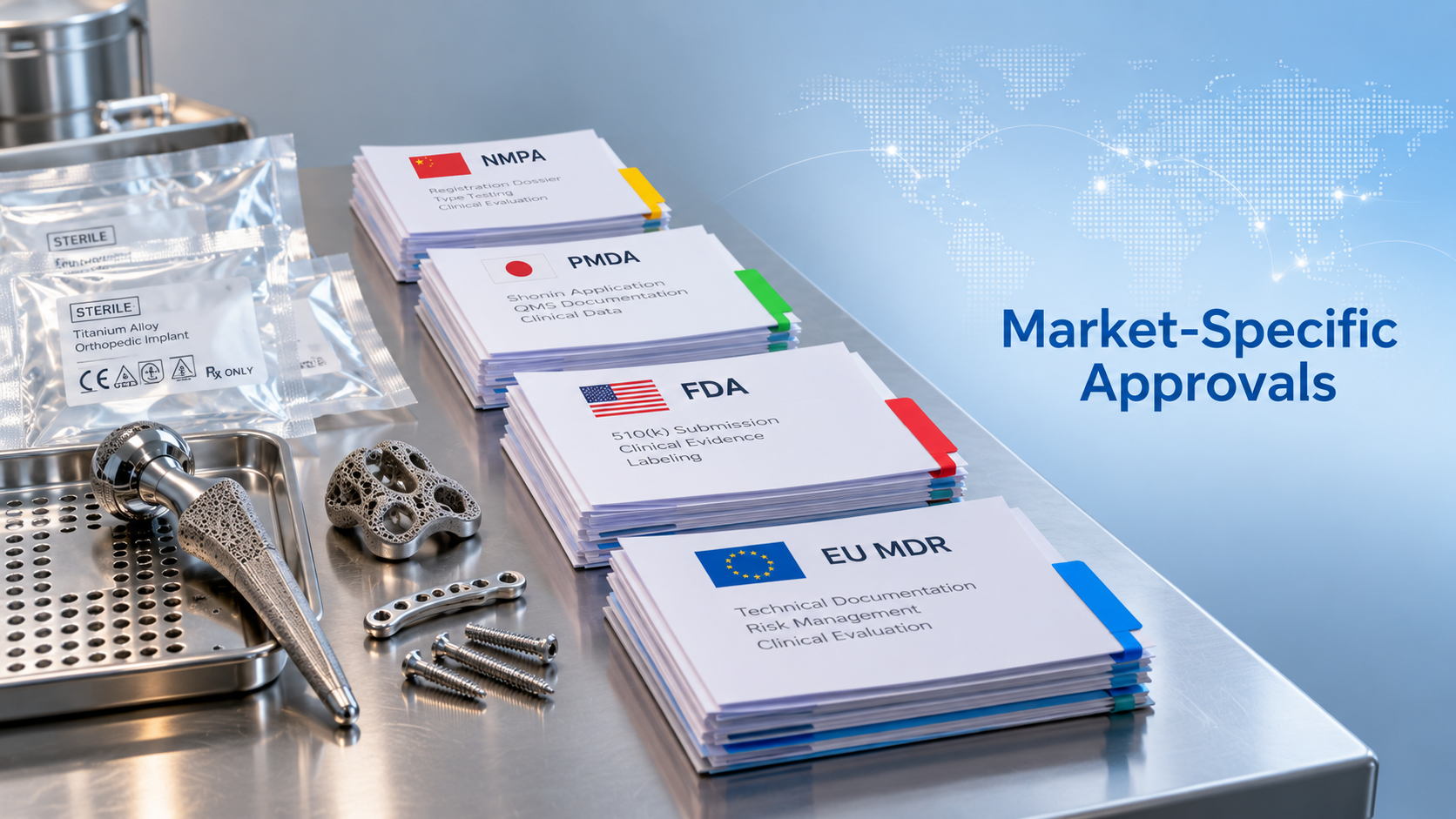
- Prepare evidence for CE MDR, FDA pathways, or local Class III requirements before scaling commercial claims.
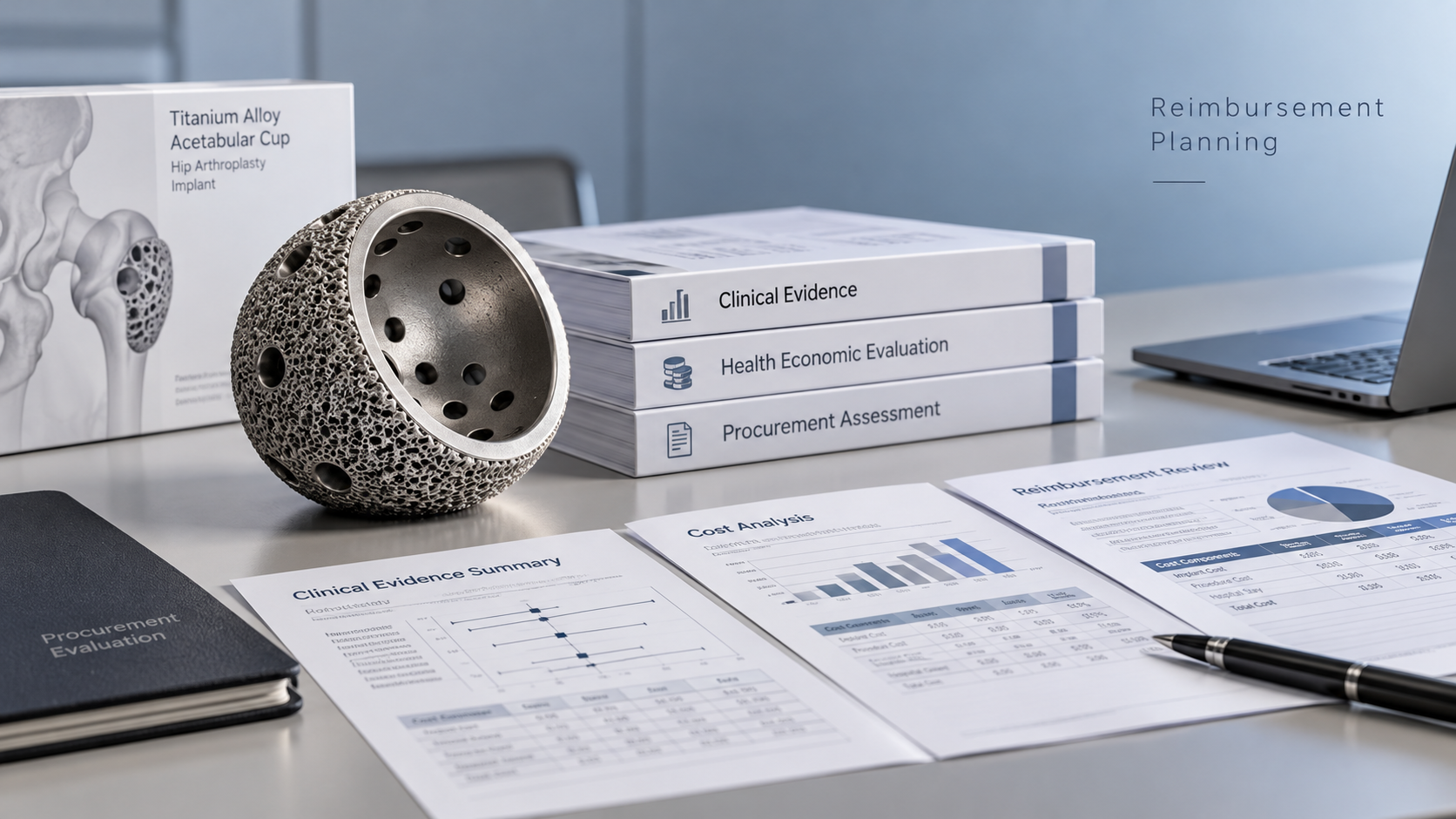
- Document the health-economic case, especially where value-based procurement pressure demands visible clinical or workflow advantage.
Application Notes Across Major Clinical Scenarios
Orthopedic Fixation and Bone Regeneration
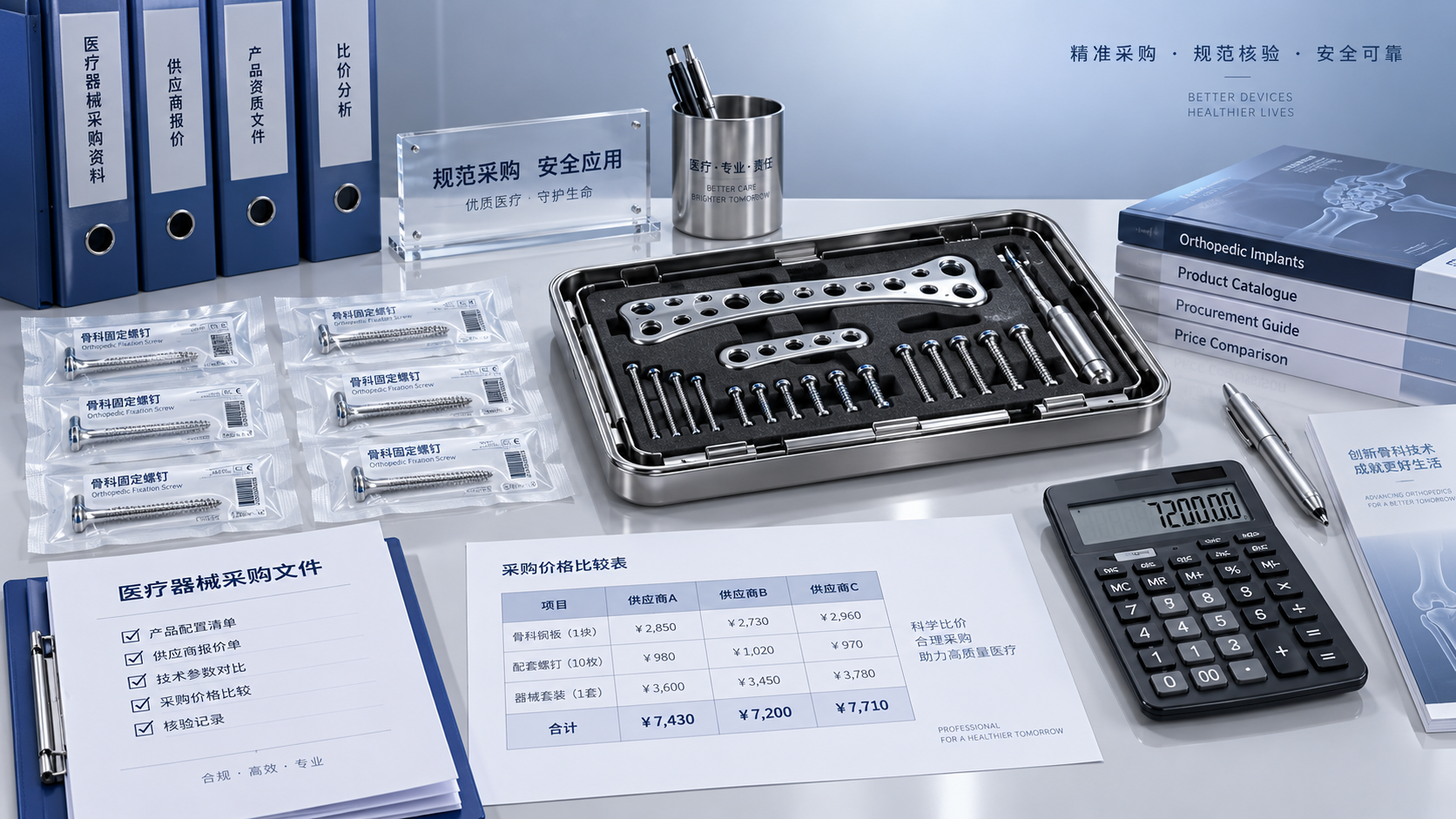
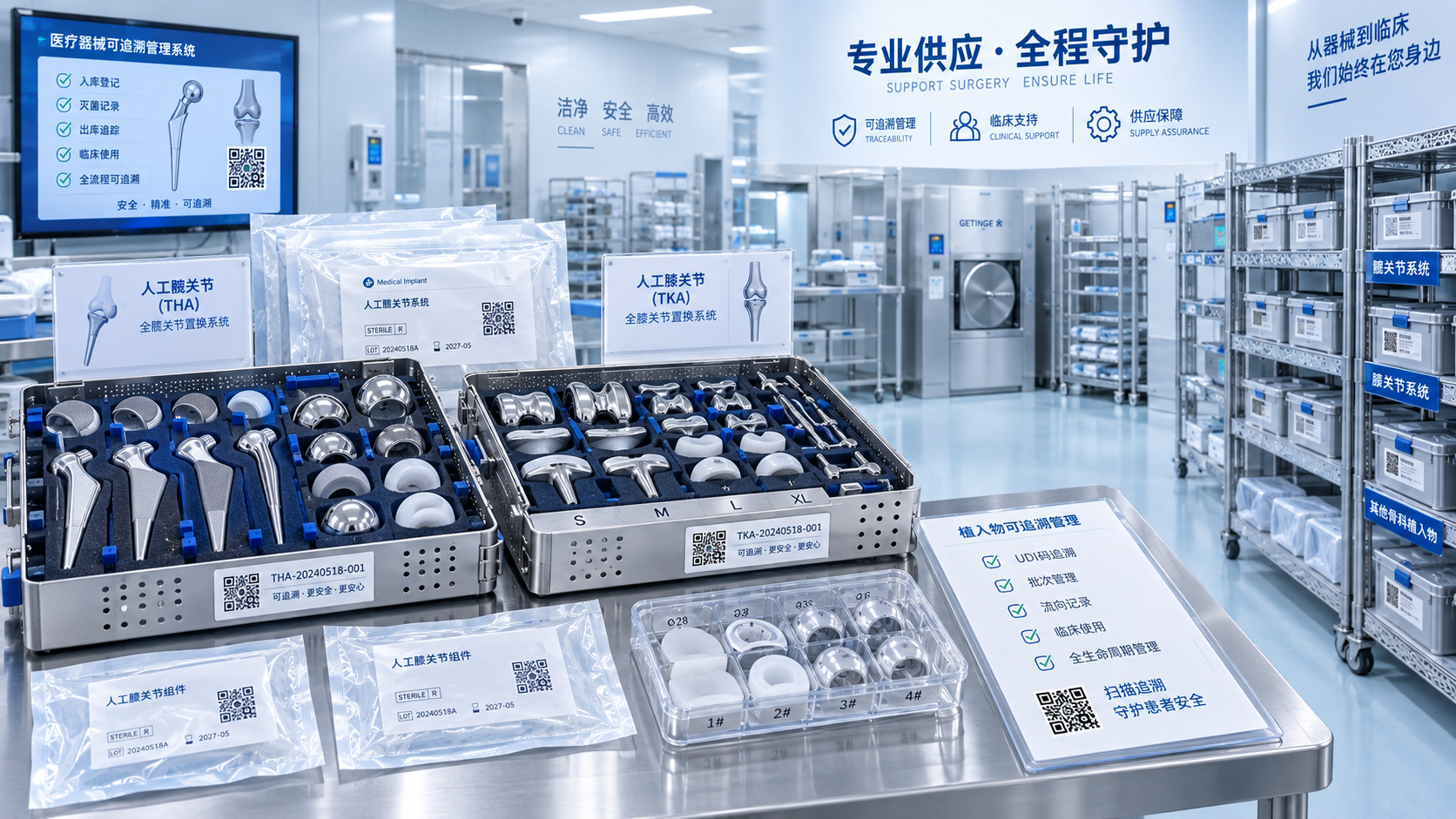
In orthopedics, biodegradable implants can reduce the need for secondary removal after screws, pins, anchors, or small bone fixation devices.
Their main challenge is mechanical retention. Bone healing may require months, while premature degradation can cause loosening or loss of reduction.
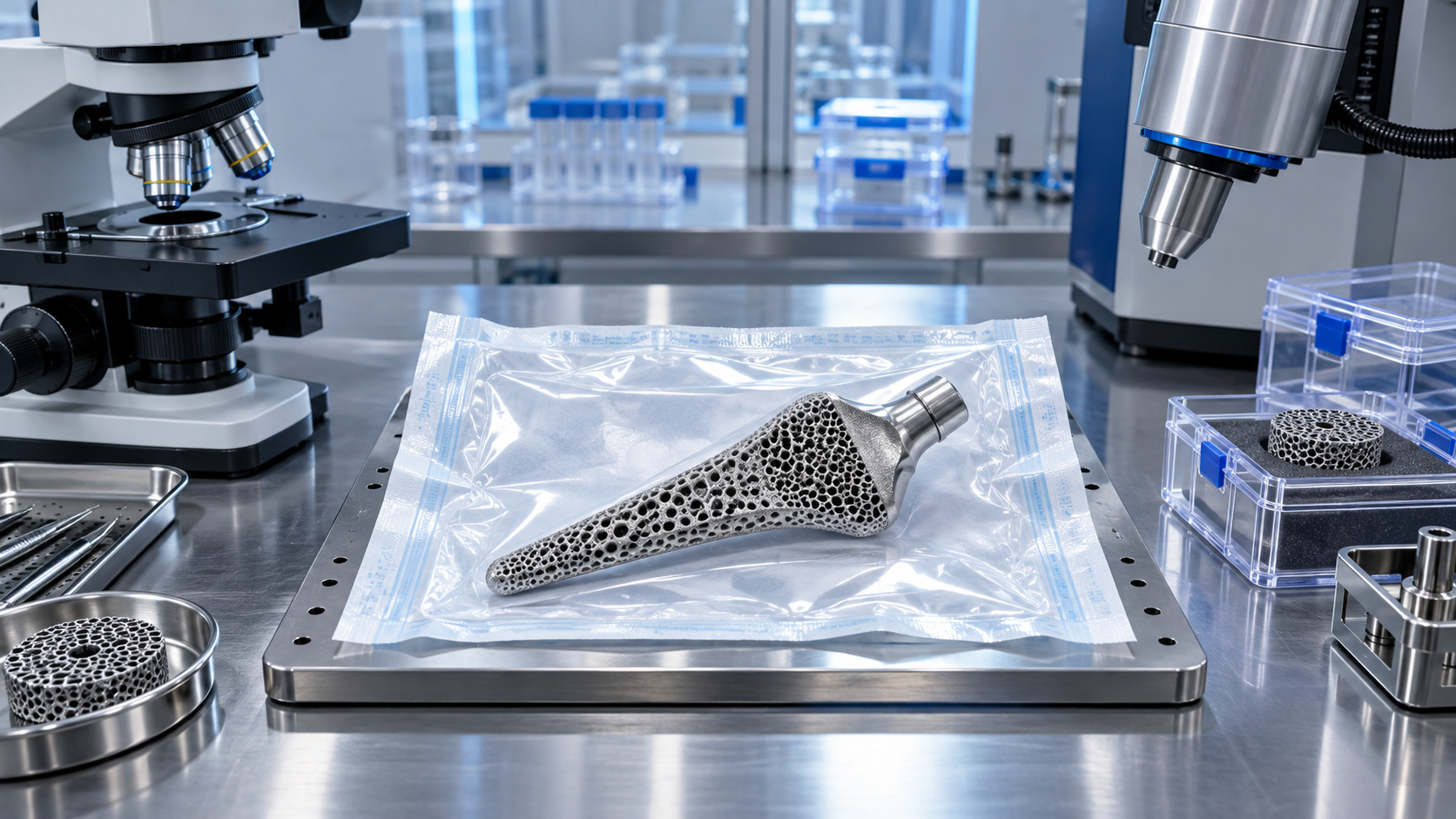
Porous scaffolds and bioactive composites may support osseointegration, but pore structure must balance cell ingrowth with fatigue resistance.
Cardiovascular Intervention
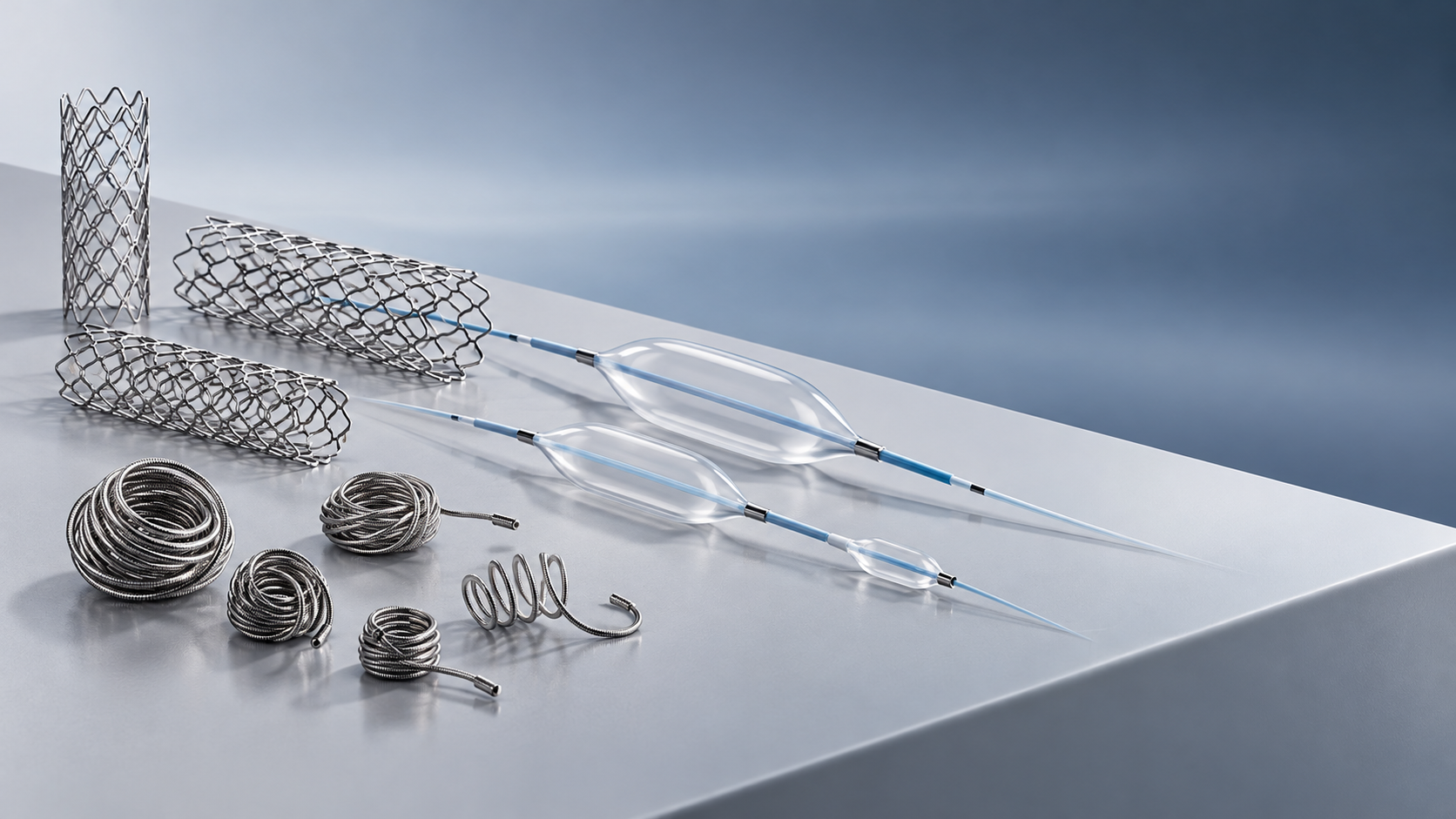
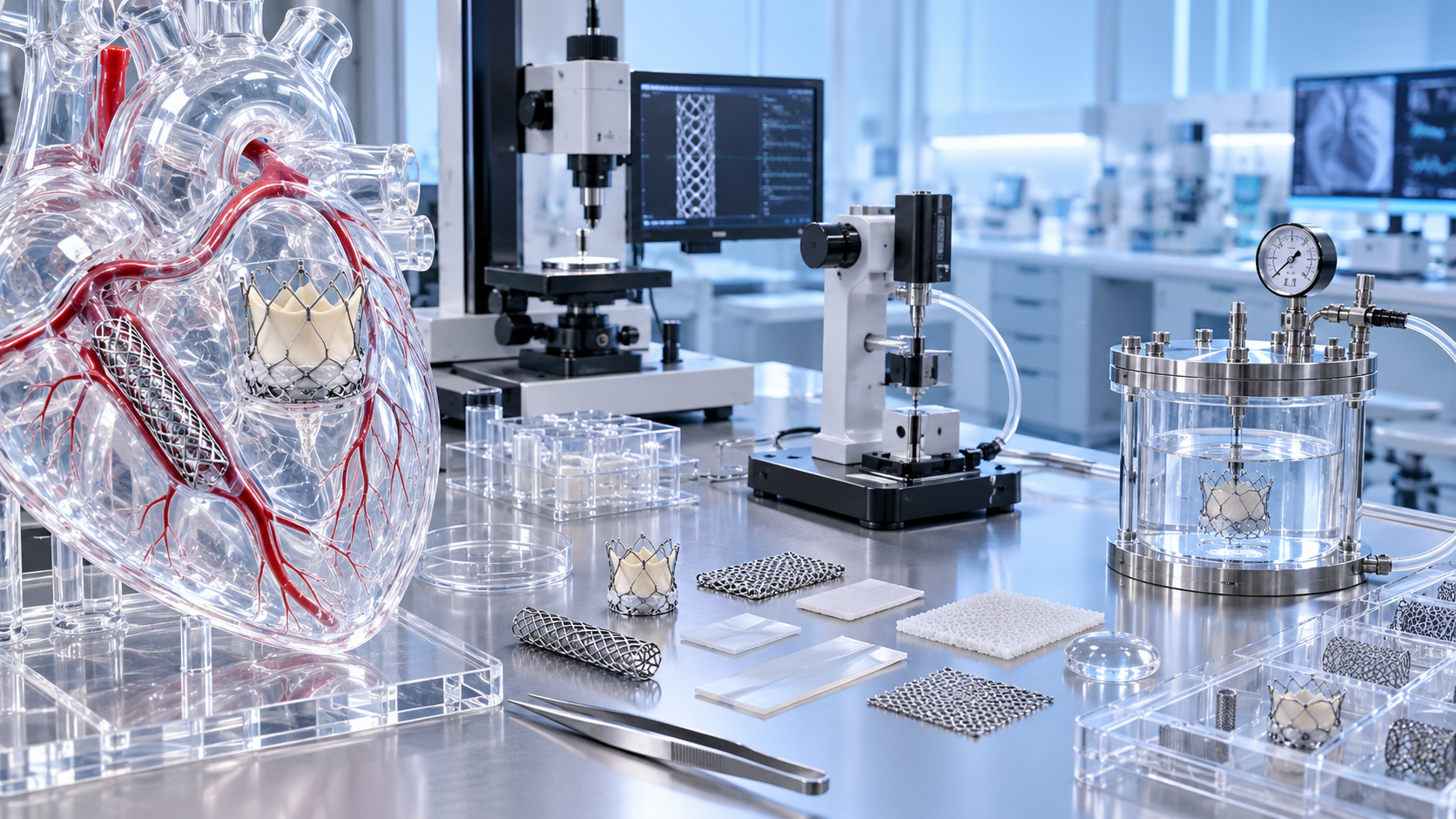
Bioresorbable vascular scaffolds promise temporary vessel support, then natural vasomotion after resorption. The concept remains attractive but demanding.
For cardiovascular biodegradable implants, strut thickness, radial strength, drug release, endothelialization, thrombosis risk, and imaging follow-up are decisive.
Clinical history shows that elegant degradation is not enough. Procedural technique and patient selection strongly influence outcomes.
Tissue Regeneration and Wound Repair
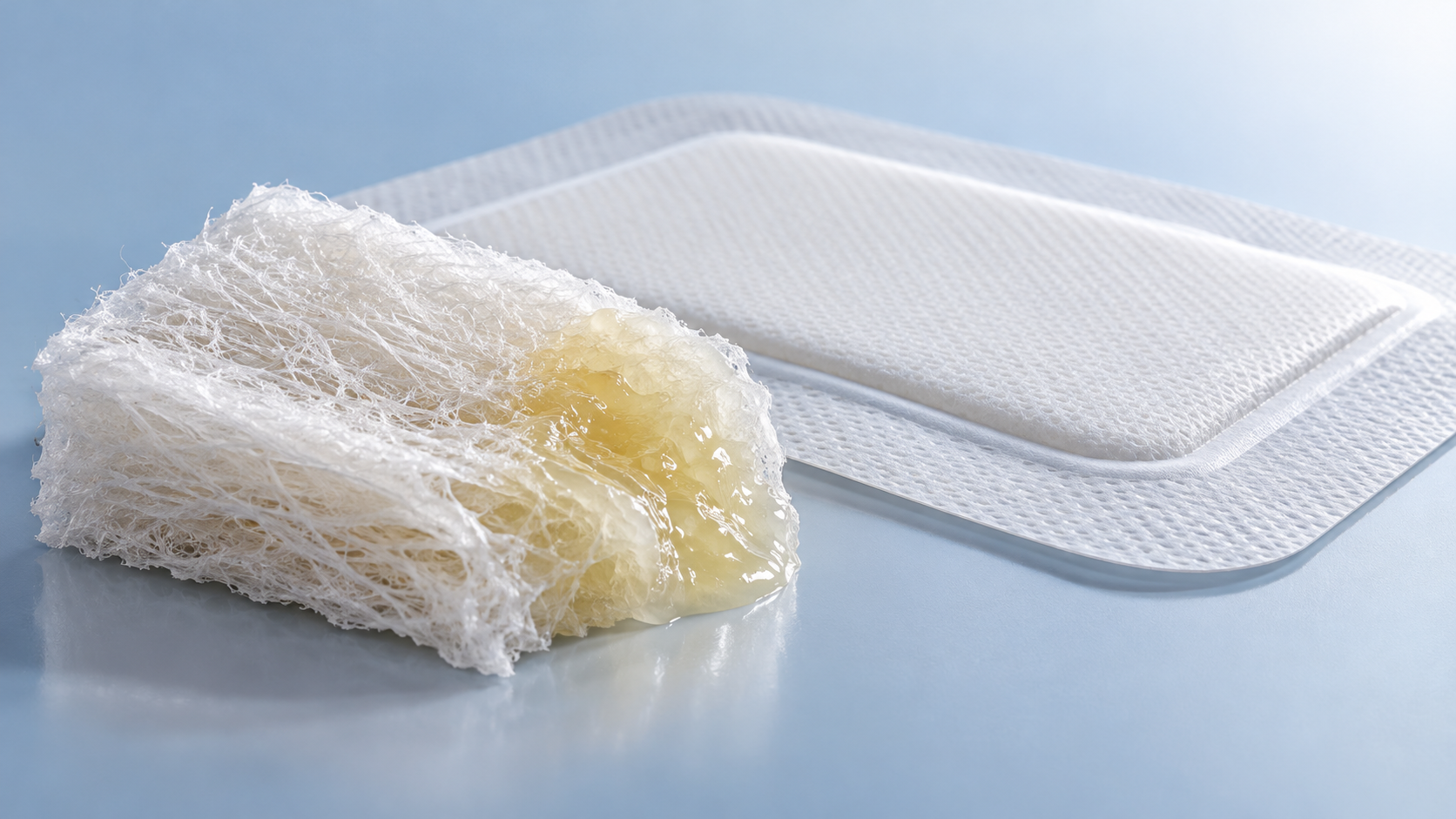
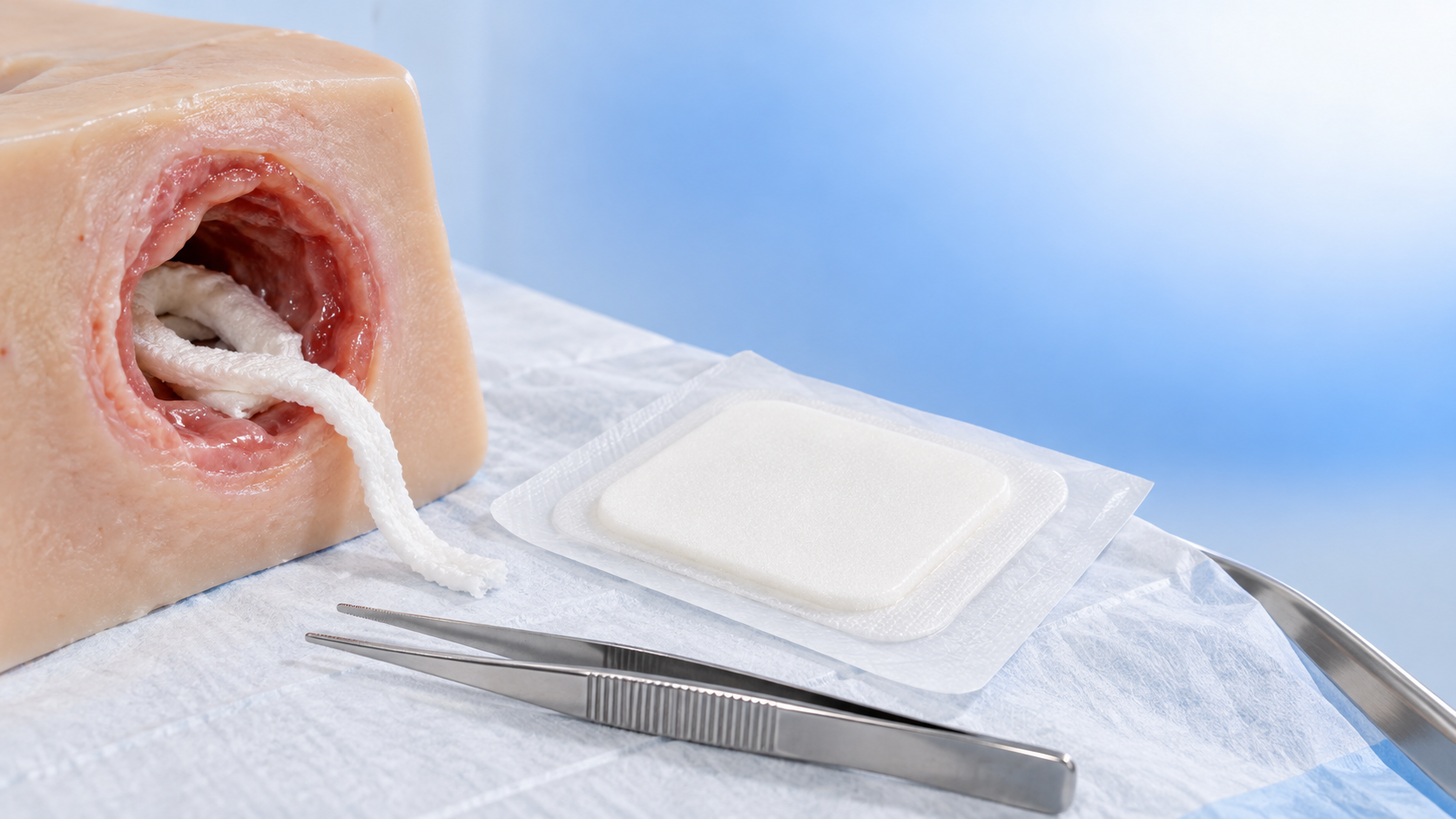
In tissue regeneration, biodegradable implants may function as temporary extracellular matrix, guiding cell attachment, vascularization, and tissue reconstruction.
Collagen, alginate, hyaluronic acid, and synthetic polymers can support wound closure, nerve guidance, cartilage repair, or dermal regeneration.
The limit is biological variability. Infection, diabetes, ischemia, or high exudate can shift degradation and delay tissue integration.
Minimally Invasive and Patient-Specific Devices
Biodegradable implants may fit minimally invasive procedures because temporary support can be delivered through small instruments or catheter-based systems.
However, delivery forces, crimping, folding, hydration, and deployment accuracy must be validated before clinical confidence is possible.
Patient-specific designs add promise, but customized geometry requires strict control of printing parameters, surface residues, and release criteria.
Benefits That Justify Biodegradable Implant Development
- Reduce permanent foreign-body burden when long-term metal or polymer presence no longer supports healing or tissue function.
- Avoid secondary removal surgery in selected orthopedic, pediatric, craniofacial, and soft tissue fixation applications.
- Improve long-term imaging clarity by reducing permanent artifacts associated with some metallic implant systems.
- Enable staged healing, where mechanical support gradually transfers to repaired bone, vessel, tendon, or regenerated tissue.
- Support drug delivery or bioactive release when degradation is matched with infection control, inflammation modulation, or tissue growth.
- Create differentiation in high-value medical consumables when clinical evidence proves measurable patient and procedural benefit.
Common Limits and Frequently Overlooked Risks
Degradation May Outrun Healing
The most serious limit appears when biodegradable implants lose strength before the biological repair process becomes structurally reliable.
This risk increases in osteoporotic bone, poorly vascularized tissue, infected wounds, high-load regions, and complex cardiovascular lesions.
Byproducts May Drive Local Reactions
Polymer acidity, magnesium hydrogen release, or accumulated particles can create swelling, pain, delayed healing, or unexpected imaging findings.
Testing should examine late degradation stages, not only early extracts, because tissue exposure changes over time.
Sterilization Can Change Performance
Sterilization may cut polymer chains, oxidize surfaces, affect coatings, or shift corrosion kinetics in metallic biodegradable implants.
A device that performs well before sterilization may fail after aging, humidity exposure, or transport stress.
Clinical Claims Can Exceed Evidence
Biodegradable implants require careful claim control. “Resorbable” does not automatically mean safer, superior, or cost-effective.
Claims should be tied to clinical endpoints, verified degradation behavior, adverse event monitoring, and comparative performance data.
Practical Execution Recommendations
- Start with the healing timeline, then select material chemistry, geometry, and degradation profile around that biological requirement.
- Use parallel testing for mechanical retention, chemical degradation, biological response, and sterilized shelf-aged samples.
- Set acceptance criteria for each degradation phase, including early stability, mid-stage support, and final resorption safety.
- Build a risk file linking material hazards, byproducts, implant volume, patient factors, and clinical monitoring needs.
- Plan imaging and retrieval analysis where possible, because real degradation evidence strengthens regulatory and clinical confidence.
- Align commercial positioning with measurable outcomes, not only material innovation or theoretical avoidance of removal surgery.
Decision Checklist Before Adoption
- Verify whether biodegradable implants solve a real clinical burden that permanent implants cannot address acceptably.
- Confirm that degradation kinetics match tissue healing under normal and high-risk patient conditions.
- Review complete ISO 10993 evidence, including extract testing based on degradation products and intended contact duration.
- Check whether sterilization, packaging, and shelf aging preserve strength, chemistry, surface function, and degradation behavior.
- Compare clinical outcomes with established alternatives, including revision rate, complications, workflow, and total treatment cost.
- Define post-market surveillance indicators for delayed inflammation, breakage, incomplete resorption, migration, or unexpected imaging signs.
Summary and Action Direction
Biodegradable implants offer a compelling route toward temporary support, reduced permanent burden, and repair pathways aligned with tissue recovery.
Their limits are equally concrete. Degradation control, byproduct safety, mechanical retention, sterilization stability, and clinical proof determine success.
The most reliable next step is to evaluate biodegradable implants through a staged checklist, not a single material specification.
Link each benefit to measurable evidence, each risk to validation data, and each claim to patient-centered clinical outcomes.
When that discipline is in place, biodegradable implants can move beyond promise and become dependable tools for reconstructing vitality.
Get weekly intelligence in your inbox.
No noise. No sponsored content. Pure intelligence.
News Recommendations
 Oct 26, 2026Can a single approval cover life science product sales worldwide?Can a single approval cover life science product sales worldwide?
 Oct 25, 2026When is sensitization testing needed for medical device biocompatibility?When is sensitization testing needed for medical device biocompatibility?
 Oct 24, 2026How is biocompatibility tested for implantable polymer biomaterials?How is biocompatibility tested for implantable polymer biomaterials?
 Oct 23, 2026How to build reimbursement into an implant commercialization strategyHow to build reimbursement into an implant commercialization strategy
 Oct 22, 2026What clinical evidence do implants need for CE marking under EU MDR?What clinical evidence do implants need for CE marking under EU MDR?
 Oct 21, 2026How to choose disposable laparoscopic stapler reloads for thick tissueHow to choose disposable laparoscopic stapler reloads for thick tissue
 Oct 20, 2026How to assess medical polymer biocompatibility under ISO 10993How to assess medical polymer biocompatibility under ISO 10993
 Oct 19, 2026How do interventional device categories differ in clinical use?How do interventional device categories differ in clinical use?
 Oct 18, 2026When to choose alginate dressings for heavily exuding chronic woundsWhen to choose alginate dressings for heavily exuding chronic wounds
 Oct 17, 2026How is biocompatibility tested for custom medical-grade PEEK implants?How is biocompatibility tested for custom medical-grade PEEK implants?
 Oct 16, 2026How to check a wound healing materials supplier’s biocompatibility dataHow to check a wound healing materials supplier’s biocompatibility data
 Oct 15, 2026How to verify the FDA clearance status of silver wound dressingsHow to verify the FDA clearance status of silver wound dressings
 Oct 14, 2026How to register orthopedic implants and instruments in Latin AmericaHow to register orthopedic implants and instruments in Latin America
 Oct 13, 2026How to use a device market intelligence database to benchmark VBP pricesHow to use a device market intelligence database to benchmark VBP prices
 Oct 12, 2026When should stainless steel orthopedic instruments be replaced?When should stainless steel orthopedic instruments be replaced?
 Oct 11, 2026When are alginate dressings rope the right choice for cavity wounds?When are alginate dressings rope the right choice for cavity wounds?
 Oct 10, 2026When smart minimally invasive technology improves catheter accessWhen smart minimally invasive technology improves catheter access
 Oct 08, 2026Clinical evaluation requirements for cardiovascular implant devices in EuropeClinical evaluation requirements for cardiovascular implant devices in Europe
 Oct 07, 2026What to verify before appointing an artificial joint implants distributorWhat to verify before appointing an artificial joint implants distributor
 Oct 06, 2026How ISO 10993 guides biocompatibility testing for medical materialsHow ISO 10993 guides biocompatibility testing for medical materials
 Oct 05, 2026How to verify an orthopedic implants and instruments exporterHow to verify an orthopedic implants and instruments exporter
 Oct 04, 2026What drives surgical stapling devices price differences in hospital tenders?What drives surgical stapling devices price differences in hospital tenders?
 Oct 03, 2026How to assess a central venous catheter manufacturer's infection-control evidenceHow to assess a central venous catheter manufacturer's infection-control evidence
 Oct 02, 2026How to assess an advanced wound care factory’s quality systemHow to assess an advanced wound care factory’s quality system
 Oct 01, 2026What is driving global medical consumables demand in emerging markets?What is driving global medical consumables demand in emerging markets?
 Sep 30, 2026Implant Material Compliance Testing: Evidence Needed for Regulatory SubmissionImplant Material Compliance Testing: Evidence Needed for Regulatory Submission
 Sep 30, 2026From Corrosion to Fatigue: What Implant Materials Testing Should MeasureFrom Corrosion to Fatigue: What Implant Materials Testing Should Measure