Surgical Consumables Innovation Trends Shaping OR Efficiency
Surgical consumables innovation is rapidly redefining OR efficiency, helping healthcare providers reduce procedure time, improve precision, and strengthen cost control under growing regulatory and procurement pressure. For business decision-makers, understanding how advanced staplers, catheters, wound care materials, and high-performance implant-related consumables evolve is essential to capturing market opportunities and building long-term competitive advantage.
Why surgical consumables innovation has become a board-level efficiency issue
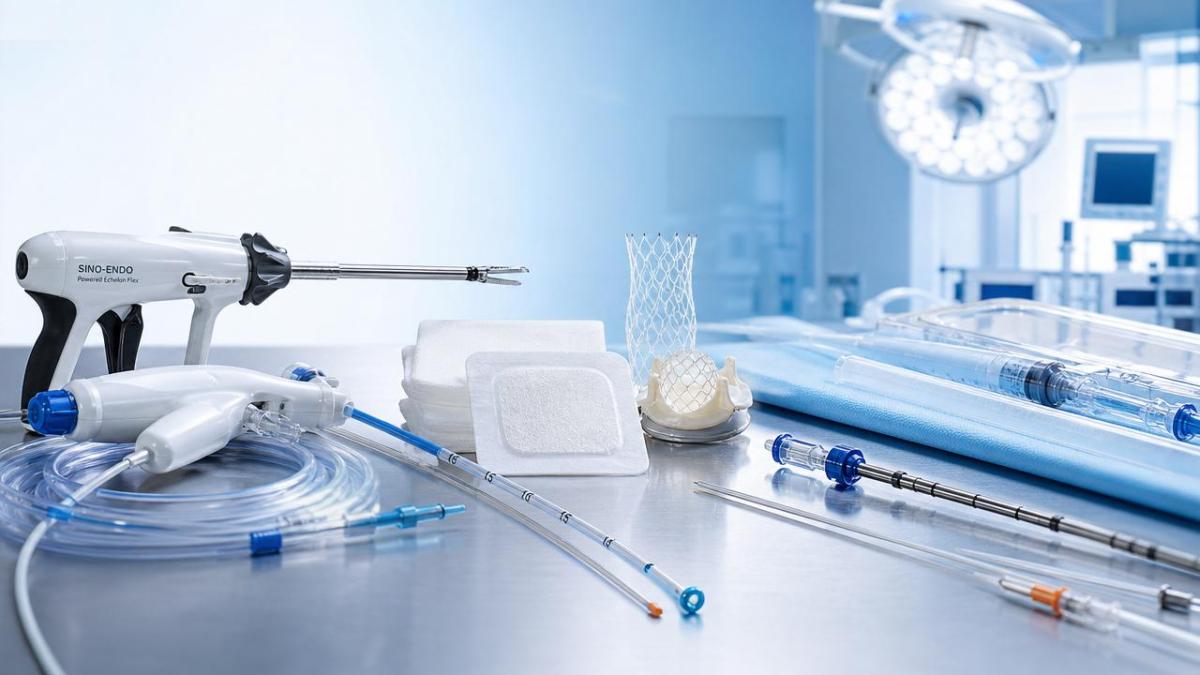
For hospitals, manufacturers, and channel partners, OR performance is no longer measured only by surgeon skill or capital equipment utilization. Increasingly, it is shaped by the quality, reliability, and interoperability of disposable and short-life surgical products used in every procedure.
That is why surgical consumables innovation now sits at the intersection of clinical outcomes, procurement strategy, and regulatory readiness. In high-value consumables, a minor material upgrade or a better staple formation profile can influence procedure speed, leak risk, conversion rates, and post-op recovery trajectories.
For enterprise decision-makers, the challenge is practical. Which innovations truly improve OR efficiency? Which are marketing noise? Which products can survive VBP pressure, CE MDR scrutiny, and tightening hospital value analysis?
- Procedure standardization now depends on consumables with predictable performance across surgeons, sites, and patient anatomies.
- Cost control increasingly requires evaluating total episode economics, not just unit price at purchase.
- Regulatory and biocompatibility expectations are rising, especially for products with direct or prolonged tissue and blood contact.
This is exactly where IMCS creates value. By linking material science, micron-level manufacturing, Class III medical device regulation, and procurement dynamics, IMCS helps companies judge innovation not in isolation, but in the real operating environment.
Which product categories are driving OR efficiency gains most directly?
Not all consumables contribute equally to surgical productivity. The strongest OR impact usually comes from products that influence tissue handling, access stability, closure reliability, blood flow management, and wound healing continuity after the procedure.
High-impact innovation areas
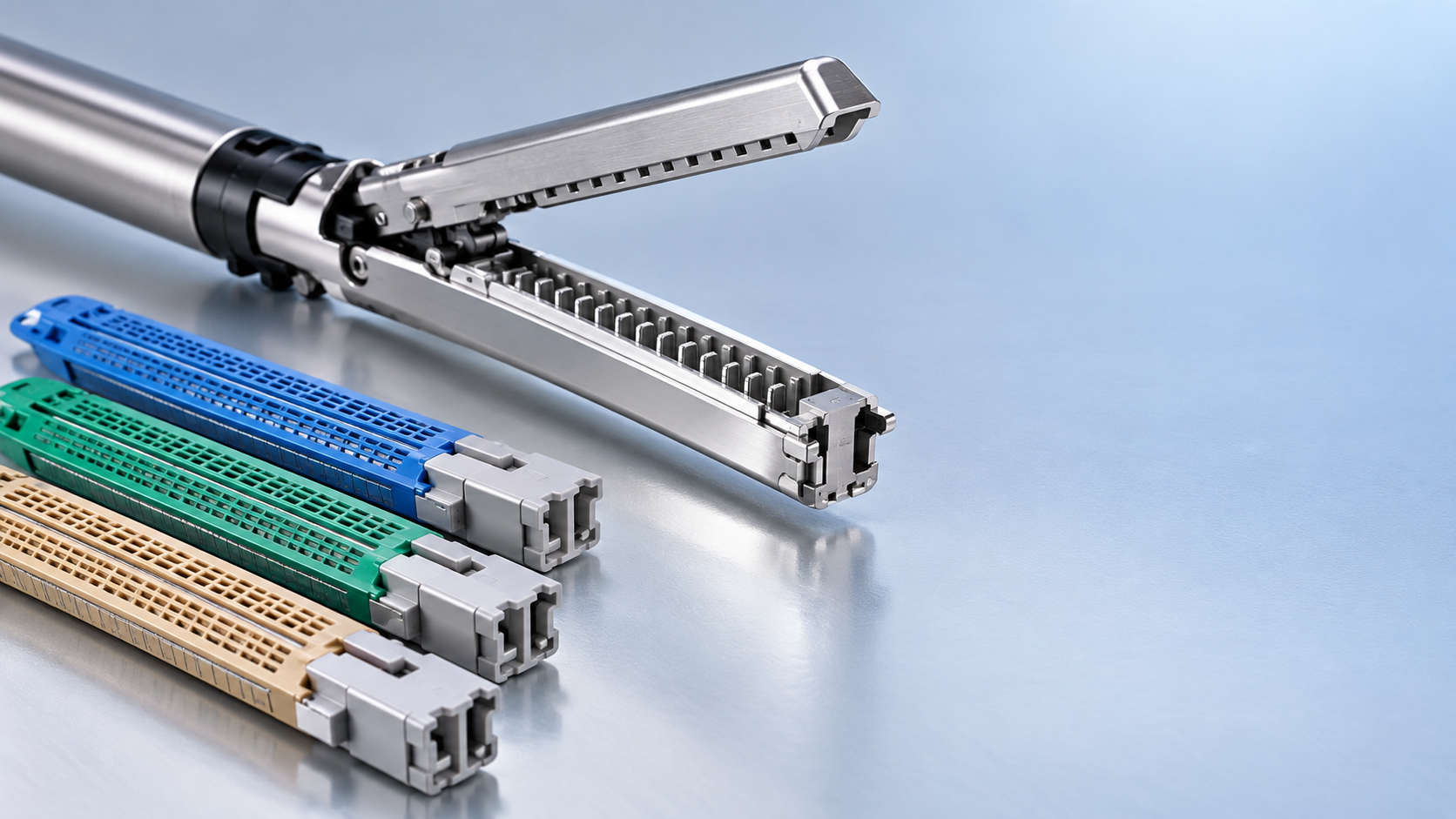
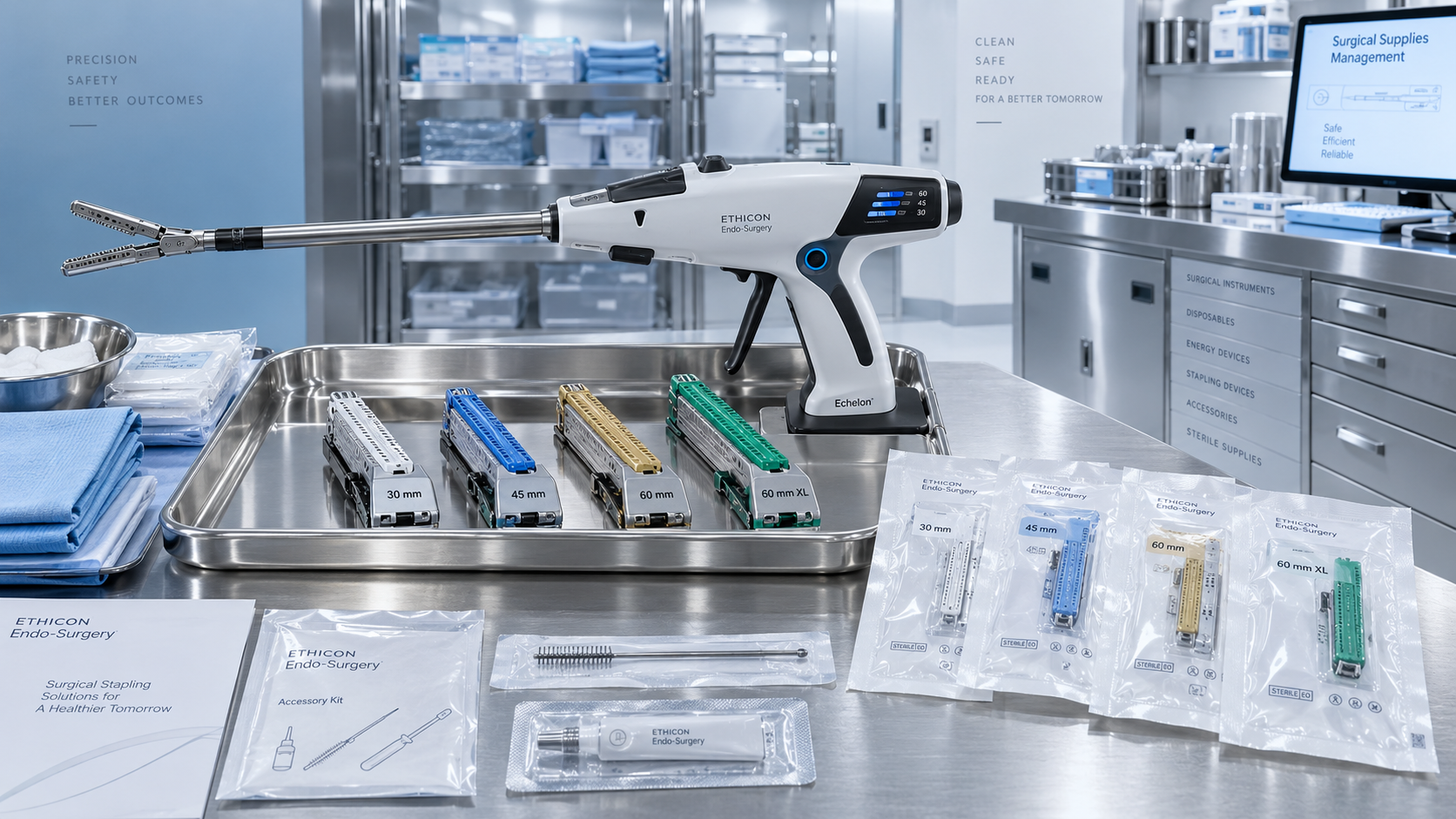
- Minimally invasive staplers with improved articulation, firing consistency, and tissue-specific cartridge options.
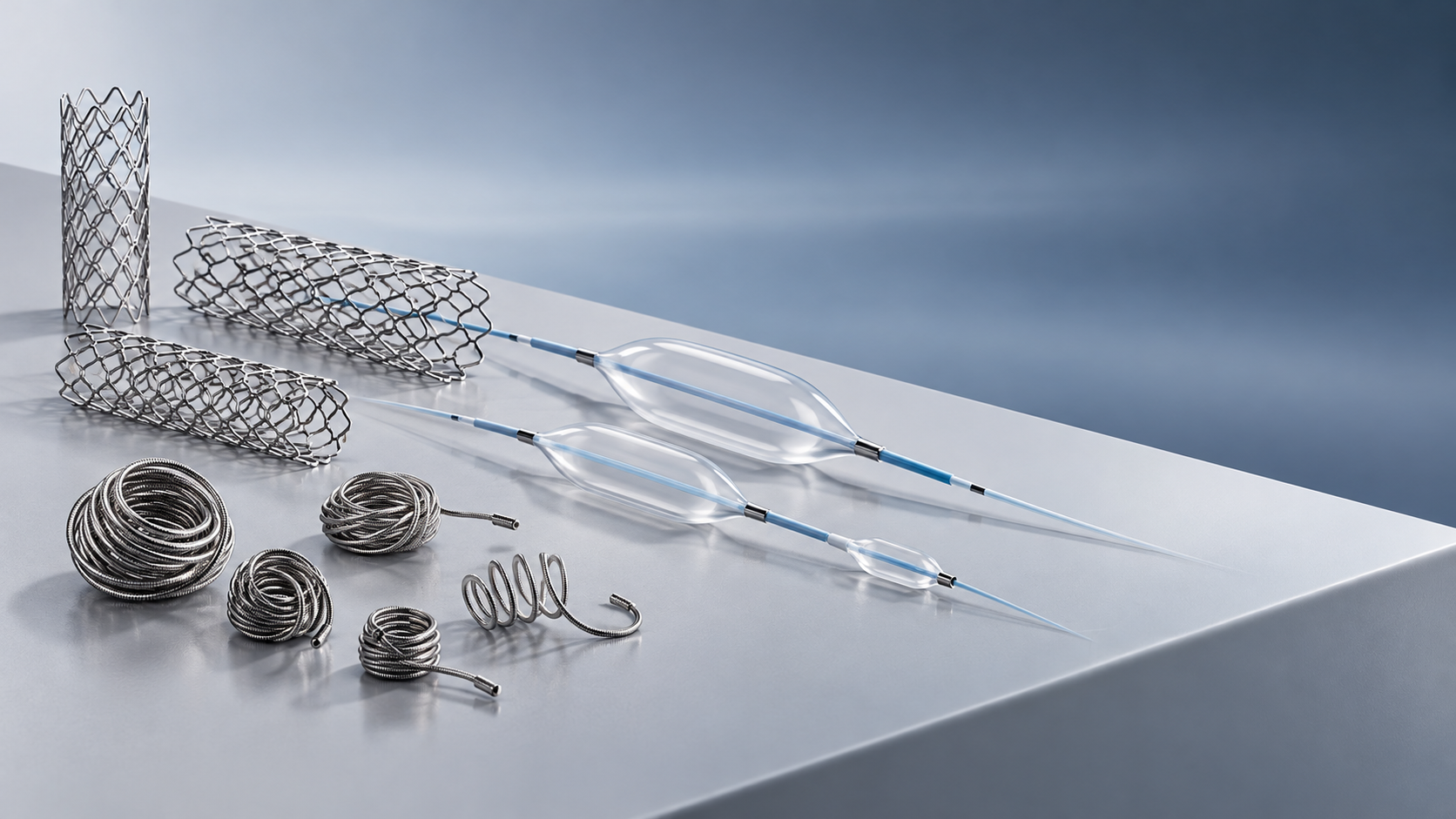
- Medical polymer catheters with hydrophilic coatings, kink resistance, torque response, and anti-thrombotic surface properties.
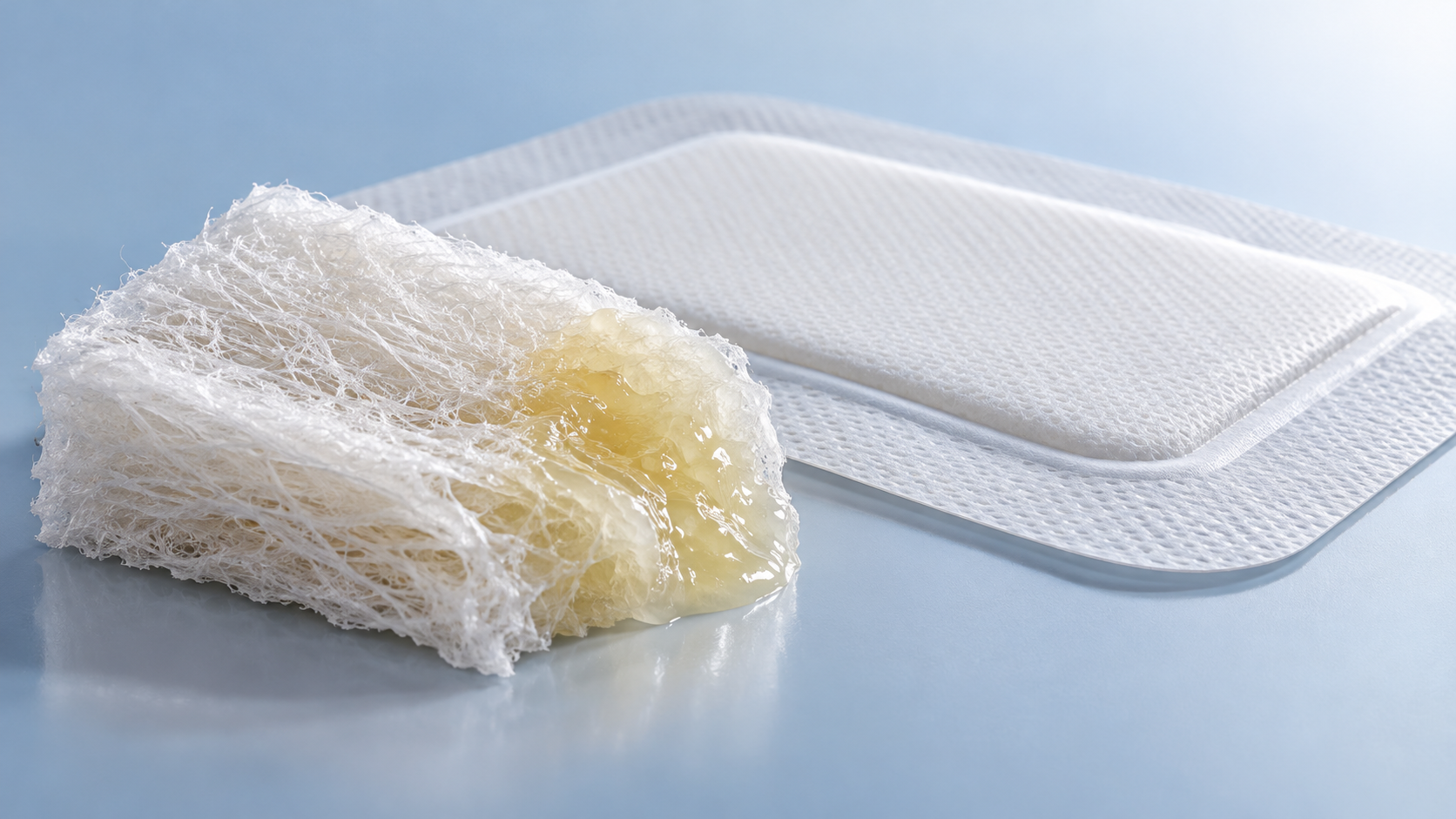
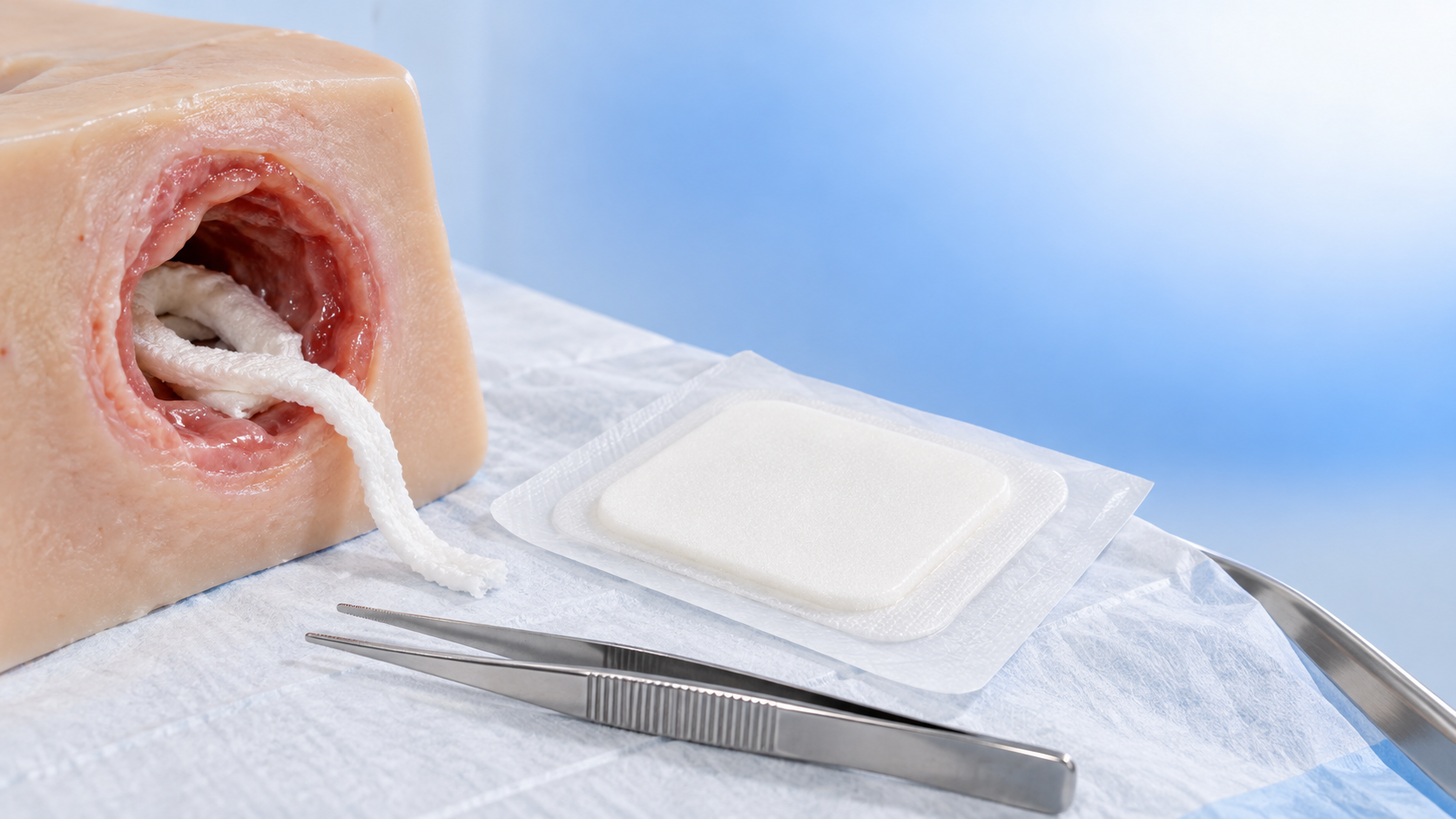
- Advanced wound care materials such as silicone foam dressings, alginates, and NPWT systems that reduce dressing change burden and support moist healing.
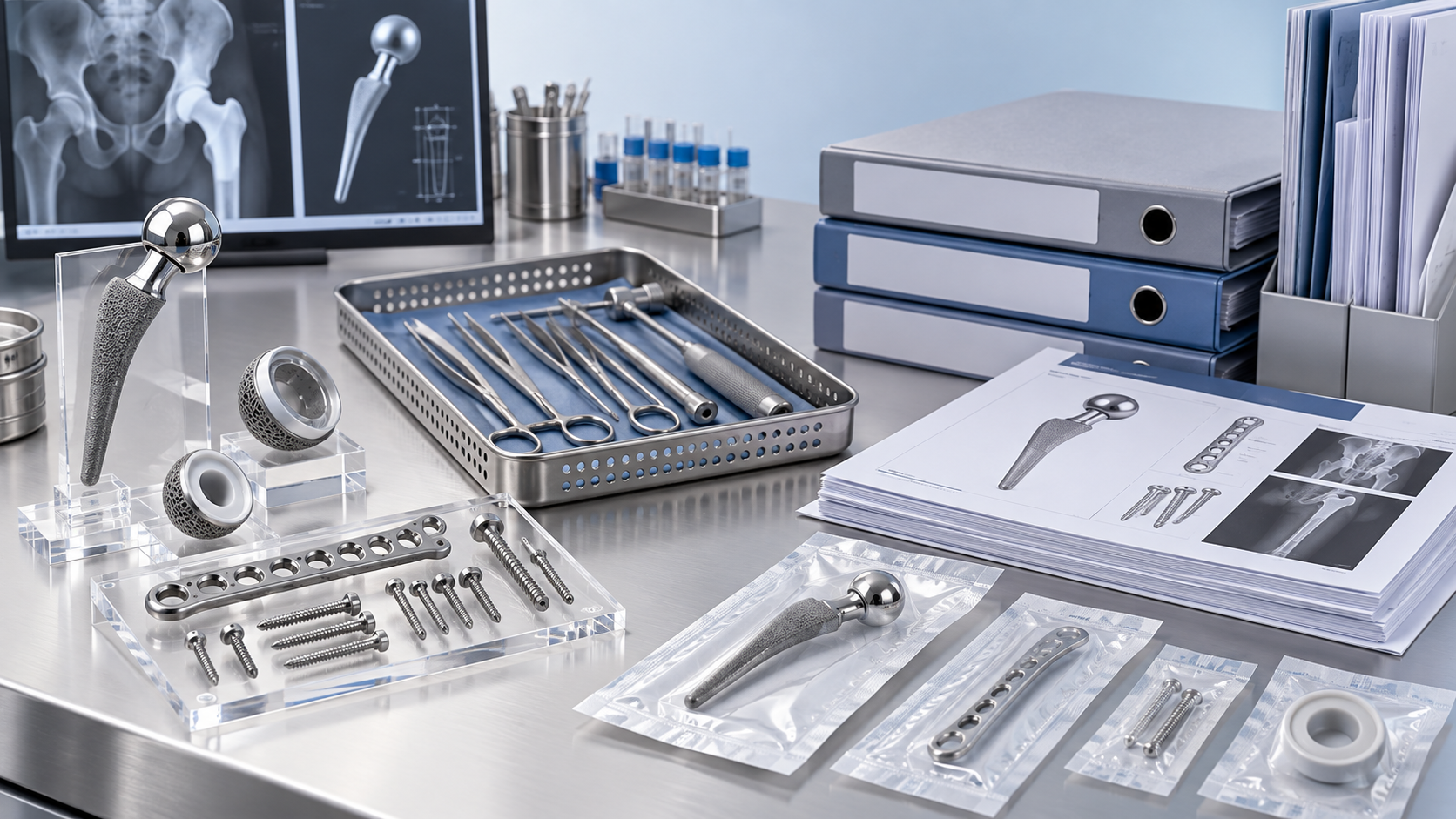
- Orthopedic and cardiovascular procedure-support consumables that improve handling precision and intraoperative workflow continuity.
The common theme behind surgical consumables innovation is not novelty alone. It is workflow value. A product matters when it reduces unnecessary motion, lowers error variability, shortens setup or exchange time, and improves procedural confidence under complex anatomy or limited access.
The table below helps decision-makers compare where innovation tends to create the most visible OR efficiency returns.
A useful takeaway is that efficiency should be evaluated at the procedural bottleneck level. The most valuable surgical consumables innovation often solves a small but repeated point of friction that accumulates across hundreds or thousands of cases.
How should procurement teams evaluate innovation instead of buying on price alone?
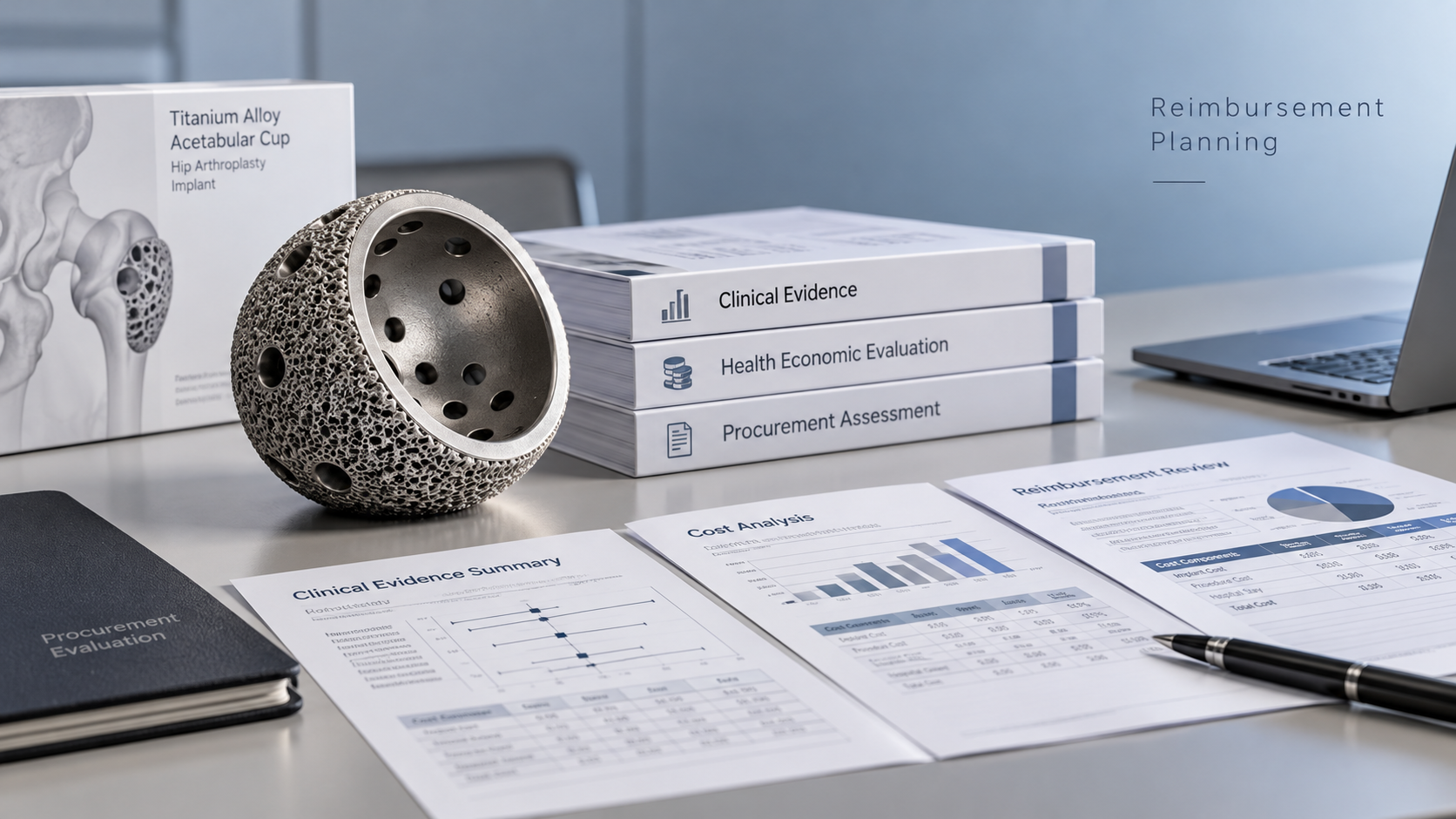
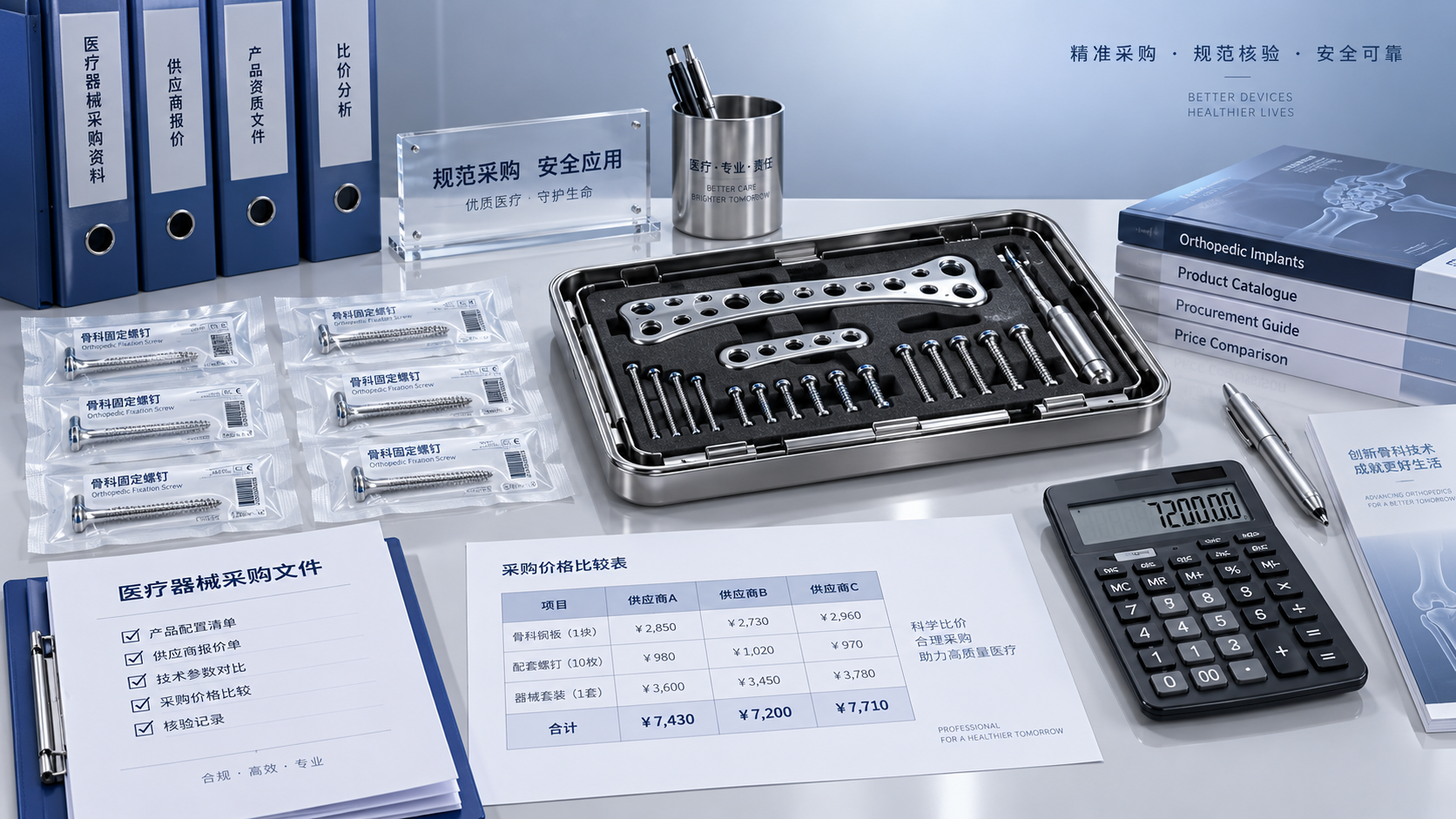
Price remains important, especially under VBP-style pressure and centralized tenders. Yet enterprise procurement leaders know that low unit price can become high total cost when a device increases operating time, inventory complexity, training burden, or revision exposure.
A practical procurement lens for surgical consumables innovation
- Start with the procedure: identify where delays, exchanges, leaks, navigation failures, or dressing-related complications most often occur.
- Match the product to anatomy and surgeon workflow rather than treating one SKU as universally suitable.
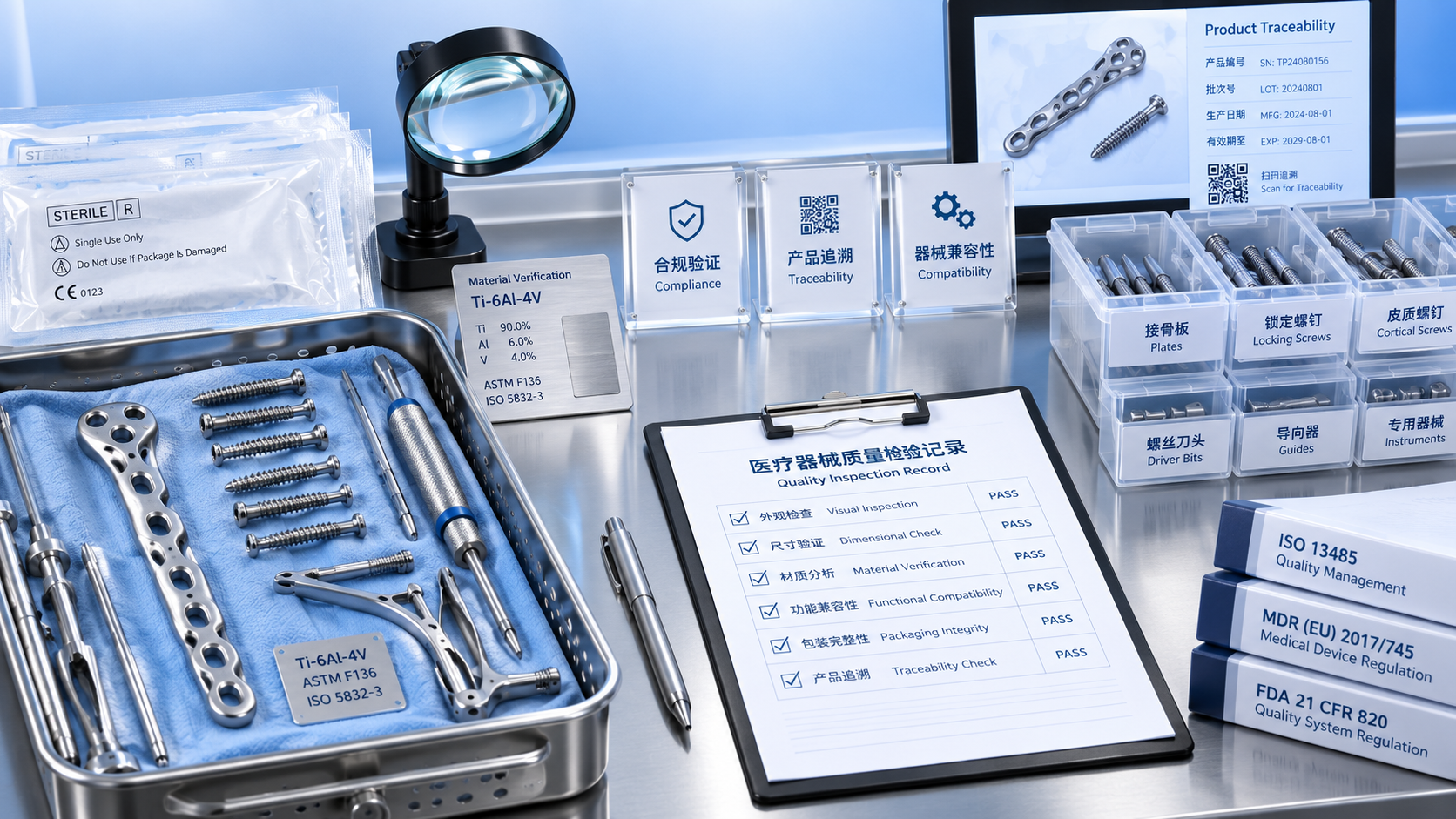
- Review compliance evidence, including biocompatibility pathways, sterilization compatibility, and where relevant ISO 10993-related safety considerations.
- Quantify operational impact, including case time, setup simplification, wastage rate, training curve, and logistics resilience.
- Assess supply continuity under procurement shocks, especially for high-volume categories subject to aggressive price compression.
IMCS supports this evaluation by integrating regulatory reading, toxicology validation logic, and capital-side procurement modeling. That matters when a product looks technically strong but faces hidden risks in documentation, reimbursement, or tender sustainability.
The next table can be used as a decision worksheet when comparing suppliers or product platforms.
This kind of framework helps procurement teams move from reactive bidding to strategic category management. It also improves cross-functional alignment between medical affairs, operations, finance, and regulatory teams.
Where do materials and precision engineering create measurable value?
Much of surgical consumables innovation happens below the surface. The visible product may look similar, yet material formulation, coating behavior, machining precision, and tolerances can change real-world usability significantly.
Examples that matter in practice
- Porous structures and advanced polymers in implant-adjacent systems can improve integration logic and instrument compatibility.
- Hydrophilic catheter coatings can reduce friction during navigation, but only if coating integrity remains stable throughout use.
- Titanium staple formation depends on geometry, anvil interaction, and tissue compression behavior, not just staple material alone.
- Silicone foam and alginate dressing performance depends on exudate management, adherence profile, and atraumatic removal behavior.
IMCS pays particular attention to the bridge between engineering claims and biological reality. A material can perform well in mechanical terms yet still fail to meet acceptable safety expectations if toxicological assessment or sensitization considerations are weak. That is why biological validation and device performance should never be evaluated separately.
What decision-makers should request from internal teams or suppliers
- A clear explanation of how design features reduce procedural friction in target use cases.
- A material justification aligned with contact type, contact duration, and intended patient population.
- A view of process control risks, especially where precision machining or coating consistency is central to performance.
What compliance and market access issues can slow down adoption?
Even strong surgical consumables innovation can stall if market access preparation is weak. In current medtech environments, technical differentiation must be translated into acceptable evidence, usable claims, and commercially viable pricing structures.
Common friction points
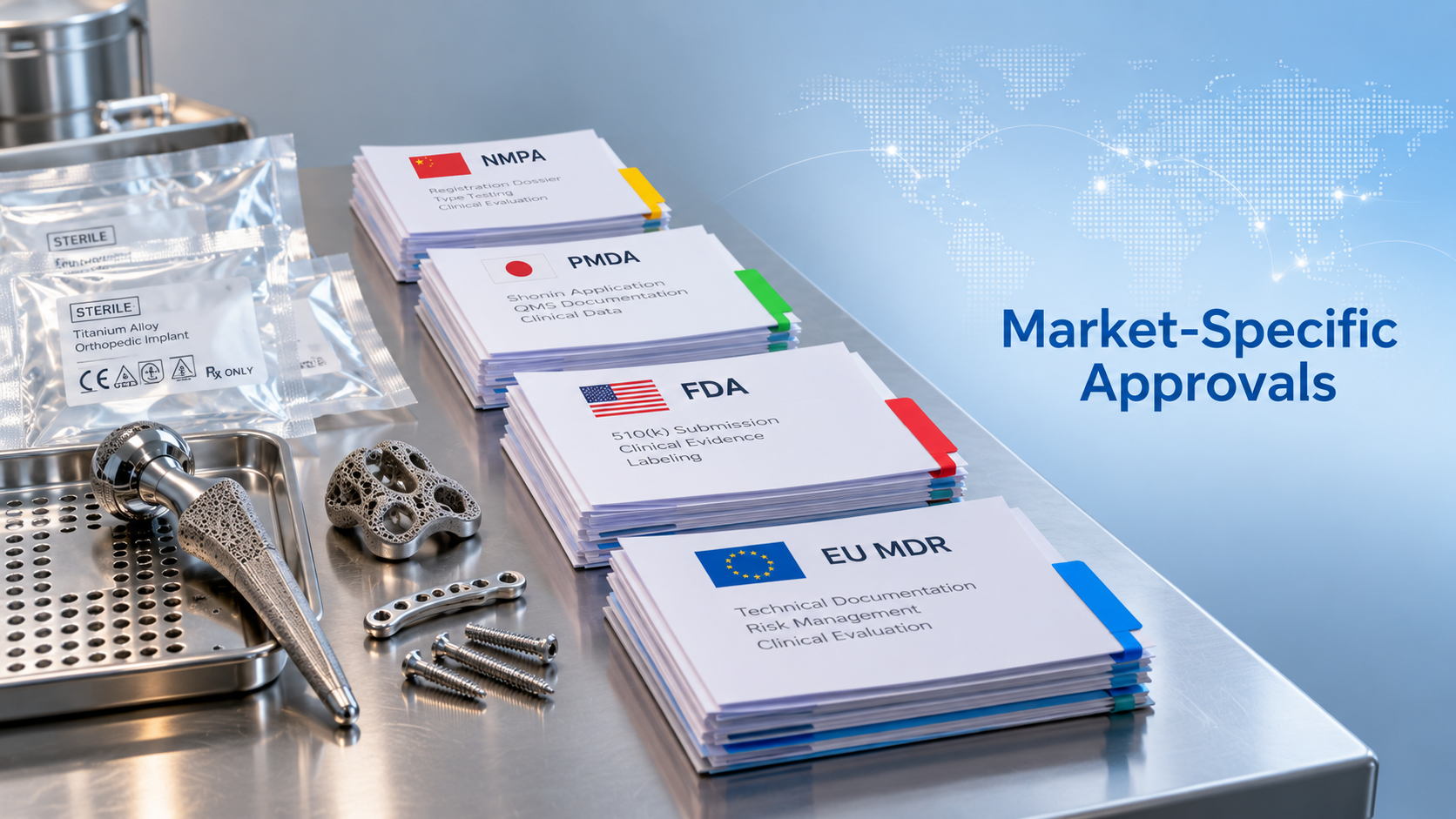
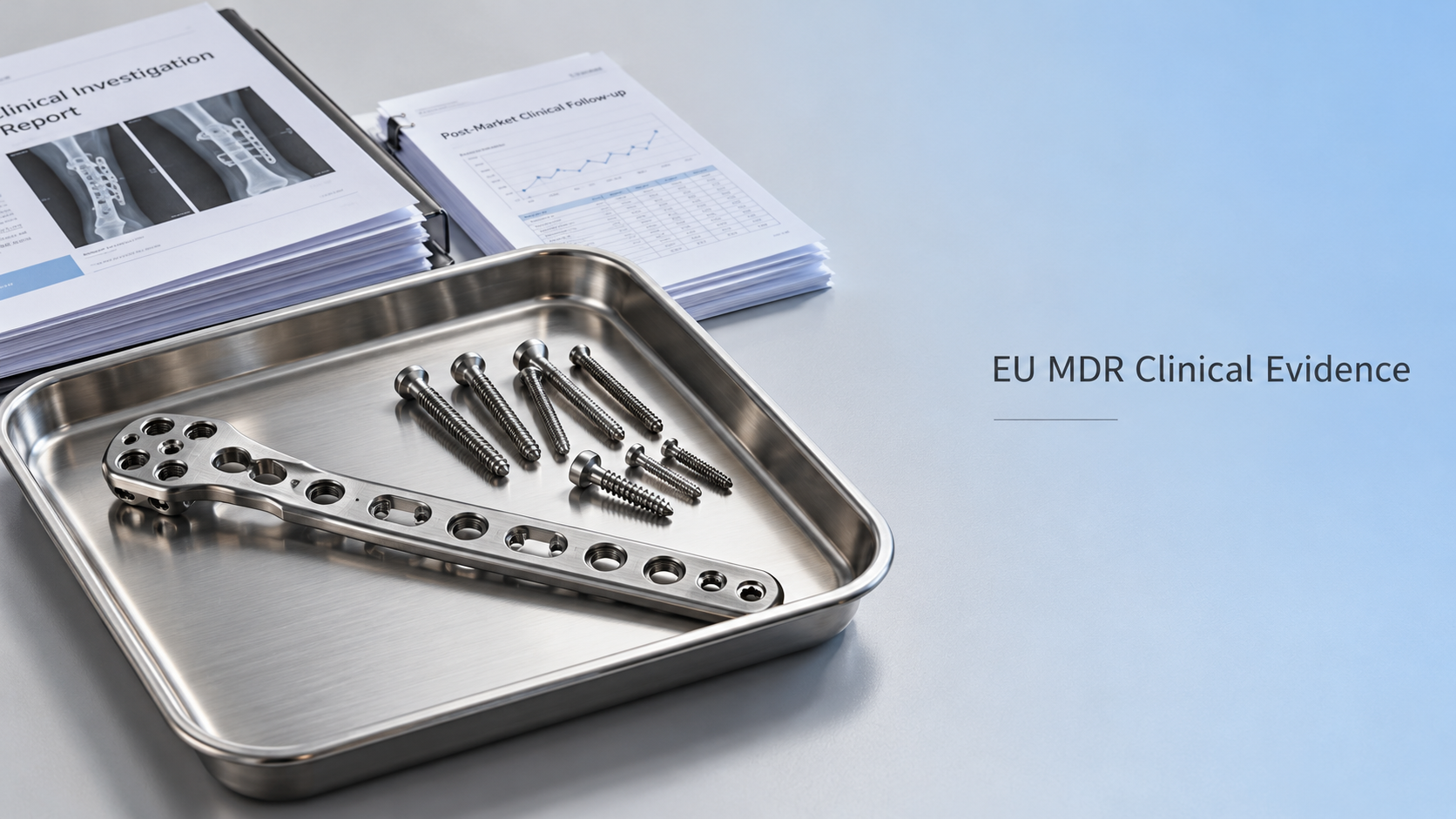
- CE MDR expectations for clinical evaluation can raise the threshold for high-risk and implant-related consumables.
- ISO 10993-related biological evaluation can delay projects when material history and contact characterization are incomplete.
- VBP and centralized procurement can compress margins before a product has built meaningful clinical preference.
- Documentation gaps between R&D, quality, regulatory, and commercial teams often create avoidable launch delays.
IMCS is especially relevant here because it does not treat regulation as a final filing task. It interprets regulation as an early design and business input. That approach helps companies avoid developing technically attractive products that later struggle with evidence gaps or pricing traps.
How can companies balance cost pressure with premium positioning?
In many markets, the biggest fear is commoditization. A manufacturer invests in surgical consumables innovation, only to face procurement mechanisms that reward the lowest acceptable bid. The answer is not always to chase higher price. It is to prove differentiated value where substitution is operationally painful.
Where premium value is easier to defend
- Complex MIS cases where articulation, access angle, or tissue thickness variability makes generic options less predictable.
- Neurovascular or cardiovascular navigation where catheter response and surface behavior directly affect procedural fluency.
- Advanced wound care pathways where fewer dressing changes and better tissue environment can lower downstream care burden.
Decision-makers should compare alternatives based on total pathway impact. A product that reduces operating minutes, waste, dressing frequency, or escalation events may justify a higher purchase price, especially in high-throughput institutions.
FAQ: what do enterprise buyers ask most about surgical consumables innovation?
How do we identify whether surgical consumables innovation is clinically meaningful or just incremental?
Look for a direct connection between the design change and a workflow problem. Meaningful innovation reduces exchanges, improves access, standardizes closure, supports healing, or lowers failure variability. If the improvement cannot be tied to a procedural bottleneck, its commercial value may be limited.
Which scenarios justify paying more for advanced consumables?
Premium selection is easier to justify in complex anatomy, high-acuity cases, minimally invasive procedures with limited visualization, and wound care settings where complications are expensive. In these scenarios, reliability and ease of use often outweigh nominal unit savings.
What should we verify before expanding to a new market?
Confirm intended use language, material safety rationale, clinical evaluation logic, sterilization alignment, labeling strategy, and procurement fit. Many launches fail not because the product is weak, but because the evidence package does not match market expectations.
How long does evaluation usually take for high-value consumables?
Timing varies by product complexity and target geography. Internal evaluation often moves faster when teams define decision criteria early: procedural benefit, compliance status, supplier resilience, and commercial sustainability. Delays usually come from unclear evidence requirements or fragmented cross-functional ownership.
What trends will shape the next phase of OR efficiency?
The next wave of surgical consumables innovation will likely center on smart minimally invasive workflows, biodegradable or bioactive material strategies, more personalized geometry, and tighter integration between device design and real-world procurement constraints.
Companies that win will not only produce better products. They will also translate material science into credible regulatory narratives, cost-resilient market strategies, and practical value propositions that procurement committees can defend.
- Biocompatibility will remain a strategic differentiator, not just a validation checkpoint.
- Precision manufacturing will matter more as device miniaturization and procedural complexity increase.
- Commercial success will depend on how well innovation survives tender dynamics and cost-control systems.
Why choose us for strategic guidance on surgical consumables innovation?
IMCS helps enterprise decision-makers evaluate surgical consumables innovation through a combined lens of material biocompatibility, precision engineering, clinical logic, and procurement reality. Our focus spans orthopedic implants and instruments, cardiovascular interventional devices, minimally invasive staplers, medical polymer catheters, and advanced wound care materials.
You can consult IMCS for practical topics that influence investment and market execution, including parameter confirmation, product selection logic, target application analysis, delivery-cycle assessment, sample support planning, certification pathway questions, and quotation communication under different procurement models.
If your team is deciding how to position a premium consumable under VBP pressure, how to interpret ISO 10993-related safety expectations, how to strengthen CE MDR clinical evaluation logic, or how to compare alternative solutions across staplers, catheters, dressings, and implant-related systems, IMCS can help structure the decision with industry-specific intelligence rather than generic advice.
Get weekly intelligence in your inbox.
No noise. No sponsored content. Pure intelligence.
News Recommendations
 Oct 26, 2026Can a single approval cover life science product sales worldwide?Can a single approval cover life science product sales worldwide?
 Oct 25, 2026When is sensitization testing needed for medical device biocompatibility?When is sensitization testing needed for medical device biocompatibility?
 Oct 24, 2026How is biocompatibility tested for implantable polymer biomaterials?How is biocompatibility tested for implantable polymer biomaterials?
 Oct 23, 2026How to build reimbursement into an implant commercialization strategyHow to build reimbursement into an implant commercialization strategy
 Oct 22, 2026What clinical evidence do implants need for CE marking under EU MDR?What clinical evidence do implants need for CE marking under EU MDR?
 Oct 21, 2026How to choose disposable laparoscopic stapler reloads for thick tissueHow to choose disposable laparoscopic stapler reloads for thick tissue
 Oct 20, 2026How to assess medical polymer biocompatibility under ISO 10993How to assess medical polymer biocompatibility under ISO 10993
 Oct 19, 2026How do interventional device categories differ in clinical use?How do interventional device categories differ in clinical use?
 Oct 18, 2026When to choose alginate dressings for heavily exuding chronic woundsWhen to choose alginate dressings for heavily exuding chronic wounds
 Oct 17, 2026How is biocompatibility tested for custom medical-grade PEEK implants?How is biocompatibility tested for custom medical-grade PEEK implants?
 Oct 16, 2026How to check a wound healing materials supplier’s biocompatibility dataHow to check a wound healing materials supplier’s biocompatibility data
 Oct 15, 2026How to verify the FDA clearance status of silver wound dressingsHow to verify the FDA clearance status of silver wound dressings
 Oct 14, 2026How to register orthopedic implants and instruments in Latin AmericaHow to register orthopedic implants and instruments in Latin America
 Oct 13, 2026How to use a device market intelligence database to benchmark VBP pricesHow to use a device market intelligence database to benchmark VBP prices
 Oct 12, 2026When should stainless steel orthopedic instruments be replaced?When should stainless steel orthopedic instruments be replaced?
 Oct 11, 2026When are alginate dressings rope the right choice for cavity wounds?When are alginate dressings rope the right choice for cavity wounds?
 Oct 10, 2026When smart minimally invasive technology improves catheter accessWhen smart minimally invasive technology improves catheter access
 Oct 08, 2026Clinical evaluation requirements for cardiovascular implant devices in EuropeClinical evaluation requirements for cardiovascular implant devices in Europe
 Oct 07, 2026What to verify before appointing an artificial joint implants distributorWhat to verify before appointing an artificial joint implants distributor
 Oct 06, 2026How ISO 10993 guides biocompatibility testing for medical materialsHow ISO 10993 guides biocompatibility testing for medical materials
 Oct 05, 2026How to verify an orthopedic implants and instruments exporterHow to verify an orthopedic implants and instruments exporter
 Oct 04, 2026What drives surgical stapling devices price differences in hospital tenders?What drives surgical stapling devices price differences in hospital tenders?
 Oct 03, 2026How to assess a central venous catheter manufacturer's infection-control evidenceHow to assess a central venous catheter manufacturer's infection-control evidence
 Oct 02, 2026How to assess an advanced wound care factory’s quality systemHow to assess an advanced wound care factory’s quality system
 Oct 01, 2026What is driving global medical consumables demand in emerging markets?What is driving global medical consumables demand in emerging markets?
 Sep 30, 2026Implant Material Compliance Testing: Evidence Needed for Regulatory SubmissionImplant Material Compliance Testing: Evidence Needed for Regulatory Submission
 Sep 30, 2026From Corrosion to Fatigue: What Implant Materials Testing Should MeasureFrom Corrosion to Fatigue: What Implant Materials Testing Should Measure