How to Compare Implantable Biomaterials for Safety and Tissue Response
Comparing implantable biomaterials for safety and tissue response starts with a simple truth: labels such as titanium, PEEK, silicone, or bioresorbable polymer say very little on their own.
What matters is how a material behaves inside the body over time, under load, in contact with blood, bone, soft tissue, or healing wounds.
That is why evaluation now goes beyond bulk composition.
Teams increasingly compare surface chemistry, particulate risk, degradation pathways, sterilization effects, and the strength of biological evidence.
Across orthopedic implants, cardiovascular devices, polymer catheters, stapling systems, and regenerative materials, this broader view helps reduce avoidable clinical and regulatory surprises.
Why comparison has become more demanding
Implants are expected to remain safe while interacting with living tissue for months, years, or even decades.
A small change in porosity, coating adhesion, residuals, or machining precision can alter that interaction in meaningful ways.
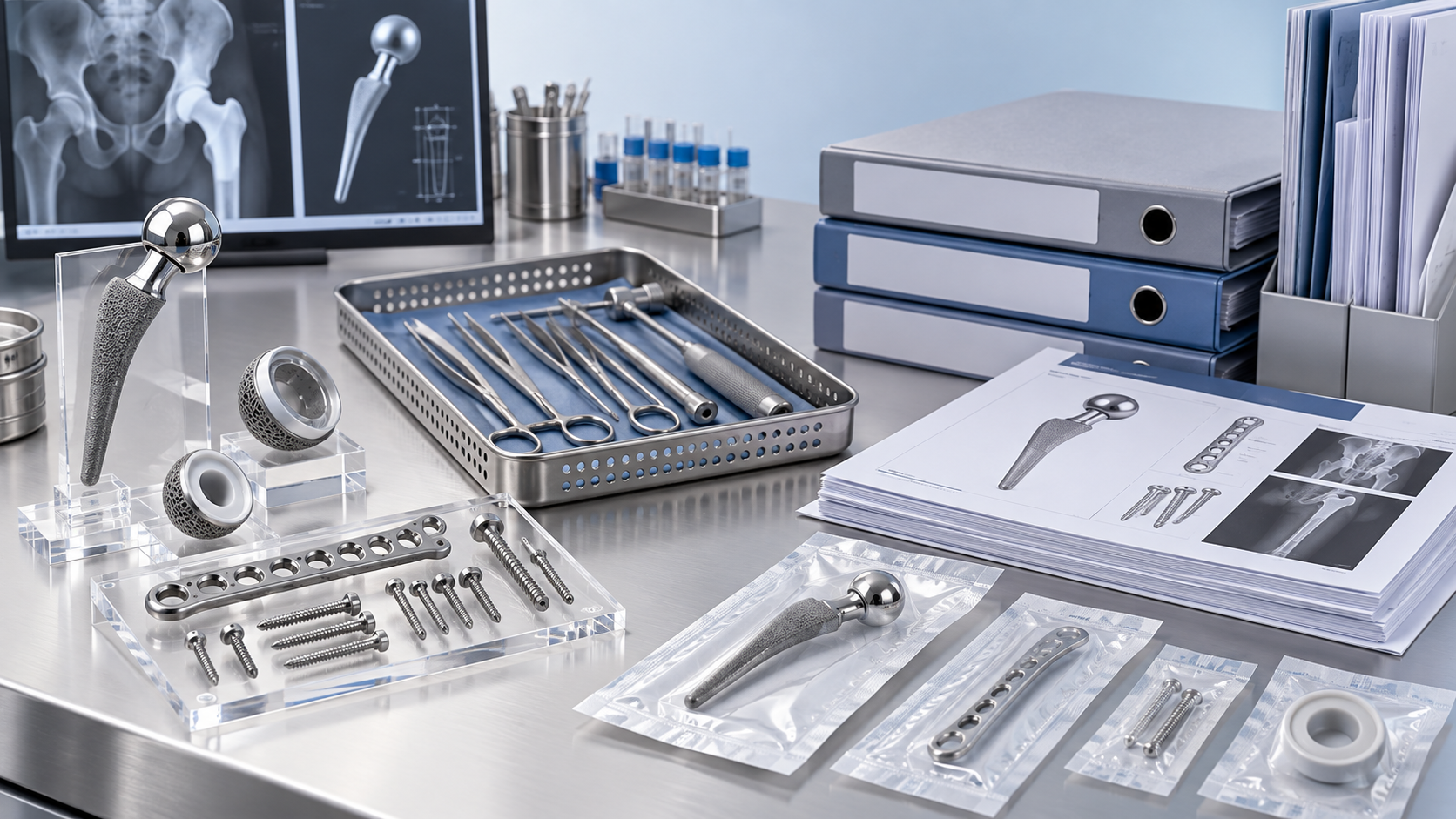
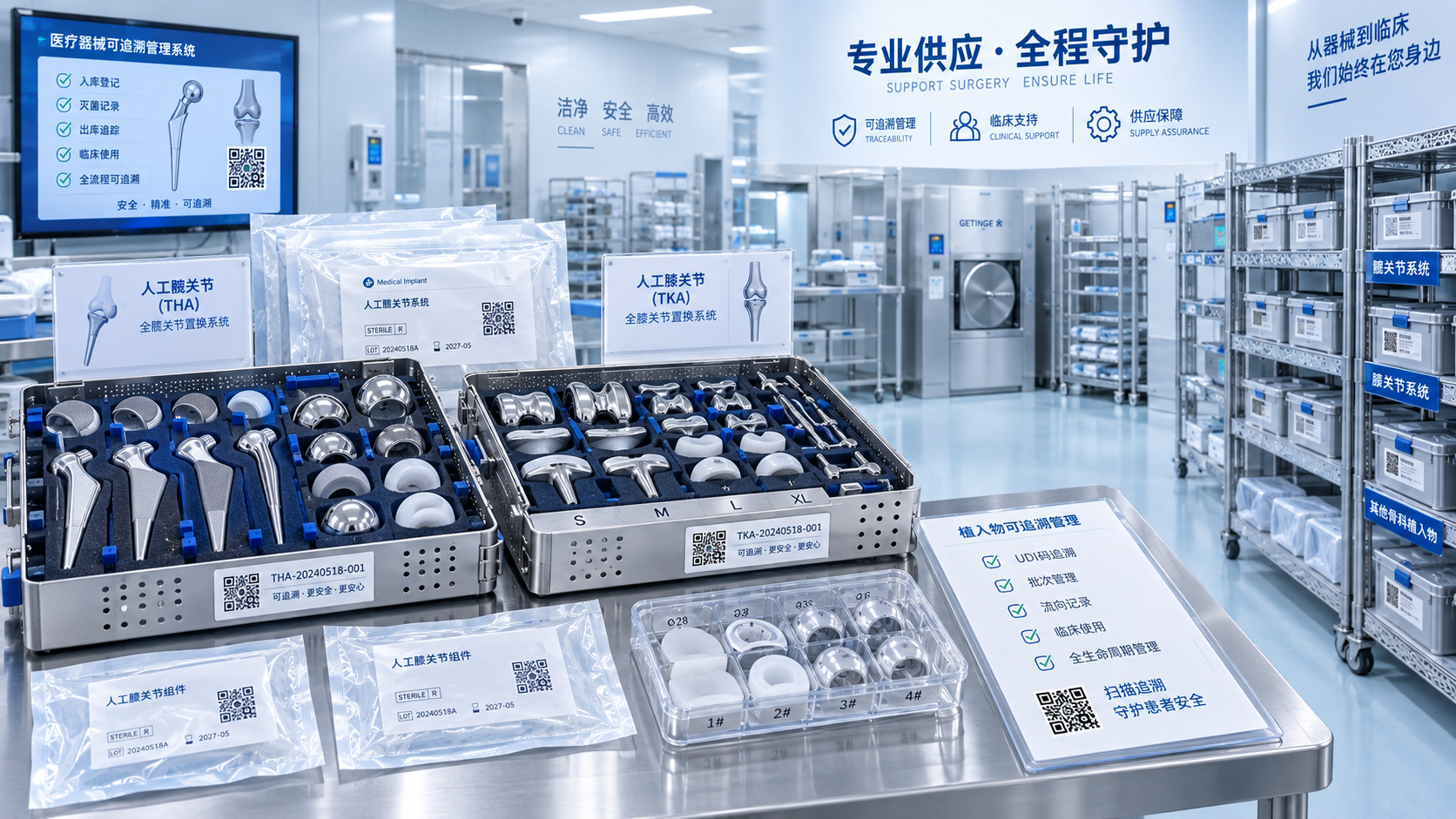
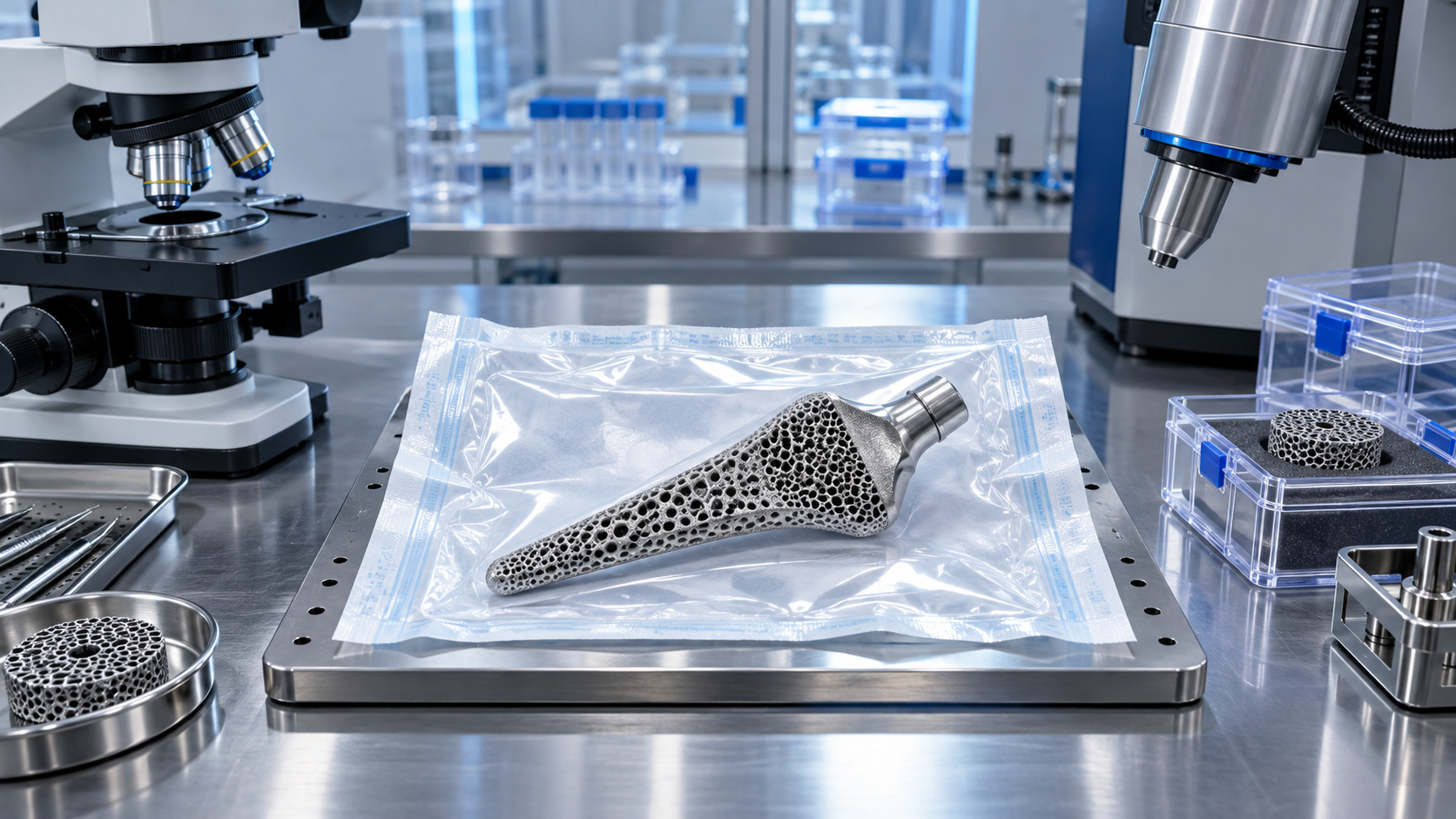
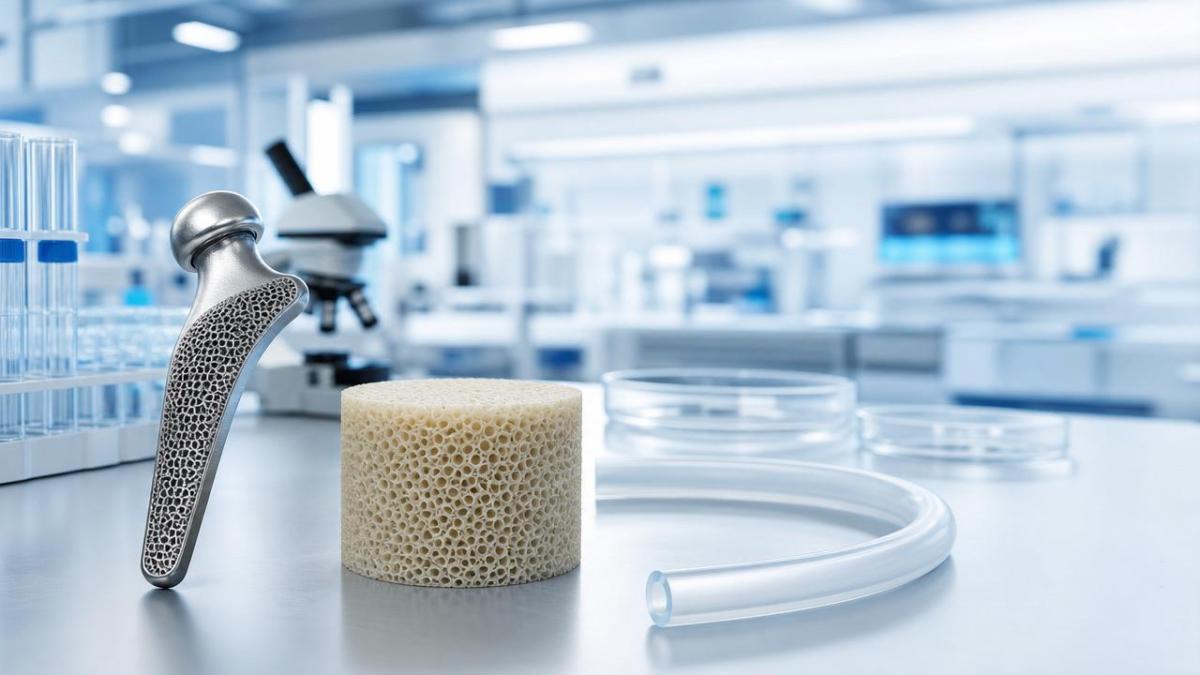
In orthopedic applications, porous structures may support osseointegration, yet the same design can also change wear, debris generation, and local inflammatory response.
In cardiovascular use, blood contact introduces another layer of scrutiny.
Thrombogenicity, hemocompatibility, coating durability, and endothelial healing often matter as much as radial strength or deliverability.
This is where market intelligence platforms such as IMCS become relevant.
They connect material science, device performance, Class III regulatory logic, and cost-pressure realities that increasingly shape material selection decisions.
What should be compared first
The most useful comparison framework begins with intended clinical context, not with a favorite material family.
An absorbable scaffold for tissue regeneration should not be judged like a permanent joint component or a neurovascular microcatheter.
Usually, five dimensions create the clearest first-pass view.
- Biological interaction: cytotoxicity, sensitization, irritation, systemic toxicity, and local tissue tolerance.
- Material stability: corrosion, hydrolysis, oxidation, creep, fatigue, and wear behavior.
- Surface profile: roughness, coating integrity, hydrophilicity, protein adsorption, and particulate shedding.
- Clinical environment: contact type, implantation duration, mechanical stress, and exposure to blood or moving tissue.
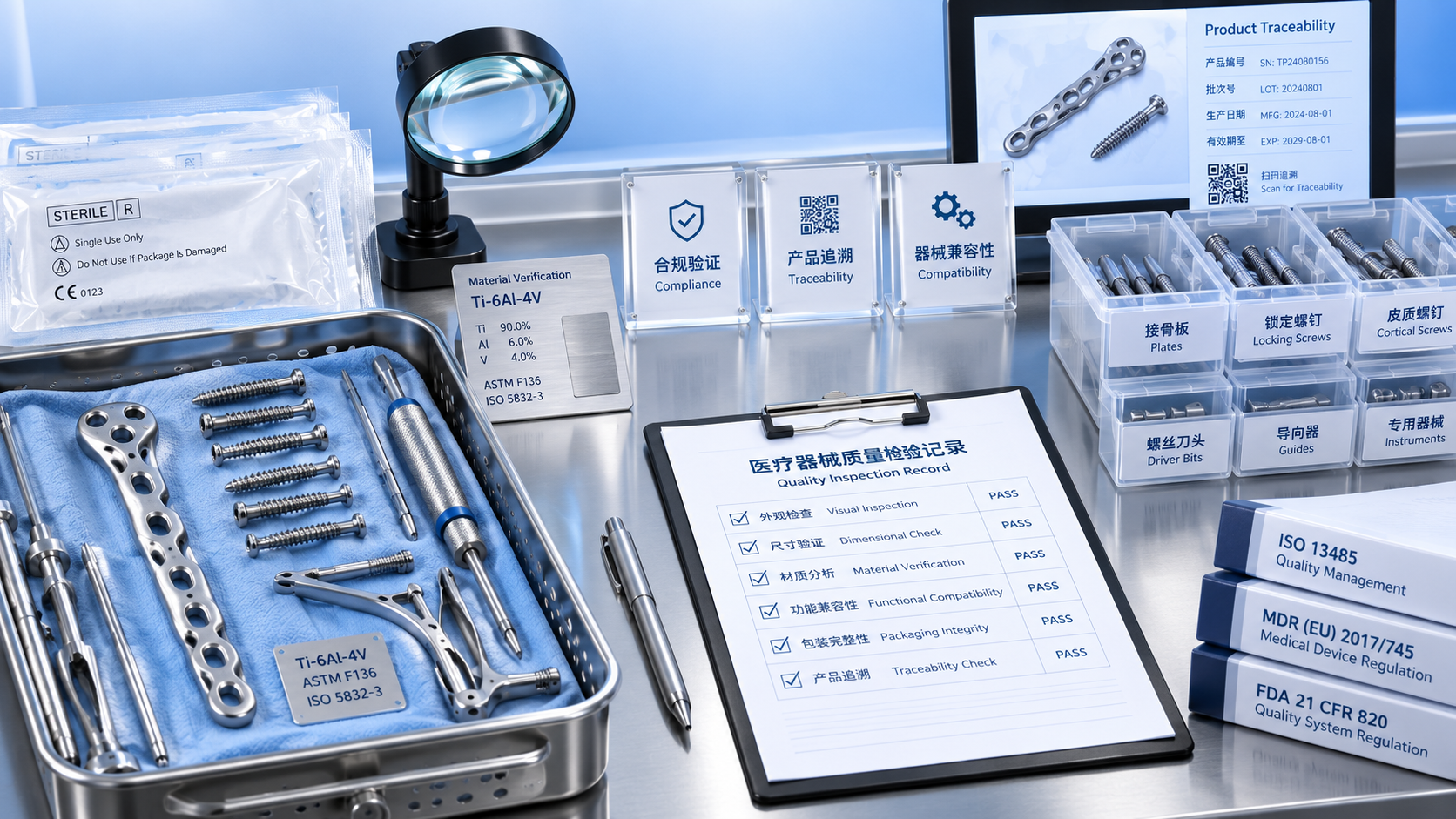
- Evidence quality: ISO 10993 data, preclinical studies, clinical follow-up, and post-market signals.
This approach prevents a common mistake: choosing implantable biomaterials by strength, flexibility, or cost alone.
Safety is not one parameter
Safety evaluation works best when separated into exposure routes and biological consequences.
A polymer that performs well in short-term tissue contact may raise concerns in chronic blood contact.
A metal alloy with excellent fatigue resistance may still require close review of ion release or fretting behavior.
Look beyond pass or fail testing
ISO 10993 remains central, but passing a test does not fully explain comparative clinical risk.
Test design, extraction conditions, endpoints, and sample preparation all influence conclusions.
Residual processing chemicals, endotoxin burden, sterilization byproducts, and packaging interactions should also be reviewed.
Match evidence to contact profile
Permanent bone implants, drug-eluting stents, tissue adhesives, and advanced wound matrices expose the body in very different ways.
The more specific the contact profile, the more meaningful the comparison becomes.
Tissue response depends on location, not just material class
The same base material can behave differently in different anatomical settings.
For example, titanium may be favorable in orthopedic fixation, but a blood-contacting device still needs careful assessment of finish, coating, and thrombotic profile.
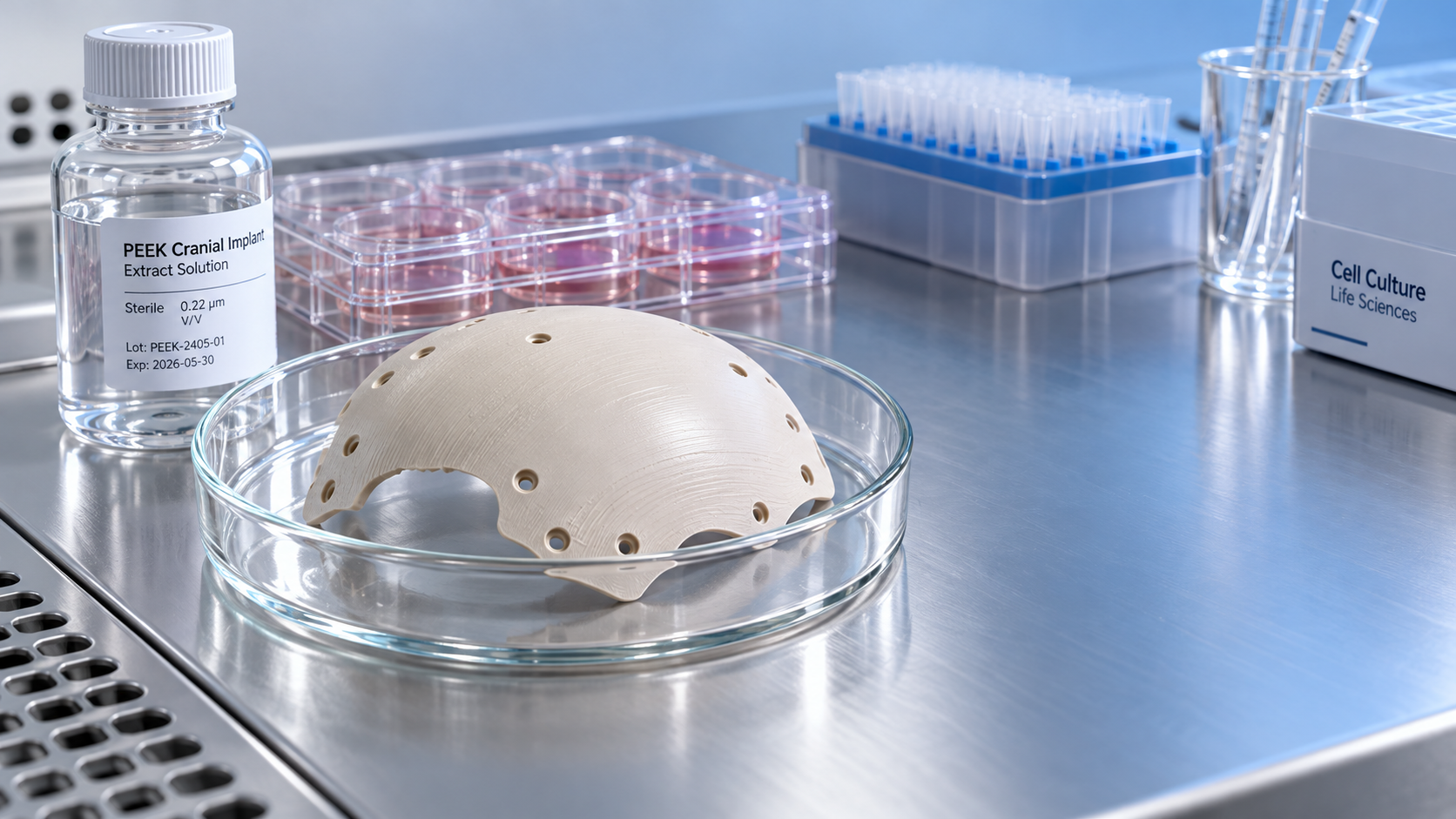
PEEK may offer radiolucency and tailored stiffness, yet surface modification often becomes important when stronger bone integration is expected.
Silicone and hydrogel systems may appear gentle in soft tissue environments, while still requiring close review of swelling, migration, or microbial risks.
High-value scenarios need different lenses
In IMCS-tracked sectors, the same comparison method should be adapted to the clinical role of each device.
- Orthopedic implants: focus on osseointegration, wear debris, fatigue, and revision risk.
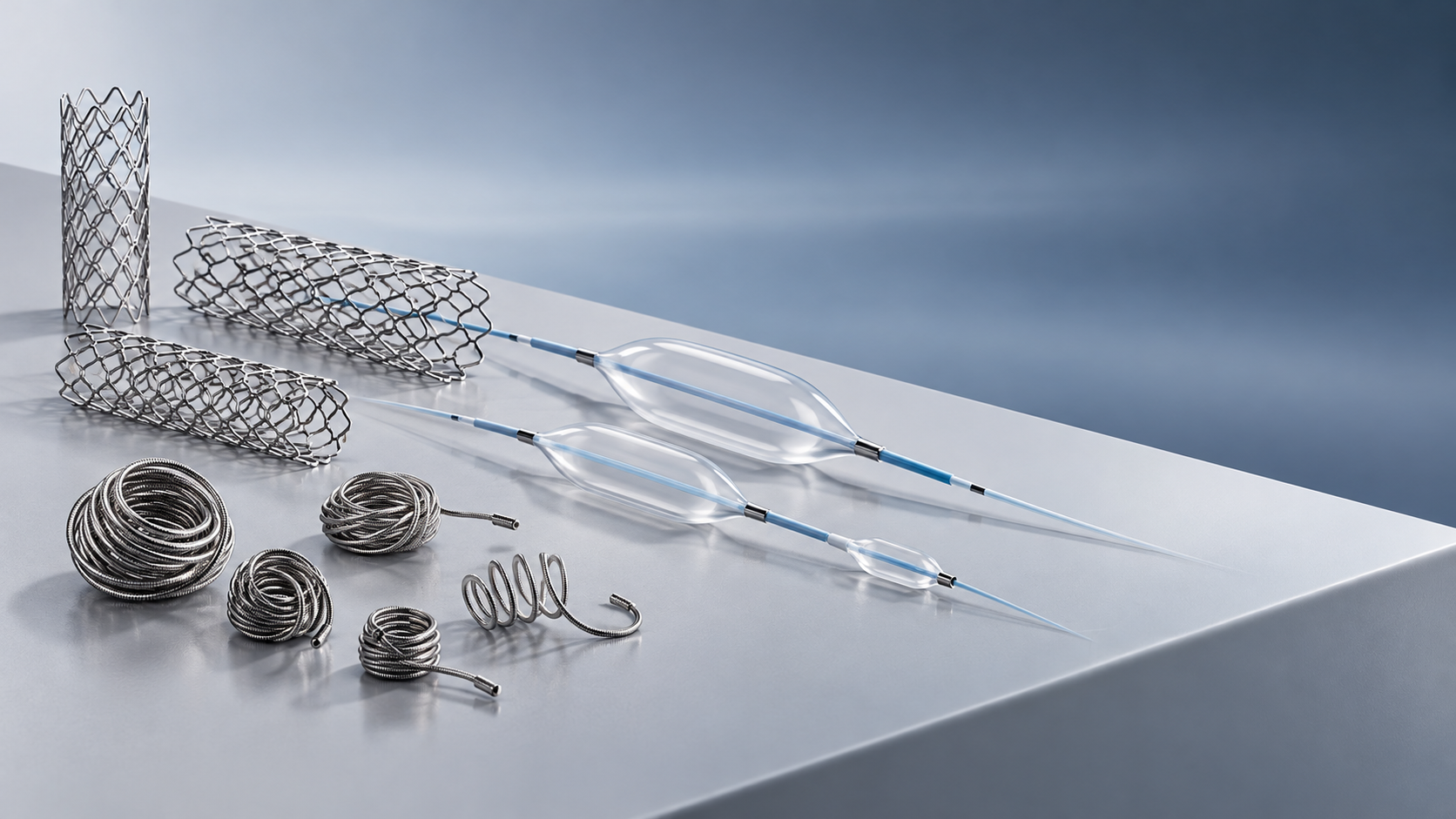
- Cardiovascular implants: prioritize hemocompatibility, restenosis signals, endothelial recovery, and coating performance.
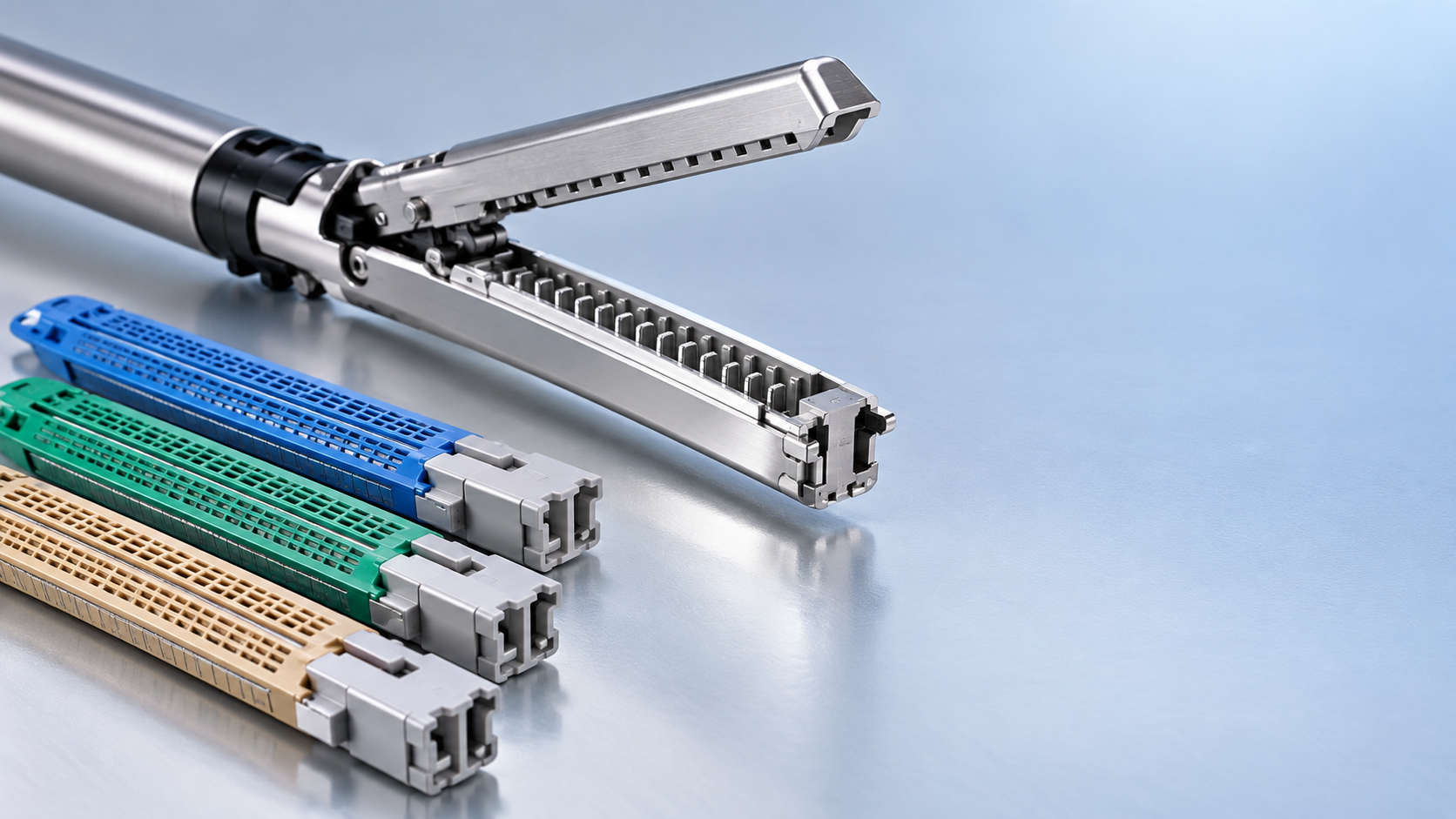
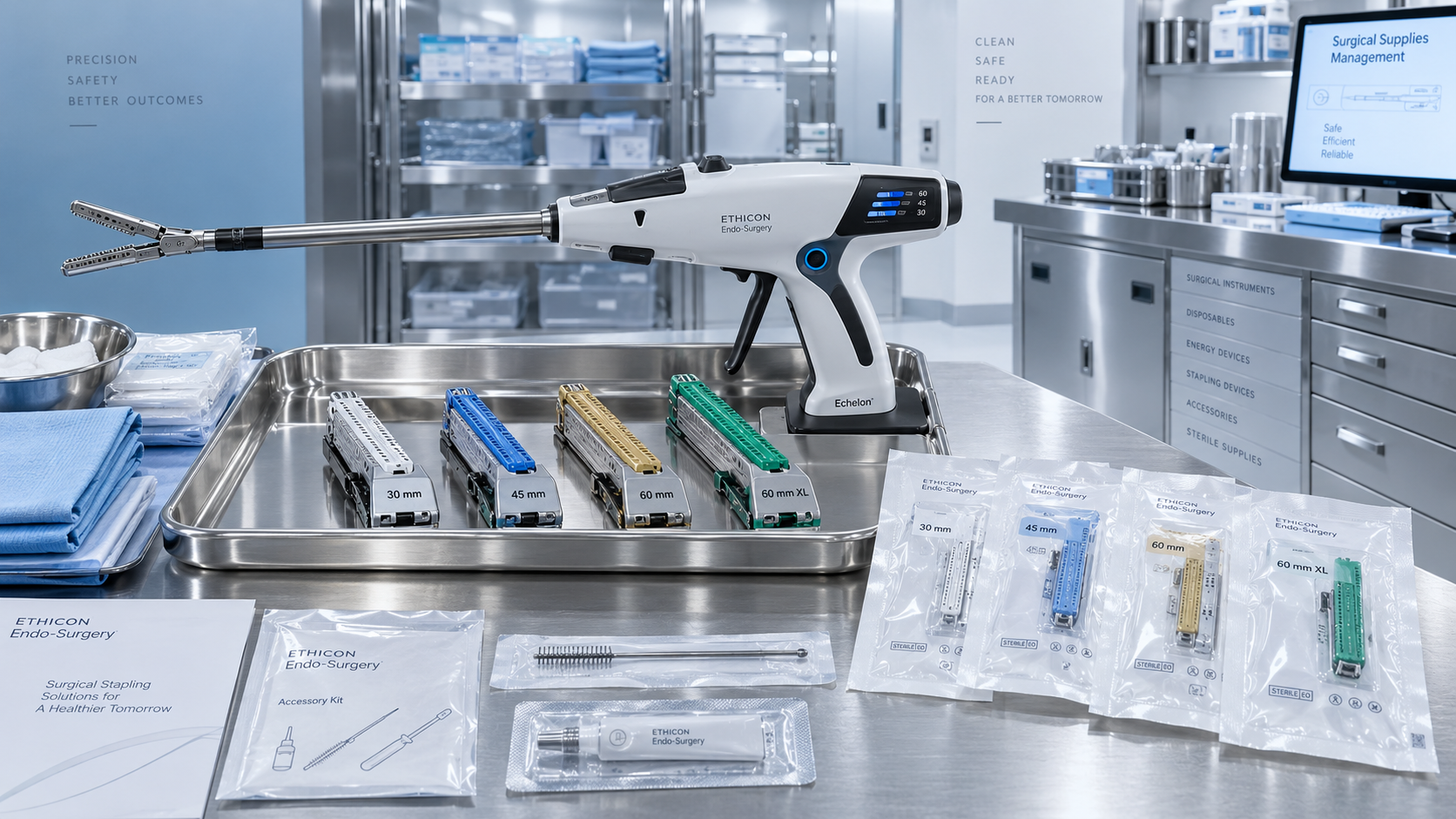
- Stapling materials: assess staple geometry, local compression injury, corrosion resistance, and tissue holding consistency.
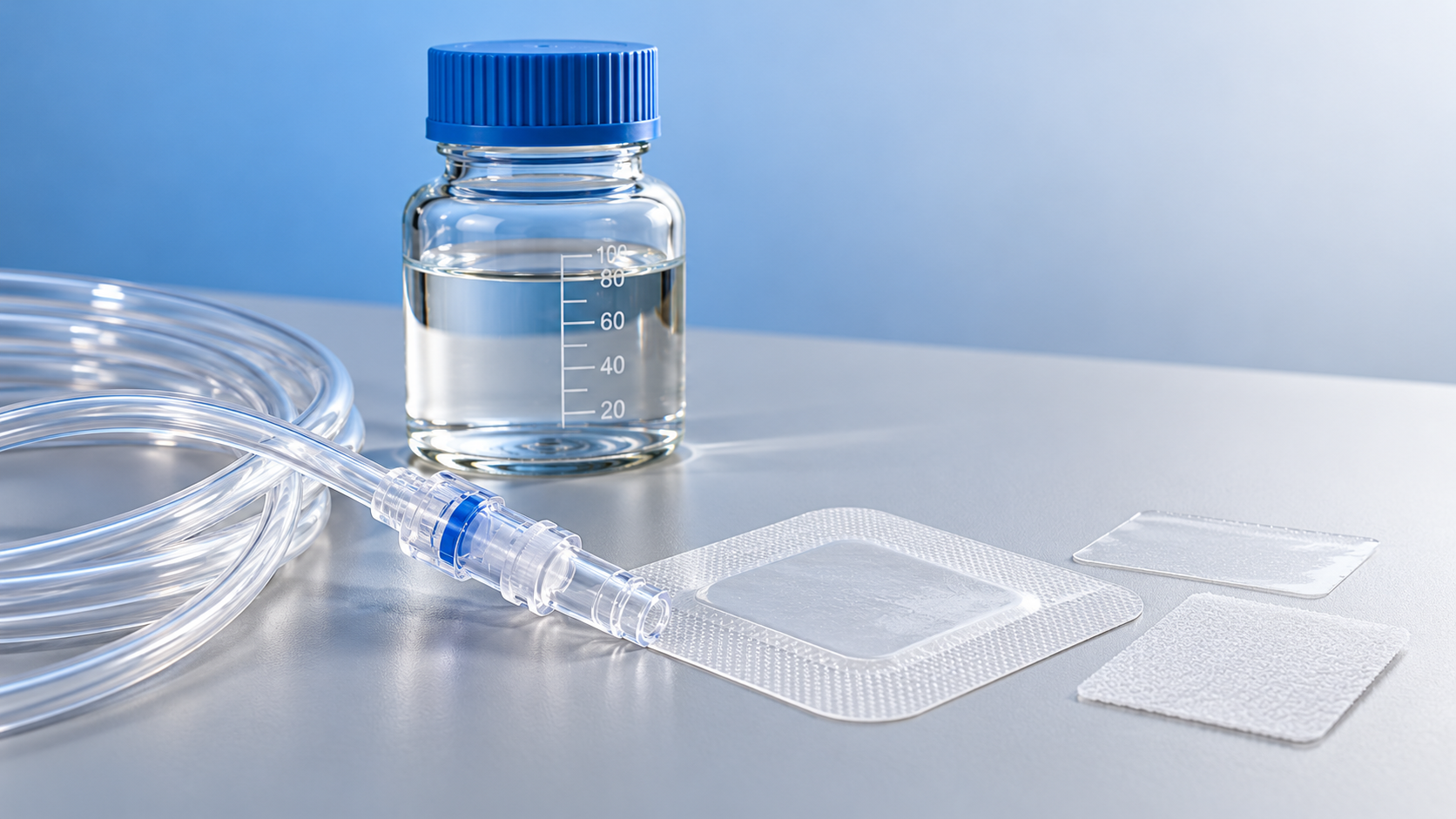
- Polymer catheters: compare lubricity retention, kink resistance, thrombus tendency, and extractable burden.
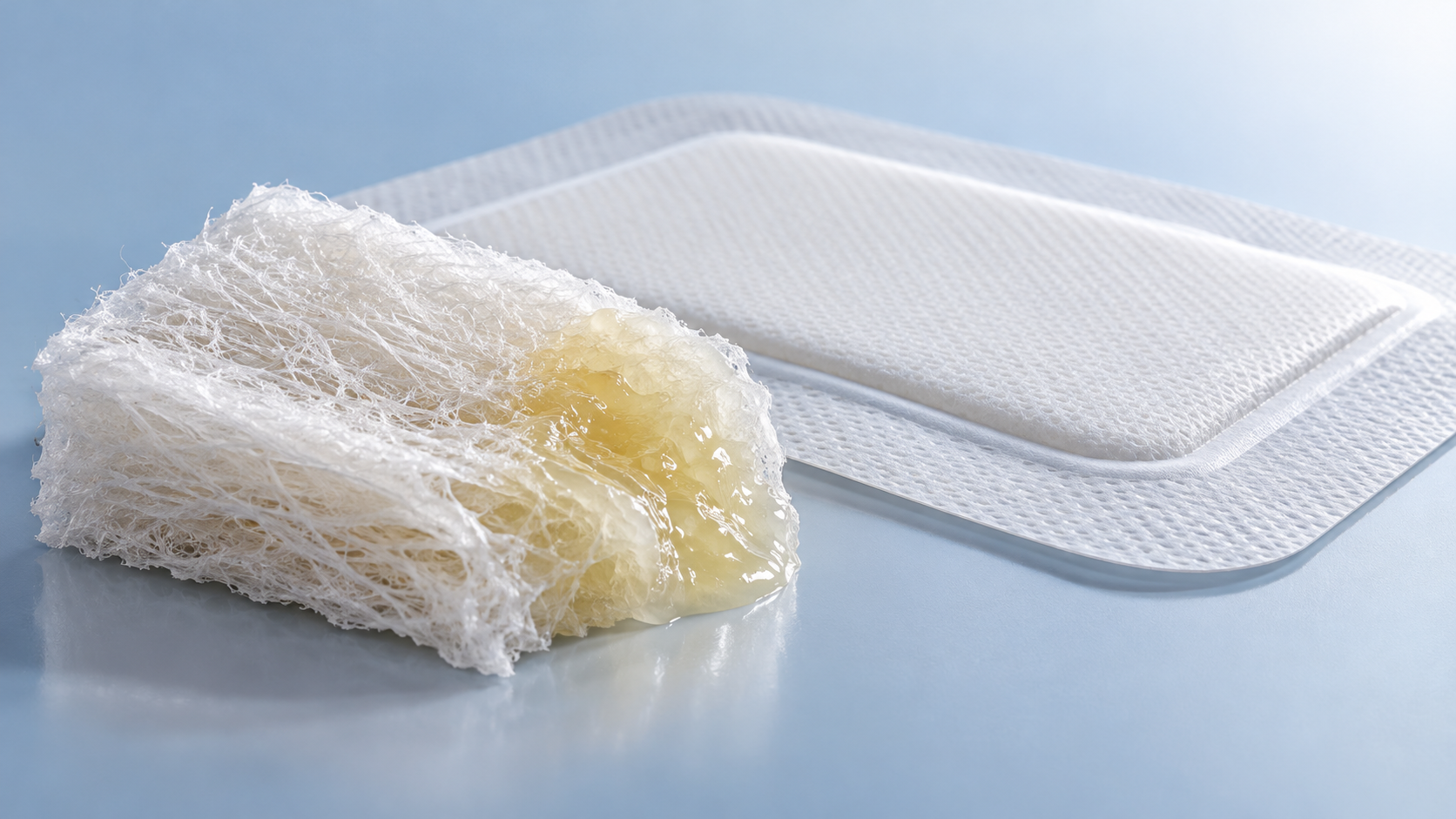
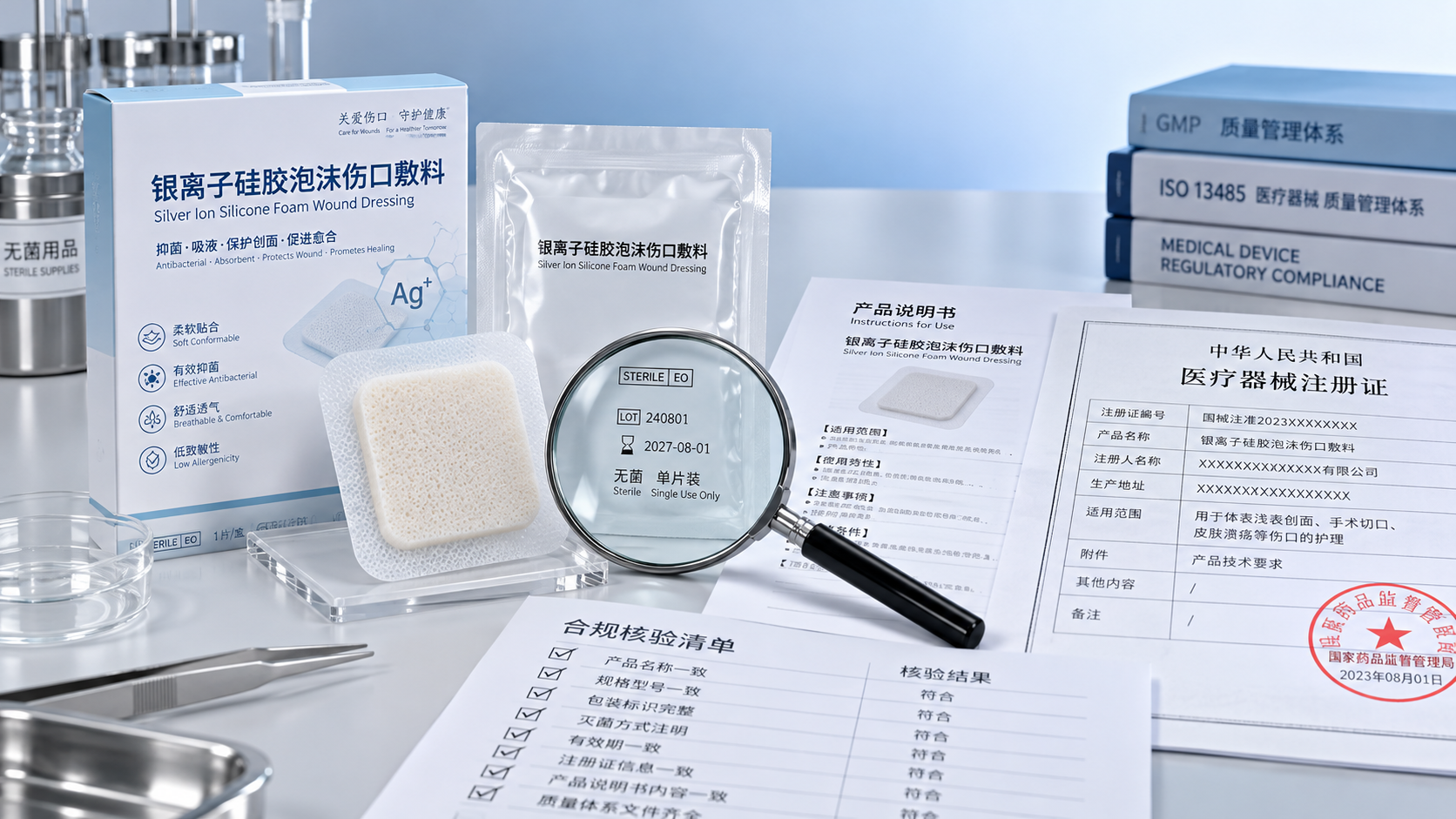
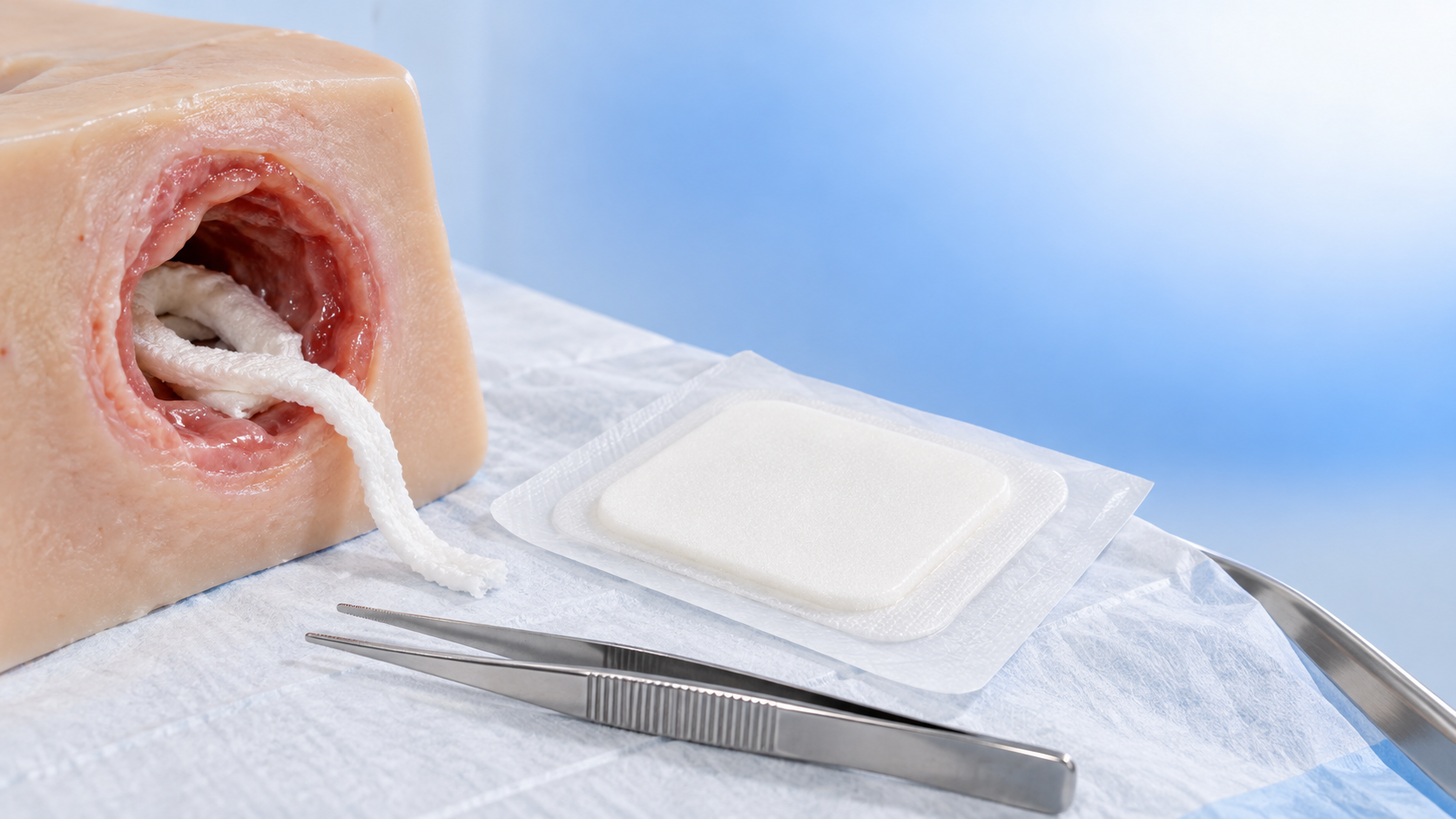
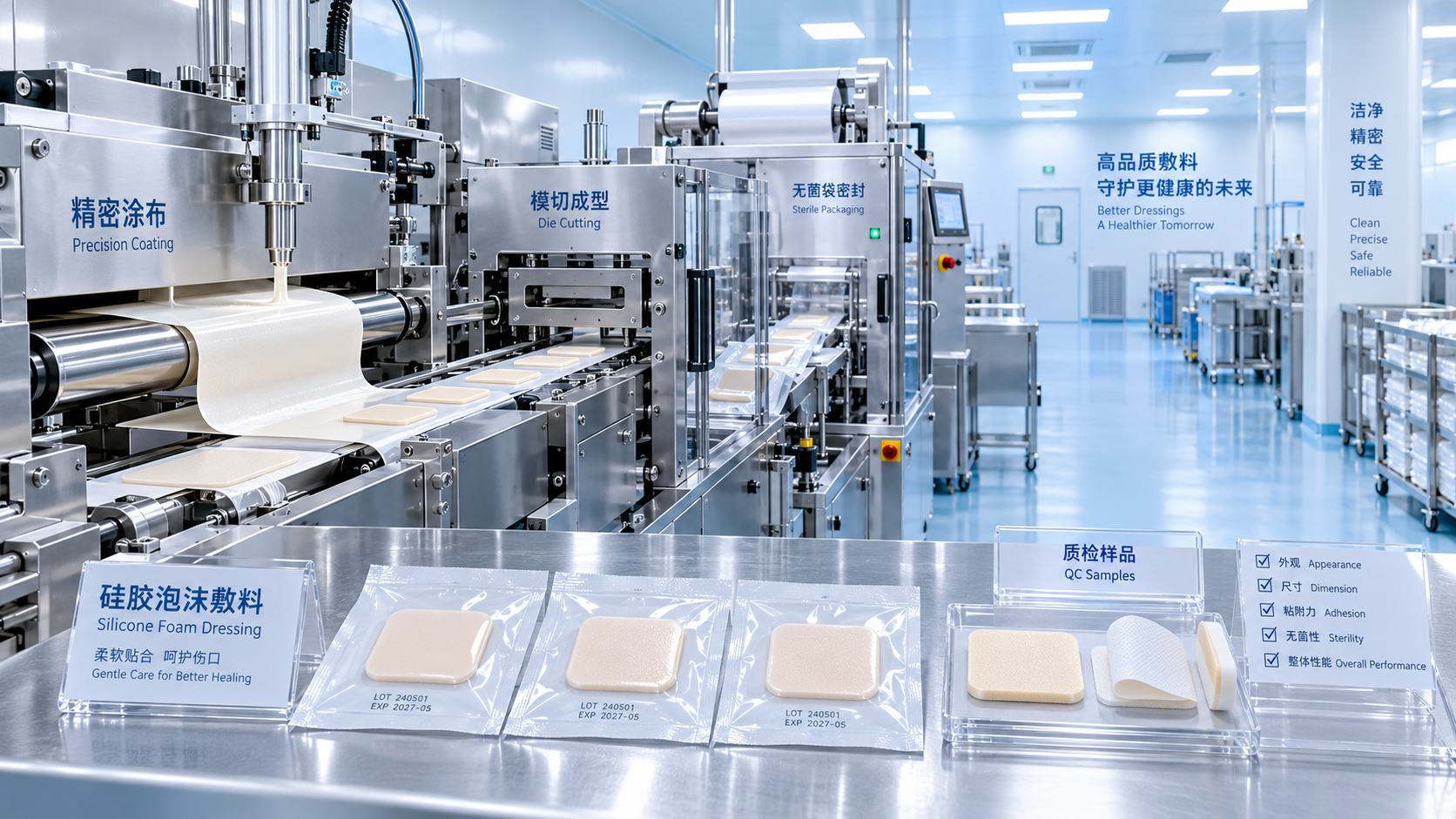
- Regenerative dressings: review moisture balance, antimicrobial compatibility, degradation profile, and cell-supportive behavior.
That context-driven comparison is often more valuable than broad claims about “advanced” implantable biomaterials.
How to read regulatory and clinical evidence
Regulatory files should be read as evidence maps, not as document checklists.
A complete submission may still contain weak links between bench data, biocompatibility rationale, and expected clinical performance.
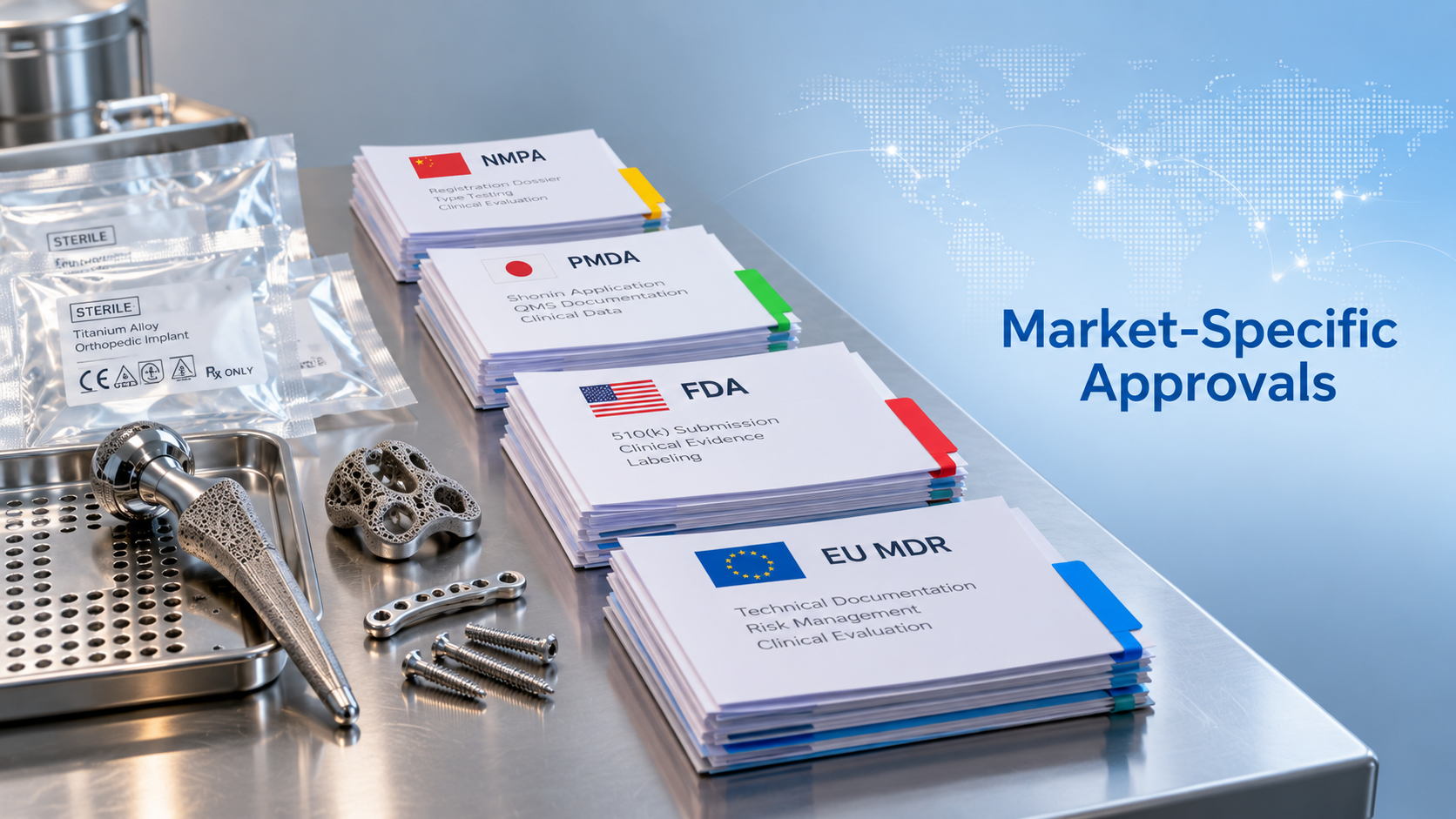
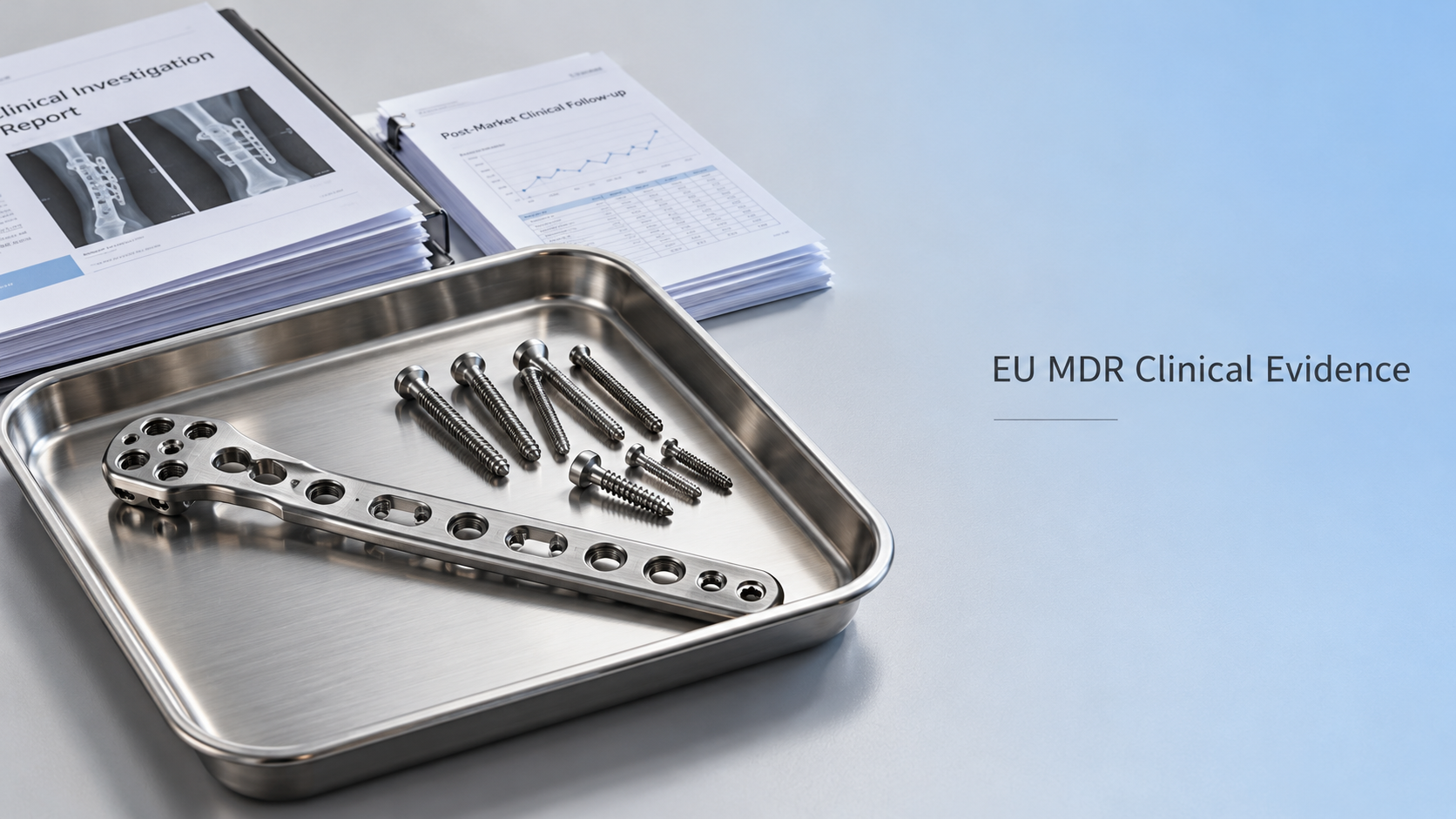
For high-risk devices, CE MDR expectations and similar Class III pathways increasingly demand stronger clinical justification.
That includes equivalence limits, post-market follow-up, and a realistic explanation of material-related risk controls.
Useful questions during review
- Was the tested sample truly representative of final manufacturing and sterilization?
- Do degradation products have toxicological justification at expected exposure levels?
- Is there long-term follow-up for the exact surface treatment or coating system used?
- Are adverse events linked to the material, the design, or the procedure?
- Does post-market evidence show stable performance across broader patient populations?
This level of reading aligns well with IMCS’s intelligence model, where toxicology, clinical logic, and reimbursement pressure are interpreted together.
Practical comparison signals that are often missed
Some of the most important differences between implantable biomaterials appear in details that are easy to underestimate.
Manufacturing history matters
Additive manufacturing, surface blasting, plasma treatment, drug loading, and cleanroom handling can change tissue response without changing the material name.
Sterilization can reshape risk
Ethylene oxide, gamma, e-beam, or steam may alter polymer chains, coating stability, or residual profiles.
Failure mode is more informative than average performance
A material with excellent mean data may still be the weaker option if its failure is abrupt, difficult to detect, or clinically severe.
Economic pressure can distort selection logic
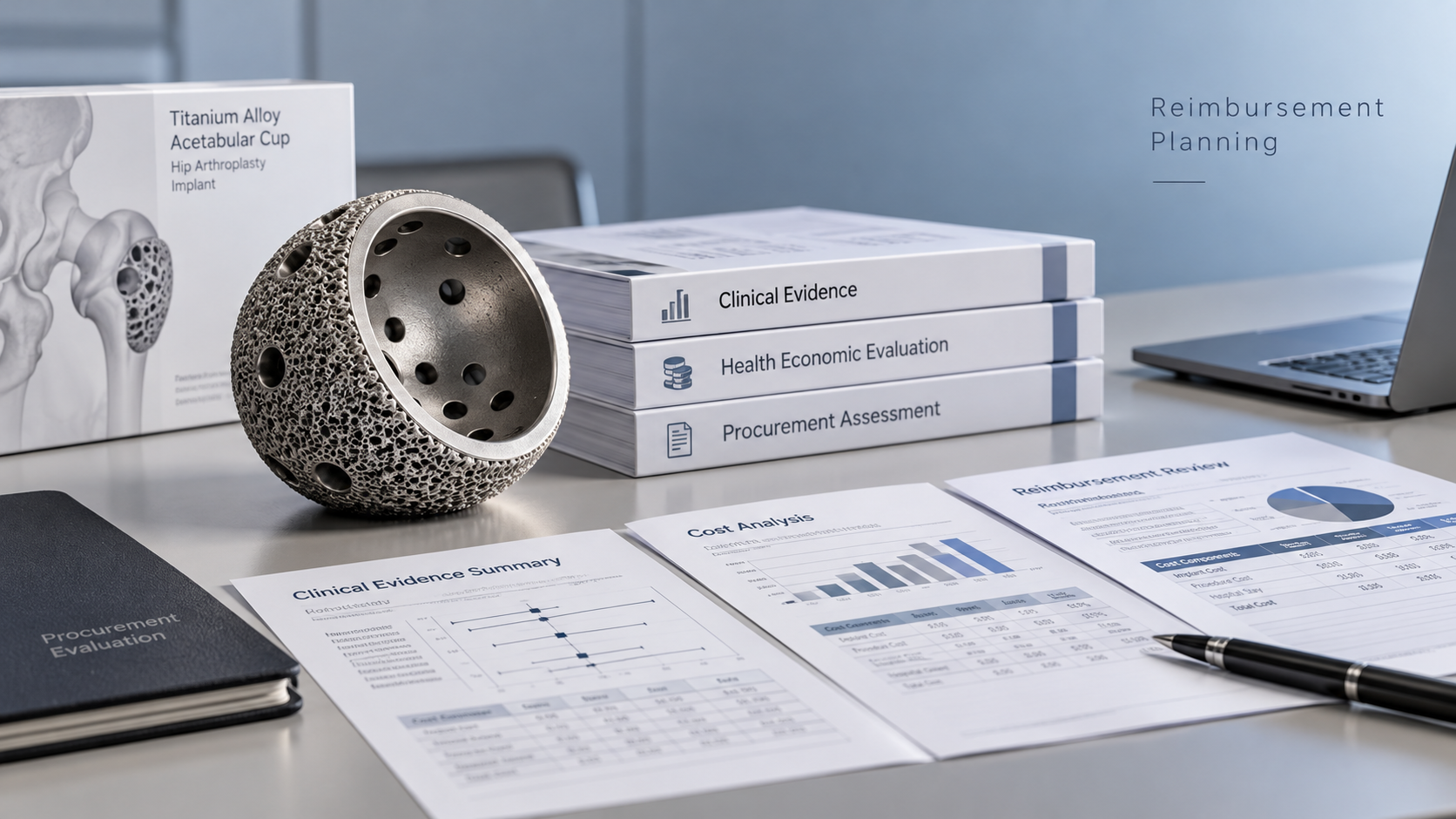
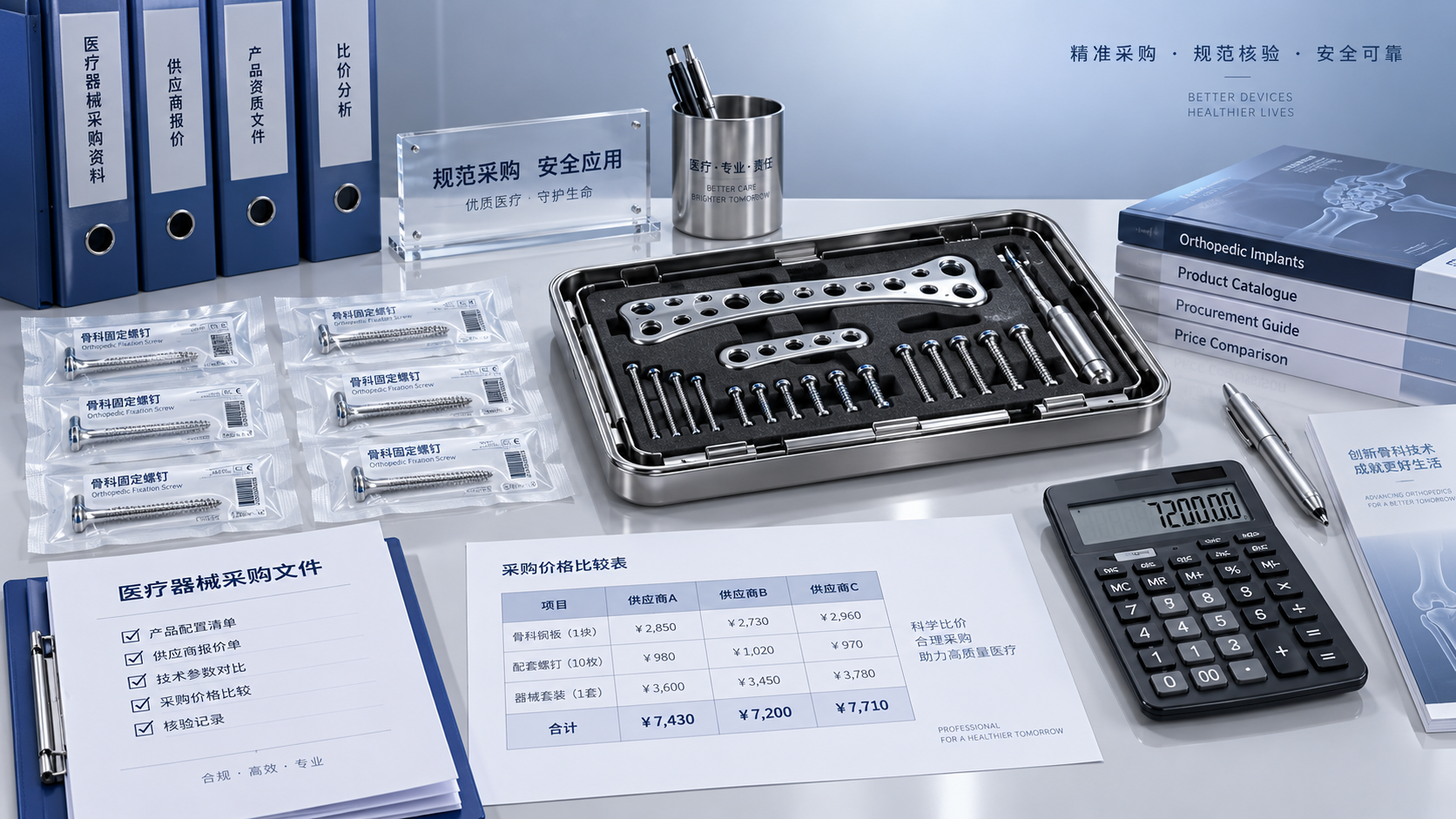
Under VBP and similar pricing environments, a lower-cost option may appear equivalent until deeper evidence gaps become visible.
A rigorous comparison protects both clinical outcomes and long-term product credibility.
A workable next step for better material decisions
The most reliable way to compare implantable biomaterials is to build a repeatable evaluation matrix around contact type, duration, tissue target, failure mode, and evidence strength.
Then test every candidate material against the same clinical questions, not just the same laboratory metrics.
In practice, that means combining biocompatibility data, surface analysis, degradation logic, manufacturing consistency, and post-market learning into one decision view.
For anyone tracking orthopedic, cardiovascular, minimally invasive, catheter, or regenerative applications, this creates a clearer path from material promise to real biological compatibility.
If the comparison still feels crowded, start by narrowing the question: which tissue is involved, how long is contact, what failure is least acceptable, and what proof actually supports the claim.
That is usually where better decisions begin.
Get weekly intelligence in your inbox.
No noise. No sponsored content. Pure intelligence.
News Recommendations
 Oct 26, 2026Can a single approval cover life science product sales worldwide?Can a single approval cover life science product sales worldwide?
 Oct 25, 2026When is sensitization testing needed for medical device biocompatibility?When is sensitization testing needed for medical device biocompatibility?
 Oct 24, 2026How is biocompatibility tested for implantable polymer biomaterials?How is biocompatibility tested for implantable polymer biomaterials?
 Oct 23, 2026How to build reimbursement into an implant commercialization strategyHow to build reimbursement into an implant commercialization strategy
 Oct 22, 2026What clinical evidence do implants need for CE marking under EU MDR?What clinical evidence do implants need for CE marking under EU MDR?
 Oct 21, 2026How to choose disposable laparoscopic stapler reloads for thick tissueHow to choose disposable laparoscopic stapler reloads for thick tissue
 Oct 20, 2026How to assess medical polymer biocompatibility under ISO 10993How to assess medical polymer biocompatibility under ISO 10993
 Oct 19, 2026How do interventional device categories differ in clinical use?How do interventional device categories differ in clinical use?
 Oct 18, 2026When to choose alginate dressings for heavily exuding chronic woundsWhen to choose alginate dressings for heavily exuding chronic wounds
 Oct 17, 2026How is biocompatibility tested for custom medical-grade PEEK implants?How is biocompatibility tested for custom medical-grade PEEK implants?
 Oct 16, 2026How to check a wound healing materials supplier’s biocompatibility dataHow to check a wound healing materials supplier’s biocompatibility data
 Oct 15, 2026How to verify the FDA clearance status of silver wound dressingsHow to verify the FDA clearance status of silver wound dressings
 Oct 14, 2026How to register orthopedic implants and instruments in Latin AmericaHow to register orthopedic implants and instruments in Latin America
 Oct 13, 2026How to use a device market intelligence database to benchmark VBP pricesHow to use a device market intelligence database to benchmark VBP prices
 Oct 12, 2026When should stainless steel orthopedic instruments be replaced?When should stainless steel orthopedic instruments be replaced?
 Oct 11, 2026When are alginate dressings rope the right choice for cavity wounds?When are alginate dressings rope the right choice for cavity wounds?
 Oct 10, 2026When smart minimally invasive technology improves catheter accessWhen smart minimally invasive technology improves catheter access
 Oct 08, 2026Clinical evaluation requirements for cardiovascular implant devices in EuropeClinical evaluation requirements for cardiovascular implant devices in Europe
 Oct 07, 2026What to verify before appointing an artificial joint implants distributorWhat to verify before appointing an artificial joint implants distributor
 Oct 06, 2026How ISO 10993 guides biocompatibility testing for medical materialsHow ISO 10993 guides biocompatibility testing for medical materials
 Oct 05, 2026How to verify an orthopedic implants and instruments exporterHow to verify an orthopedic implants and instruments exporter
 Oct 04, 2026What drives surgical stapling devices price differences in hospital tenders?What drives surgical stapling devices price differences in hospital tenders?
 Oct 03, 2026How to assess a central venous catheter manufacturer's infection-control evidenceHow to assess a central venous catheter manufacturer's infection-control evidence
 Oct 02, 2026How to assess an advanced wound care factory’s quality systemHow to assess an advanced wound care factory’s quality system
 Oct 01, 2026What is driving global medical consumables demand in emerging markets?What is driving global medical consumables demand in emerging markets?
 Sep 30, 2026Implant Material Compliance Testing: Evidence Needed for Regulatory SubmissionImplant Material Compliance Testing: Evidence Needed for Regulatory Submission
 Sep 30, 2026From Corrosion to Fatigue: What Implant Materials Testing Should MeasureFrom Corrosion to Fatigue: What Implant Materials Testing Should Measure