ISO 10993 Testing: Common Gaps That Delay Biocompatibility Approval
Why ISO 10993 testing still causes late-stage approval delays
ISO 10993 testing is rarely just a lab task.
For implants and medical consumables, it becomes a regulatory narrative about material risk, patient contact, and real clinical use.
That is why biocompatibility approval often slows down not because one test fails, but because the testing logic looks incomplete.
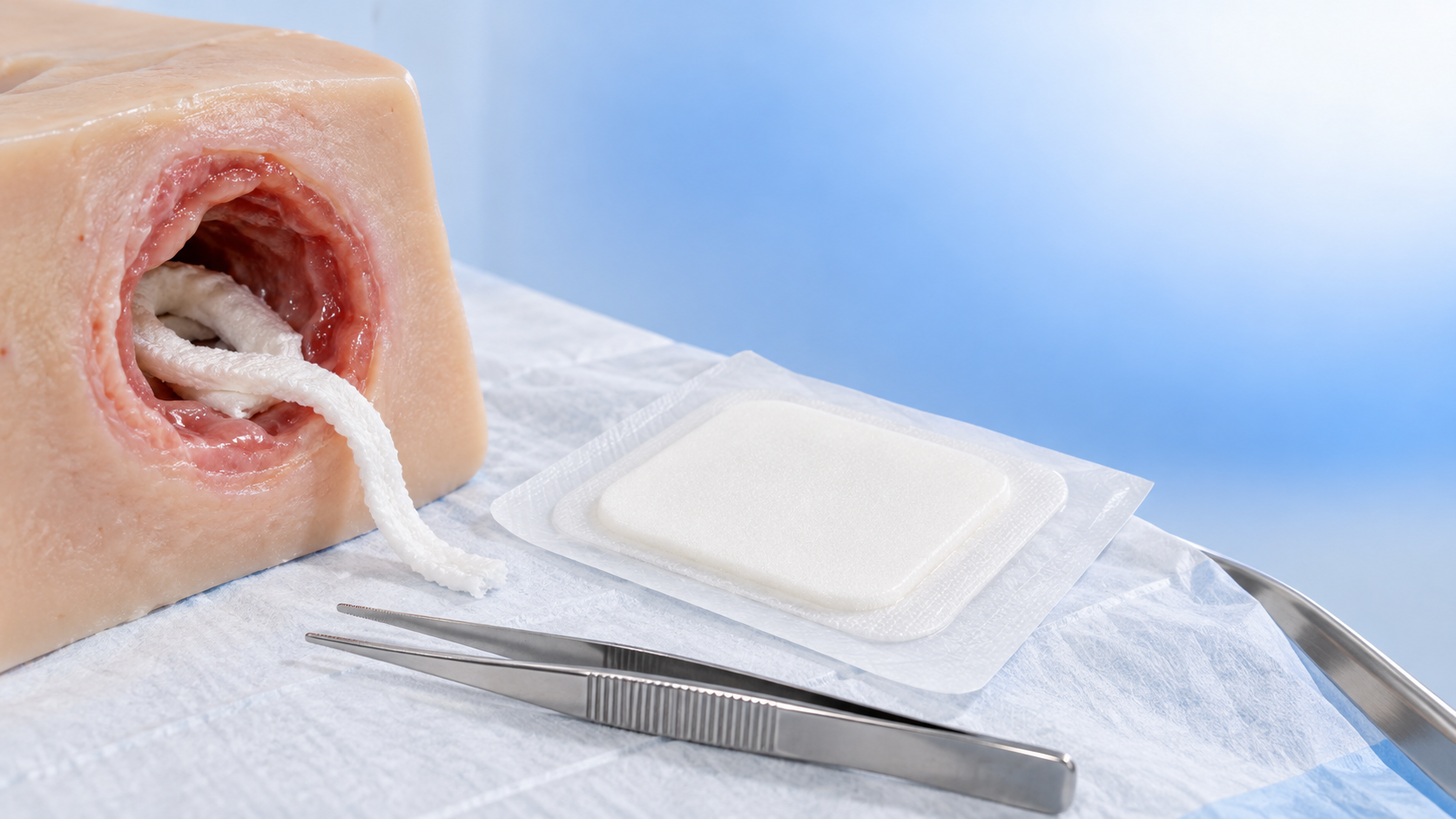
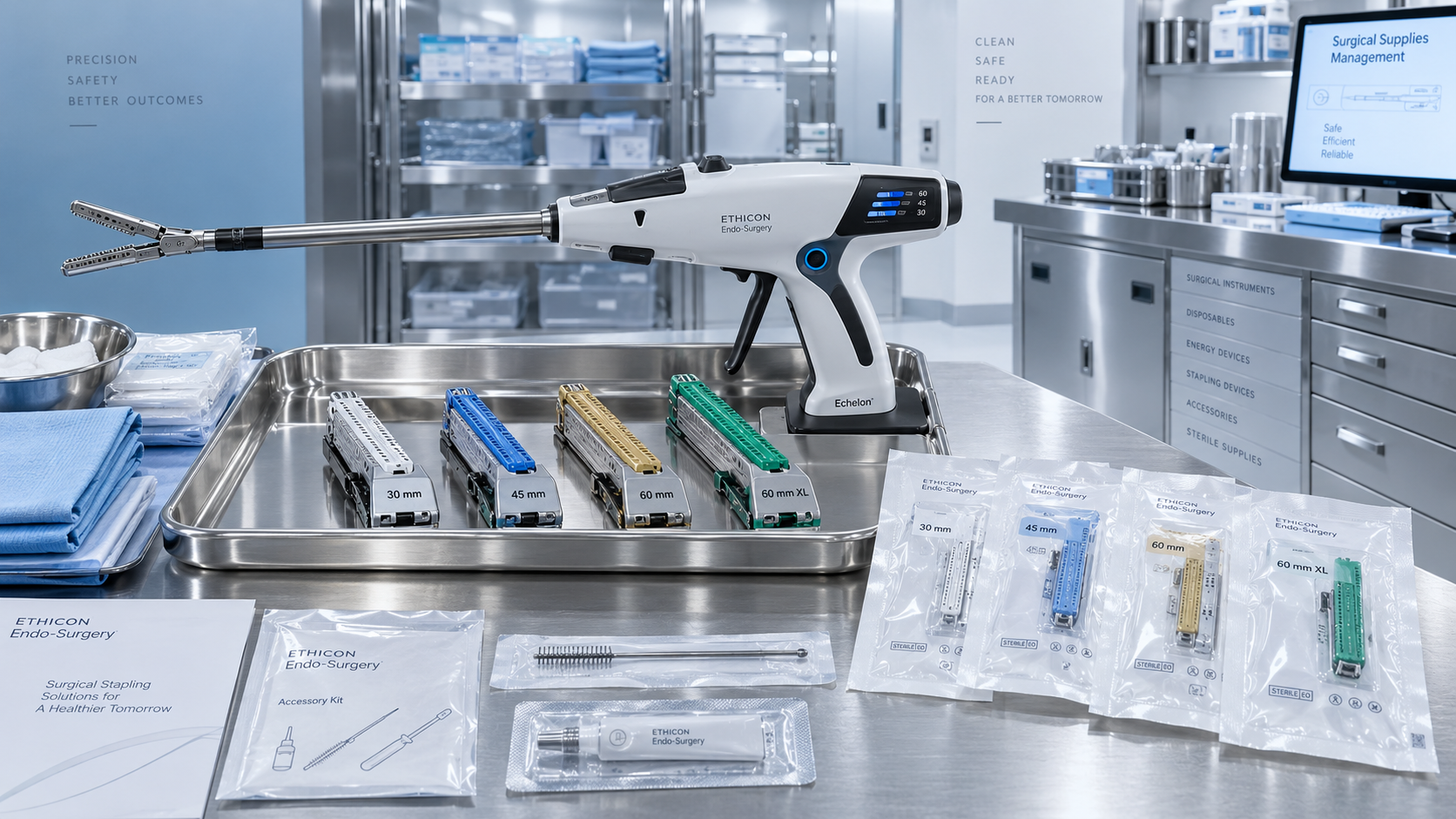
In orthopedic implants, cardiovascular devices, stapling systems, polymer catheters, and advanced wound care, the gap usually starts upstream.
Teams may finalize design controls, then treat ISO 10993 testing as a closing formality.
Regulators do not see it that way.
They expect biological evaluation to connect chemistry, processing, contact duration, toxicological risk, and labeling claims into one defensible package.
This is especially relevant for high-value consumables tracked by IMCS, where advanced materials and strict Class III requirements meet rising commercial pressure.
A delayed submission does not only affect timelines.
It can also reshape validation budgets, inventory plans, and market access windows.
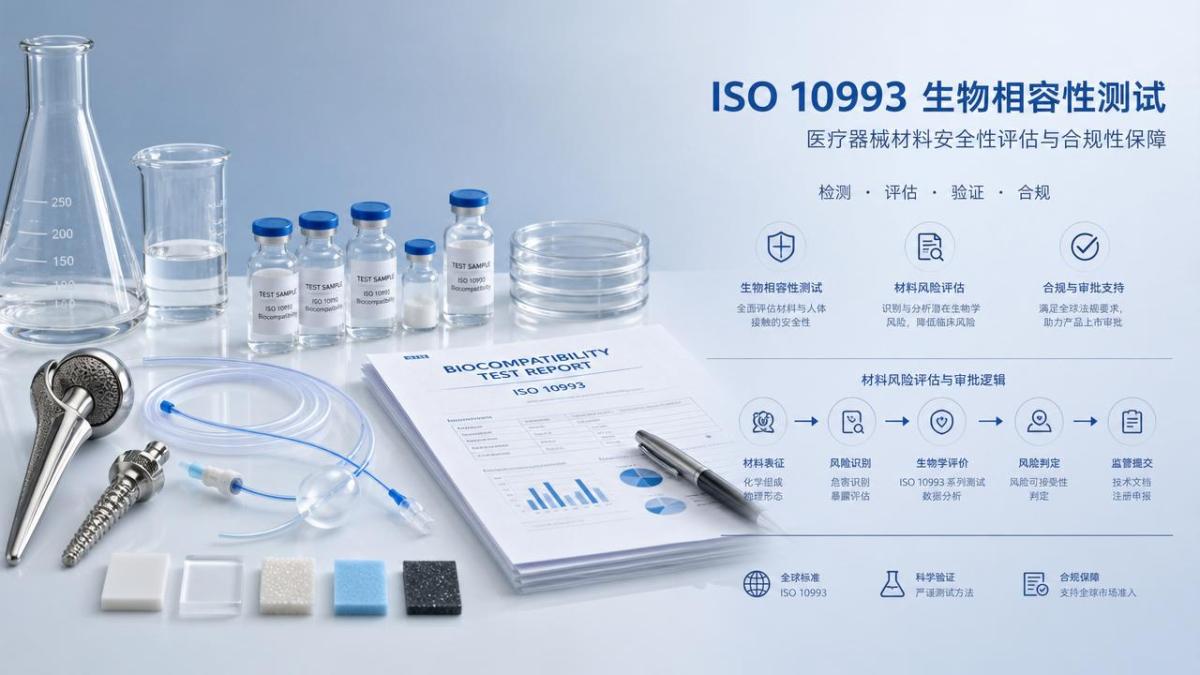
The most common delays are predictable when the review begins early enough.
What ISO 10993 testing actually covers
ISO 10993 testing is a framework for biological evaluation, not a single checklist of fixed assays.
The standard asks a more practical question.
Given the device materials, manufacturing residues, patient contact route, and duration, what evidence is needed to show acceptable biological safety?
That evidence may include chemical characterization, toxicological assessment, cytotoxicity, irritation, sensitization, systemic toxicity, hemocompatibility, implantation, or other endpoint-specific work.
The exact path depends on device context.
A drug-eluting stent, a spinal cage, a hydrophilic neuro catheter, and a silver foam dressing do not trigger identical concerns.
Still, the same principle applies.
ISO 10993 testing should be built from a risk-based biological evaluation plan, then supported by traceable data.
The gaps that most often create regulatory friction
Material characterization that stays too superficial
One of the most common weaknesses is assuming that a familiar base material is already understood.
A titanium alloy, PEEK component, polyurethane catheter, or silicone dressing substrate may be well known.
Yet coatings, colorants, additives, lubricants, sterilization effects, and supplier changes can alter the biological profile.
If the file does not clearly distinguish raw material identity from finished device chemistry, ISO 10993 testing often appears under-justified.
Extractables and leachables designed without clinical realism
Extraction studies often fail not because they were absent, but because they were poorly aligned with the product’s use conditions.
Overly generic solvents, contact times, or temperatures can produce data with limited toxicological value.
For blood-contacting catheters or long-term implants, regulators expect a stronger rationale for how extraction reflects patient exposure.
This is where ISO 10993 testing often shifts from laboratory execution to scientific judgment.
Endpoint selection copied from old programs
Legacy matrices are useful, but they can become a trap.
A team may repeat prior test panels even after changing contact duration, sterilization mode, manufacturing chemistry, or anatomical site.
Then the reviewer sees a mismatch between device risk and chosen endpoints.
That usually leads to questions, extra testing, or a rewritten biological evaluation report.
Documentation that does not connect the evidence
Even solid data can lose value when the file reads like disconnected attachments.
Regulators want to see why each test was selected, what was waived, how equivalence was justified, and whether residual risk remains acceptable.
In practice, many delays come from documentation gaps rather than experimental failure.
Where the risks differ across device categories
The same ISO 10993 testing framework behaves differently across product families.
That is why cross-category assumptions can be expensive.
This variation matters because approval delays usually appear at the boundaries between material science and intended use.
IMCS follows these boundaries closely because they influence both compliance and commercial timing.
How to read ISO 10993 testing more strategically
A useful approach is to stop asking which tests are required first.
Instead, ask which uncertainty could still block a biological safety conclusion.
That shift changes the quality of the whole program.
- Map every patient-contacting material, including inks, coatings, adhesives, and processing aids.
- Confirm that sterilization, shelf life, and packaging interactions are reflected in the evaluation scope.
- Align extraction design with realistic exposure pathways, not only with internal precedent.
- Use toxicological risk assessment to support test selection, reduction, or omission.
- Write the biological evaluation report as an argument, not a document archive.
This is often the difference between a review that moves forward and one that returns with layered deficiency questions.
What approval-ready evidence usually looks like
Approval-ready ISO 10993 testing is not necessarily the broadest testing package.
It is the package with the clearest logic.
That means each study supports a defined risk question, and every waiver has scientific support.
Chemical characterization should explain what could migrate from the finished device.
Toxicology should explain why the observed compounds are acceptable, uncertain, or unacceptable.
Bench, process, and clinical context should explain whether the exposure estimate makes sense.
When these pieces are integrated, ISO 10993 testing becomes more than a compliance hurdle.
It becomes an early warning system for design, supplier, and manufacturing decisions.
A practical next step before the next submission milestone
Before scheduling another round of ISO 10993 testing, it helps to review the file from a reviewer’s perspective.
Look for the hidden gaps between material disclosure, extraction logic, endpoint rationale, and report coherence.
For complex consumables, especially those covered by IMCS across implants, interventional systems, catheters, and wound care, that early review can prevent months of avoidable delay.
The most useful next move is usually simple.
Rebuild the biological evaluation around actual patient exposure, then test and document against that logic.
When ISO 10993 testing is framed that way, approval becomes less about reacting to objections and more about controlling risk before it reaches the submission stage.
Get weekly intelligence in your inbox.
No noise. No sponsored content. Pure intelligence.
News Recommendations
 Oct 26, 2026Can a single approval cover life science product sales worldwide?Can a single approval cover life science product sales worldwide?
 Oct 25, 2026When is sensitization testing needed for medical device biocompatibility?When is sensitization testing needed for medical device biocompatibility?
 Oct 24, 2026How is biocompatibility tested for implantable polymer biomaterials?How is biocompatibility tested for implantable polymer biomaterials?
 Oct 23, 2026How to build reimbursement into an implant commercialization strategyHow to build reimbursement into an implant commercialization strategy
 Oct 22, 2026What clinical evidence do implants need for CE marking under EU MDR?What clinical evidence do implants need for CE marking under EU MDR?
 Oct 21, 2026How to choose disposable laparoscopic stapler reloads for thick tissueHow to choose disposable laparoscopic stapler reloads for thick tissue
 Oct 20, 2026How to assess medical polymer biocompatibility under ISO 10993How to assess medical polymer biocompatibility under ISO 10993
 Oct 19, 2026How do interventional device categories differ in clinical use?How do interventional device categories differ in clinical use?
 Oct 18, 2026When to choose alginate dressings for heavily exuding chronic woundsWhen to choose alginate dressings for heavily exuding chronic wounds
 Oct 17, 2026How is biocompatibility tested for custom medical-grade PEEK implants?How is biocompatibility tested for custom medical-grade PEEK implants?
 Oct 16, 2026How to check a wound healing materials supplier’s biocompatibility dataHow to check a wound healing materials supplier’s biocompatibility data
 Oct 15, 2026How to verify the FDA clearance status of silver wound dressingsHow to verify the FDA clearance status of silver wound dressings
 Oct 14, 2026How to register orthopedic implants and instruments in Latin AmericaHow to register orthopedic implants and instruments in Latin America
 Oct 13, 2026How to use a device market intelligence database to benchmark VBP pricesHow to use a device market intelligence database to benchmark VBP prices
 Oct 12, 2026When should stainless steel orthopedic instruments be replaced?When should stainless steel orthopedic instruments be replaced?
 Oct 11, 2026When are alginate dressings rope the right choice for cavity wounds?When are alginate dressings rope the right choice for cavity wounds?
 Oct 10, 2026When smart minimally invasive technology improves catheter accessWhen smart minimally invasive technology improves catheter access
 Oct 08, 2026Clinical evaluation requirements for cardiovascular implant devices in EuropeClinical evaluation requirements for cardiovascular implant devices in Europe
 Oct 07, 2026What to verify before appointing an artificial joint implants distributorWhat to verify before appointing an artificial joint implants distributor
 Oct 06, 2026How ISO 10993 guides biocompatibility testing for medical materialsHow ISO 10993 guides biocompatibility testing for medical materials
 Oct 05, 2026How to verify an orthopedic implants and instruments exporterHow to verify an orthopedic implants and instruments exporter
 Oct 04, 2026What drives surgical stapling devices price differences in hospital tenders?What drives surgical stapling devices price differences in hospital tenders?
 Oct 03, 2026How to assess a central venous catheter manufacturer's infection-control evidenceHow to assess a central venous catheter manufacturer's infection-control evidence
 Oct 02, 2026How to assess an advanced wound care factory’s quality systemHow to assess an advanced wound care factory’s quality system
 Oct 01, 2026What is driving global medical consumables demand in emerging markets?What is driving global medical consumables demand in emerging markets?
 Sep 30, 2026Implant Material Compliance Testing: Evidence Needed for Regulatory SubmissionImplant Material Compliance Testing: Evidence Needed for Regulatory Submission
 Sep 30, 2026From Corrosion to Fatigue: What Implant Materials Testing Should MeasureFrom Corrosion to Fatigue: What Implant Materials Testing Should Measure