ISO 10993 Testing: Key Risks Before Market Access
ISO 10993 Testing: Key Risks Before Market Access

For quality and safety teams, ISO 10993 testing is more than a regulatory checkbox.
It is a risk-control gateway before medical devices reach patients, clinics, and global markets.
From implants and catheters to wound care materials, incomplete biological evaluation can delay approvals and trigger redesign costs.
A weak strategy may also create post-market safety concerns, especially for long-contact or implanted devices.
This article explains key risks behind ISO 10993 testing and practical controls before market access.
Core Meaning of ISO 10993 Testing
ISO 10993 testing supports the biological evaluation of medical devices in contact with the human body.
It does not simply mean ordering a fixed set of laboratory tests.
The standard expects a risk-based biological evaluation plan, supported by material data, contact type, and exposure duration.
For Class III implants, ISO 10993 testing often becomes a central part of technical documentation.
For consumables, it helps confirm that polymers, coatings, adhesives, and sterilization residues remain biologically acceptable.
Common endpoints include cytotoxicity, sensitization, irritation, systemic toxicity, genotoxicity, implantation, and hemocompatibility.
The exact scope depends on device category, patient contact, intended use, and existing evidence.
Current Industry Signals Before Submission
Global scrutiny around biological safety has increased across orthopedic, cardiovascular, surgical, catheter, and wound care segments.
Regulators now expect stronger links between material choices, chemical characterization, toxicological assessment, and clinical risk.
These signals show why ISO 10993 testing should begin during design input, not after validation is complete.
Early planning protects both regulatory timelines and patient-facing product reliability.
Risk One: Misclassified Contact and Duration
The first major risk is incorrect biological categorization.
ISO 10993 testing depends heavily on whether a device contacts skin, blood, tissue, bone, or circulating fluids.
Duration also matters, including limited, prolonged, or permanent exposure.
A catheter used for short infusion needs a different approach from a permanent orthopedic implant.
A wound dressing for damaged skin differs from one used only on intact skin.
If contact is underestimated, ISO 10993 testing may miss endpoints required by reviewers.
If contact is overestimated, unnecessary tests may consume budget and extend development time.
Risk Two: Weak Material and Supplier Control
Material control is a frequent source of biological evaluation failure.
ISO 10993 testing cannot compensate for unclear material identity, unstable additives, or undocumented supplier changes.
For titanium implants, surface treatment and residual blasting media may influence biological response.
For PEEK components, pigments, fillers, and processing aids require careful review.
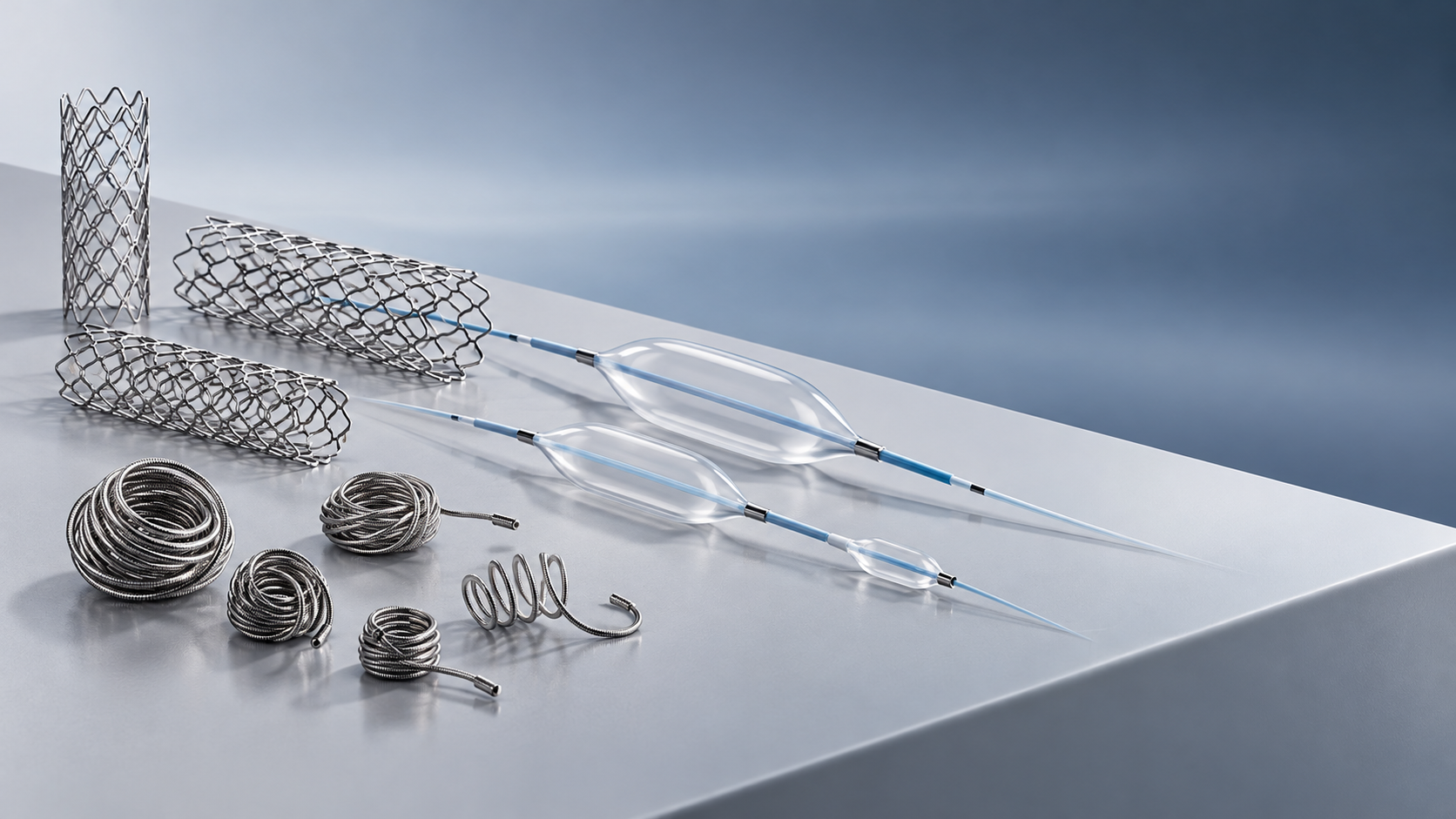
For polymer catheters, plasticizers, lubricious coatings, and radiopaque agents may become extractable risks.
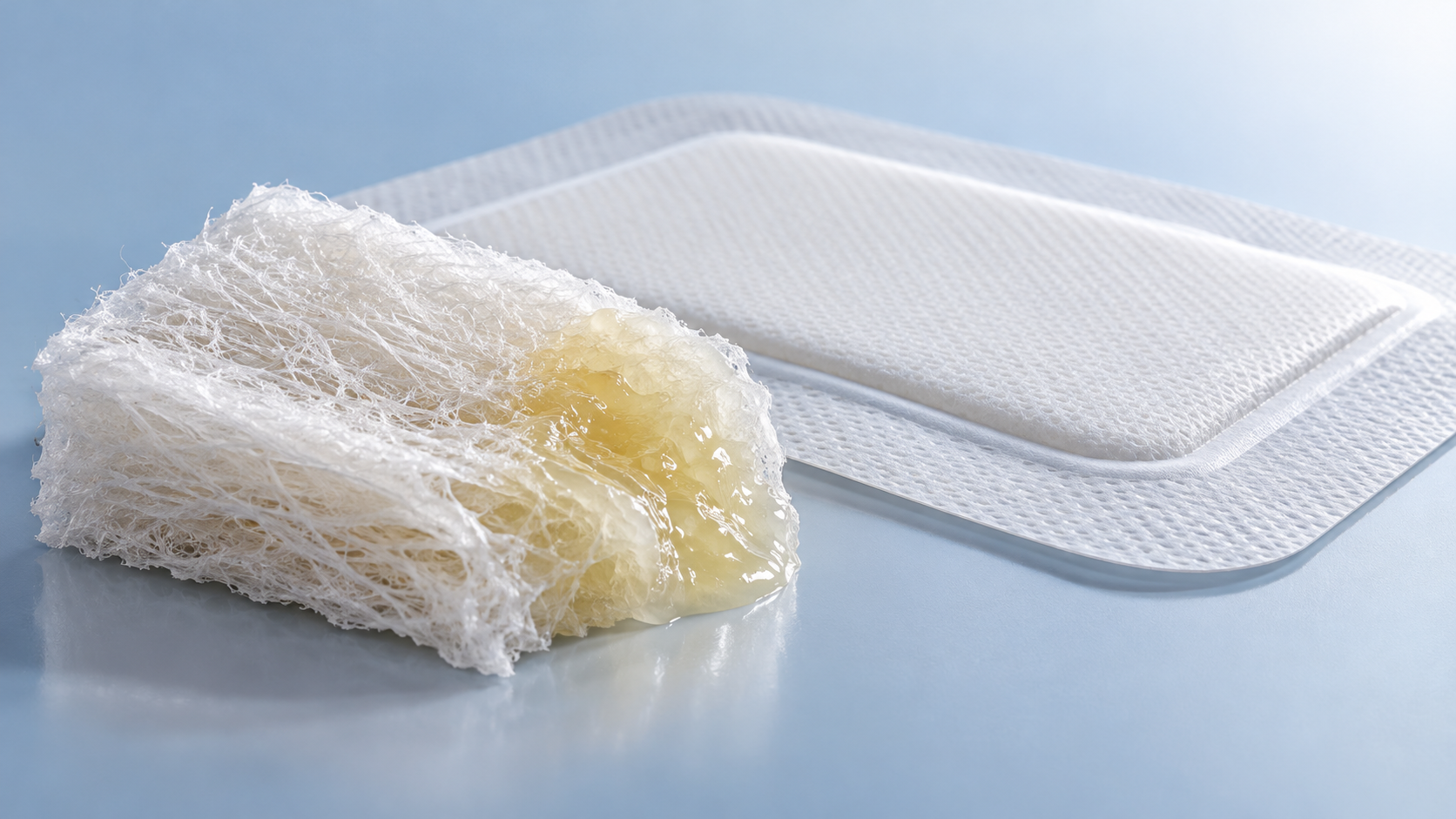
For advanced dressings, silver, silicone, alginate, and adhesive systems need compatibility evidence.
A robust ISO 10993 testing plan therefore starts with a complete bill of materials.
It should include material grades, supplier specifications, processing records, and change-control triggers.
Risk Three: Ignoring Processing and Sterilization Residues
Biocompatibility is not determined by raw material alone.
Machining fluids, cleaning agents, adhesives, mold release agents, and sterilization residues may affect ISO 10993 testing outcomes.
Ethylene oxide sterilization can leave residues requiring separate control and justification.
Gamma or electron-beam sterilization may alter polymer chemistry, generating degradation products.
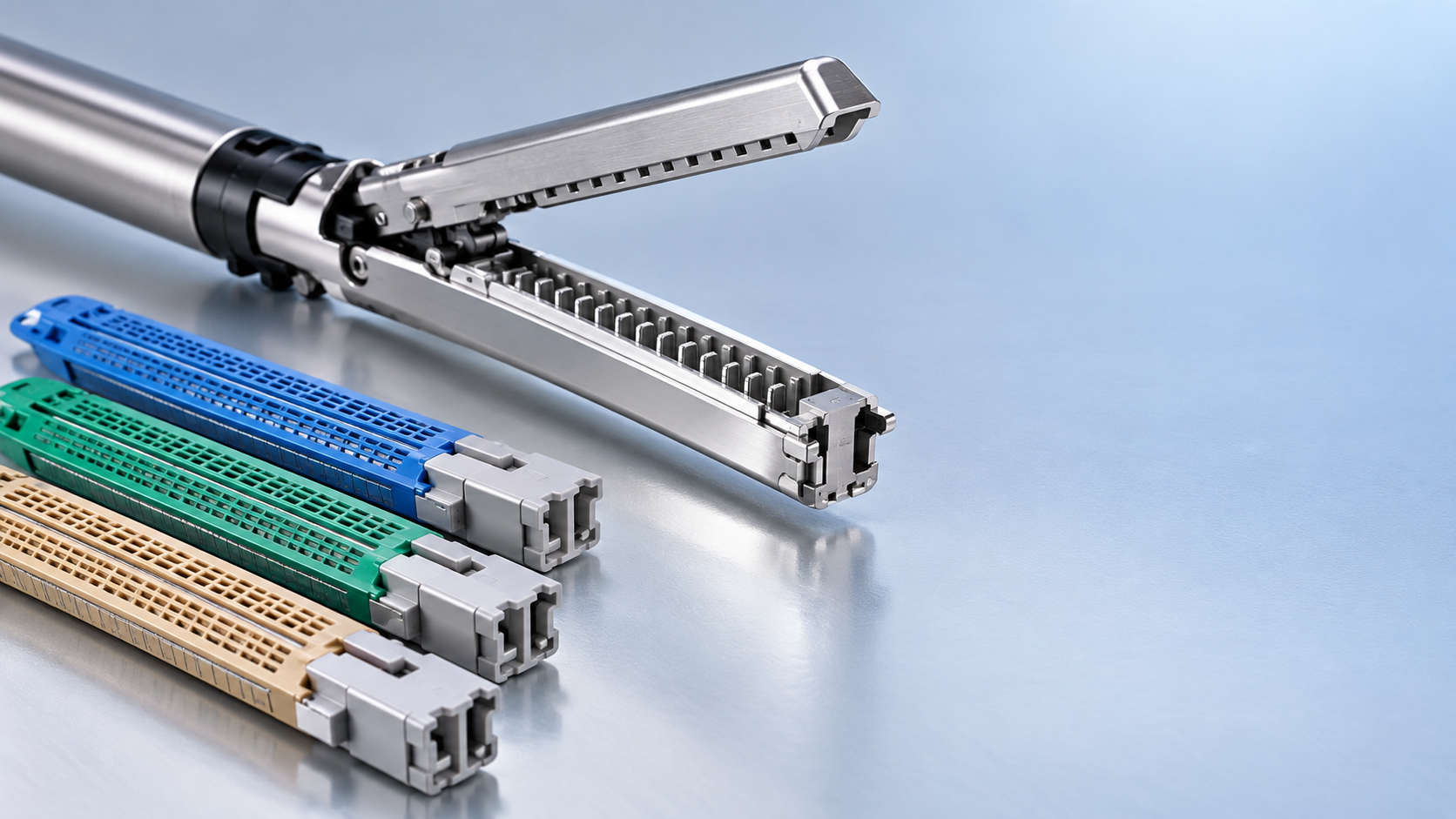
High-precision implants and minimally invasive staplers may also carry cleaning validation concerns.
The tested sample must represent the final finished device.
If samples are not final, ISO 10993 testing results may be challenged during review.
Risk Four: Insufficient Chemical Characterization
Chemical characterization has become a central expectation in biological safety assessment.
ISO 10993 testing increasingly relies on extractables and leachables data to identify toxicological hazards.
This is especially important for long-term implants, blood-contacting devices, and absorbable materials.
Testing conditions must reflect clinically relevant and exaggerated extraction scenarios.
Poor solvent selection or incomplete analytical methods may miss important compounds.
A toxicological risk assessment should explain exposure limits, uncertainty factors, and patient safety margins.
Without this link, ISO 10993 testing can appear fragmented rather than risk-based.
Typical Device Scenarios and Evaluation Focus
Different device families require different biological safety priorities.
The following overview summarizes common focus areas for ISO 10993 testing.
This classification helps align ISO 10993 testing with real clinical exposure and review expectations.
Business Value of Early Biological Evaluation
Early ISO 10993 testing strategy creates value beyond compliance.
It helps select safer materials before tooling, scale-up, and clinical evidence planning.
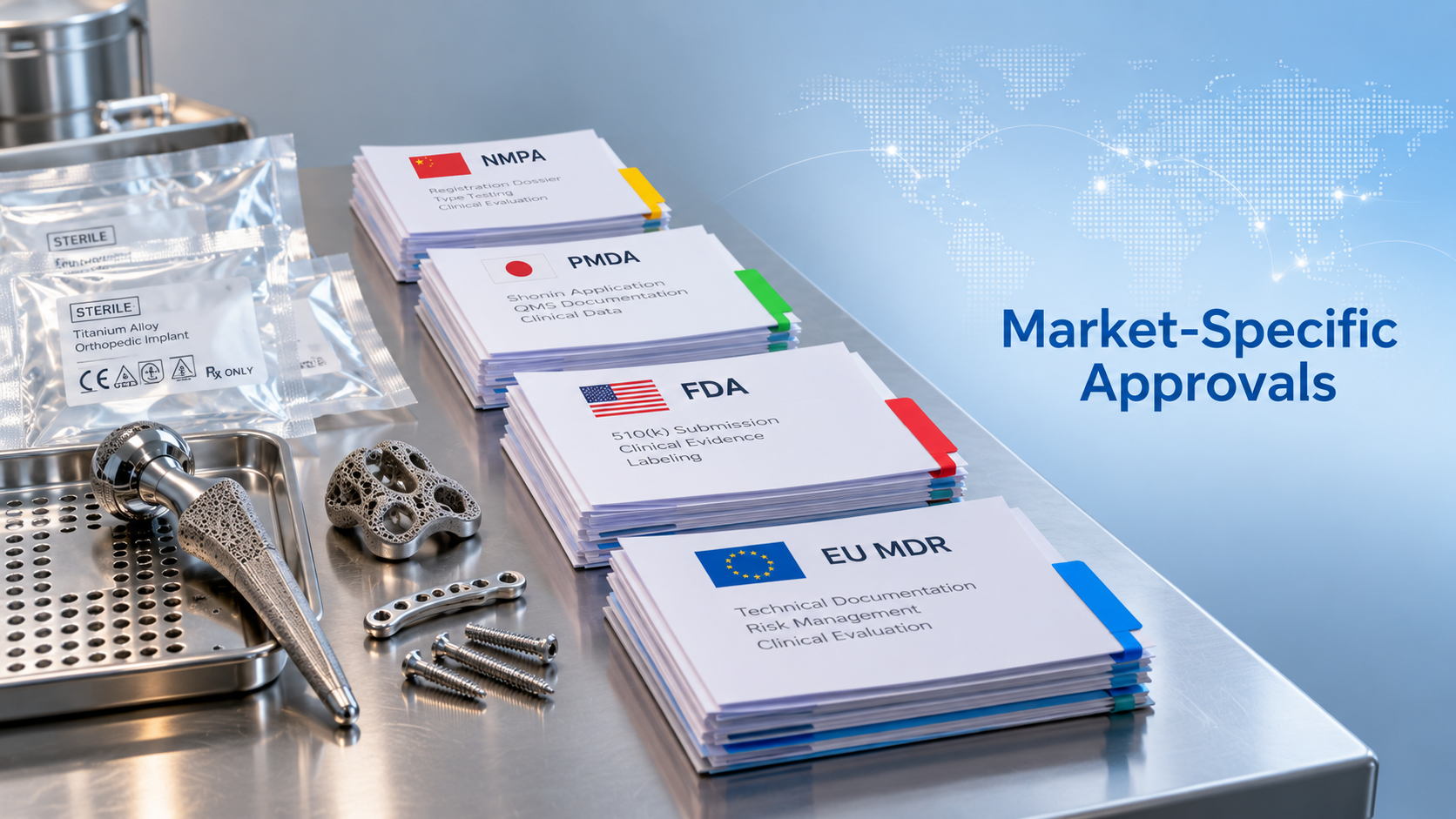
It also reduces uncertainty in regulatory submissions across the United States, Europe, and other markets.
For high-value consumables, delays may affect hospital tenders, procurement cycles, and product launch windows.
For implant systems, a late biological safety gap can force design changes and additional validation.
Well-planned ISO 10993 testing strengthens technical files, clinical evaluation, and post-market risk management.
It also supports clearer communication between R&D, toxicology, quality, and regulatory functions.
Practical Controls Before Market Access
A practical approach should combine documentation review, laboratory evidence, and expert toxicological judgment.
The following controls reduce common failure points in ISO 10993 testing.
- Define body contact category before selecting endpoints.
- Confirm final finished device samples before laboratory submission.
- Map all materials, additives, coatings, and processing chemicals.
- Use chemical characterization to support toxicological risk assessment.
- Justify any omitted endpoint with documented scientific reasoning.
- Connect ISO 10993 testing evidence with risk management files.
- Review supplier changes for biological safety impact.
Equivalence should be used carefully and only when materials, processing, geometry, and contact conditions are truly comparable.
A previous passing result does not automatically cover a new formulation or sterilization method.
Common Documentation Gaps to Avoid
Many submission issues arise from incomplete rationale rather than failed laboratory results.
ISO 10993 testing must be explained as part of a coherent biological evaluation report.
- Missing device configuration details for tested samples.
- Unclear extraction ratios, conditions, or acceptance criteria.
- No toxicological interpretation of identified chemicals.
- No link between biological risks and ISO 14971 risk controls.
- Outdated test reports that do not reflect current design.
- Weak justification for relying on literature or predicate evidence.
A strong report shows why the selected ISO 10993 testing program is sufficient for the device.
It should also explain residual risks and monitoring plans after market entry.
Strategic Next Steps for Safer Access
Before submission, build a biological evaluation roadmap from intended use to final device evidence.
Start with contact classification, material review, processing assessment, and endpoint gap analysis.
Then align ISO 10993 testing with chemical characterization, toxicology, sterilization validation, and clinical risk assumptions.
For complex implants and high-end consumables, independent review can identify weaknesses before regulators do.
IMCS tracks biological safety, regulatory logic, and material risks across global medical consumable sectors.
Its intelligence perspective supports safer material choices, stronger technical files, and more predictable market access planning.
A disciplined ISO 10993 testing strategy protects patients, reduces approval uncertainty, and strengthens long-term product credibility.
Get weekly intelligence in your inbox.
No noise. No sponsored content. Pure intelligence.
News Recommendations
 Oct 26, 2026Can a single approval cover life science product sales worldwide?Can a single approval cover life science product sales worldwide?
 Oct 25, 2026When is sensitization testing needed for medical device biocompatibility?When is sensitization testing needed for medical device biocompatibility?
 Oct 24, 2026How is biocompatibility tested for implantable polymer biomaterials?How is biocompatibility tested for implantable polymer biomaterials?
 Oct 23, 2026How to build reimbursement into an implant commercialization strategyHow to build reimbursement into an implant commercialization strategy
 Oct 22, 2026What clinical evidence do implants need for CE marking under EU MDR?What clinical evidence do implants need for CE marking under EU MDR?
 Oct 21, 2026How to choose disposable laparoscopic stapler reloads for thick tissueHow to choose disposable laparoscopic stapler reloads for thick tissue
 Oct 20, 2026How to assess medical polymer biocompatibility under ISO 10993How to assess medical polymer biocompatibility under ISO 10993
 Oct 19, 2026How do interventional device categories differ in clinical use?How do interventional device categories differ in clinical use?
 Oct 18, 2026When to choose alginate dressings for heavily exuding chronic woundsWhen to choose alginate dressings for heavily exuding chronic wounds
 Oct 17, 2026How is biocompatibility tested for custom medical-grade PEEK implants?How is biocompatibility tested for custom medical-grade PEEK implants?
 Oct 16, 2026How to check a wound healing materials supplier’s biocompatibility dataHow to check a wound healing materials supplier’s biocompatibility data
 Oct 15, 2026How to verify the FDA clearance status of silver wound dressingsHow to verify the FDA clearance status of silver wound dressings
 Oct 14, 2026How to register orthopedic implants and instruments in Latin AmericaHow to register orthopedic implants and instruments in Latin America
 Oct 13, 2026How to use a device market intelligence database to benchmark VBP pricesHow to use a device market intelligence database to benchmark VBP prices
 Oct 12, 2026When should stainless steel orthopedic instruments be replaced?When should stainless steel orthopedic instruments be replaced?
 Oct 11, 2026When are alginate dressings rope the right choice for cavity wounds?When are alginate dressings rope the right choice for cavity wounds?
 Oct 10, 2026When smart minimally invasive technology improves catheter accessWhen smart minimally invasive technology improves catheter access
 Oct 08, 2026Clinical evaluation requirements for cardiovascular implant devices in EuropeClinical evaluation requirements for cardiovascular implant devices in Europe
 Oct 07, 2026What to verify before appointing an artificial joint implants distributorWhat to verify before appointing an artificial joint implants distributor
 Oct 06, 2026How ISO 10993 guides biocompatibility testing for medical materialsHow ISO 10993 guides biocompatibility testing for medical materials
 Oct 05, 2026How to verify an orthopedic implants and instruments exporterHow to verify an orthopedic implants and instruments exporter
 Oct 04, 2026What drives surgical stapling devices price differences in hospital tenders?What drives surgical stapling devices price differences in hospital tenders?
 Oct 03, 2026How to assess a central venous catheter manufacturer's infection-control evidenceHow to assess a central venous catheter manufacturer's infection-control evidence
 Oct 02, 2026How to assess an advanced wound care factory’s quality systemHow to assess an advanced wound care factory’s quality system
 Oct 01, 2026What is driving global medical consumables demand in emerging markets?What is driving global medical consumables demand in emerging markets?
 Sep 30, 2026Implant Material Compliance Testing: Evidence Needed for Regulatory SubmissionImplant Material Compliance Testing: Evidence Needed for Regulatory Submission
 Sep 30, 2026From Corrosion to Fatigue: What Implant Materials Testing Should MeasureFrom Corrosion to Fatigue: What Implant Materials Testing Should Measure