Surgical Consumables Innovation and VBP Cost Pressure
As hospitals and manufacturers face tighter reimbursement and aggressive VBP cycles, surgical consumables innovation is no longer just a clinical advantage—it is a financial strategy.
The core challenge is balancing cost pressure, compliance, quality consistency, and supply resilience without destroying long-term product value.
In high-risk medical consumables, every design choice affects margin, tender competitiveness, and patient outcomes.
That is why surgical consumables innovation must be assessed through practical scenarios, not slogans.
When Cost Control Becomes a Strategic Filter for Surgical Consumables Innovation

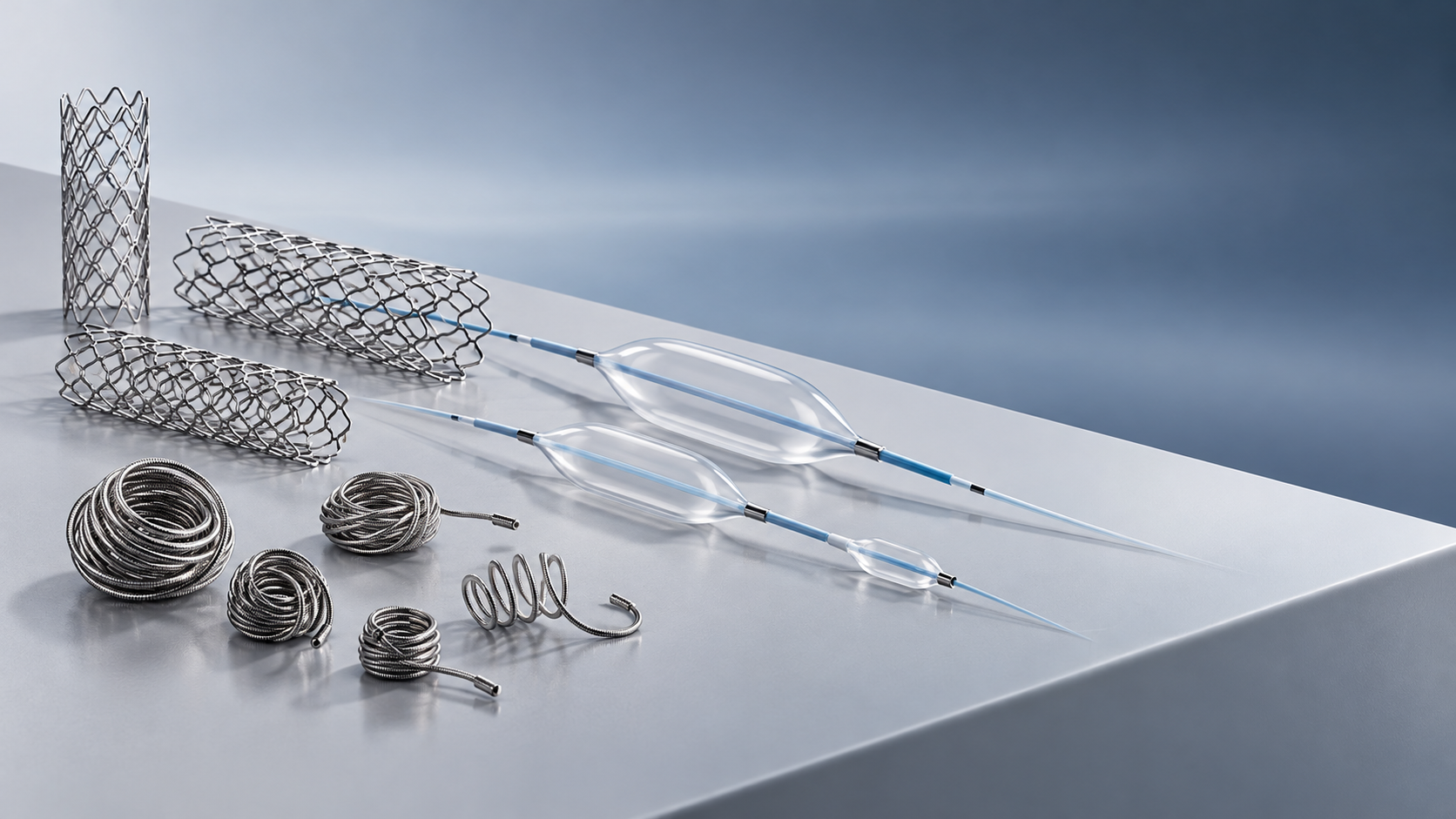
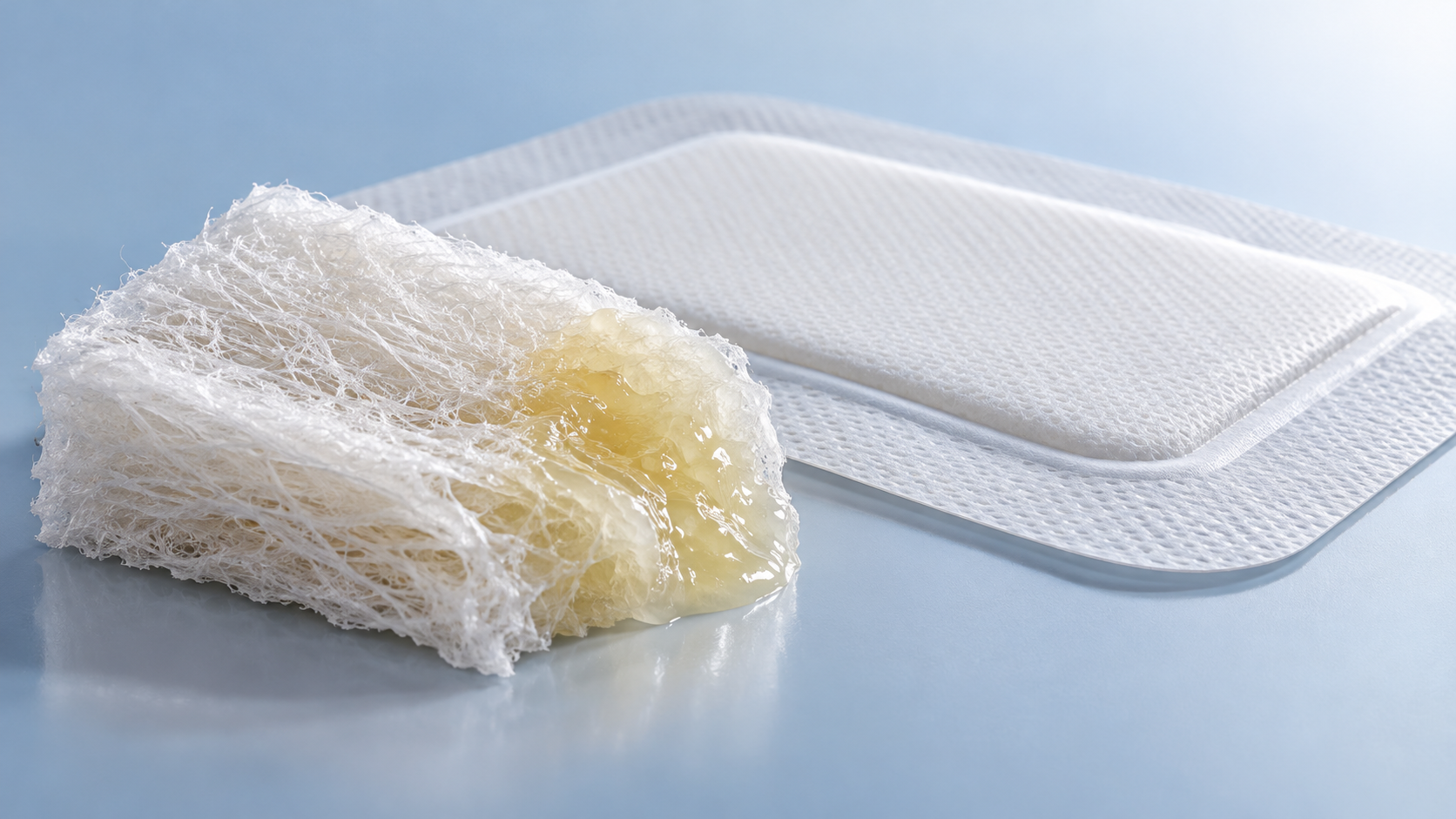
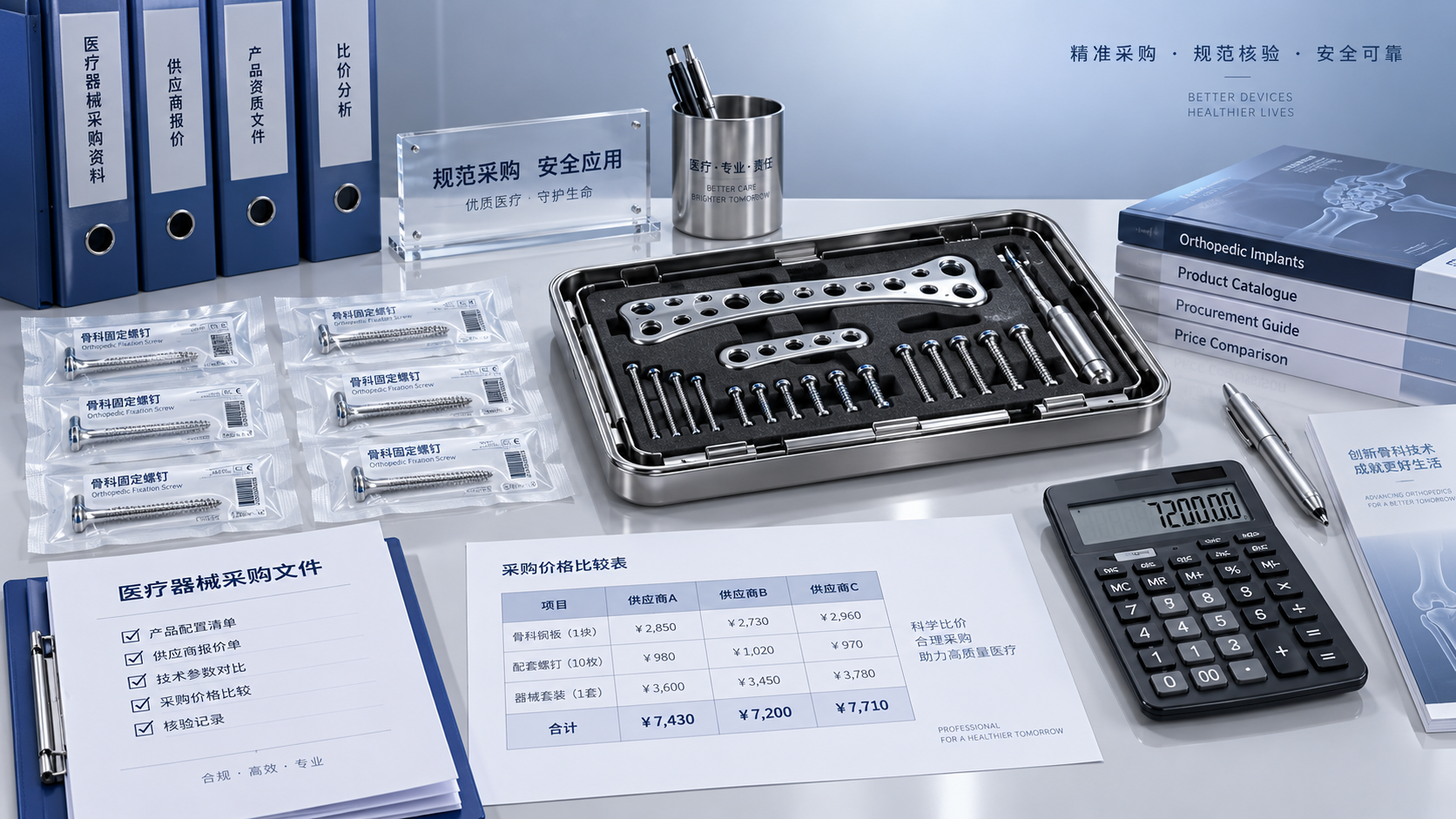
VBP has changed how innovation is valued across orthopedic, cardiovascular, MIS, catheter, and wound care segments.
A feature matters only if it improves procedural efficiency, reduces complications, supports reimbursement logic, or strengthens tender positioning.
For IMCS-focused categories, the pressure is strongest where products face standardized comparison and rapid price compression.
Yet the same environment creates room for surgical consumables innovation that lowers total treatment cost rather than unit price alone.
Why scenario-based judgment matters
Not every market rewards premium engineering equally.
A stapler designed for high-volume general surgery faces different economics than a neuro-interventional catheter or regenerative dressing.
The right investment decision depends on procedural complexity, substitution risk, regulatory burden, and evidence strength.
Scenario 1: High-Volume Tender Markets Favor Measurable Efficiency Gains
In high-volume tender environments, surgical consumables innovation must prove savings beyond the invoice line.
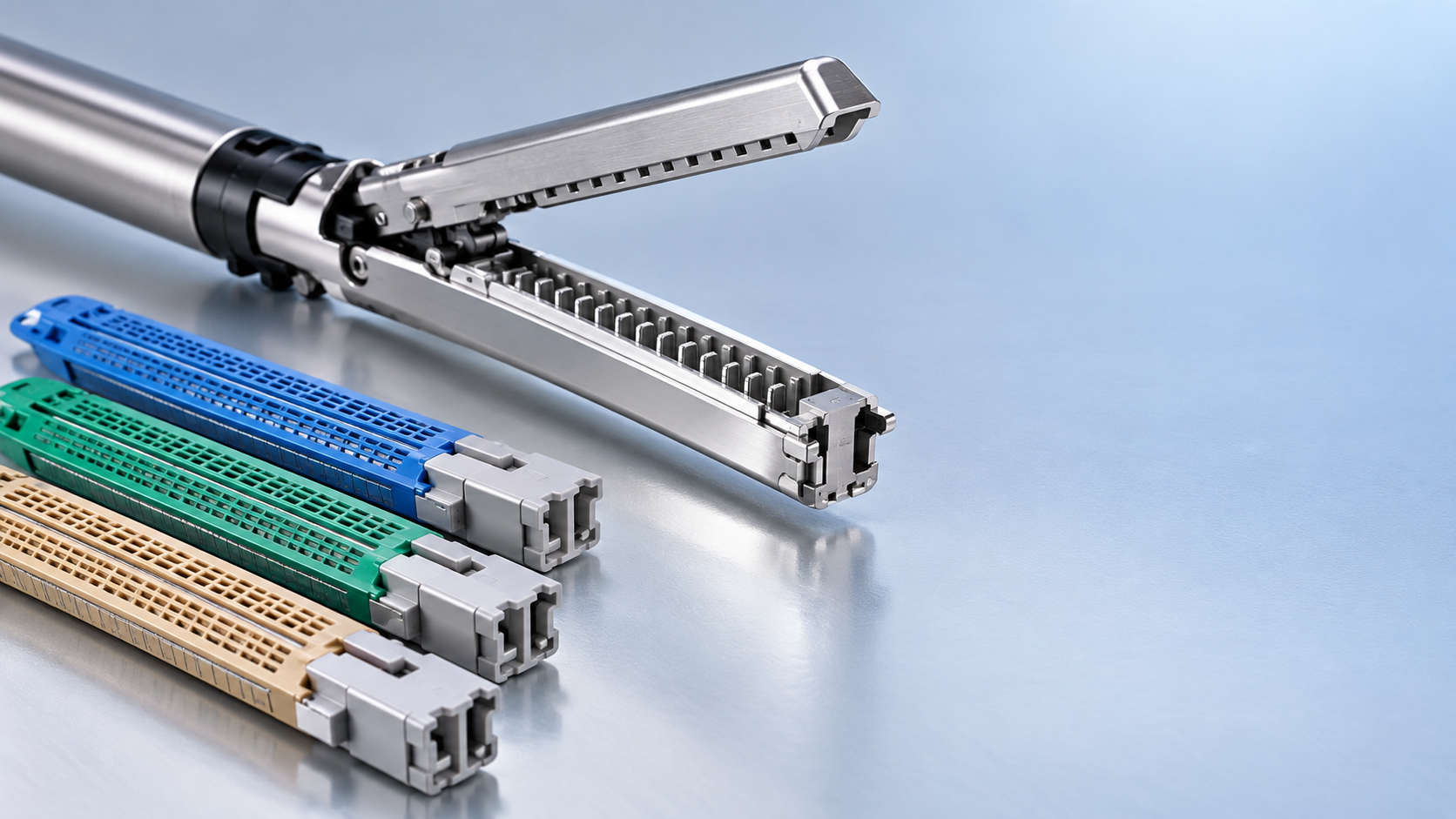
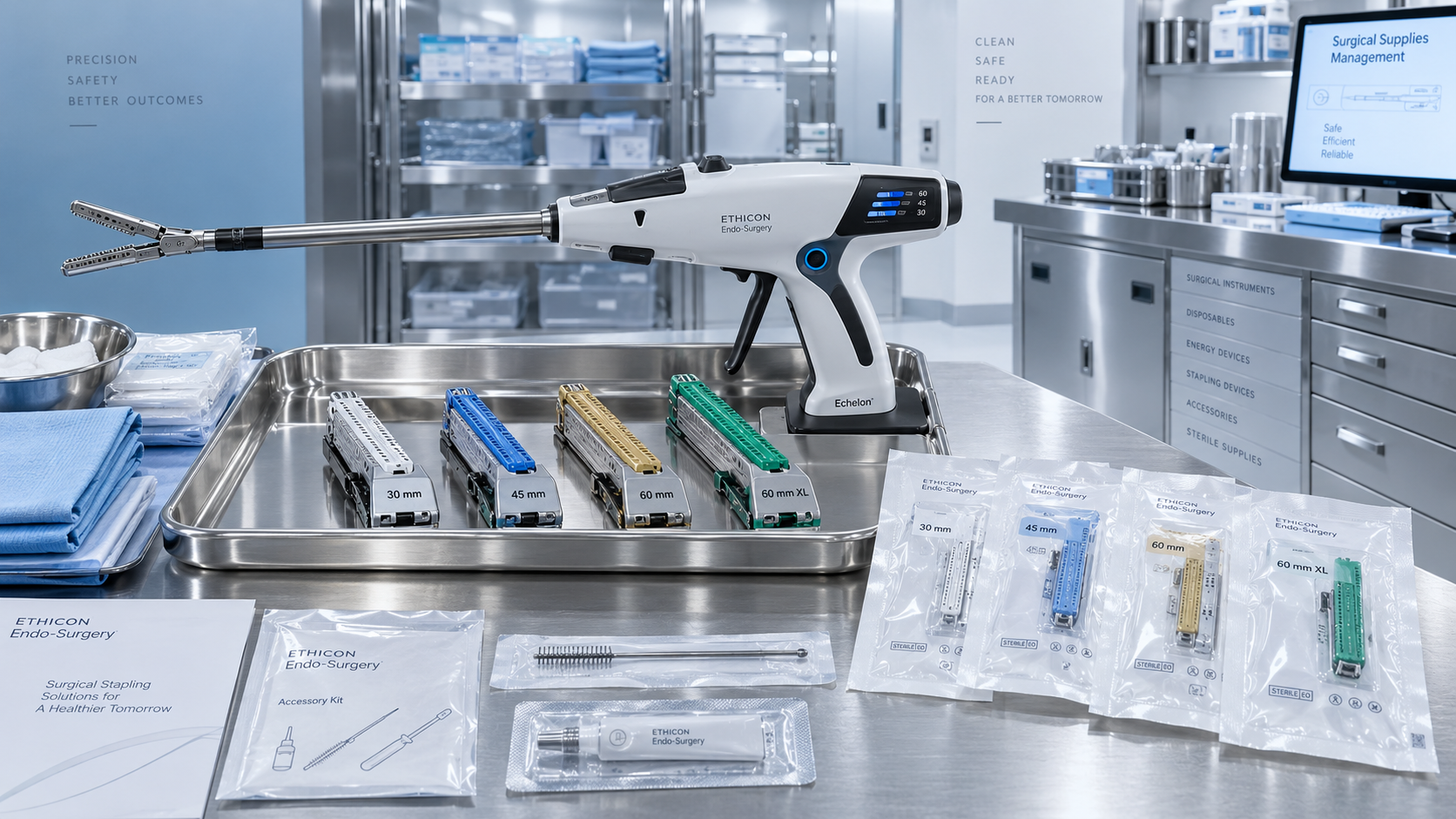
For minimally invasive surgical staplers, improvements in firing reliability, reduced leakage risk, and shorter operating time are commercially meaningful.
For orthopedic instruments, easier workflow and fewer intraoperative adjustments can support case throughput and reduce indirect cost.
Core judgment points
- Can the product reduce operating room time?
- Can it lower revision or complication probability?
- Can evidence support procurement differentiation?
- Can production scale absorb price decline?
In this scenario, surgical consumables innovation should focus on repeatable, visible, and auditable value drivers.
Scenario 2: Complex Class III Products Need Defensible Clinical and Regulatory Value
For drug-eluting stents, TAVR systems, implantable materials, and advanced regenerative products, simple price competition is less decisive.
Here, surgical consumables innovation succeeds when it creates durable regulatory and clinical barriers.
Biocompatibility validation, CER strength, long-term performance data, and process consistency can protect strategic value.
Core judgment points
- Does the design improve safety in meaningful endpoints?
- Is the evidence package strong enough for stricter review?
- Can manufacturing maintain micron-level consistency?
- Will premium features survive reimbursement scrutiny?
In these segments, surgical consumables innovation is closely tied to regulatory endurance and life-cycle pricing power.
Scenario 3: Supply Chain Volatility Rewards Design-to-Resilience
Global sourcing disruptions, sterilization constraints, and polymer material shortages can erase gains from a low bid.
That is why surgical consumables innovation must also address manufacturability and supplier flexibility.
For catheters, dressings, and implant instruments, modular design, validated alternate materials, and dual-source strategies matter financially.
Core judgment points
- How many critical raw materials have approved backups?
- Can tooling and process changes be revalidated quickly?
- Does design complexity create hidden scrap cost?
- Will supply interruptions damage tender commitments?
Under VBP pressure, resilience itself becomes a monetizable outcome of surgical consumables innovation.
How Needs Differ Across Typical Medical Consumables Scenarios
This comparison shows that surgical consumables innovation should be prioritized differently by treatment setting and procurement logic.
Practical Fit Recommendations for Different Market Conditions
If the market is price-compressed and standardized
- Prioritize design simplification without losing critical performance.
- Build evidence around workflow savings, not only feature novelty.
- Tighten process capability to protect margin at lower ASP.
If the market is clinically complex and regulated
- Invest early in ISO 10993 strategy and clinical evidence mapping.
- Link innovation milestones to regulatory risk reduction.
- Protect premium positioning with differentiated outcomes data.
If the market is operationally unstable
- Validate alternate suppliers before shortages emerge.
- Reduce dependence on single-process bottlenecks.
- Use platform design to spread tooling and qualification costs.
These actions turn surgical consumables innovation into a disciplined portfolio decision rather than isolated engineering spending.
Common Misjudgments That Undermine Product Value
One frequent mistake is assuming that lower unit cost always improves competitiveness.
In reality, hidden failure rates, sterilization delays, and weak evidence can destroy savings fast.
Another mistake is overengineering features that procurement systems cannot recognize or reward.
A third error is separating regulatory planning from product economics.
For Class III devices, delayed approvals and repeated testing can be more damaging than direct price cuts.
Finally, many teams underestimate supply resilience as part of surgical consumables innovation.
A product that wins a bid but fails continuity requirements may lose future access and trust.
Next-Step Actions for Building Smarter Surgical Consumables Innovation
Start by classifying products into three practical scenarios: volume-driven, evidence-driven, and resilience-driven.
Then map each product against four filters: tender pressure, clinical differentiation, regulatory burden, and supply fragility.
Next, define which innovation elements truly improve total value, not just technical appearance.
Use measurable indicators such as OR time, revision incidence, batch yield, validation cycle time, and supply backup coverage.
IMCS highlights that the strongest surgical consumables innovation strategies connect biocompatibility, precision manufacturing, clinical logic, and VBP economics.
In today’s market, winning products are not simply cheaper or newer.
They are better adapted to the exact scenario where financial pressure and medical value intersect.
That is the most reliable path to stable margins, stronger positioning, and durable relevance in surgical consumables innovation.
Get weekly intelligence in your inbox.
No noise. No sponsored content. Pure intelligence.
News Recommendations
 Oct 26, 2026Can a single approval cover life science product sales worldwide?Can a single approval cover life science product sales worldwide?
 Oct 25, 2026When is sensitization testing needed for medical device biocompatibility?When is sensitization testing needed for medical device biocompatibility?
 Oct 24, 2026How is biocompatibility tested for implantable polymer biomaterials?How is biocompatibility tested for implantable polymer biomaterials?
 Oct 23, 2026How to build reimbursement into an implant commercialization strategyHow to build reimbursement into an implant commercialization strategy
 Oct 22, 2026What clinical evidence do implants need for CE marking under EU MDR?What clinical evidence do implants need for CE marking under EU MDR?
 Oct 21, 2026How to choose disposable laparoscopic stapler reloads for thick tissueHow to choose disposable laparoscopic stapler reloads for thick tissue
 Oct 20, 2026How to assess medical polymer biocompatibility under ISO 10993How to assess medical polymer biocompatibility under ISO 10993
 Oct 19, 2026How do interventional device categories differ in clinical use?How do interventional device categories differ in clinical use?
 Oct 18, 2026When to choose alginate dressings for heavily exuding chronic woundsWhen to choose alginate dressings for heavily exuding chronic wounds
 Oct 17, 2026How is biocompatibility tested for custom medical-grade PEEK implants?How is biocompatibility tested for custom medical-grade PEEK implants?
 Oct 16, 2026How to check a wound healing materials supplier’s biocompatibility dataHow to check a wound healing materials supplier’s biocompatibility data
 Oct 15, 2026How to verify the FDA clearance status of silver wound dressingsHow to verify the FDA clearance status of silver wound dressings
 Oct 14, 2026How to register orthopedic implants and instruments in Latin AmericaHow to register orthopedic implants and instruments in Latin America
 Oct 13, 2026How to use a device market intelligence database to benchmark VBP pricesHow to use a device market intelligence database to benchmark VBP prices
 Oct 12, 2026When should stainless steel orthopedic instruments be replaced?When should stainless steel orthopedic instruments be replaced?
 Oct 11, 2026When are alginate dressings rope the right choice for cavity wounds?When are alginate dressings rope the right choice for cavity wounds?
 Oct 10, 2026When smart minimally invasive technology improves catheter accessWhen smart minimally invasive technology improves catheter access
 Oct 08, 2026Clinical evaluation requirements for cardiovascular implant devices in EuropeClinical evaluation requirements for cardiovascular implant devices in Europe
 Oct 07, 2026What to verify before appointing an artificial joint implants distributorWhat to verify before appointing an artificial joint implants distributor
 Oct 06, 2026How ISO 10993 guides biocompatibility testing for medical materialsHow ISO 10993 guides biocompatibility testing for medical materials
 Oct 05, 2026How to verify an orthopedic implants and instruments exporterHow to verify an orthopedic implants and instruments exporter
 Oct 04, 2026What drives surgical stapling devices price differences in hospital tenders?What drives surgical stapling devices price differences in hospital tenders?
 Oct 03, 2026How to assess a central venous catheter manufacturer's infection-control evidenceHow to assess a central venous catheter manufacturer's infection-control evidence
 Oct 02, 2026How to assess an advanced wound care factory’s quality systemHow to assess an advanced wound care factory’s quality system
 Oct 01, 2026What is driving global medical consumables demand in emerging markets?What is driving global medical consumables demand in emerging markets?
 Sep 30, 2026Implant Material Compliance Testing: Evidence Needed for Regulatory SubmissionImplant Material Compliance Testing: Evidence Needed for Regulatory Submission
 Sep 30, 2026From Corrosion to Fatigue: What Implant Materials Testing Should MeasureFrom Corrosion to Fatigue: What Implant Materials Testing Should Measure