Orthopedic Implant Materials: Comparing Strength, Wear, and Cost
Choosing the right orthopedic implant materials is a procurement decision that directly affects clinical outcomes, supplier risk, tender competitiveness, and long-term cost control.
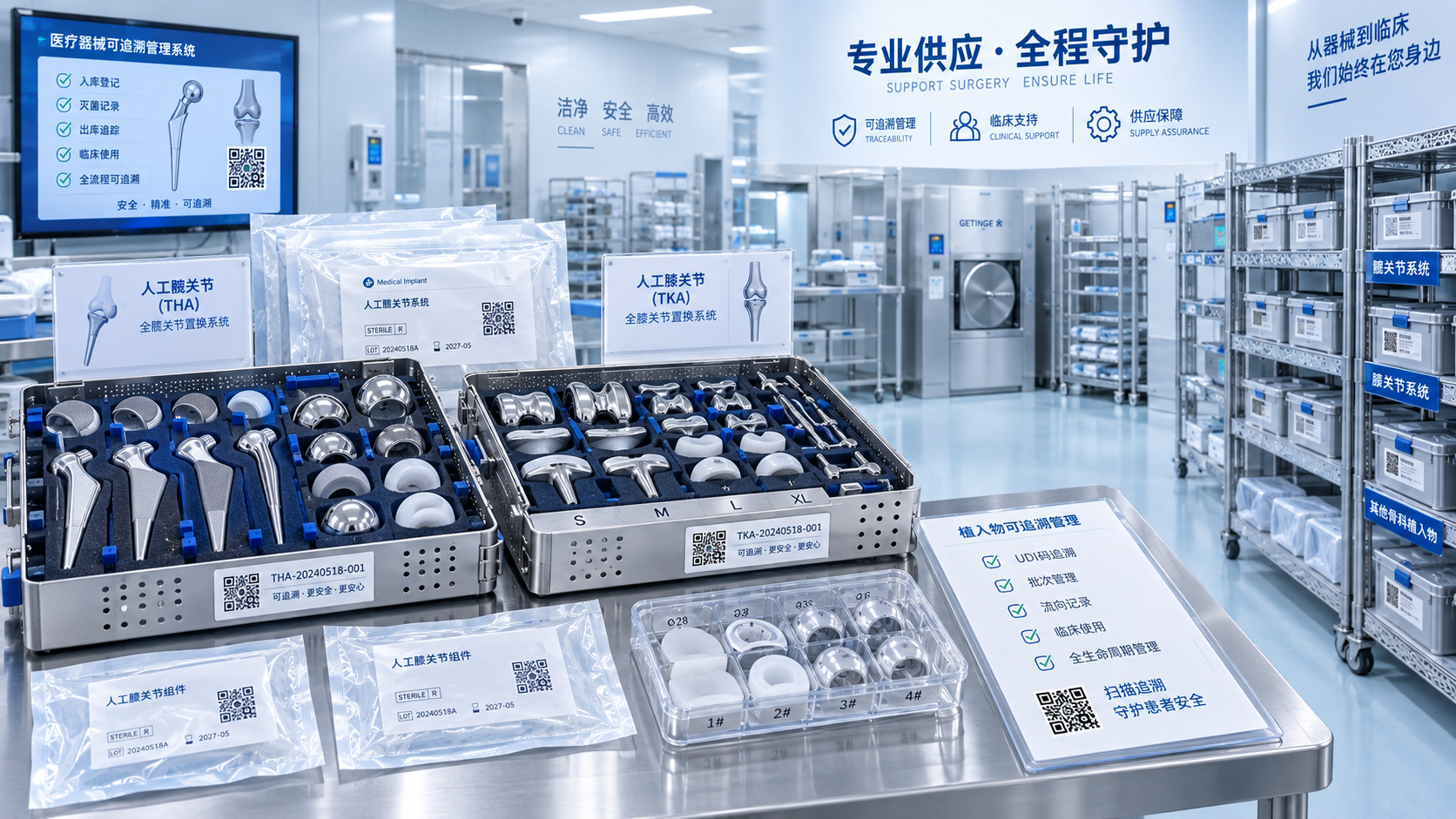
From titanium alloys and cobalt-chromium to PEEK, ceramics, and porous 3D-printed structures, each material offers different trade-offs in strength, wear resistance, biocompatibility, manufacturability, and price stability.
This guide compares key material options through a practical sourcing lens, helping buyers evaluate performance claims, regulatory expectations, lifecycle value, and VBP-driven cost pressures before committing to implant portfolios.
Why orthopedic implant materials matter in procurement decisions
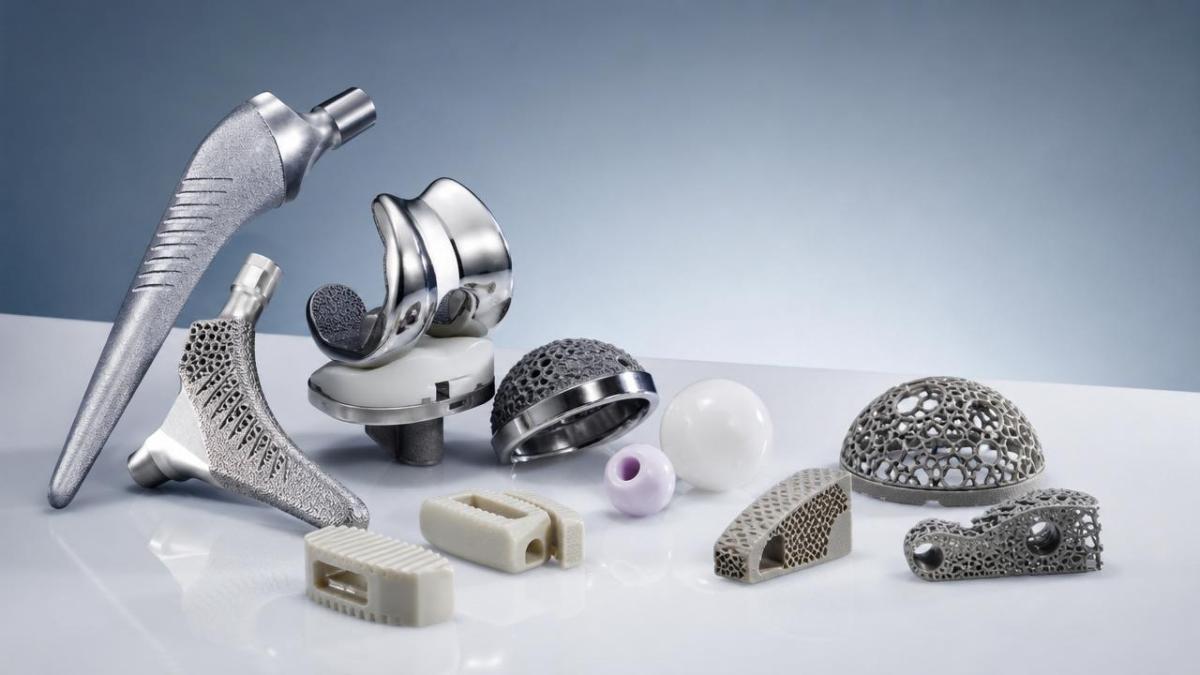
For procurement teams, orthopedic implant materials are not merely engineering inputs. They shape surgeon acceptance, revision risk, inventory complexity, and tender scoring.
A hip stem, spinal cage, trauma plate, or knee component faces different loading, friction, fixation, and biological exposure conditions.
The wrong material choice can create hidden costs through additional instruments, limited indications, longer approvals, or weak evidence packages.
The buyer’s core questions
- Can the material withstand the expected anatomical load without over-engineering the implant and raising machining cost?
- Does the supplier provide traceable material certificates, validated processing routes, and stable lot-to-lot quality?
- Will the portfolio remain commercially viable under hospital tenders, VBP price pressure, and reimbursement scrutiny?
- Is the biological safety evidence aligned with ISO 10993, CE MDR expectations, and local registration pathways?
IMCS evaluates orthopedic implant materials through the combined logic of mechanical reconstruction, biocompatibility verification, and high-value consumables policy intelligence.
How do major orthopedic implant materials compare?
The first sourcing filter is matching material behavior to clinical function. Strength alone is insufficient if wear debris, imaging compatibility, or fixation performance is unsuitable.
The following comparison summarizes common orthopedic implant materials from a procurement and portfolio planning perspective.
No single option dominates all orthopedic implant materials decisions. Buyers should compare the full system: implant design, instruments, clinical evidence, logistics, and after-sales support.
Strength, wear, and biocompatibility: what should buyers verify?
Supplier brochures often highlight tensile strength or hardness. Procurement teams need deeper verification because orthopedic implant materials fail through combined mechanical and biological pathways.
Strength is indication-specific
A trauma plate requires bending fatigue resistance. A porous cup needs balance between pore architecture and structural stability. A spinal cage requires compression performance.
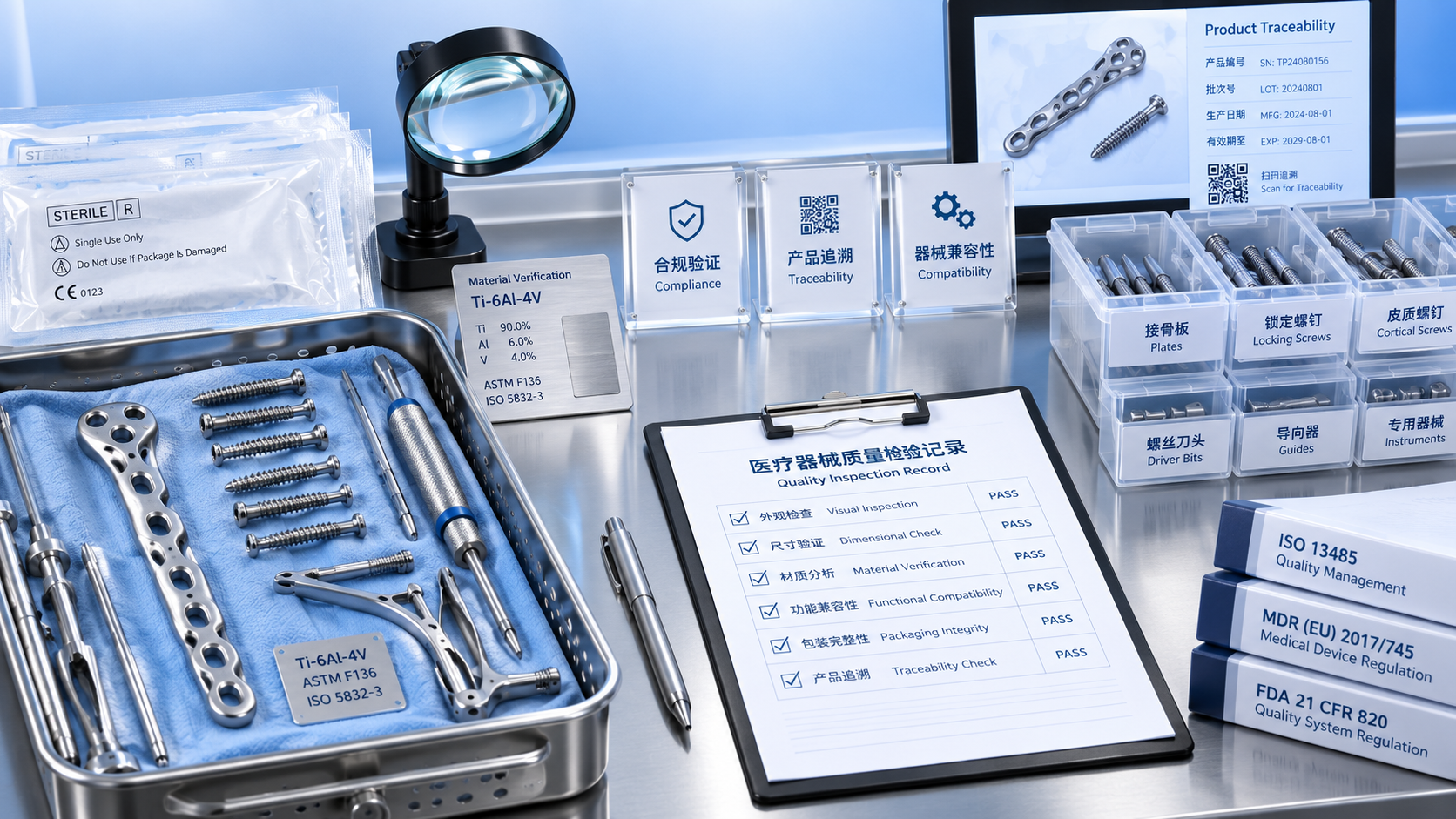
Procurement should request test logic, not only final values. Ask whether testing reflects worst-case geometry, surface finish, sterilization, and intended surgical use.
Wear is a lifecycle cost driver
Joint replacement systems must manage wear particles and articulation behavior. A cheaper bearing pair can become expensive if revision concerns affect hospital confidence.
For orthopedic implant materials used in knees and hips, buyers should review wear simulation rationale, surface roughness control, cleaning validation, and packaging protection.
Biocompatibility must be evidence-based
- Confirm ISO 10993 biological evaluation planning according to contact duration, tissue contact, and implant classification.
- Review cytotoxicity, sensitization, irritation, systemic toxicity, genotoxicity, and implantation evidence where applicable.
- Check whether material changes, coatings, cleaning agents, or additive manufacturing powders trigger additional risk assessment.
IMCS’ toxicology and clinical intelligence approach helps buyers separate meaningful material evidence from incomplete documentation that may delay market access.
Cost comparison: purchase price is only the first layer
In tender environments, orthopedic implant materials are often evaluated under price caps. Yet the lowest unit price may not deliver the lowest operational cost.
The table below outlines cost factors procurement teams should include when comparing material families and supplier proposals.
A stronger purchasing model compares lifecycle value. Orthopedic implant materials should be selected alongside clinical demand, tender rules, revision sensitivity, and supply resilience.
Which material fits which orthopedic application scenario?
Application context should drive the shortlist. Procurement teams that use one universal material rule often overpay or select insufficient evidence for specific indications.
Joint replacement systems
Hip and knee components typically require strong bearing logic. Cobalt-chromium, ceramics, titanium substrates, and polyethylene pairings must be evaluated as systems.
For these orthopedic implant materials, buyers should examine articulation claims, wear testing, sterilization effects, and compatibility across sizes.
Spine implants and fusion cages
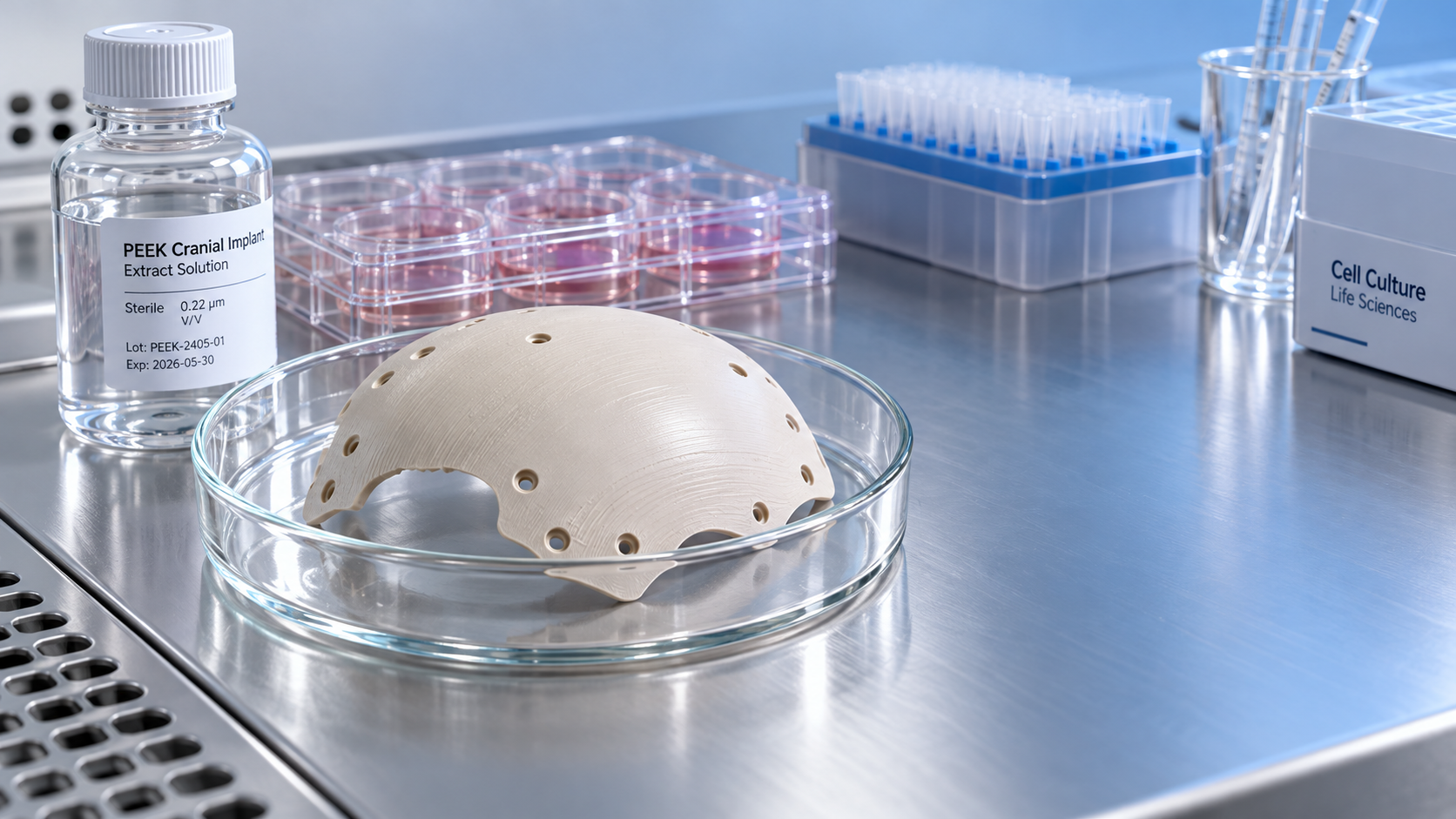
PEEK offers radiolucency and elastic behavior, while porous titanium supports bone ingrowth. The purchasing decision depends on surgeon preference and evidence strength.
In spinal portfolios, orthopedic implant materials also affect imaging follow-up, graft windows, cage subsidence considerations, and instrument set design.
Trauma and fixation devices
- Titanium is often favored where biocompatibility, lower stiffness, and imaging compatibility support fixation strategies.
- Stainless steel may remain relevant in cost-sensitive markets, provided corrosion resistance and standards alignment are verified.
- Surface finishing, screw-plate interface quality, and fatigue resistance should be checked before price negotiation.
The best sourcing outcome is rarely achieved by material preference alone. It comes from matching indication, hospital economics, and regulatory feasibility.
Compliance checklist for orthopedic implant materials suppliers
Medical device procurement must include regulatory due diligence. Class III implants demand disciplined documentation before large-volume purchasing or international distribution.
The checklist below helps buyers evaluate whether orthopedic implant materials suppliers are prepared for demanding tender and registration requirements.
This compliance view protects buyers from attractive quotations that cannot survive technical review, hospital audits, or post-market surveillance obligations.
Procurement framework: how to build a defensible shortlist
A defensible shortlist connects clinical value, technical evidence, and commercial feasibility. It also gives procurement a clear basis for negotiation.
Recommended evaluation sequence
- Define indications, annual volume, surgeon preference, and reimbursement boundaries before requesting quotations.
- Screen orthopedic implant materials by load, wear, fixation, imaging, and biological contact requirements.
- Request technical files early, including performance testing, material traceability, and regulatory gap statements.
- Compare total landed cost, including instruments, consignment stock, sterilization logistics, training, and expected delivery lead time.
- Use pilot evaluation feedback to refine specifications before entering long-term supply or VBP-linked contracts.
This structure helps procurement avoid reactive buying. It also makes supplier discussions more precise, especially when price competition becomes aggressive.
Warning signs during supplier review
- The supplier cannot explain how surface treatment affects fatigue, wear, cleaning, or biological safety evidence.
- Price reductions depend on undocumented material substitutions, shortened inspection steps, or unclear powder reuse practices.
- Regulatory documents are presented as generic certificates rather than device-specific evidence for orthopedic implant materials.
FAQ: buyer questions about orthopedic implant materials
The following questions reflect common sourcing discussions when hospitals, distributors, and manufacturers compare orthopedic implant materials under cost and compliance pressure.
Are titanium implants always better than stainless steel?
Not always. Titanium offers strong biocompatibility and favorable stiffness, while stainless steel may meet selected trauma needs in cost-sensitive settings.
Procurement should compare indication, corrosion performance, fatigue data, surgeon preference, and tender economics before replacing one material family.
When is PEEK a good sourcing choice?
PEEK is attractive for spinal cages where radiolucency and bone-like modulus support postoperative assessment. However, surface bioactivity needs careful review.
Buyers should verify resin traceability, sterilization compatibility, mechanical testing, and any coating or surface modification evidence.
Do porous 3D-printed structures justify higher costs?
They can, especially where bone ingrowth and complex geometry create clinical value. The buyer must confirm fatigue strength, pore consistency, and powder control.
For orthopedic implant materials using additive manufacturing, supplier maturity matters as much as the printed design concept.
How should VBP affect material selection?
VBP pushes buyers to quantify value rather than chase premium specifications automatically. Material selection must support clinical confidence within sustainable price bands.
A VBP-ready portfolio balances proven orthopedic implant materials, manufacturable designs, stable suppliers, and documentation strong enough for tender scrutiny.
Why choose IMCS for orthopedic implant materials intelligence?
IMCS supports procurement teams that need more than catalog comparisons. We connect material science, clinical logic, regulatory risk, and VBP economics.
Our intelligence focus covers orthopedic implants, cardiovascular devices, minimally invasive consumables, polymer catheters, and regenerative wound-care materials.
For orthopedic implant materials, we help buyers clarify parameter requirements, compare supplier evidence, assess cost alternatives, and identify documentation gaps.
- Consult us to confirm material parameters, fatigue and wear evidence expectations, or biocompatibility documentation requirements.
- Request support for product selection, supplier comparison, delivery-cycle review, tender preparation, or VBP cost modeling.
- Discuss customized sourcing strategies for titanium, cobalt-chromium, PEEK, ceramics, or porous 3D-printed implant portfolios.
If your team is preparing a new implant portfolio or reassessing current suppliers, IMCS can provide structured intelligence before negotiations begin.
Get weekly intelligence in your inbox.
No noise. No sponsored content. Pure intelligence.
News Recommendations
 Oct 26, 2026Can a single approval cover life science product sales worldwide?Can a single approval cover life science product sales worldwide?
 Oct 25, 2026When is sensitization testing needed for medical device biocompatibility?When is sensitization testing needed for medical device biocompatibility?
 Oct 24, 2026How is biocompatibility tested for implantable polymer biomaterials?How is biocompatibility tested for implantable polymer biomaterials?
 Oct 23, 2026How to build reimbursement into an implant commercialization strategyHow to build reimbursement into an implant commercialization strategy
 Oct 22, 2026What clinical evidence do implants need for CE marking under EU MDR?What clinical evidence do implants need for CE marking under EU MDR?
 Oct 21, 2026How to choose disposable laparoscopic stapler reloads for thick tissueHow to choose disposable laparoscopic stapler reloads for thick tissue
 Oct 20, 2026How to assess medical polymer biocompatibility under ISO 10993How to assess medical polymer biocompatibility under ISO 10993
 Oct 19, 2026How do interventional device categories differ in clinical use?How do interventional device categories differ in clinical use?
 Oct 18, 2026When to choose alginate dressings for heavily exuding chronic woundsWhen to choose alginate dressings for heavily exuding chronic wounds
 Oct 17, 2026How is biocompatibility tested for custom medical-grade PEEK implants?How is biocompatibility tested for custom medical-grade PEEK implants?
 Oct 16, 2026How to check a wound healing materials supplier’s biocompatibility dataHow to check a wound healing materials supplier’s biocompatibility data
 Oct 15, 2026How to verify the FDA clearance status of silver wound dressingsHow to verify the FDA clearance status of silver wound dressings
 Oct 14, 2026How to register orthopedic implants and instruments in Latin AmericaHow to register orthopedic implants and instruments in Latin America
 Oct 13, 2026How to use a device market intelligence database to benchmark VBP pricesHow to use a device market intelligence database to benchmark VBP prices
 Oct 12, 2026When should stainless steel orthopedic instruments be replaced?When should stainless steel orthopedic instruments be replaced?
 Oct 11, 2026When are alginate dressings rope the right choice for cavity wounds?When are alginate dressings rope the right choice for cavity wounds?
 Oct 10, 2026When smart minimally invasive technology improves catheter accessWhen smart minimally invasive technology improves catheter access
 Oct 08, 2026Clinical evaluation requirements for cardiovascular implant devices in EuropeClinical evaluation requirements for cardiovascular implant devices in Europe
 Oct 07, 2026What to verify before appointing an artificial joint implants distributorWhat to verify before appointing an artificial joint implants distributor
 Oct 06, 2026How ISO 10993 guides biocompatibility testing for medical materialsHow ISO 10993 guides biocompatibility testing for medical materials
 Oct 05, 2026How to verify an orthopedic implants and instruments exporterHow to verify an orthopedic implants and instruments exporter
 Oct 04, 2026What drives surgical stapling devices price differences in hospital tenders?What drives surgical stapling devices price differences in hospital tenders?
 Oct 03, 2026How to assess a central venous catheter manufacturer's infection-control evidenceHow to assess a central venous catheter manufacturer's infection-control evidence
 Oct 02, 2026How to assess an advanced wound care factory’s quality systemHow to assess an advanced wound care factory’s quality system
 Oct 01, 2026What is driving global medical consumables demand in emerging markets?What is driving global medical consumables demand in emerging markets?
 Sep 30, 2026Implant Material Compliance Testing: Evidence Needed for Regulatory SubmissionImplant Material Compliance Testing: Evidence Needed for Regulatory Submission
 Sep 30, 2026From Corrosion to Fatigue: What Implant Materials Testing Should MeasureFrom Corrosion to Fatigue: What Implant Materials Testing Should Measure