Orthopedic Implant Materials: Cost vs Lifespan Tradeoffs
For procurement teams, choosing orthopedic implant materials is not only about unit price but also about lifespan, revision risk, compliance, and long-term clinical value. From titanium alloys and cobalt-chromium to PEEK and advanced porous structures, each option carries different cost-performance implications. Understanding these tradeoffs helps buyers make smarter sourcing decisions in a market shaped by strict regulations, quality demands, and ongoing price pressure.
When buyers compare orthopedic implant materials, the real question is not which material is cheapest today. It is which option delivers the best total value across clinical performance, revision exposure, regulatory certainty, and supply continuity.
That is why the cost versus lifespan discussion matters so much. A lower upfront implant price can look attractive in a tender, yet become expensive if it raises complication rates, limits surgeon preference, or shortens service life.
For procurement professionals, the most useful approach is to evaluate materials through total cost of ownership rather than piece price alone. In orthopedic purchasing, lifespan, wear behavior, fixation quality, and compliance risk directly affect that ownership cost.
What procurement teams should really evaluate in orthopedic implant materials
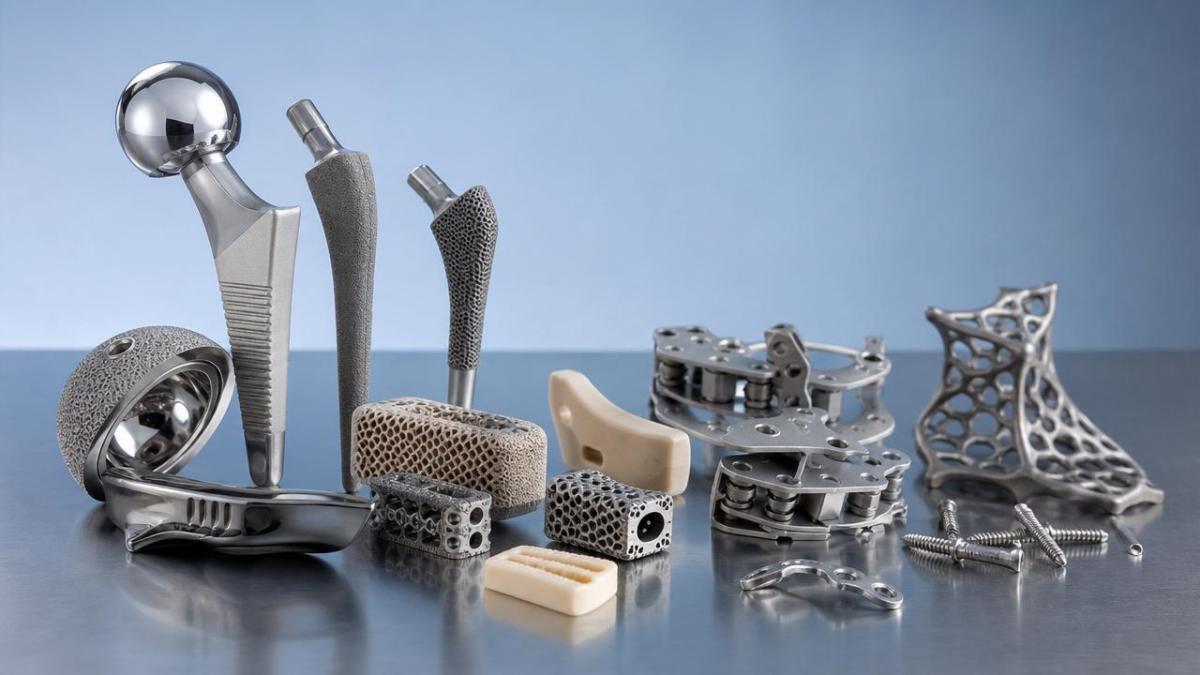
The search intent behind “orthopedic implant materials” is highly practical. Buyers want a decision framework: which materials are worth the premium, where lower-cost alternatives are acceptable, and how material choice affects long-term financial and clinical outcomes.
In most hospital groups, distributors, and OEM sourcing teams, the top concerns are predictable. They include implant longevity, revision risk, sterilization and manufacturing quality, surgeon acceptance, patient profile fit, and the ability to meet regulatory requirements without supply disruption.
Procurement also needs answers that connect technical properties to purchasing outcomes. Density, modulus, corrosion resistance, wear rate, osseointegration, imaging compatibility, and manufacturability all matter only when they translate into pricing logic and risk exposure.
A useful buying assessment should therefore cover five areas. These are upfront acquisition cost, expected functional lifespan, probability and cost of revision, compliance and documentation burden, and market access under reimbursement or volume-based procurement pressure.
Titanium alloys: a balanced choice for lifespan, fixation, and procurement flexibility
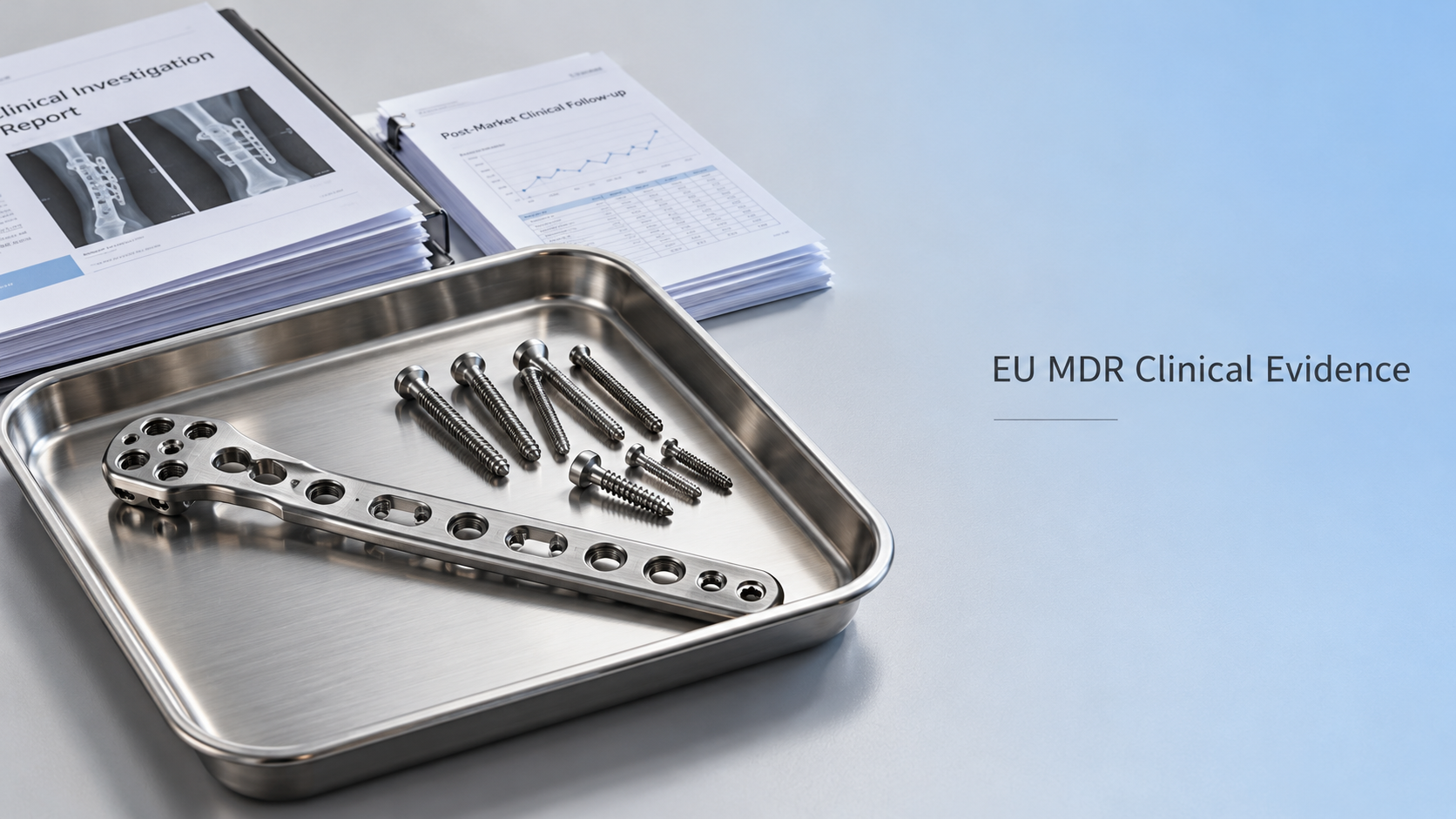
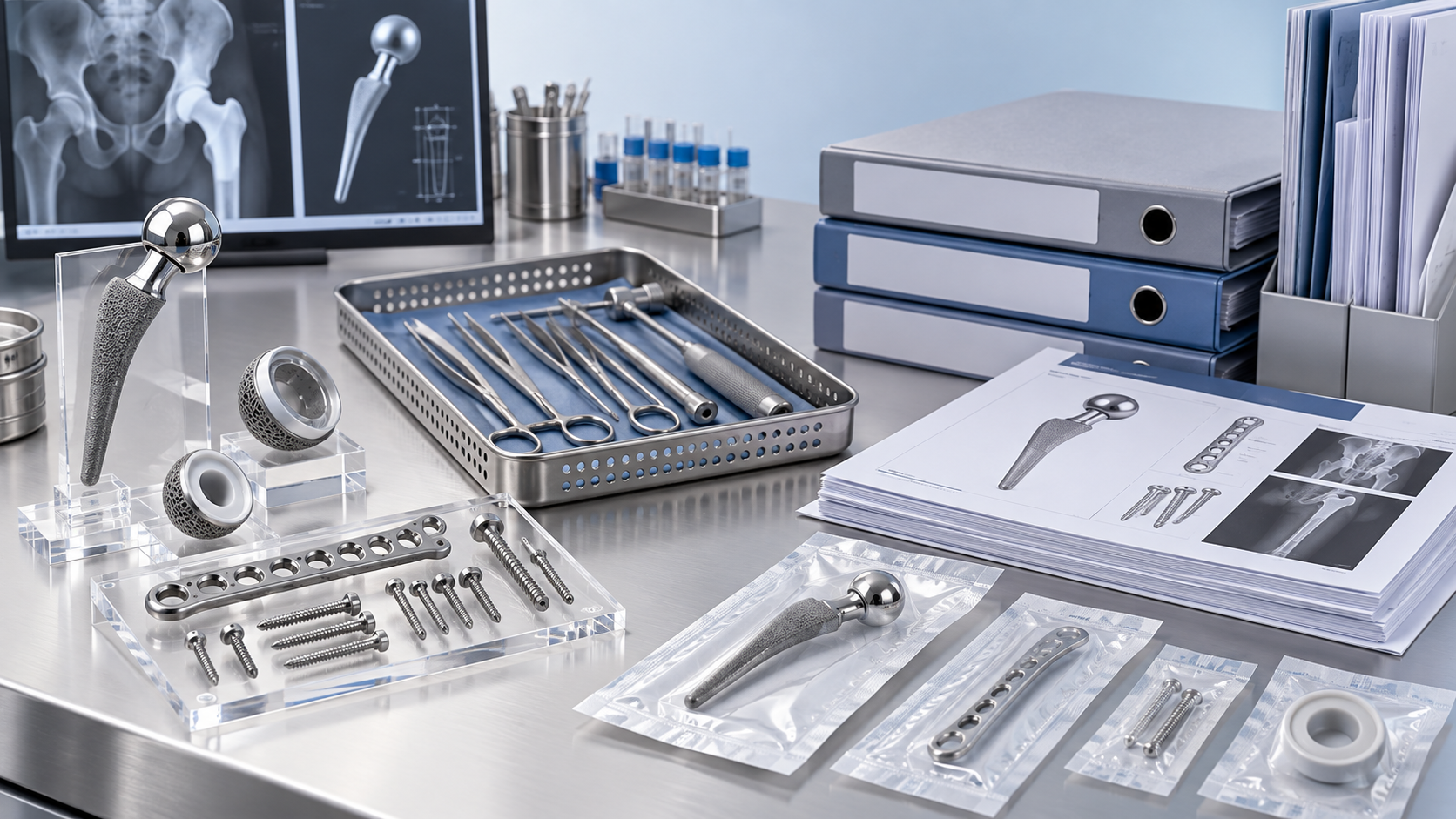
Titanium alloys, especially Ti-6Al-4V, remain one of the most common orthopedic implant materials for good reason. They offer strong biocompatibility, favorable corrosion resistance, relatively low density, and a modulus closer to bone than many metal alternatives.
For procurement teams, titanium often represents a strong middle ground. It is not always the lowest-cost material, but it usually supports broad surgeon acceptance and dependable long-term outcomes in trauma, spine, and joint applications.
One of titanium’s biggest value drivers is fixation performance. Its surface can be treated, roughened, coated, or 3D-printed into porous structures that encourage bone ingrowth. Better osseointegration can reduce loosening risk and improve implant stability over time.
Titanium also has supply-chain advantages. It is well established across global manufacturing networks, and many regulatory pathways already recognize it as a familiar implant substrate. That can reduce qualification friction compared with newer material combinations.
However, buyers should not assume all titanium implants are equivalent. Manufacturing precision, fatigue resistance, additive manufacturing controls, and surface treatment consistency have major effects on lifespan. A cheaper titanium implant may hide quality variation rather than deliver real savings.
From a tendering perspective, titanium is often the material that best supports a value-based procurement case. It provides a clinically trusted baseline, while still allowing meaningful differentiation through design, surface technology, and porous architecture.
Cobalt-chromium: durable wear resistance, but with tradeoffs in weight and modulus
Cobalt-chromium alloys are widely used in load-bearing and articulating components because of their hardness and wear resistance. In many joint systems, especially knee and some hip components, this material can support long-lasting mechanical performance.
Its major purchasing advantage is durability in high-stress environments. When an implant must tolerate repeated motion, contact pressure, and surface wear, cobalt-chromium can justify its place through long-term function and reduced mechanical degradation.
But the material also brings tradeoffs. It is denser and stiffer than titanium, which may contribute to stress shielding in some applications. Procurement teams should understand where this matters clinically and where it is less relevant.
There are also perception and compatibility issues to consider. Some surgeons and patients are more cautious about metal ion concerns, allergy discussions, or imaging limitations associated with certain metallic systems, even when actual risk is case-dependent.
In sourcing terms, cobalt-chromium works best when the application clearly benefits from its wear properties. It is easier to justify premium or equivalent pricing when the device’s design and articulation mechanics make that durability clinically meaningful.
If a product uses cobalt-chromium without a clear use-case advantage, buyers may question whether the material cost is delivering measurable value. Procurement should ask suppliers to provide survivorship data, wear test evidence, and revision-related outcomes rather than generic claims.
PEEK and carbon-fiber-reinforced polymers: where radiolucency and elasticity create value
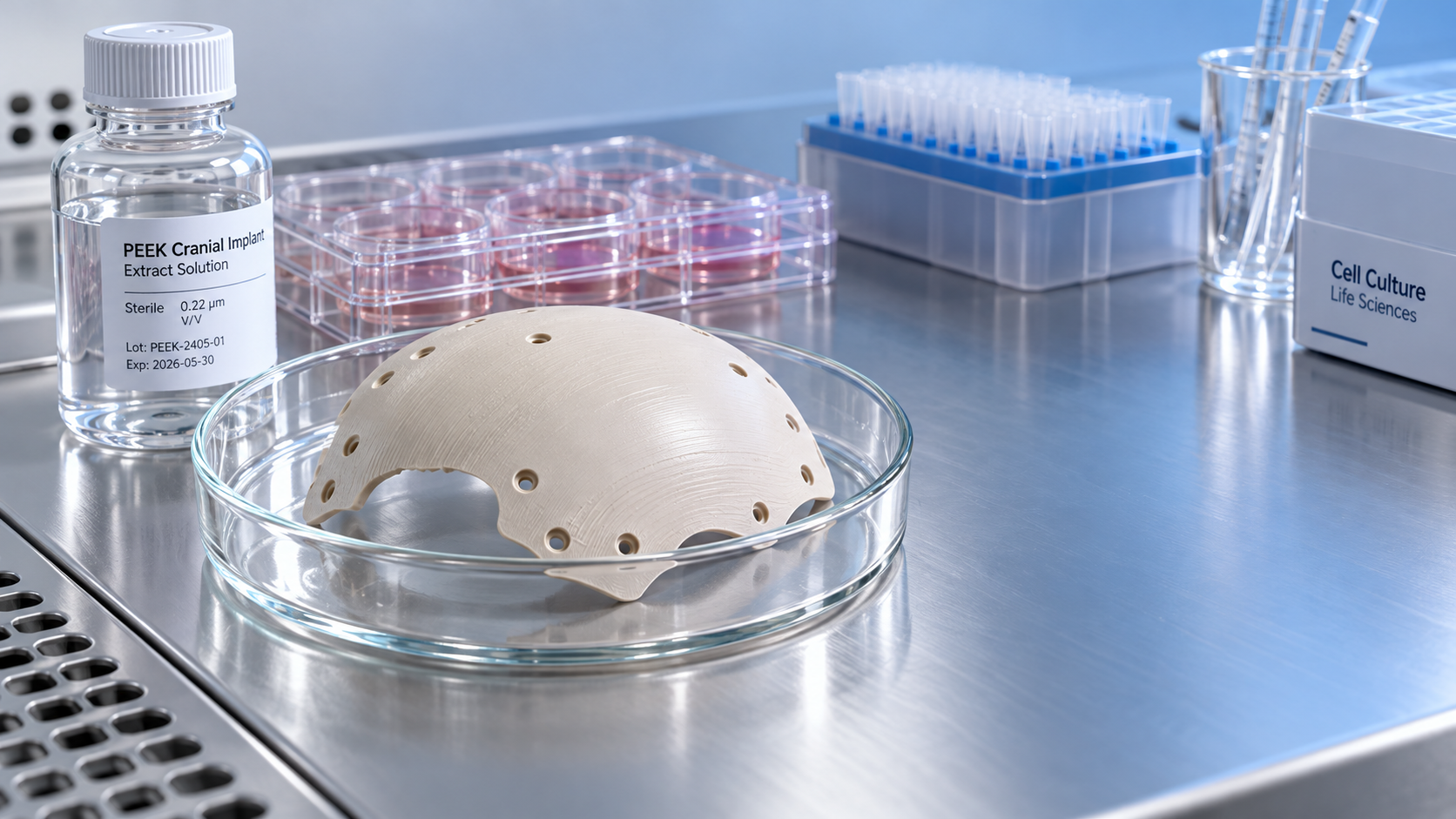
PEEK has gained significant attention in spinal and trauma applications because it differs from traditional metal implant logic. Its modulus is closer to bone than many metals, and it offers radiolucency, which can improve postoperative imaging assessment.
For buyers, PEEK can create value when imaging clarity and elastic behavior matter. In spinal cages, for example, the ability to evaluate fusion progress without heavy imaging artifact is often important to surgeons and postoperative management teams.
That said, PEEK is not automatically a superior choice. Standard PEEK is biologically inert and may not integrate with bone as actively as roughened or porous metal surfaces. Some devices compensate through coatings, texturing, or composite structures.
This means procurement should evaluate the full design package, not just the base polymer. A lower-priced PEEK implant without proven fixation enhancement may underperform against a more expensive titanium porous alternative in certain indications.
Carbon-fiber-reinforced PEEK can extend the material’s mechanical usefulness and is particularly attractive in some oncology and imaging-sensitive settings. Still, these systems often come with a higher price and a narrower supplier base.
The purchasing takeaway is simple: PEEK is valuable when its clinical advantages are relevant and documented. If radiolucency, elastic matching, and imaging follow-up improve treatment pathways, the premium may be justified. If not, it may become unnecessary cost.
Highly cross-linked polyethylene, ceramics, and bearing surfaces: lifespan often depends on the pair, not one material alone
In joint replacement, procurement decisions should never isolate a single material from the full articulation system. Implant lifespan often depends on how femoral heads, liners, and shell materials interact under motion and load.
Highly cross-linked polyethylene has become a major contributor to improved wear performance in modern hips. Compared with older polyethylene generations, it can significantly reduce particle generation, which matters because wear debris can drive osteolysis and revision.
Ceramic heads also enter the cost versus lifespan discussion. They are usually more expensive than metal heads, but their low wear characteristics can support longer bearing performance in selected patient groups, particularly younger or more active patients.
The tradeoff is that ceramics carry different handling and design considerations. While fracture risk has decreased substantially with modern generations, procurement still needs confidence in supplier quality, packaging control, and system-level compatibility.
For buyers, the right question is not whether ceramic or polyethylene is “better” in the abstract. It is whether a specific bearing combination lowers revision probability enough to offset the higher acquisition cost in the target patient population.
Suppliers should therefore be asked for registry data, wear simulation evidence, and survivorship by indication and age cohort. A premium bearing surface can be highly cost-effective, but only when supported by relevant follow-up evidence.
3D-printed porous structures: premium pricing needs premium evidence
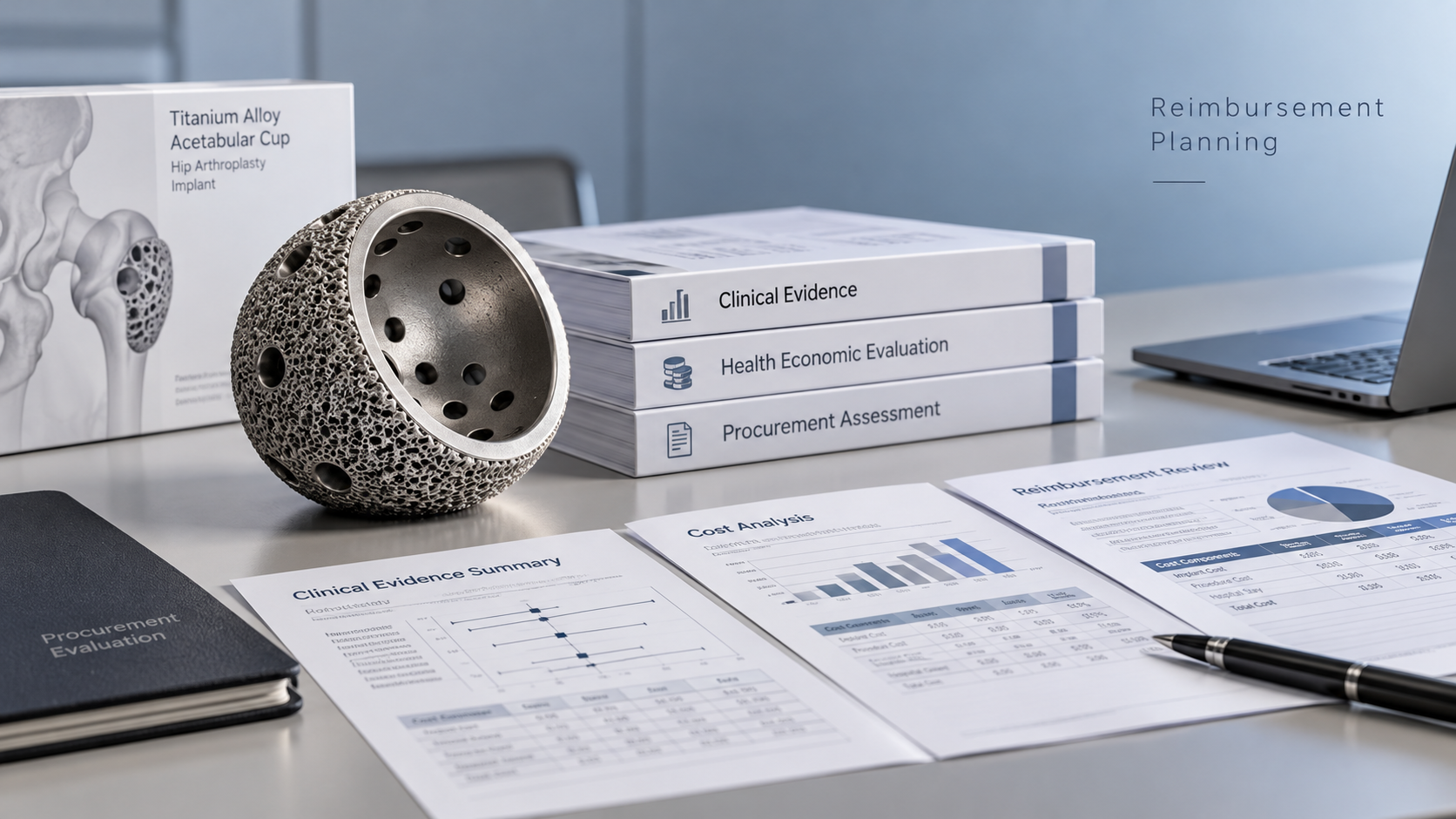
Advanced porous architectures, often produced through additive manufacturing, are increasingly used in acetabular cups, spinal cages, and revision systems. Their promise lies in better bone ingrowth, tailored stiffness, and more sophisticated geometric designs.
These features can create real procurement value, especially in complex cases or where biological fixation is central to long-term stability. In revision surgery and anatomically challenging settings, advanced porous designs may reduce downstream complications.
However, this is also an area where marketing language can exceed evidence. Not every porous structure delivers the same pore size control, interconnectivity, fatigue strength, or manufacturing repeatability. Price premiums are common, but clinical differentiation varies.
Procurement teams should ask detailed questions about process validation, powder quality control, post-processing, cleaning validation, and mechanical testing. Additive manufacturing expands design freedom, but it also introduces new production and inspection risks.
Another key issue is indication discipline. A premium porous implant may be entirely justified for high-risk patients or revision cases, yet unnecessary as a routine default in standard procedures where conventional designs already perform well.
In other words, buyers should avoid both extremes. Do not dismiss porous technology as expensive branding, but do not accept broad premium pricing without evidence that the added complexity improves functional lifespan or reduces revision-related cost.
How to compare cost versus lifespan without oversimplifying the decision
The biggest procurement mistake is to compare orthopedic implant materials by unit cost only. A sounder method is to model value through expected procedure-level economics over the implant’s usable life and associated risk profile.
Start with the acquisition price, but quickly move to downstream factors. These include revision likelihood, complication management cost, readmission exposure, surgeon training burden, inventory complexity, and reimbursement sensitivity by procedure type.
Then segment by use case. A material that is economically optimal for elderly low-demand patients may not be optimal for younger active patients. Likewise, a premium design may be justified in revision surgery but not in straightforward primary cases.
Procurement should also account for operational costs that do not appear on the invoice. These include consignment management, sterilization compatibility, instrument burden, SKU proliferation, shelf replacement, and the cost of supplier quality events.
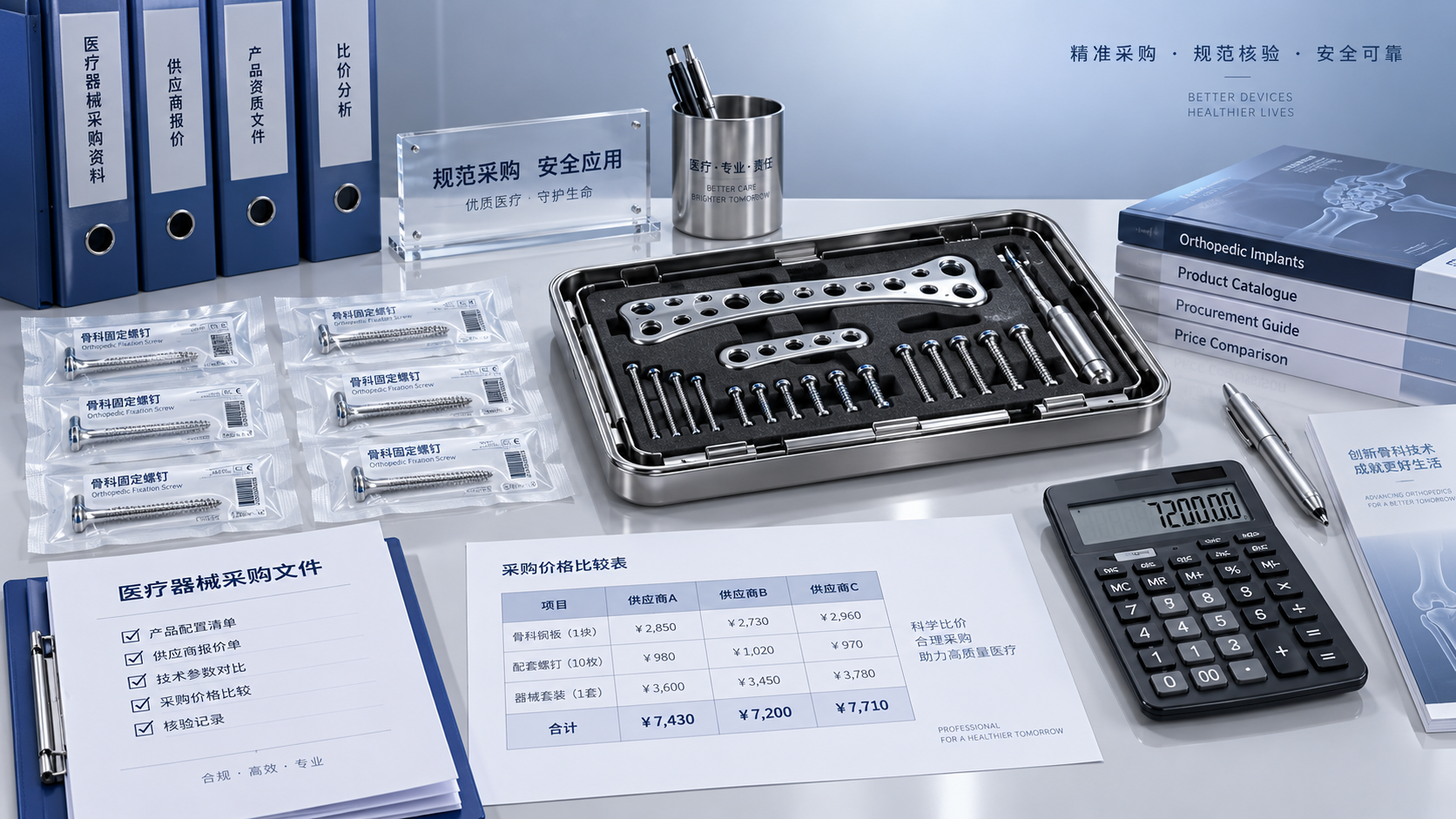
A practical scorecard can help. Weight clinical longevity, evidence strength, regulatory maturity, surgeon acceptance, supply reliability, and total landed cost. This produces a more defensible decision than choosing the lowest quotation in isolation.
When possible, align material decisions with internal outcome tracking. If your institution can connect implant type to revision rates, return-to-function metrics, or post-op resource consumption, material sourcing becomes a measurable business decision rather than a debate.
Compliance, documentation, and supplier quality may outweigh small price differences
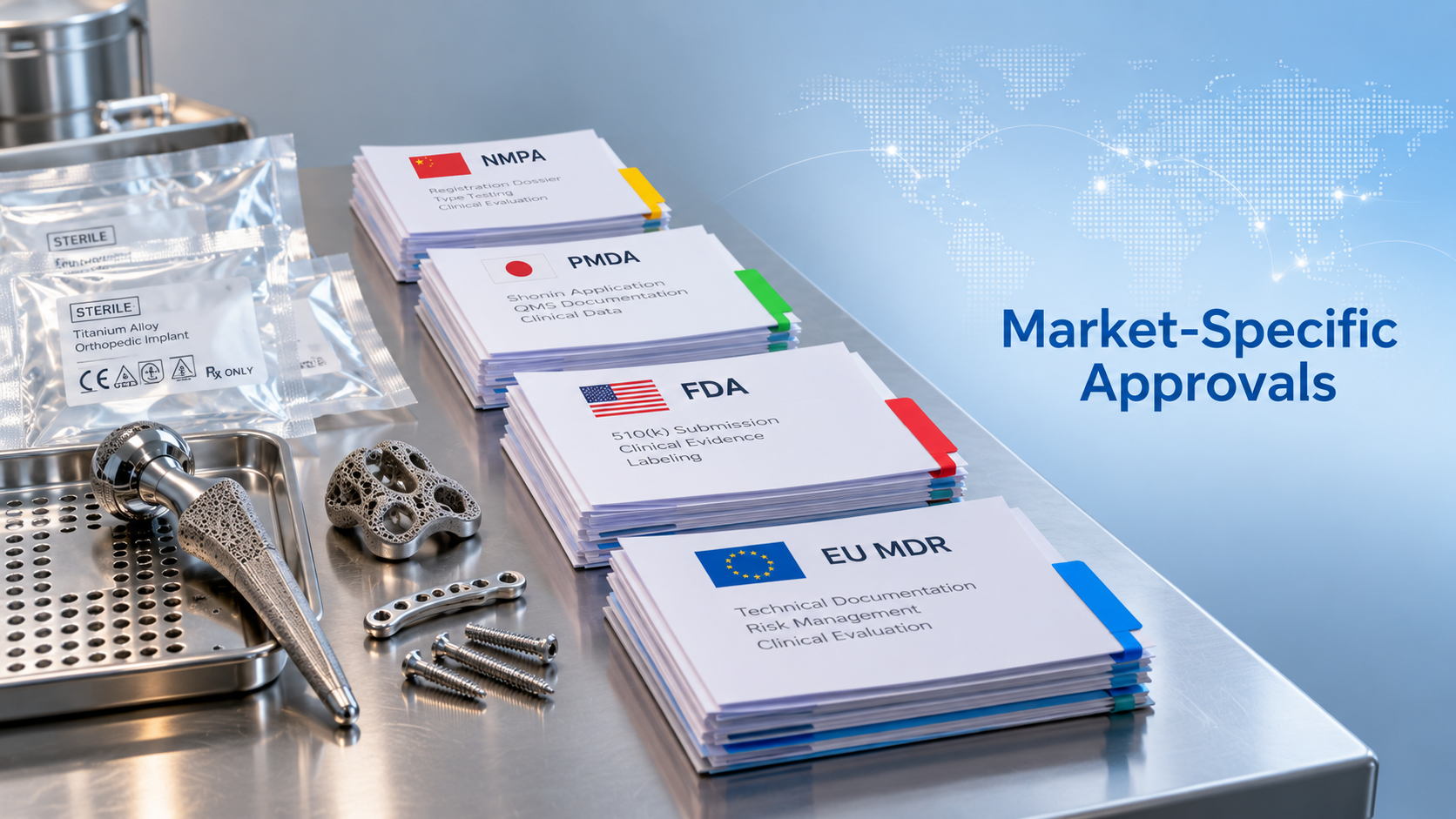
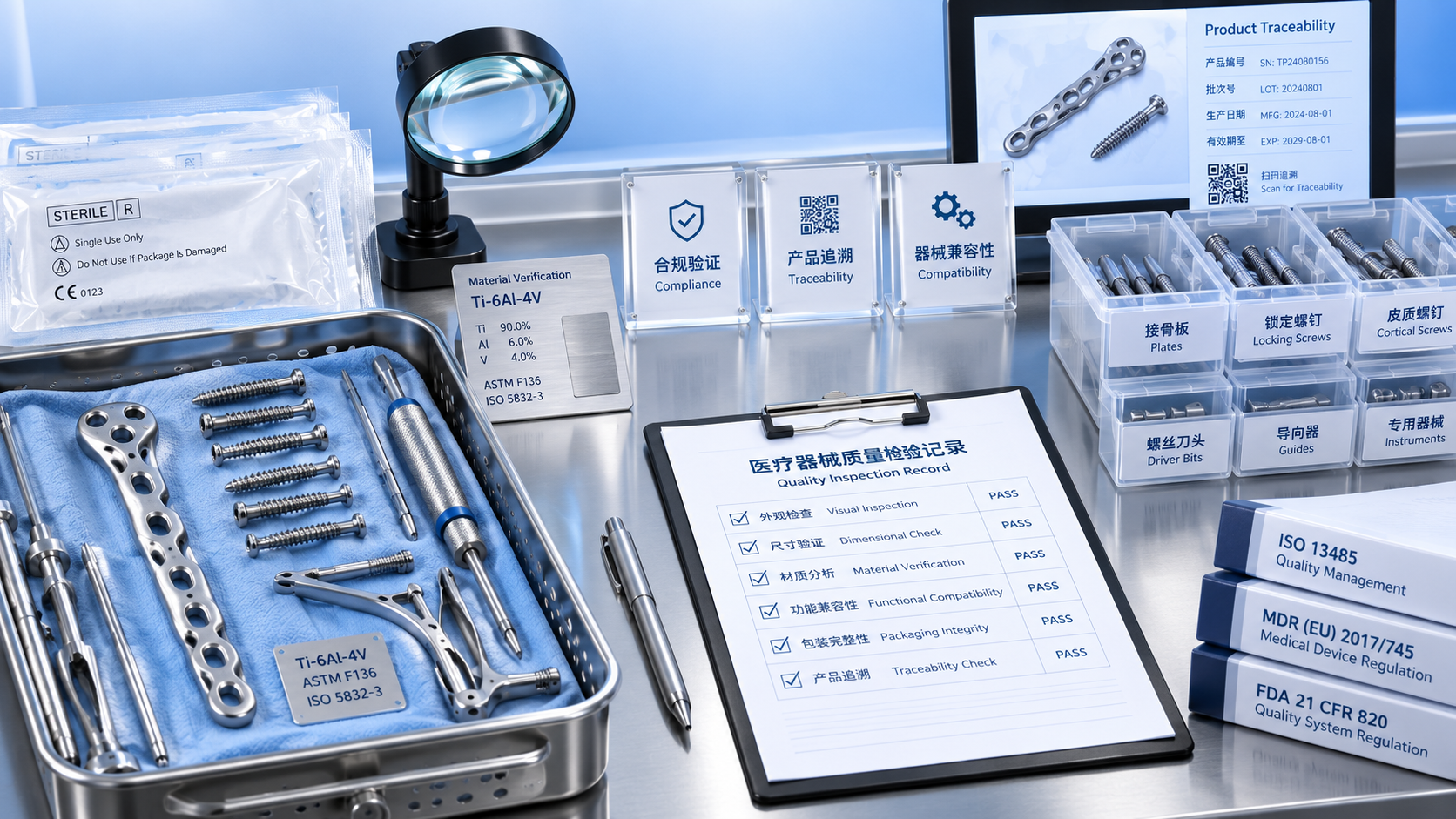
In orthopedic purchasing, material selection is inseparable from compliance management. The value of an implant material is undermined if the supplier cannot support ISO, MDR, FDA, UDI, sterilization, traceability, and biocompatibility documentation requirements.
This is especially important when comparing established metals with newer coatings, composites, or additive structures. Even if the base material is familiar, the final product’s regulatory burden may increase because of process complexity or limited clinical history.
Procurement teams should review not only certificates but also the depth of the technical file. Material chemistry control, impurity management, fatigue data, wear testing, shelf-life support, cleaning validation, and post-market surveillance all affect sourcing risk.
Under strong price pressure, some suppliers compete aggressively on quotation while offering thinner documentation or weaker change-control discipline. That may create hidden costs later through delayed approvals, audit findings, recalls, or product substitutions.
For this reason, a small unit-price saving should rarely outweigh a meaningful gap in quality-system maturity. In Class III device purchasing, long-term value often depends more on documentation robustness and process consistency than on nominal material cost differences.
A procurement checklist for choosing the right orthopedic implant materials
First, define the clinical scenario clearly. Is the implant for primary or revision use, high-load or moderate-load demand, elderly patients or younger active populations, imaging-sensitive follow-up, or complex anatomy requiring enhanced fixation?
Second, identify which material property truly matters in that scenario. It may be wear resistance, osseointegration, modulus matching, radiolucency, corrosion resistance, or manufacturability. Without this step, comparisons become generic and misleading.
Third, ask for evidence tied to that property. Request survivorship data, registry trends, fatigue results, wear simulation, fixation outcomes, and adverse-event history. Marketing claims about advanced orthopedic implant materials should always be matched with proof.
Fourth, evaluate supplier reliability beyond the product brochure. Review regulatory history, audit readiness, change-control performance, lead times, geographic manufacturing footprint, and capacity resilience under tender or VBP-related pricing stress.
Fifth, model total cost of ownership. Include purchase price, instruments, training, revision exposure, logistics, and compliance support. A material that seems expensive may be economical if it reduces failure and operational friction.
Finally, align the sourcing decision with internal stakeholder reality. Procurement, surgeons, quality teams, and finance should use a shared framework. Material selection becomes much stronger when clinical value and purchasing logic are evaluated together.
Conclusion: the best material is the one that lowers total risk while sustaining clinical value
For procurement teams, the cost versus lifespan tradeoff in orthopedic implant materials is not a simple ranking of cheap versus premium. It is a structured decision about where material performance meaningfully changes patient outcomes, revision burden, and compliance risk.
Titanium alloys often provide the best all-around balance. Cobalt-chromium remains valuable where wear resistance is critical. PEEK and advanced polymers can justify their place when imaging and elastic behavior matter. Porous and additive designs deserve attention, but also scrutiny.
The smartest sourcing strategy is to buy by indication, evidence strength, and total ownership cost. When procurement teams connect material choice to lifespan, quality systems, and real clinical economics, they create value far beyond the invoice price.
In today’s orthopedic market, that is the real advantage: selecting implant materials that are not only affordable to purchase, but dependable to perform over the long term.
Get weekly intelligence in your inbox.
No noise. No sponsored content. Pure intelligence.
News Recommendations
 Oct 26, 2026Can a single approval cover life science product sales worldwide?Can a single approval cover life science product sales worldwide?
 Oct 25, 2026When is sensitization testing needed for medical device biocompatibility?When is sensitization testing needed for medical device biocompatibility?
 Oct 24, 2026How is biocompatibility tested for implantable polymer biomaterials?How is biocompatibility tested for implantable polymer biomaterials?
 Oct 23, 2026How to build reimbursement into an implant commercialization strategyHow to build reimbursement into an implant commercialization strategy
 Oct 22, 2026What clinical evidence do implants need for CE marking under EU MDR?What clinical evidence do implants need for CE marking under EU MDR?
 Oct 21, 2026How to choose disposable laparoscopic stapler reloads for thick tissueHow to choose disposable laparoscopic stapler reloads for thick tissue
 Oct 20, 2026How to assess medical polymer biocompatibility under ISO 10993How to assess medical polymer biocompatibility under ISO 10993
 Oct 19, 2026How do interventional device categories differ in clinical use?How do interventional device categories differ in clinical use?
 Oct 18, 2026When to choose alginate dressings for heavily exuding chronic woundsWhen to choose alginate dressings for heavily exuding chronic wounds
 Oct 17, 2026How is biocompatibility tested for custom medical-grade PEEK implants?How is biocompatibility tested for custom medical-grade PEEK implants?
 Oct 16, 2026How to check a wound healing materials supplier’s biocompatibility dataHow to check a wound healing materials supplier’s biocompatibility data
 Oct 15, 2026How to verify the FDA clearance status of silver wound dressingsHow to verify the FDA clearance status of silver wound dressings
 Oct 14, 2026How to register orthopedic implants and instruments in Latin AmericaHow to register orthopedic implants and instruments in Latin America
 Oct 13, 2026How to use a device market intelligence database to benchmark VBP pricesHow to use a device market intelligence database to benchmark VBP prices
 Oct 12, 2026When should stainless steel orthopedic instruments be replaced?When should stainless steel orthopedic instruments be replaced?
 Oct 11, 2026When are alginate dressings rope the right choice for cavity wounds?When are alginate dressings rope the right choice for cavity wounds?
 Oct 10, 2026When smart minimally invasive technology improves catheter accessWhen smart minimally invasive technology improves catheter access
 Oct 08, 2026Clinical evaluation requirements for cardiovascular implant devices in EuropeClinical evaluation requirements for cardiovascular implant devices in Europe
 Oct 07, 2026What to verify before appointing an artificial joint implants distributorWhat to verify before appointing an artificial joint implants distributor
 Oct 06, 2026How ISO 10993 guides biocompatibility testing for medical materialsHow ISO 10993 guides biocompatibility testing for medical materials
 Oct 05, 2026How to verify an orthopedic implants and instruments exporterHow to verify an orthopedic implants and instruments exporter
 Oct 04, 2026What drives surgical stapling devices price differences in hospital tenders?What drives surgical stapling devices price differences in hospital tenders?
 Oct 03, 2026How to assess a central venous catheter manufacturer's infection-control evidenceHow to assess a central venous catheter manufacturer's infection-control evidence
 Oct 02, 2026How to assess an advanced wound care factory’s quality systemHow to assess an advanced wound care factory’s quality system
 Oct 01, 2026What is driving global medical consumables demand in emerging markets?What is driving global medical consumables demand in emerging markets?
 Sep 30, 2026Implant Material Compliance Testing: Evidence Needed for Regulatory SubmissionImplant Material Compliance Testing: Evidence Needed for Regulatory Submission
 Sep 30, 2026From Corrosion to Fatigue: What Implant Materials Testing Should MeasureFrom Corrosion to Fatigue: What Implant Materials Testing Should Measure