Medical Regulatory Intelligence for Faster Clinical Access
For project managers and engineering leads bringing high-value implants and medical consumables to market, speed depends on more than technical excellence—it depends on medical regulatory intelligence. From Class III clinical evidence and ISO 10993 biocompatibility to MDR scrutiny and VBP pricing pressure, every decision can accelerate or delay clinical access. IMCS connects material innovation, precision manufacturing, and global compliance insight to help teams reduce uncertainty, align development milestones, and move safer orthopedic, cardiovascular, minimally invasive, catheter, and wound-care solutions toward patients faster.
In high-value medical consumables, a delayed test protocol, incomplete clinical evaluation, or misread procurement policy can shift launch plans by 3–12 months. For engineering project owners, regulatory intelligence is no longer a back-office reference. It is a planning layer that shapes design inputs, verification priorities, supplier selection, clinical evidence strategy, and commercial access.
Why Medical Regulatory Intelligence Determines Clinical Access Speed

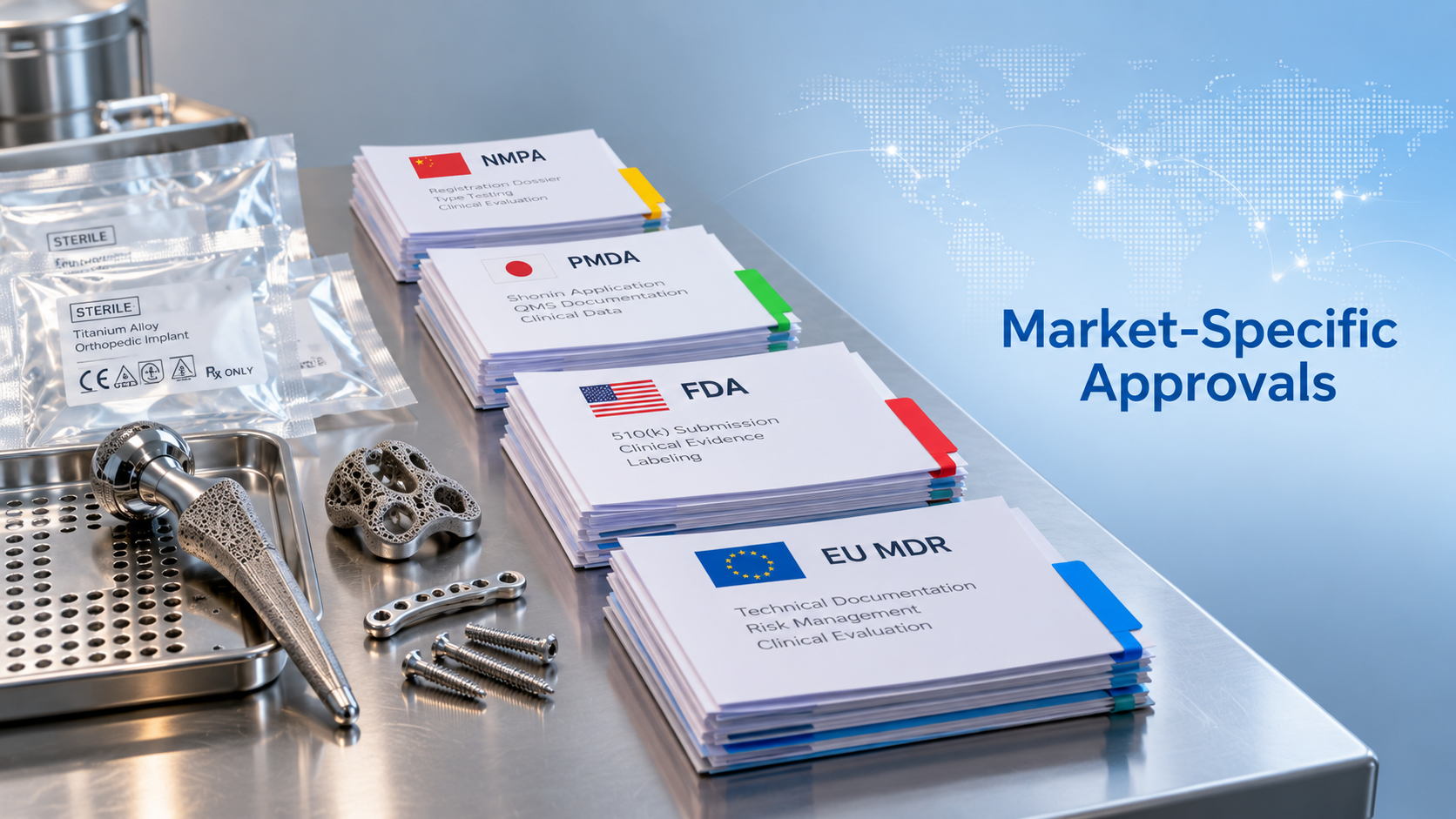
Medical regulatory intelligence converts scattered requirements into usable decisions. For Class III implants, drug-eluting stents, TAVR valves, surgical staplers, polymer catheters, and advanced wound-care materials, the pathway is rarely linear. Teams must synchronize design control, biocompatibility, preclinical testing, clinical evaluation, labeling, post-market planning, and pricing exposure.
A project manager may track 80–200 technical deliverables across R&D, quality, clinical, regulatory, and supply chain functions. Without a shared intelligence framework, the same device can pass engineering review but fail evidence expectations, sterilization assumptions, or reimbursement logic.
From Technical Readiness to Regulatory Readiness
Technical readiness answers whether a product works under controlled conditions. Regulatory readiness asks whether the product can prove safety, performance, and clinical benefit under the rules of the target market. The difference is critical for devices that remain in the body for days, months, or decades.
- Orthopedic implants require evidence for fatigue strength, osseointegration assumptions, wear debris, and long-term mechanical stability.
- Cardiovascular devices require hemocompatibility, delivery system control, vessel interaction, and clinically justified endpoints.
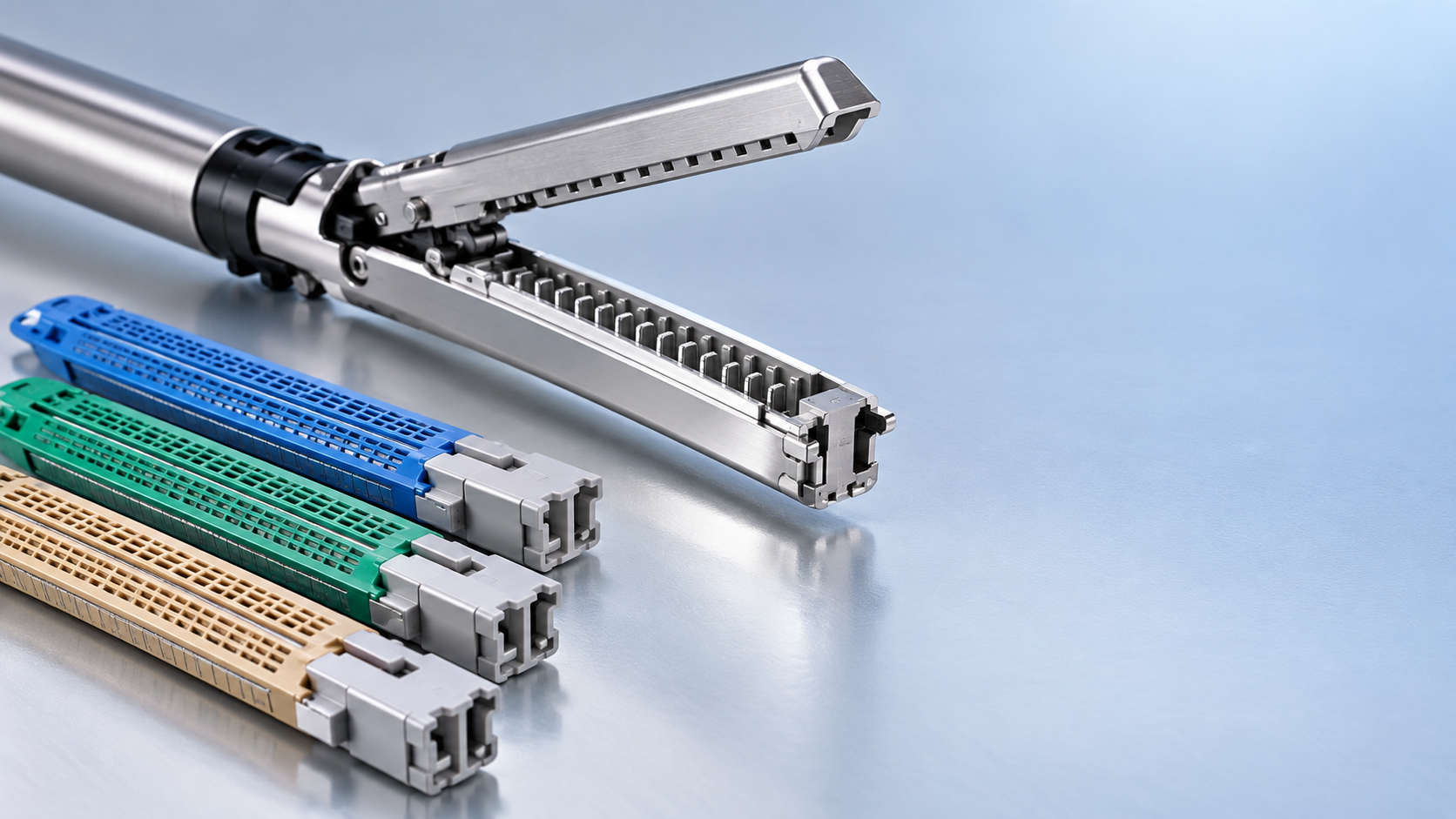
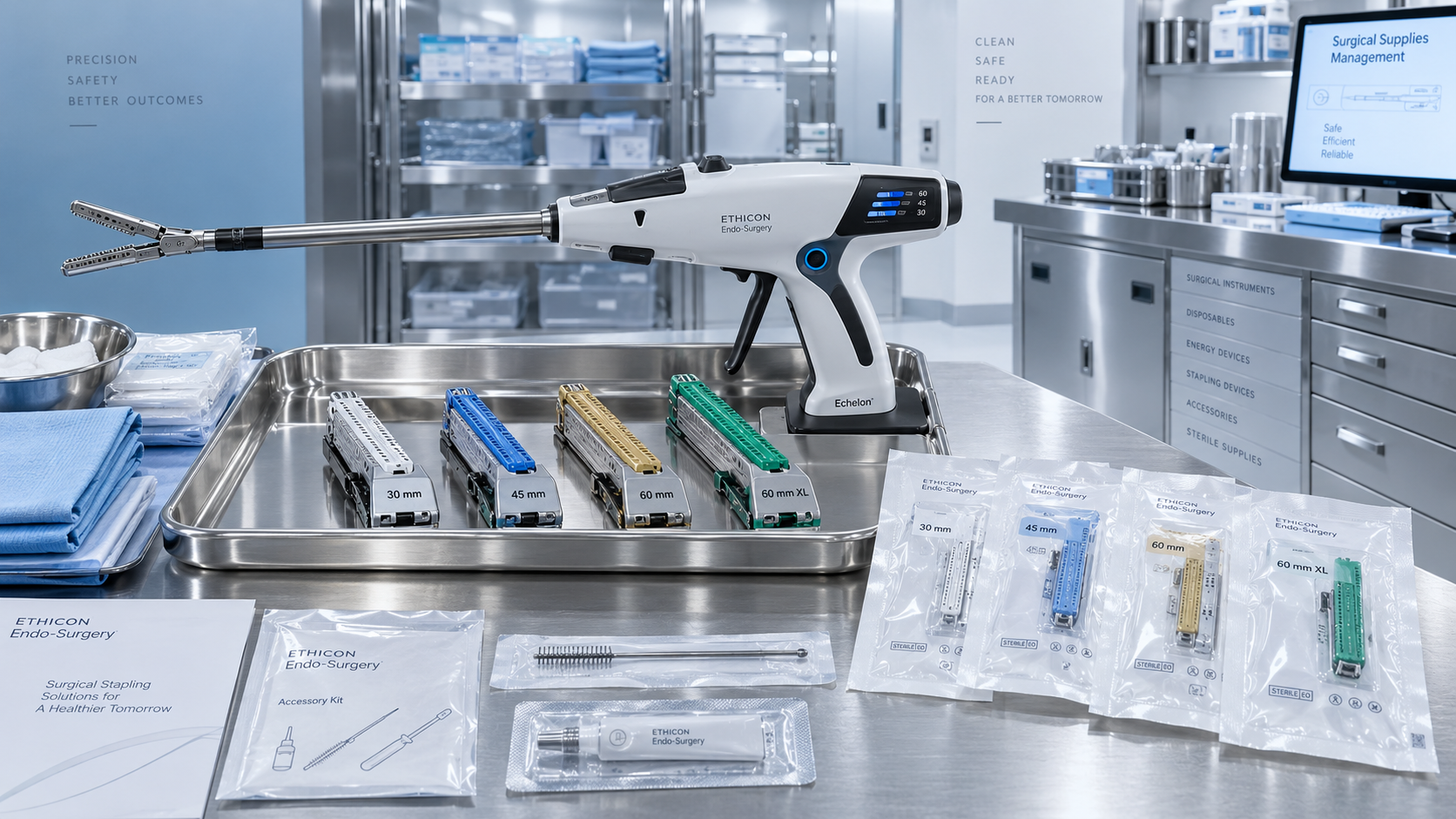
- Minimally invasive staplers require staple formation consistency, tissue compression control, cutting reliability, and usability risk review.
- Medical polymer catheters require kink resistance, coating integrity, extractables, leachables, and thrombosis-related risk evaluation.
- Advanced dressings require wound environment suitability, antimicrobial rationale, fluid handling, and skin-contact biological safety.
Where Delays Usually Begin
Most delays are not caused by one dramatic failure. They often begin with 5–10 small gaps: an outdated standard, a missing equivalence argument, an unclear intended use, or a VBP price assumption that contradicts the manufacturing cost model.
IMCS treats these gaps as project risks that can be identified before formal submission. This approach allows project teams to adjust timelines, testing packages, and investment gates before the cost of change becomes excessive.
Key Access Questions for Engineering Leaders
- Is the device classification confirmed in each priority market?
- Do ISO 10993 endpoints match duration, contact type, and material chemistry?
- Can the clinical evidence strategy withstand MDR or equivalent high-risk review?
- Are VBP or tender rules likely to compress price within 1–3 procurement cycles?
- Does the design history file support future line extensions without repeated testing?
Mapping Intelligence to IMCS Device Pillars
Medical regulatory intelligence becomes valuable when it is specific to the product family. A hip stem, a DES platform, a laparoscopic stapler, a neurovascular microcatheter, and a silver-ion foam dressing do not share the same risk profile. Each needs a dedicated evidence map.
IMCS focuses on 5 pillars where materials science, micron-level manufacturing, and clinical outcomes intersect. For project managers, this pillar-based view helps translate regulatory complexity into work packages, decision gates, and procurement criteria.
The following table illustrates how medical regulatory intelligence can be applied across core product categories without reducing compliance work to a generic checklist.
The key lesson is simple: a unified regulatory intelligence model must still respect category differences. Project teams gain speed when each technical decision is connected to its evidence burden, expected review questions, and commercial access constraints.
Orthopedic and Cardiovascular Programs Need Early Evidence Discipline
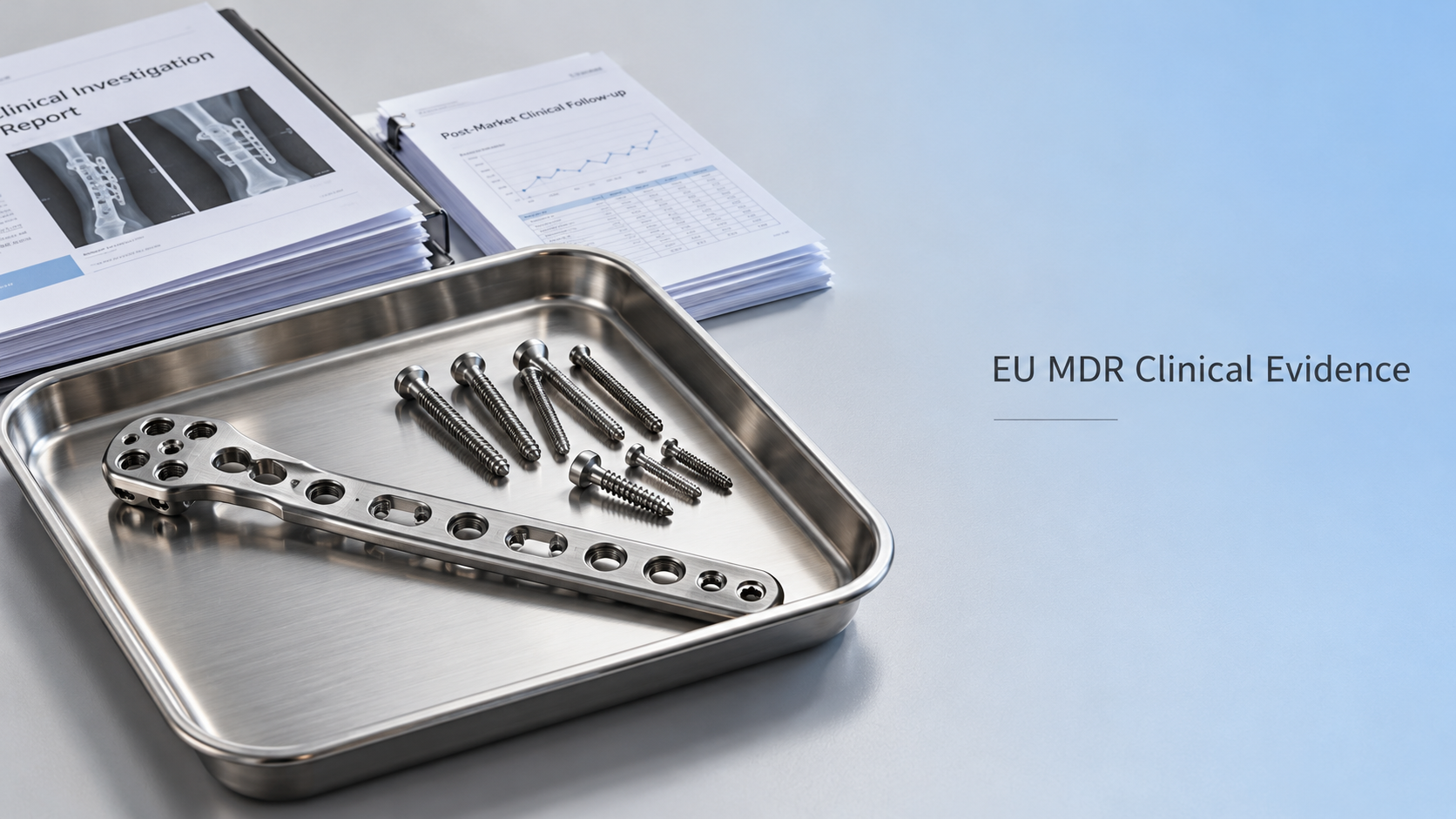
For high-risk implants, evidence planning should start at concept freeze, not after design verification. A porous orthopedic structure may require mechanical testing plus biological justification. A stent platform may require coating stability, particulate evaluation, and clinically meaningful performance endpoints.
In practice, early medical regulatory intelligence can reduce the number of late protocol revisions. Even a 2-week delay in test approval can cascade into 8–12 weeks when animal studies, sterilization validation, or clinical documentation are involved.
Consumables and Dressings Need Claim Control
For staplers, catheters, and dressings, claims often create risk. A performance statement that sounds commercially useful may trigger higher evidence expectations. Medical regulatory intelligence helps define what can be claimed, what must be tested, and what should remain outside initial labeling.
A Practical Framework for Project Managers
Project managers need a framework that converts regulatory insight into schedules, responsibilities, and measurable outputs. IMCS structures medical regulatory intelligence around 4 layers: classification, evidence, commercialization, and lifecycle surveillance.
Each layer should be reviewed at defined gates. A typical program can use 5 checkpoints: concept selection, design input freeze, verification planning, submission readiness, and market access preparation.
The 5-Step Intelligence Workflow
- Define the access target: identify 2–3 priority markets, device class, intended use, user population, and expected claims.
- Build the evidence matrix: connect ISO 10993, bench testing, usability, sterilization, software if applicable, and clinical evaluation needs.
- Stress-test assumptions: review equivalence logic, predicate differences, material changes, and manufacturing tolerances such as ±0.05 mm or tighter where relevant.
- Model pricing exposure: assess VBP, tender scoring, hospital procurement preferences, and supply capacity under price pressure.
- Update the plan monthly: maintain a living dashboard for standards changes, reviewer trends, and post-market signal requirements.
What Engineering Leads Should Track Weekly
Engineering leads should not wait for quarterly reviews to detect regulatory drift. Weekly tracking of 6–8 indicators helps teams intervene before verification samples, supplier orders, or clinical documents become misaligned.
- Open design changes affecting patient-contact materials or critical dimensions.
- Testing protocols awaiting approval for more than 7 business days.
- Supplier changes involving resin grade, coating chemistry, sterilization packaging, or titanium powder source.
- Clinical evaluation questions unresolved after 2 review cycles.
- VBP or tender assumptions that reduce target gross margin below the internal threshold.
- Labeling claims not yet linked to verified performance or clinical evidence.
Role of the IMCS Strategic Intelligence Center
IMCS combines toxicology validation, clinical evaluation logic, and VBP financial modeling. Dr. Helena Vance focuses on ISO 10993 biological safety boundaries. Prof. Marcus Sterling examines the clinical reasoning behind MDR Clinical Evaluation Reports. Mr. Julian Mercer evaluates procurement pressure, price cliffs, and capacity scenarios.
For project teams, this creates a cross-functional intelligence bridge. Instead of managing toxicology, clinical evidence, and pricing as separate workstreams, leaders can understand how one decision affects the next 3–5 milestones.
Selection Criteria for Regulatory Intelligence Partners
Choosing a medical regulatory intelligence partner should be treated as a strategic procurement decision. The right partner does not simply summarize regulations. It translates them into design trade-offs, testing priorities, clinical documentation logic, and access strategy.
Project managers should assess partners using measurable criteria. The following comparison highlights practical factors that influence program speed, budget control, and submission quality.
The strongest partner is one that helps the project team make better trade-offs. For example, a material change that reduces cost by 6% may not be attractive if it triggers a new biocompatibility package, delays submission, or weakens clinical equivalence.
Common Mistakes in Partner Selection
Some teams select intelligence support only after a regulatory question blocks progress. This reactive model can be expensive. By then, molds may be finalized, preclinical samples produced, and suppliers locked for 12–24 months.
- Treating ISO 10993 as a fixed checklist rather than a risk-based biological evaluation.
- Assuming an existing predicate removes the need for robust clinical reasoning.
- Ignoring procurement rules until after regulatory submission.
- Separating engineering tolerance decisions from regulatory evidence expectations.
- Using marketing claims before verification and clinical support are complete.
Risk Control Across Compliance, Cost, and Supply
Clinical access is shaped by three risk groups: compliance risk, cost risk, and supply risk. Medical regulatory intelligence should connect all three because Class III devices and high-value consumables are evaluated by regulators, hospitals, payers, clinicians, and procurement committees.
A device that is technically strong but commercially fragile may struggle under VBP. A lower-cost product that lacks clinical credibility may fail hospital adoption. A compliant design that cannot scale from 5,000 to 50,000 units per month may lose tender reliability.
Compliance Risk
Compliance risk includes unclear classification, insufficient biological safety rationale, weak clinical evaluation, and incomplete post-market planning. For long-term implants, review questions often focus on durability, degradation, particulate release, and benefit-risk justification.
Cost and VBP Risk
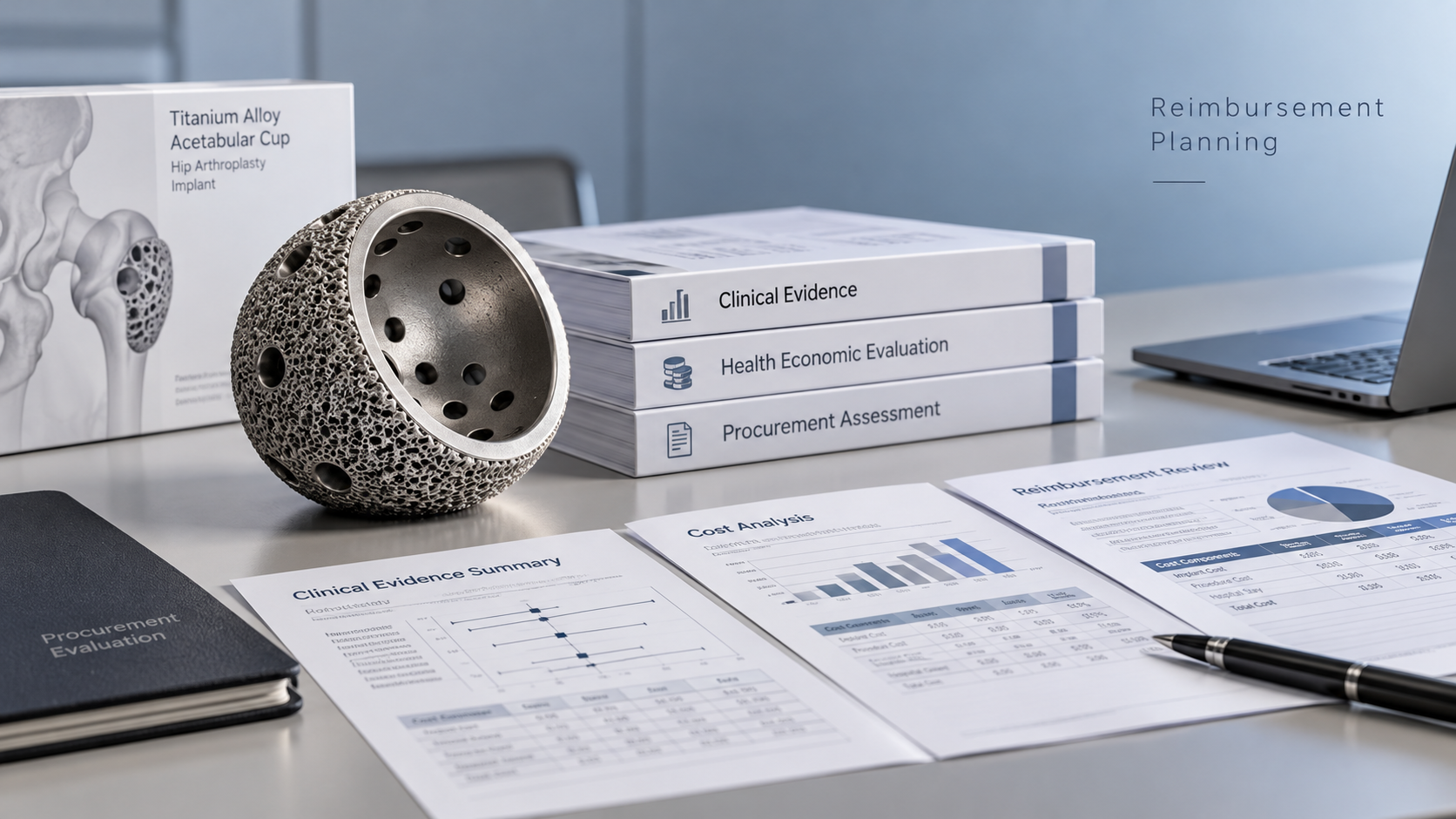
VBP pressure changes project economics. If price compression is expected within 1–2 bidding cycles, teams must evaluate cost of goods, automation level, supplier redundancy, and packaging efficiency before final design transfer.
Supply and Manufacturing Risk
Supply risk is especially important for precision implants and consumables. Titanium powder quality, PEEK resin stability, catheter coating consistency, and foam dressing raw materials can affect both production yield and regulatory change control.
Recommended Control Rhythm
- Run regulatory intelligence reviews every 4 weeks during active development.
- Review supplier changes within 5 business days when patient-contact materials are involved.
- Update clinical evidence gaps at each major design gate.
- Refresh VBP scenario models before tender entry, capacity expansion, or price negotiation.
How IMCS Supports Faster, Safer Market Decisions
IMCS serves project managers and engineering leads who need clear decisions under regulatory and commercial pressure. Its medical regulatory intelligence connects the material realities of titanium, PEEK, polymers, coatings, foams, and alginates with the evidence expectations of global medical device markets.
The value is not only faster documentation. It is better sequencing: knowing which tests to prioritize, which claims to restrain, which clinical arguments to strengthen, and which procurement scenarios may reshape the business case.
Best-Fit Users
IMCS is especially relevant for teams managing high-value consumables, Class III devices, or technically differentiated materials. It supports project owners who must coordinate R&D, quality, regulatory affairs, clinical science, manufacturing, finance, and commercial access.
- Engineering leads preparing design verification plans for implants or interventional devices.
- Project managers aligning ISO 10993, MDR CER, and market launch milestones.
- Manufacturers evaluating premium positioning under VBP cost-control pressure.
- Material science companies seeking international voice for biocompatible innovation.
A More Reliable Path to Clinical Access
Medical regulatory intelligence helps teams move from reactive problem solving to controlled execution. It turns complex rules into practical project choices, reducing uncertainty around testing, evidence, labeling, procurement, and post-market expectations.
For orthopedic reconstruction, cardiovascular intervention, minimally invasive surgery, catheter-based therapy, and wound regeneration, the stakes are high. Patients need safer devices, clinicians need reliable performance, and manufacturers need access strategies that survive both regulatory scrutiny and pricing pressure.
IMCS brings together biocompatibility insight, clinical evaluation reasoning, and VBP intelligence to help project teams make earlier, clearer, and more defensible decisions. To align your next implant or medical consumable program with a stronger access roadmap, contact IMCS to discuss product details, obtain a tailored intelligence plan, or explore more regulatory and market access solutions.
Get weekly intelligence in your inbox.
No noise. No sponsored content. Pure intelligence.
News Recommendations
 Oct 26, 2026Can a single approval cover life science product sales worldwide?Can a single approval cover life science product sales worldwide?
 Oct 25, 2026When is sensitization testing needed for medical device biocompatibility?When is sensitization testing needed for medical device biocompatibility?
 Oct 24, 2026How is biocompatibility tested for implantable polymer biomaterials?How is biocompatibility tested for implantable polymer biomaterials?
 Oct 23, 2026How to build reimbursement into an implant commercialization strategyHow to build reimbursement into an implant commercialization strategy
 Oct 22, 2026What clinical evidence do implants need for CE marking under EU MDR?What clinical evidence do implants need for CE marking under EU MDR?
 Oct 21, 2026How to choose disposable laparoscopic stapler reloads for thick tissueHow to choose disposable laparoscopic stapler reloads for thick tissue
 Oct 20, 2026How to assess medical polymer biocompatibility under ISO 10993How to assess medical polymer biocompatibility under ISO 10993
 Oct 19, 2026How do interventional device categories differ in clinical use?How do interventional device categories differ in clinical use?
 Oct 18, 2026When to choose alginate dressings for heavily exuding chronic woundsWhen to choose alginate dressings for heavily exuding chronic wounds
 Oct 17, 2026How is biocompatibility tested for custom medical-grade PEEK implants?How is biocompatibility tested for custom medical-grade PEEK implants?
 Oct 16, 2026How to check a wound healing materials supplier’s biocompatibility dataHow to check a wound healing materials supplier’s biocompatibility data
 Oct 15, 2026How to verify the FDA clearance status of silver wound dressingsHow to verify the FDA clearance status of silver wound dressings
 Oct 14, 2026How to register orthopedic implants and instruments in Latin AmericaHow to register orthopedic implants and instruments in Latin America
 Oct 13, 2026How to use a device market intelligence database to benchmark VBP pricesHow to use a device market intelligence database to benchmark VBP prices
 Oct 12, 2026When should stainless steel orthopedic instruments be replaced?When should stainless steel orthopedic instruments be replaced?
 Oct 11, 2026When are alginate dressings rope the right choice for cavity wounds?When are alginate dressings rope the right choice for cavity wounds?
 Oct 10, 2026When smart minimally invasive technology improves catheter accessWhen smart minimally invasive technology improves catheter access
 Oct 08, 2026Clinical evaluation requirements for cardiovascular implant devices in EuropeClinical evaluation requirements for cardiovascular implant devices in Europe
 Oct 07, 2026What to verify before appointing an artificial joint implants distributorWhat to verify before appointing an artificial joint implants distributor
 Oct 06, 2026How ISO 10993 guides biocompatibility testing for medical materialsHow ISO 10993 guides biocompatibility testing for medical materials
 Oct 05, 2026How to verify an orthopedic implants and instruments exporterHow to verify an orthopedic implants and instruments exporter
 Oct 04, 2026What drives surgical stapling devices price differences in hospital tenders?What drives surgical stapling devices price differences in hospital tenders?
 Oct 03, 2026How to assess a central venous catheter manufacturer's infection-control evidenceHow to assess a central venous catheter manufacturer's infection-control evidence
 Oct 02, 2026How to assess an advanced wound care factory’s quality systemHow to assess an advanced wound care factory’s quality system
 Oct 01, 2026What is driving global medical consumables demand in emerging markets?What is driving global medical consumables demand in emerging markets?
 Sep 30, 2026Implant Material Compliance Testing: Evidence Needed for Regulatory SubmissionImplant Material Compliance Testing: Evidence Needed for Regulatory Submission
 Sep 30, 2026From Corrosion to Fatigue: What Implant Materials Testing Should MeasureFrom Corrosion to Fatigue: What Implant Materials Testing Should Measure