Wound Healing Technologies: Which Options Show Real Clinical Value?
For business evaluators navigating today’s crowded wound care market, understanding which wound healing technologies deliver measurable clinical value is critical. From advanced dressings and NPWT to bioactive materials and tissue-regeneration platforms, the real differentiator is not innovation alone, but proven outcomes, regulatory strength, and reimbursement potential. This article examines the options that matter most when clinical performance and commercial viability must align.
How should business evaluators judge wound healing technologies beyond product claims?
In wound care, clinical value is rarely determined by novelty alone. Business teams must ask whether a technology reduces time to closure, lowers infection risk, decreases dressing changes, shortens hospital stay, or prevents costly complications such as amputation or readmission.
That is why wound healing technologies should be assessed as a package of evidence, workflow fit, compliance burden, and procurement resilience. A dressing with higher unit cost may still create better value if it lowers nursing time or avoids escalation to surgery.
For IMCS, this evaluation logic fits naturally within a broader medical consumables framework. The same discipline used to assess orthopedic implants, interventional devices, stapling systems, and polymer catheters also applies to advanced wound care: biocompatibility, precision manufacturing, regulatory readiness, and reimbursement realism must be reviewed together.
- Clinical endpoint clarity: complete healing, granulation progress, exudate control, bacterial burden reduction, pain reduction, and fewer adverse events.
- Operational impact: dressing change frequency, staff training needs, storage requirements, and compatibility with outpatient or home-care workflows.
- Commercial viability: reimbursement pathway, tender competitiveness, supplier continuity, and total cost of care rather than unit price alone.
Which wound healing technologies show the strongest real-world clinical value?
The answer depends on wound type, exudate level, infection status, and care setting. Still, a few wound healing technologies repeatedly stand out in procurement reviews because they are linked to practical outcomes in diabetic foot ulcers, pressure injuries, surgical wounds, burns, and traumatic soft-tissue defects.
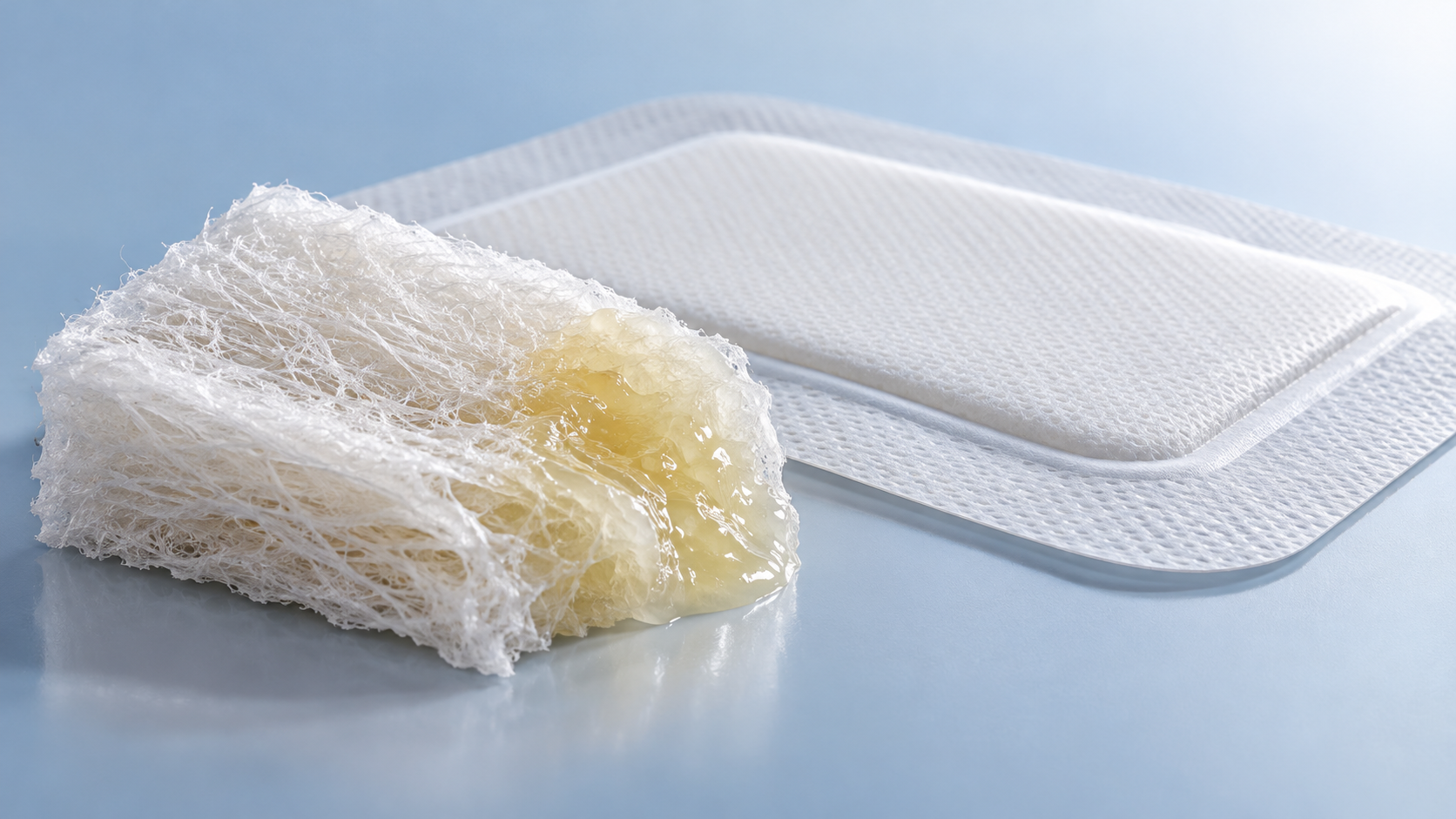
Advanced foam, hydrofiber, alginate, and silicone dressings
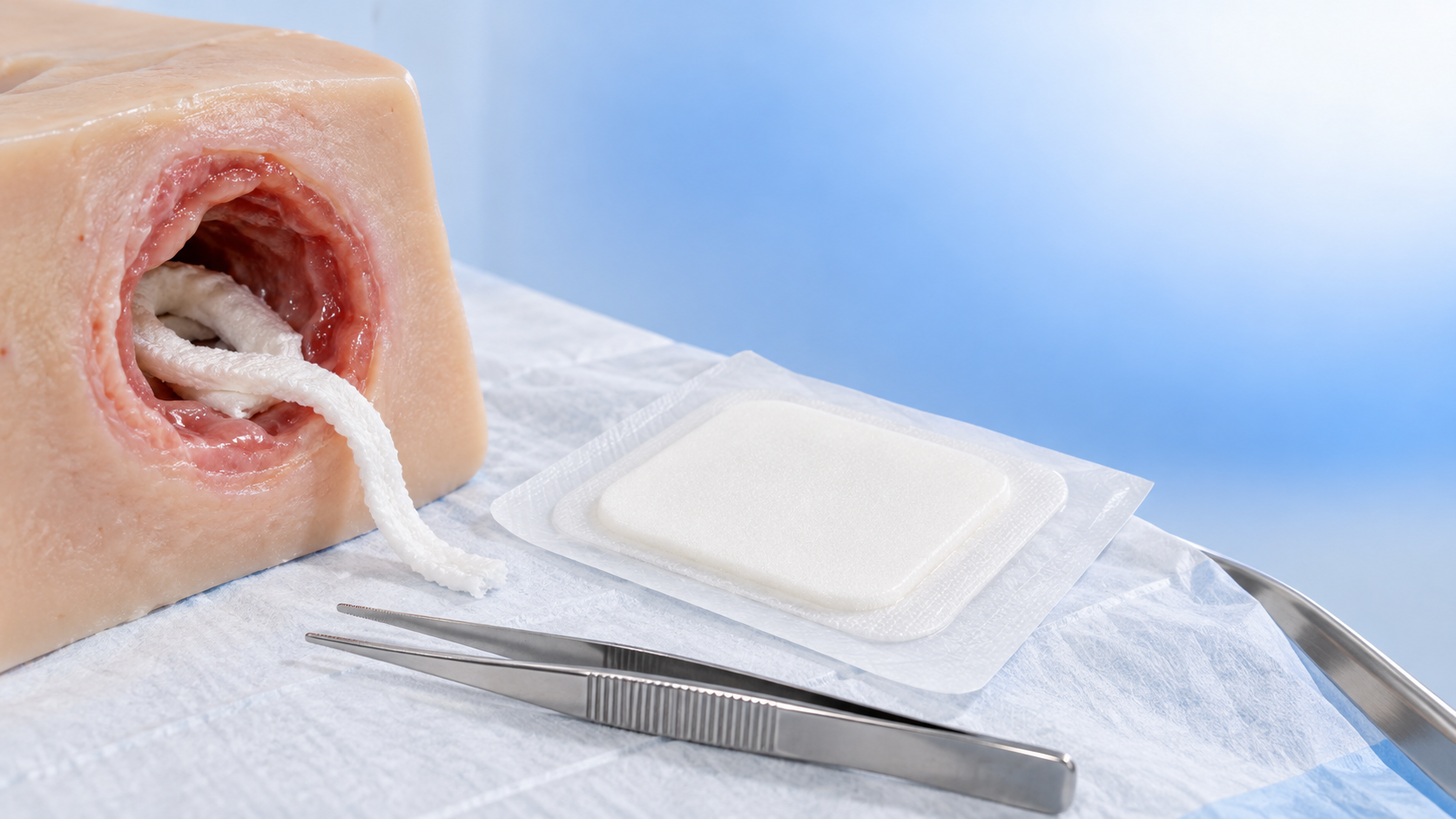
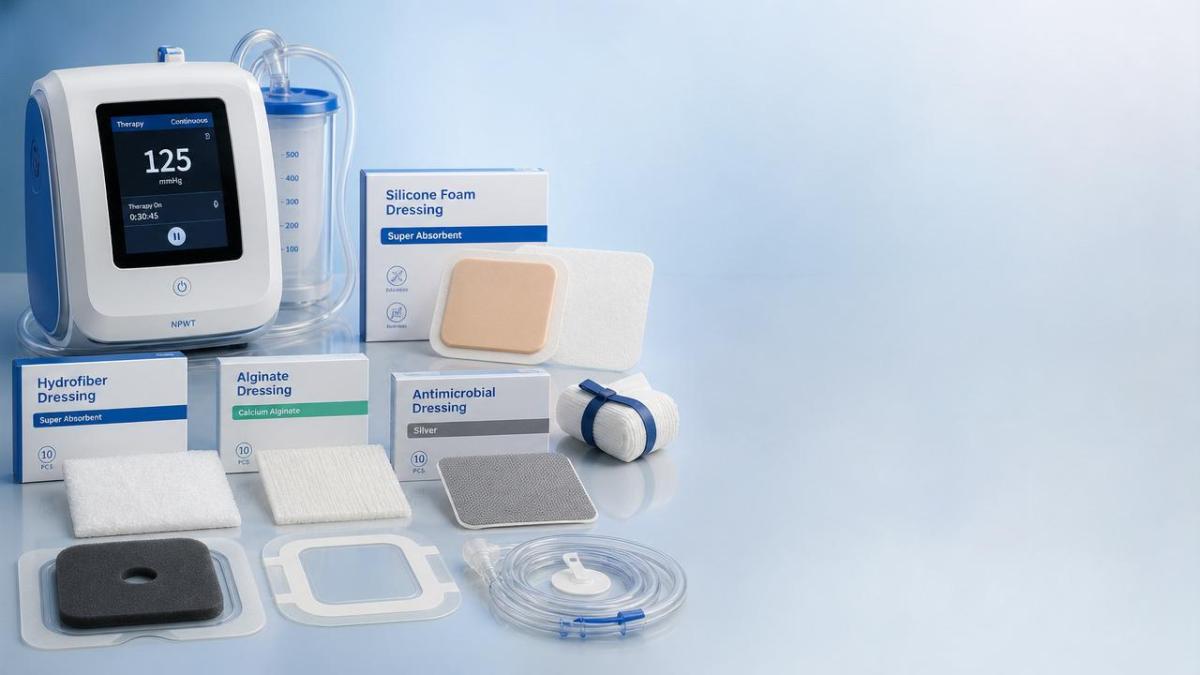
These products often offer the most accessible balance between performance and cost. Their value lies in moisture management, atraumatic removal, exudate handling, peri-wound protection, and in some cases antimicrobial support through silver or other active components.
Negative Pressure Wound Therapy
NPWT has strong relevance when wounds are deep, heavily exuding, surgically dehisced, or preparing for closure or grafting. Clinical value often comes from promoting granulation, managing fluid, and reducing the burden of complex wound care in high-risk patients.
Bioactive and tissue-regeneration materials
Collagen matrices, extracellular matrix-derived scaffolds, and selected regenerative platforms may create value in hard-to-heal wounds. They are not first-line for every case, but they can be strategically useful when standard moist wound care has plateaued and tissue reconstruction becomes the real objective.
Antimicrobial dressings
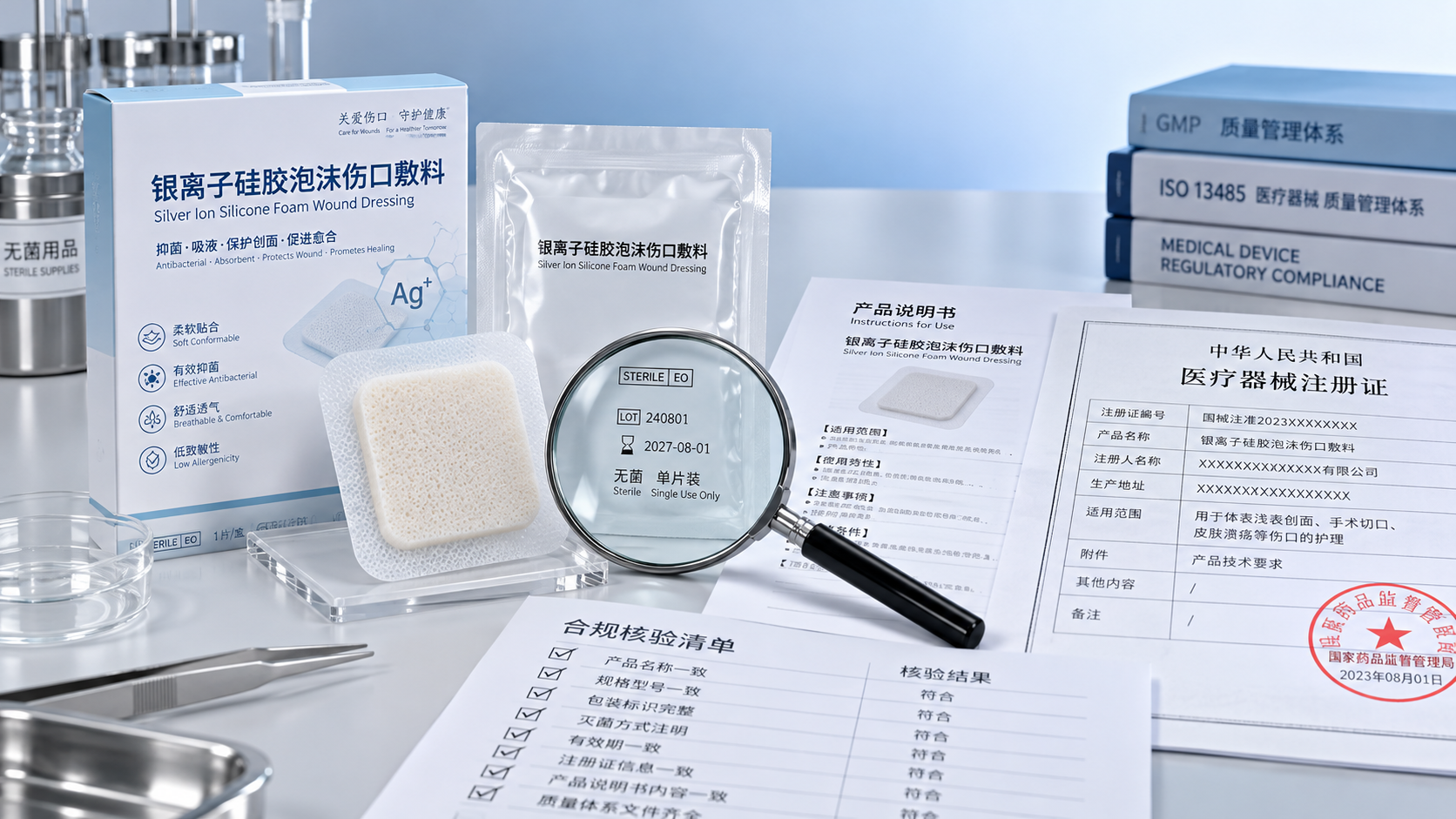
Silver-containing foams and related options can be helpful when bacterial burden is suspected or local infection risk is elevated. Their value is usually strongest when used with a clear indication and review interval, rather than as routine default usage.
The table below compares core wound healing technologies by business-relevant criteria rather than marketing language.
A practical takeaway is that wound healing technologies show the strongest value when they solve a defined clinical bottleneck. Overly broad positioning usually weakens both medical credibility and tender competitiveness.
Which application scenarios justify higher spend on advanced wound care?
Budget pressure is real, especially in systems influenced by reimbursement limits, DRG discipline, and price-focused procurement. Yet some scenarios justify premium wound healing technologies because the downside of under-treatment is much more expensive than the product itself.
Diabetic foot ulcers
These wounds involve high recurrence, infection risk, and potential limb loss. Evaluators should focus on technologies that support exudate control, offloading-compatible use, infection management, and escalation logic when healing stalls.
Postoperative and dehisced wounds
In surgery-related wounds, delayed healing extends hospital stay and strains bed turnover. NPWT, silicone-based contact layers, and absorbent systems may deliver value by stabilizing the wound environment and simplifying care pathways.
Burns and traumatic soft-tissue injury
Here, pain control, fluid management, infection prevention, and tissue preservation matter as much as closure speed. A dressing that reduces trauma during removal may lower analgesic burden and improve patient adherence.
- Choose premium solutions when delayed healing can trigger surgery, readmission, graft failure, or amputation risk.
- Be cautious with premium positioning in low-risk superficial wounds where simpler moist wound care performs adequately.
- Segment by care site: acute hospital, ambulatory clinic, community care, and home care have different value drivers.
What should procurement teams compare when selecting wound healing technologies?
Selection errors often happen because teams compare only list price, absorbency claims, or a single published study. Commercially sound selection requires a matrix that connects technical performance with clinical workflow and compliance obligations.
The next table organizes wound healing technologies into procurement criteria that matter in tenders, supplier qualification, and account-level business cases.
For business evaluators, the most important shift is from product comparison to pathway comparison. The better question is not only “Which dressing is cheaper?” but “Which wound care pathway creates fewer complications and lower downstream spending?”
How do standards, regulation, and reimbursement shape commercial value?
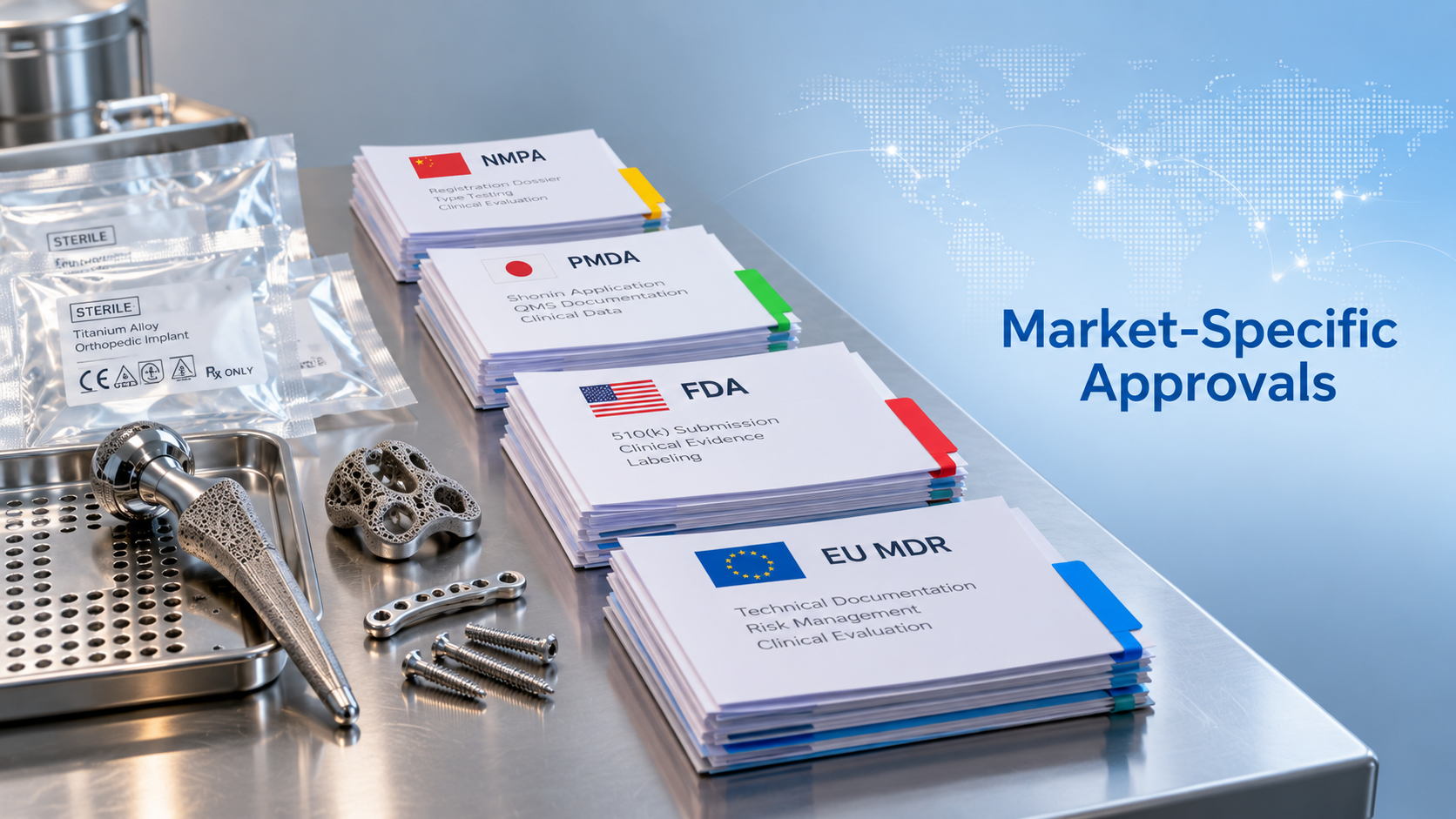
Clinical promise is not enough if the technology cannot travel through regulatory review, hospital value committees, or payer scrutiny. In advanced wound care, this becomes especially important when products include antimicrobial agents, biologically derived materials, or device-system combinations.
Regulatory fit matters early
Material safety, intended use clarity, labeling, and supporting technical documentation can determine market access speed. IMCS approaches this with the same intelligence discipline used in high-value medical consumables: connect product performance with realistic compliance expectations from the start.
Evidence must match reimbursement logic
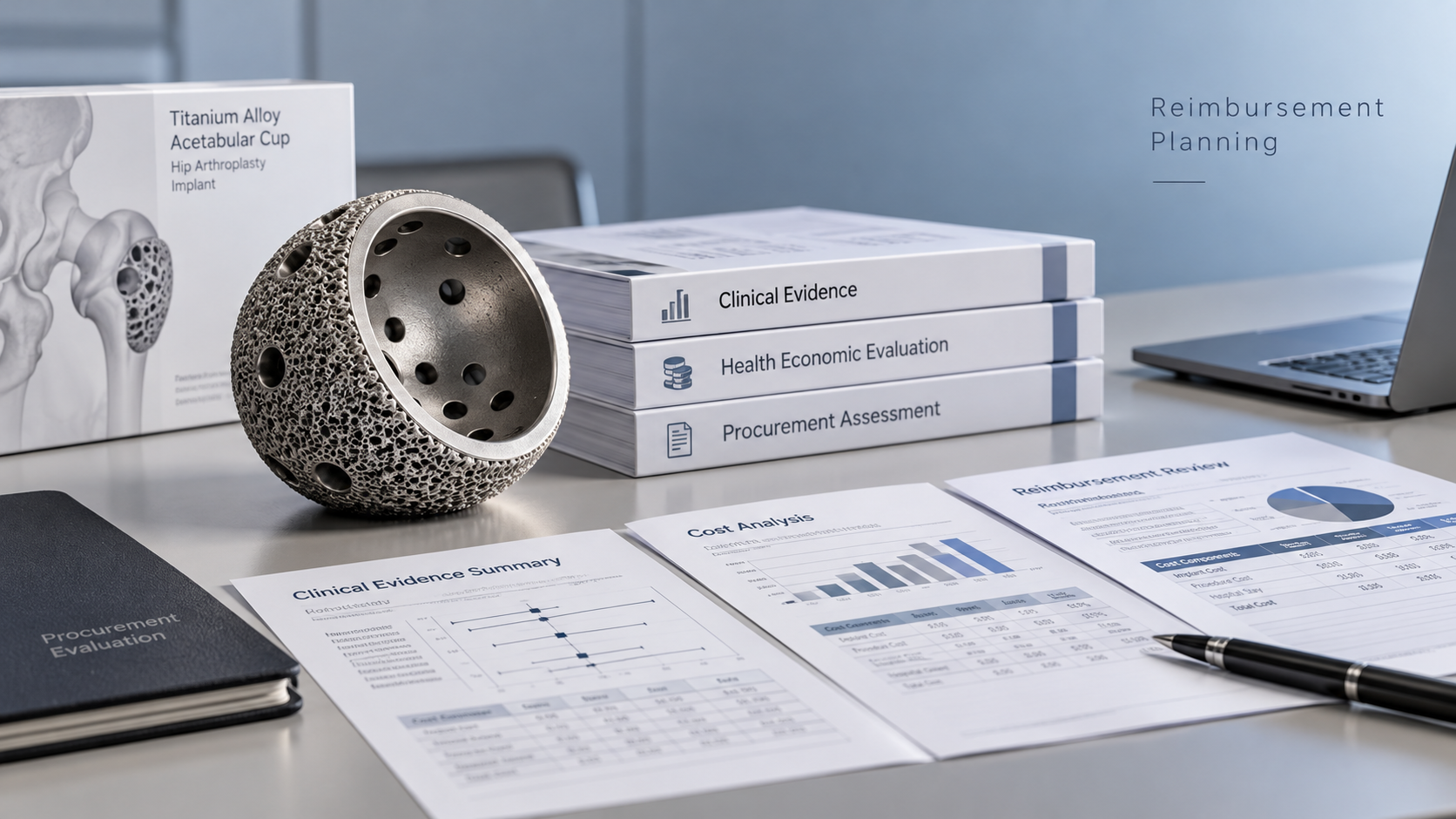
A clinically interesting product may still fail commercially if it lacks a reimbursement narrative. Decision-makers often need proof that wound healing technologies reduce complication-driven spending, not merely improve surrogate observations.
- Align the claim with the intended use. Broad claims create evidentiary risk.
- Map likely regulatory documentation needs before commercial launch.
- Prepare economic arguments using total treatment episodes, not only unit pricing.
This is where IMCS offers value to commercial teams. Its Strategic Intelligence Center bridges material science, clinical logic, and procurement pressure, helping evaluators avoid technologies that look advanced in catalog language but weak in regulatory and purchasing reality.
Common mistakes when evaluating wound healing technologies
Many lost margins in wound care come from predictable evaluation mistakes. These errors are not usually technical failures; they are decision-process failures.
- Using one technology across all wound types. Even strong wound healing technologies underperform when indication discipline is weak.
- Paying for antimicrobial features without a clear infection-related rationale or review timeline.
- Ignoring change frequency, accessory use, and staff time when calculating cost.
- Assuming regenerative products should replace standard advanced dressings rather than complement escalation pathways.
- Treating compliance and registration as late-stage documentation work instead of part of early product-market planning.
A disciplined evaluator builds scenario-based adoption models. That means matching the right wound healing technologies to the right wound severity, the right care environment, and the right reimbursement logic.
FAQ: what do buyers ask most about wound healing technologies?
How should we compare advanced dressings with NPWT?
Start with wound complexity. Advanced dressings often fit superficial to moderately complex wounds, while NPWT is usually justified in deeper, highly exudative, post-surgical, or hard-to-close wounds. The real comparison should include healing pathway, device support needs, and expected escalation avoidance.
Are bioactive wound healing technologies worth the added cost?
They can be, but usually in selective populations such as chronic ulcers with stalled progress despite appropriate standard care. Buyers should ask whether the product changes the trajectory of a hard-to-heal wound, not whether it looks scientifically sophisticated.
What procurement metric is most often overlooked?
Dressing change burden. A product with a higher purchase price may still be more economical if it lowers labor time, reduces unplanned changes, protects fragile tissue, and decreases complication-driven follow-up.
What should global suppliers prepare before market entry discussions?
They should prepare indication-specific evidence, material safety documentation, packaging and shelf-life support, and a region-sensitive pricing strategy. In markets affected by VBP-style pressure or centralized procurement, positioning without a tender logic is rarely enough.
Why choose us for wound care intelligence and commercial evaluation support?
IMCS supports business evaluators who need more than a product summary. We connect wound healing technologies with adjacent high-value consumables thinking: biomaterial safety, clinical evaluation logic, manufacturing precision, regulatory expectations, and pricing pressure in real procurement environments.
Our advantage is not generic promotion. It is structured intelligence for decision-making. That includes helping teams assess advanced dressings, NPWT systems, and tissue-regeneration materials through the same disciplined lens used across implants, interventional devices, staplers, and polymer-based consumables.
- Confirm technical parameters relevant to wound profile, exudate level, and care setting.
- Review product selection options for standard care, escalation pathways, and premium positioning.
- Discuss expected delivery cycles, supply continuity, and market-entry timing.
- Assess regulatory and documentation concerns, including material biocompatibility and intended-use alignment.
- Explore sample support, quotation planning, and commercialization pathways for target regions.
If your team is comparing wound healing technologies and needs clearer judgment on clinical value, commercial fit, or compliance readiness, IMCS can help structure the evaluation before procurement risk becomes market risk.
Get weekly intelligence in your inbox.
No noise. No sponsored content. Pure intelligence.
News Recommendations
 Oct 26, 2026Can a single approval cover life science product sales worldwide?Can a single approval cover life science product sales worldwide?
 Oct 25, 2026When is sensitization testing needed for medical device biocompatibility?When is sensitization testing needed for medical device biocompatibility?
 Oct 24, 2026How is biocompatibility tested for implantable polymer biomaterials?How is biocompatibility tested for implantable polymer biomaterials?
 Oct 23, 2026How to build reimbursement into an implant commercialization strategyHow to build reimbursement into an implant commercialization strategy
 Oct 22, 2026What clinical evidence do implants need for CE marking under EU MDR?What clinical evidence do implants need for CE marking under EU MDR?
 Oct 21, 2026How to choose disposable laparoscopic stapler reloads for thick tissueHow to choose disposable laparoscopic stapler reloads for thick tissue
 Oct 20, 2026How to assess medical polymer biocompatibility under ISO 10993How to assess medical polymer biocompatibility under ISO 10993
 Oct 19, 2026How do interventional device categories differ in clinical use?How do interventional device categories differ in clinical use?
 Oct 18, 2026When to choose alginate dressings for heavily exuding chronic woundsWhen to choose alginate dressings for heavily exuding chronic wounds
 Oct 17, 2026How is biocompatibility tested for custom medical-grade PEEK implants?How is biocompatibility tested for custom medical-grade PEEK implants?
 Oct 16, 2026How to check a wound healing materials supplier’s biocompatibility dataHow to check a wound healing materials supplier’s biocompatibility data
 Oct 15, 2026How to verify the FDA clearance status of silver wound dressingsHow to verify the FDA clearance status of silver wound dressings
 Oct 14, 2026How to register orthopedic implants and instruments in Latin AmericaHow to register orthopedic implants and instruments in Latin America
 Oct 13, 2026How to use a device market intelligence database to benchmark VBP pricesHow to use a device market intelligence database to benchmark VBP prices
 Oct 12, 2026When should stainless steel orthopedic instruments be replaced?When should stainless steel orthopedic instruments be replaced?
 Oct 11, 2026When are alginate dressings rope the right choice for cavity wounds?When are alginate dressings rope the right choice for cavity wounds?
 Oct 10, 2026When smart minimally invasive technology improves catheter accessWhen smart minimally invasive technology improves catheter access
 Oct 08, 2026Clinical evaluation requirements for cardiovascular implant devices in EuropeClinical evaluation requirements for cardiovascular implant devices in Europe
 Oct 07, 2026What to verify before appointing an artificial joint implants distributorWhat to verify before appointing an artificial joint implants distributor
 Oct 06, 2026How ISO 10993 guides biocompatibility testing for medical materialsHow ISO 10993 guides biocompatibility testing for medical materials
 Oct 05, 2026How to verify an orthopedic implants and instruments exporterHow to verify an orthopedic implants and instruments exporter
 Oct 04, 2026What drives surgical stapling devices price differences in hospital tenders?What drives surgical stapling devices price differences in hospital tenders?
 Oct 03, 2026How to assess a central venous catheter manufacturer's infection-control evidenceHow to assess a central venous catheter manufacturer's infection-control evidence
 Oct 02, 2026How to assess an advanced wound care factory’s quality systemHow to assess an advanced wound care factory’s quality system
 Oct 01, 2026What is driving global medical consumables demand in emerging markets?What is driving global medical consumables demand in emerging markets?
 Sep 30, 2026Implant Material Compliance Testing: Evidence Needed for Regulatory SubmissionImplant Material Compliance Testing: Evidence Needed for Regulatory Submission
 Sep 30, 2026From Corrosion to Fatigue: What Implant Materials Testing Should MeasureFrom Corrosion to Fatigue: What Implant Materials Testing Should Measure