2026 Medical Regulatory Intelligence: Key Access Risks to Watch
In 2026, medical regulatory intelligence is no longer optional for executive teams navigating global Class III device markets. From CE MDR evidence gaps and biocompatibility scrutiny to pricing pressure under VBP and shifting market-access rules, the risk landscape is becoming more complex. This article highlights the key access risks decision-makers should watch to protect product pipelines, accelerate compliance, and preserve commercial value in high-stakes medical consumables sectors.
Why medical regulatory intelligence now requires a checklist mindset

Market access for implants and consumables no longer depends on one approval milestone. It now depends on synchronized evidence, reimbursement logic, manufacturing readiness, and pricing resilience.
That is why medical regulatory intelligence should be handled as a live checklist, not a one-time research report. Small gaps can trigger major delays across jurisdictions.
For orthopedic implants, cardiovascular devices, staplers, catheters, and advanced wound care, the same pattern is visible: evidence standards are rising while commercial windows are narrowing.
2026 medical regulatory intelligence checklist: key access risks to watch
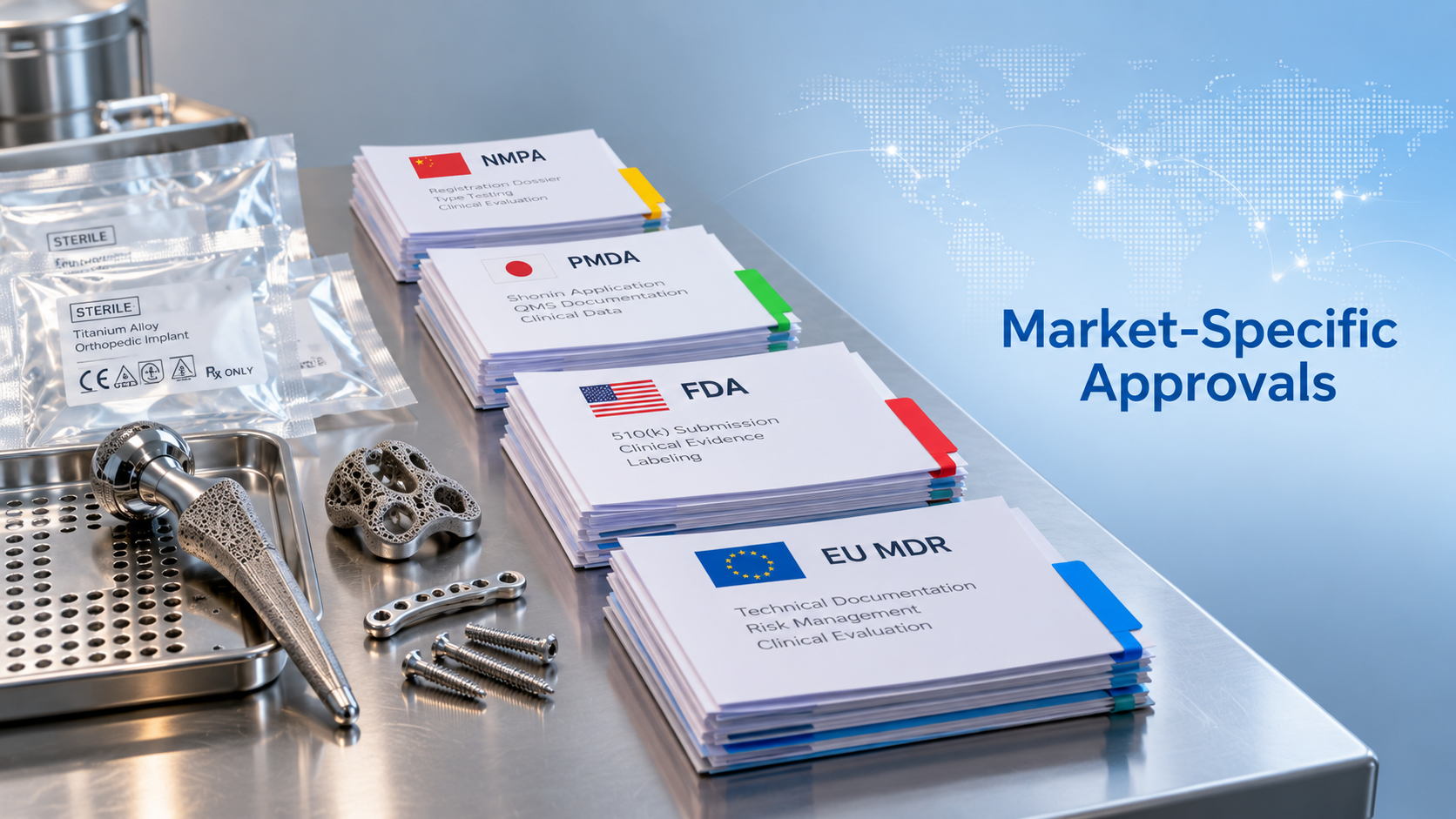
- Map regulatory pathways early across the EU, China, and priority export markets, because one product may face different evidence expectations, timelines, and post-market obligations.
- Validate clinical evidence depth before submission, especially for Class III devices where equivalence arguments are weaker and long-term outcome data is increasingly demanded.
- Recheck ISO 10993 biocompatibility strategy after design or supplier changes, since material modifications often create hidden toxicology and extractables questions.
- Audit technical documentation against CE MDR granularity, including CER logic, PMCF plans, risk files, and traceable benefit-risk conclusions.
- Stress-test manufacturing consistency, because process drift, sterilization deviations, and packaging changes can become market-access barriers even after regulatory approval.
- Model VBP or centralized procurement exposure early, since price compression can destroy margin assumptions long before commercial launch scales.
- Track reimbursement and coding shifts in parallel with registration, because approval without payment support often creates a commercially blocked product.
- Review supply-chain geography and sole-source dependencies, as geopolitical controls and logistics instability now affect access risk as much as formal regulations.
- Prepare post-market surveillance systems before launch, not after, because signal detection, complaint trending, and field action readiness are under tighter scrutiny.
- Align regulatory, clinical, quality, and pricing teams around one risk dashboard, so market-access decisions reflect evidence reality rather than isolated functional assumptions.
How these risks play out across major medical consumables segments
Orthopedic implants and instruments
Orthopedic systems face growing pressure around survivorship evidence, wear performance, and revision risk. Porous structures, additive manufacturing, and novel polymers invite closer scrutiny.
In 2026, medical regulatory intelligence should connect registry trends, MDR clinical expectations, and procurement pricing scenarios before portfolio expansion or line extension decisions.
Cardiovascular interventional consumables
DES, balloons, guidewires, and TAVR systems face high evidence sensitivity. Minor coating, delivery, or dimensional changes may trigger deeper review than teams first expect.
At the same time, tender-driven markets can compress prices rapidly. Effective medical regulatory intelligence must combine approval probability with realistic landed-margin forecasts.
Minimally invasive staplers and surgical consumables
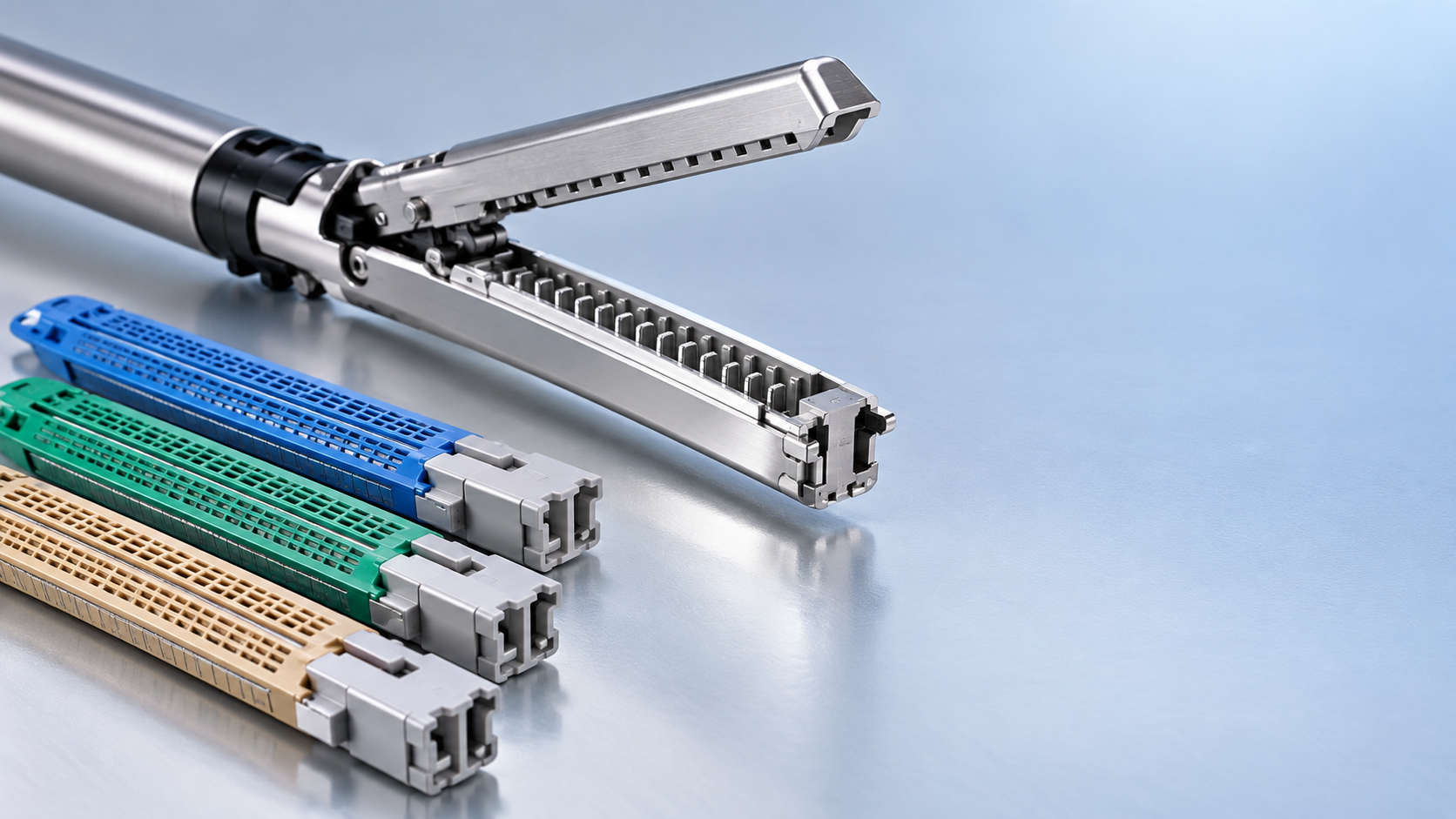
Stapler access risk often sits at the intersection of usability, clinical consistency, and hospital value analysis. Performance claims must be supported beyond bench data alone.
Procurement reviews increasingly compare reload cost, complication reduction, and training burden together. That makes market access both a regulatory and economic proof exercise.
Medical polymer catheters
Polymer catheters face recurring questions on hemocompatibility, particulate risk, coating durability, and kink resistance. Supplier variation can quickly become a compliance issue.
Strong medical regulatory intelligence here means monitoring chemistry, process validation, packaging integrity, and complaint data as one connected access system.
Advanced wound care and regenerative materials
Dressings, NPWT systems, and bioactive matrices often sit near classification gray zones. Claims around antimicrobial action or tissue regeneration can trigger broader review.
Commercial access also depends on proving healing efficiency, not just safety. Evidence packages should therefore anticipate payer and formulary questions from the beginning.
Frequently missed access risks in 2026
Underestimating evidence drift
A dossier accepted two years ago may now look thin. Review expectations move faster than many planning cycles, especially for Class III medical devices.
Treating biocompatibility as fixed
Biological safety is not frozen after one test plan. New resins, additives, coatings, or sterilization changes can reopen the entire biological evaluation rationale.
Separating pricing from regulatory planning
Approval timing matters less if reimbursement is weak or procurement pricing collapses. Access strategy fails when regulatory success and commercial viability are modeled separately.
Ignoring post-market readiness
Many access plans still focus on premarket milestones only. In reality, surveillance capability increasingly influences trust, renewal decisions, and regulatory confidence.
Practical execution steps for stronger market access
- Build a quarterly medical regulatory intelligence review covering standards updates, notified body trends, tender signals, reimbursement shifts, and competitor enforcement events.
- Create a single evidence matrix linking claims, tests, clinical support, risk controls, and market-specific documentation requirements.
- Run change-control impact reviews that include regulatory, toxicology, quality, and supply-chain consequences before design transfers or sourcing adjustments.
- Model best-case, base-case, and stressed pricing scenarios for VBP-sensitive products before committing launch volume or expansion investments.
- Use early warning indicators such as review-cycle extensions, deficiency patterns, complaint clusters, and tender eligibility changes.
For intelligence-driven organizations, the goal is not merely to react faster. The goal is to detect access friction before it becomes a delay, write-off, or forced repricing event.
Conclusion and next action
The 2026 landscape rewards disciplined medical regulatory intelligence. Evidence strength, biocompatibility rigor, procurement pressure, and post-market control now move together.
A practical next step is to review one priority product family against the checklist above. Start with evidence gaps, pricing exposure, and change-control vulnerabilities.
That approach helps preserve compliance speed, defend commercial value, and improve market-access predictability across global medical consumables portfolios.
Get weekly intelligence in your inbox.
No noise. No sponsored content. Pure intelligence.
News Recommendations
 Oct 26, 2026Can a single approval cover life science product sales worldwide?Can a single approval cover life science product sales worldwide?
 Oct 25, 2026When is sensitization testing needed for medical device biocompatibility?When is sensitization testing needed for medical device biocompatibility?
 Oct 24, 2026How is biocompatibility tested for implantable polymer biomaterials?How is biocompatibility tested for implantable polymer biomaterials?
 Oct 23, 2026How to build reimbursement into an implant commercialization strategyHow to build reimbursement into an implant commercialization strategy
 Oct 22, 2026What clinical evidence do implants need for CE marking under EU MDR?What clinical evidence do implants need for CE marking under EU MDR?
 Oct 21, 2026How to choose disposable laparoscopic stapler reloads for thick tissueHow to choose disposable laparoscopic stapler reloads for thick tissue
 Oct 20, 2026How to assess medical polymer biocompatibility under ISO 10993How to assess medical polymer biocompatibility under ISO 10993
 Oct 19, 2026How do interventional device categories differ in clinical use?How do interventional device categories differ in clinical use?
 Oct 18, 2026When to choose alginate dressings for heavily exuding chronic woundsWhen to choose alginate dressings for heavily exuding chronic wounds
 Oct 17, 2026How is biocompatibility tested for custom medical-grade PEEK implants?How is biocompatibility tested for custom medical-grade PEEK implants?
 Oct 16, 2026How to check a wound healing materials supplier’s biocompatibility dataHow to check a wound healing materials supplier’s biocompatibility data
 Oct 15, 2026How to verify the FDA clearance status of silver wound dressingsHow to verify the FDA clearance status of silver wound dressings
 Oct 14, 2026How to register orthopedic implants and instruments in Latin AmericaHow to register orthopedic implants and instruments in Latin America
 Oct 13, 2026How to use a device market intelligence database to benchmark VBP pricesHow to use a device market intelligence database to benchmark VBP prices
 Oct 12, 2026When should stainless steel orthopedic instruments be replaced?When should stainless steel orthopedic instruments be replaced?
 Oct 11, 2026When are alginate dressings rope the right choice for cavity wounds?When are alginate dressings rope the right choice for cavity wounds?
 Oct 10, 2026When smart minimally invasive technology improves catheter accessWhen smart minimally invasive technology improves catheter access
 Oct 08, 2026Clinical evaluation requirements for cardiovascular implant devices in EuropeClinical evaluation requirements for cardiovascular implant devices in Europe
 Oct 07, 2026What to verify before appointing an artificial joint implants distributorWhat to verify before appointing an artificial joint implants distributor
 Oct 06, 2026How ISO 10993 guides biocompatibility testing for medical materialsHow ISO 10993 guides biocompatibility testing for medical materials
 Oct 05, 2026How to verify an orthopedic implants and instruments exporterHow to verify an orthopedic implants and instruments exporter
 Oct 04, 2026What drives surgical stapling devices price differences in hospital tenders?What drives surgical stapling devices price differences in hospital tenders?
 Oct 03, 2026How to assess a central venous catheter manufacturer's infection-control evidenceHow to assess a central venous catheter manufacturer's infection-control evidence
 Oct 02, 2026How to assess an advanced wound care factory’s quality systemHow to assess an advanced wound care factory’s quality system
 Oct 01, 2026What is driving global medical consumables demand in emerging markets?What is driving global medical consumables demand in emerging markets?
 Sep 30, 2026Implant Material Compliance Testing: Evidence Needed for Regulatory SubmissionImplant Material Compliance Testing: Evidence Needed for Regulatory Submission
 Sep 30, 2026From Corrosion to Fatigue: What Implant Materials Testing Should MeasureFrom Corrosion to Fatigue: What Implant Materials Testing Should Measure